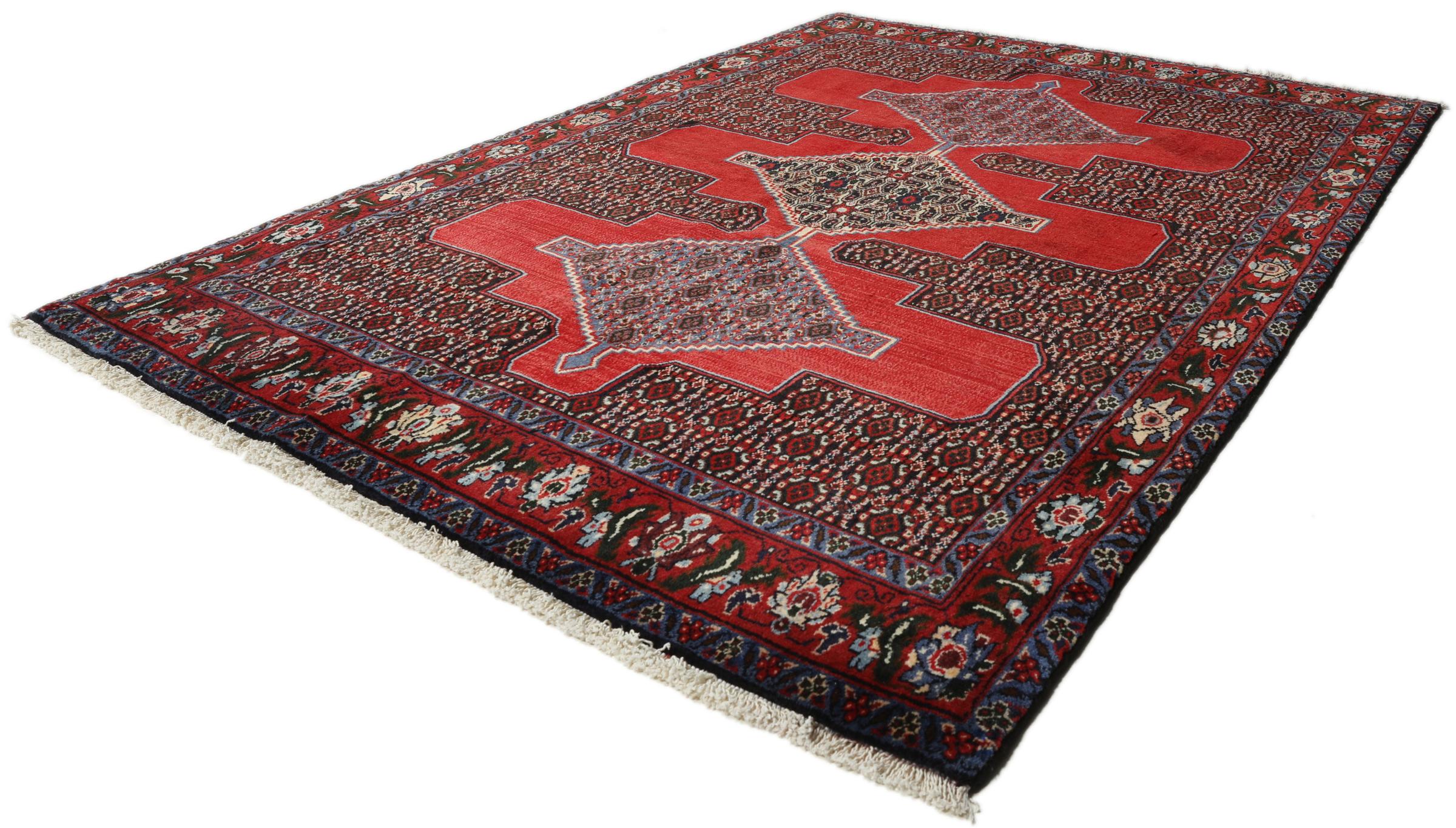
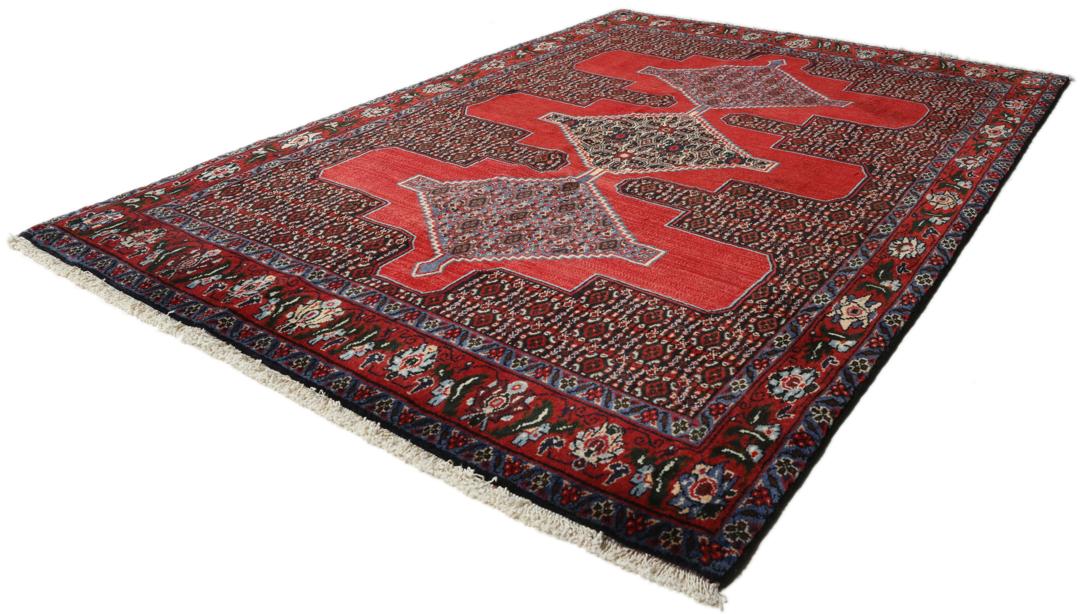
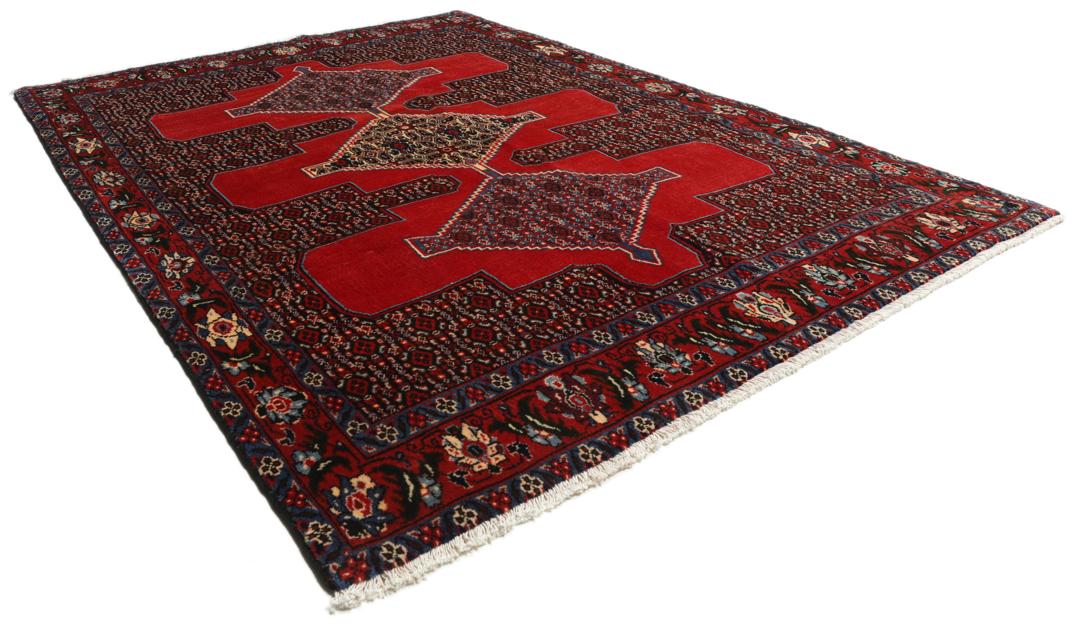
The Senneh rug originates from the historic city of Sanandaj, formerly known as Senneh, located in the mountainous region of the Middle East. This area has long been a cultural hub, celebrated for its unique approach to textile arts. The rugs produced here are recognised for their distinct design identity, which has evolved over centuries while remaining deeply connected to the local customs and the surrounding landscape.
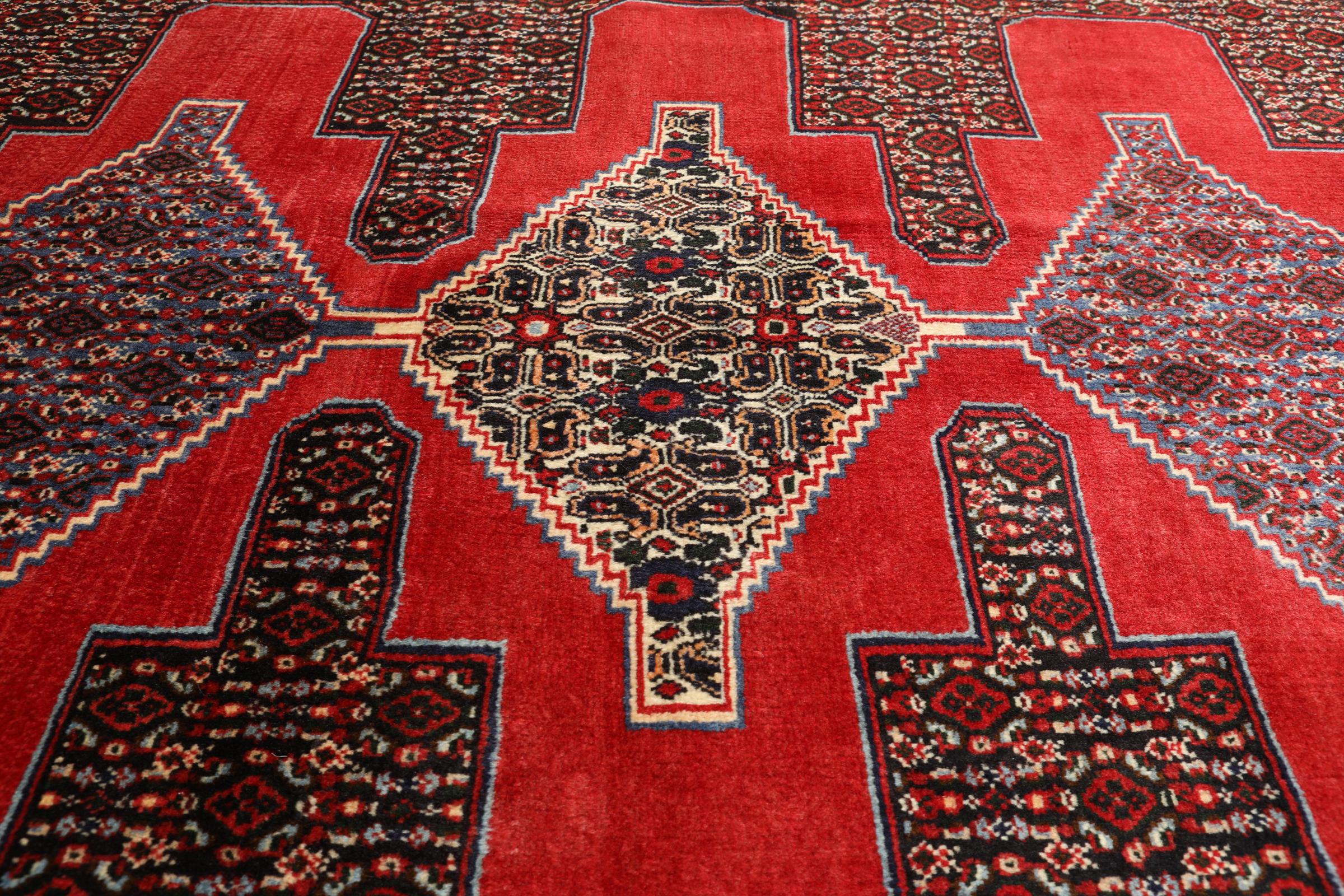
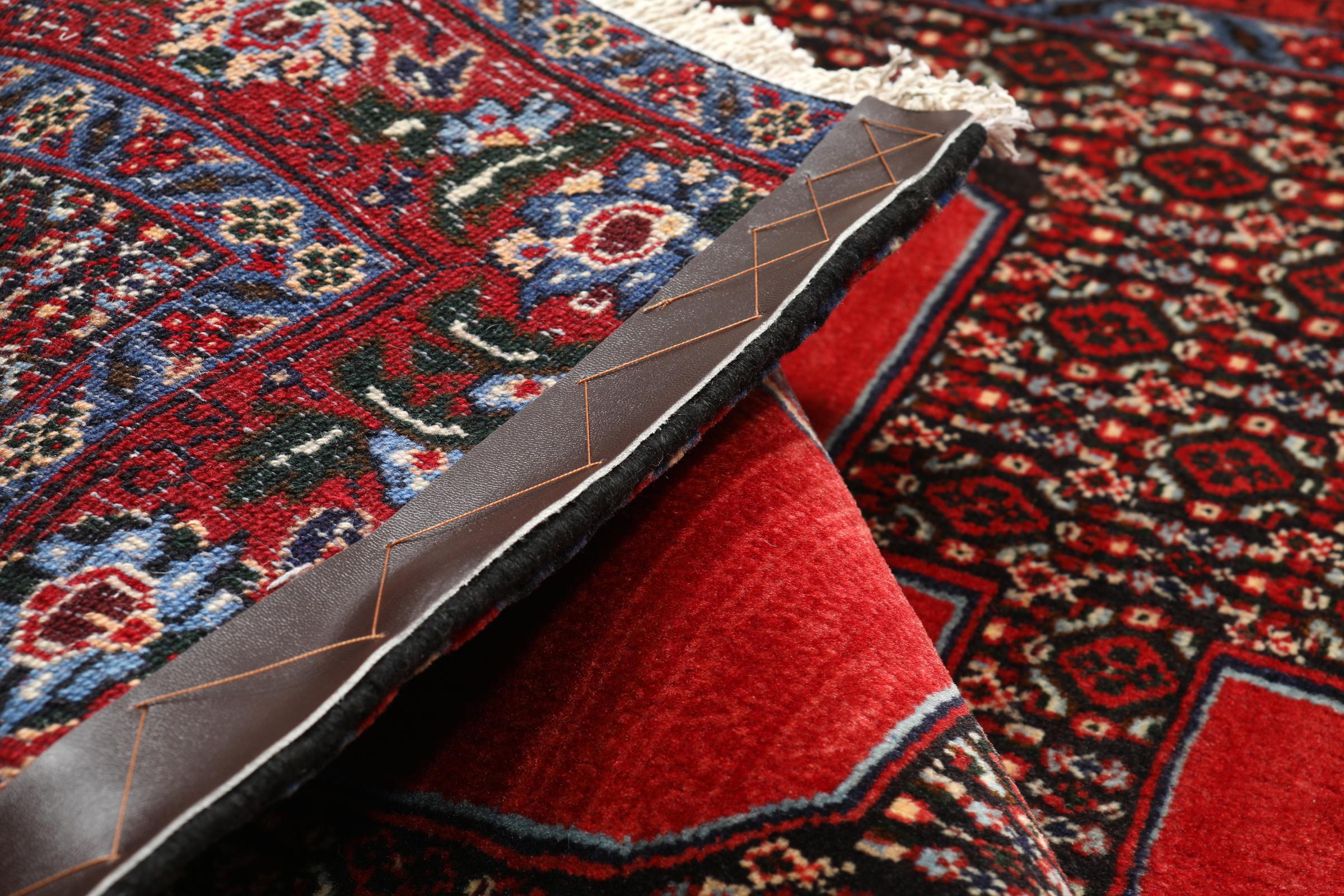
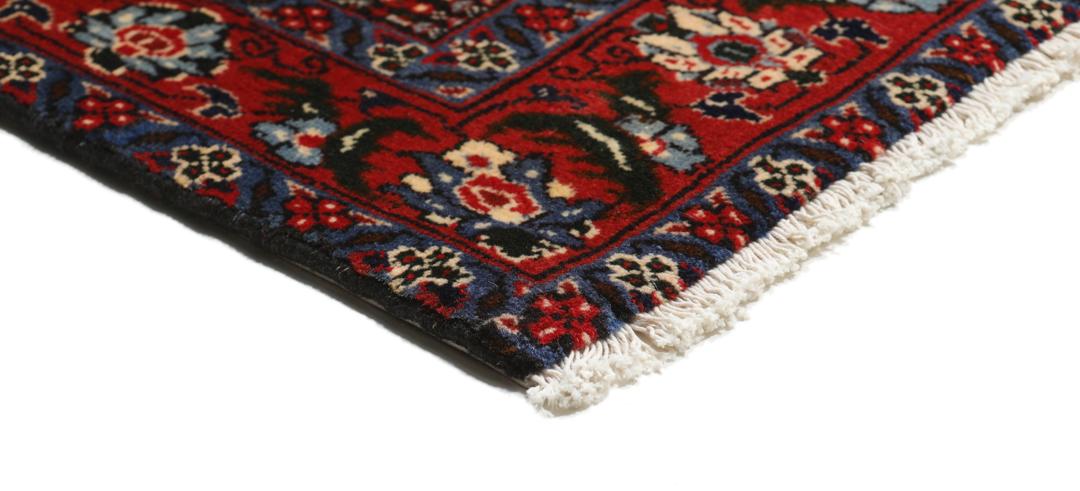
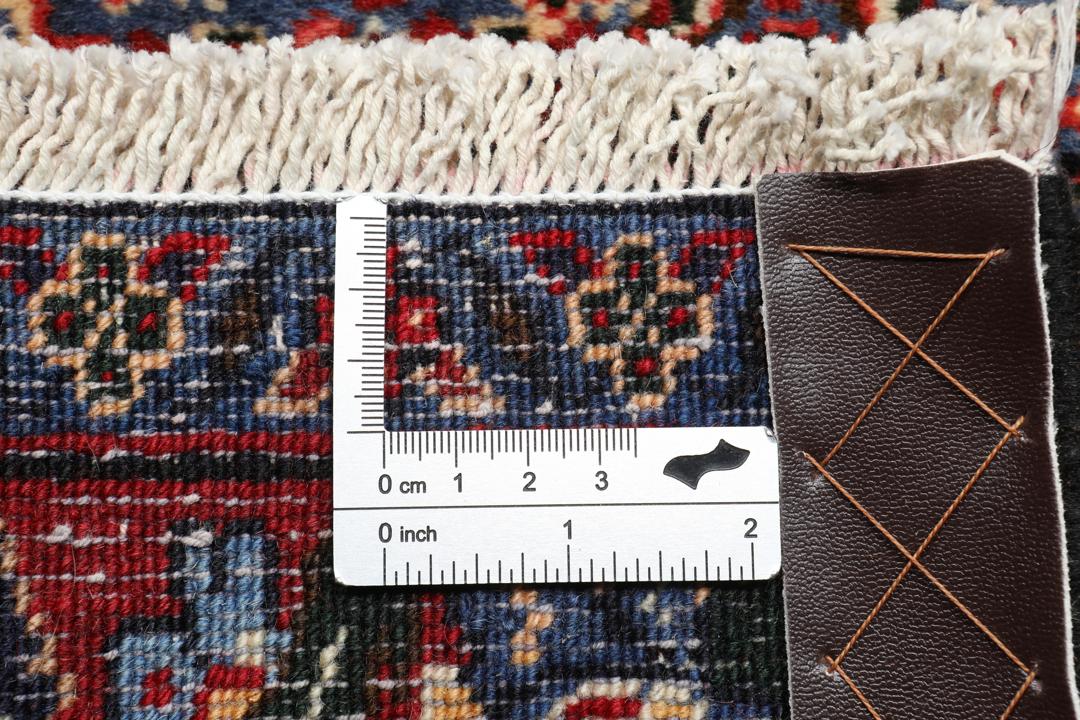
In the world of rug making, the technical quality of a piece is often defined by its structure and the materials used in its foundation. The traditional methods used in this region prioritise a fine, tight knotting style that results in a thinner yet remarkably durable fabric. This specific construction technique is prized by collectors for its ability to produce highly detailed, intricate patterns that would be impossible to achieve with coarser methods.
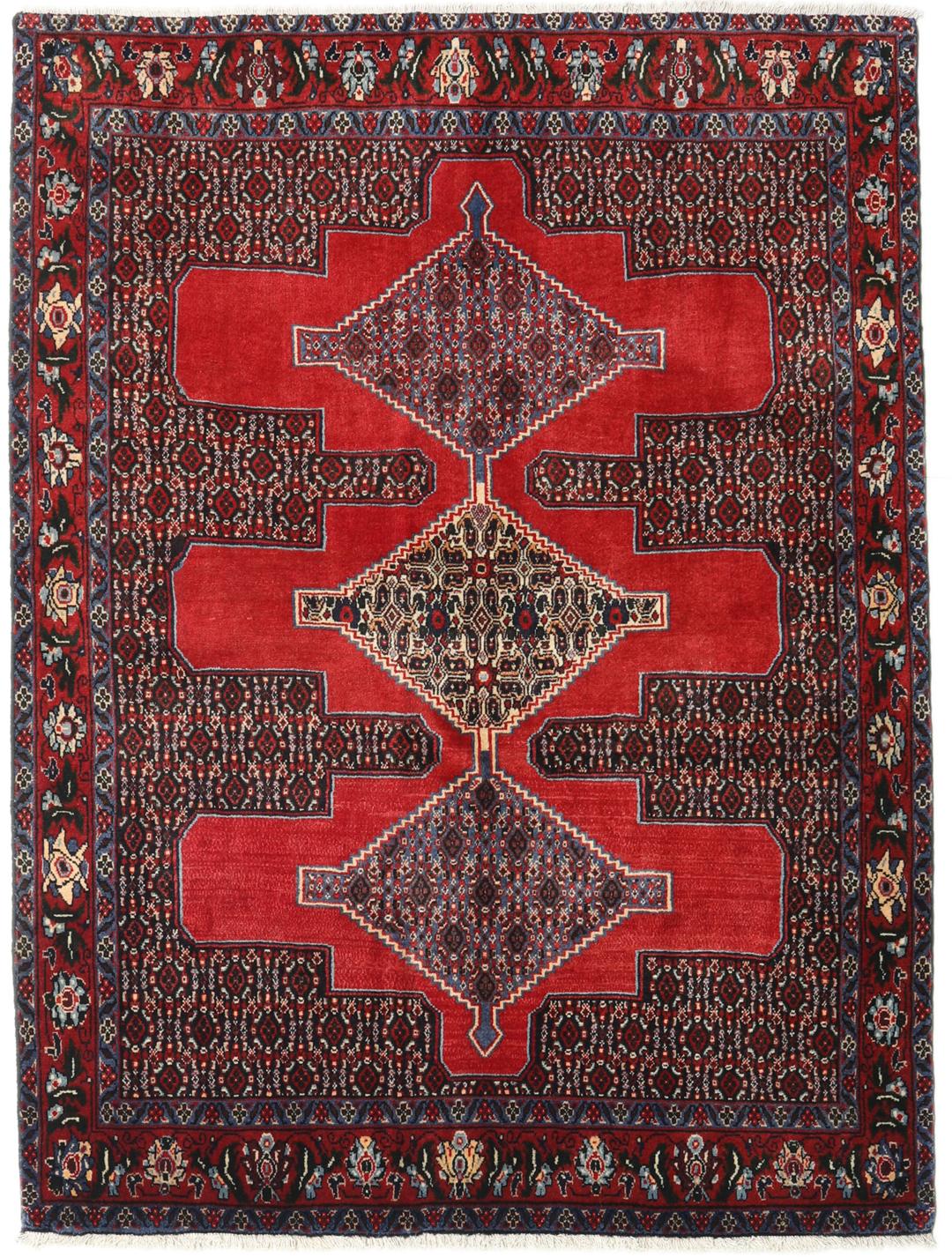
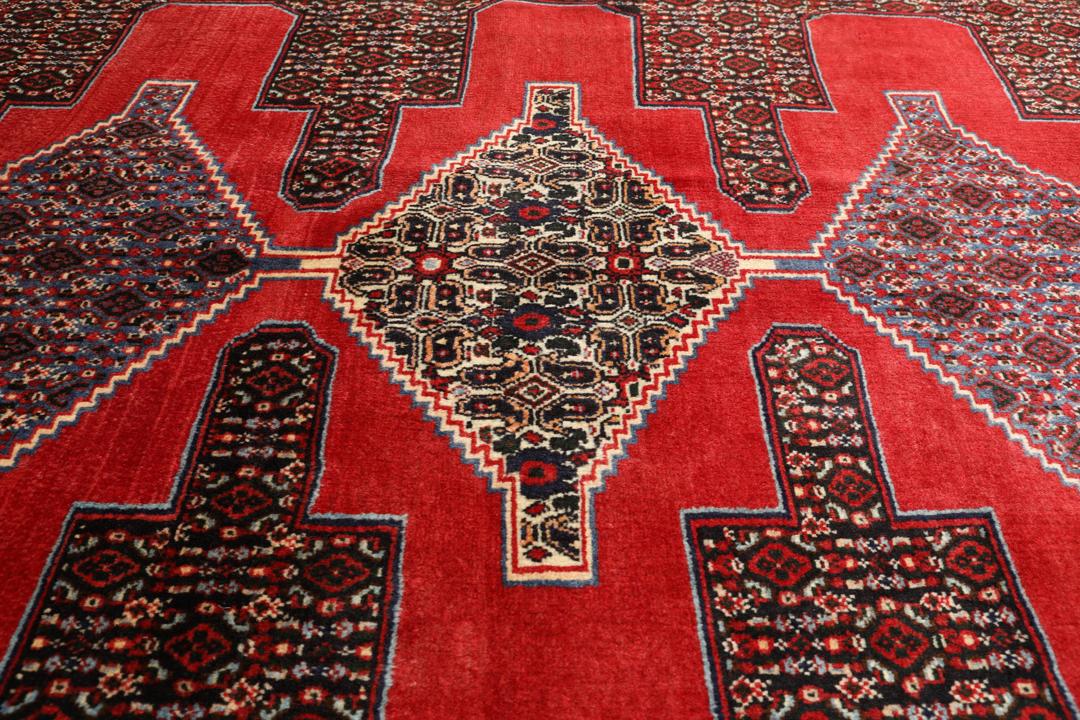
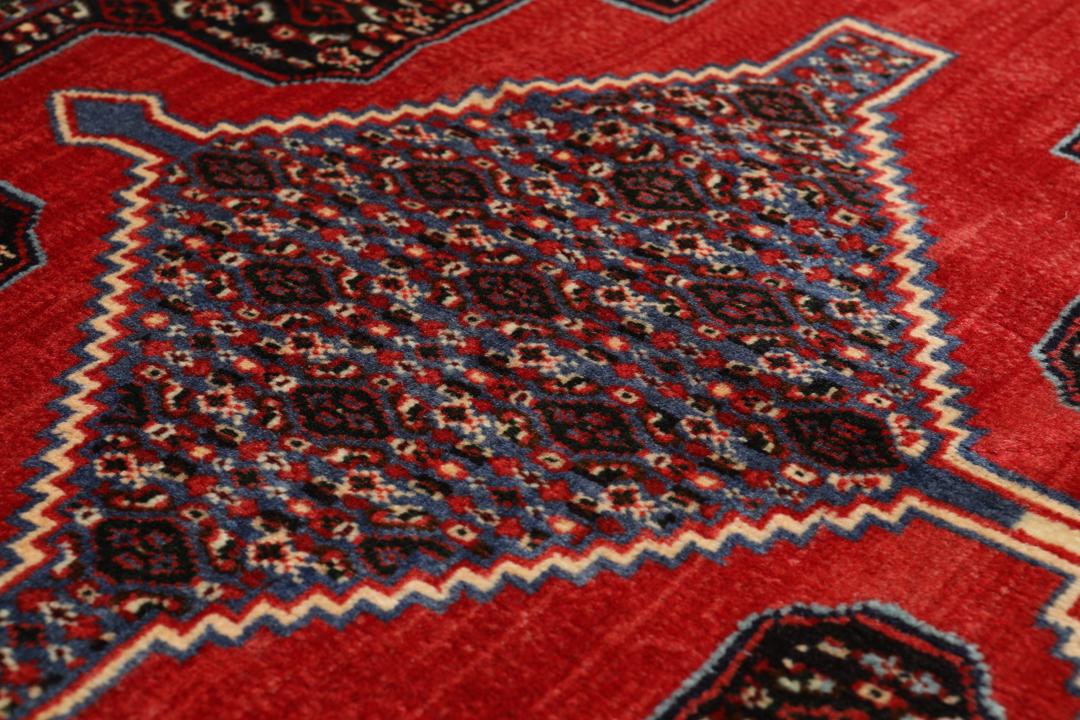
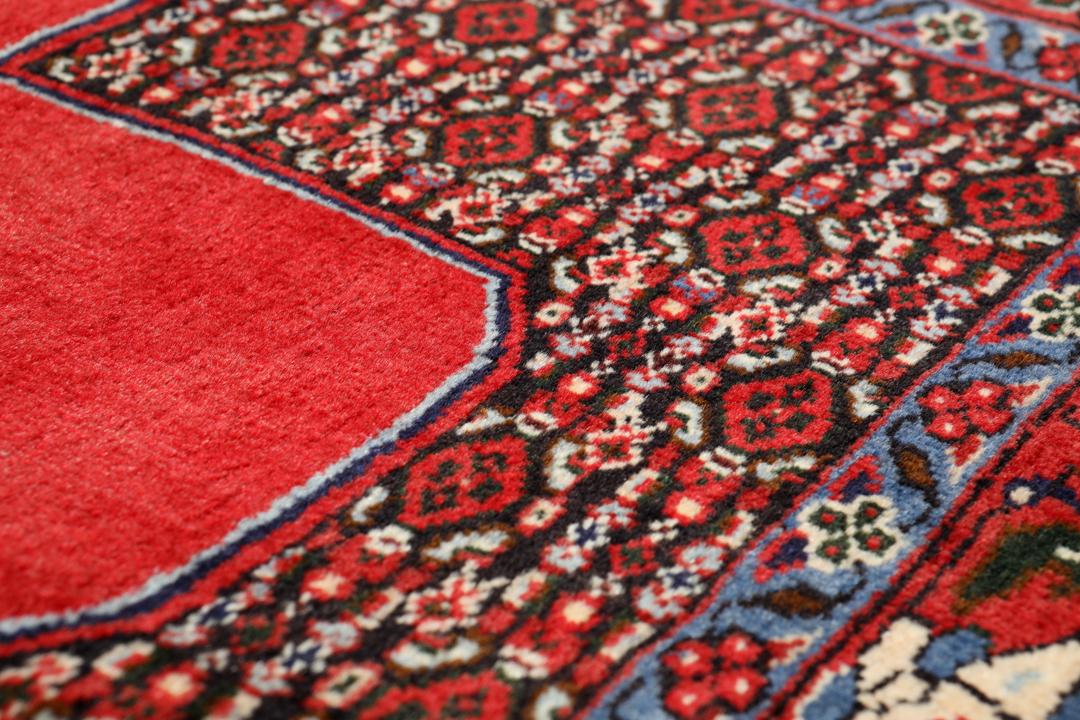
Visually, these rugs are often defined by their sophisticated use of geometric motifs and balanced layouts. While many traditional rugs from the region rely on floral elements, the Senneh style frequently incorporates stylised medallions and repeating patterns that create a harmonious, rhythmic effect. The use of bold, saturated colours like the deep red seen here is a hallmark of the tradition, often contrasted with cooler tones to create depth and visual interest.
Owning a piece from this tradition is an opportunity to connect with a rich history of craftsmanship. These rugs are highly valued for their artistic merit and the skill required to produce them, making them a staple for those who appreciate heritage and quality. They are more than just floor coverings; they are cultural artefacts that represent a legacy of design and a commitment to maintaining age-old traditions in a modern home.