Senneh rugs originate from the mountainous regions of the Middle East, specifically around the city of Sanandaj. This area has long been a hub for sophisticated textile arts, where weavers developed a distinct style known for its precision and elegant aesthetic. The tradition is deeply rooted in the local culture, where weaving is not just a craft but a primary form of artistic expression.
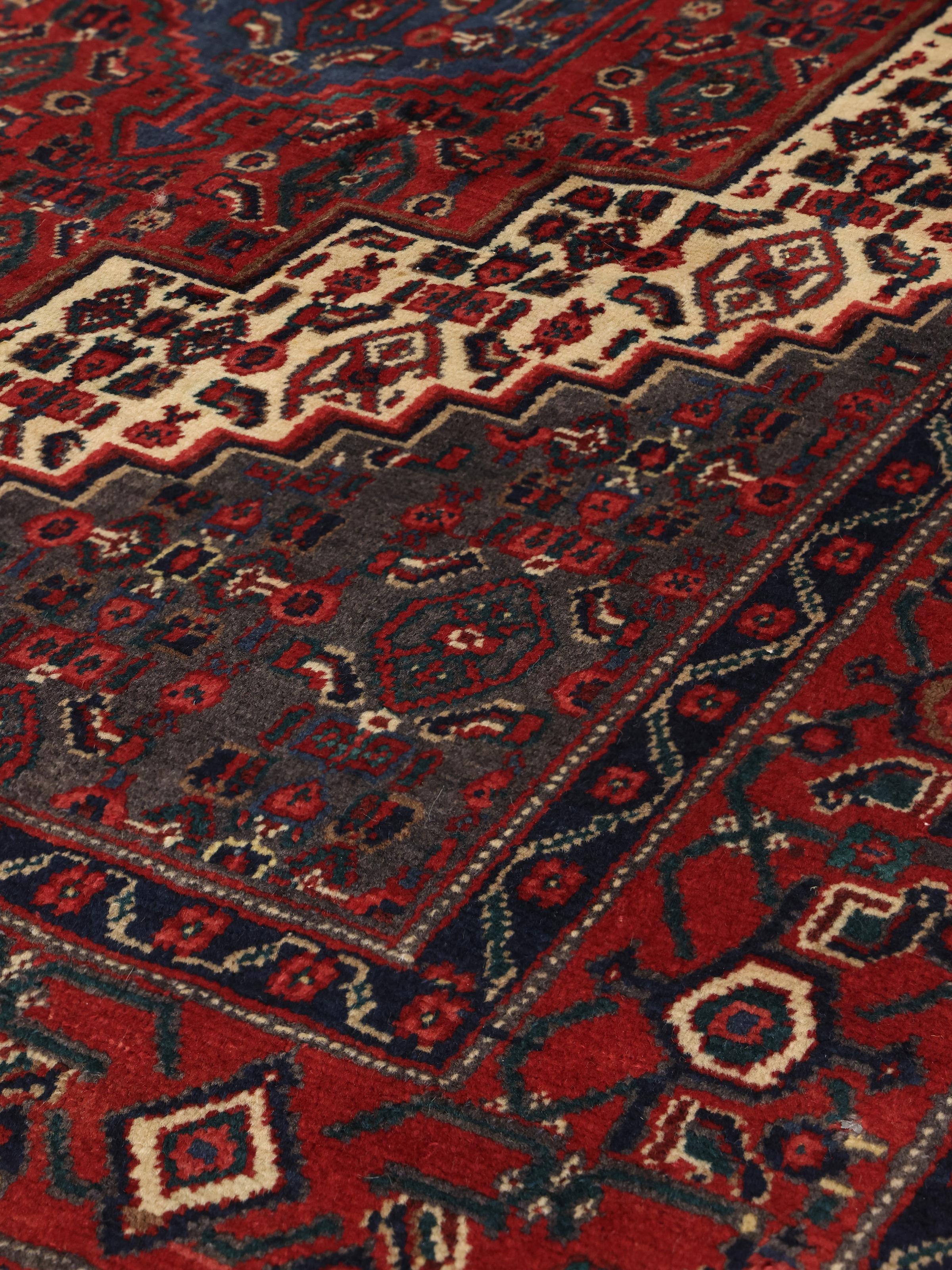
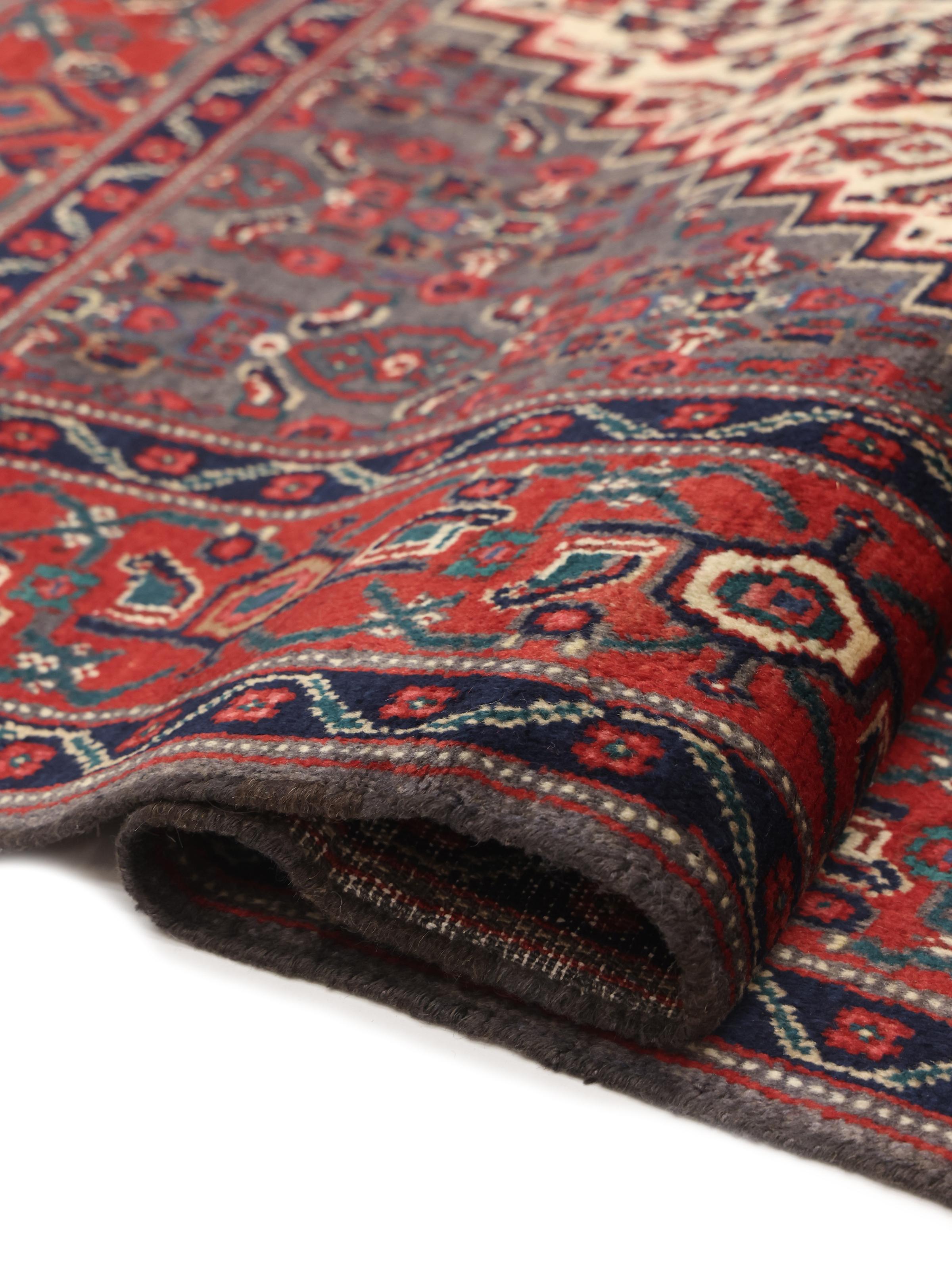
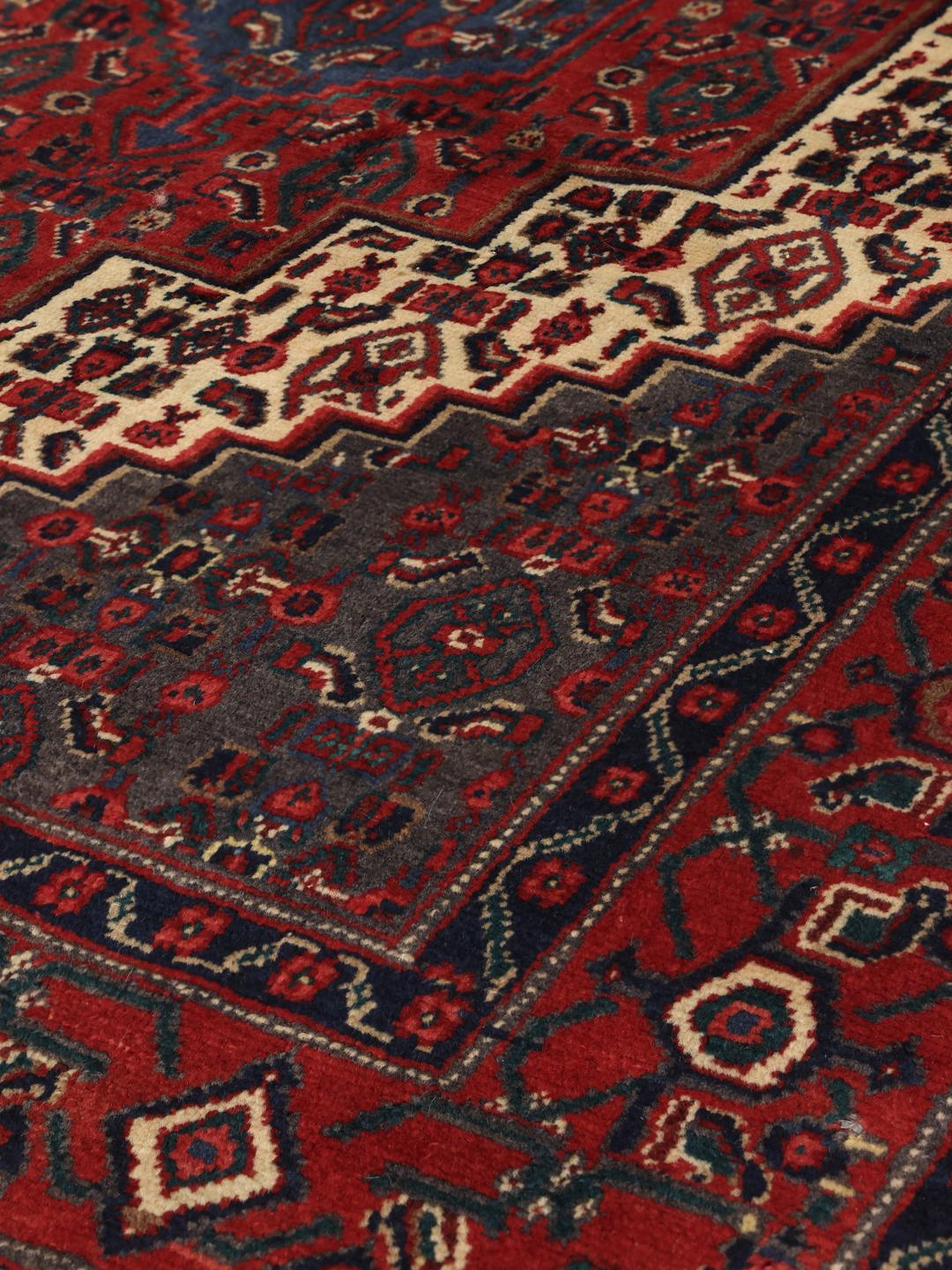
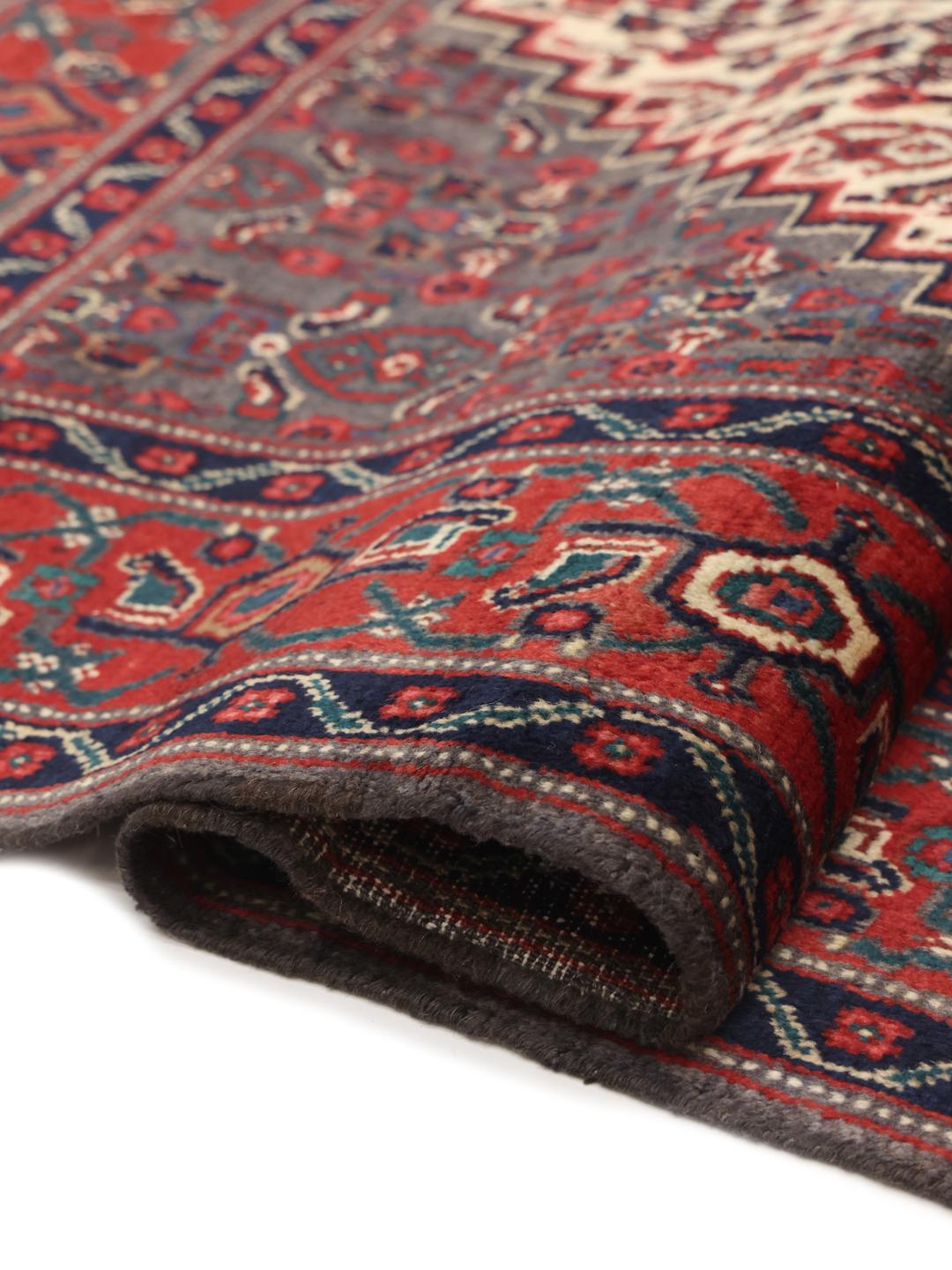
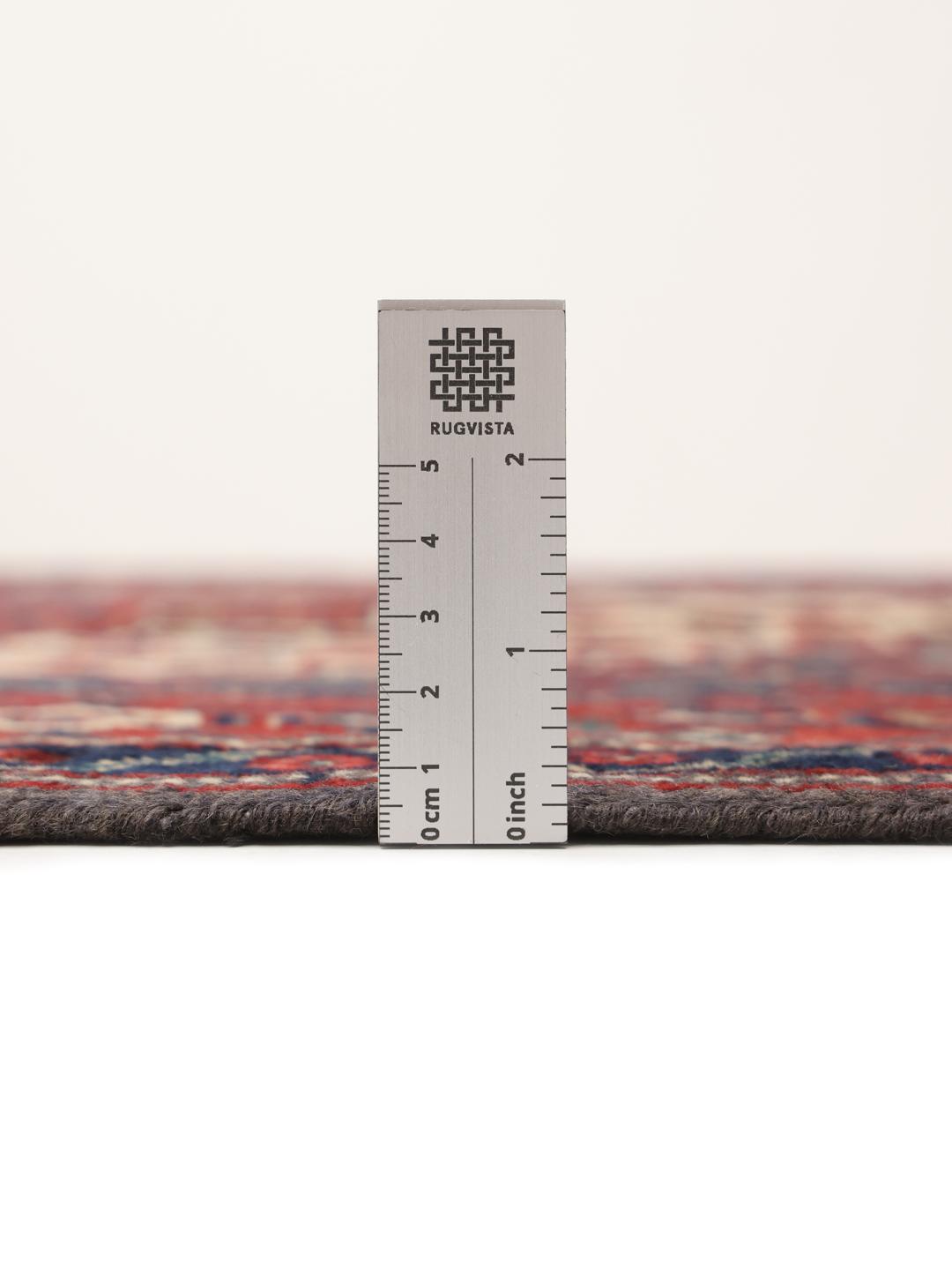
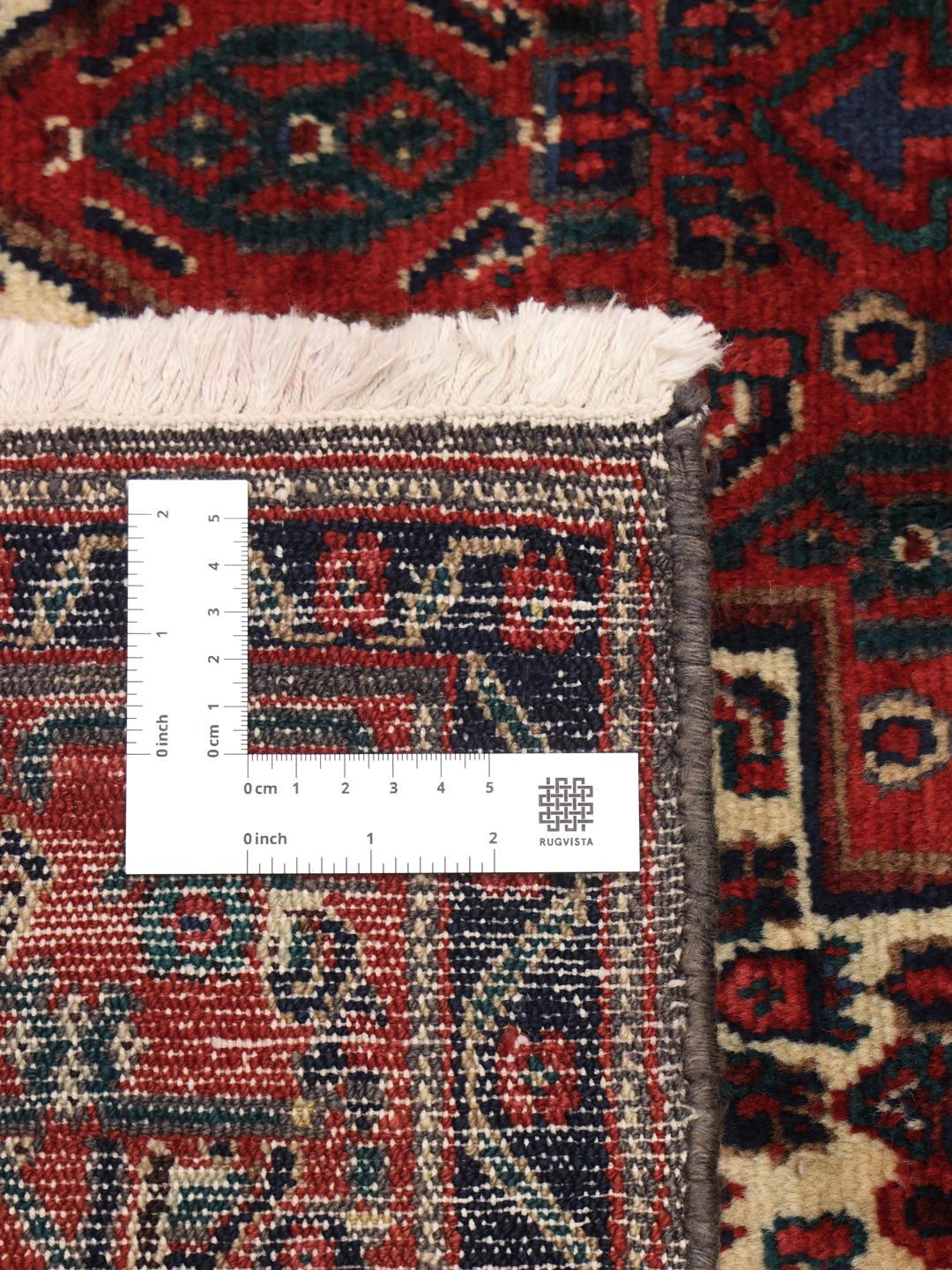
The term Senneh refers to a specific, refined knotting technique that allows for a thinner, more flexible, yet remarkably durable rug. By using a single-weft construction, weavers can achieve a high level of detail, resulting in a smooth, even surface. This technical approach is a hallmark of the region, ensuring that the finished rug is both visually intricate and physically robust.
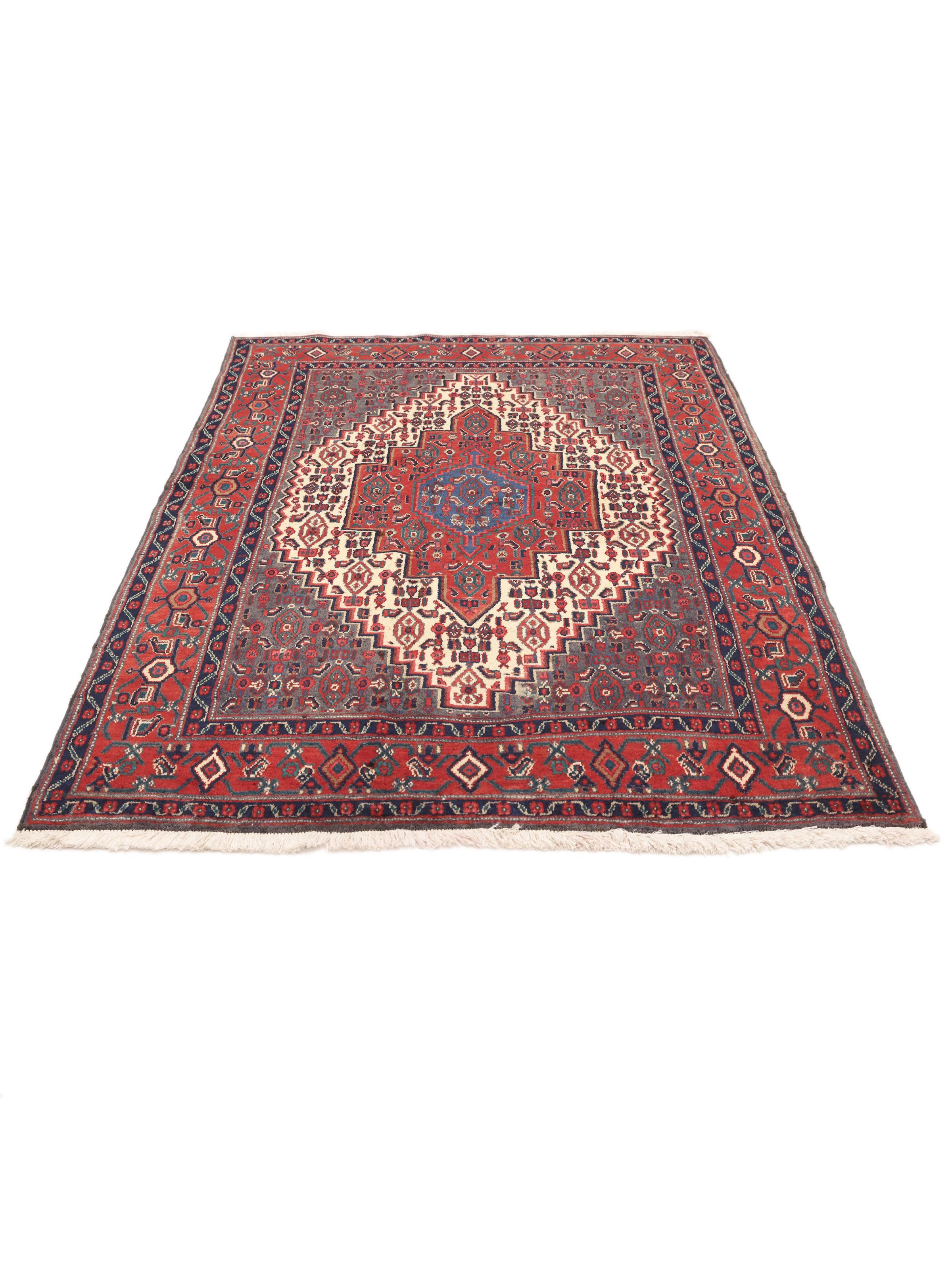
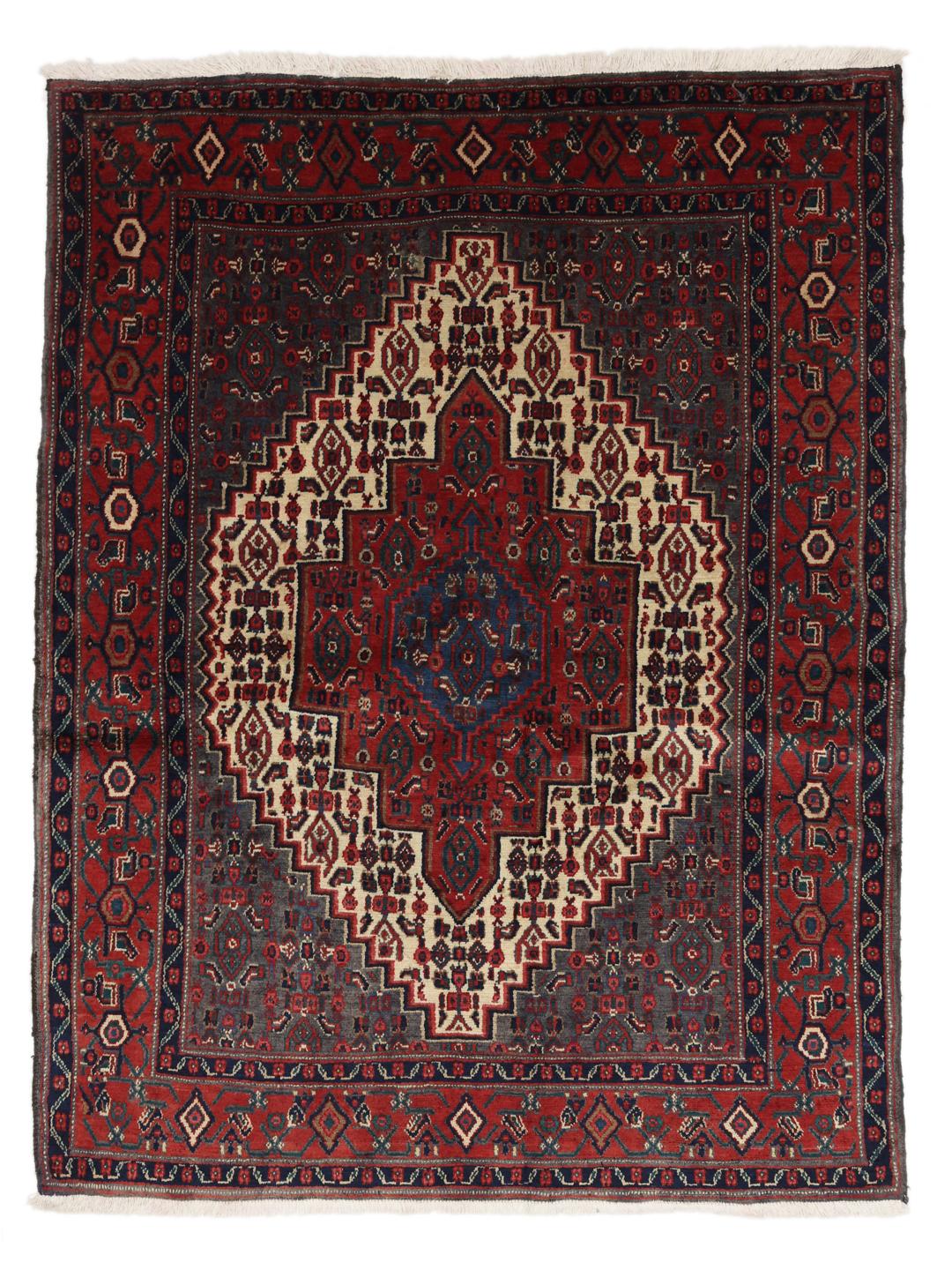
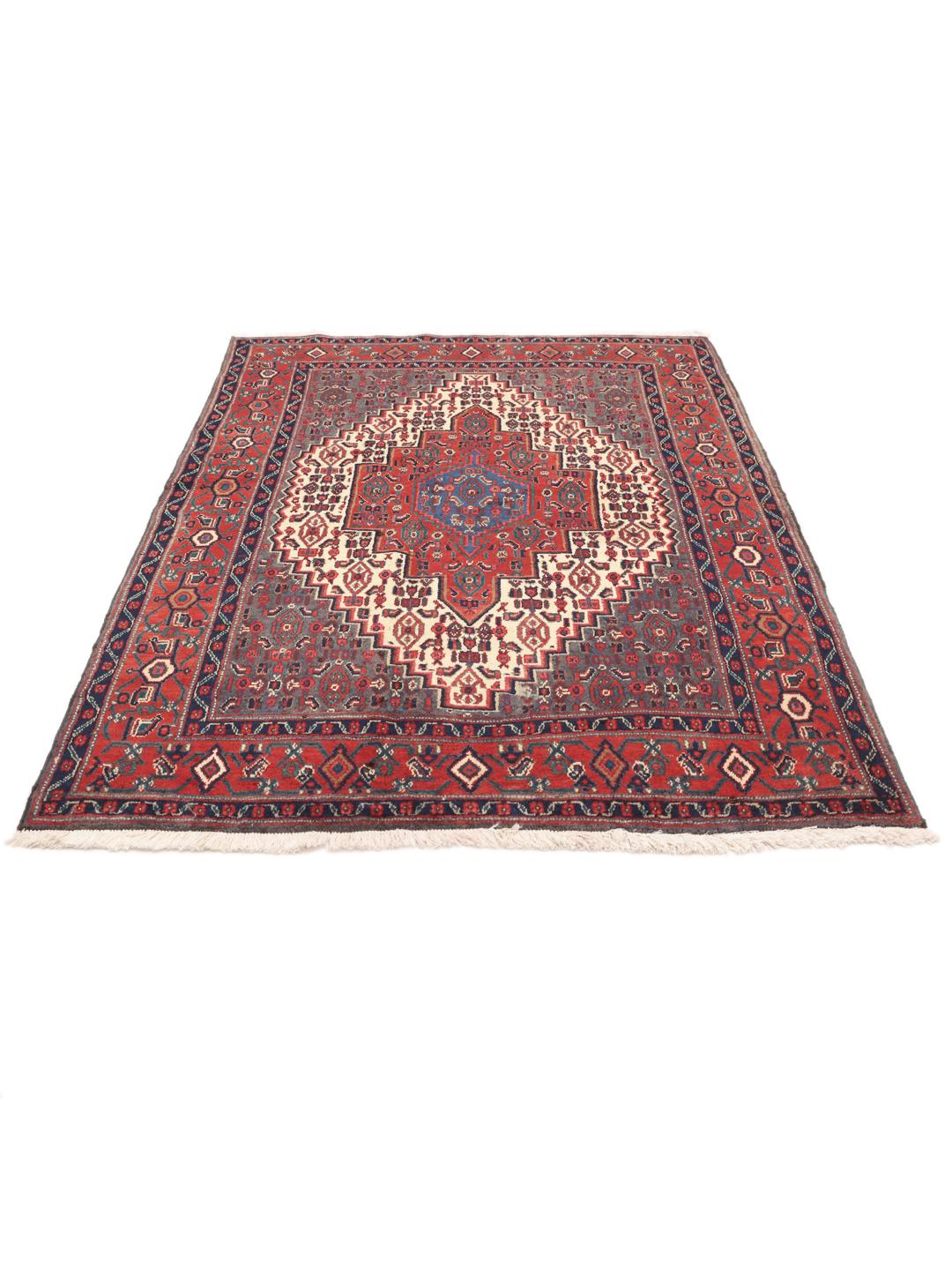
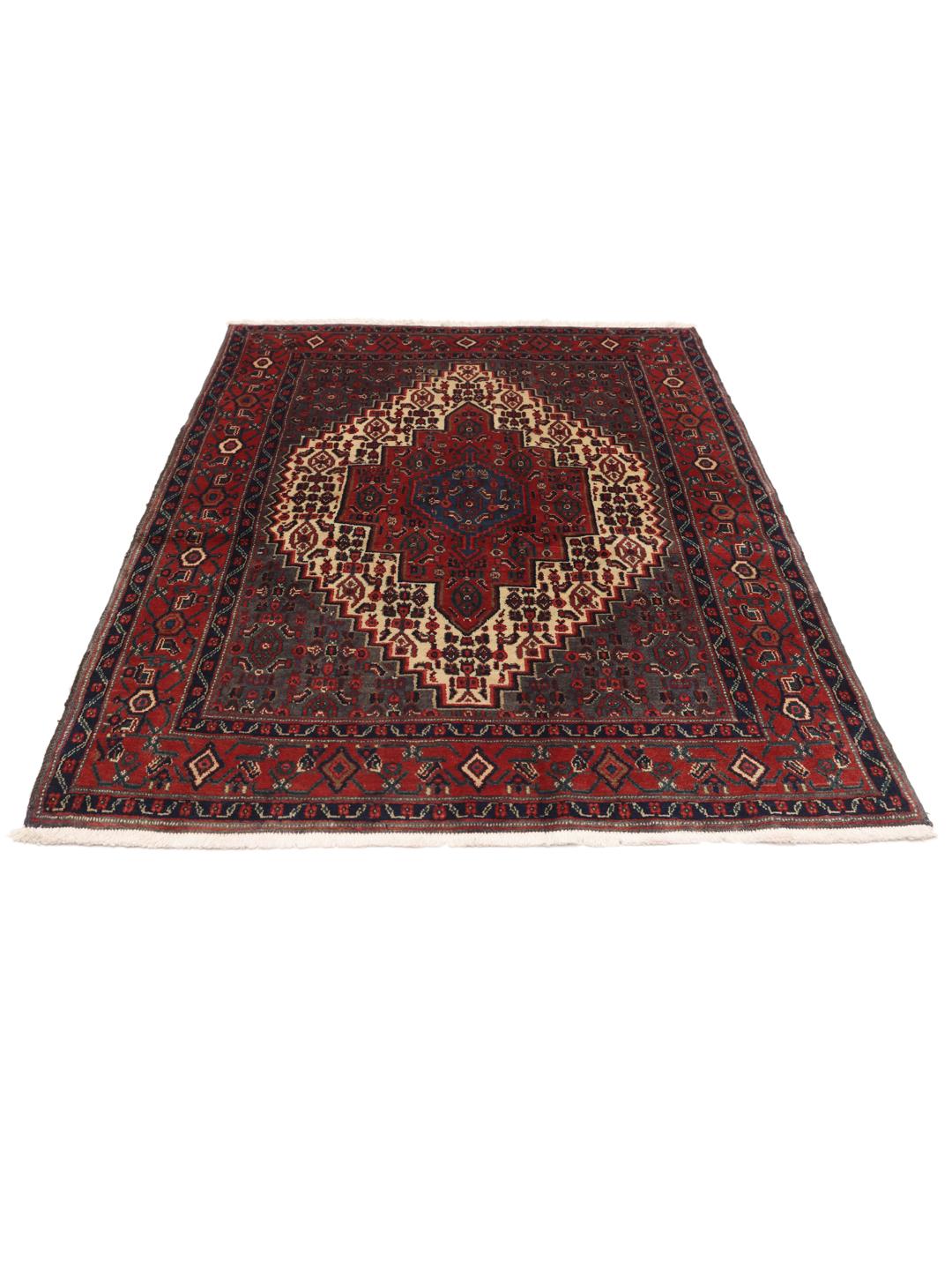
Signature design elements for these rugs often include a central medallion surrounded by a field of delicate, repeating floral motifs or geometric patterns. These designs are frequently inspired by the natural beauty of the surrounding landscape. The use of deep red and blue tones, as seen here, is a classic tradition that provides a sense of depth and timelessness to the overall composition.
Collectors value these rugs for their balance of artistic complexity and structural integrity. Owning a piece from this tradition is an investment in cultural heritage, representing a mastery of skill that has been passed down through generations. These rugs are not merely floor coverings but are celebrated as enduring examples of human creativity and technical excellence.