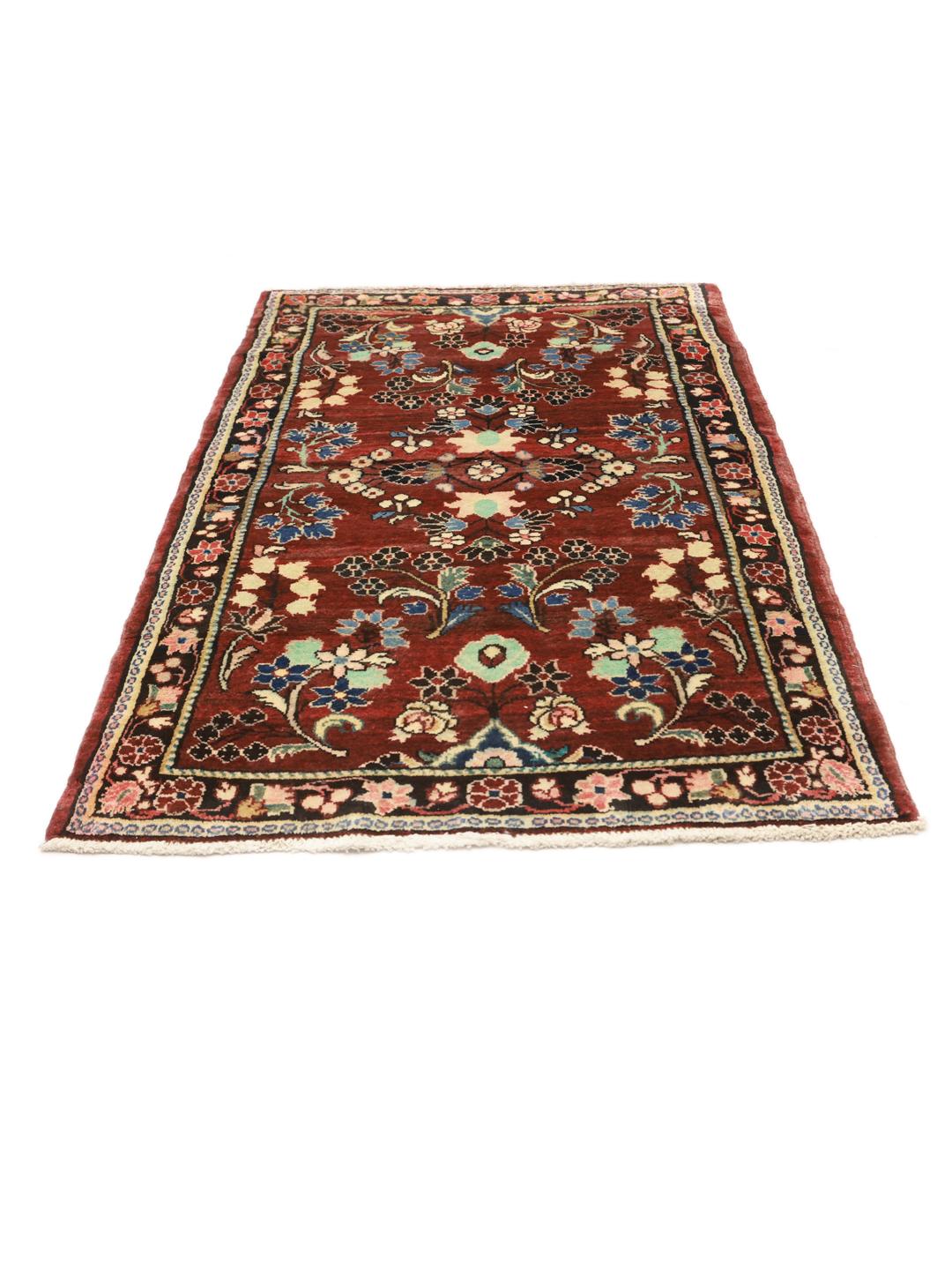
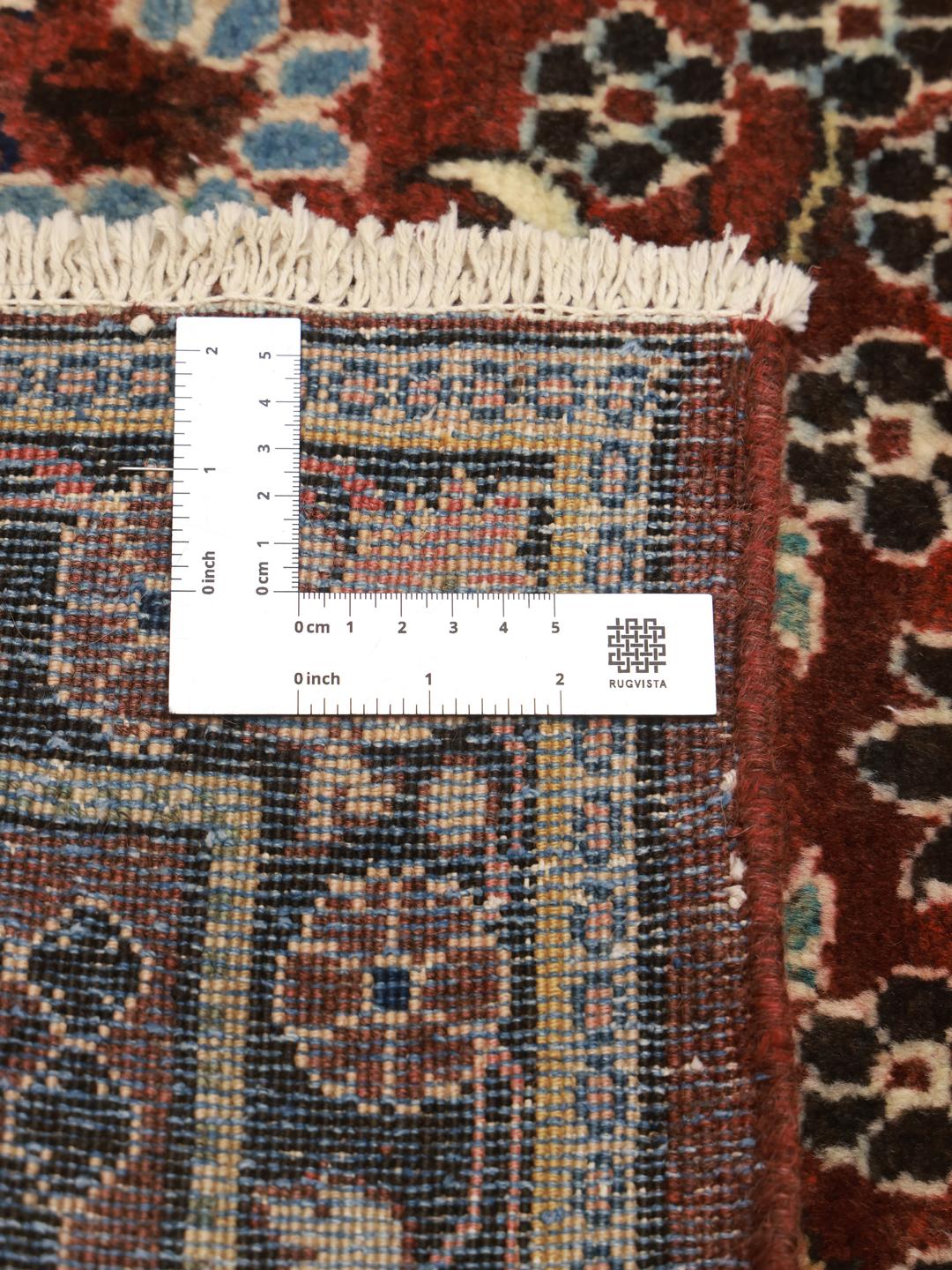
The Sarough rug tradition originates from the village of Sarouk in the central region of the Middle East. Historically, this area became a hub for high-quality rug production in the late 19th and early 20th centuries, gaining international recognition for rugs that were as durable as they were beautiful. The style evolved to meet the tastes of both local and global markets, often leaning into sophisticated floral designs that showcased the weaver's artistic flair.
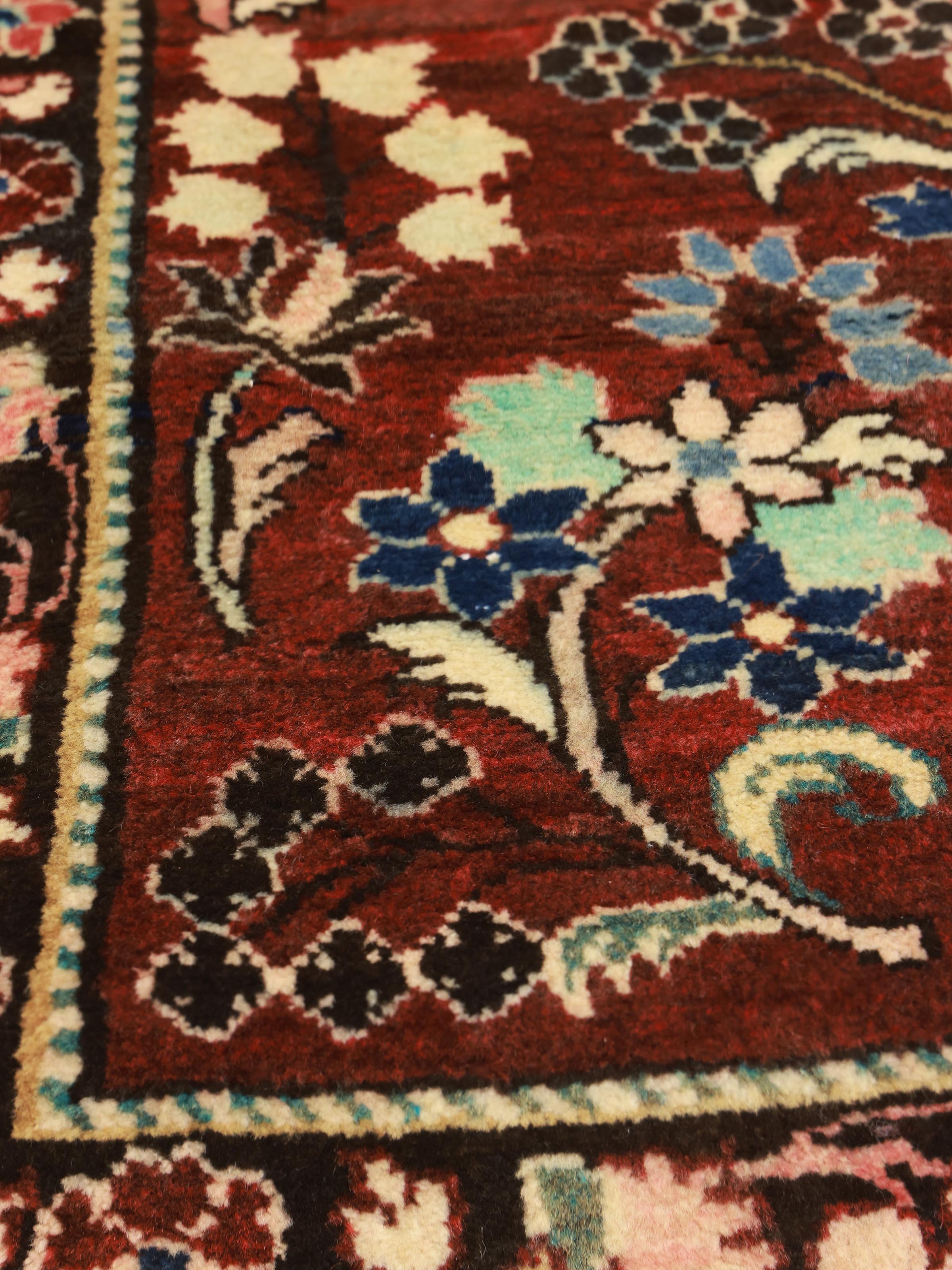
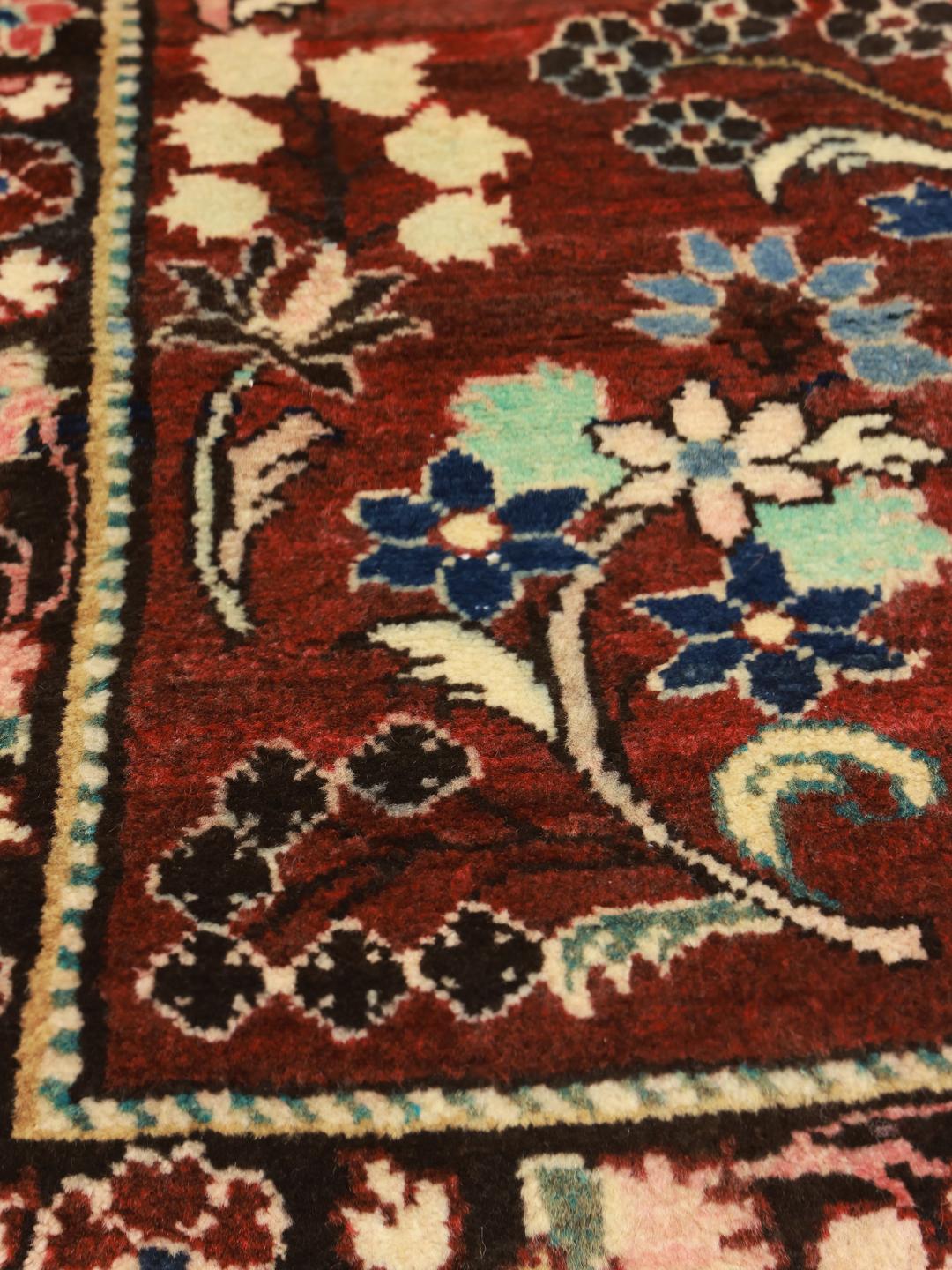
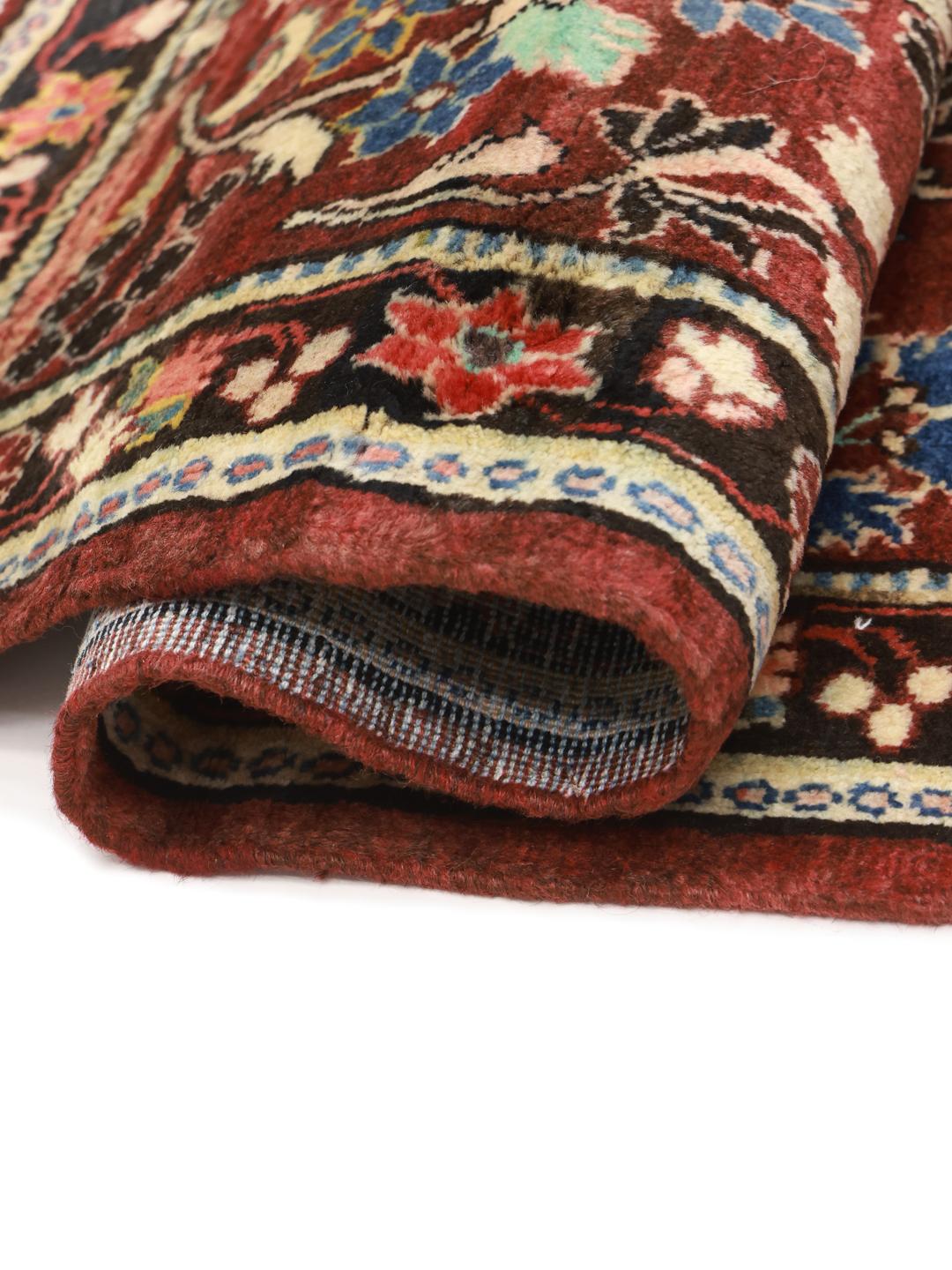
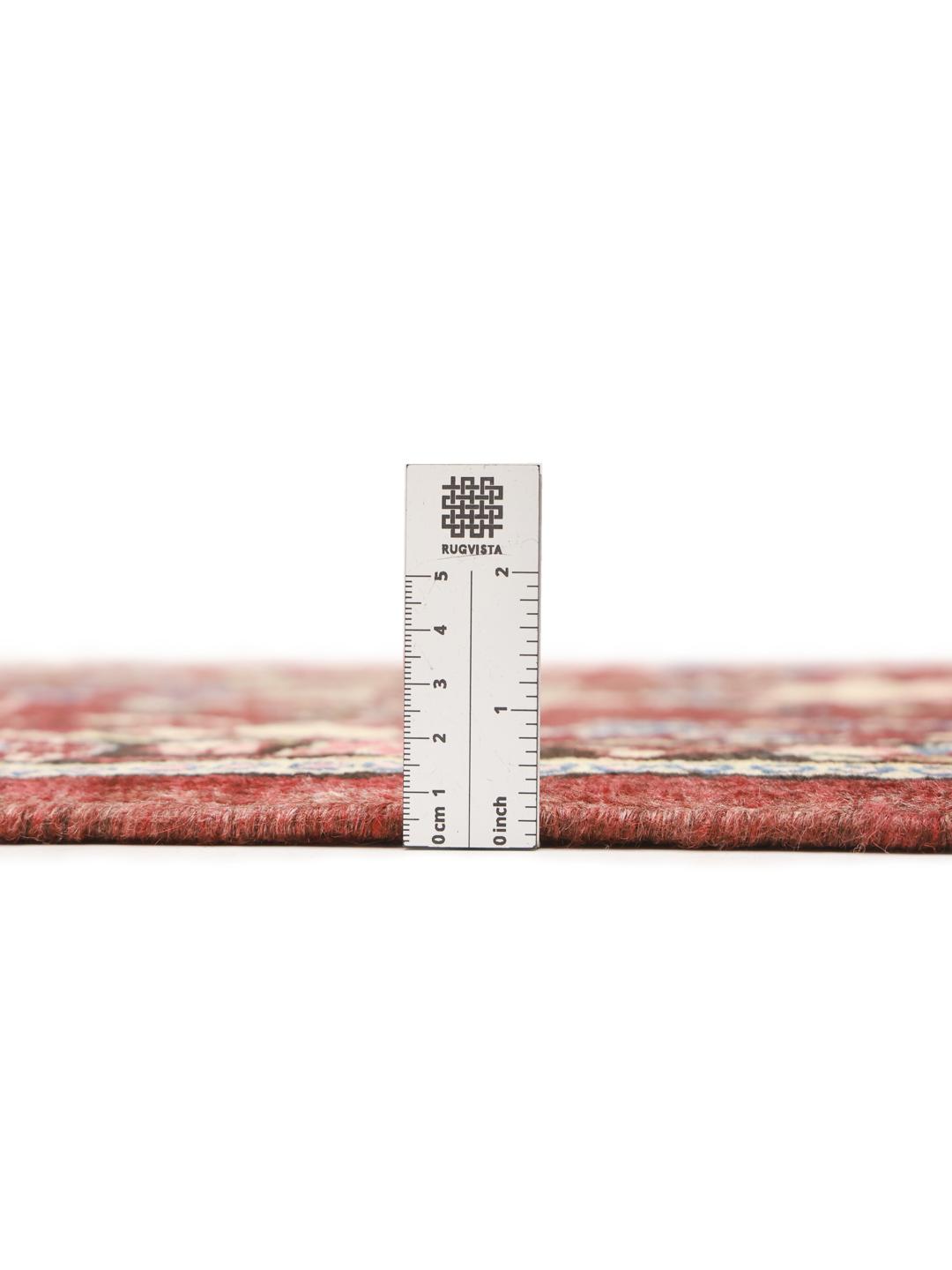
A defining characteristic of these rugs is the use of high-quality, long-staple wool, which is known for its natural lustre and resilience. This material is knotted onto a firm foundation, which provides the rug with its characteristic weight and ability to lay flat. The precision of the knotting is what allows for the detailed, sweeping floral motifs that are the signature of the Sarough style.
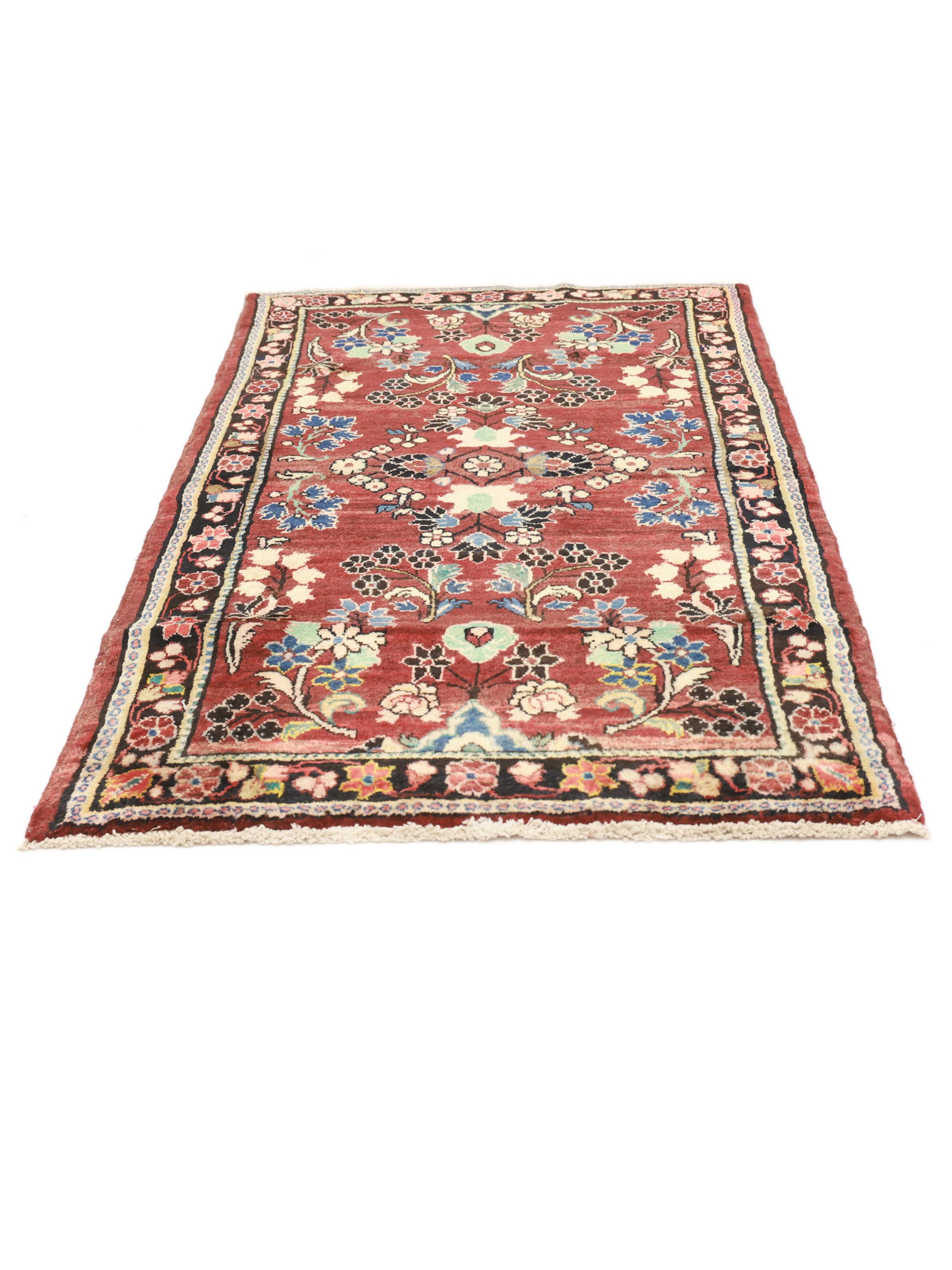
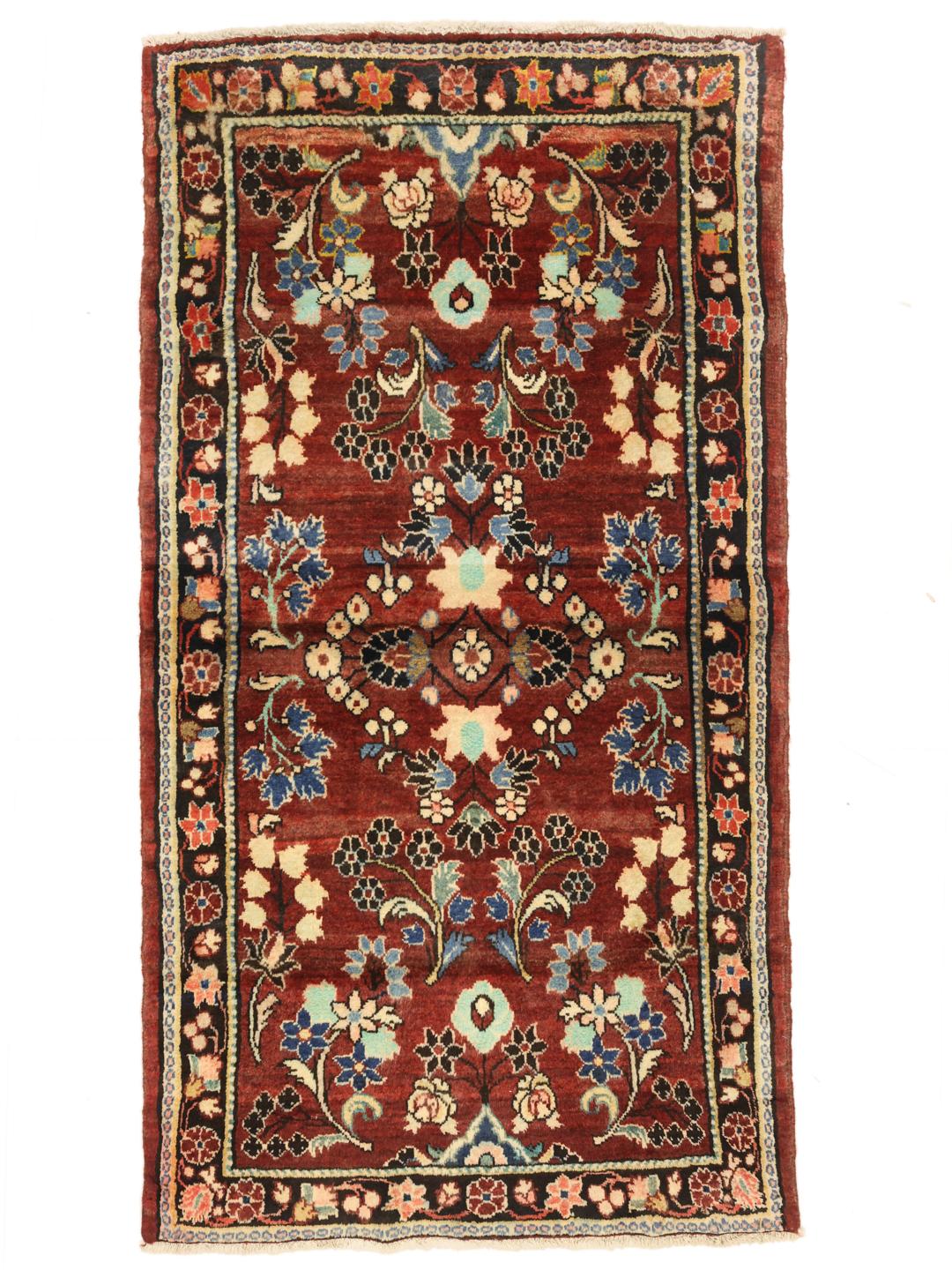
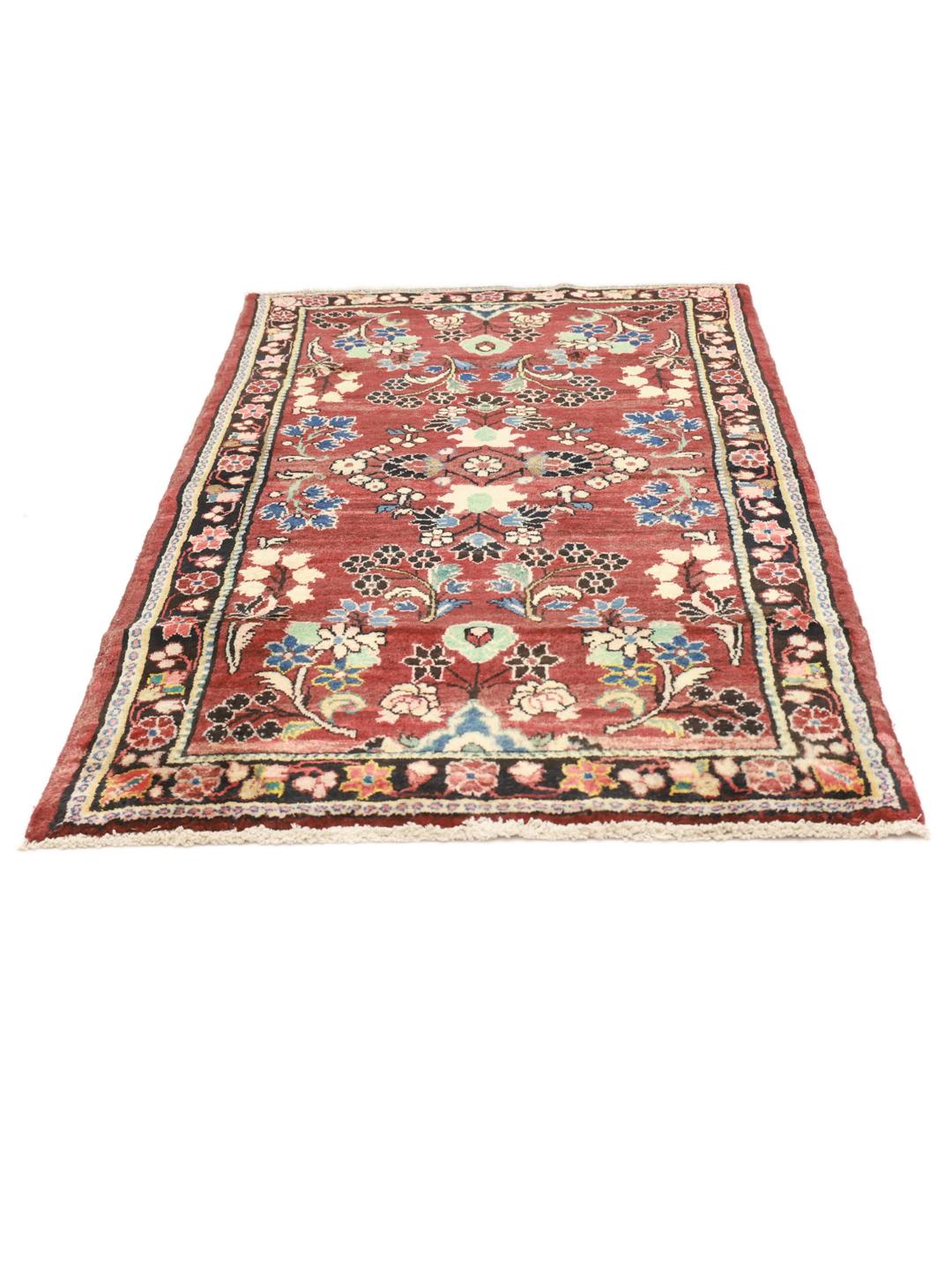
Visually, these rugs are celebrated for their vibrant colour palettes and their 'curvilinear' designs, where floral sprays, vines, and palmettes appear to float across the field. While many traditional examples feature a rich red or deep blue ground, the specific arrangement of flowers is often unique to the individual weaver, making each piece a personal expression of the regional design language.
Owning a piece from this tradition is an opportunity to connect with a long-standing heritage of craftsmanship. These rugs are highly valued by collectors and homeowners alike for their ability to bring depth and history into a modern room. They are not merely floor coverings, but rather enduring expressions of skill that carry the cultural identity of their origin into your home.