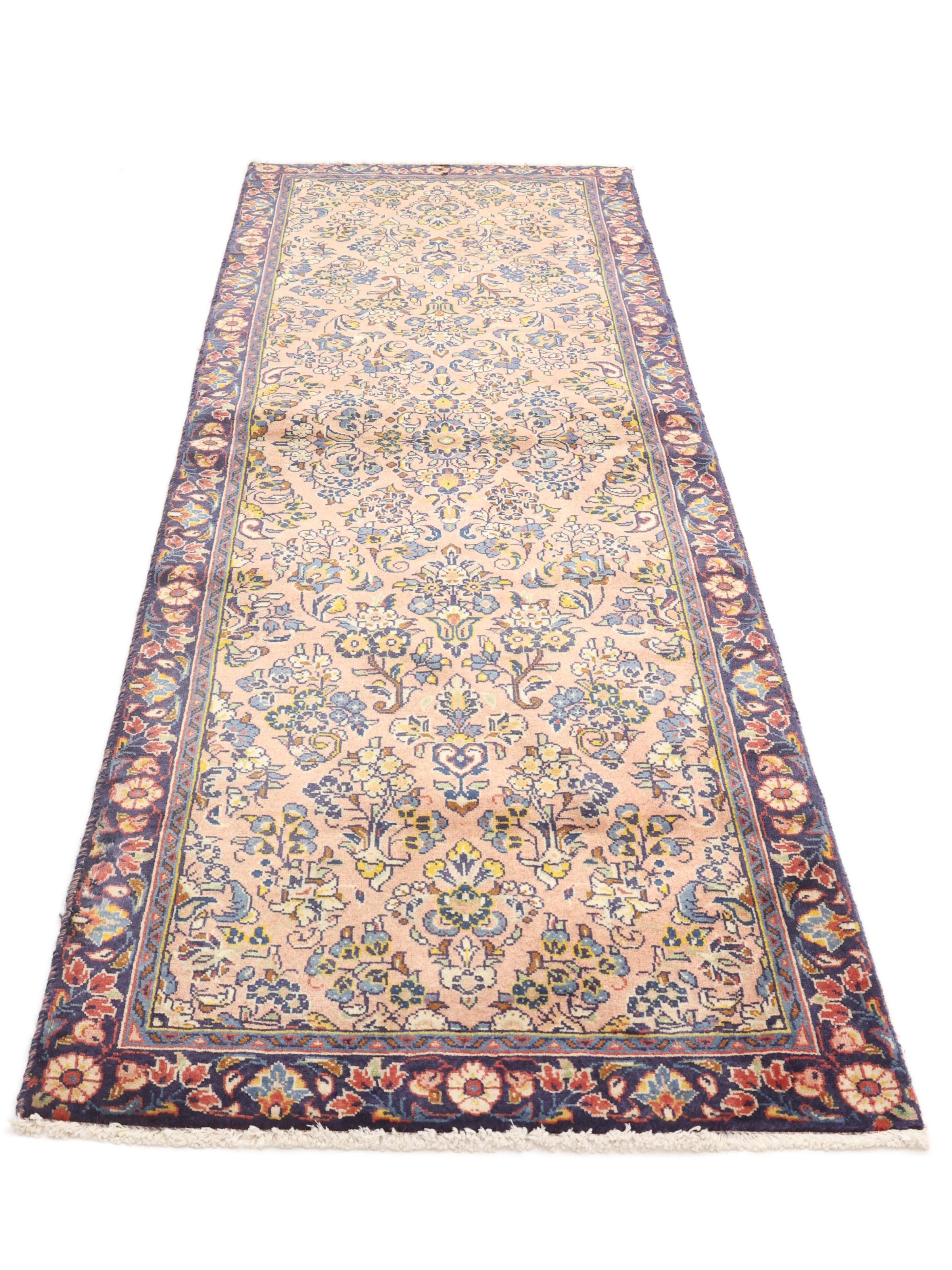
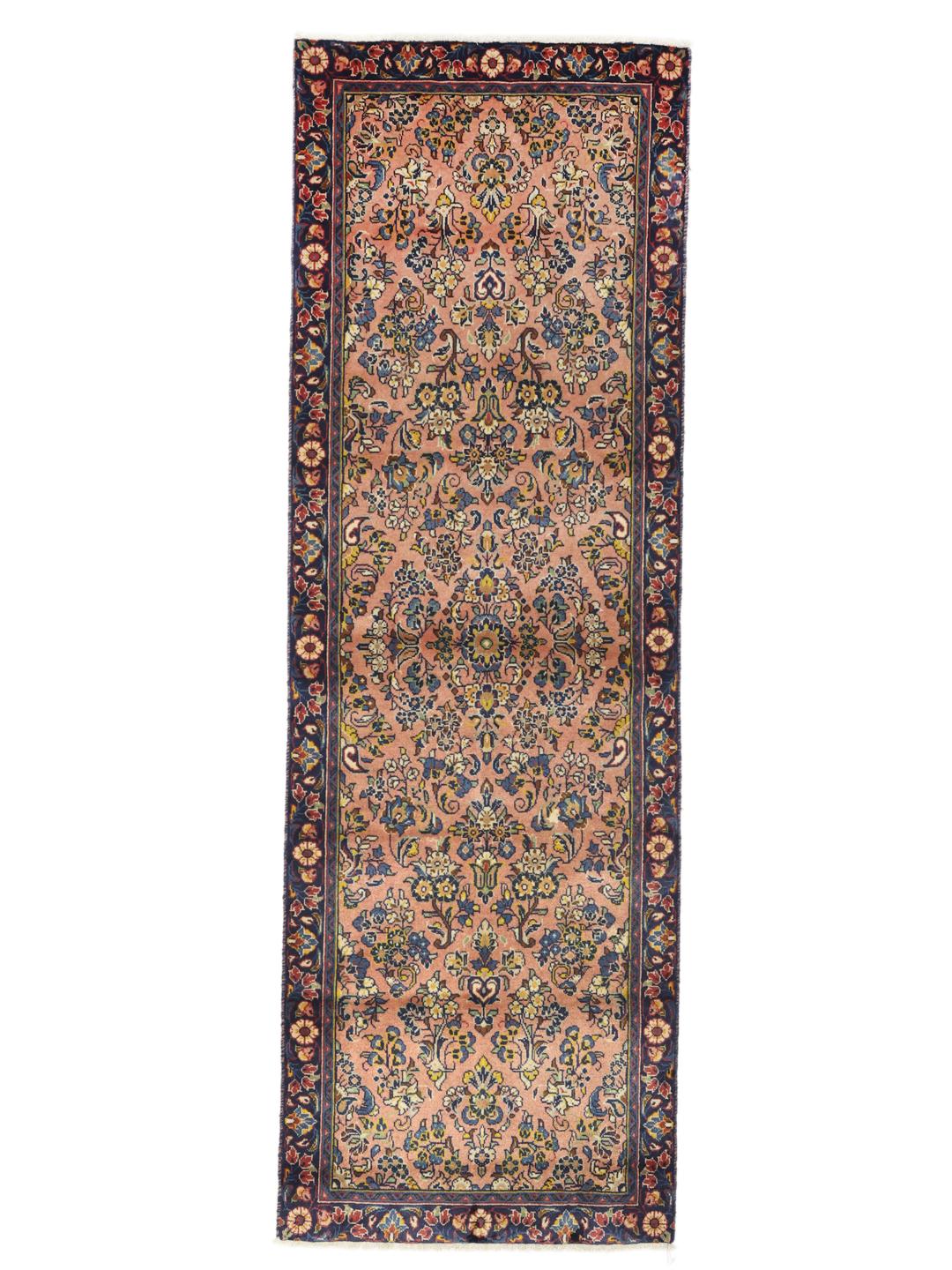
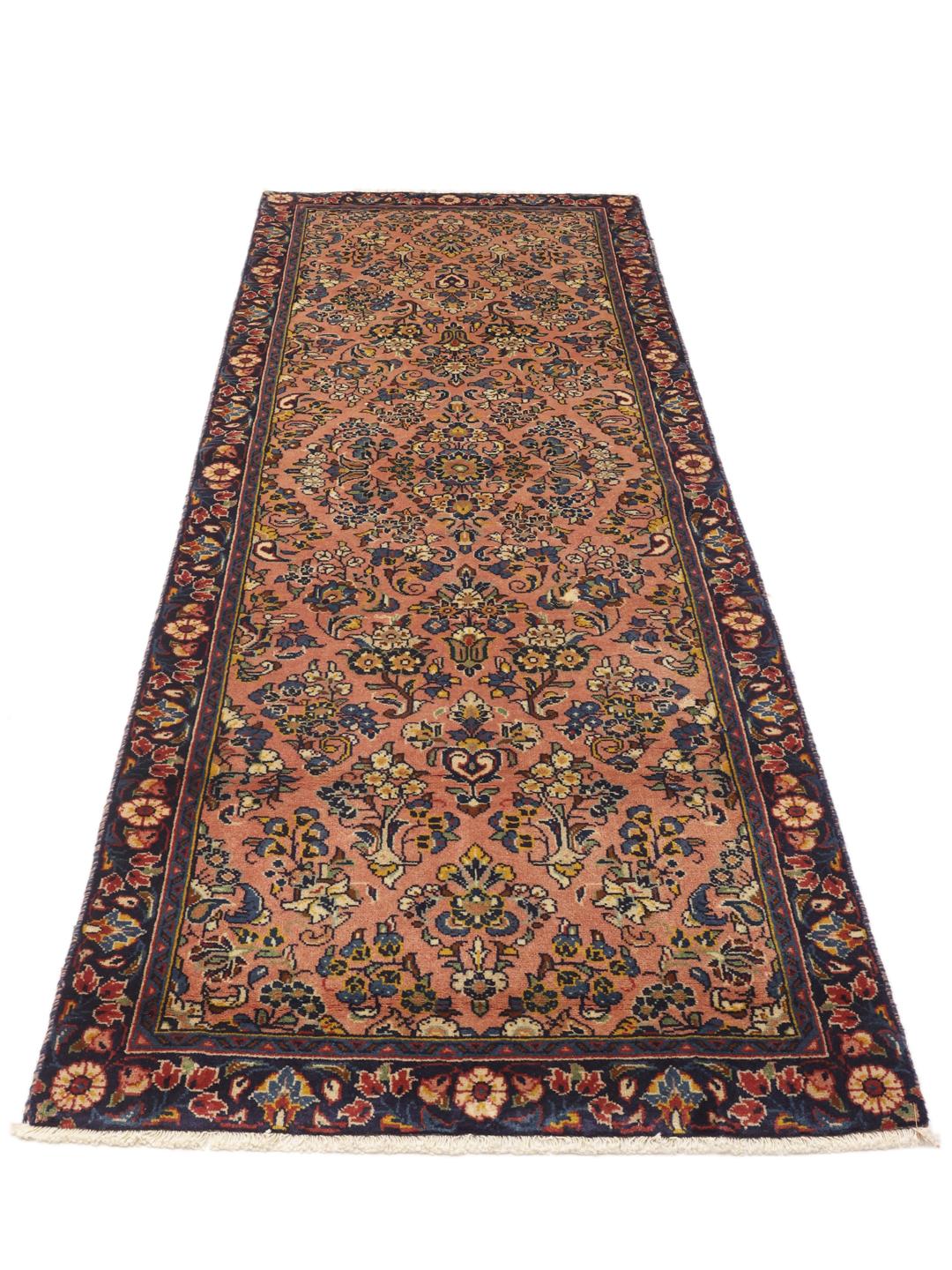
Sarough rugs originate from the village of the same name in the Arak region of the Middle East. Historically, this area became a major hub for high-quality rug production in the late 19th and early 20th centuries, when the demand for durable, finely crafted floor coverings grew globally. The weavers in this region developed a reputation for their ability to create rugs that were both robust and artistically complex.
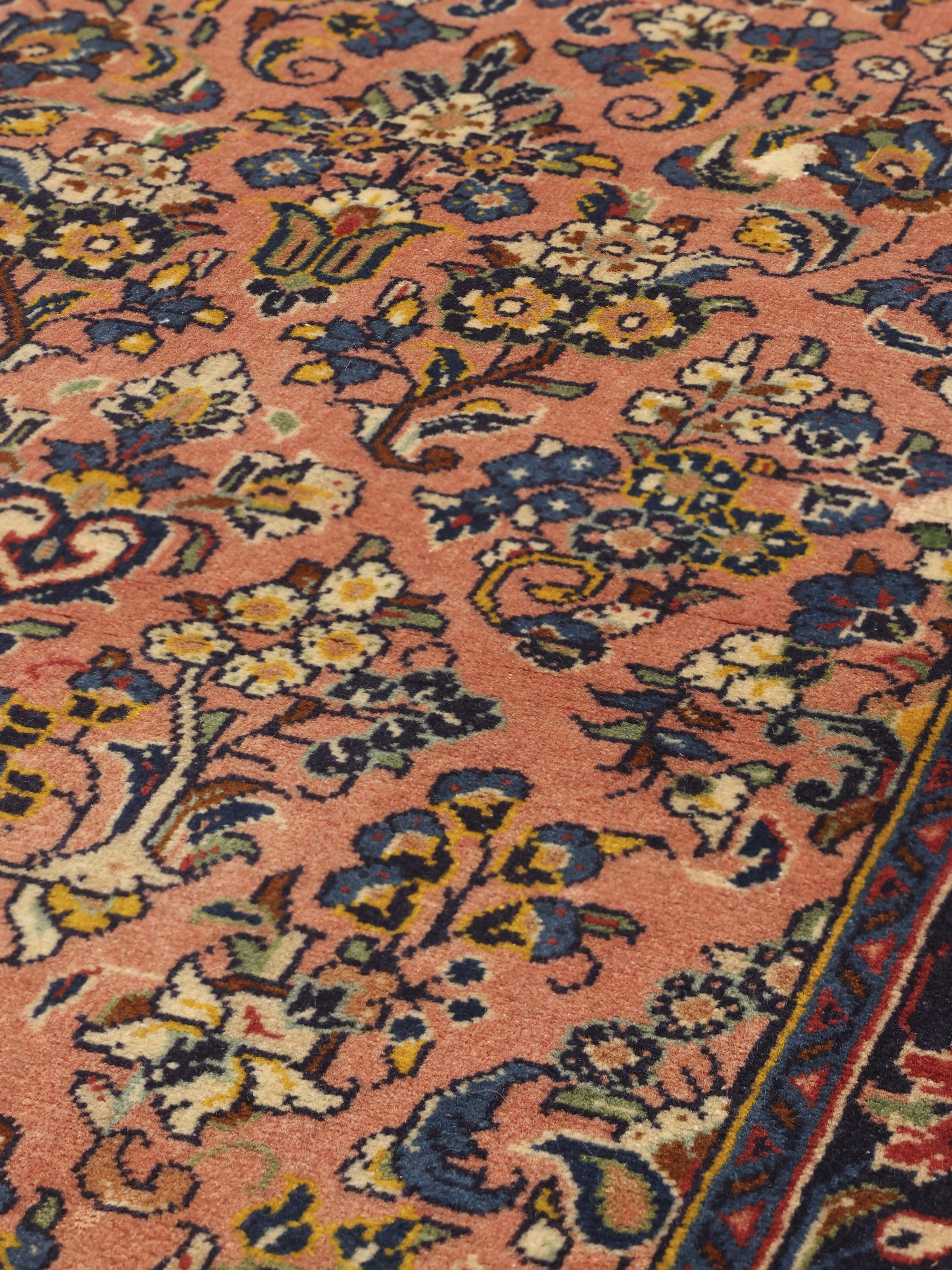
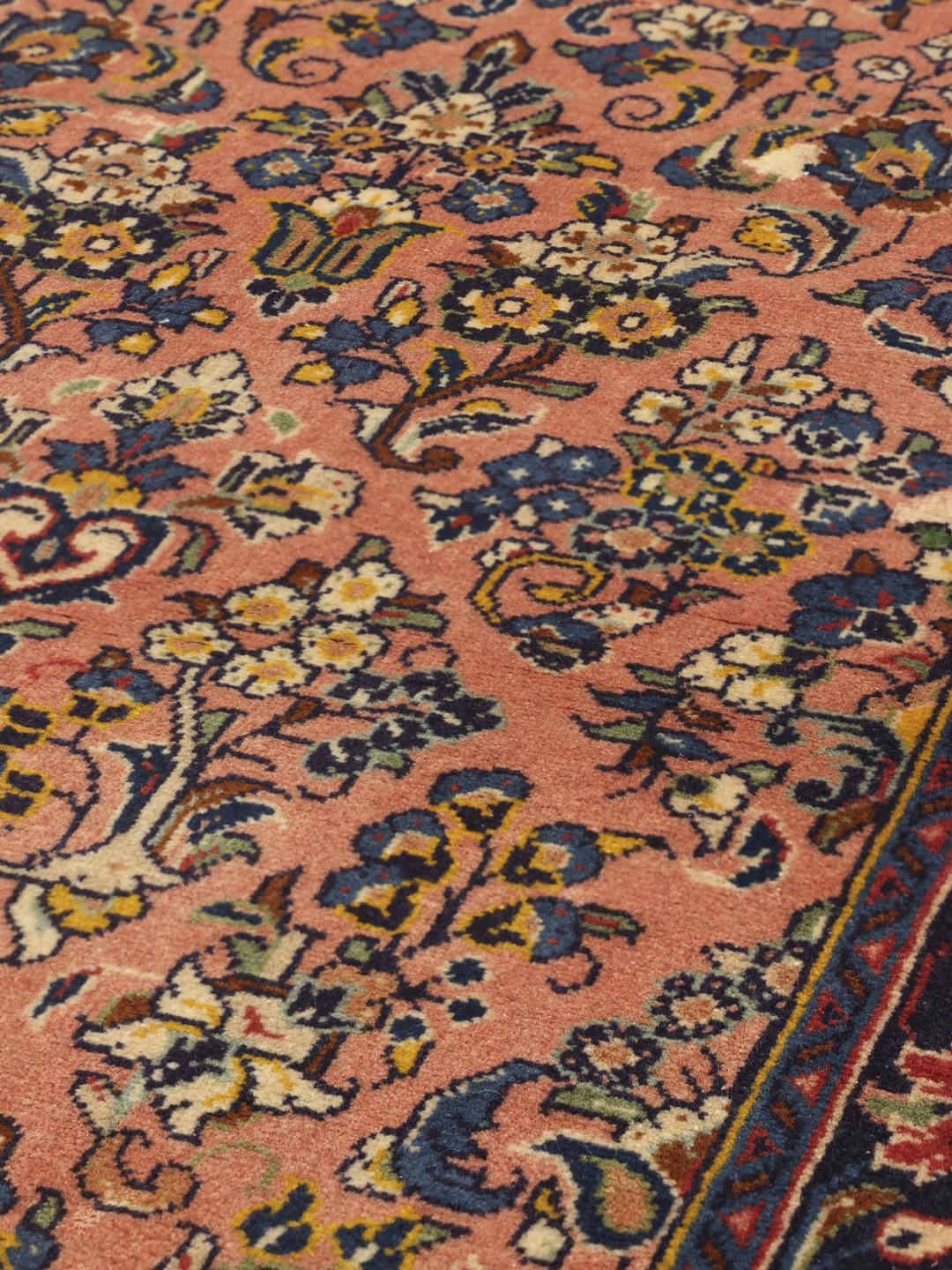
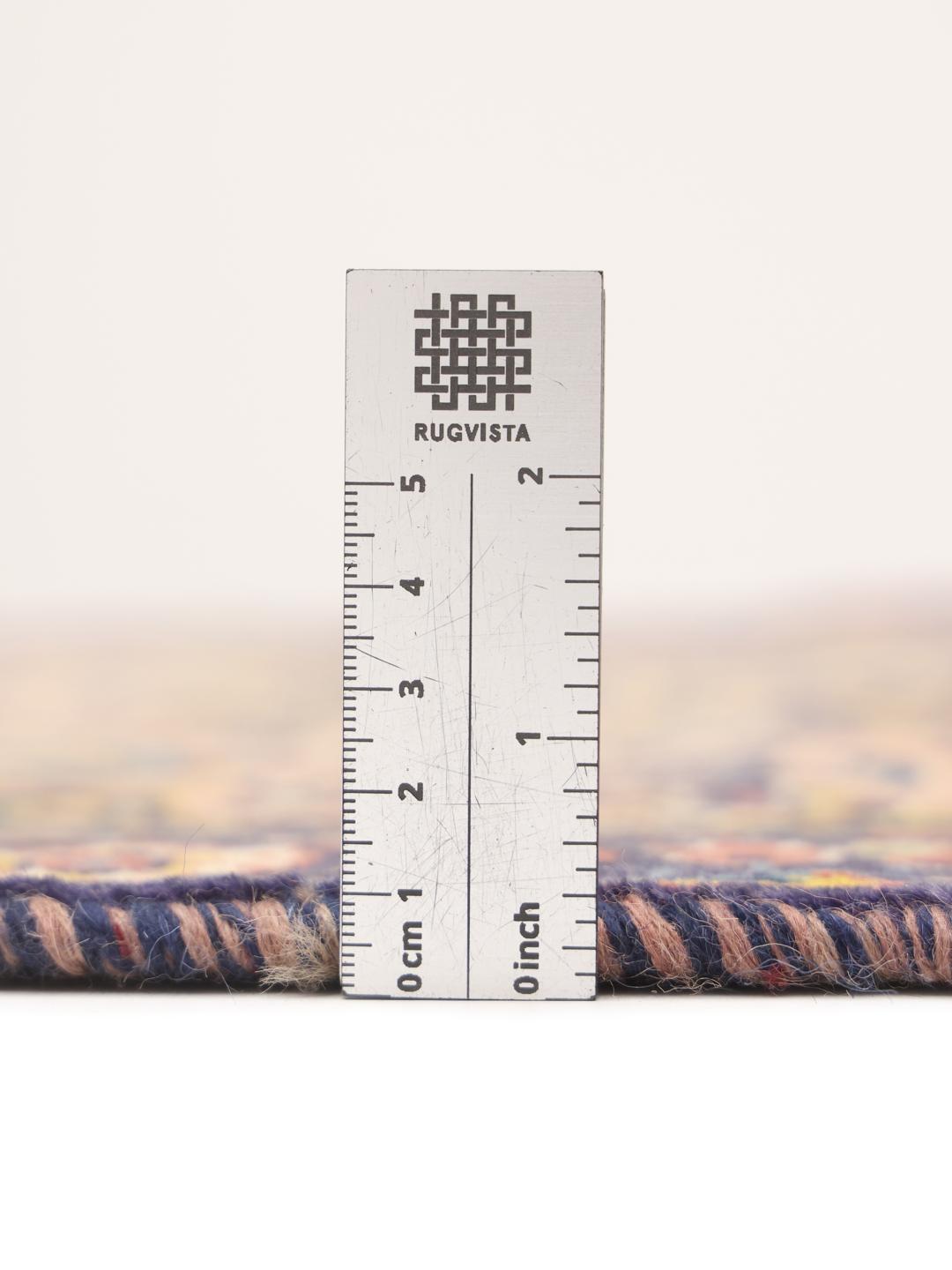
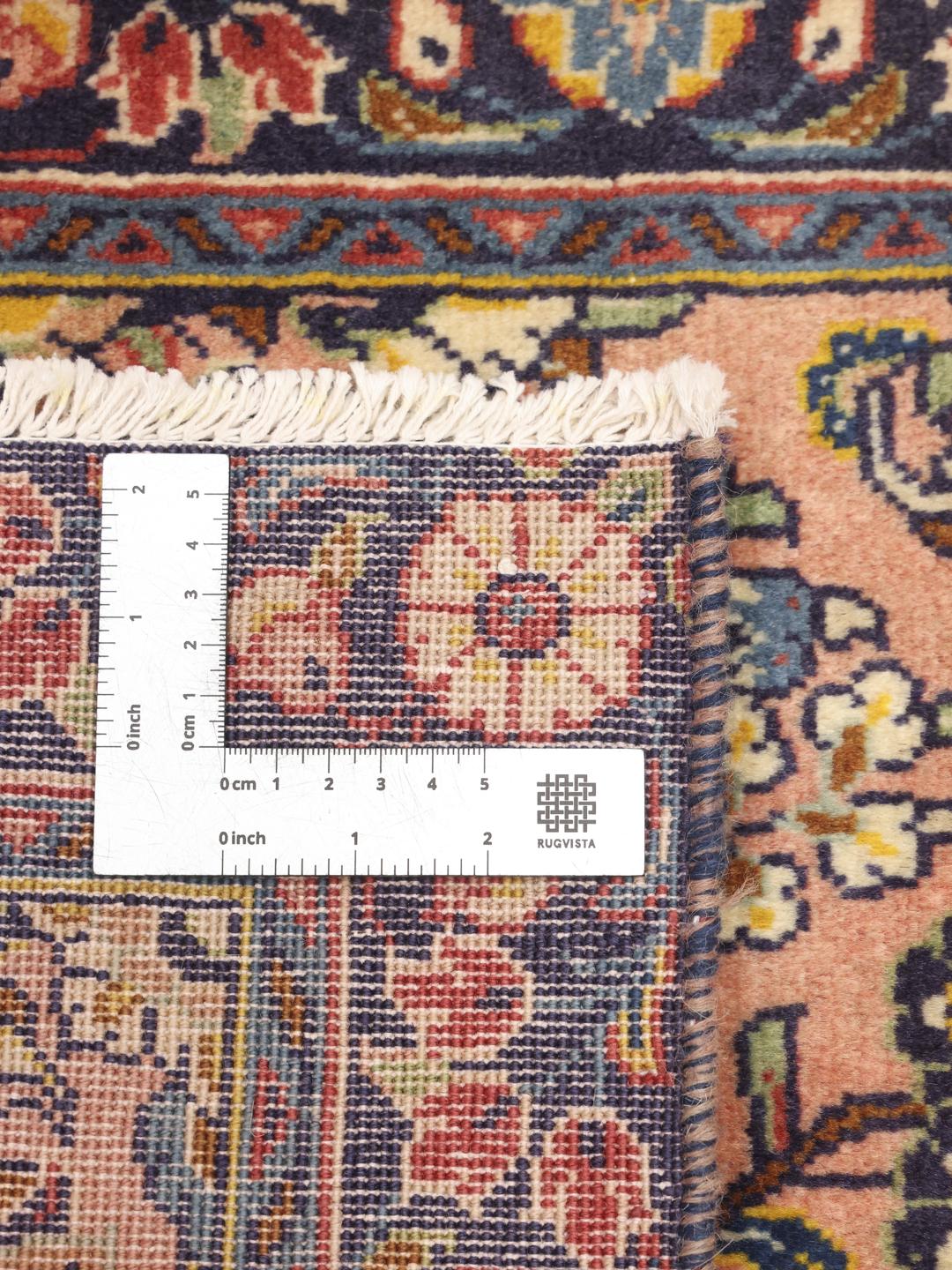
The term Sarough often refers to a specific, dense style of weaving that uses high-quality wool. The wool is known for its durability and its ability to take rich dyes, which contributes to the longevity of these pieces. By using a dense knotting technique, these rugs are able to support intricate, flowing floral motifs that might otherwise lose their detail in a looser weave.
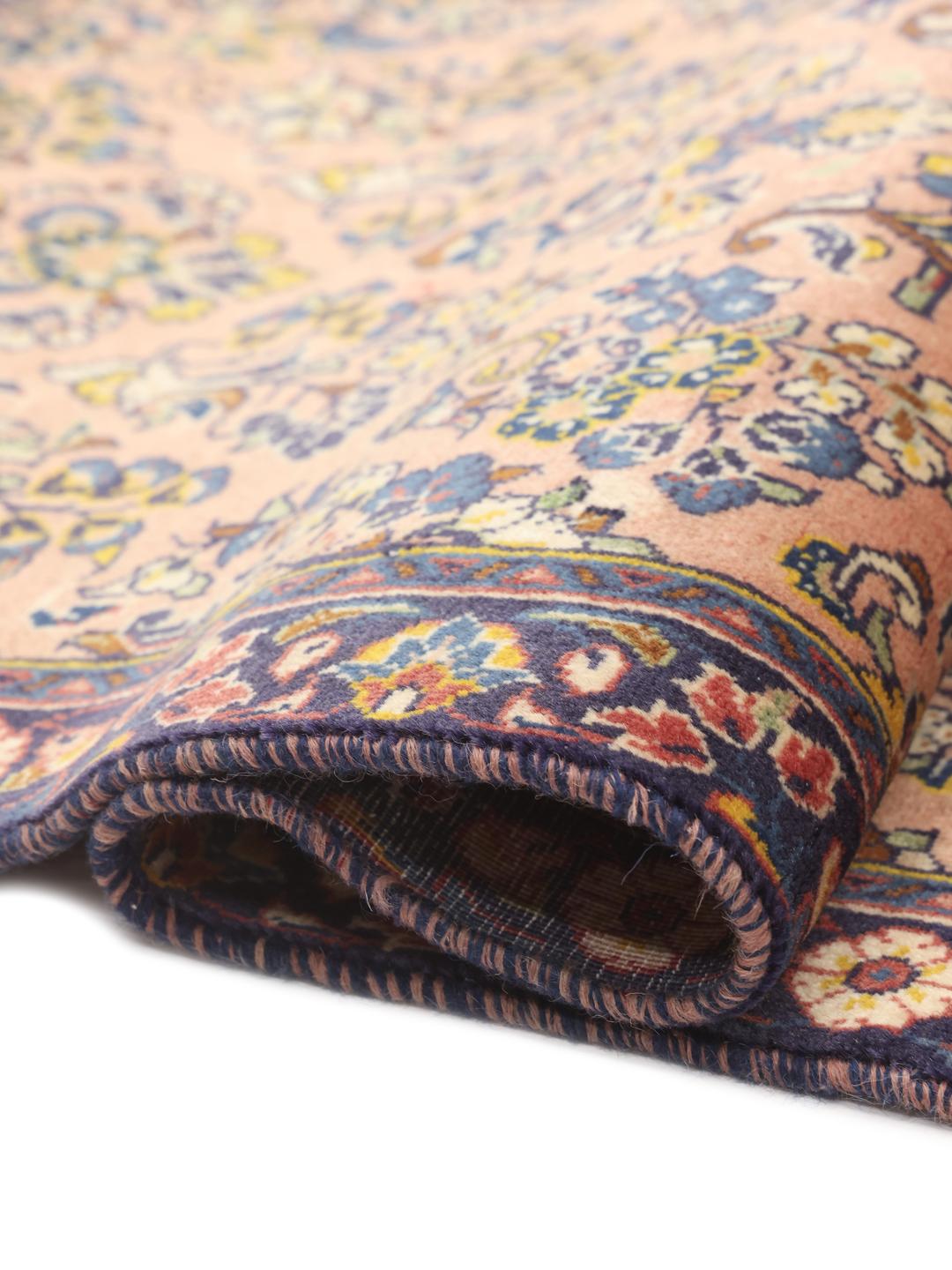
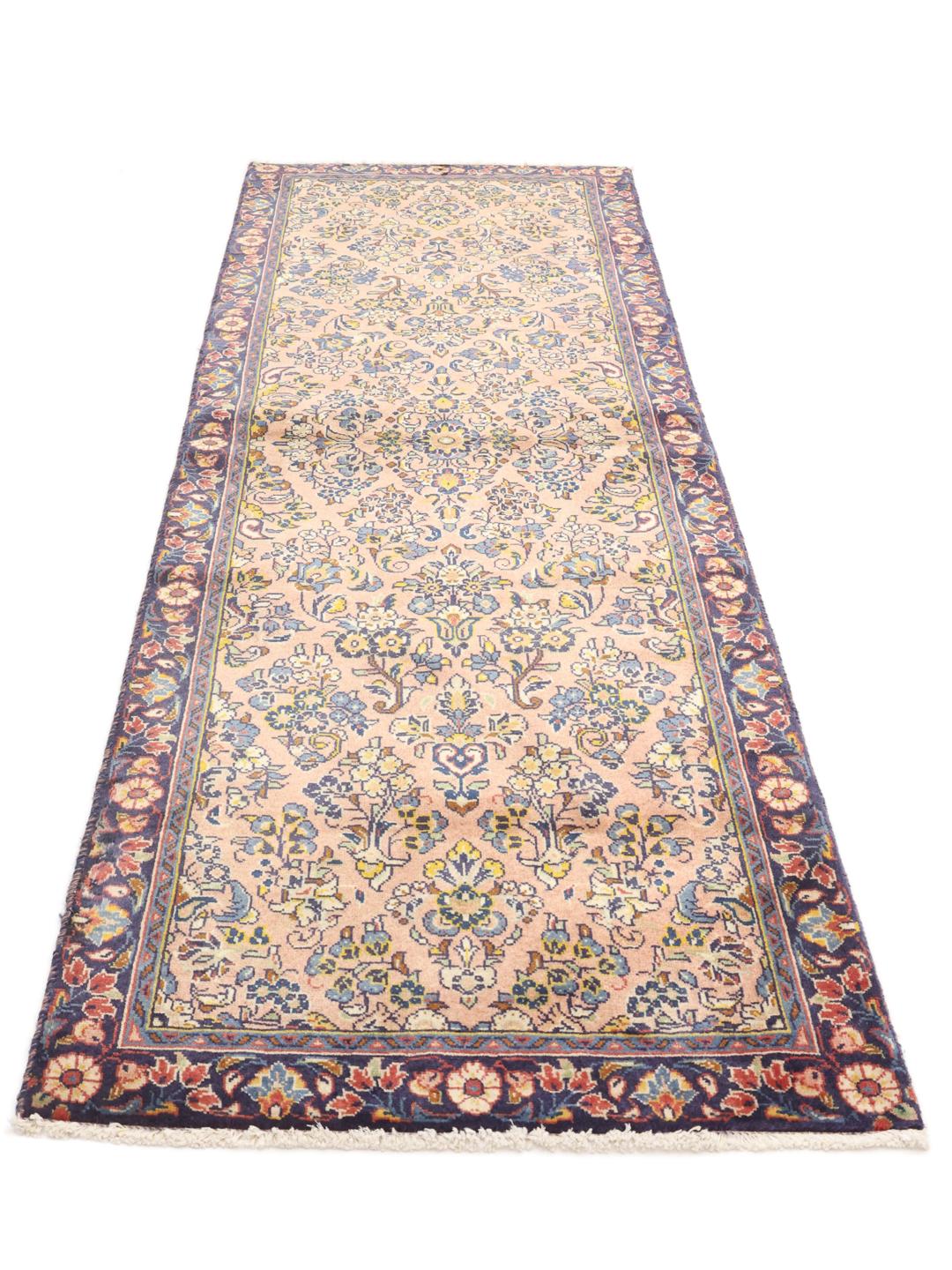
Visually, these rugs are celebrated for their elaborate floral displays, often featuring central medallions or all-over patterns of vines, palmettes, and blossoms. The colour palettes are traditionally warm and inviting, frequently utilising deep reds, blues, and earthy tones that provide a grounding presence in a room. The borders are typically formal and well-defined, framing the central field with complementary floral elements.
Collecting a rug from this tradition is an investment in artistry that spans generations. These pieces are highly valued not only for their aesthetic appeal but for the immense skill required to produce them. By choosing a hand-knotted rug from this region, you are preserving a craft tradition and welcoming a piece of history that continues to gain character and charm with age.