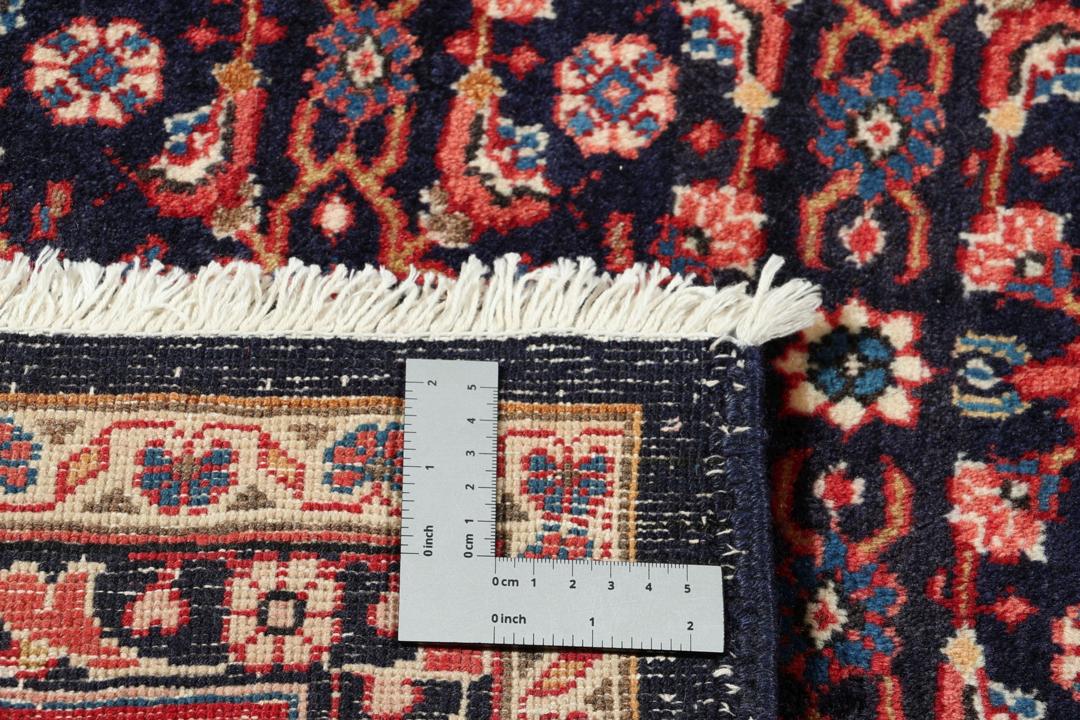
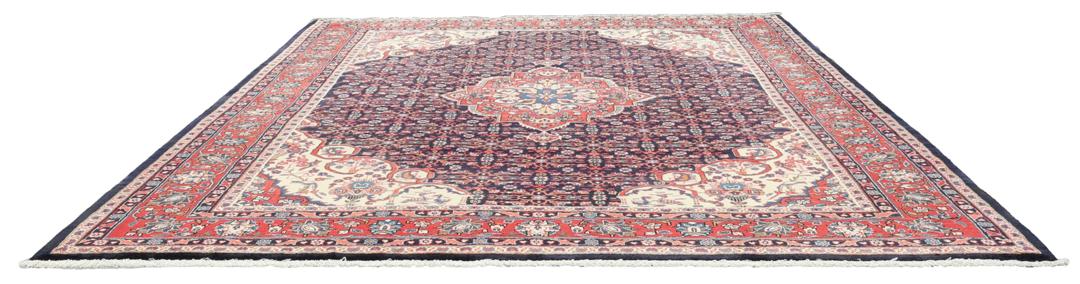
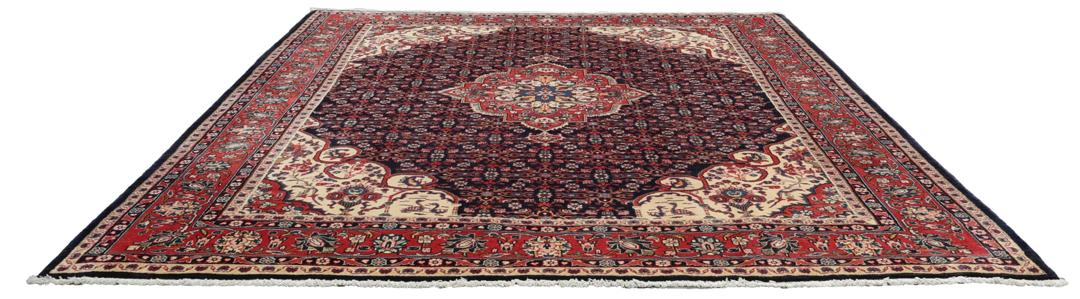
Sarough rugs are celebrated as some of the most enduring and recognisable examples of Middle Eastern weaving. Historically, they hail from the village of Sarouk in the central region of the Middle East, where they gained international acclaim during the late 19th and early 20th centuries. These rugs are highly regarded for their robust construction and their ability to withstand generations of use, making them a staple in homes that value longevity.
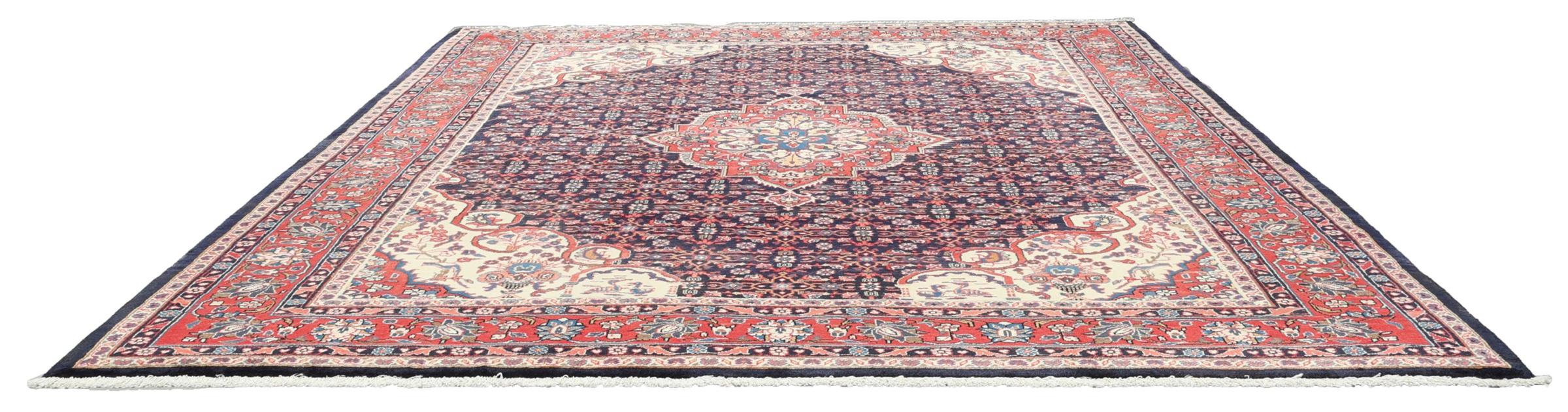
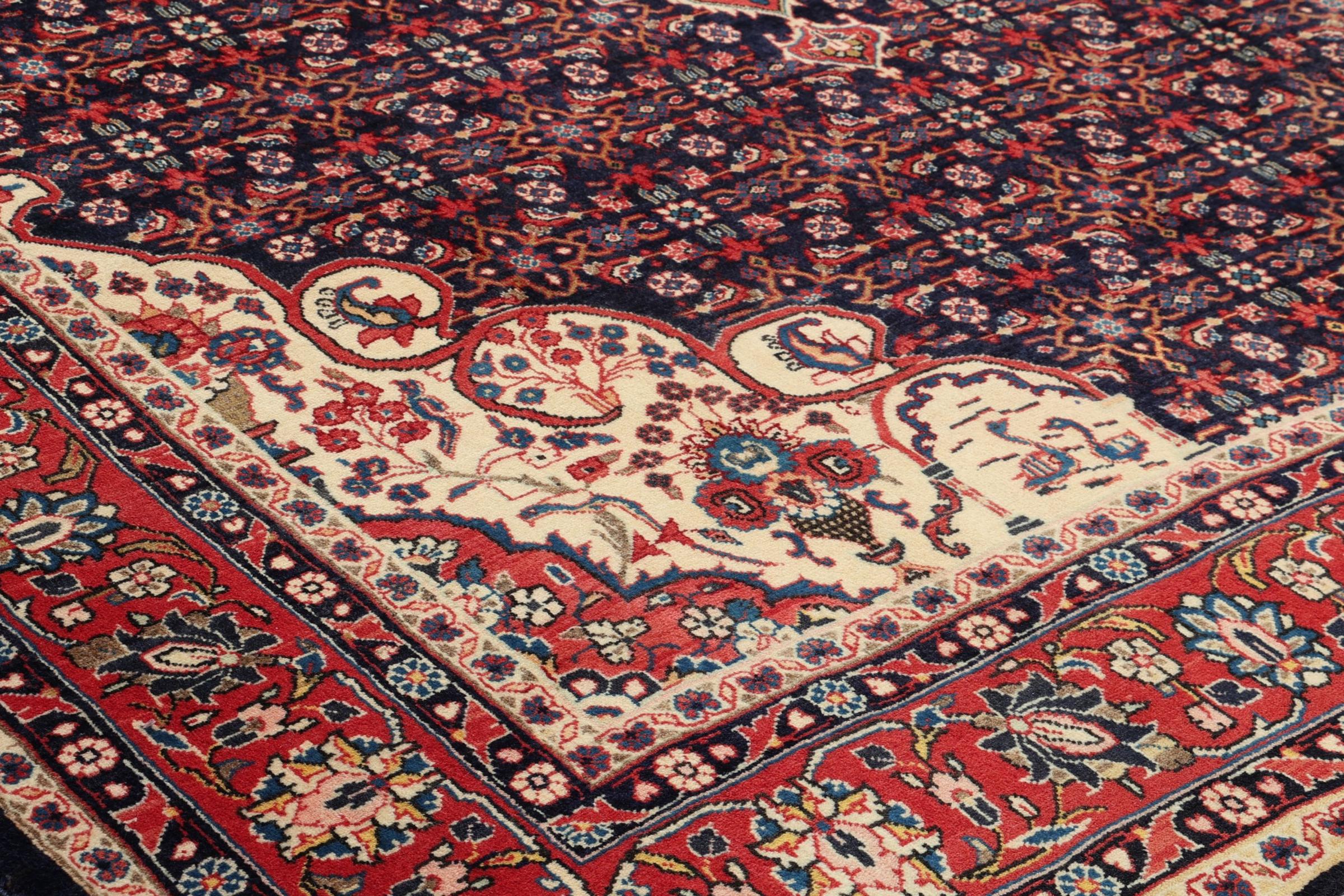
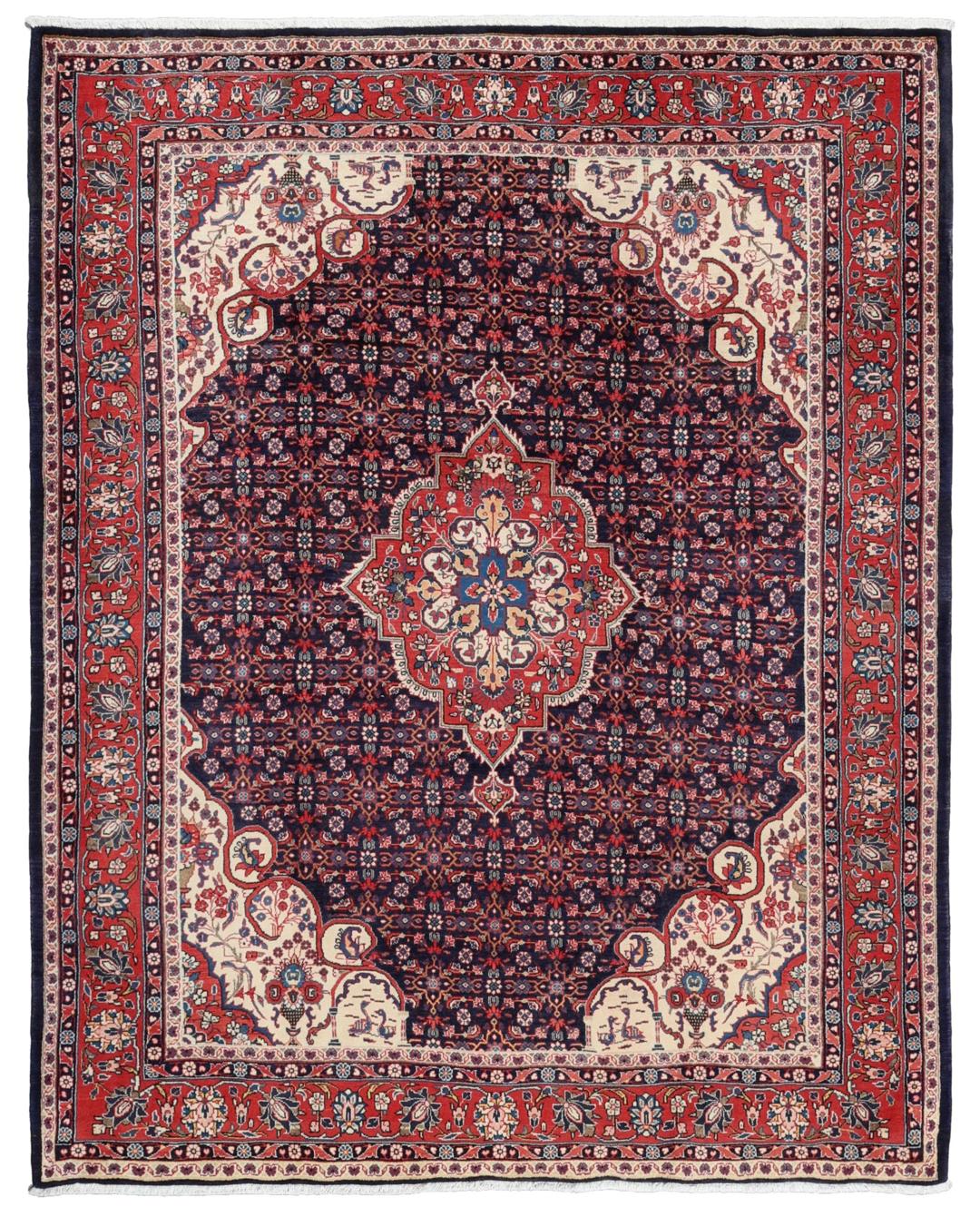
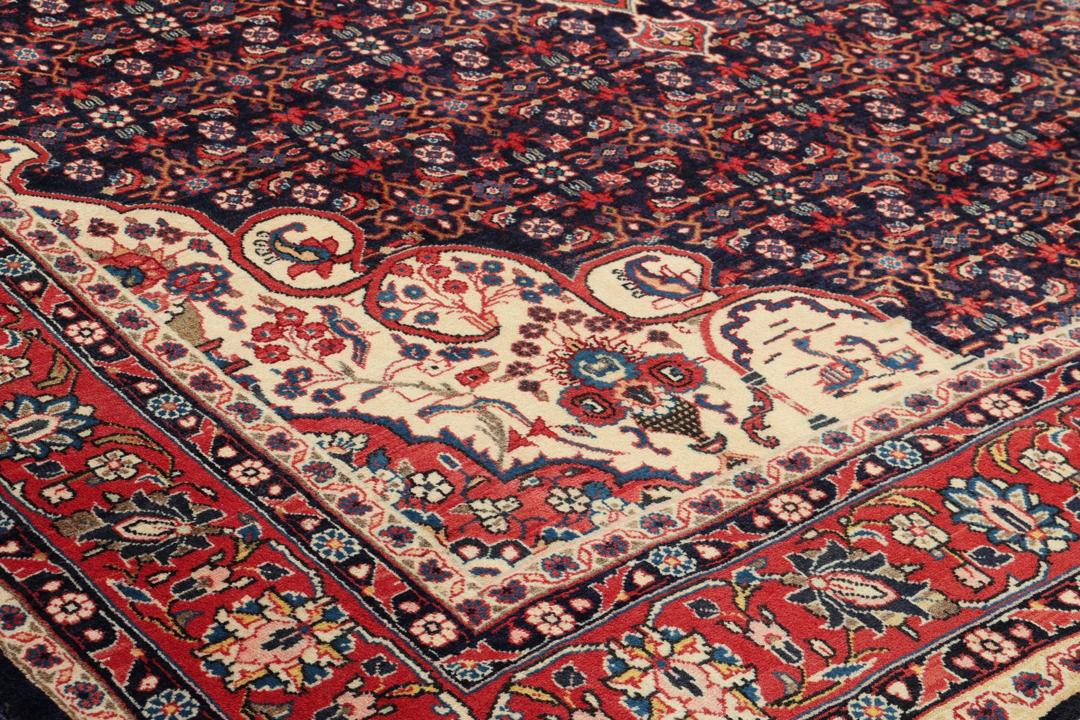
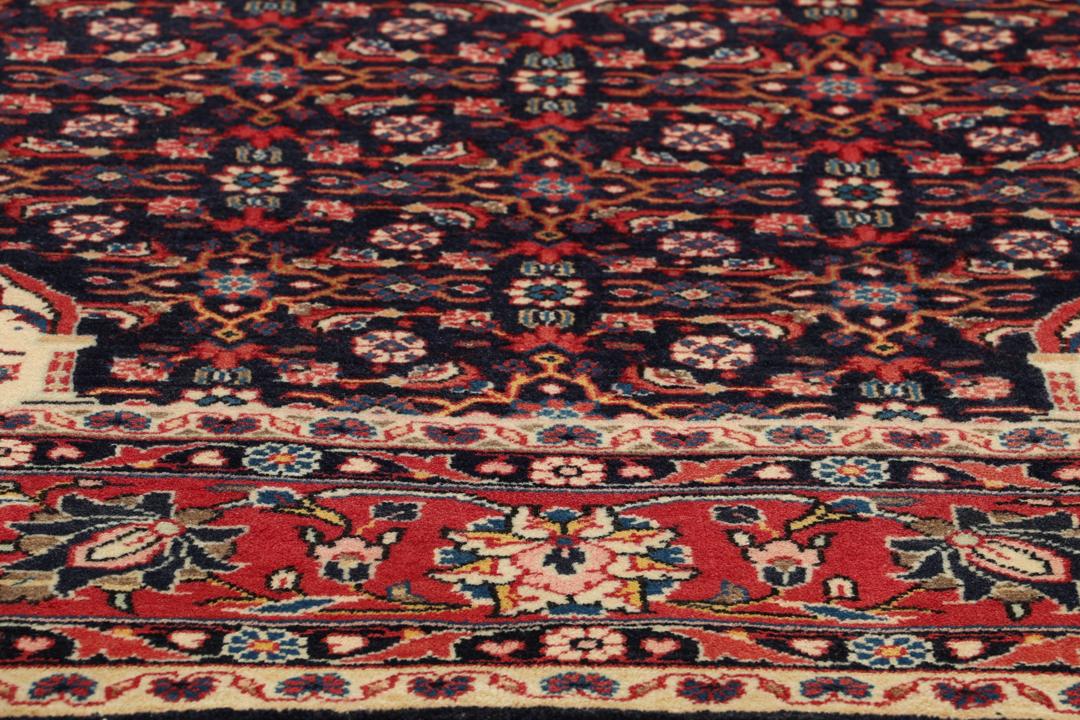
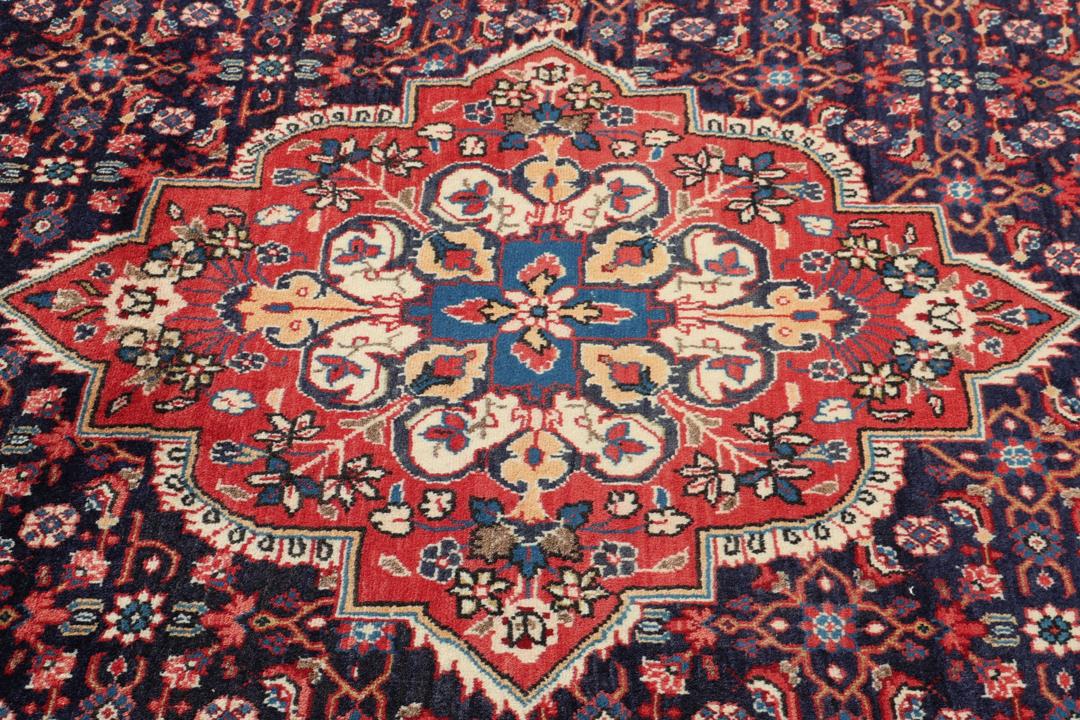
The distinctive beauty of these rugs often lies in their floral motifs, which are frequently arranged in a curvilinear style. While traditional versions may feature an all-over pattern, many of the most famous examples, including this piece, showcase a commanding central medallion. This layout creates a sense of visual harmony and balance, drawing the eye toward the centre of the rug and grounding the surrounding space.
The colour palette of a Sarough is another defining feature, often utilising deep, saturated hues that provide a dramatic backdrop for the lighter, more delicate floral sprays. The contrast between the dark field and the lighter border is a hallmark of the tradition, designed to highlight the intricacy of the weave. These rugs are not just floor coverings; they are historical documents of a region that has perfected the art of wool-dyeing and weaving over centuries.
Collectors value Sarough rugs for their combination of artistic flair and practical durability. Owning one is an invitation to participate in a long-standing tradition of craft that prizes patience and precision above all else. Whether placed in a formal setting or used to anchor a more relaxed room, these rugs add a layer of cultural weight and historical continuity that is difficult to find in modern, mass-produced alternatives.