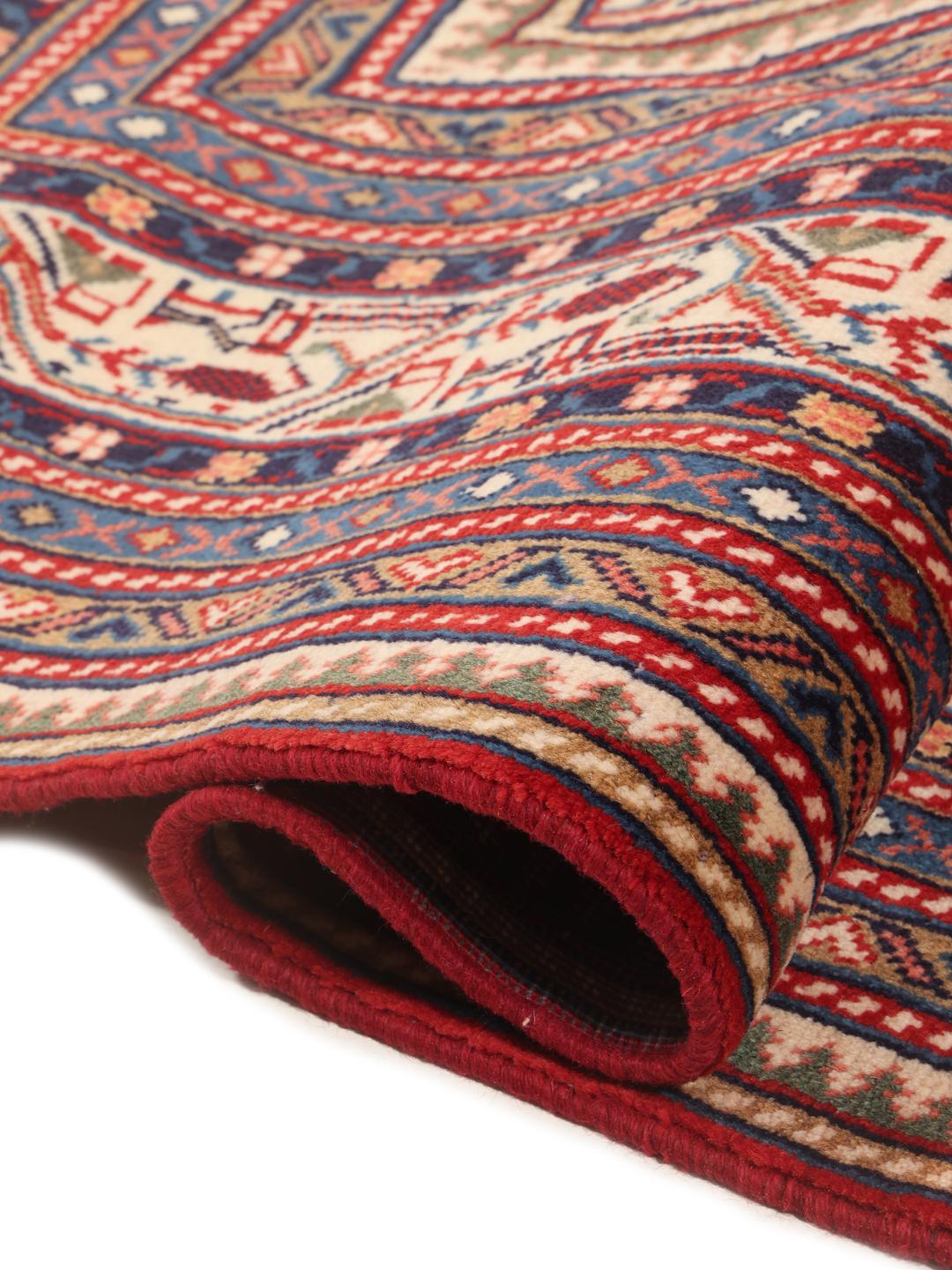
The Sarough rug tradition finds its roots in the village of Sarouk, located in the Markazi province of the Middle East. Historically, this region has been a focal point for weaving, known for producing rugs that are both robust and aesthetically refined. Over time, these rugs gained international acclaim for their exceptional durability and the use of high-quality wool, which allowed for intricate designs that could withstand generations of use.
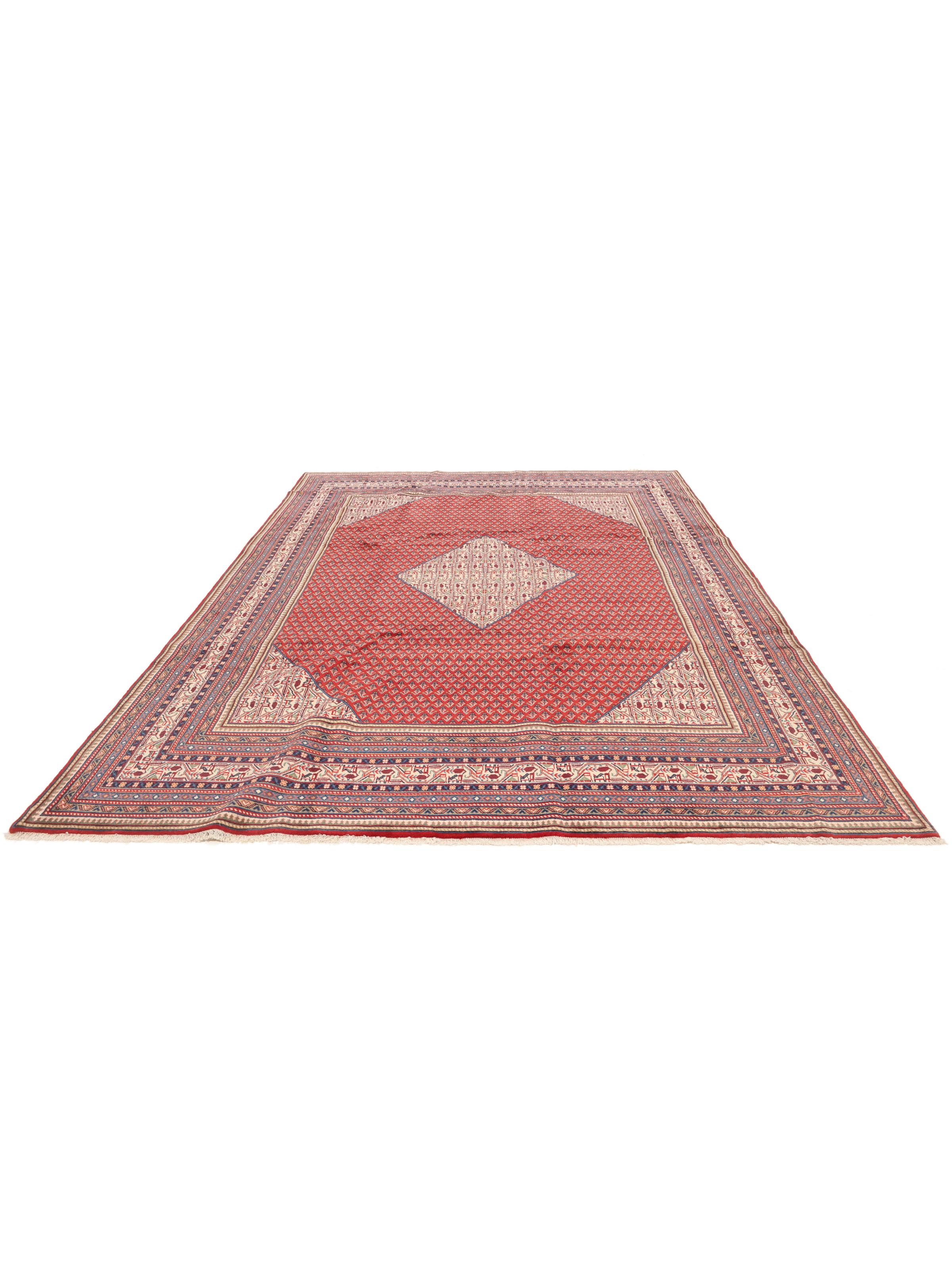
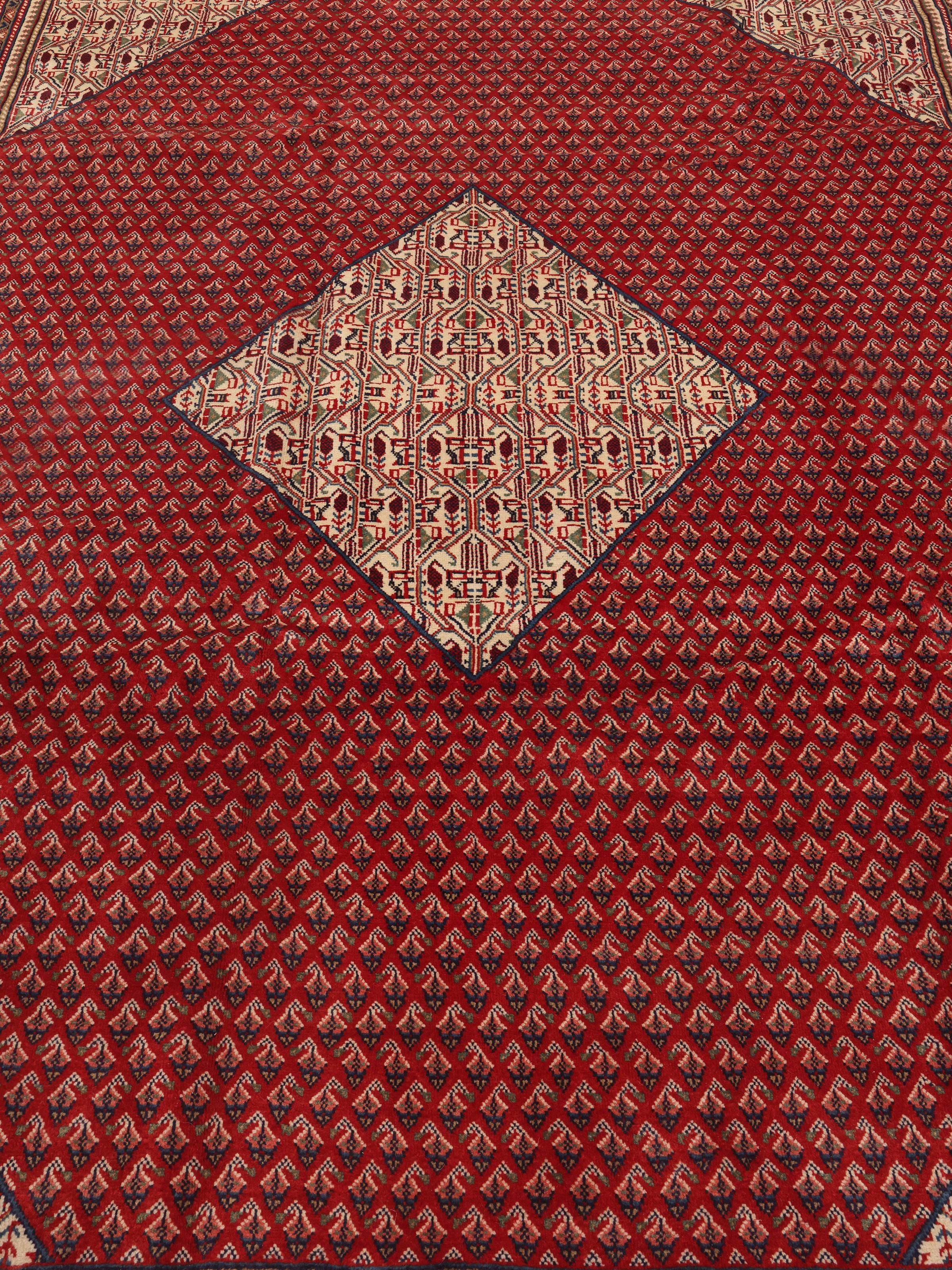
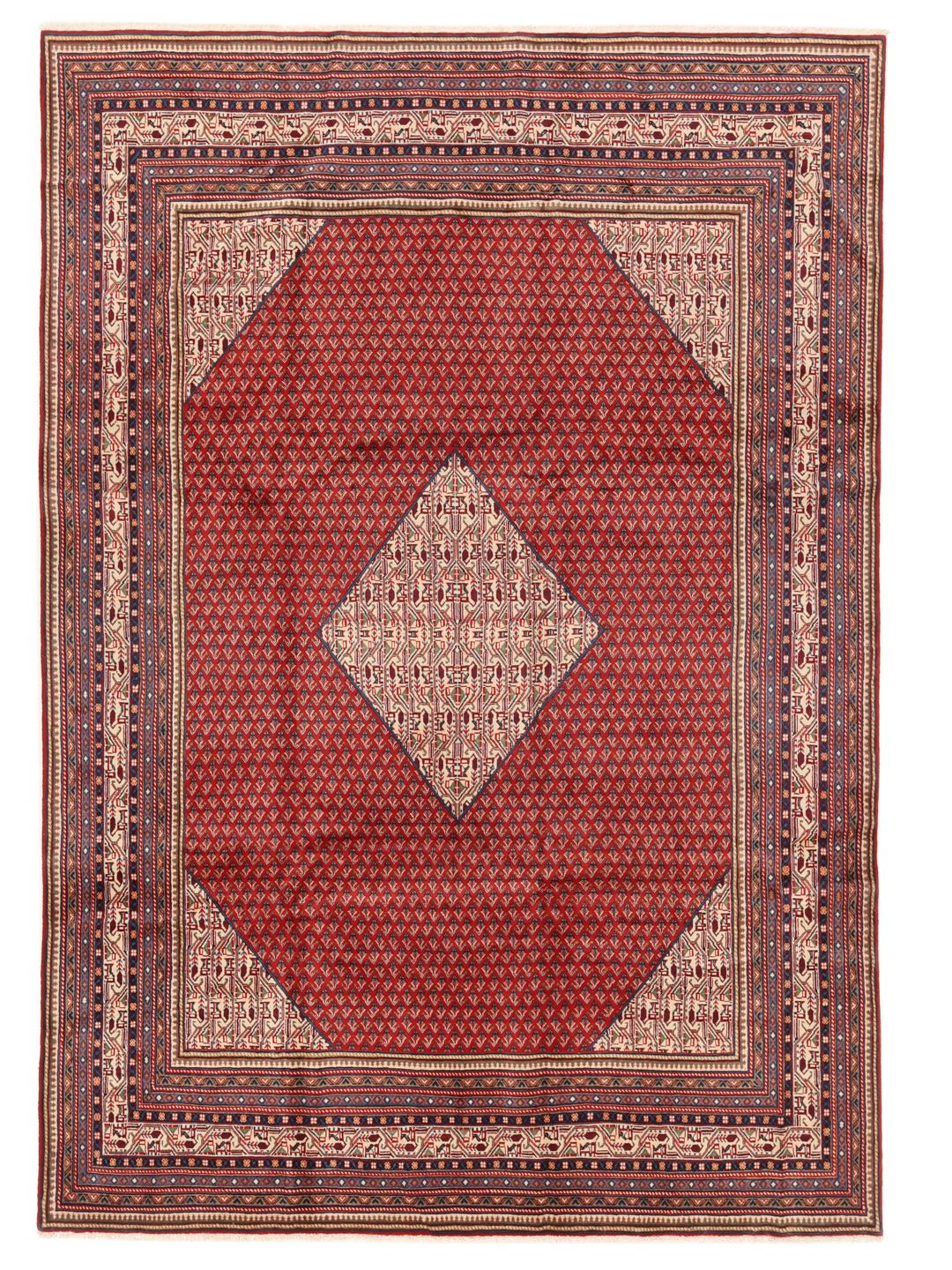
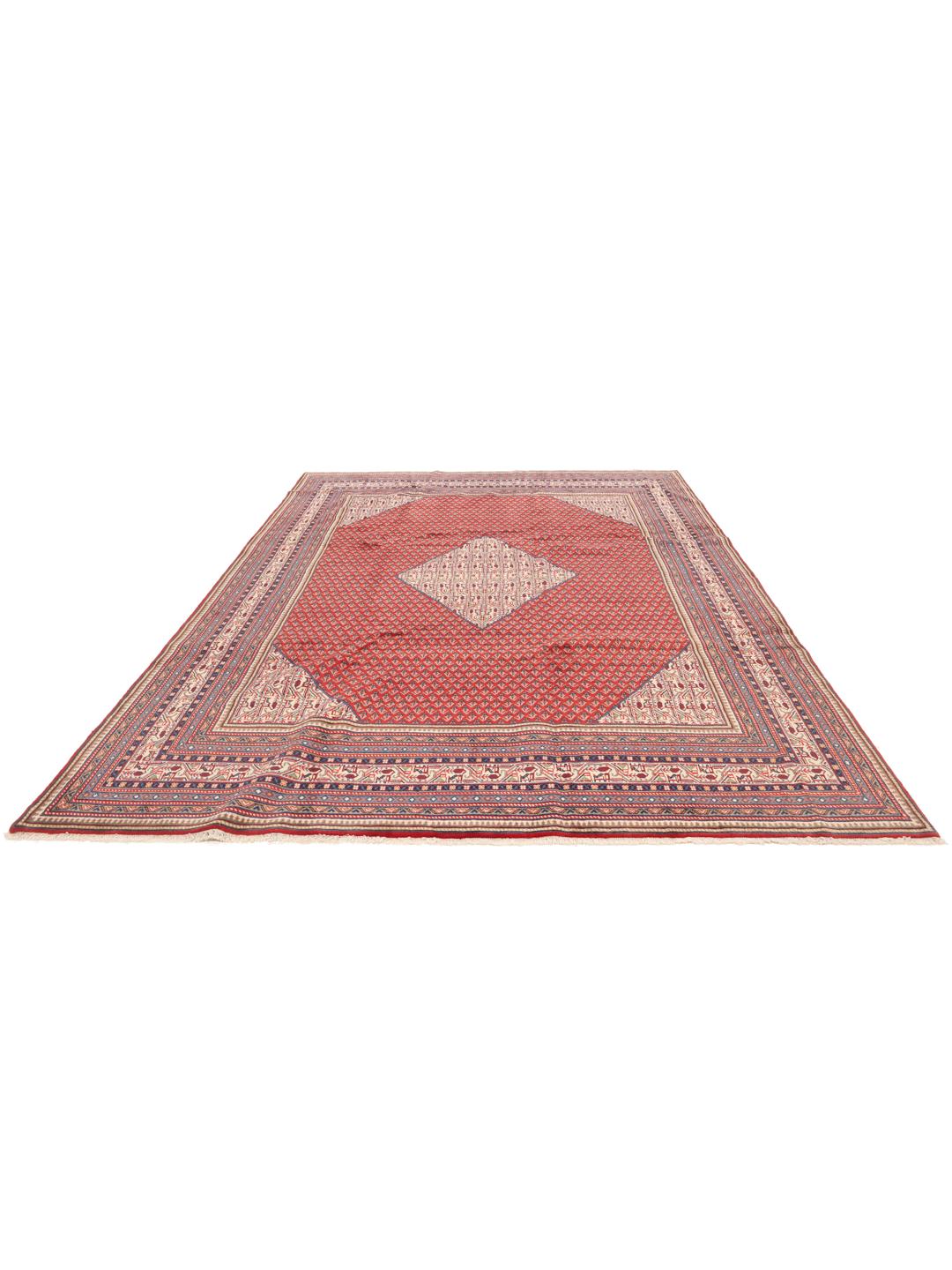
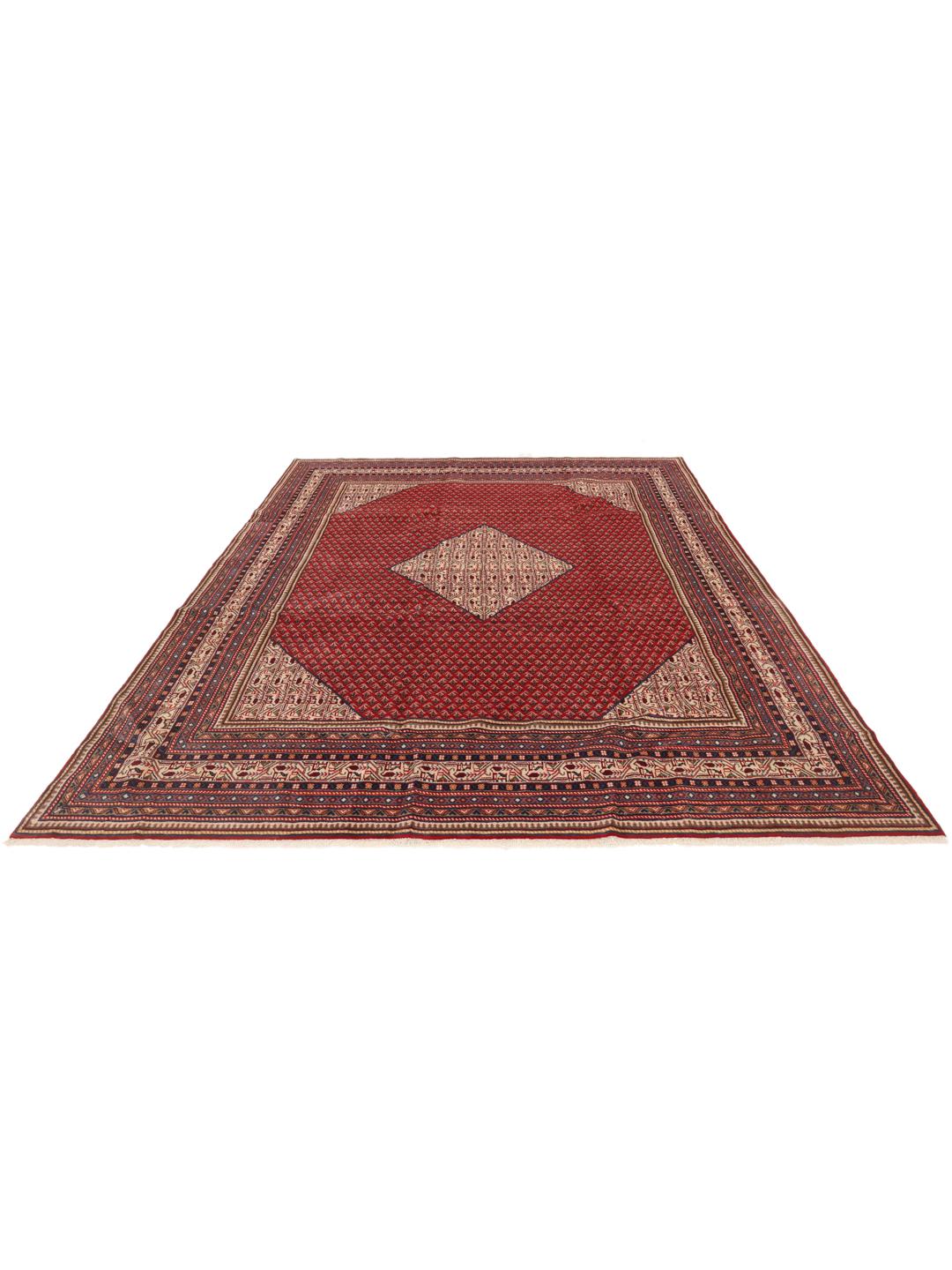
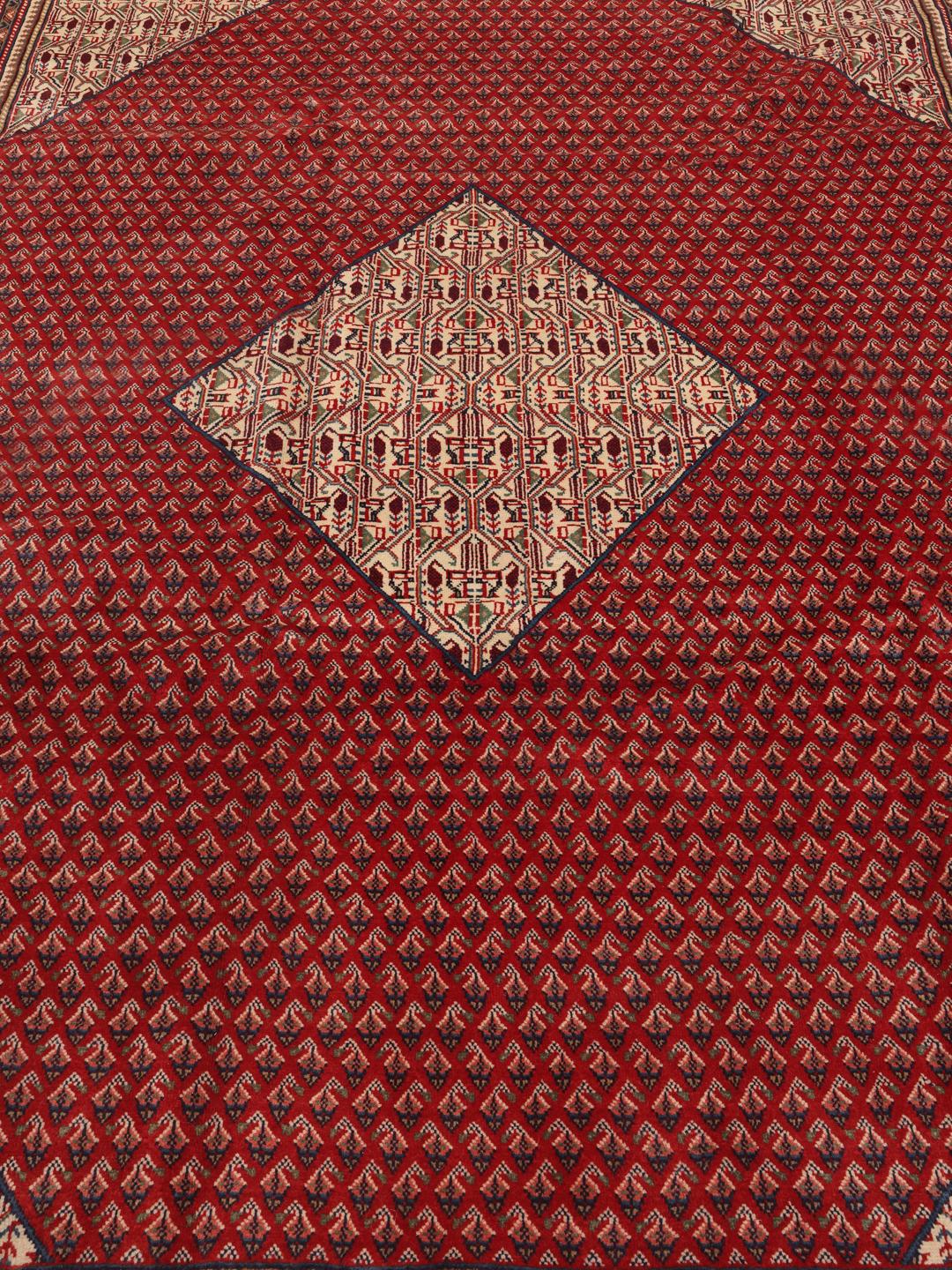
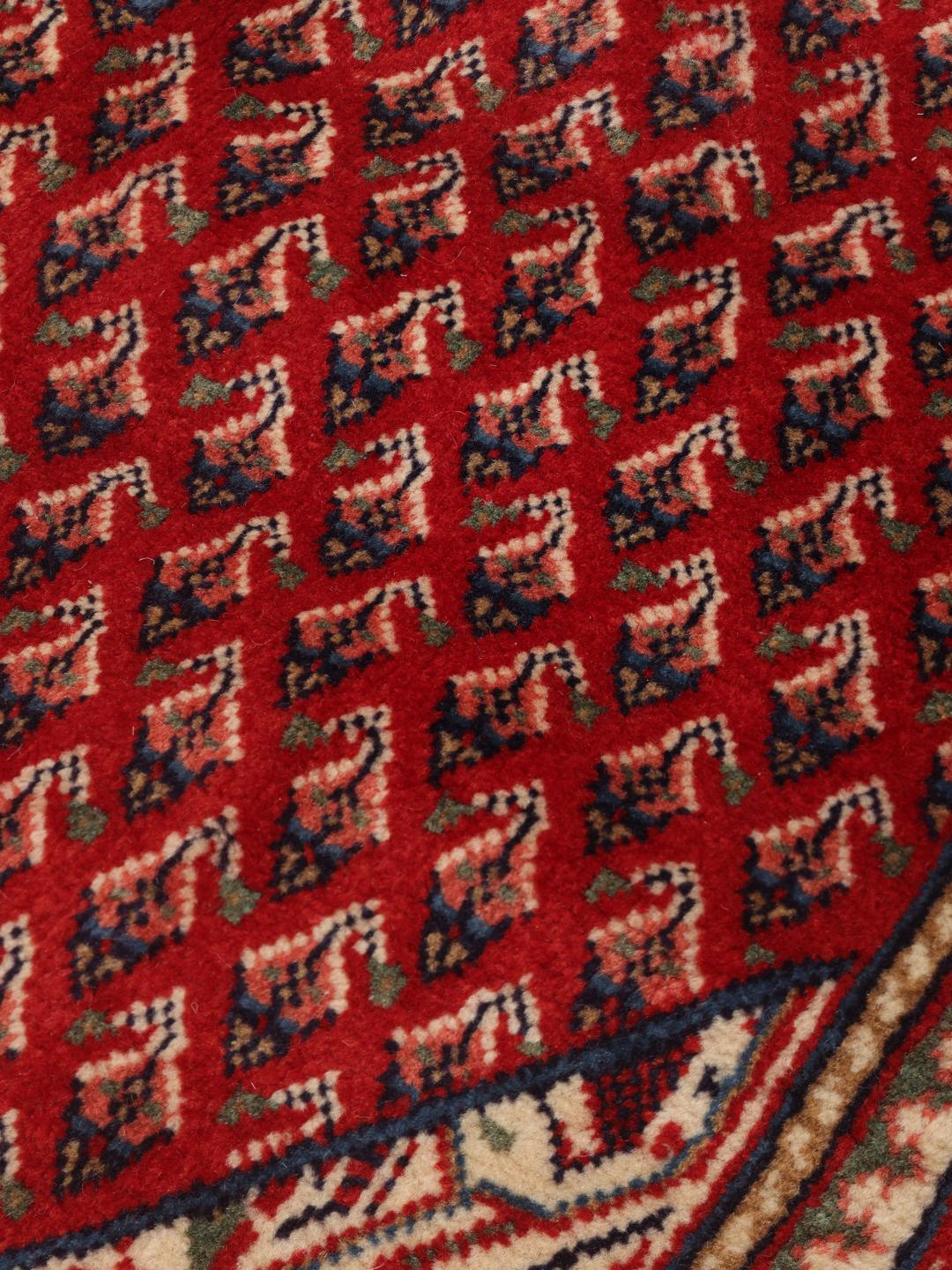
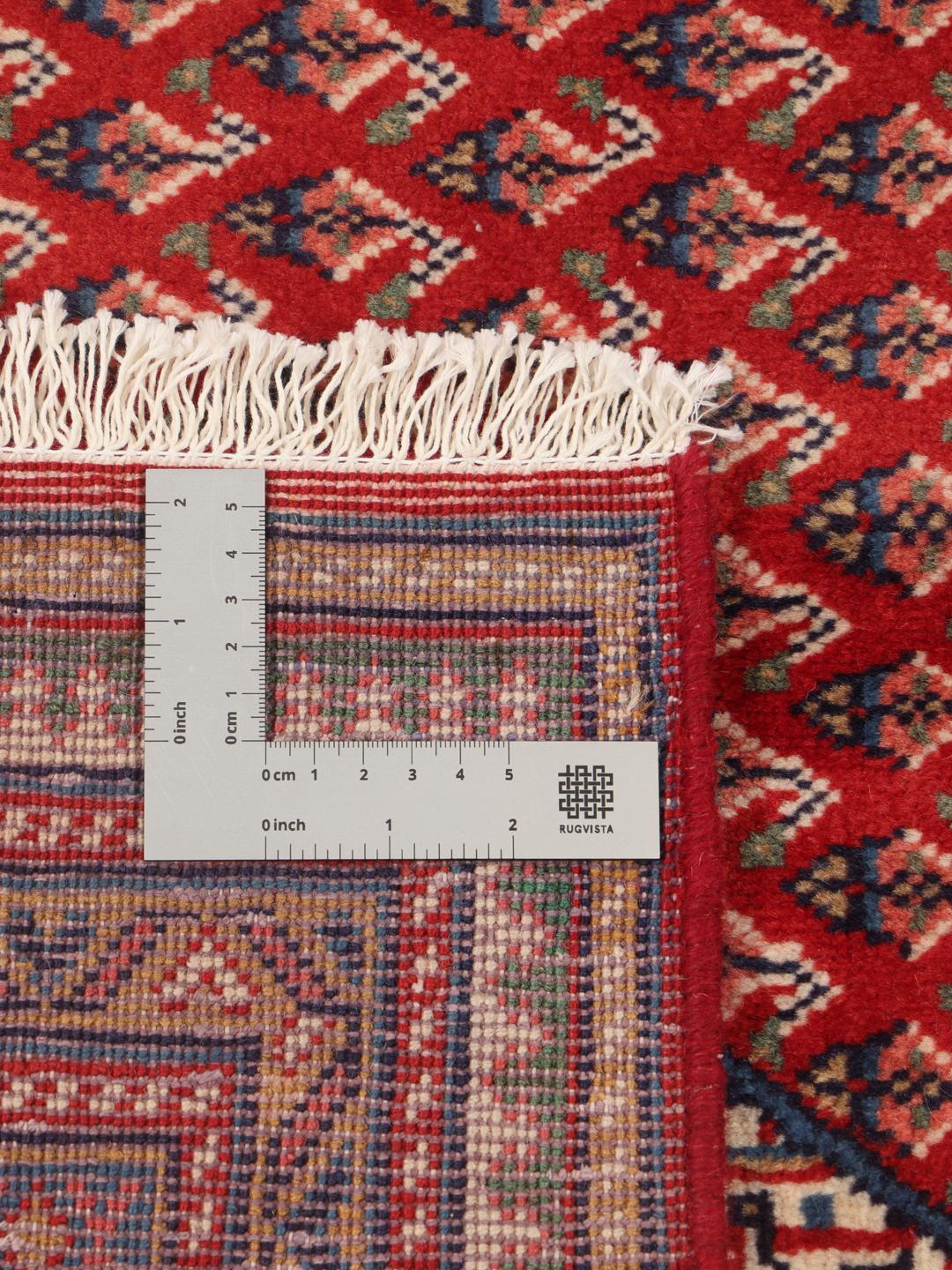
The term 'Mir' refers to a specific design style often associated with the Sarouk weaving tradition. These rugs are typically characterised by a repeating pattern, such as the boteh or floral motifs that flow across the field, often framed by a medallion. The technical mastery involved in creating these patterns requires a deep understanding of symmetry and proportion, ensuring that the visual rhythm of the rug remains consistent across its entire surface.
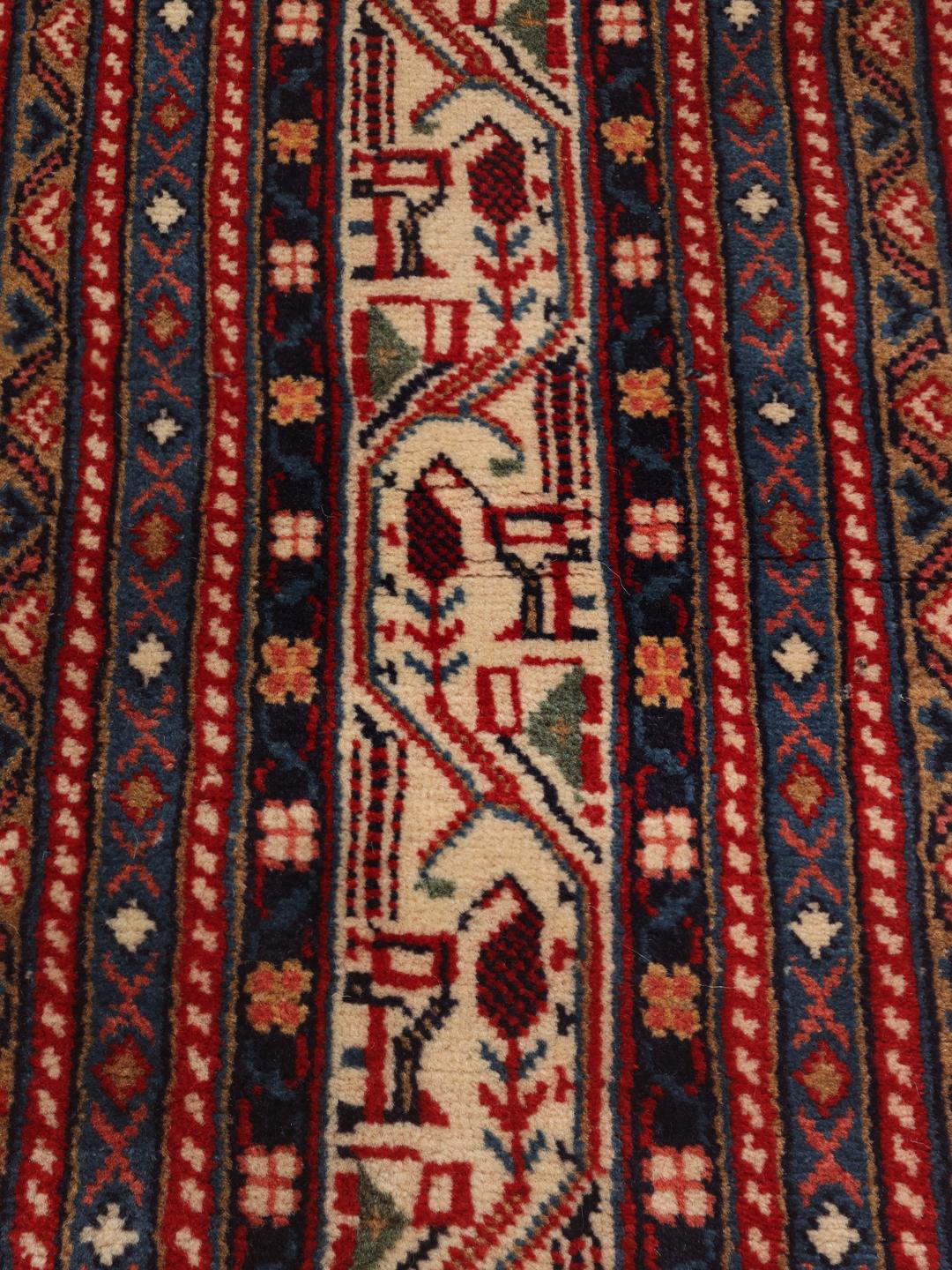
Visually, these rugs are celebrated for their vibrant colour palettes, where deep reds, earthy blues, and soft creams come together to create a balanced composition. The borders are often ornate, acting as a frame that highlights the central field. It is common to see these rugs featuring a central medallion, which serves as an anchor for the surrounding motifs, drawing the eye inward and creating a sense of depth and focus.
Collectors value Sarough rugs for their combination of artistic beauty and practical resilience. They are seen as a testament to the weaver's skill and the cultural legacy of the Middle Eastern textile traditions. Owning a piece like this is not just about floor covering; it is about preserving a craft that has been passed down through centuries, making it a meaningful addition to any home that values history and craftsmanship.