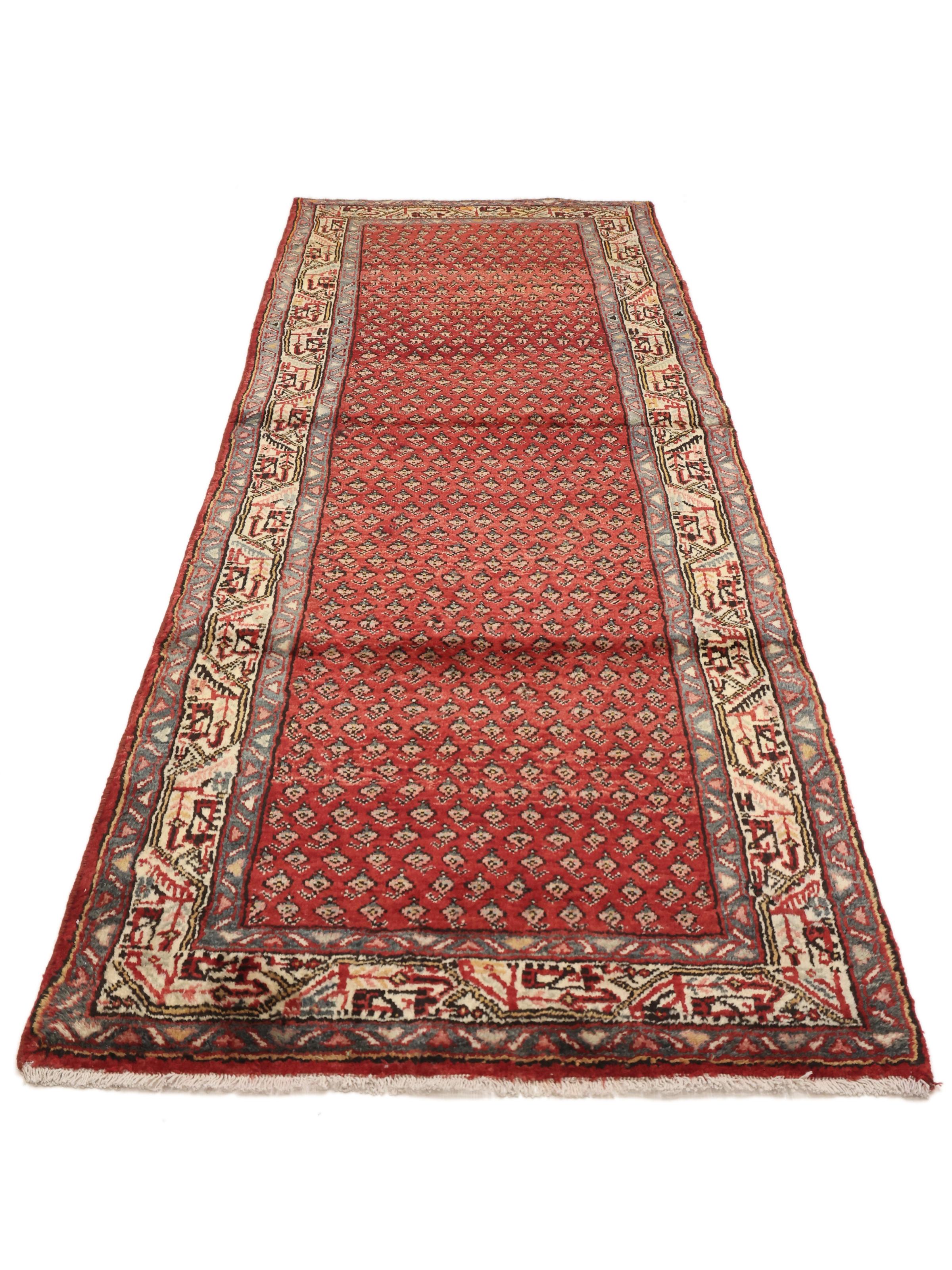
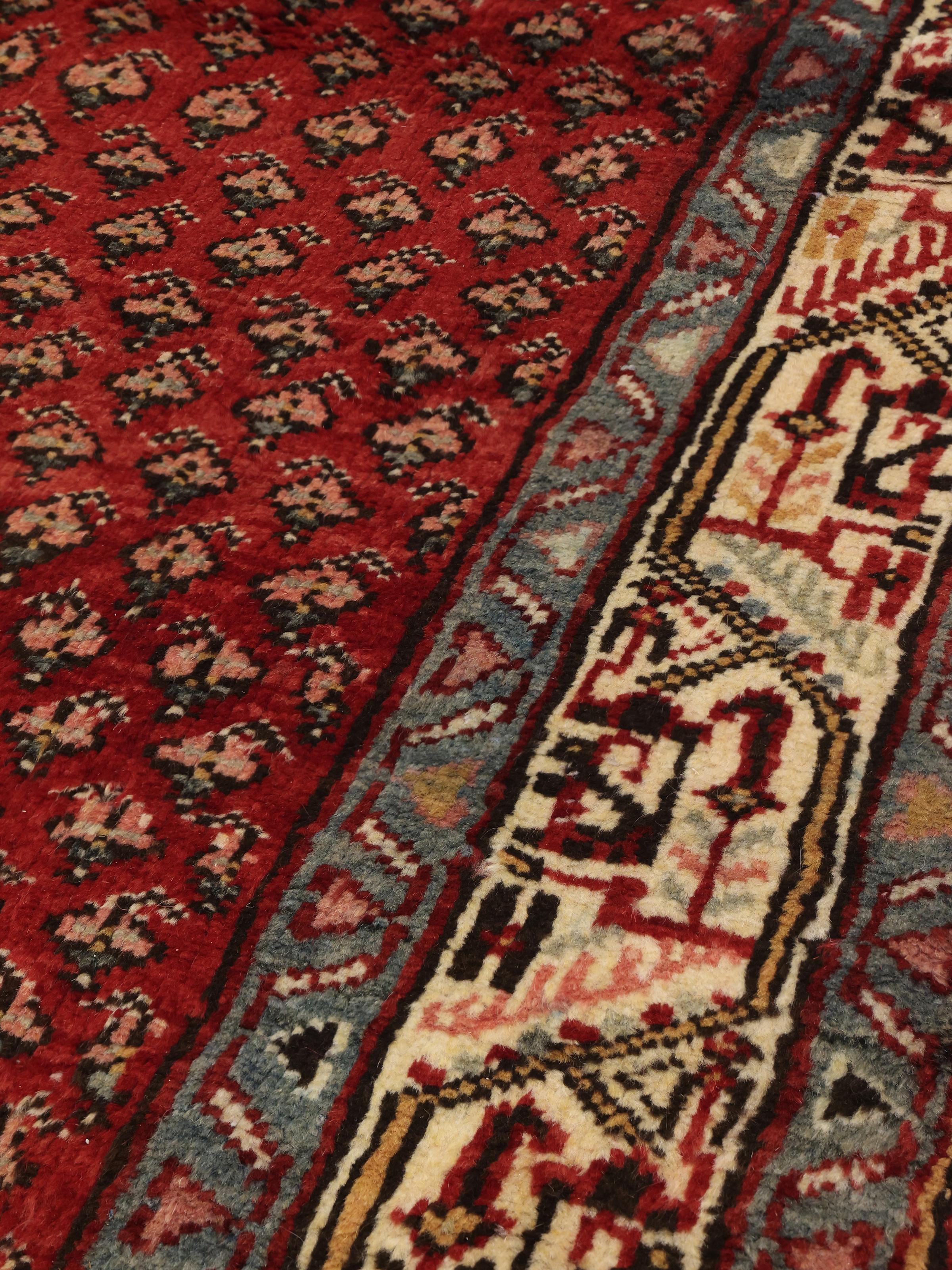
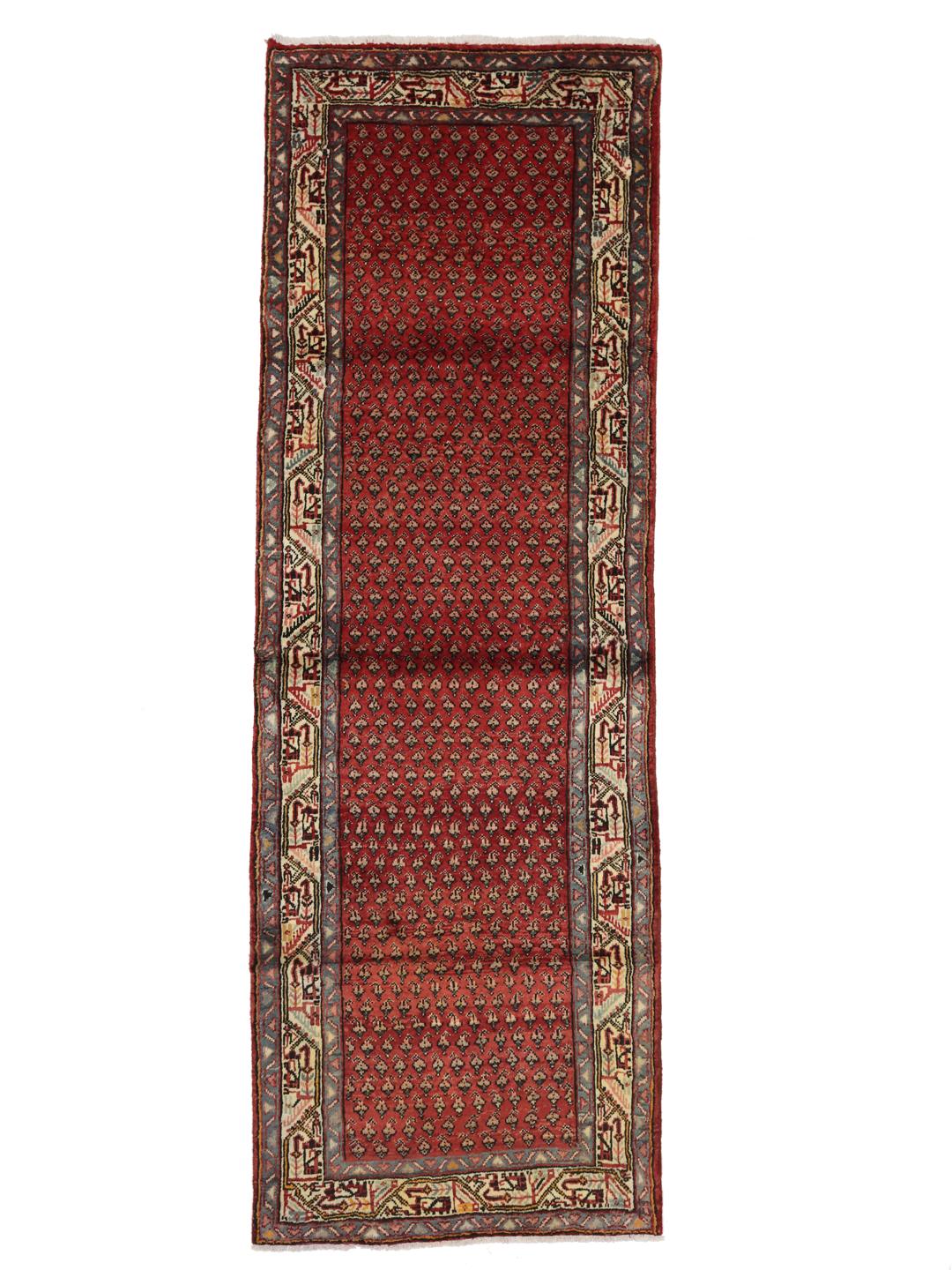
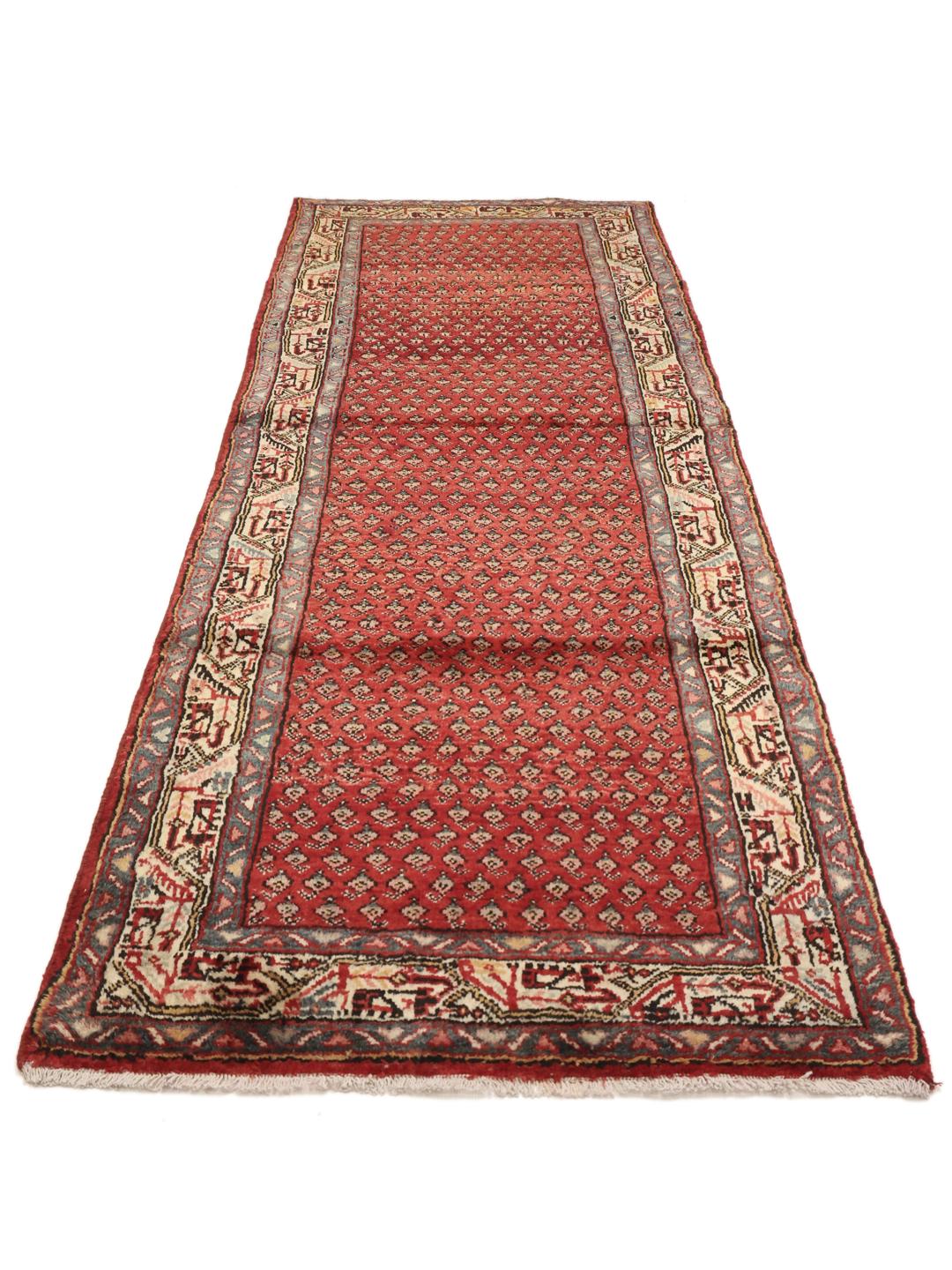
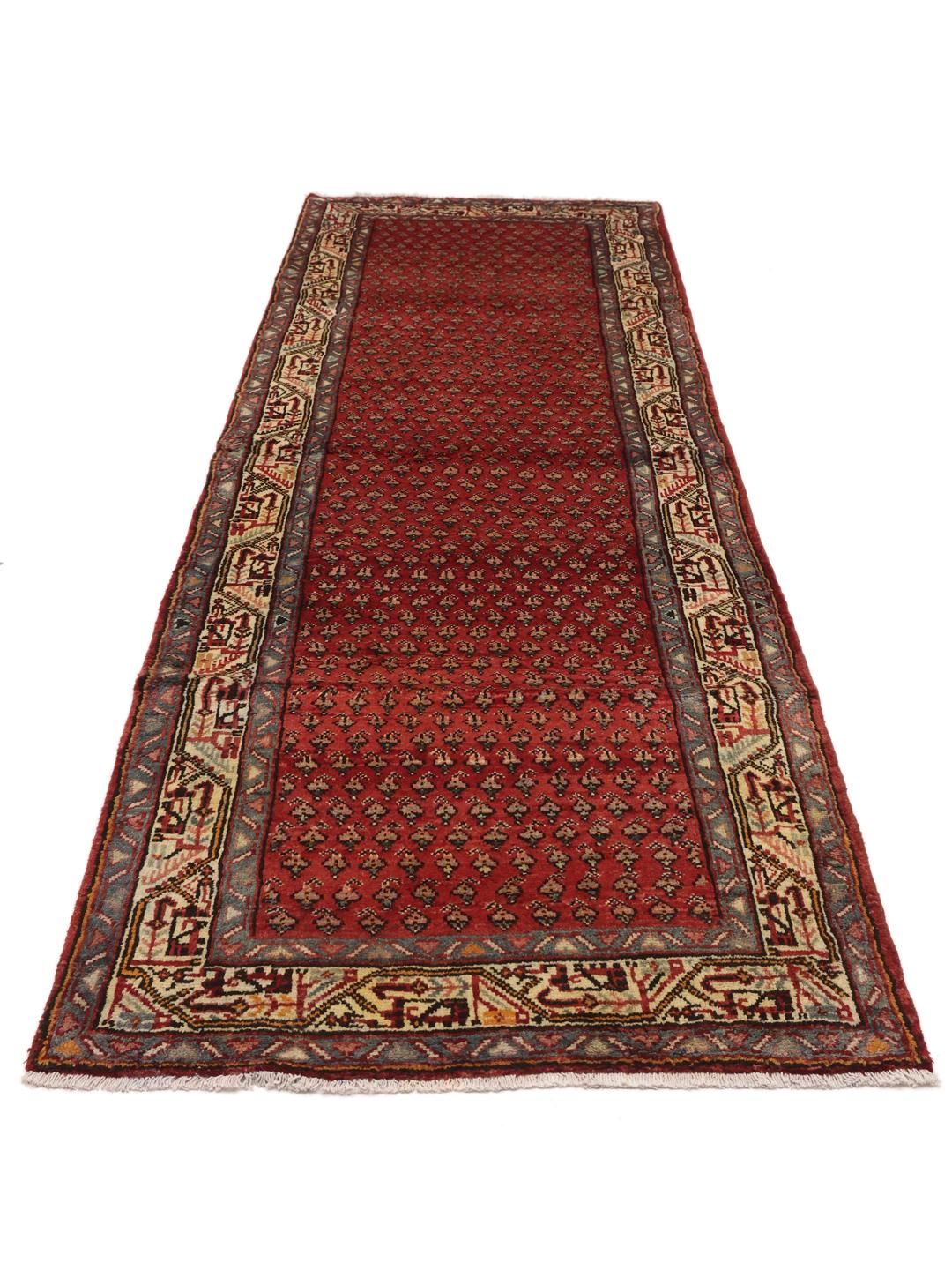
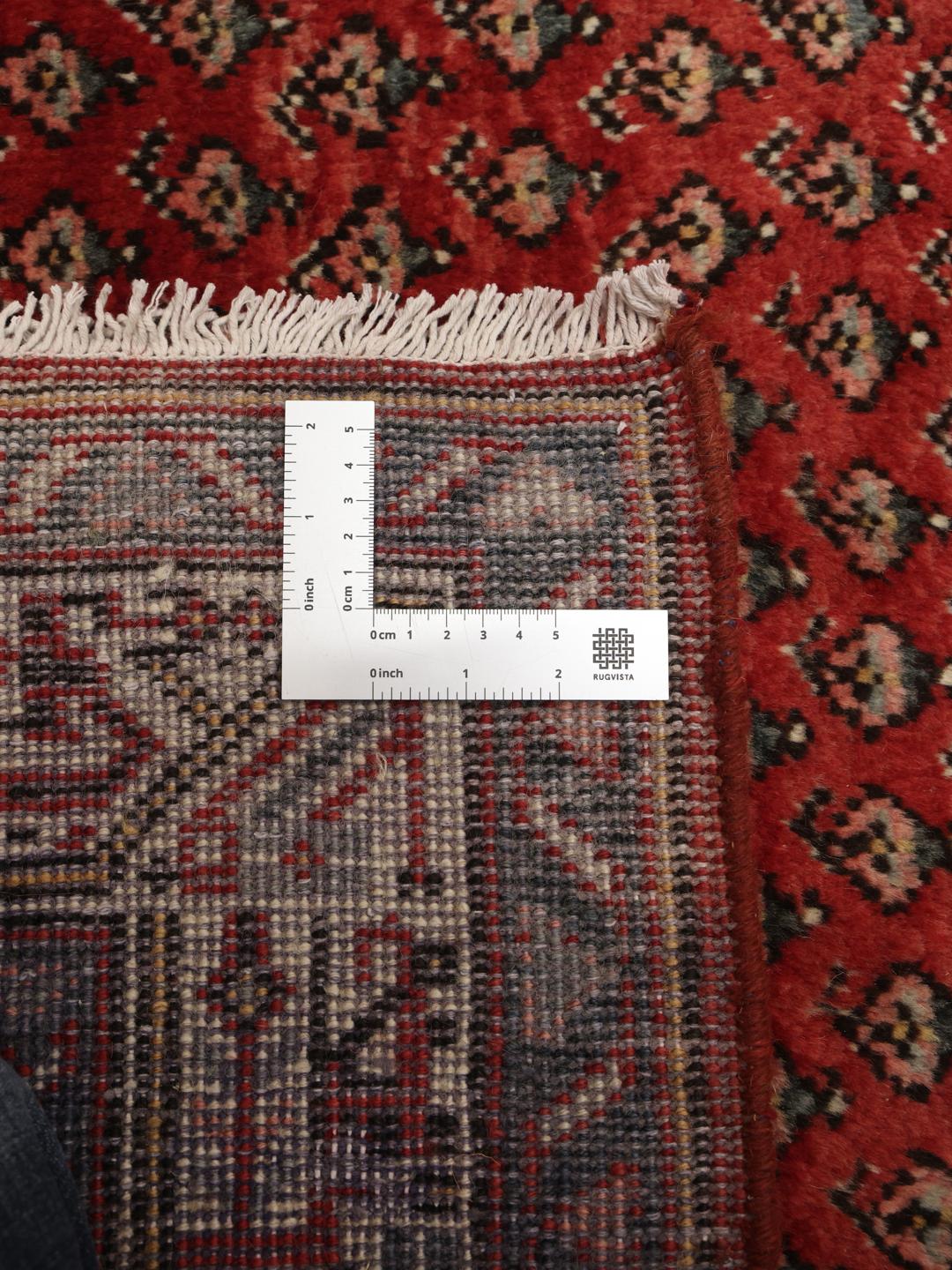
The Sarouk rug tradition originates from the village of Sarouk in the central part of the Middle East. Historically, this region has been a focal point for rug weaving for generations, known for creating pieces that are both sturdy and visually sophisticated. The Mir design, specifically, is a beloved variation characterised by its repeating floral or botanical motifs, which create a rhythmic, balanced pattern across the field.
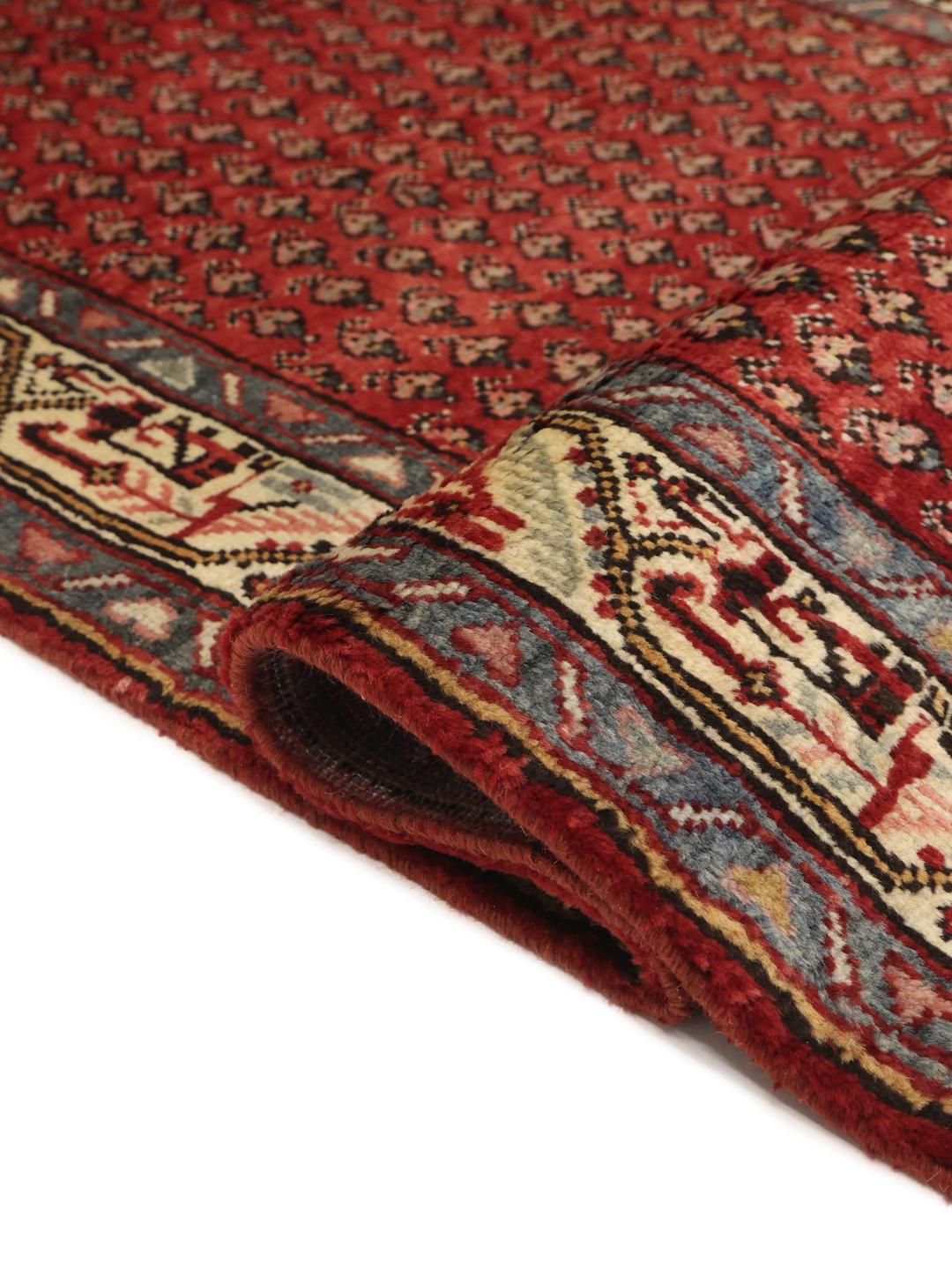
The term 'Sarough' refers to the geographical origin, while 'Mir' refers to the specific pattern style often associated with the village of Sarband. These rugs are highly regarded for their robust construction. The use of high-quality wool, combined with a dense knotting technique, means that these rugs are built to be walked upon for decades, aging beautifully as they absorb the history of the home they occupy.
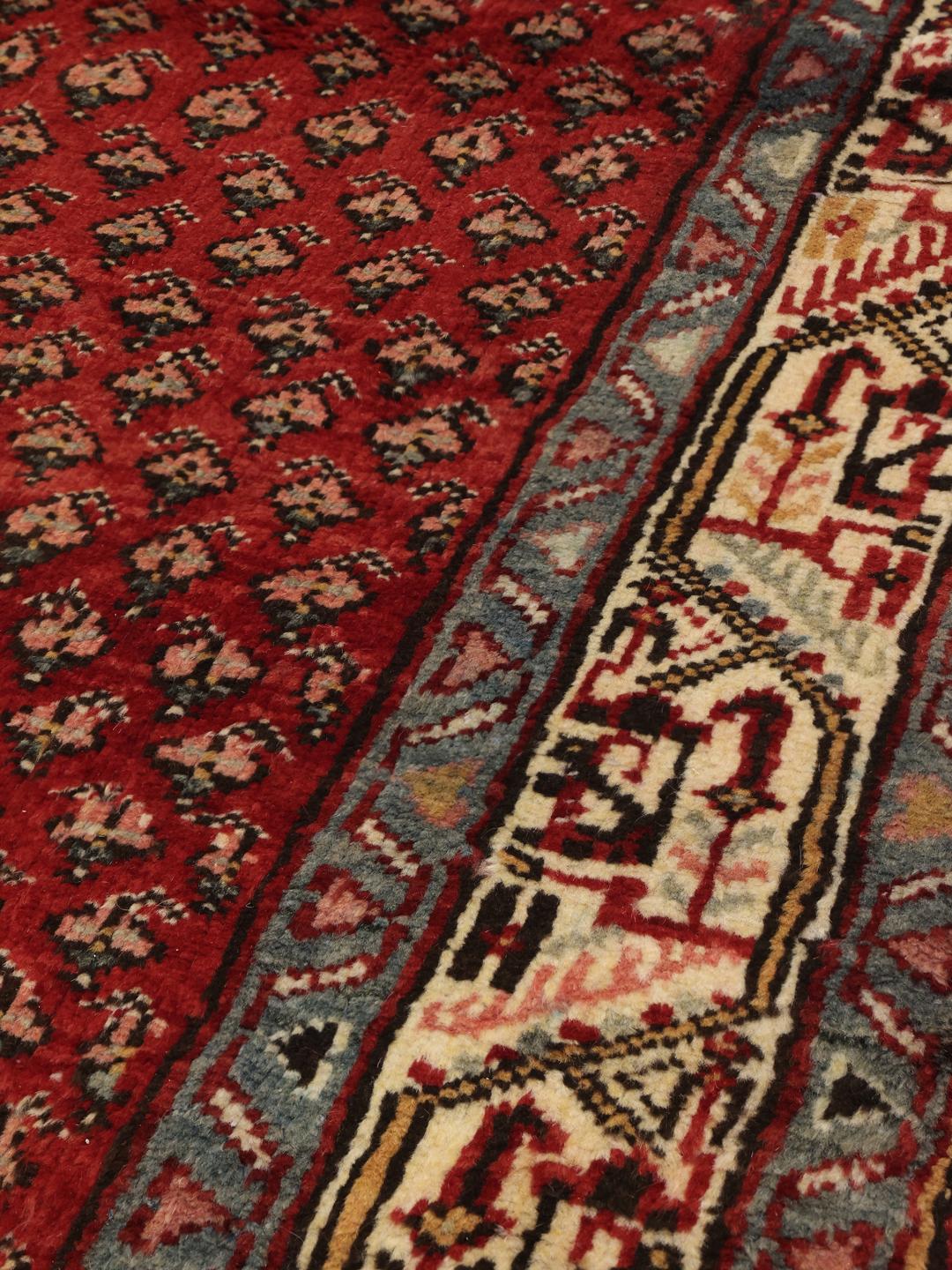
Visually, these runners are defined by their elegant, all-over floral patterns, often featuring small, stylised sprigs or medallions known as 'buteh' or floral sprays. The borders are typically formal and framing, which serves to contain the energy of the central field. This specific rug showcases that classic balance, with the deep red field acting as a canvas for the intricate, repeating motifs that characterise the Mir style.
Owning a piece from this tradition is an opportunity to connect with a long-standing craft heritage. These rugs are collected not only for their durability but for the skill required to translate such complex patterns into a tactile format. They represent a bridge between historical weaving techniques and modern interior needs, offering a sense of cultural weight and authenticity that mass-produced items simply cannot provide.