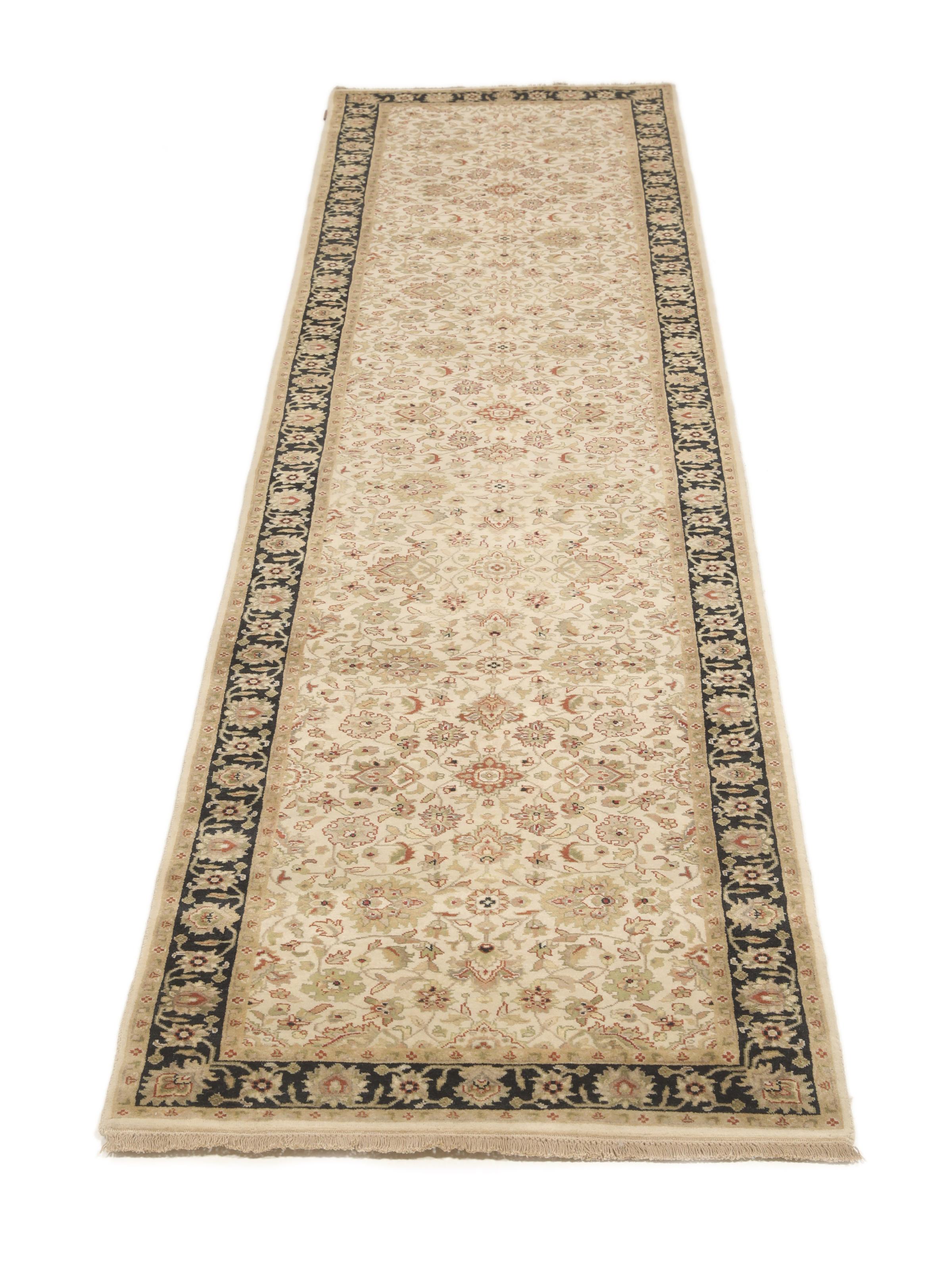
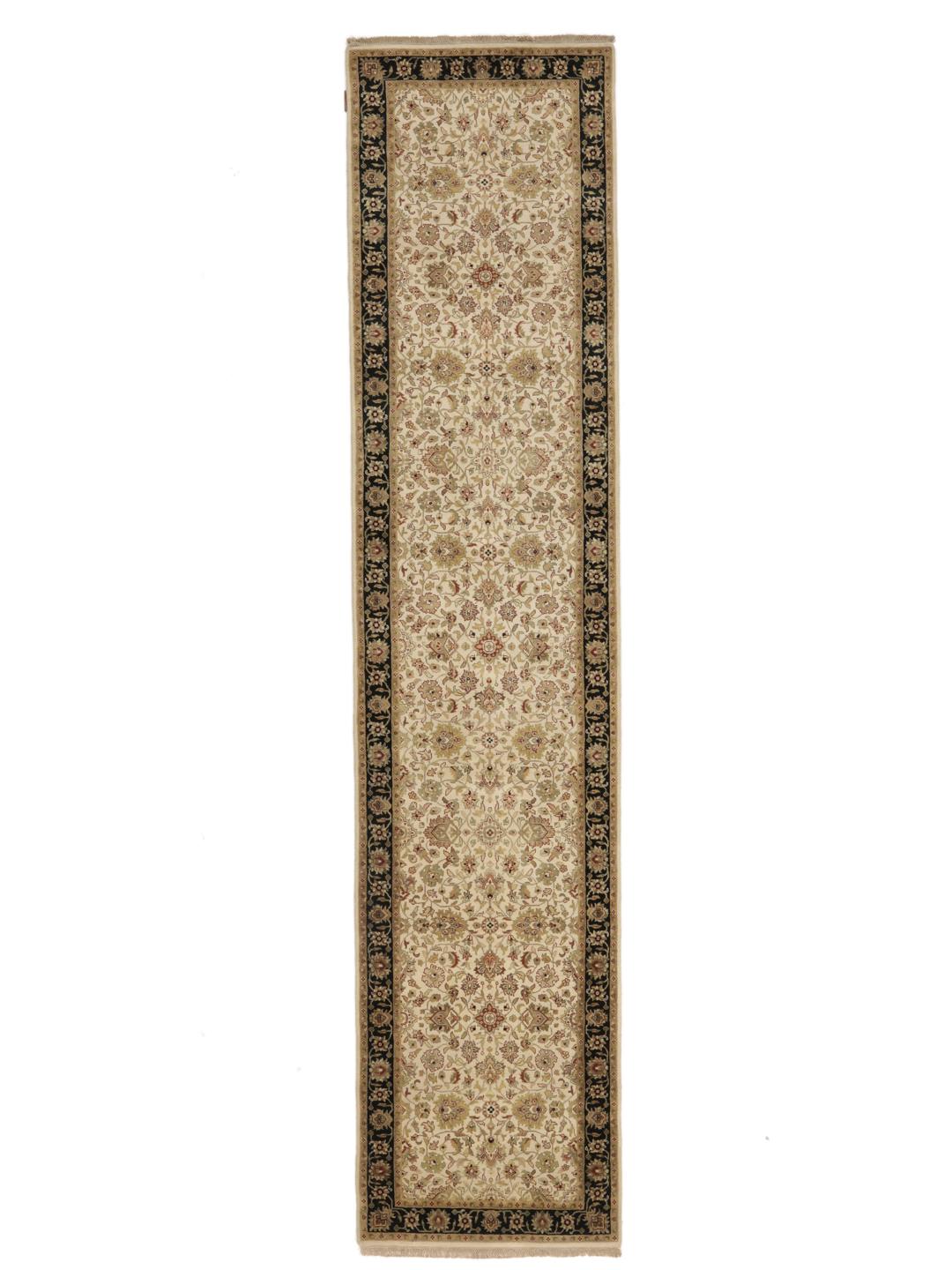
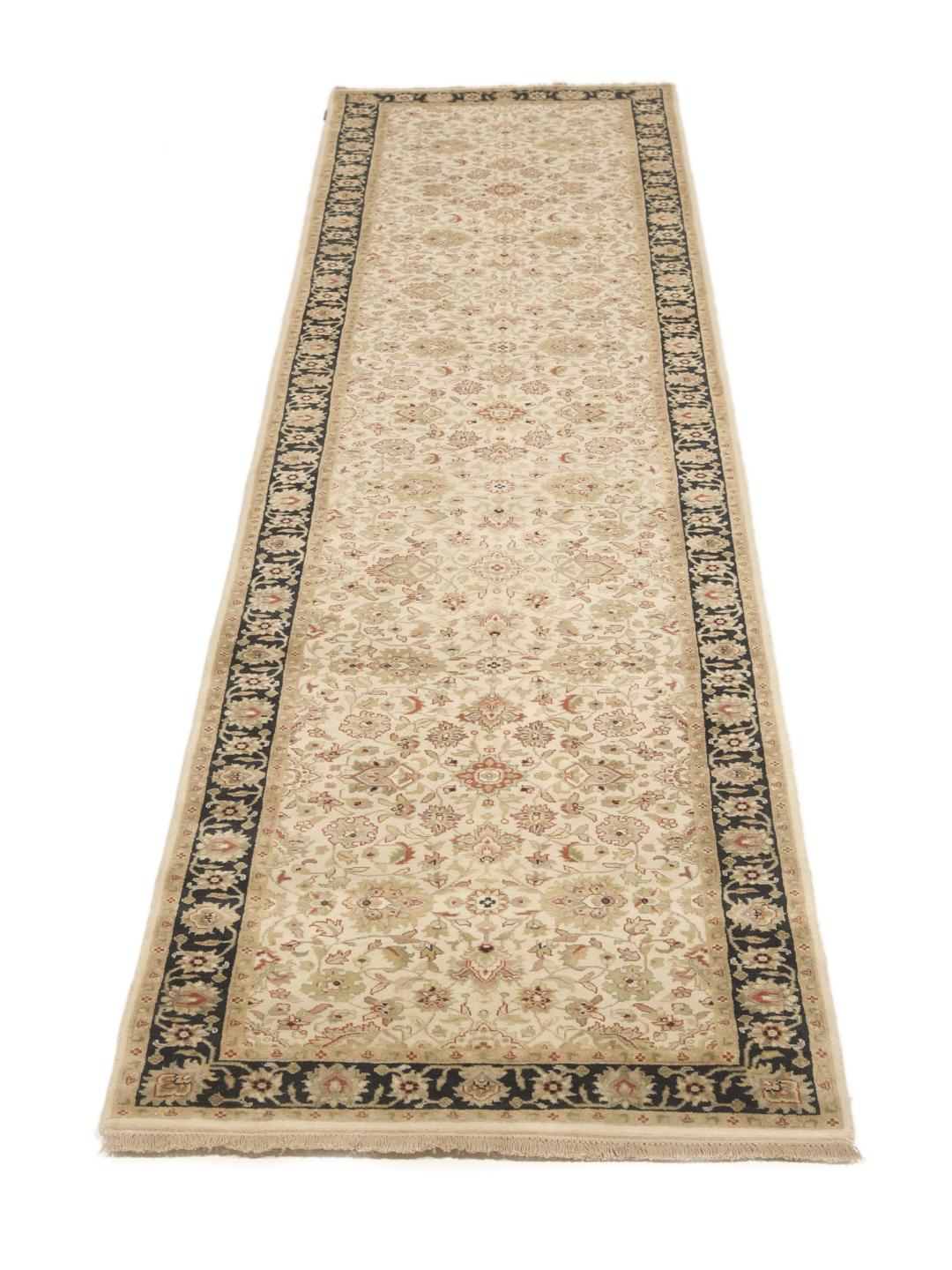
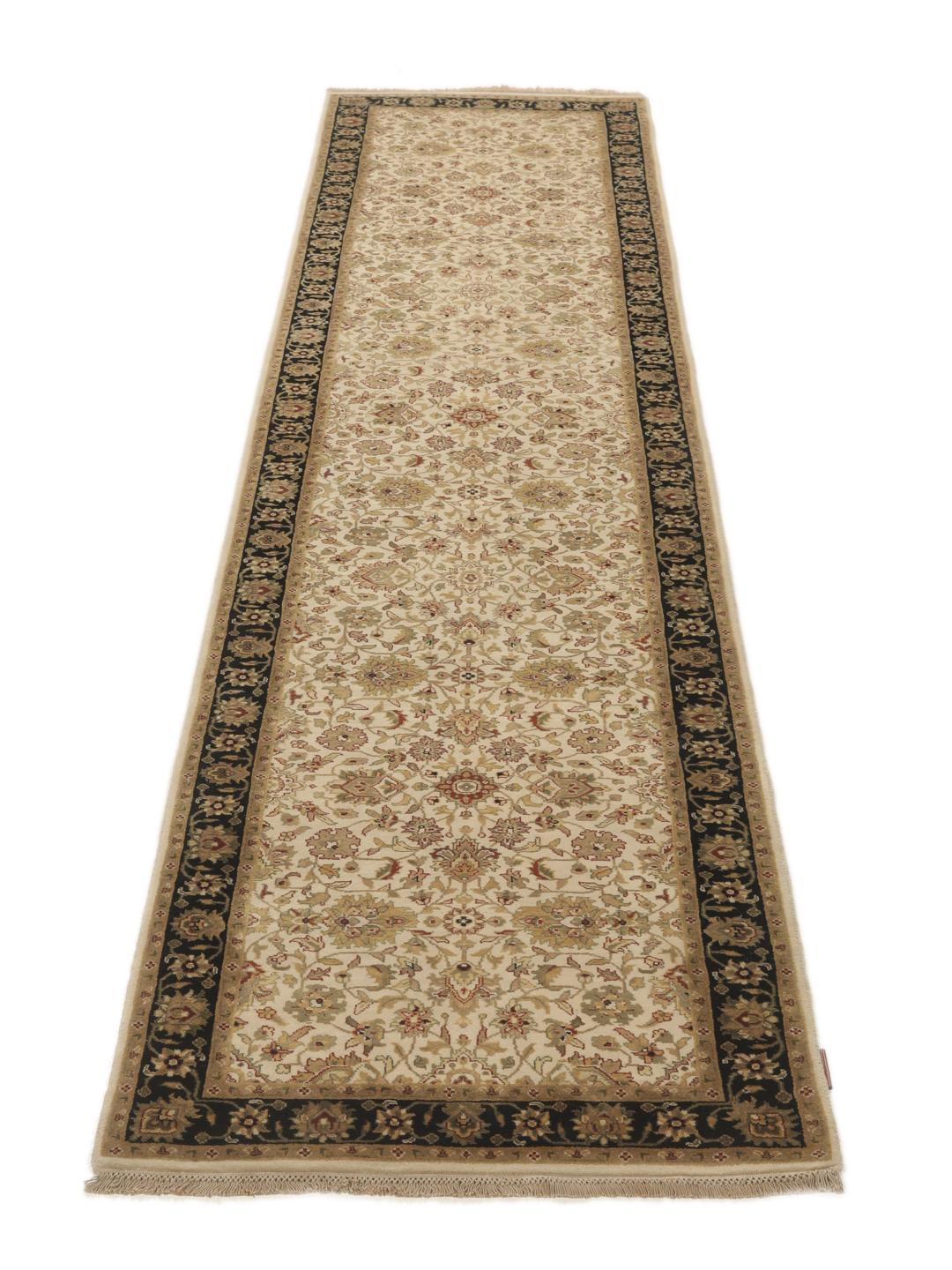
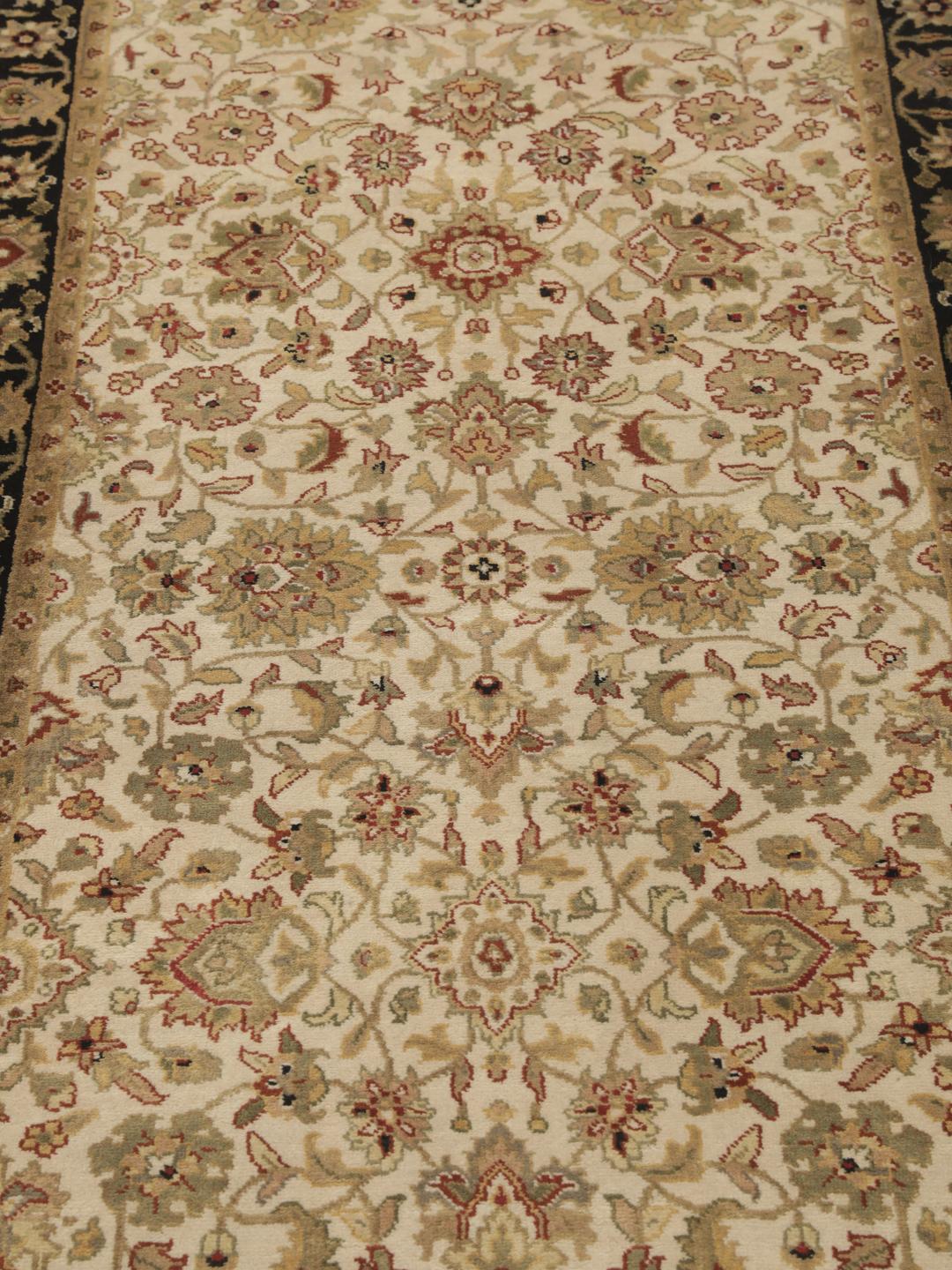
The Sarouk style takes its name from a small village in the western part of the Middle East, a region that became world-renowned for its exceptional weaving output during the late 19th and early 20th centuries. While the original designs are rooted in that specific village, the style gained immense popularity in the West, particularly in the United States, which led to the development of the Sarough American tradition.
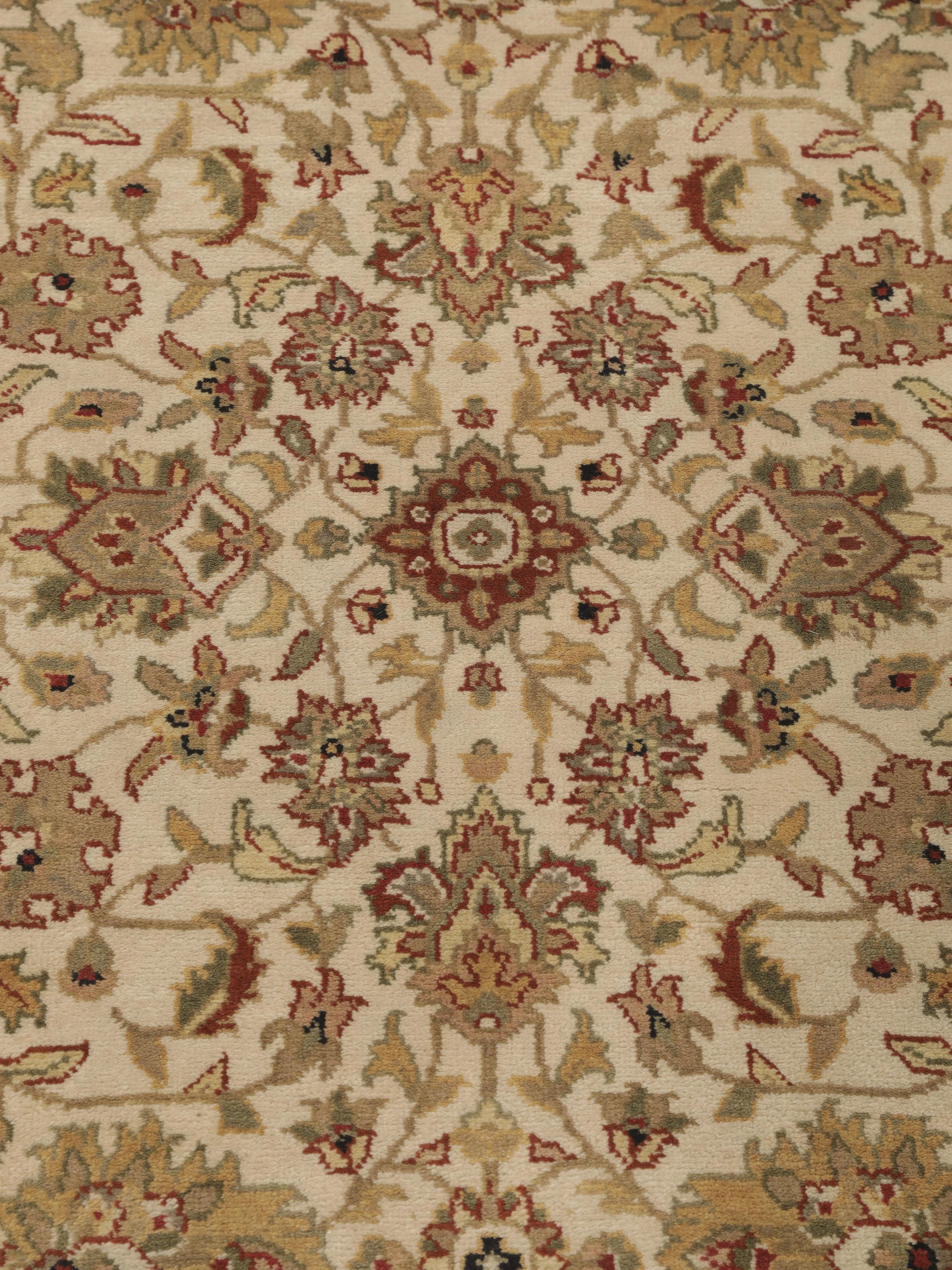
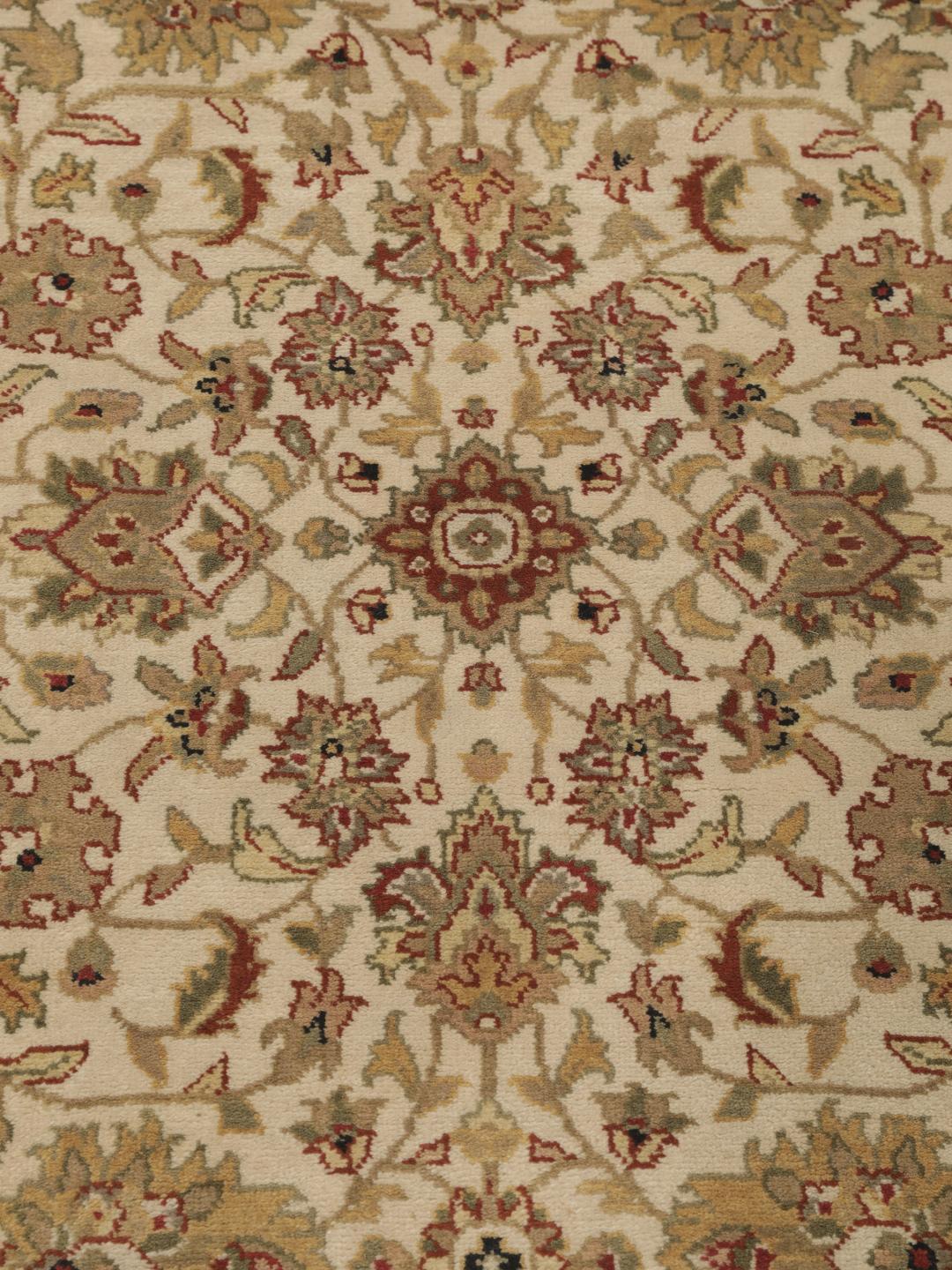
These rugs are celebrated for their distinctive floral designs and balanced, harmonious compositions. They often feature a central medallion or an all-over pattern of blooming vines and palmettes, reflecting a sophisticated artistic sensibility. The move of this weaving tradition to centres like India has allowed the classic aesthetic to flourish using refined techniques that keep the historical spirit alive for modern homes.
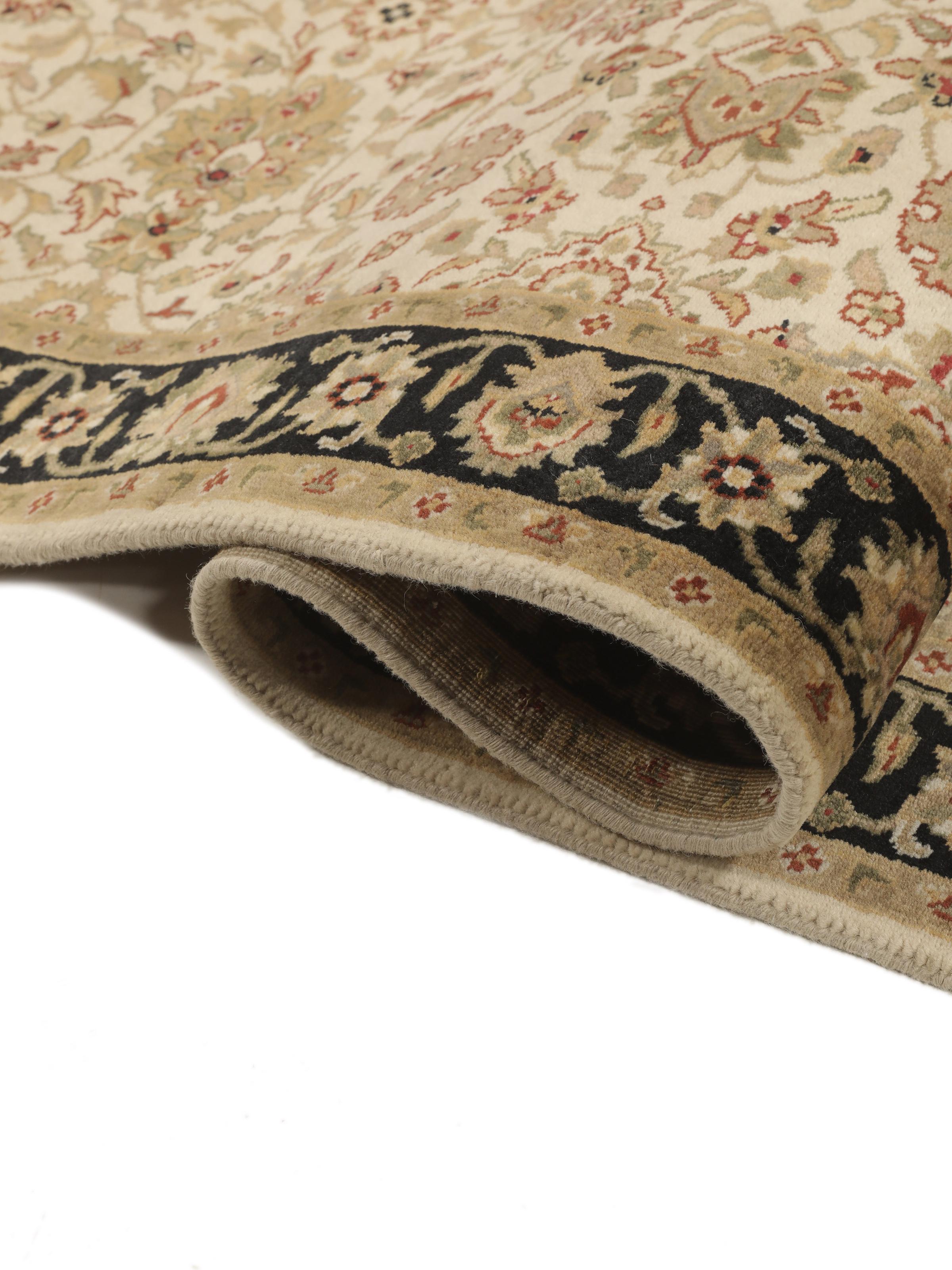
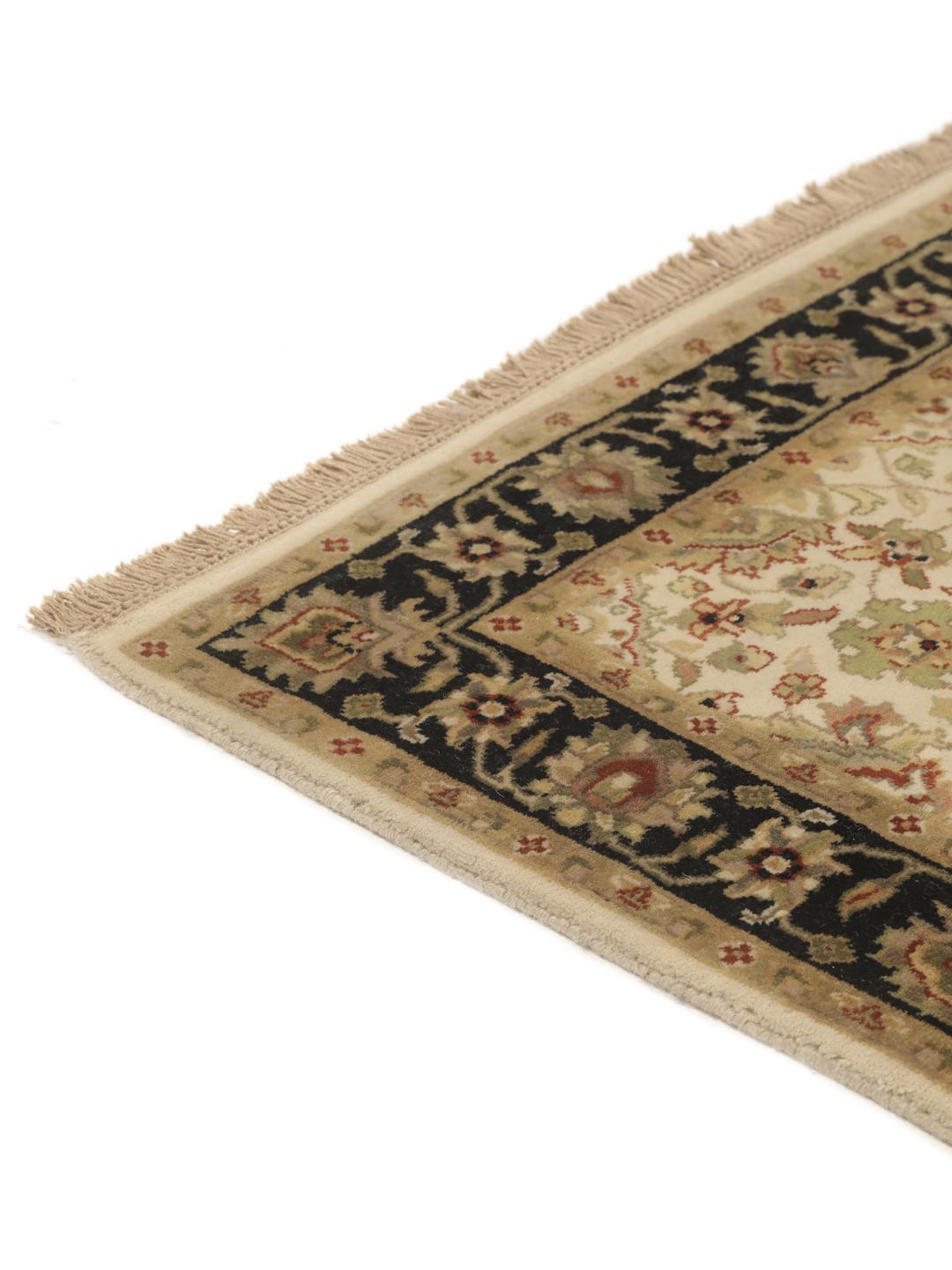
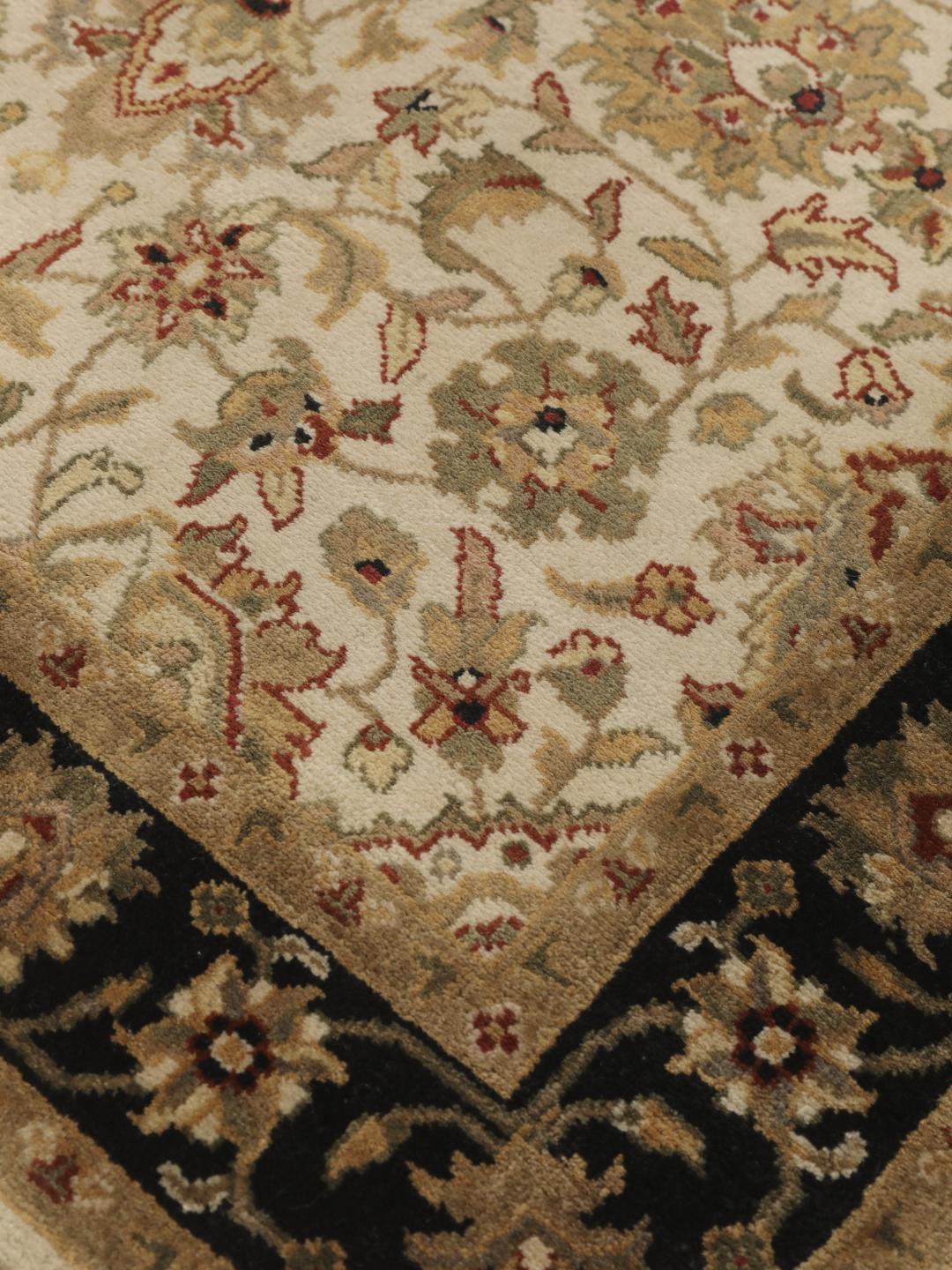
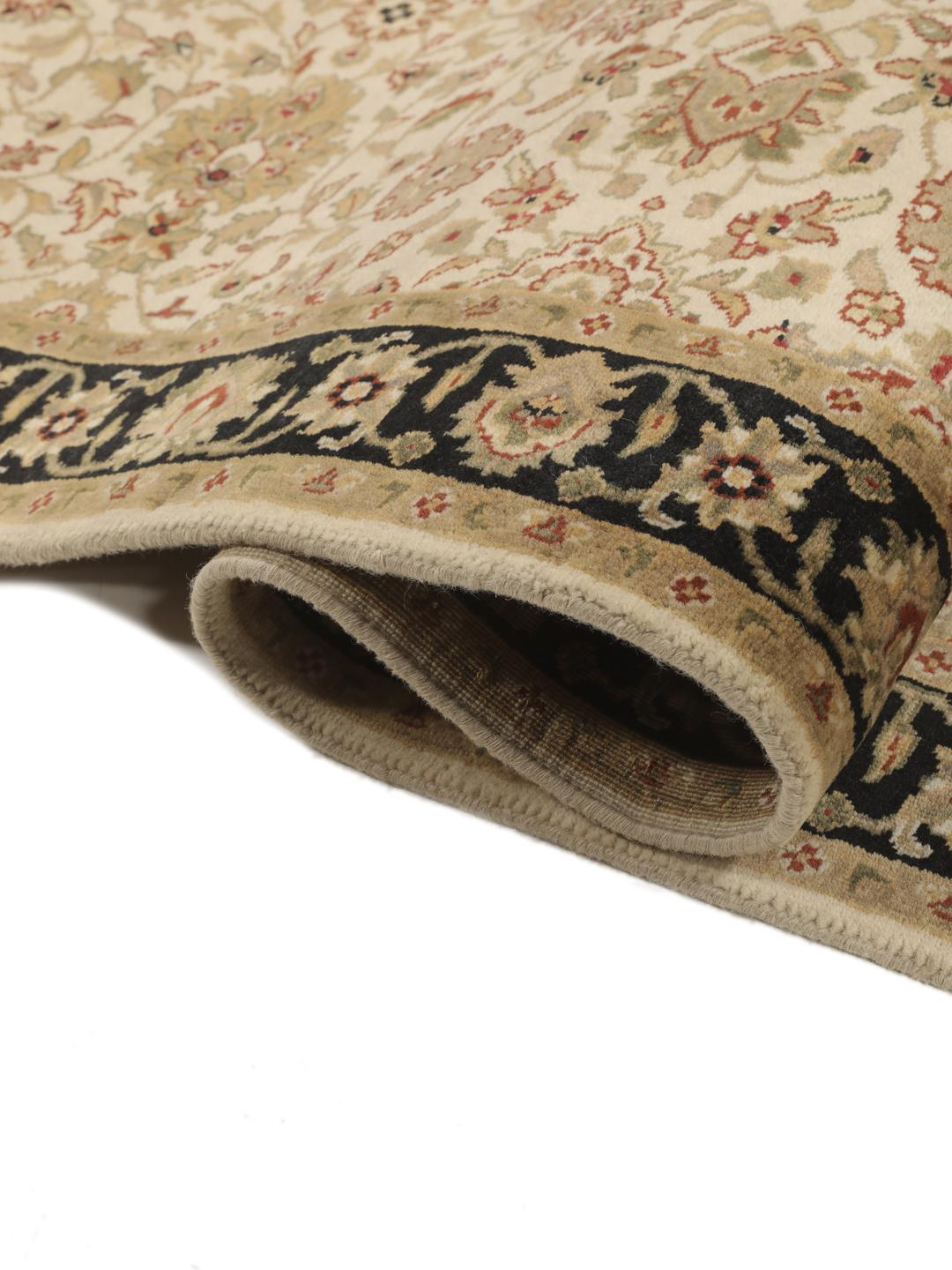
The visual language of a Sarough is defined by its rich, often curvilinear motifs. The field typically features a deep, dense arrangement of flowers and leaves, all framed by a formal, multi-layered border. This meticulous attention to detail ensures that the pattern remains clear and vibrant, drawing the eye across the entire length of the runner.
Owning a piece from this tradition is an opportunity to connect with a long-standing lineage of textile art. These rugs are highly valued by collectors and enthusiasts alike, not just for their aesthetic appeal, but for what they represent: a bridge between ancient craft techniques and the contemporary home. It is a testament to the enduring human desire to surround ourselves with objects of beauty and substance.