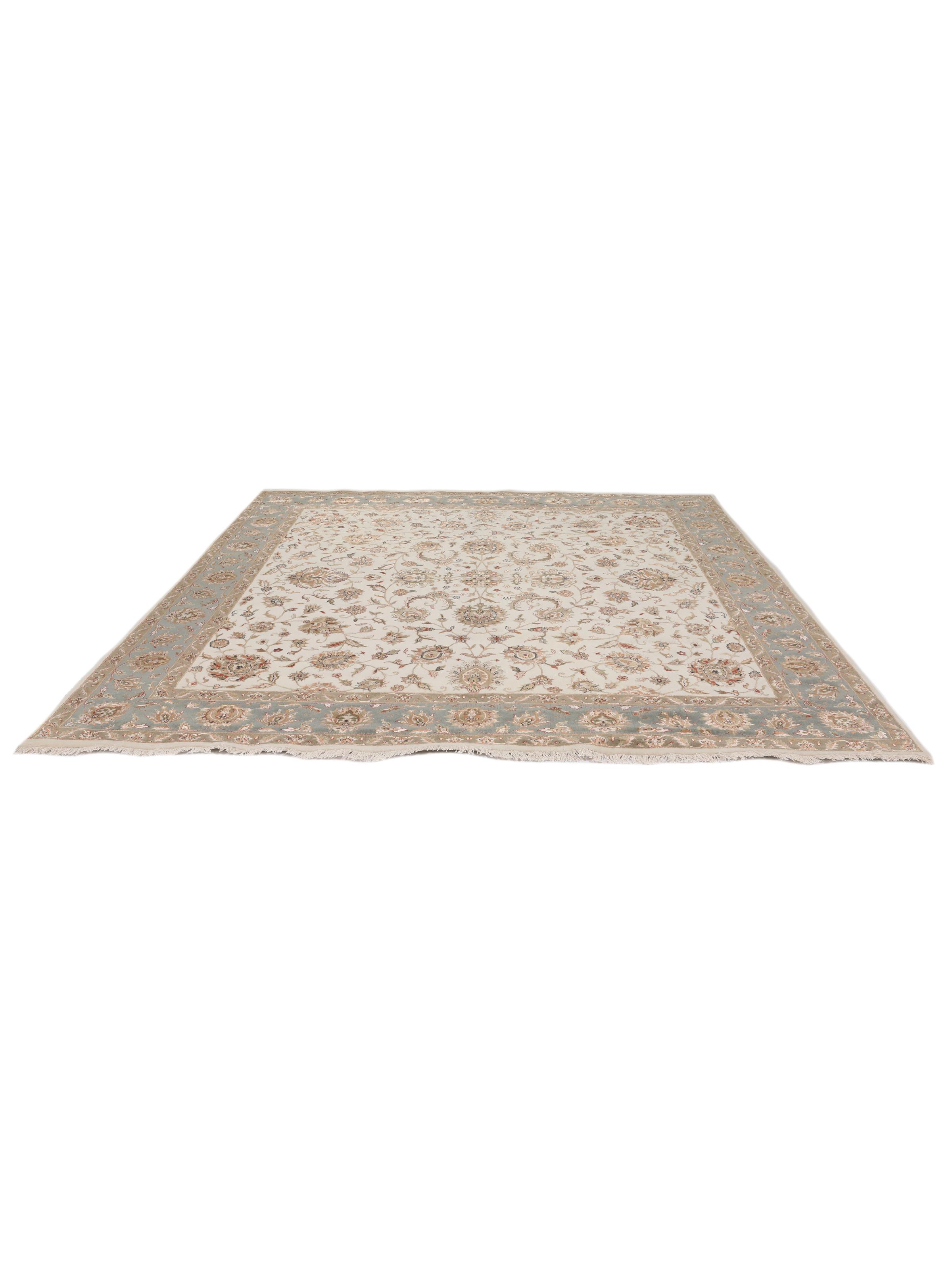
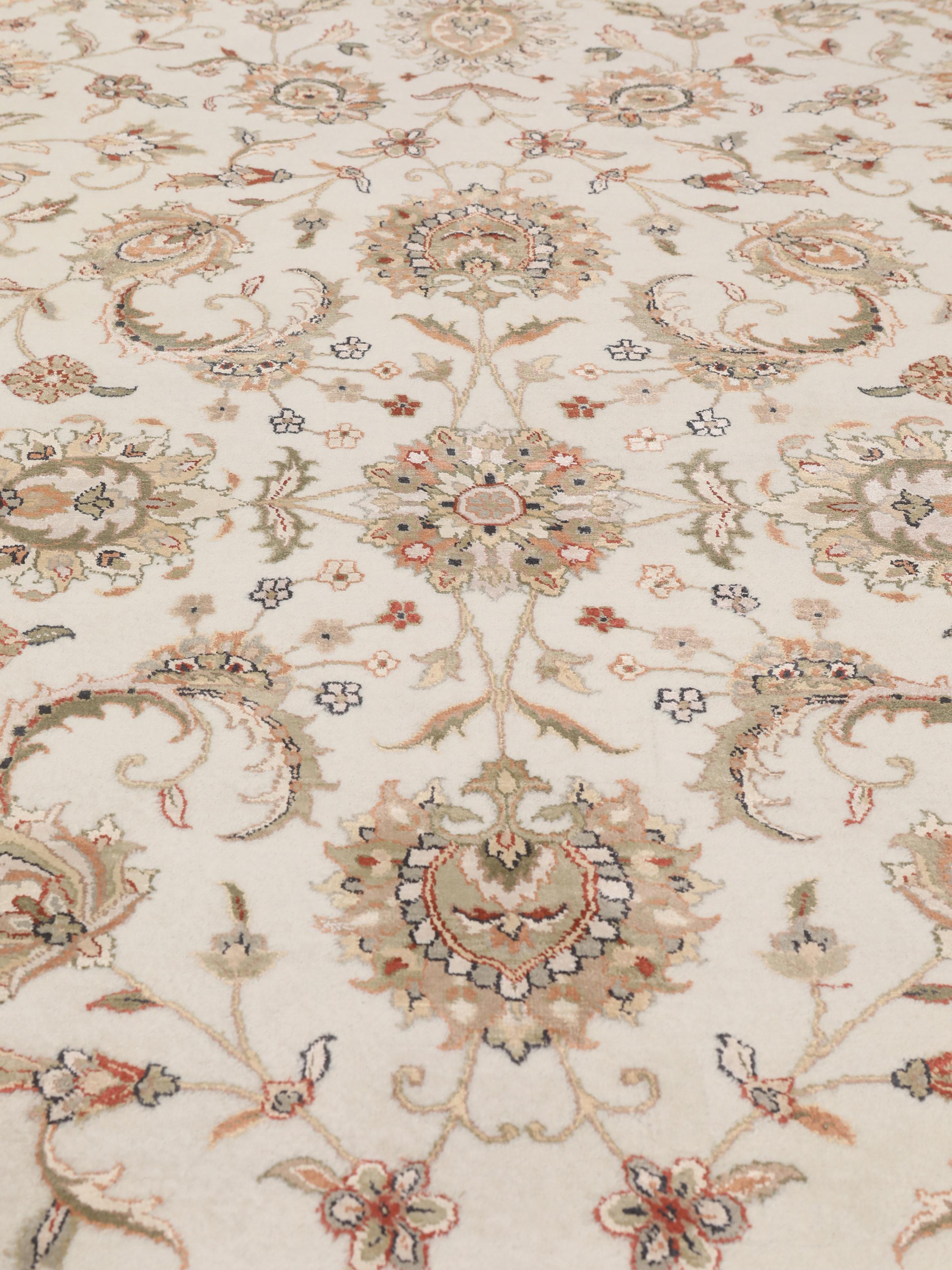
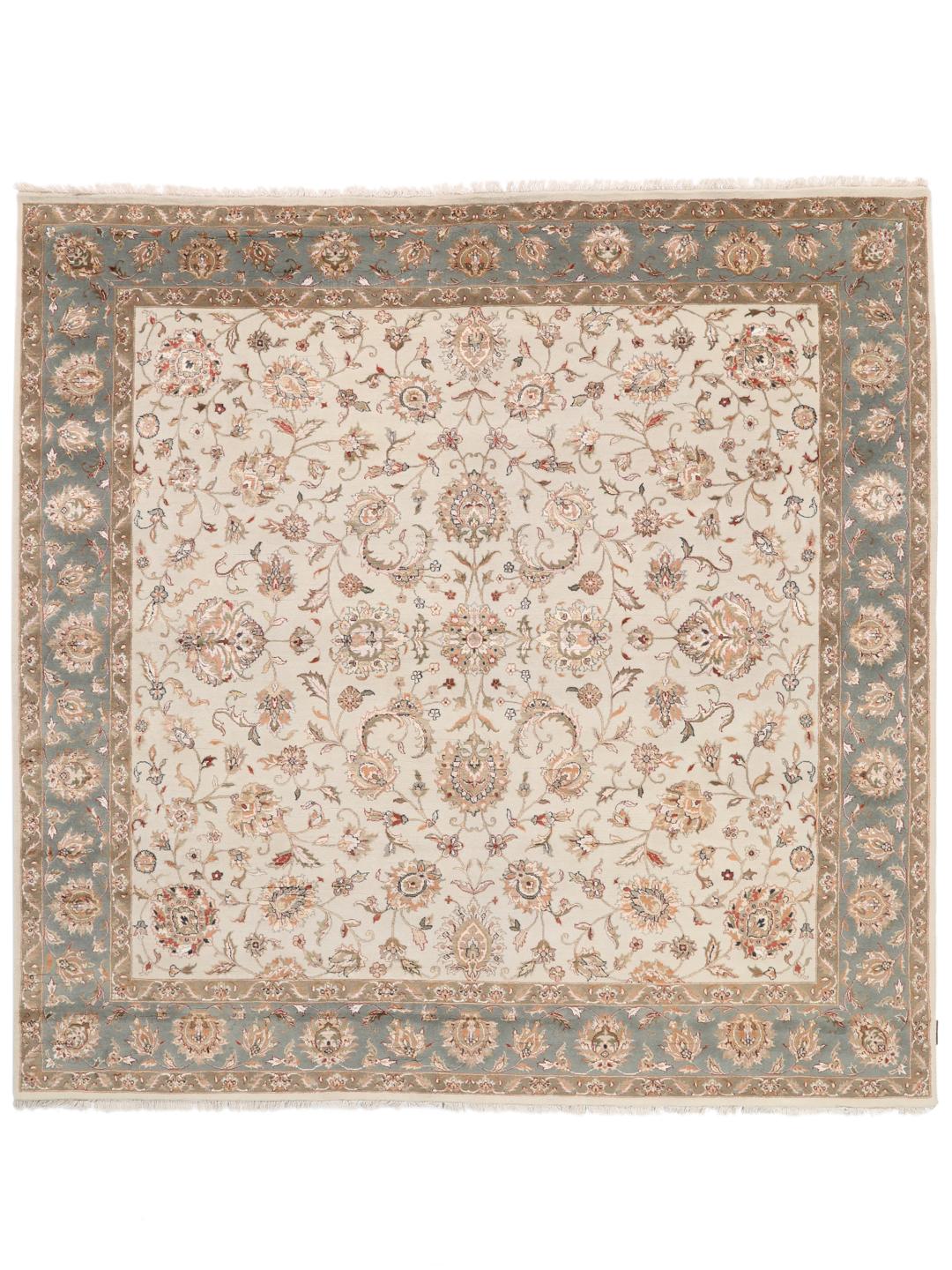
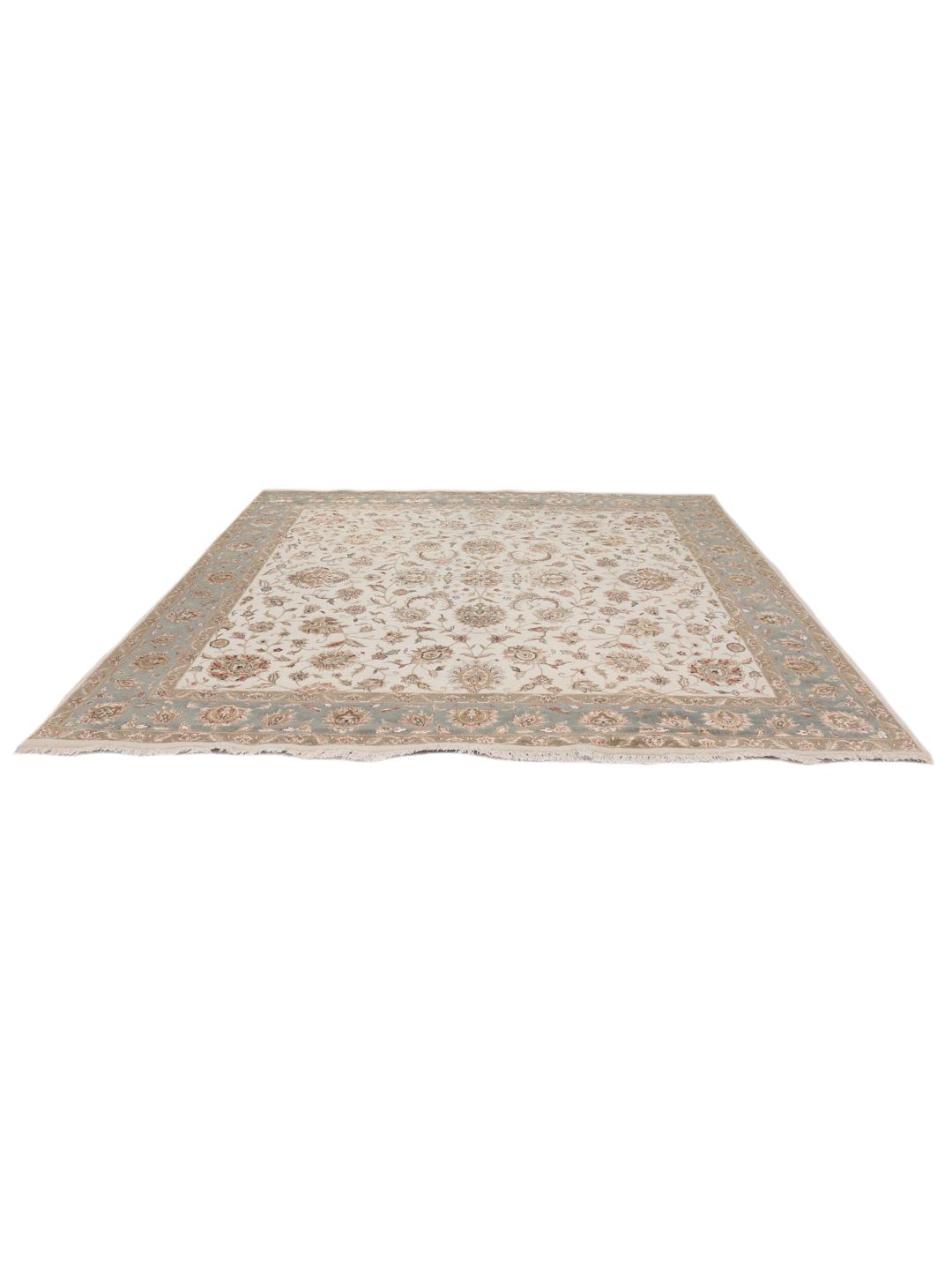
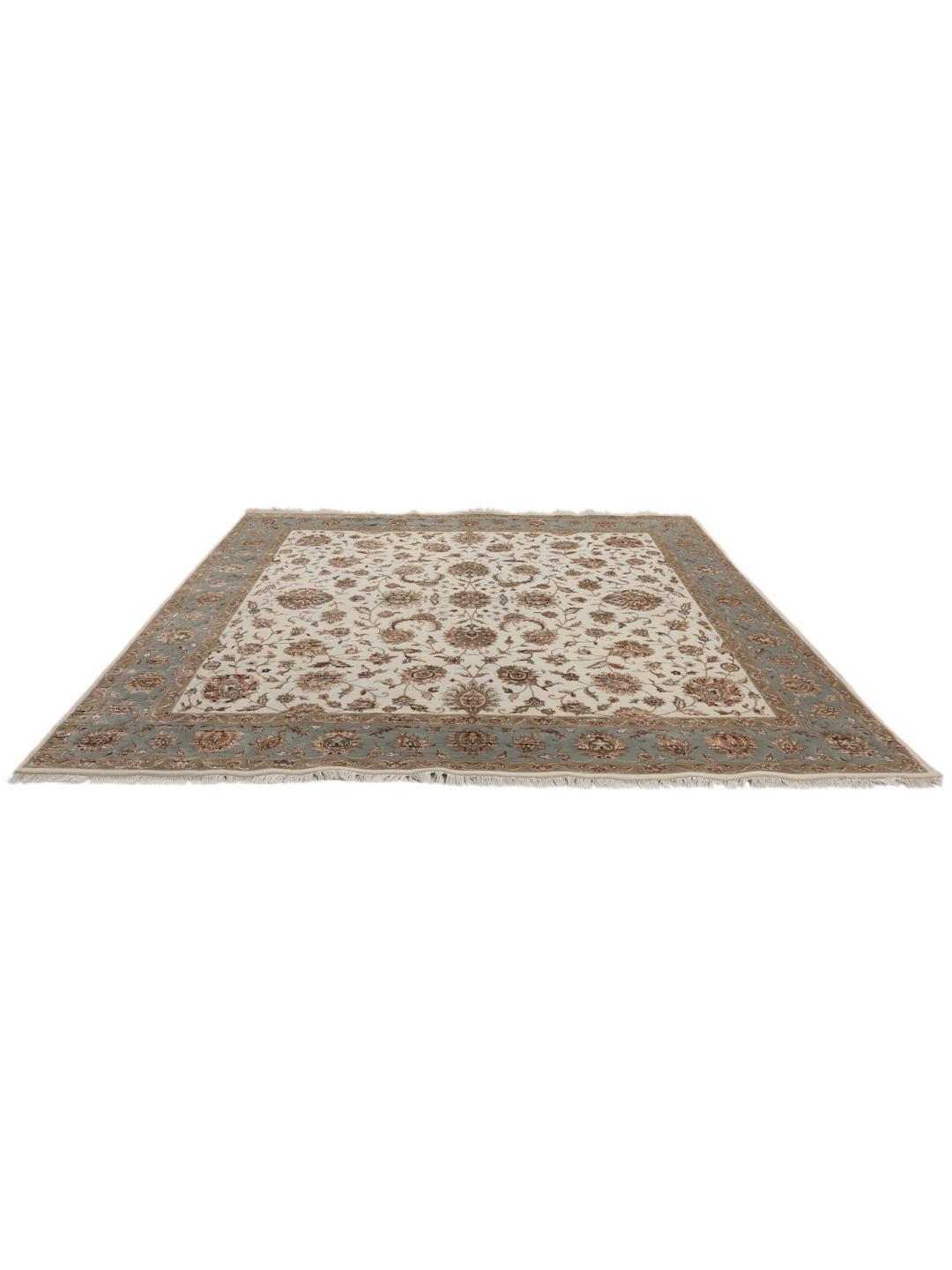
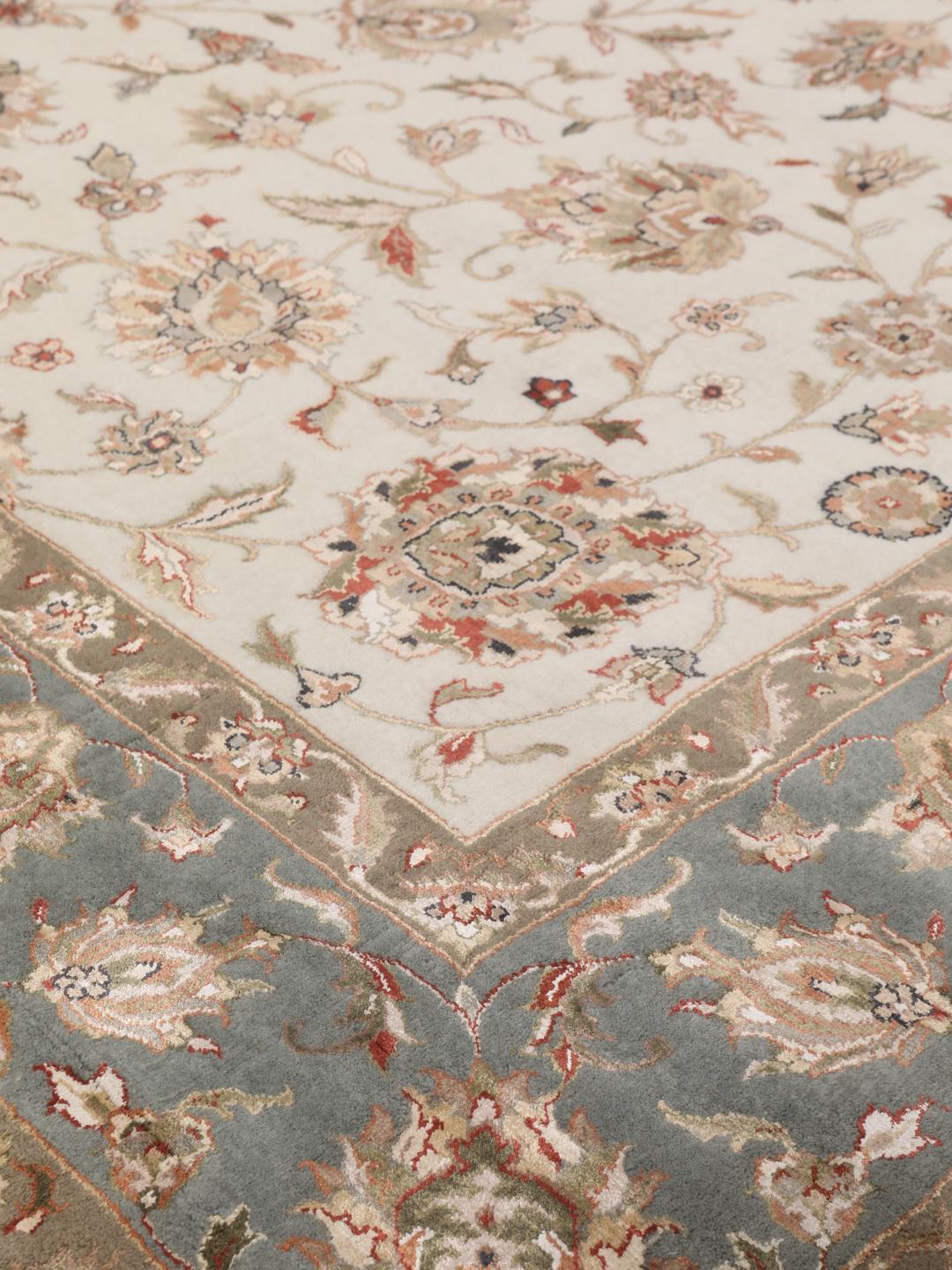
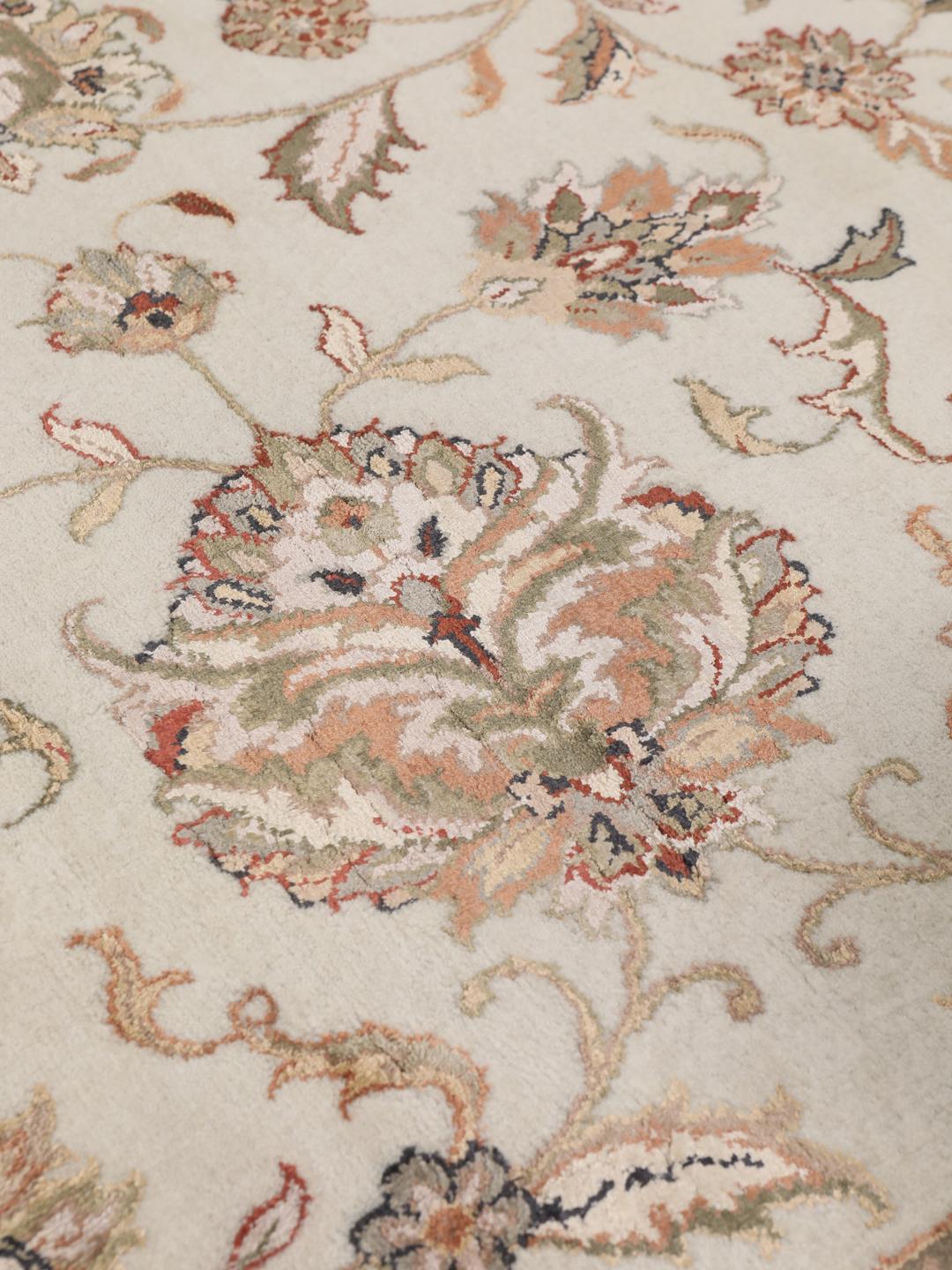
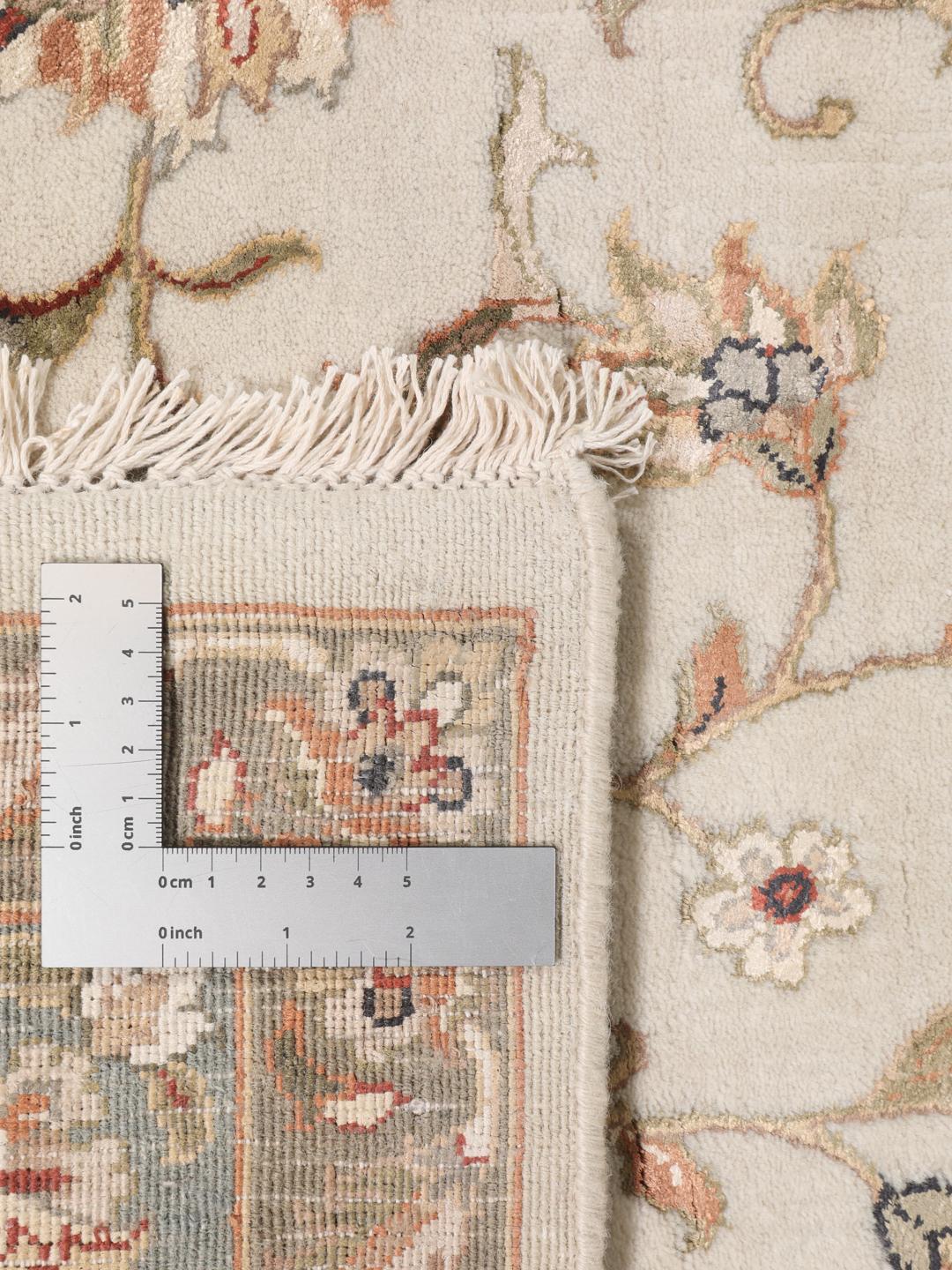
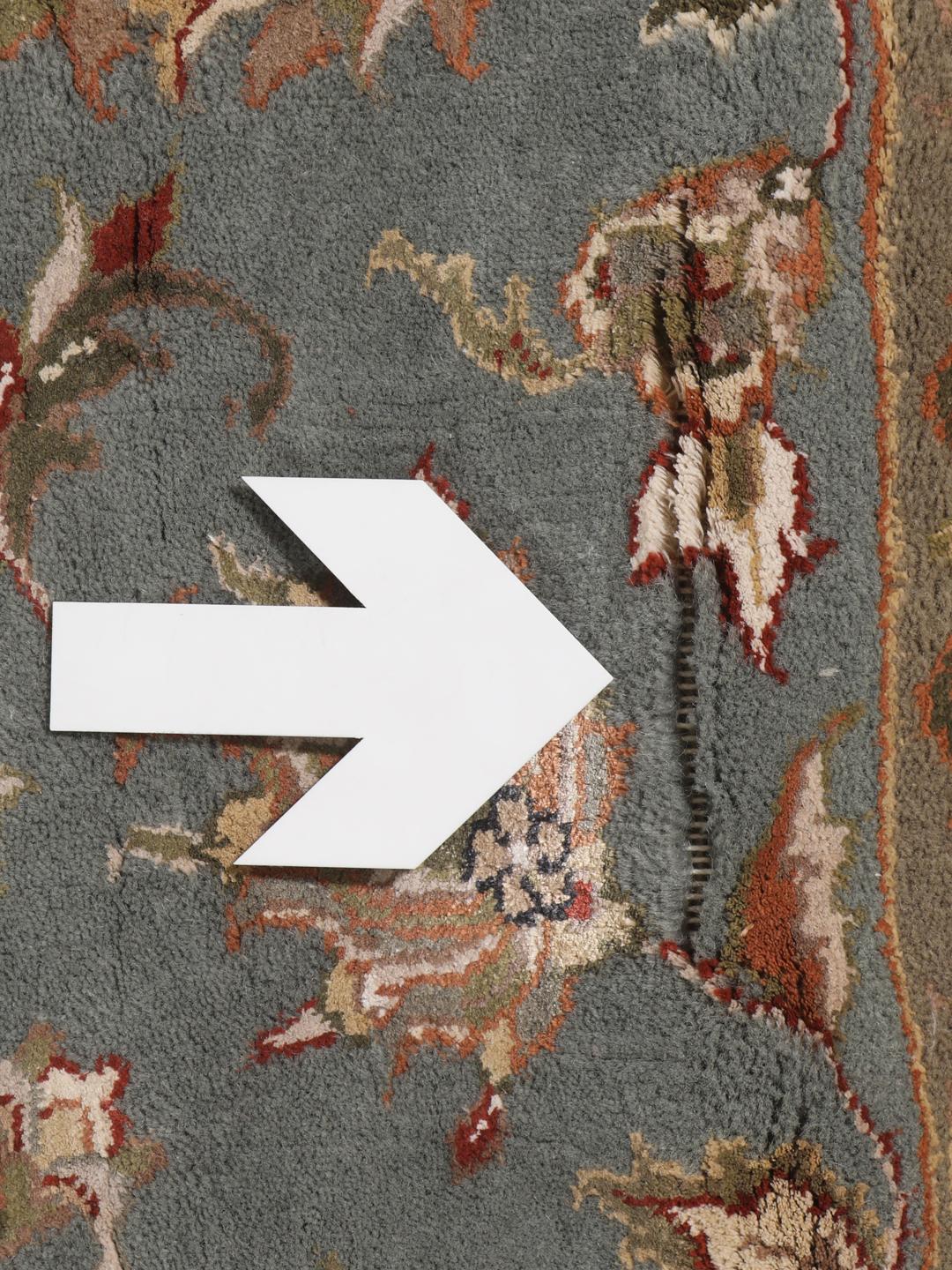
The Sarouk tradition originated in the small village of Sarouk in the Markazi province of the Middle East. Historically, these rugs gained immense popularity in the early 20th century, particularly in the United States, where they became celebrated for their exceptional wool quality and floral motifs. Today, the tradition has expanded, with talented weavers in India continuing to master these intricate designs, maintaining the heritage of the style while adapting to contemporary tastes.
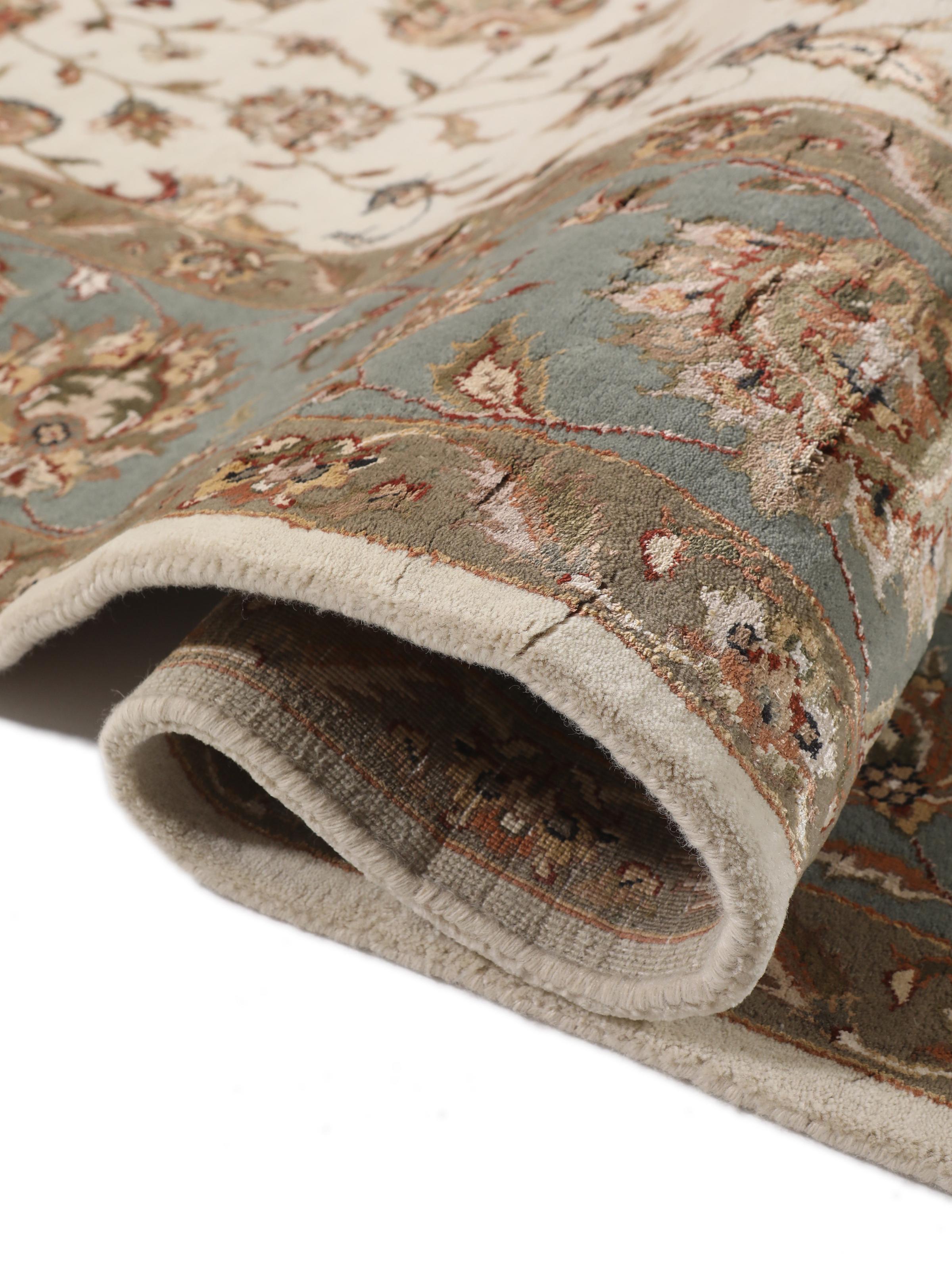
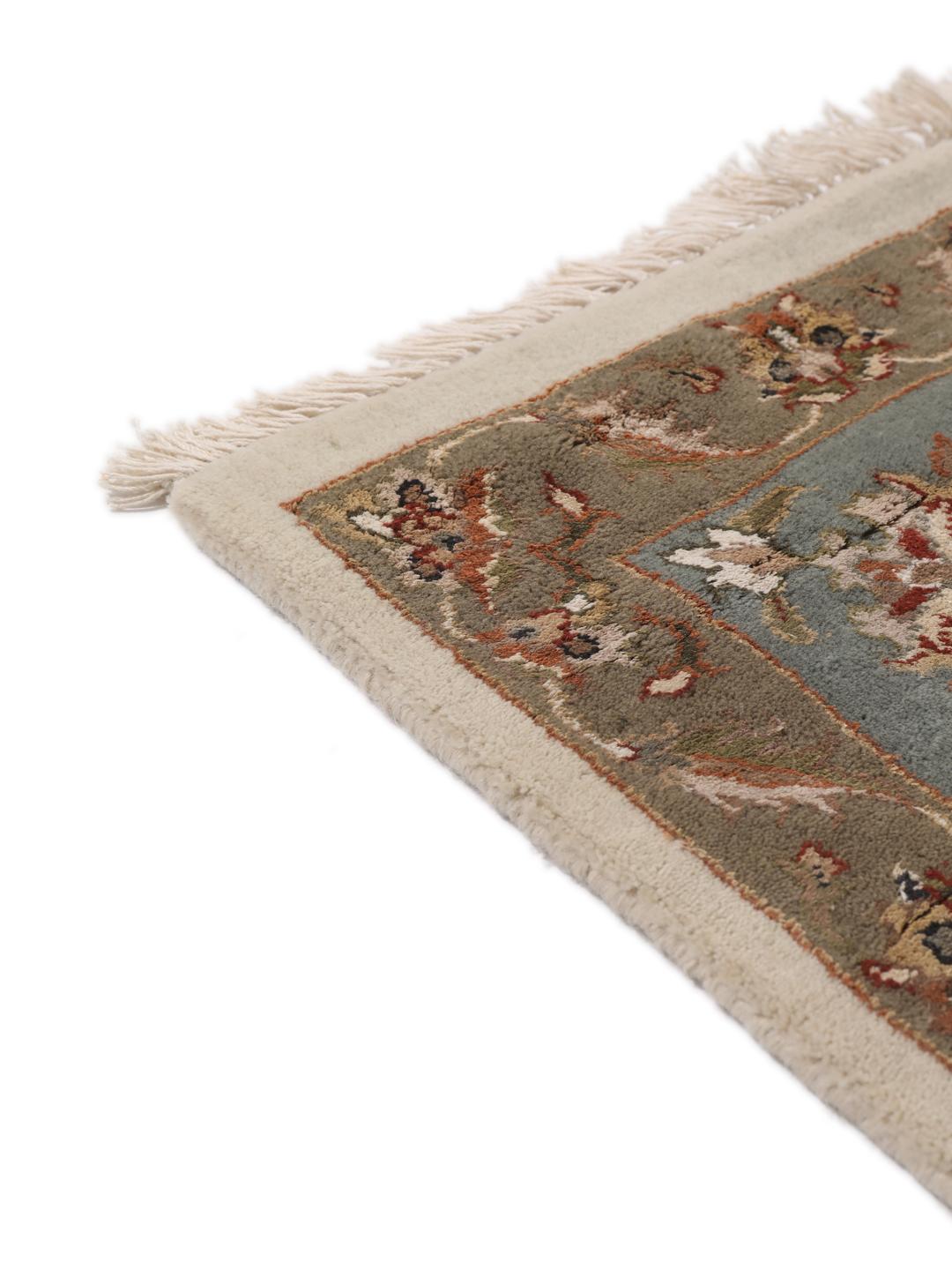
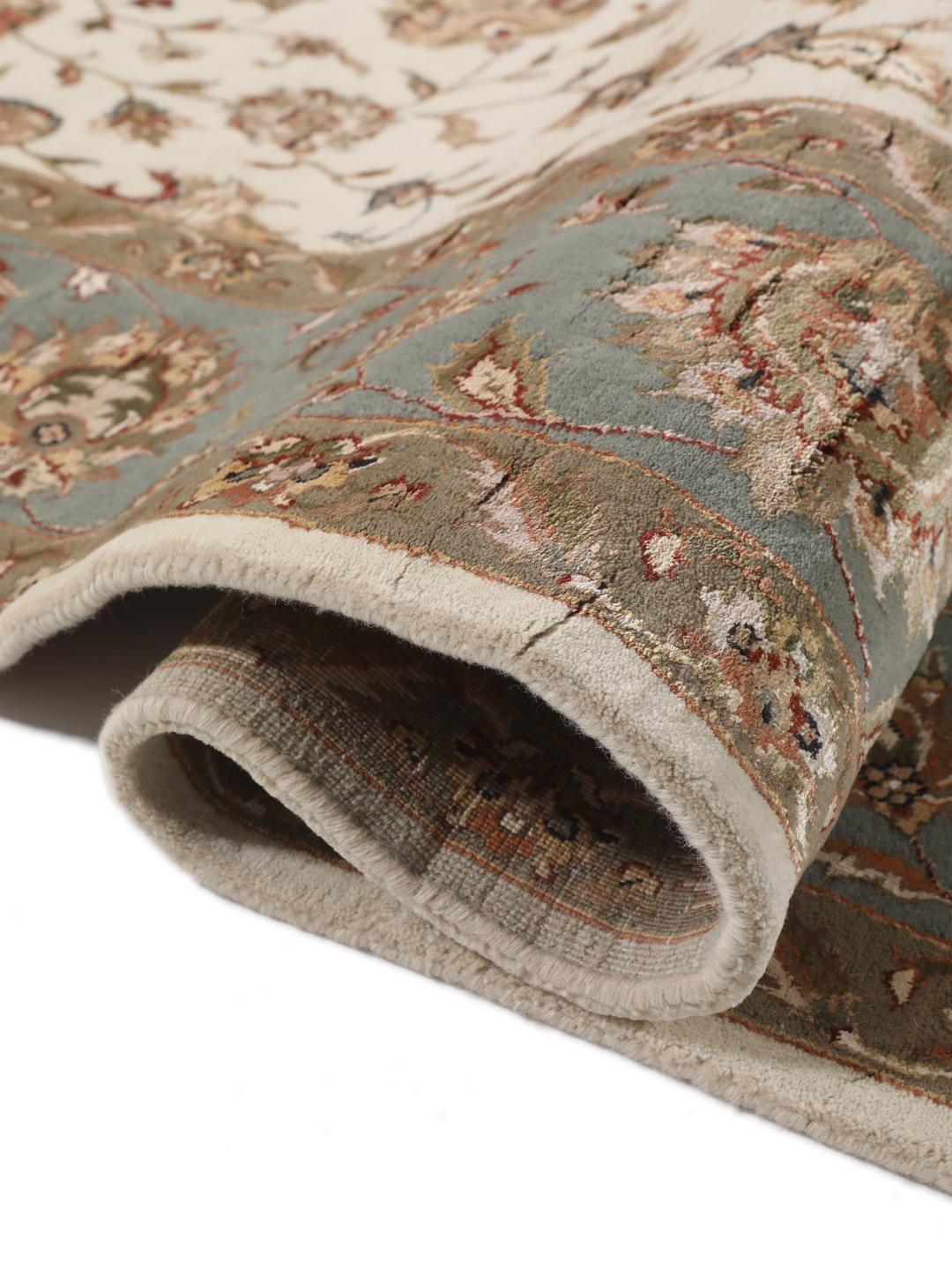
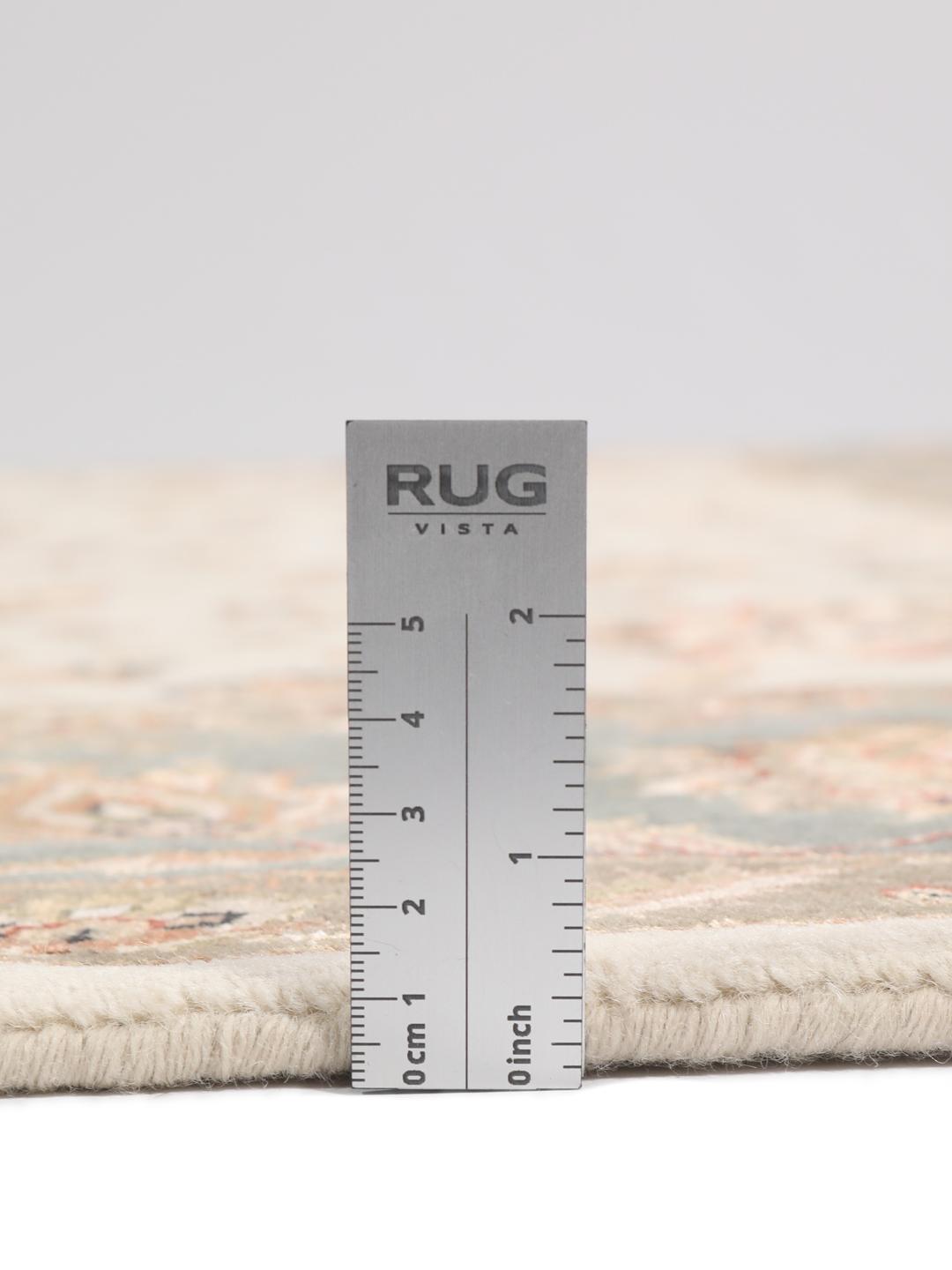
The term Sarouk refers to a specific design language often characterised by an elaborate floral field. These rugs are highly regarded for their dense construction, which typically features a sturdy foundation and a fine pile. This density is not just for aesthetic appeal; it provides a luxurious feel and a resilient surface, which is why these rugs have been cherished for decades as both functional floor coverings and artistic investments.
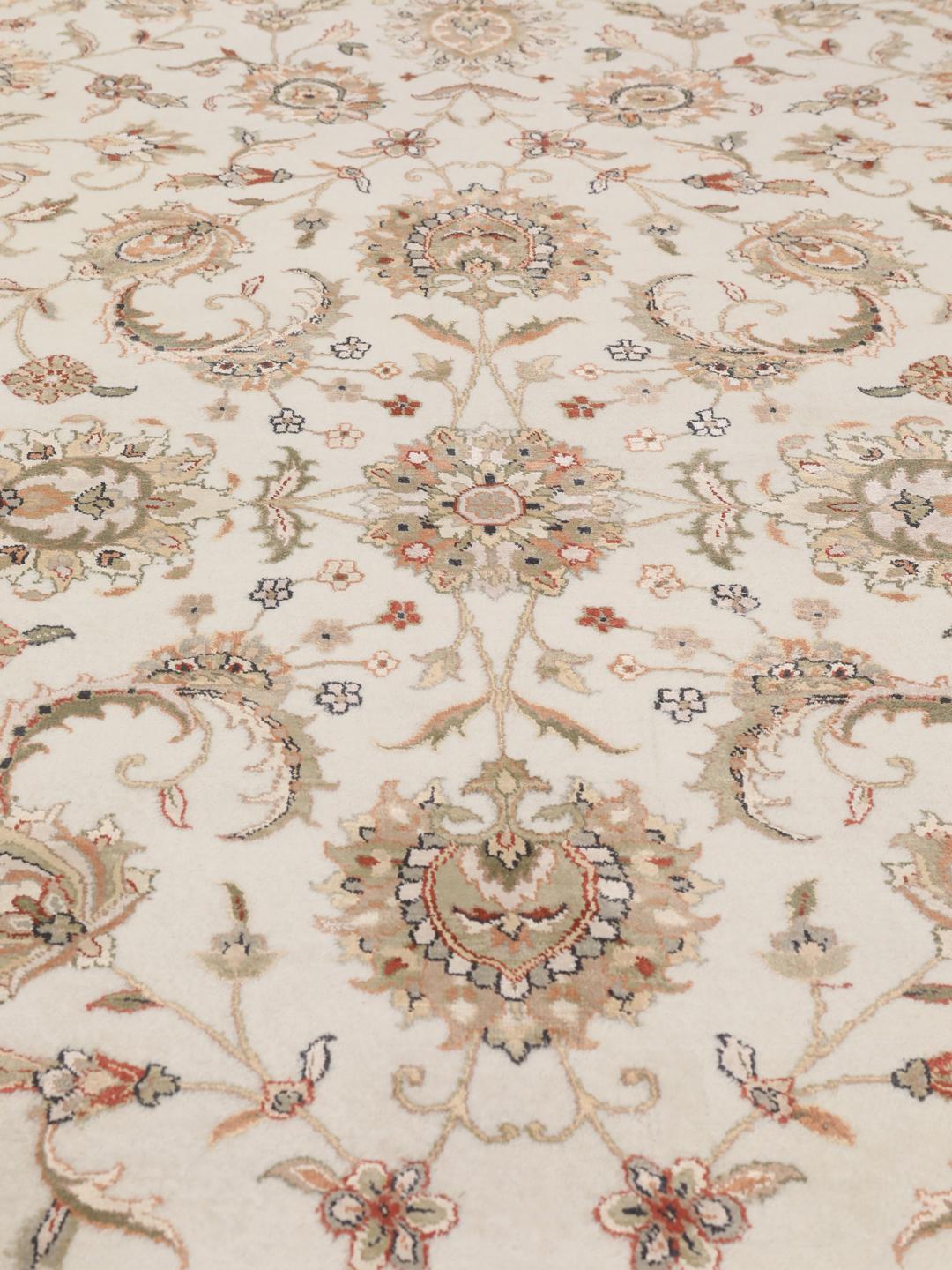
Visually, these rugs are often defined by a central medallion surrounded by lush, flowing floral sprays, vines, and palmettes. While the traditional palette often leaned toward deep reds and blues, modern interpretations frequently embrace softer, more neutral tones like the cream and green seen here. This evolution allows the classic floral motifs to feel fresh and versatile, fitting seamlessly into a variety of home environments.
Owning a piece from this tradition is an act of preserving a long-standing craft. These rugs are collected for their combination of technical skill and enduring design. When you bring this rug into your home, you are acquiring a piece that reflects centuries of artistic development, skill, and the human effort required to transform raw materials into a lasting, beautiful object.