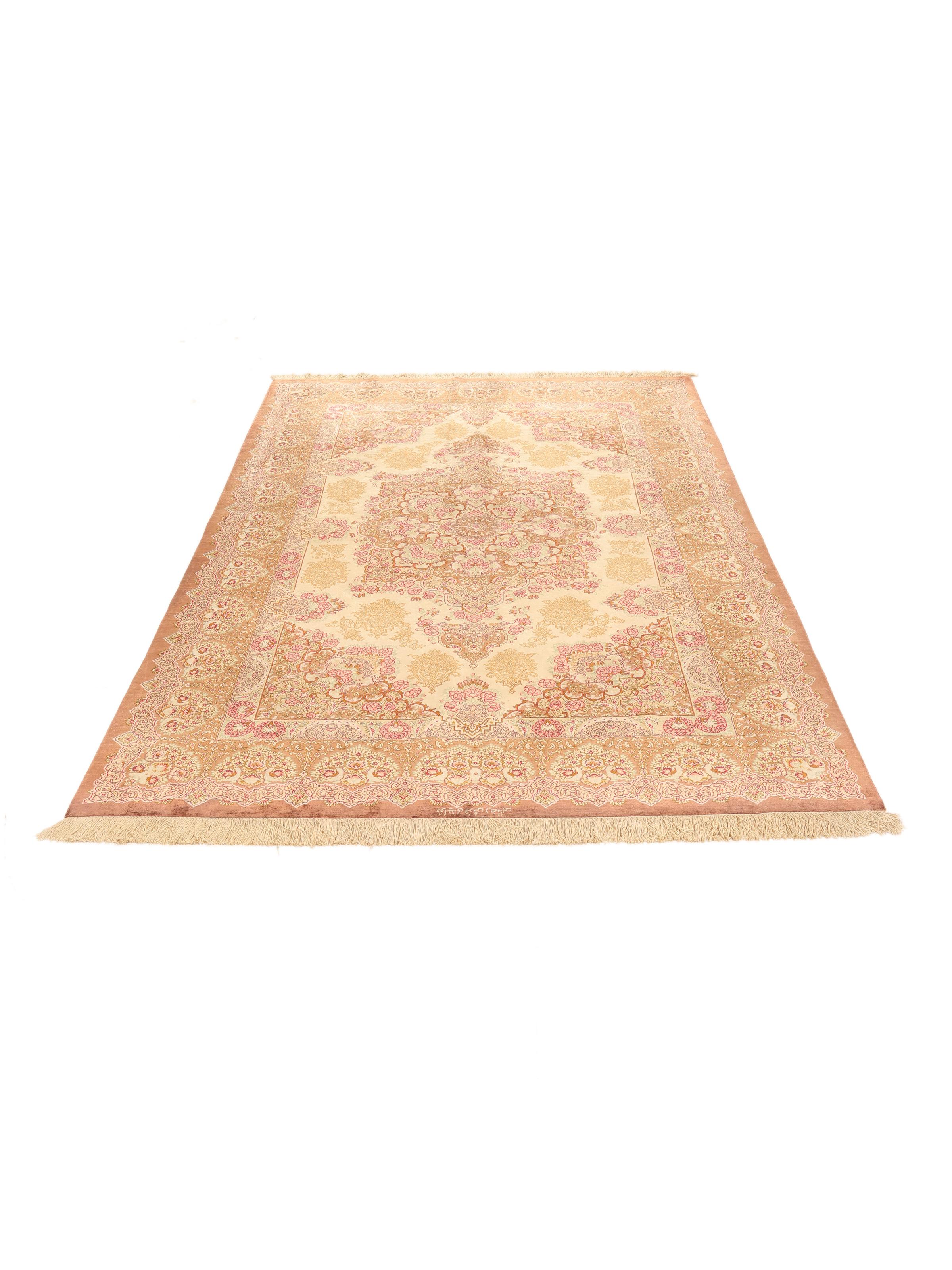
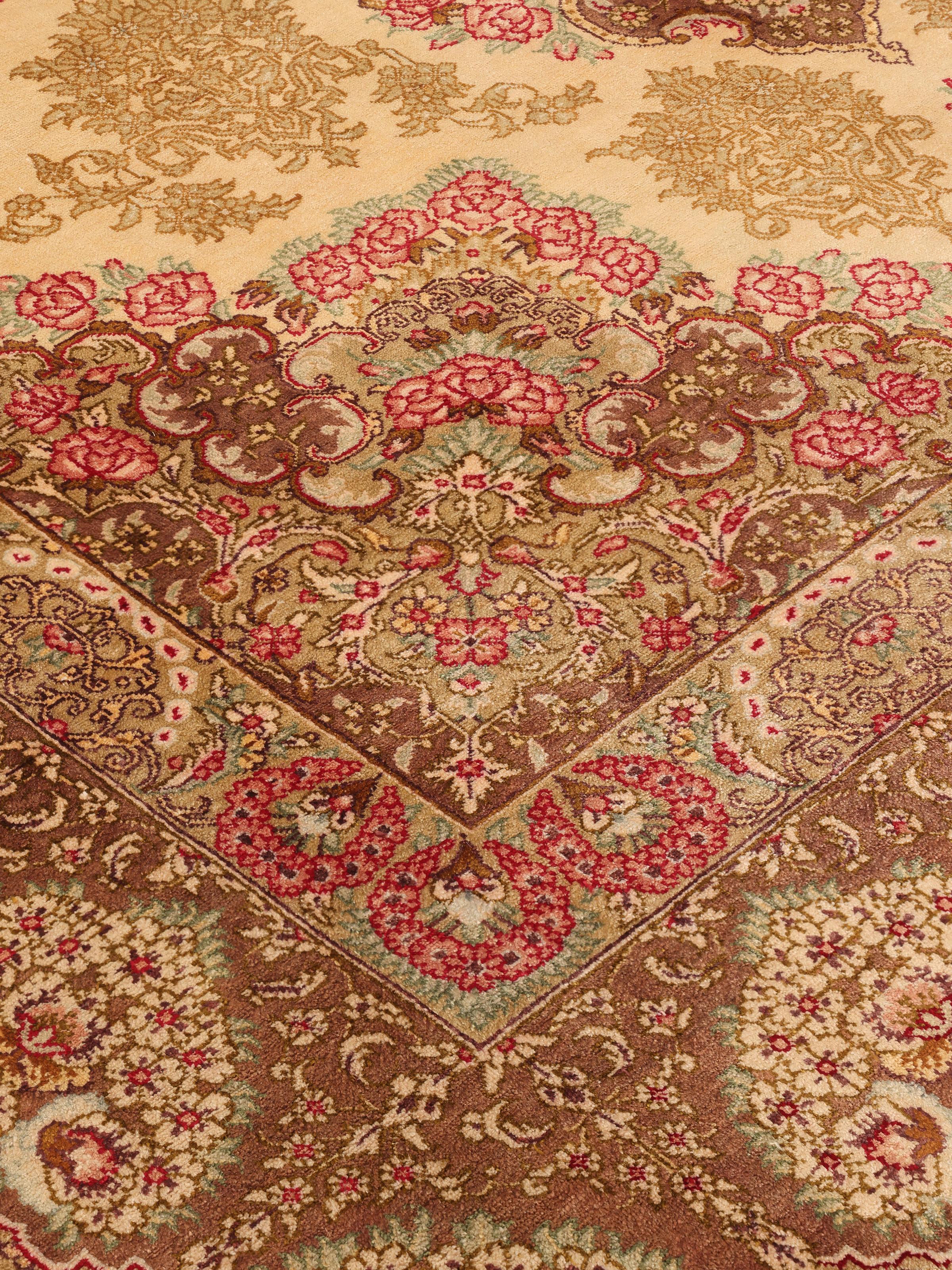
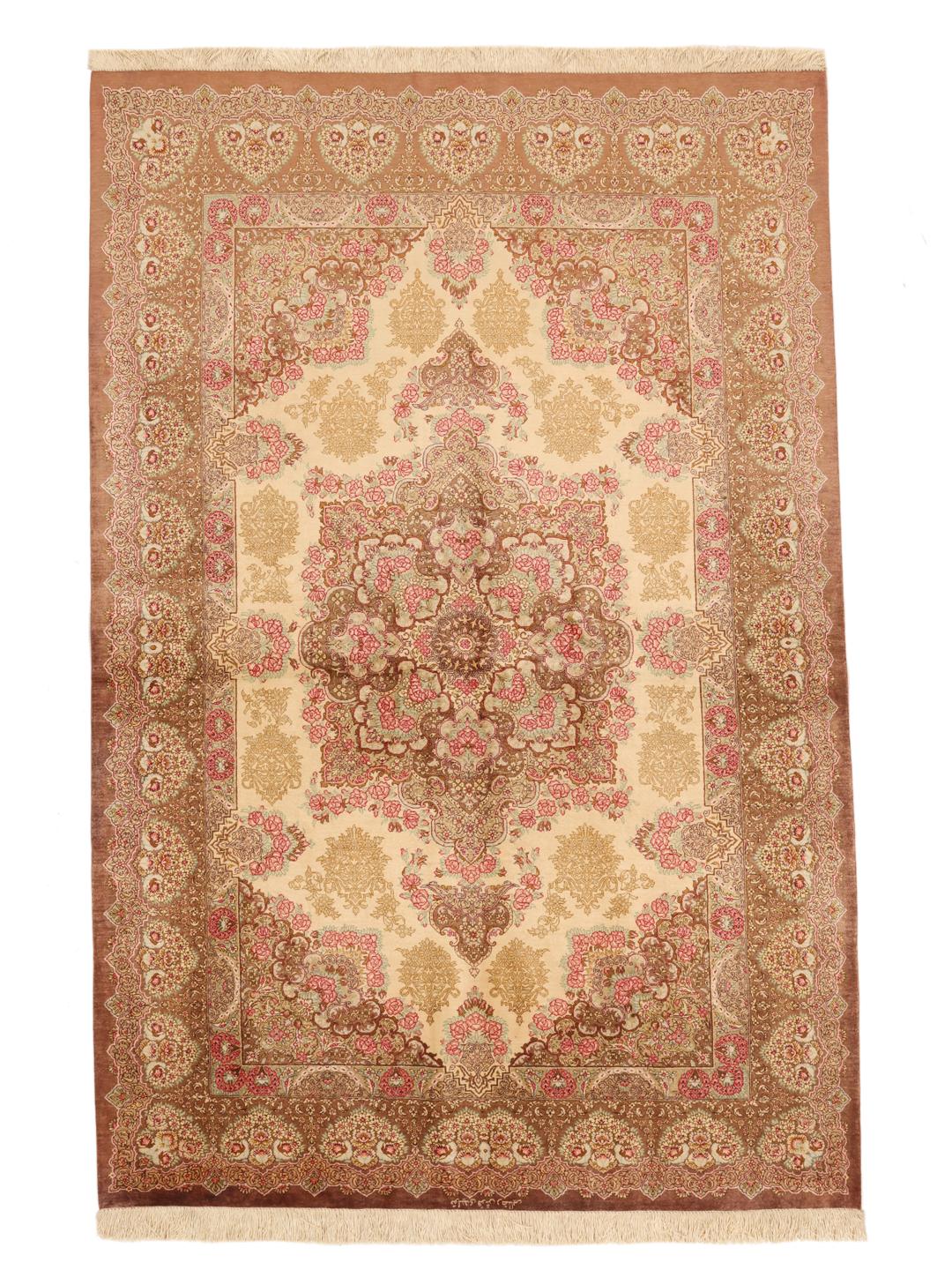
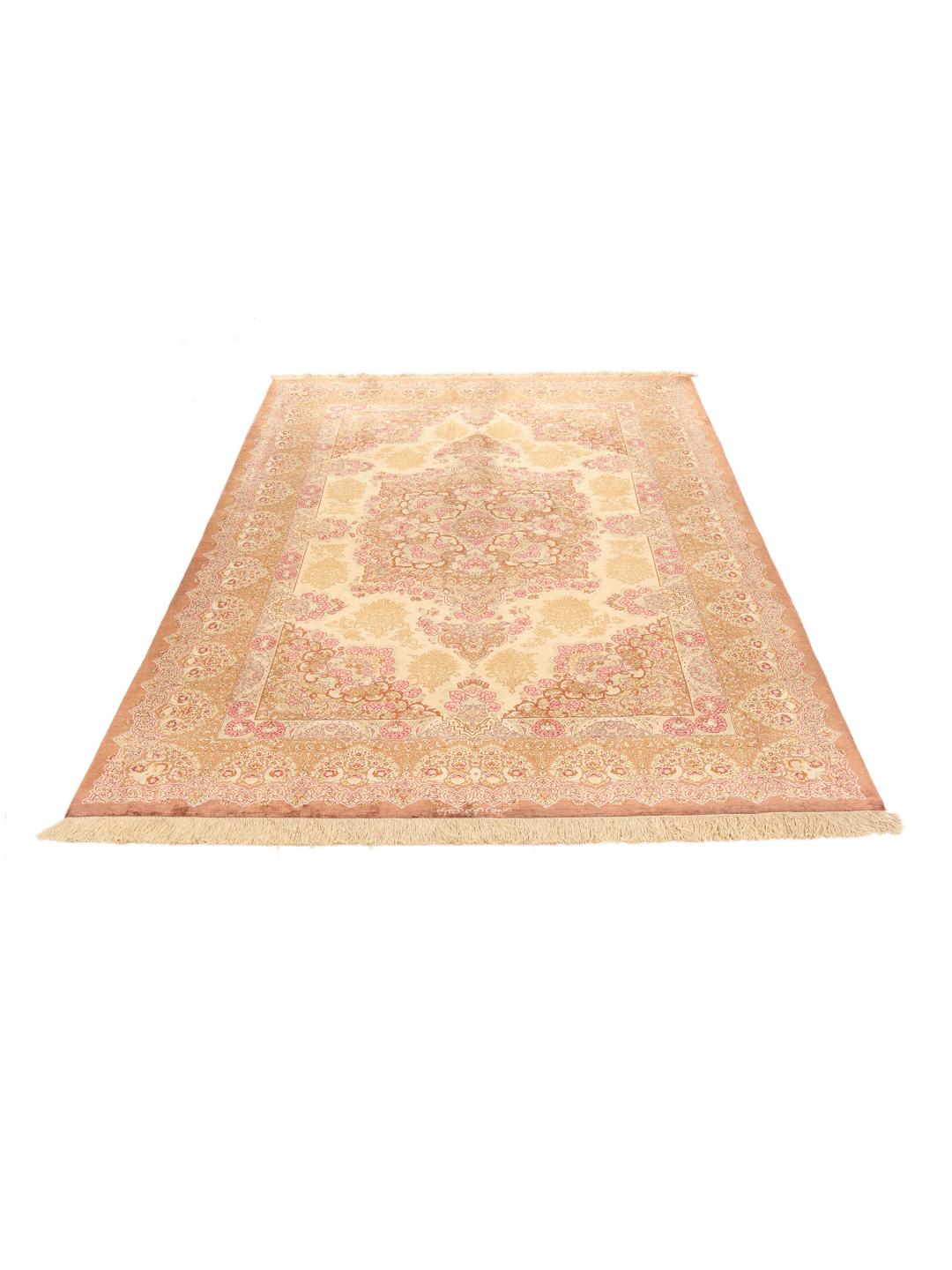
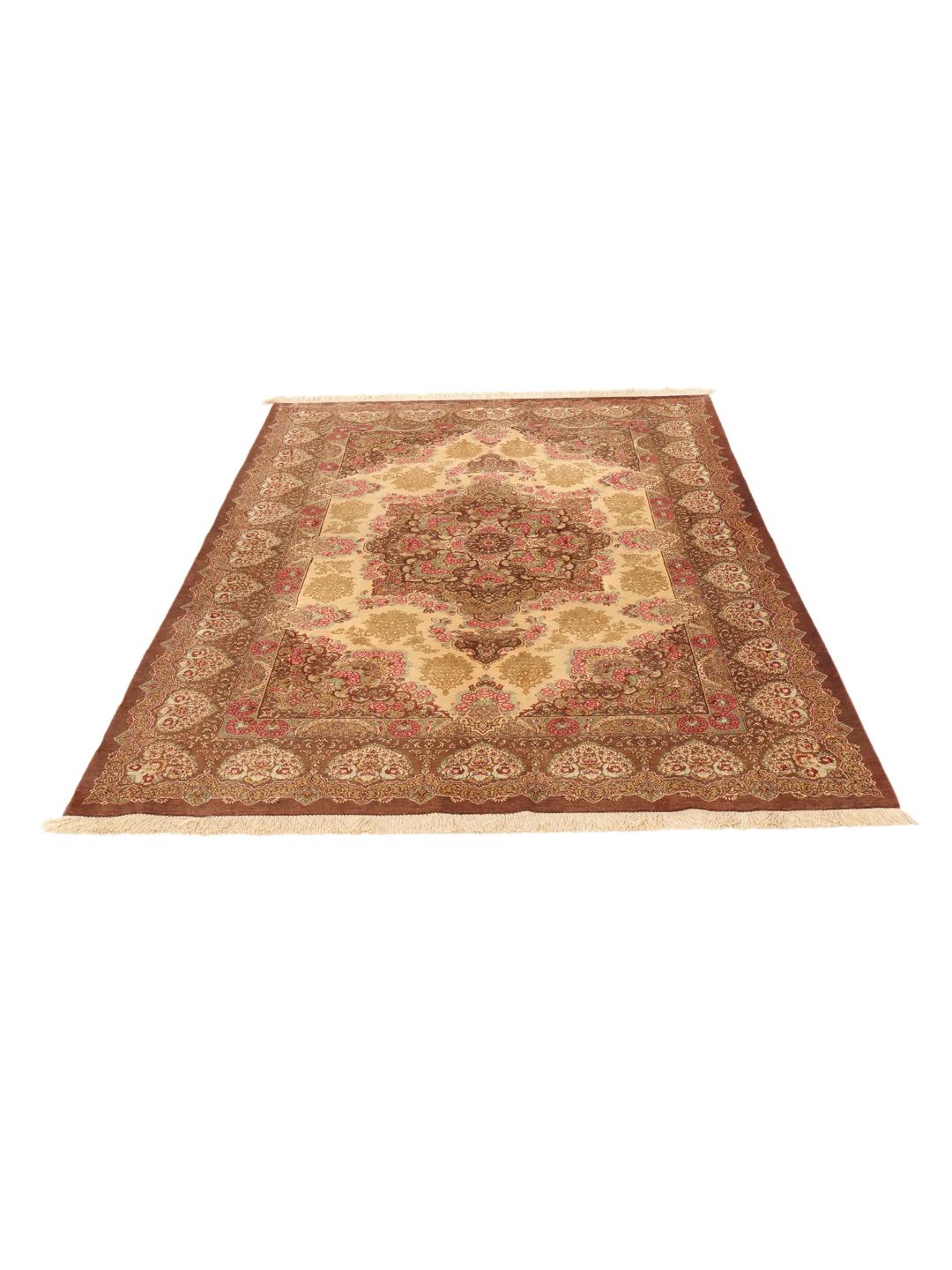
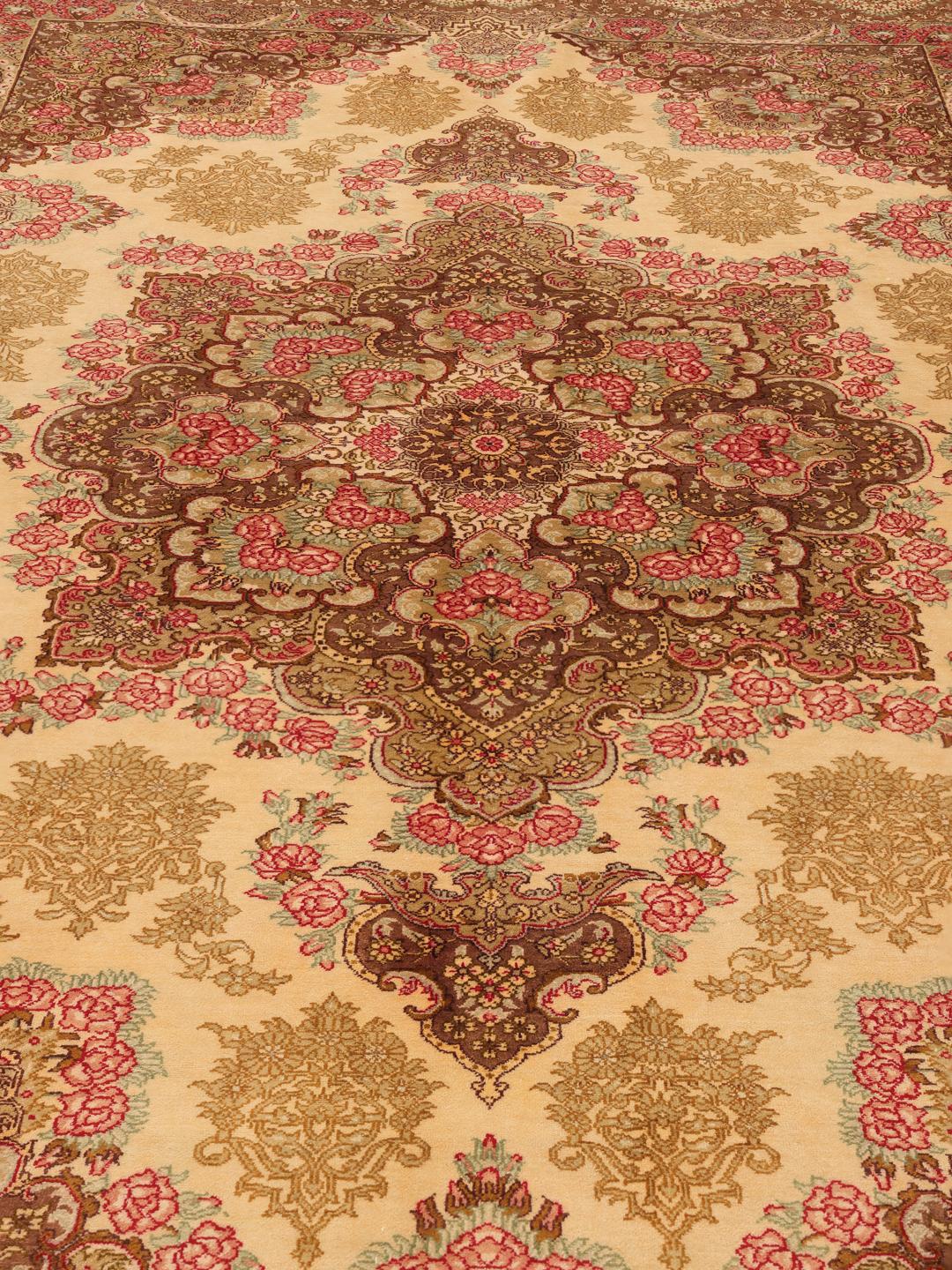
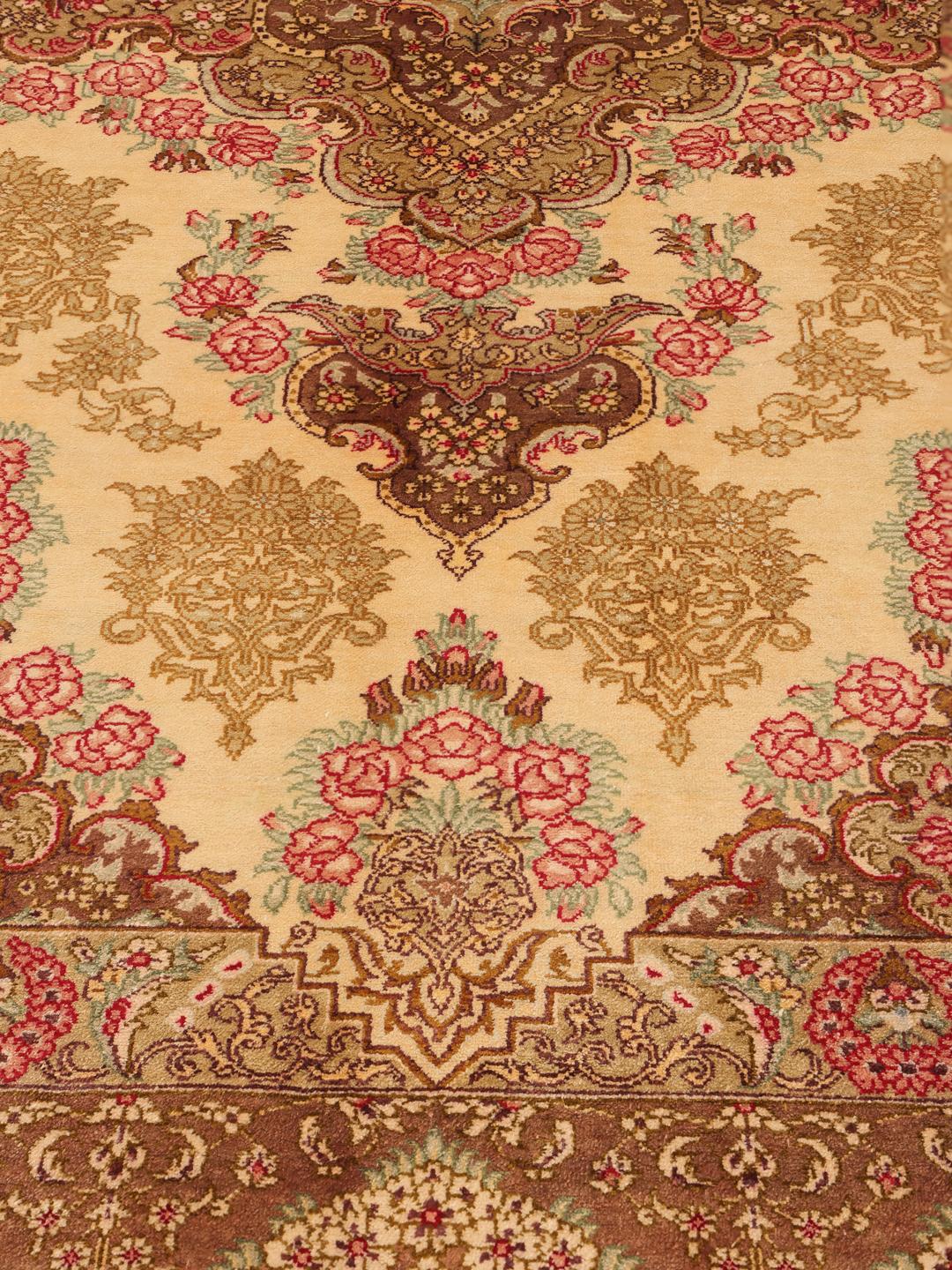
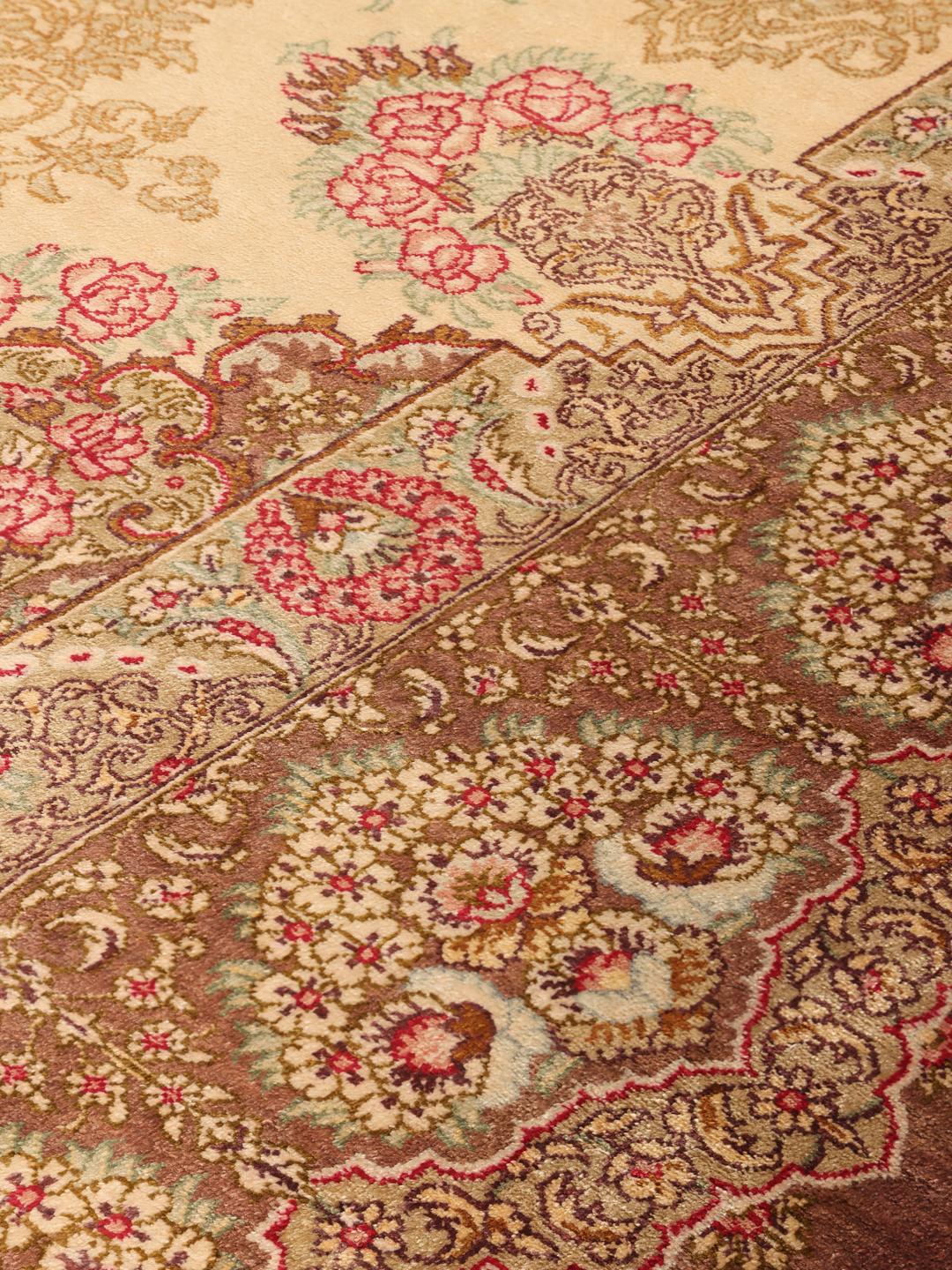
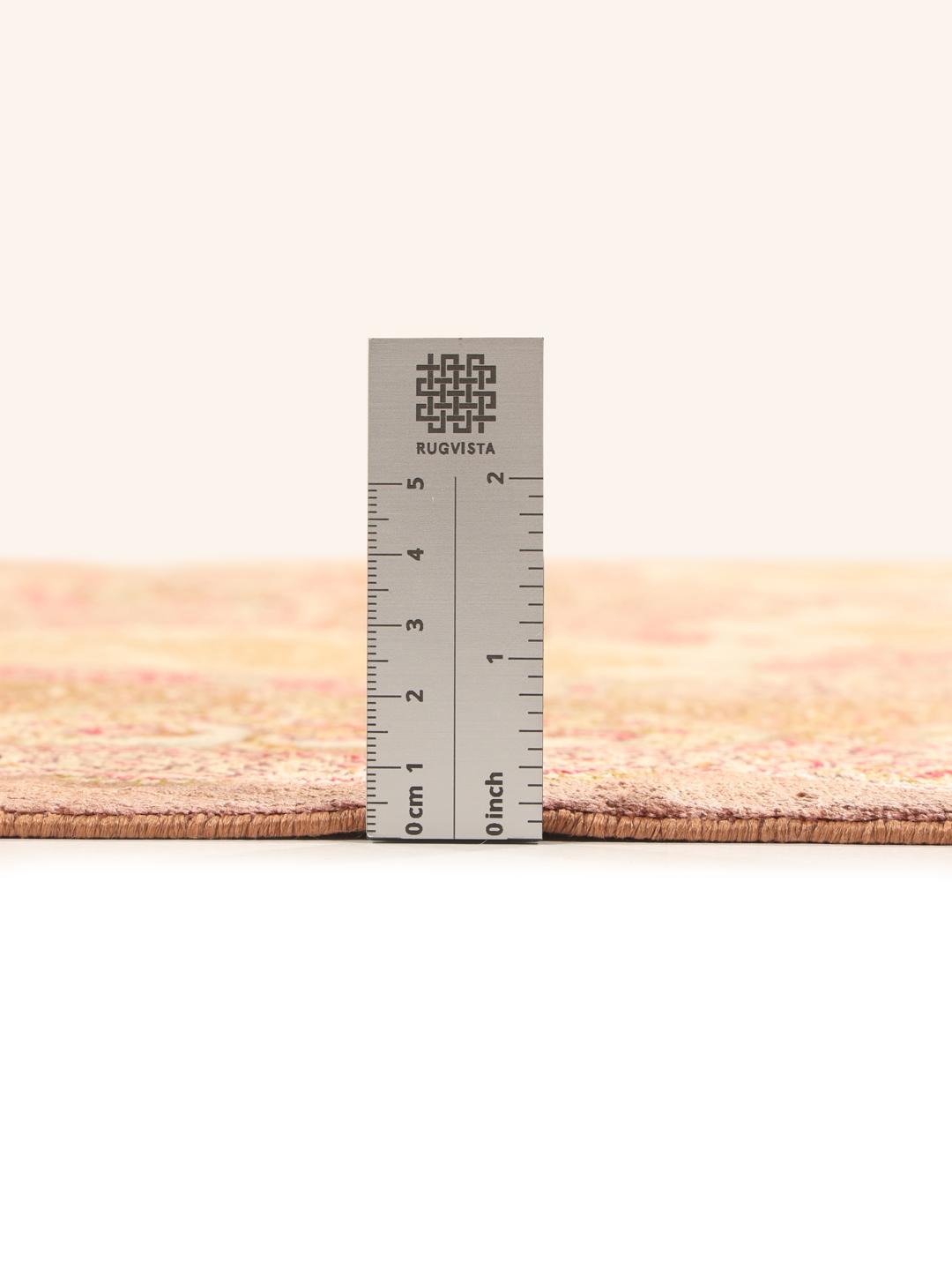
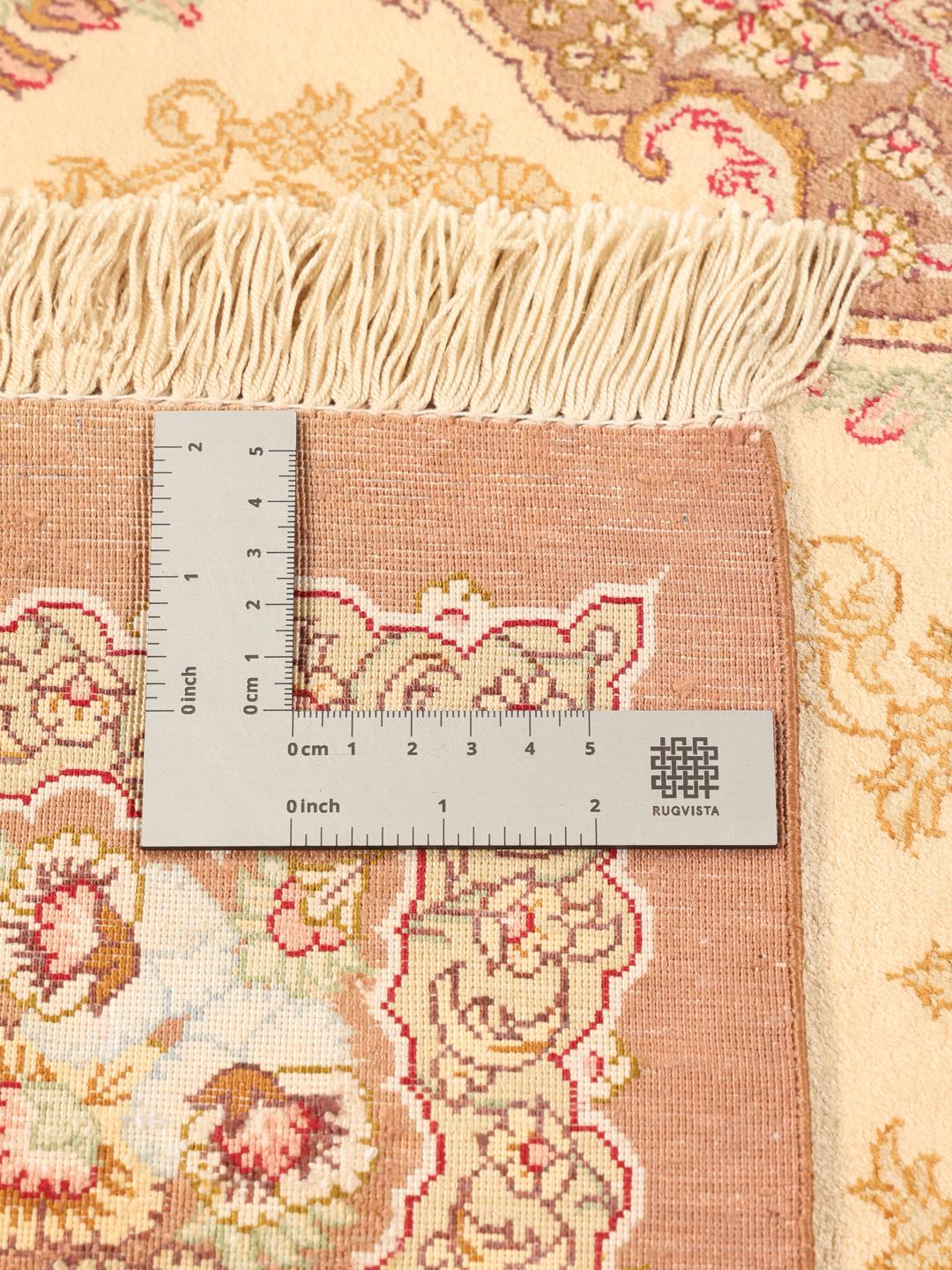
Ghom rugs originate from the holy city of Qum in the Middle East, a region that became a significant centre for rug production relatively recently in the early 20th century. Despite this shorter history compared to older weaving centres, Qum quickly rose to prominence by specialising in the use of high-quality silk, which allows for the creation of exceptionally detailed, jewel-like patterns.
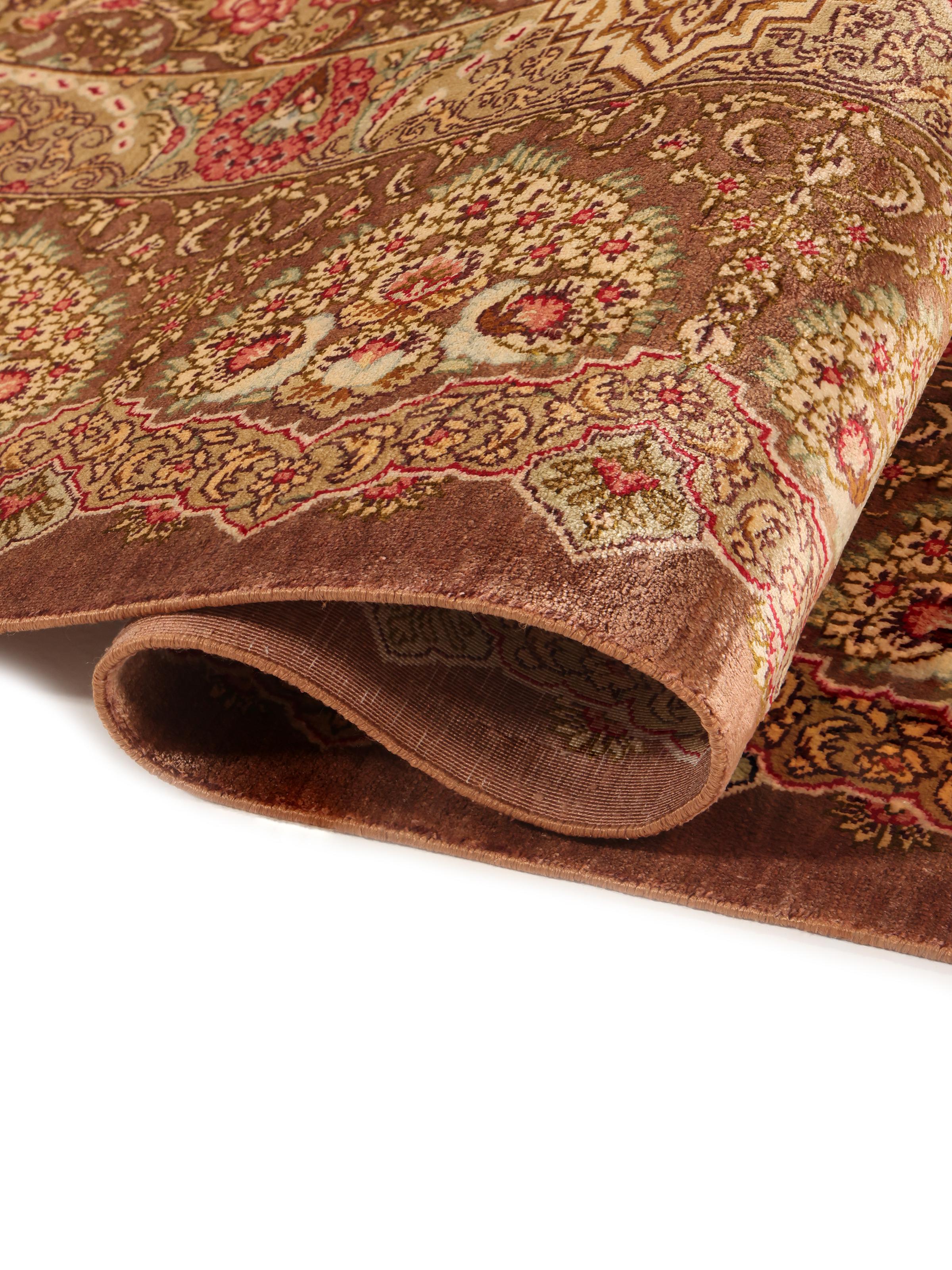
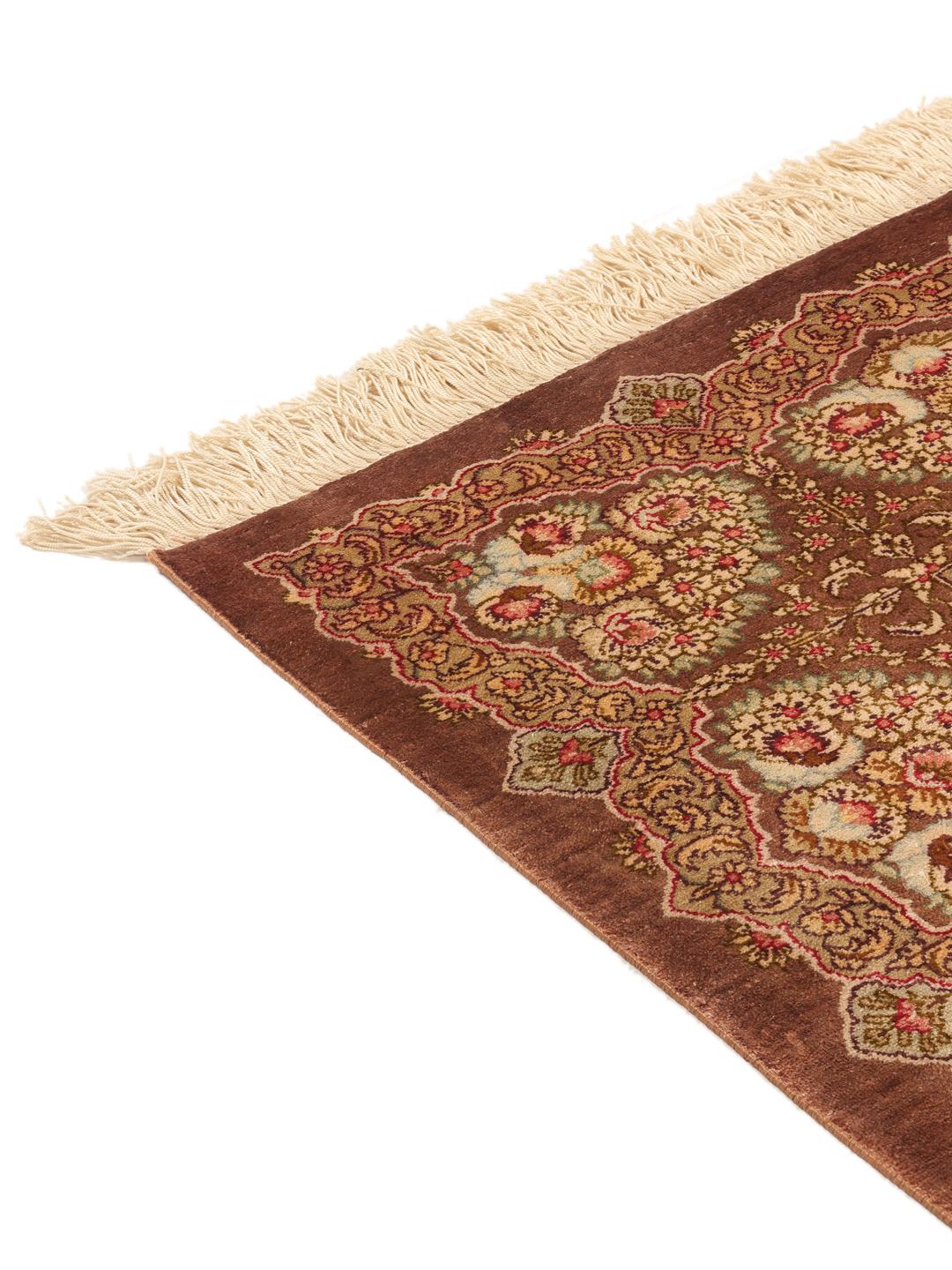
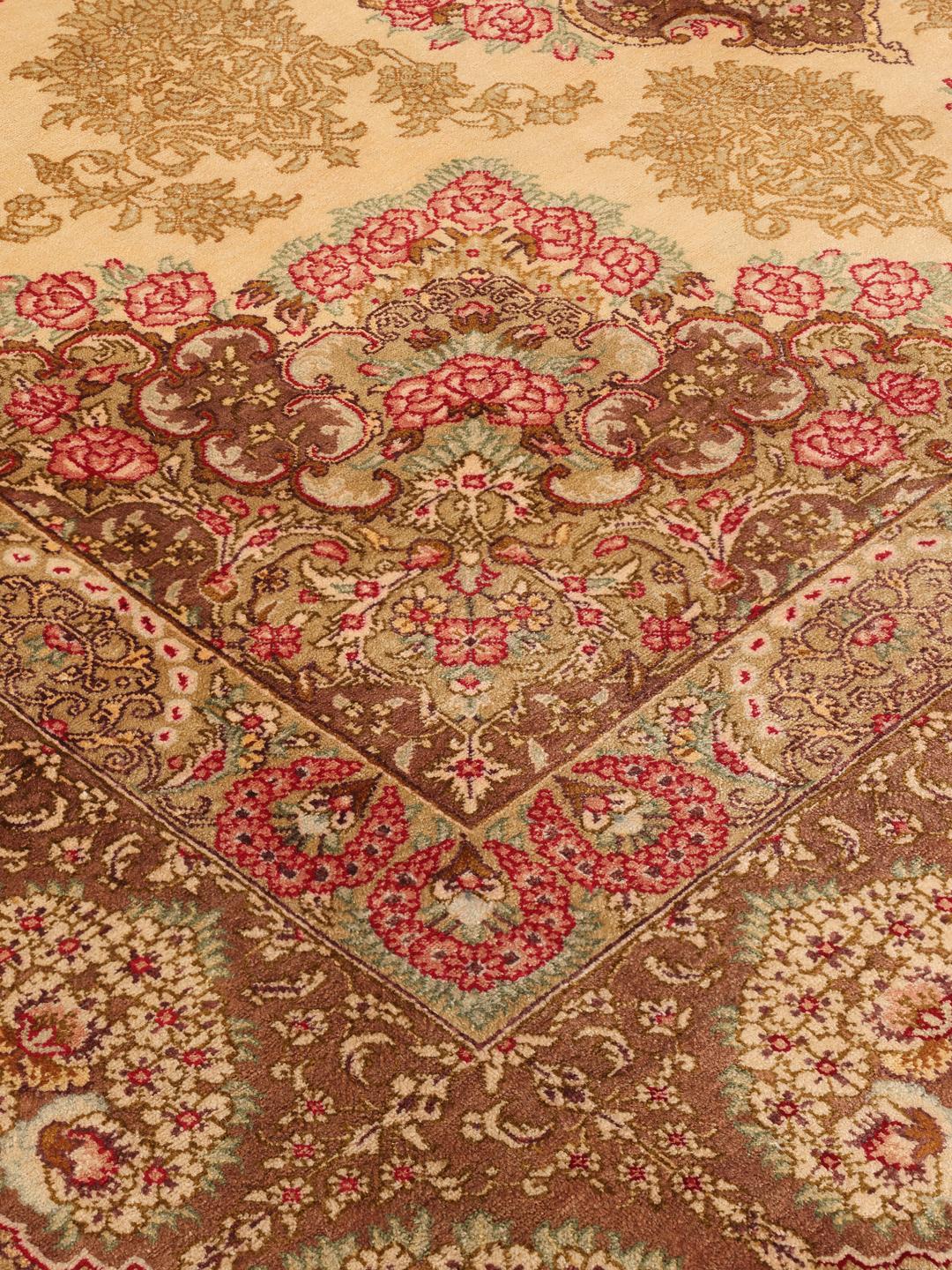
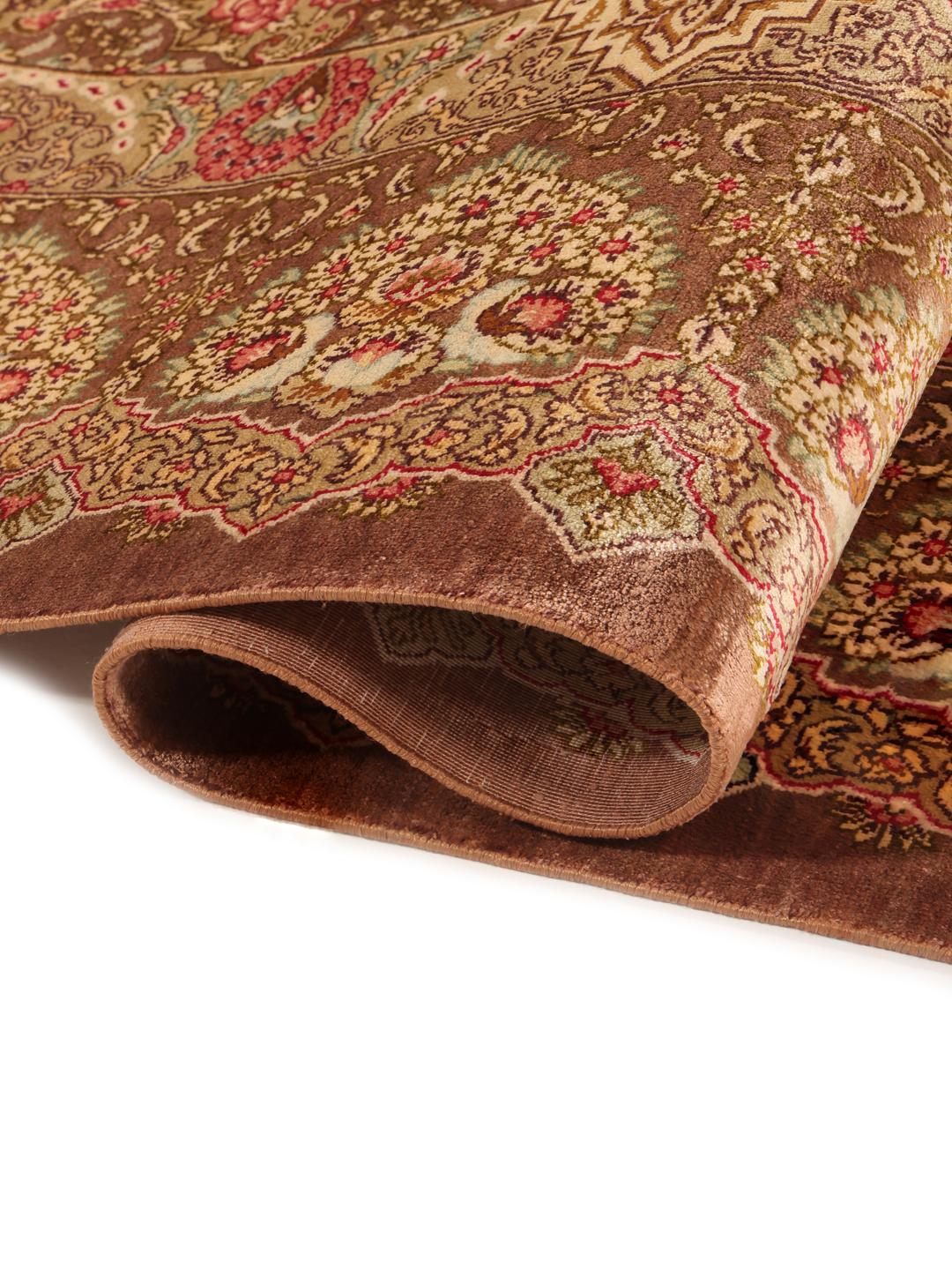
The term 'Ghom' or 'Qum' is synonymous with a level of technical mastery that pushes the boundaries of what is possible in textile art. Weavers in this region are known for their ability to execute complex, curvilinear designs with extreme precision. The use of fine silk throughout the pile and foundation is a hallmark of this tradition, providing a lustrous, smooth finish that elevates the rug from a simple floor covering to a decorative treasure.
Visually, these rugs often feature intricate floral patterns, medallions, and garden scenes that reflect the rich artistic heritage of the Middle East. The signature of a master weaver like Rezai is a mark of prestige, indicating that the rug was produced under the strict guidance of a recognised expert, ensuring that every element of the composition aligns with the highest aesthetic standards of the Qum school.
Collectors value Ghom silk rugs for their rarity, the immense skill required to weave them, and their enduring beauty. Owning a signed piece is not merely about home decor; it is an investment in a living craft tradition. These rugs are highly regarded for their ability to maintain their value and visual appeal over time, making them prized possessions for those who value authentic, handmade heritage.