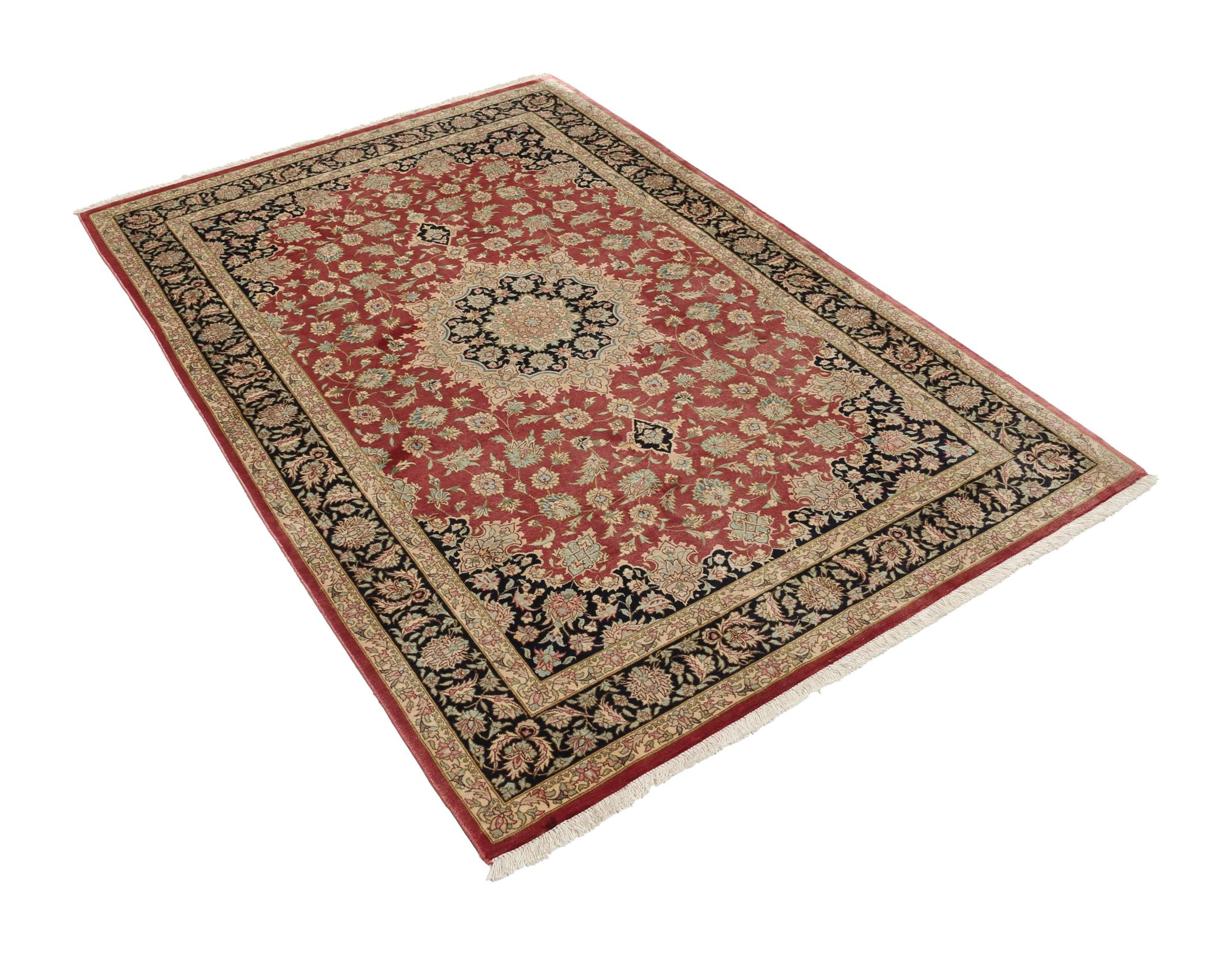
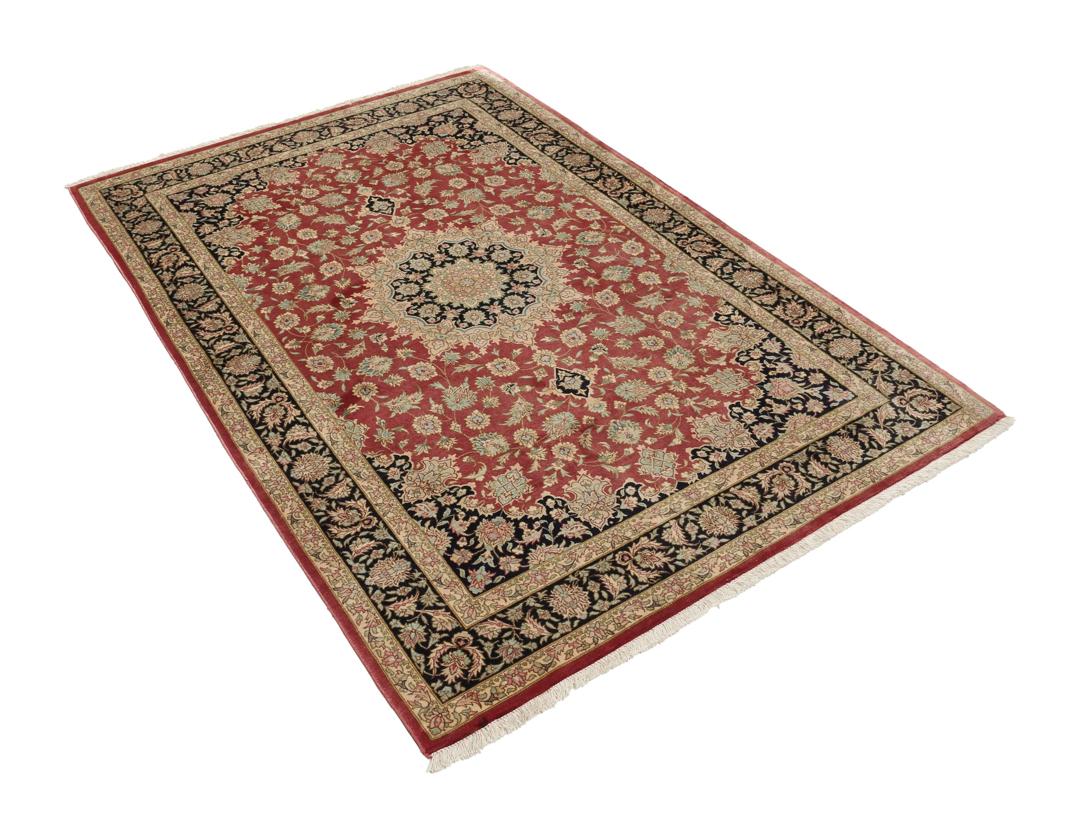
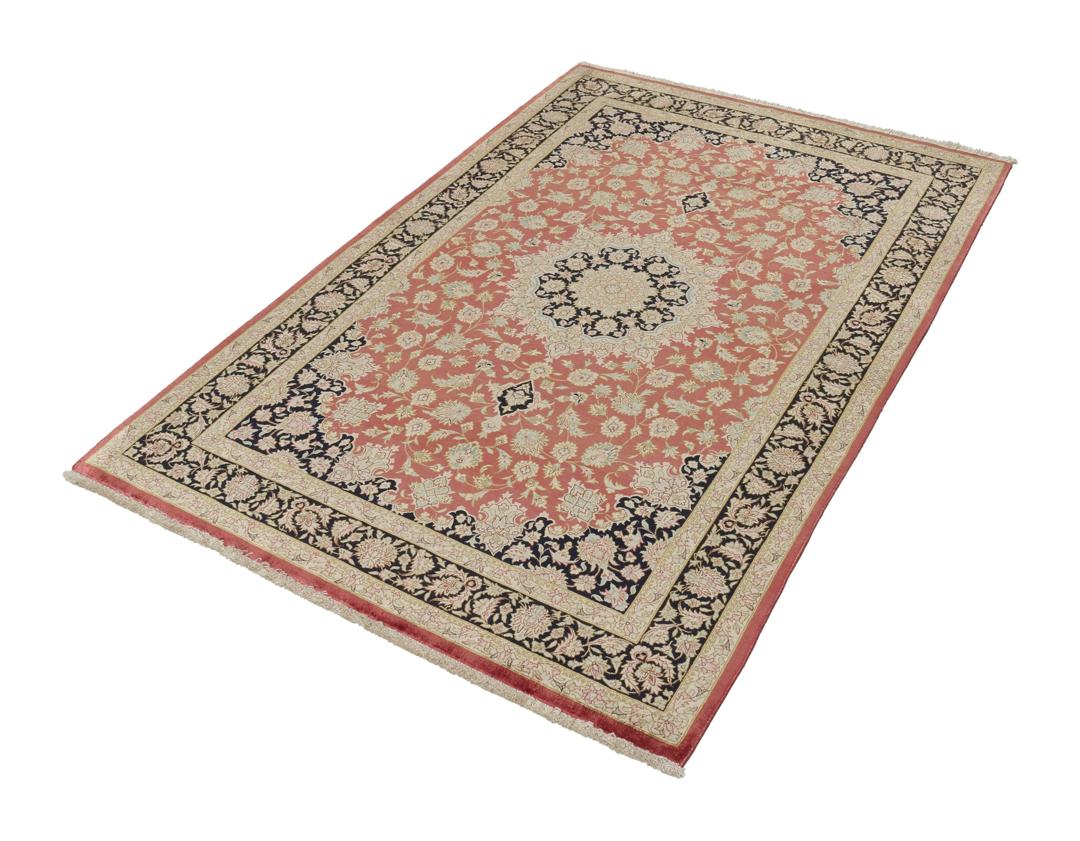
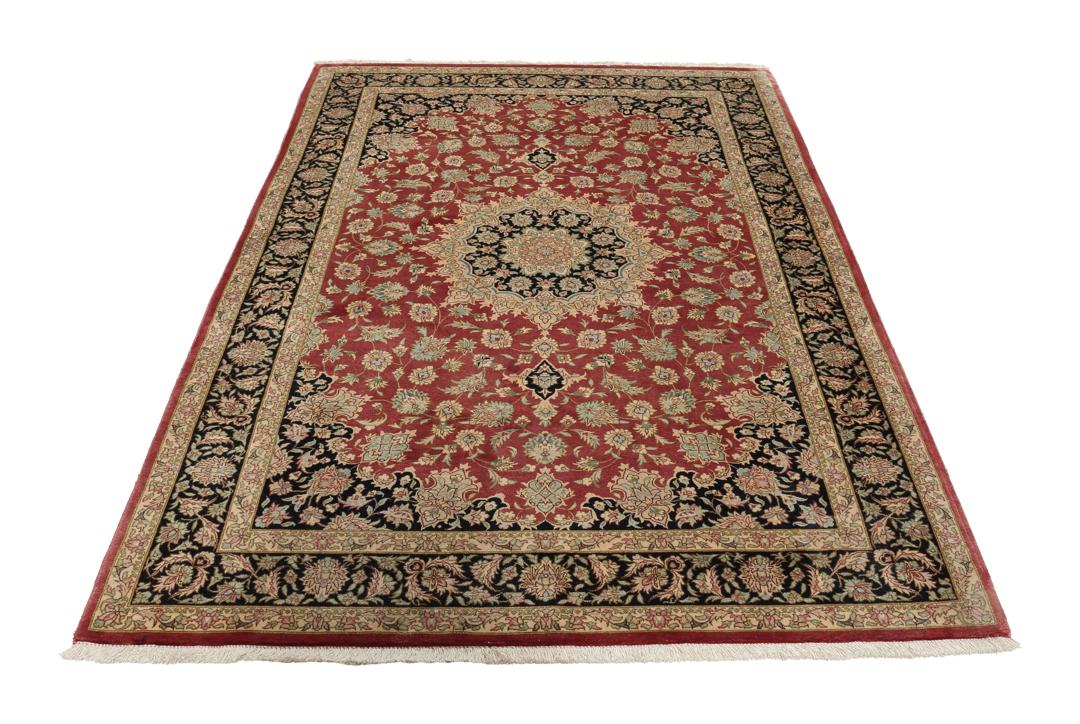
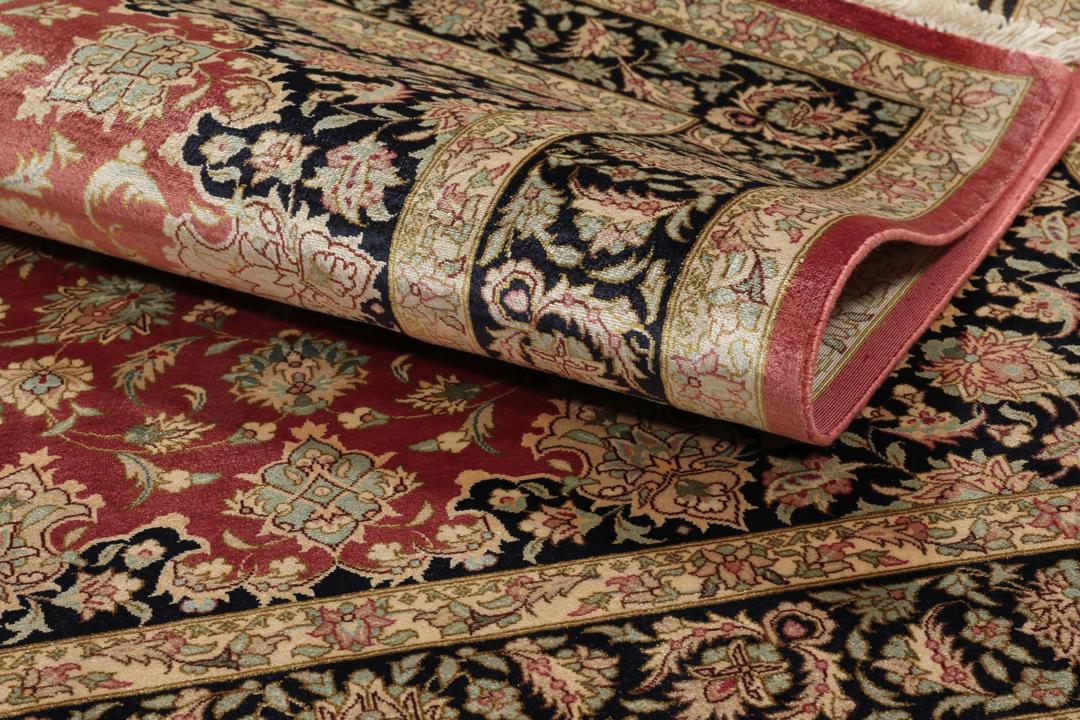
Qum silk rugs hail from the holy city of Qum in the Middle East, a region that became a significant centre for rug weaving relatively recently compared to other historical hubs. While the city is ancient, its reputation for producing fine silk rugs began to flourish in the 20th century. Weavers in Qum are renowned for their willingness to experiment with diverse styles, often drawing inspiration from other classic weaving traditions to create something entirely new and sophisticated.
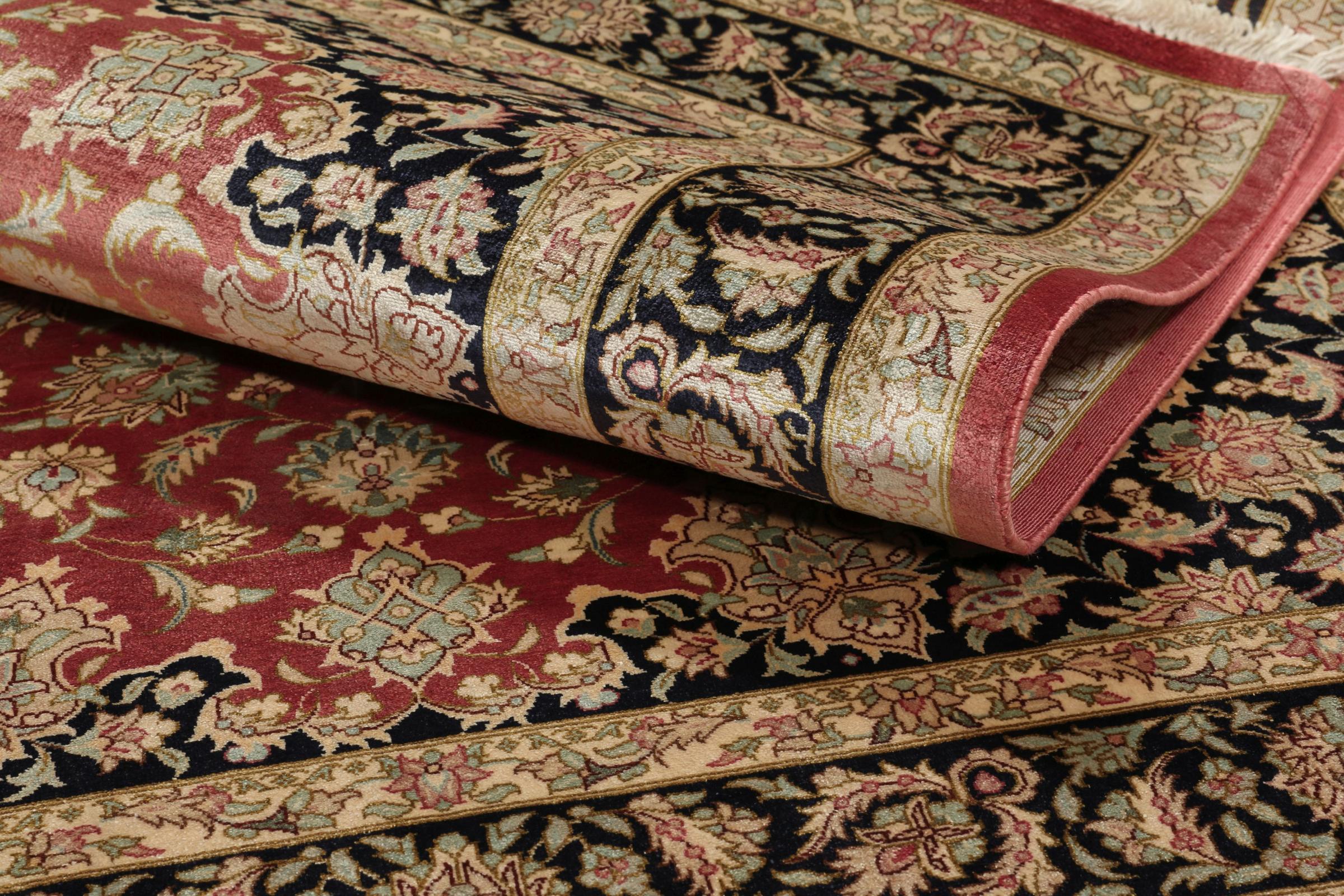
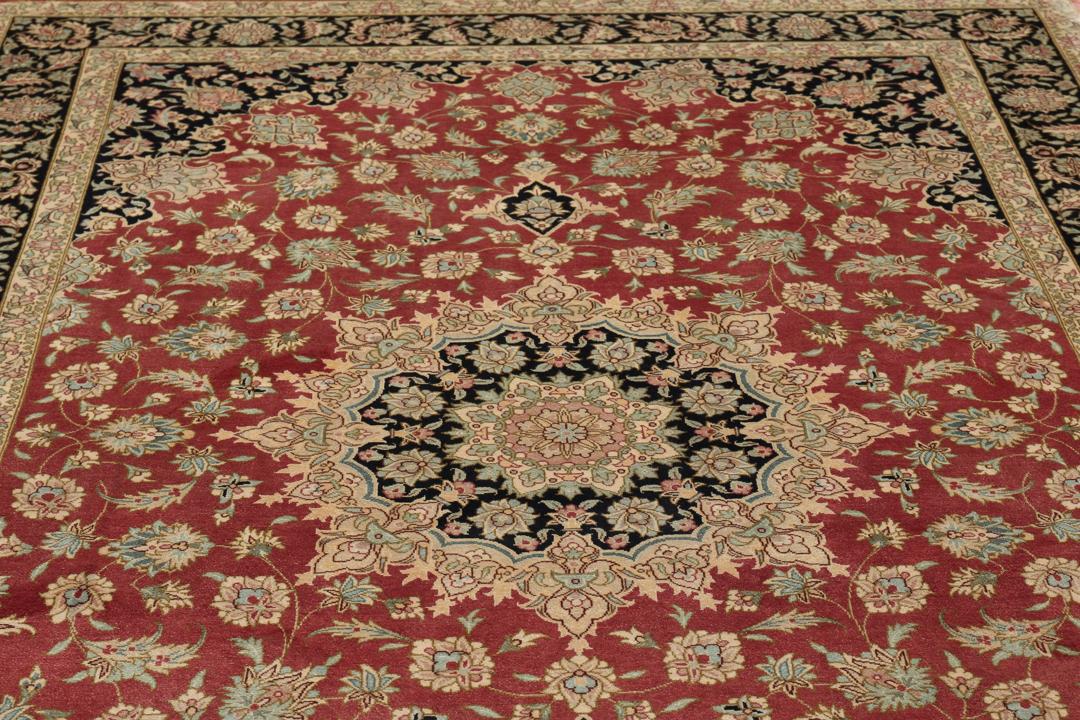
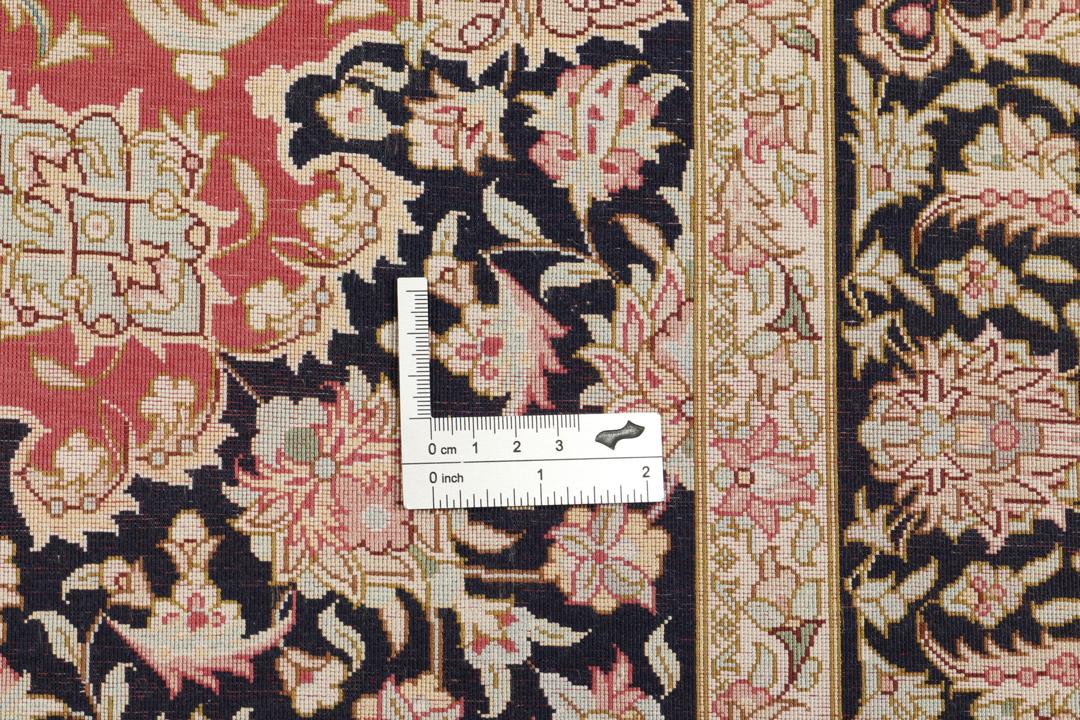
The quality of these rugs is largely defined by the extraordinary fineness of the knotting and the premium materials used. When a rug is described as being made from silk, it means the pile is exceptionally thin and strong, allowing for a much higher knot density than wool. This density is the key to the intricate, detailed patterns that are the hallmark of Qum craftsmanship, making them some of the most sought-after pieces for serious collectors.
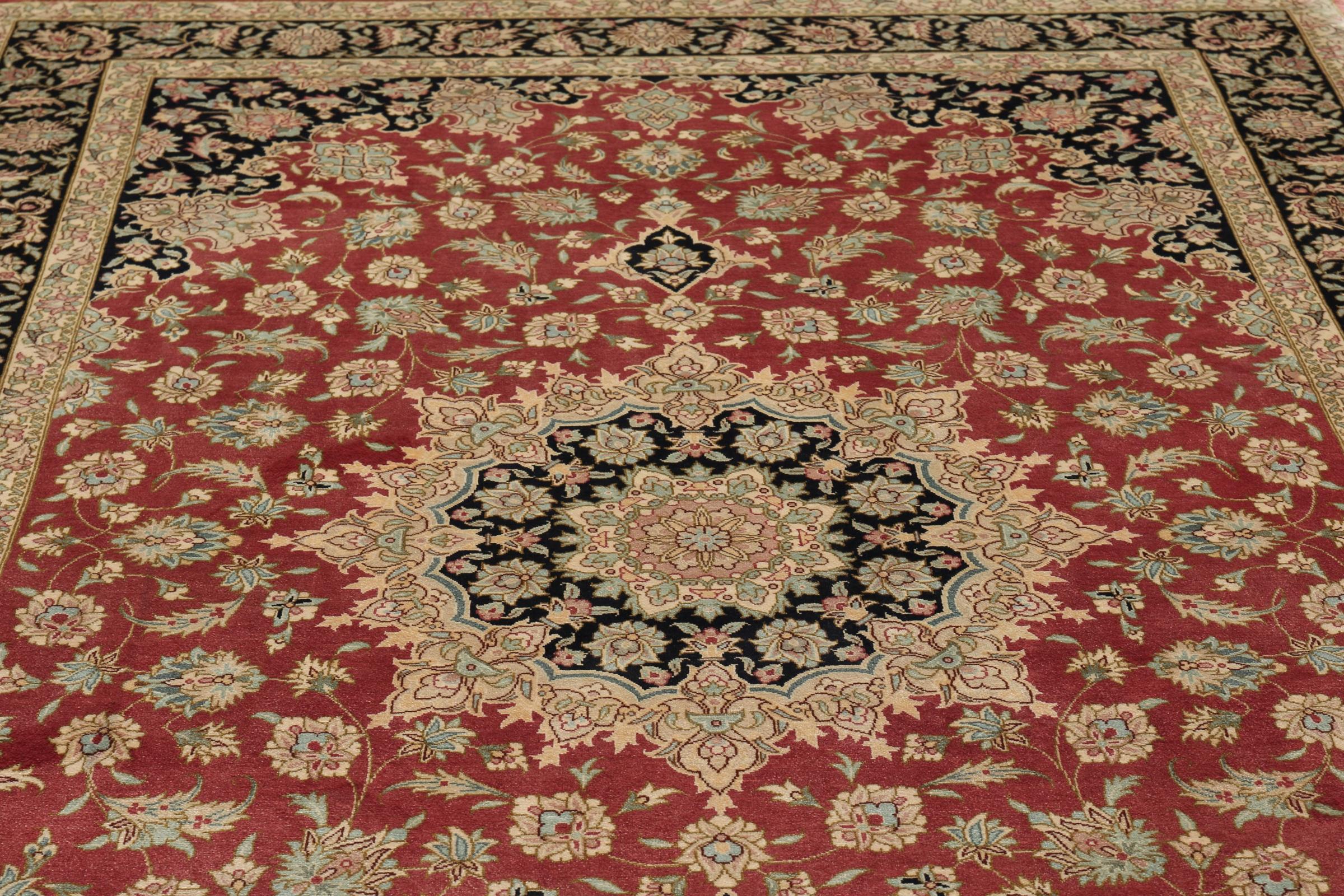
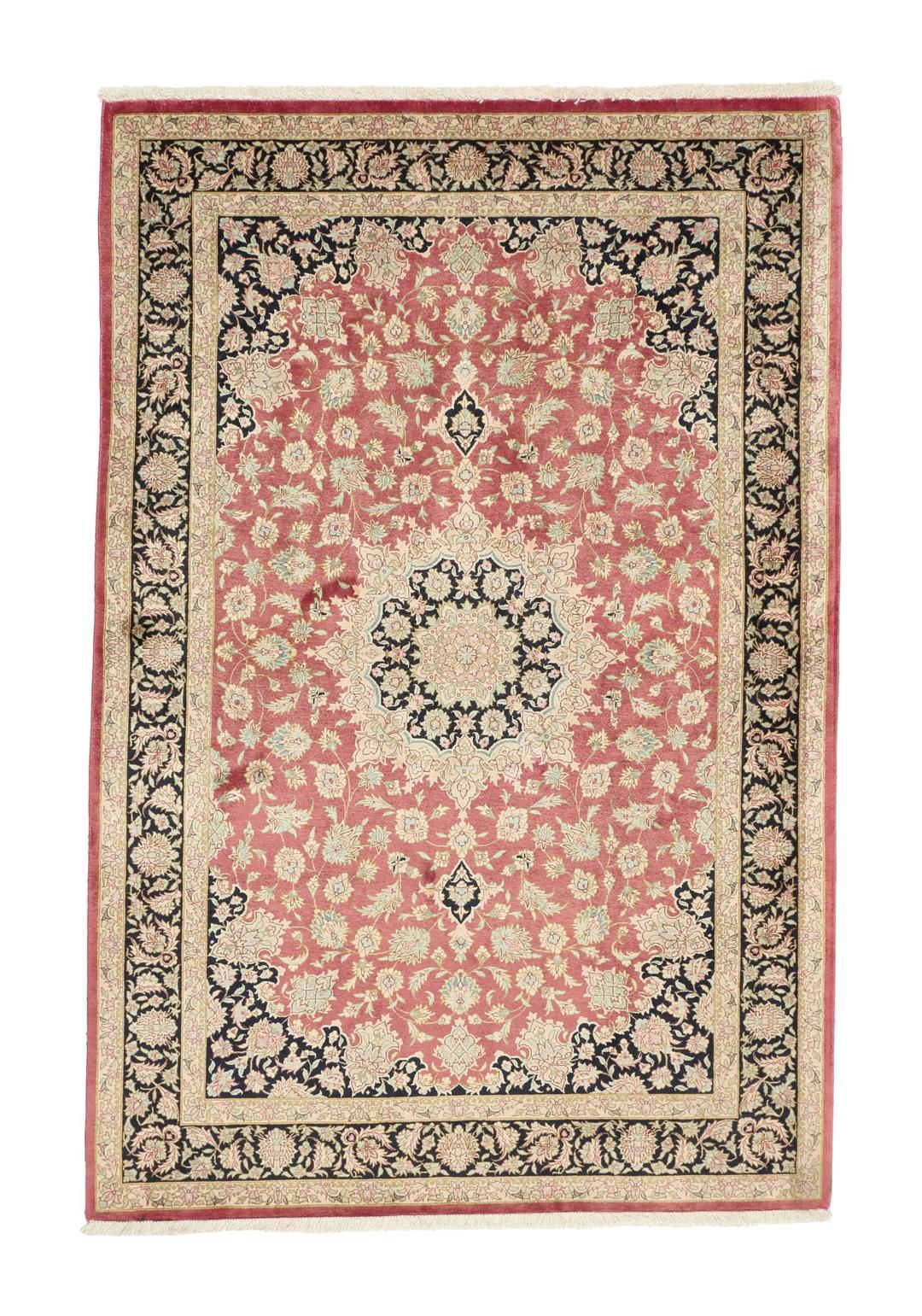
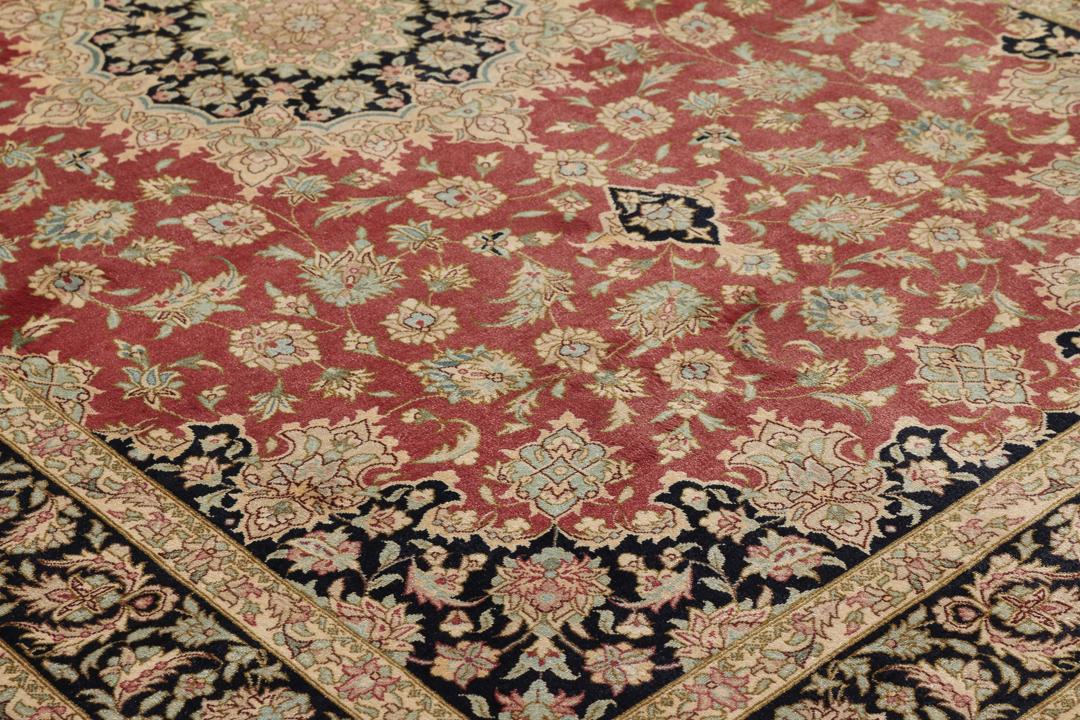
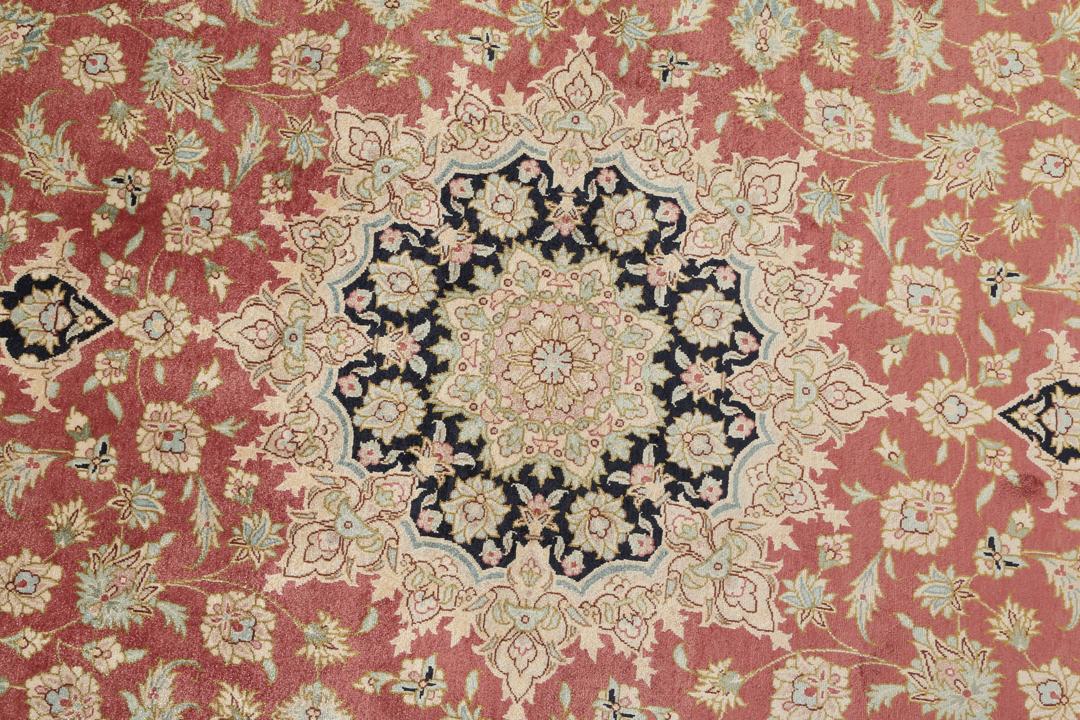
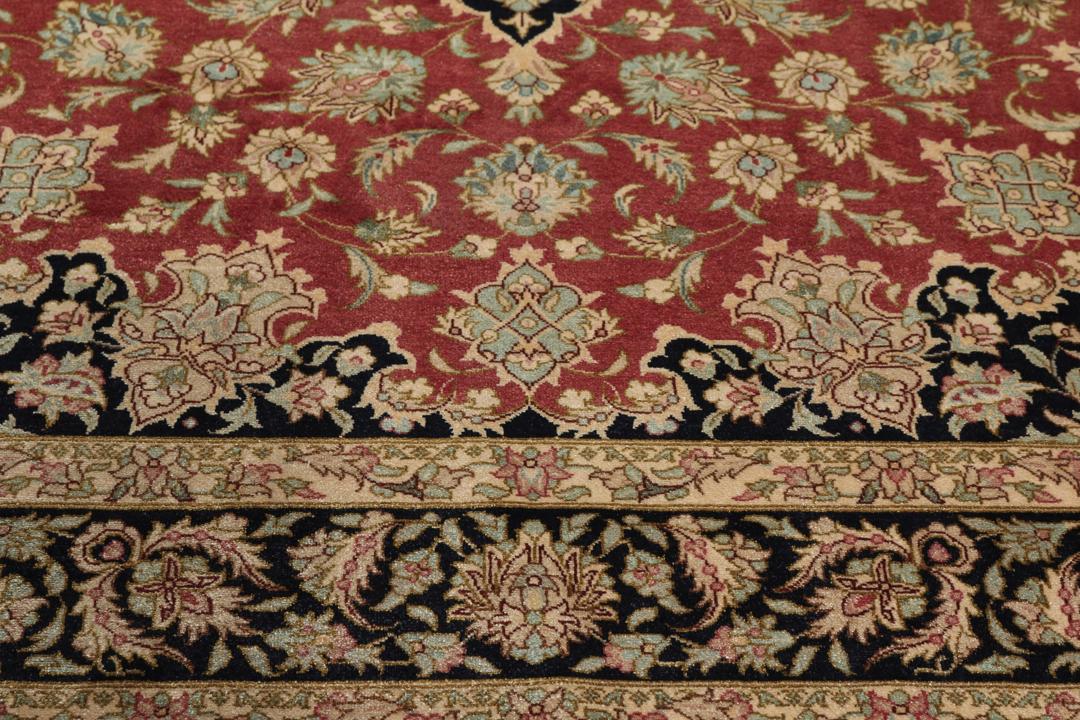
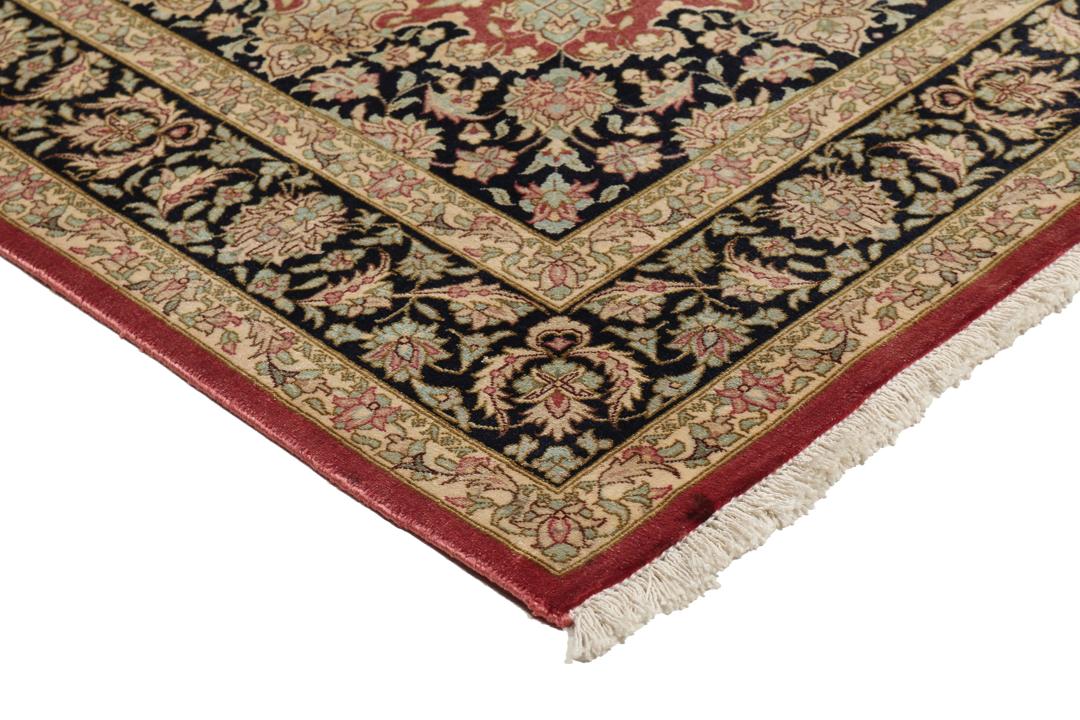
Visually, Qum rugs are celebrated for their elaborate floral patterns, often featuring central medallions surrounded by flowing vines, palmettes, and leaves. The design language is highly precise, reflecting a dedication to symmetry and complex composition. While they often follow traditional layouts, the specific interpretation of these patterns is what gives each rug its unique character, often incorporating subtle shifts in colour and motif that highlight the artisan's individual skill.
Owning a Qum silk rug is an investment in cultural heritage and refined skill. These pieces are valued not just for their aesthetic beauty, but for the immense effort and patience required to create them. As a collector’s item, they represent the pinnacle of weaving art, serving as a connection to a tradition that values precision, patience, and the pursuit of perfection in every single thread.