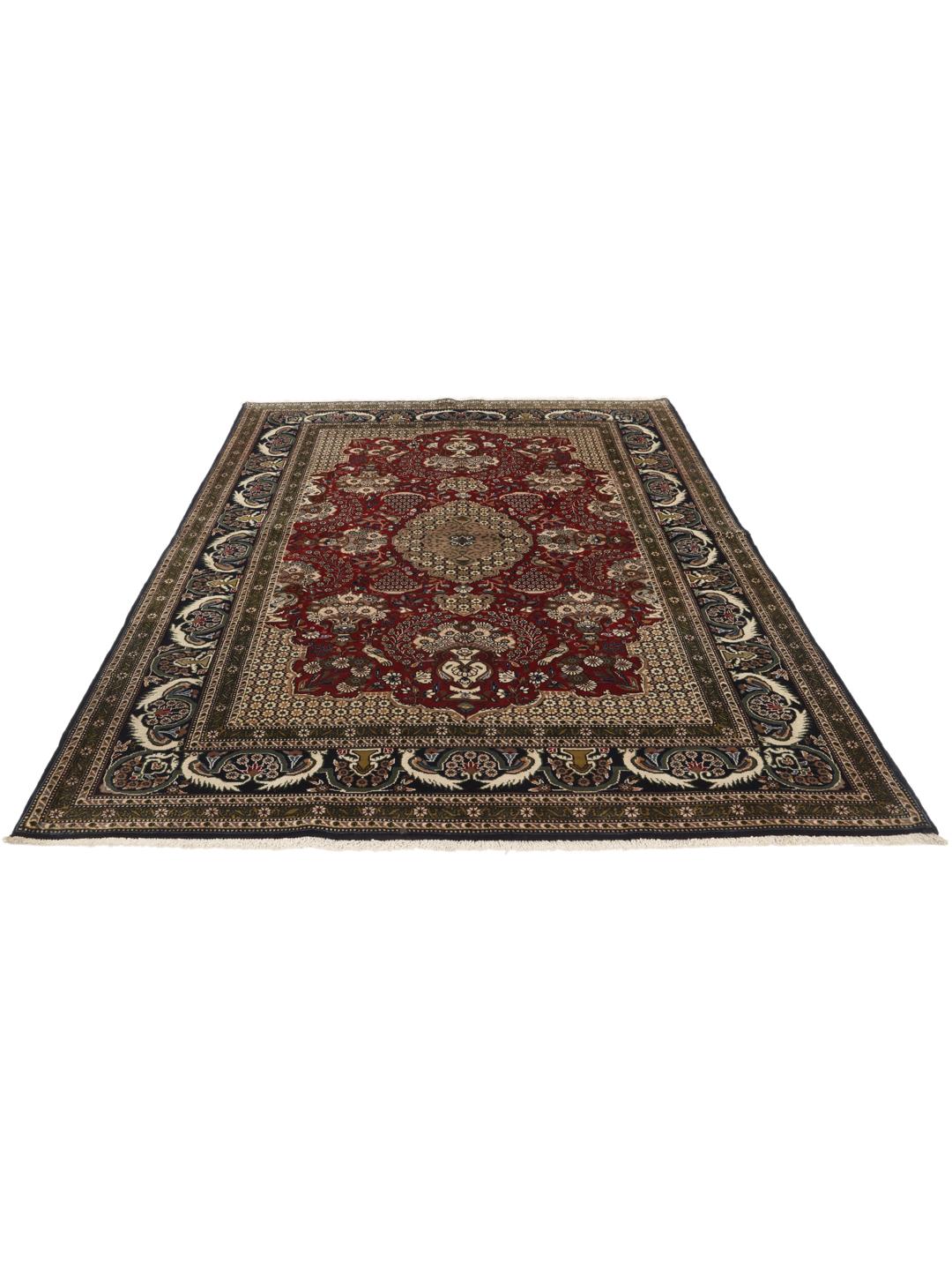
The Sarouk tradition originates from the village of the same name in the Arak region of the Middle East. Historically, these rugs became world-renowned in the early 20th century for their exceptional durability and the use of high-quality wool that was often chemically treated to enhance its lustre and softness. They represent a significant chapter in the evolution of regional weaving, bridging the gap between traditional village production and the demands of the international market.
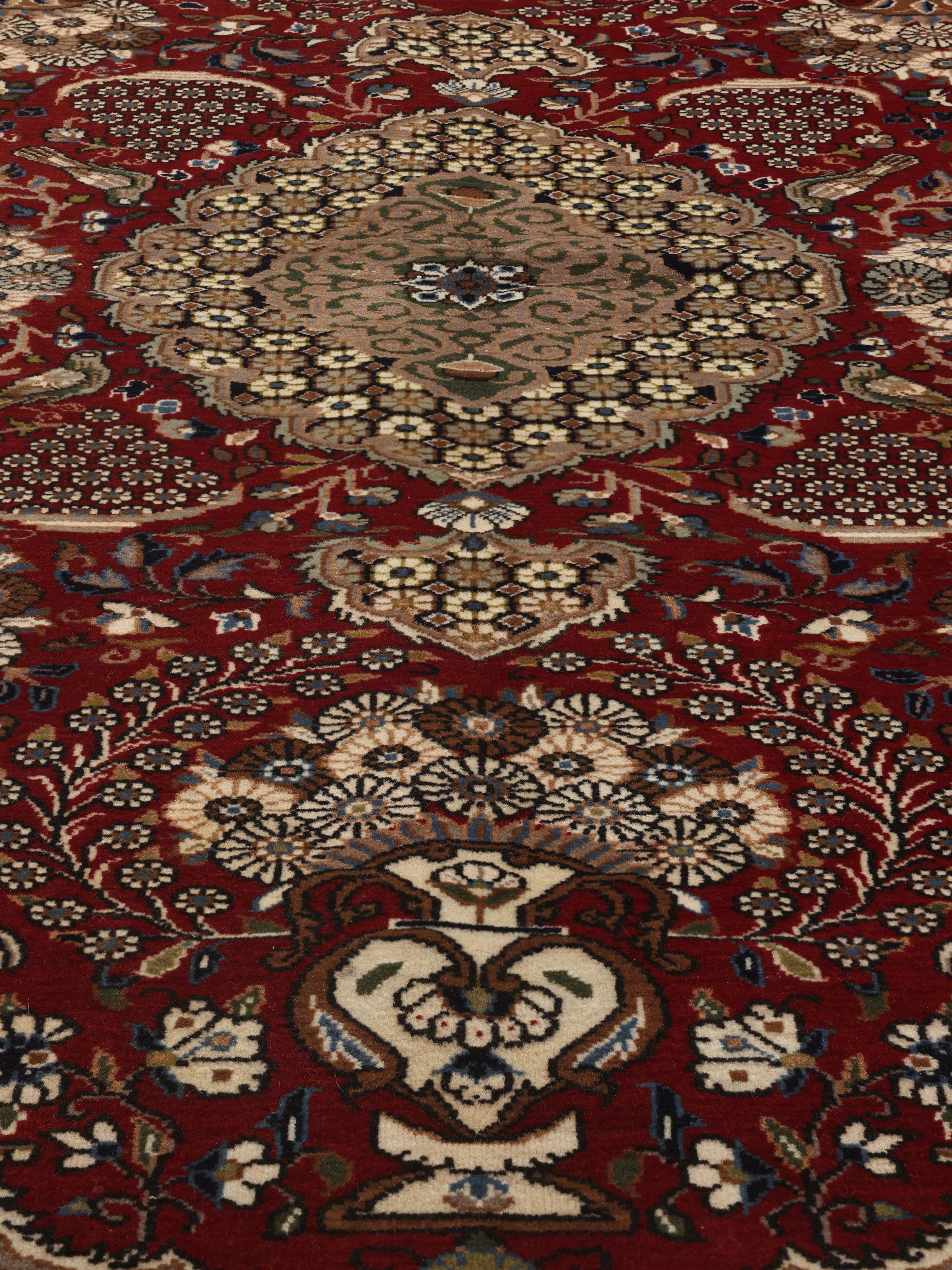
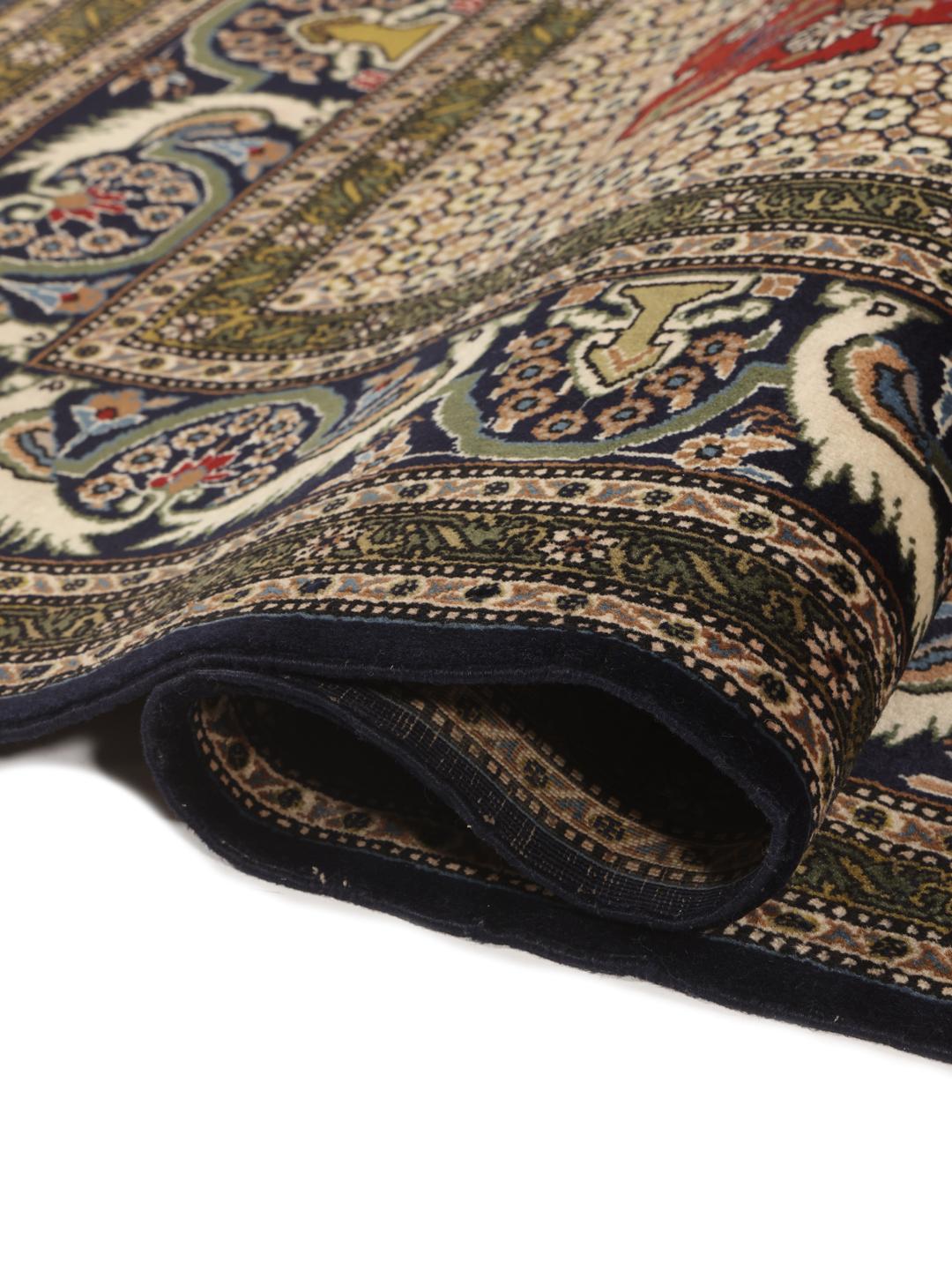
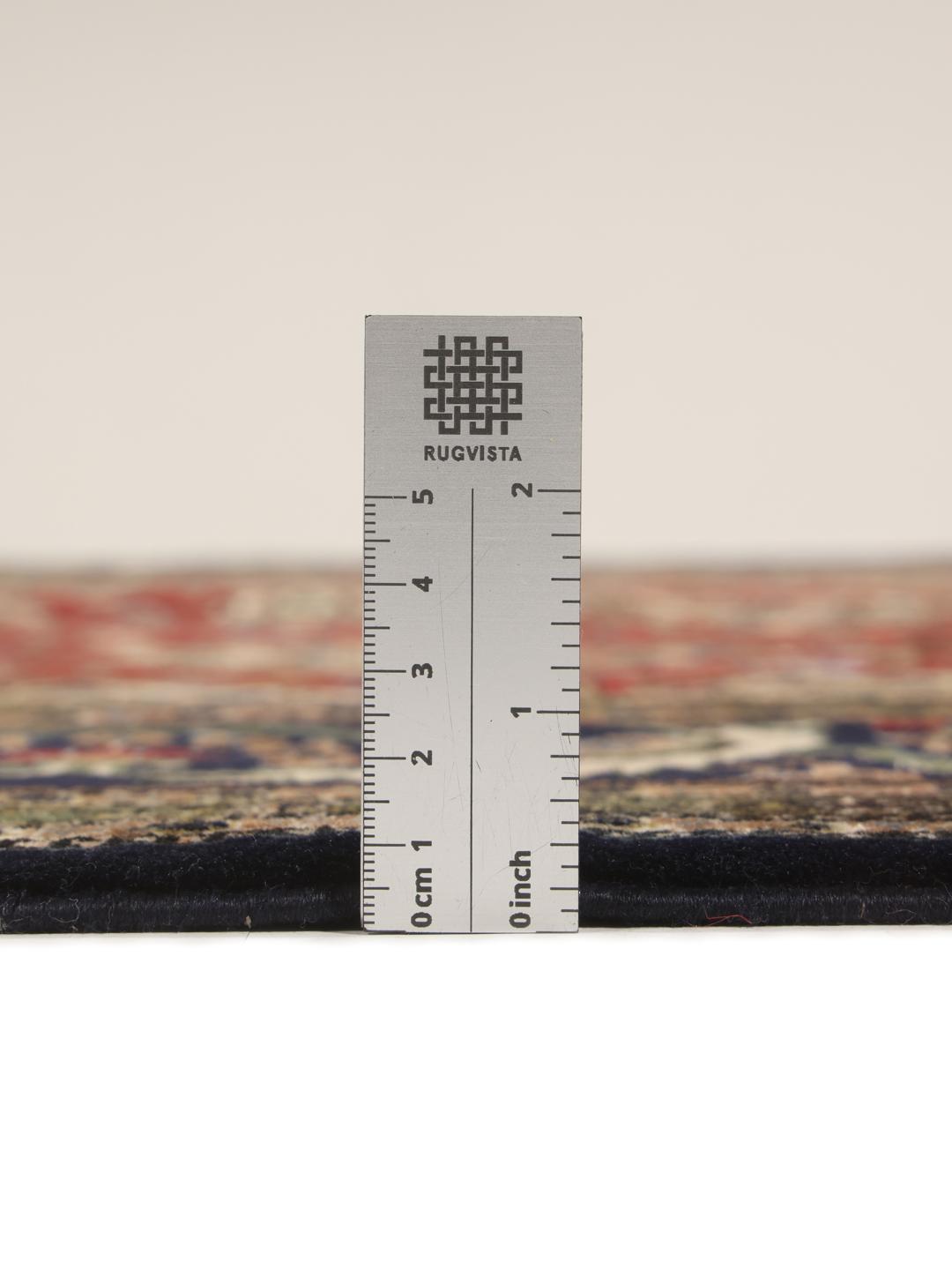
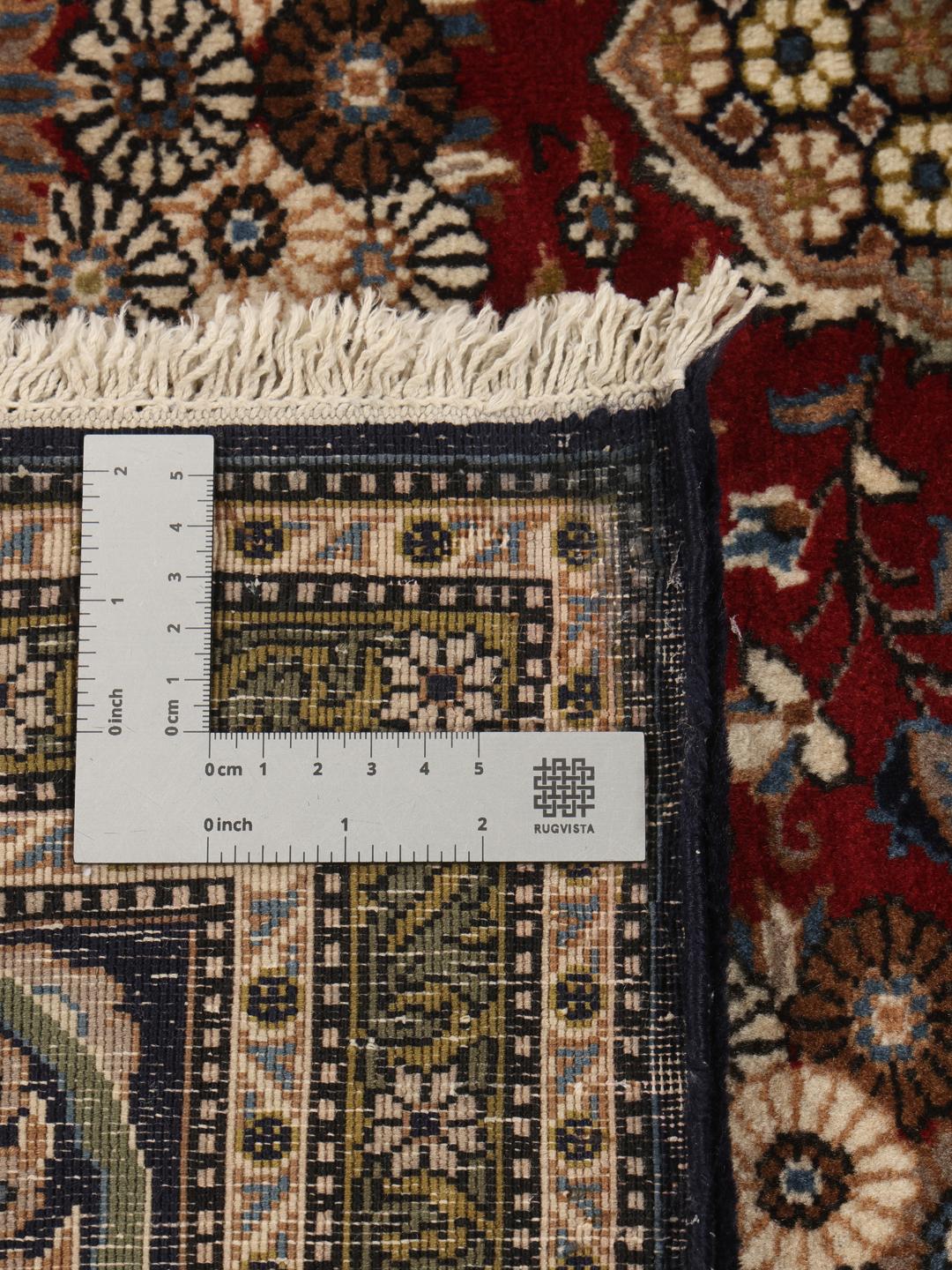
Technical excellence is central to the Sarouk identity, often characterised by a dense, firm weave that provides a heavy, long-lasting pile. The term 'Kork' refers to a particularly fine, high-quality wool taken from the soft undercoat of the sheep, which is prized for its superior sheen and durability. This material choice is what gives these rugs their signature tactile quality, making them both soft to the touch and incredibly resistant to wear.
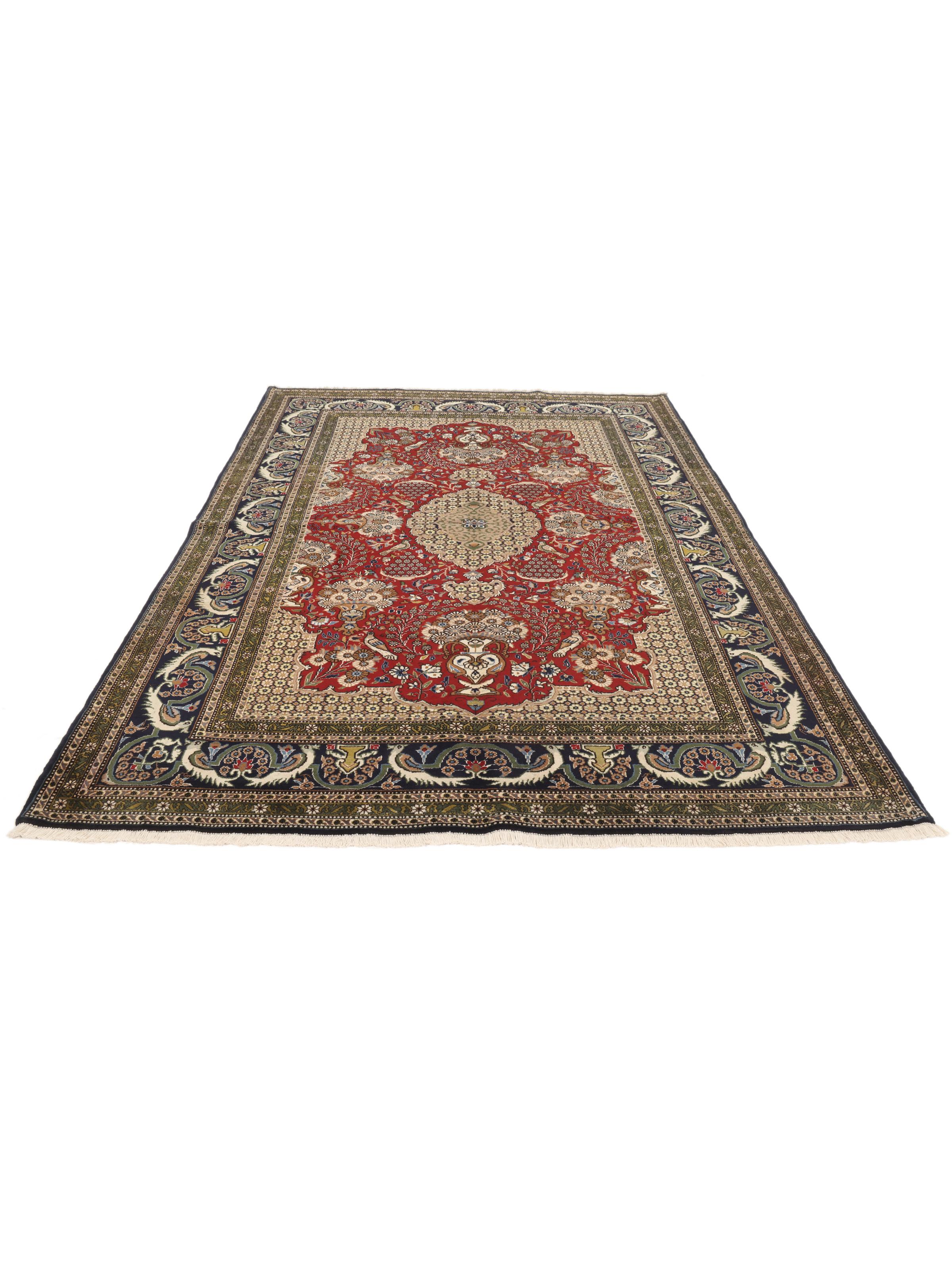
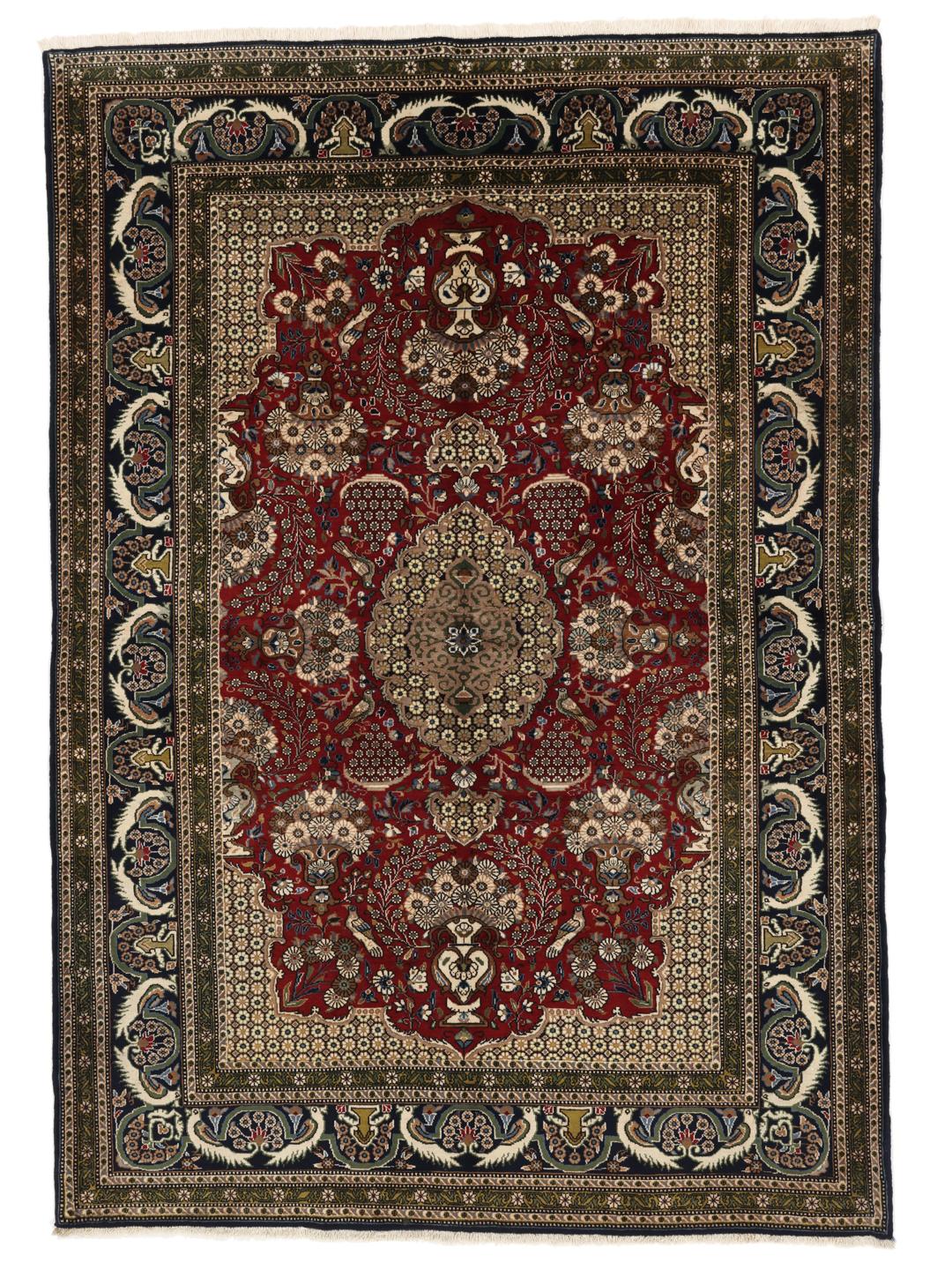
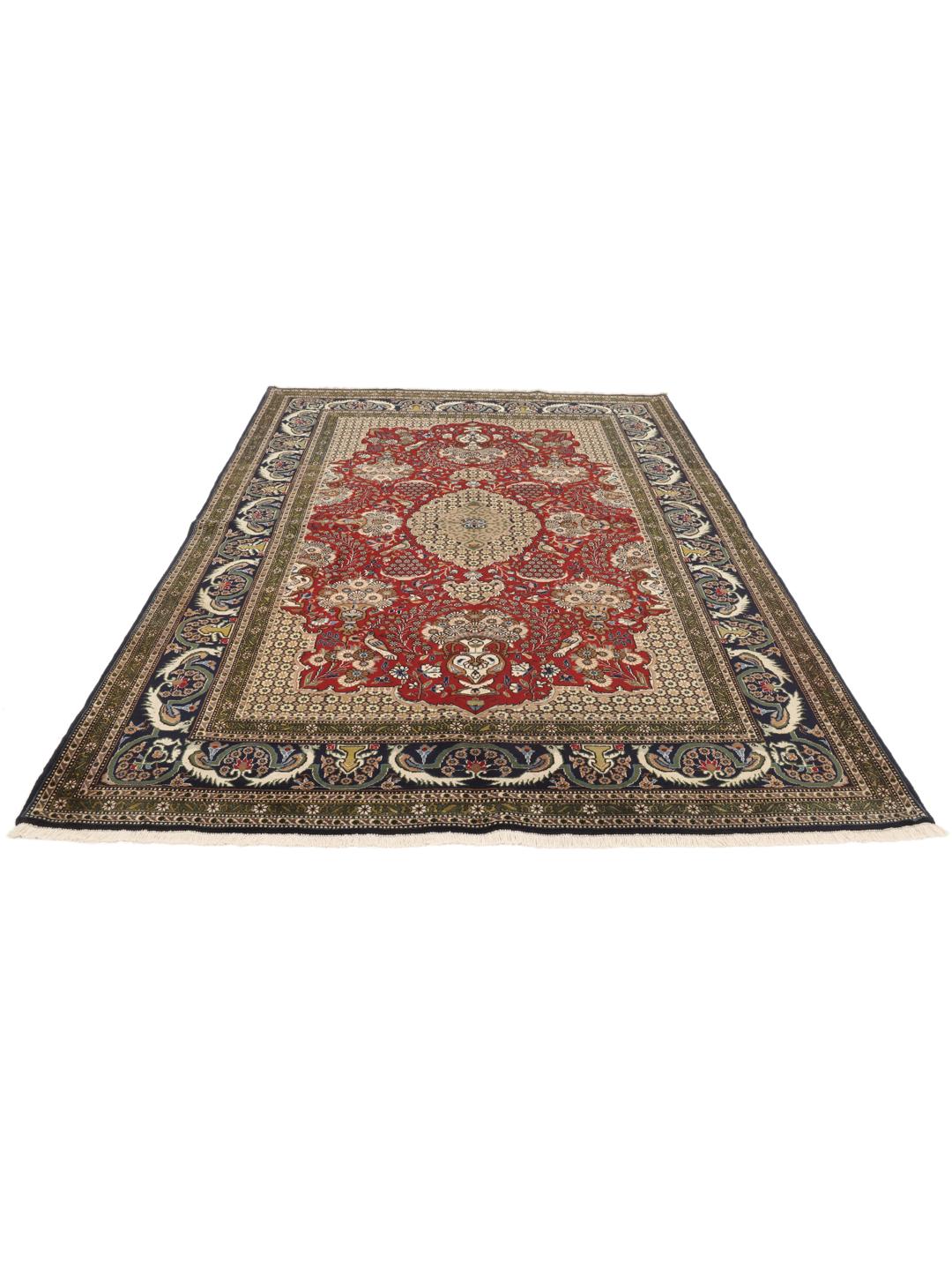
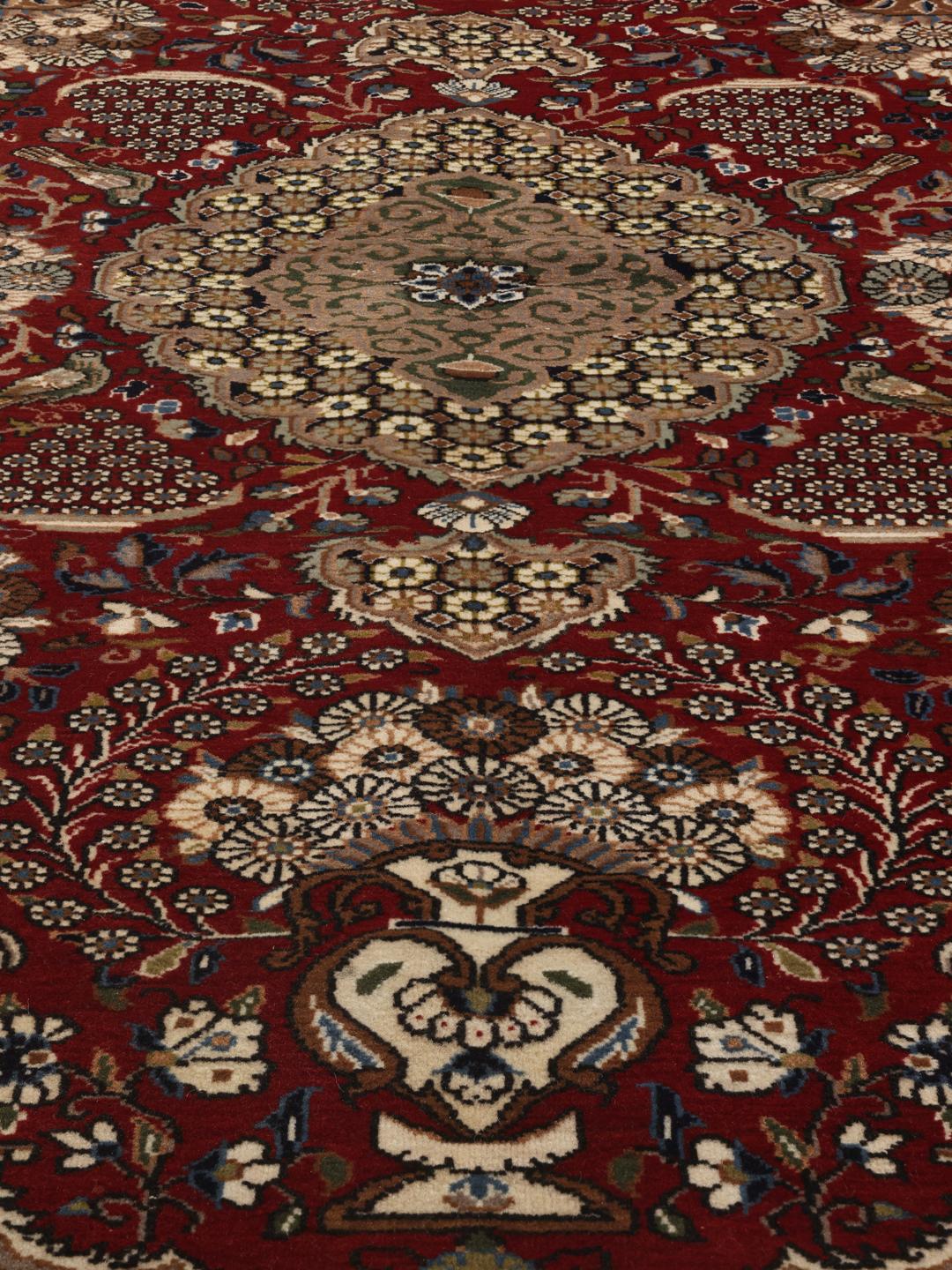
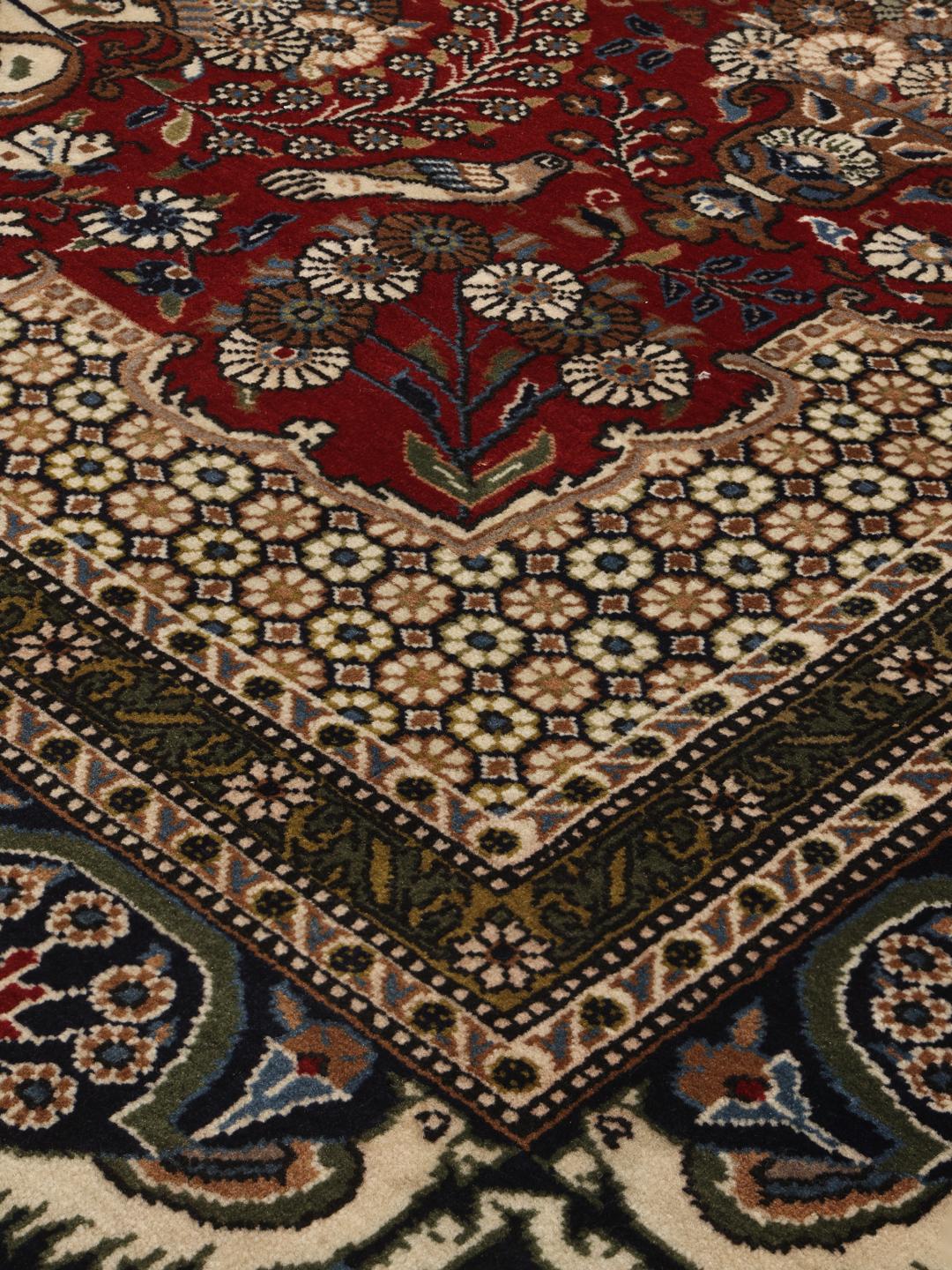
Visually, these rugs are celebrated for their classic floral designs, which frequently feature a central medallion surrounded by flowing vines, palmettes, and lush blossoms. While the classic red field is a hallmark of the style, the interplay of deep blues, creams, and earthy tones creates a balanced, sophisticated aesthetic. The ornate, decorative borders act as a frame, containing the organic movement of the field and providing a sense of harmony that is instantly recognisable.
Owning a Sarouk is an investment in a storied craft tradition that has been refined over generations. These pieces are valued not just for their utility, but for the immense skill required to execute such complex, curvilinear patterns by hand. Collectors and design enthusiasts alike cherish them for their ability to bring a sense of history and cultural depth into a room, serving as a permanent record of the artisan's dedication and the enduring appeal of Middle Eastern textile arts.