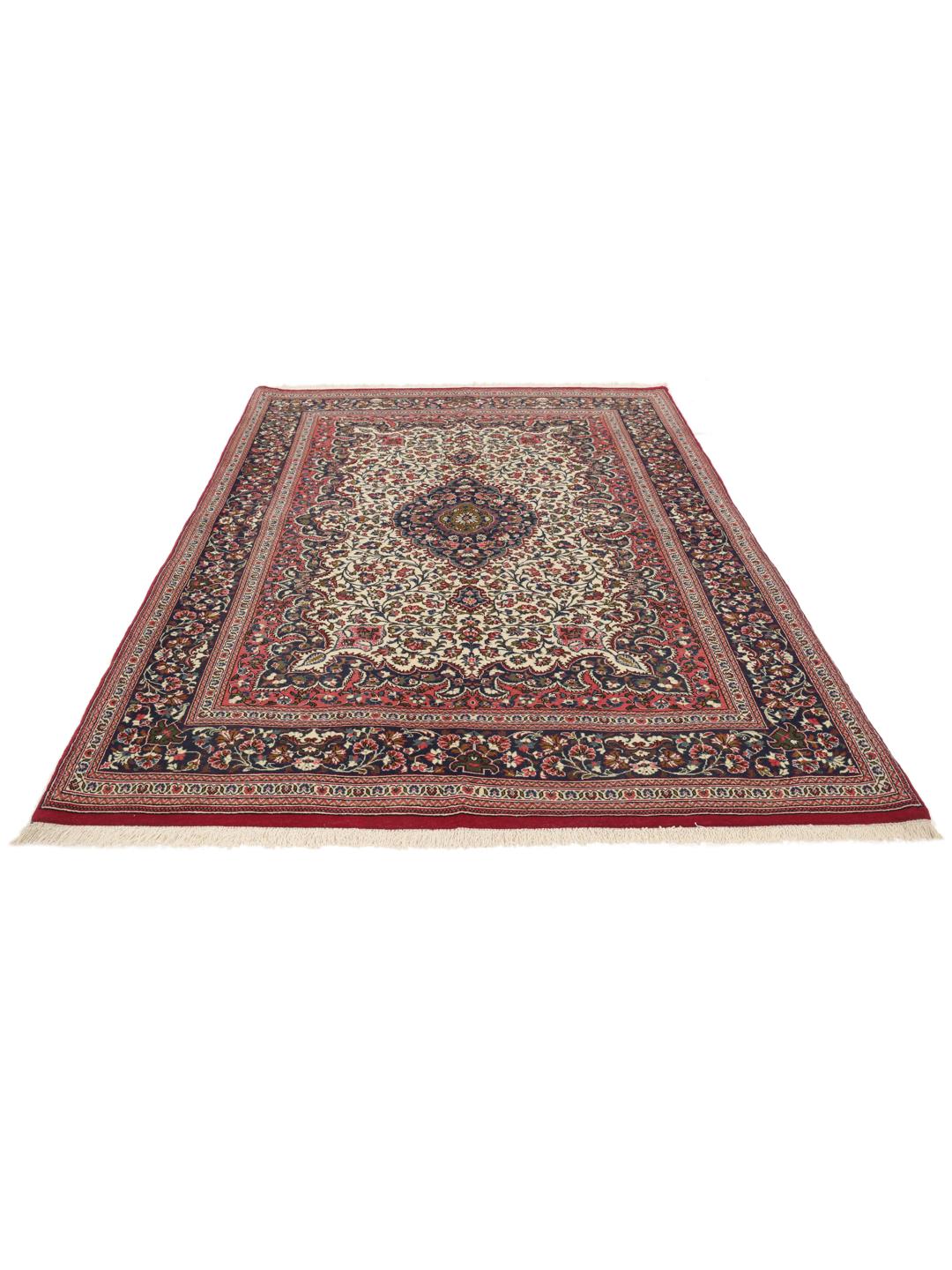
The tradition of Ghom rug-making emerged relatively recently in the early 20th century, yet it quickly earned a reputation for producing some of the most sophisticated and technically advanced rugs in the Middle East. Unlike older, tribal traditions that relied on memory and local heritage, Ghom weavers were known for their willingness to experiment with diverse designs, often borrowing the finest elements from other iconic weaving regions to create a style that is distinctly refined.
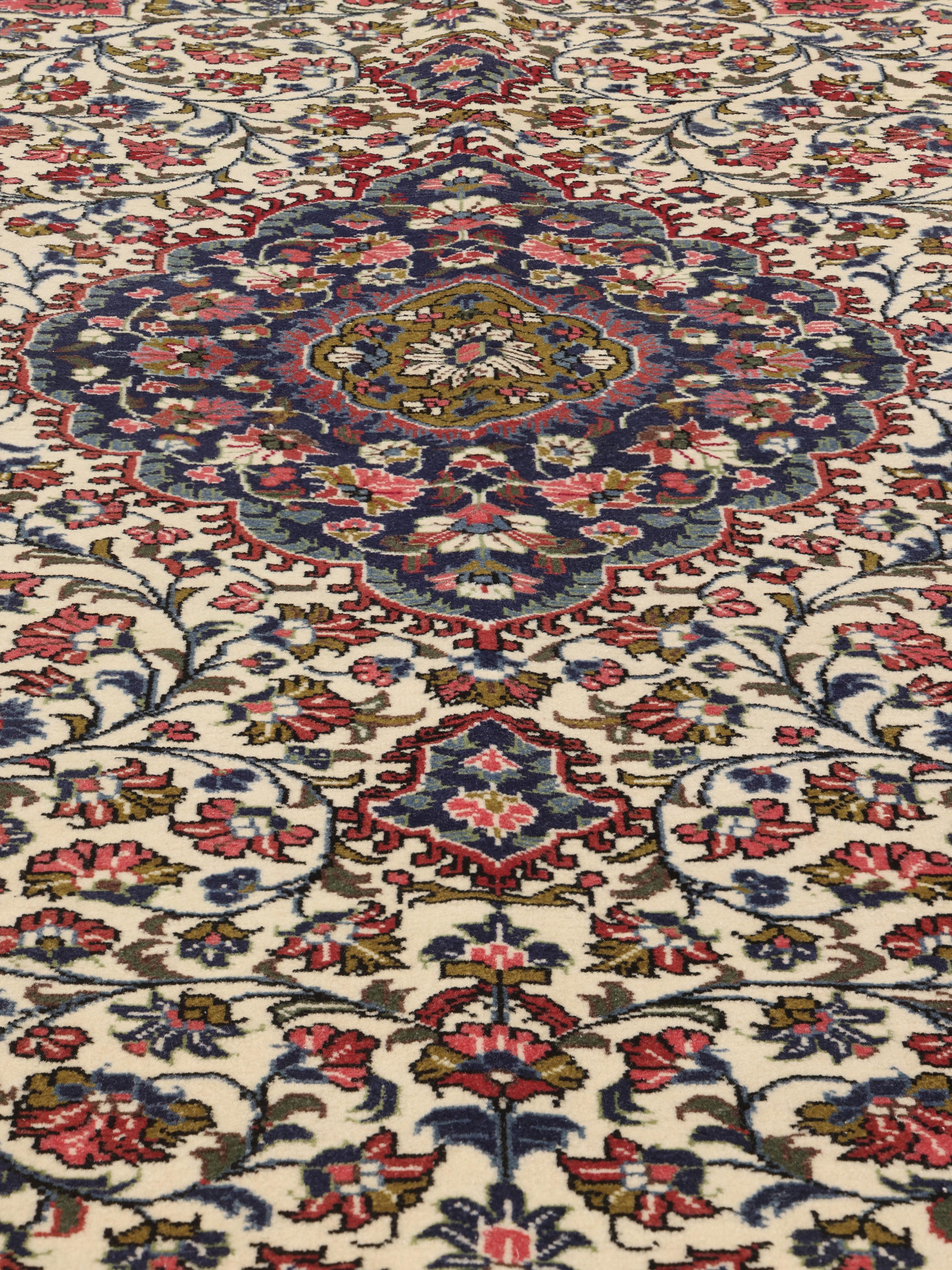
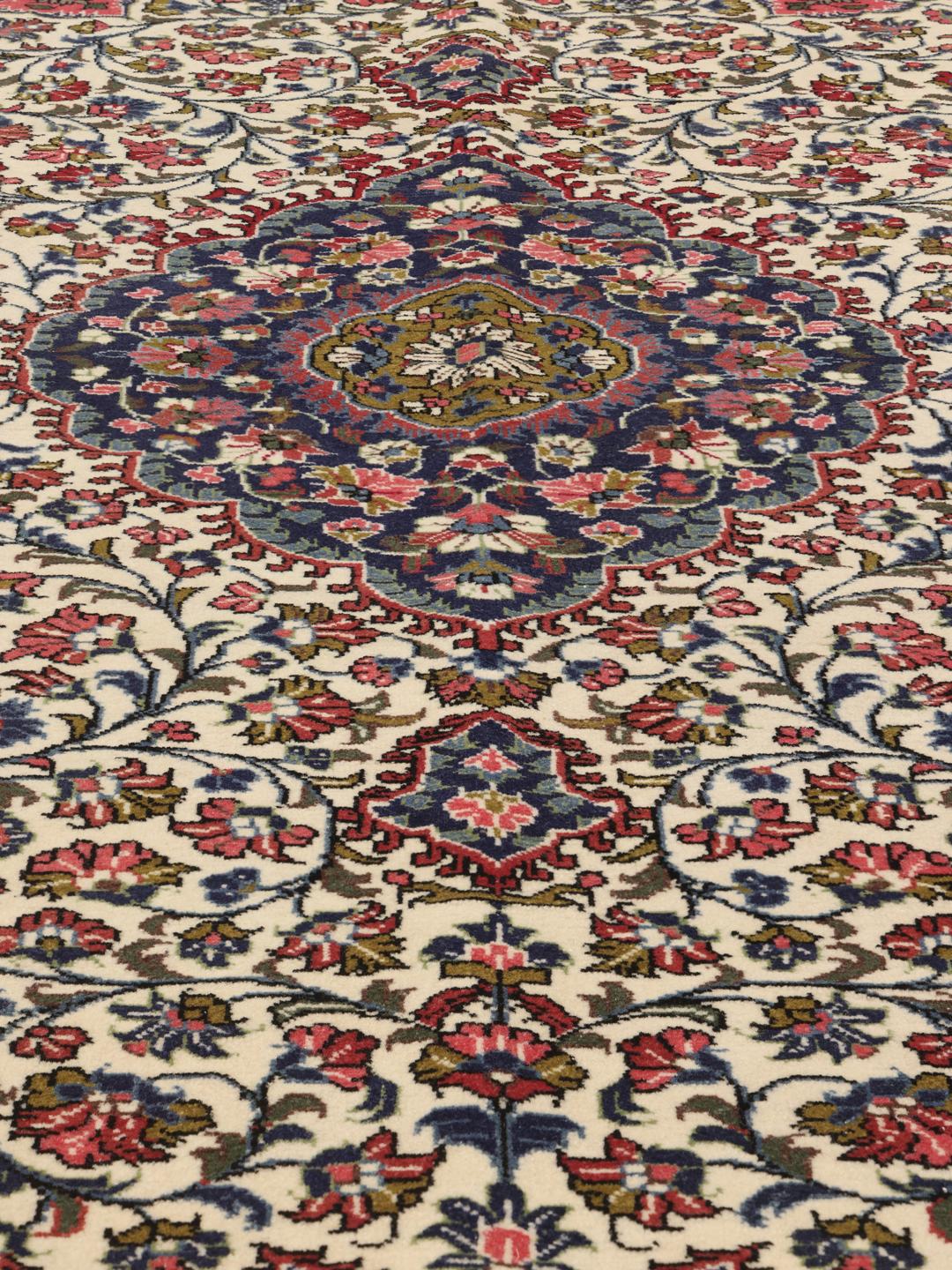
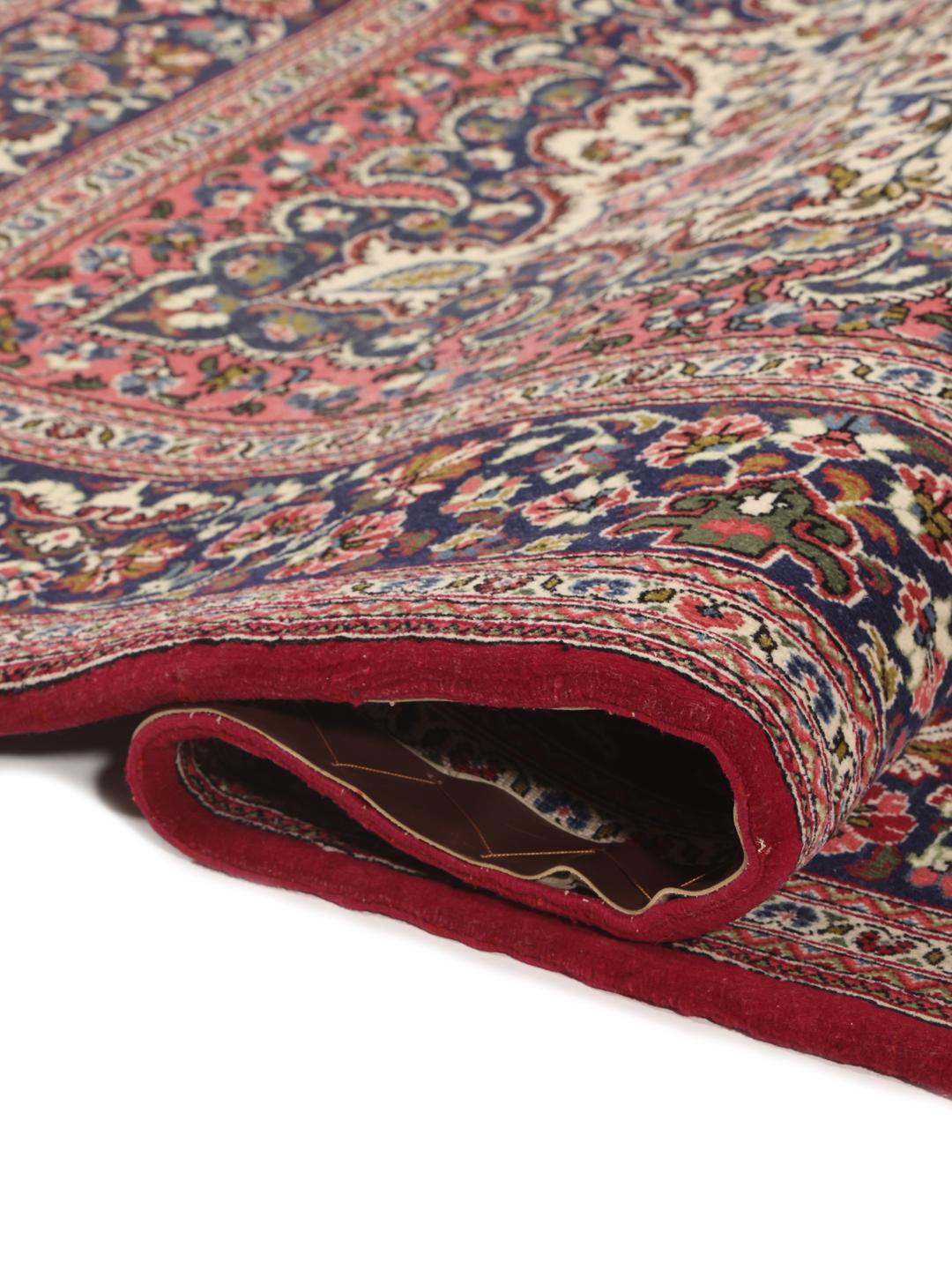
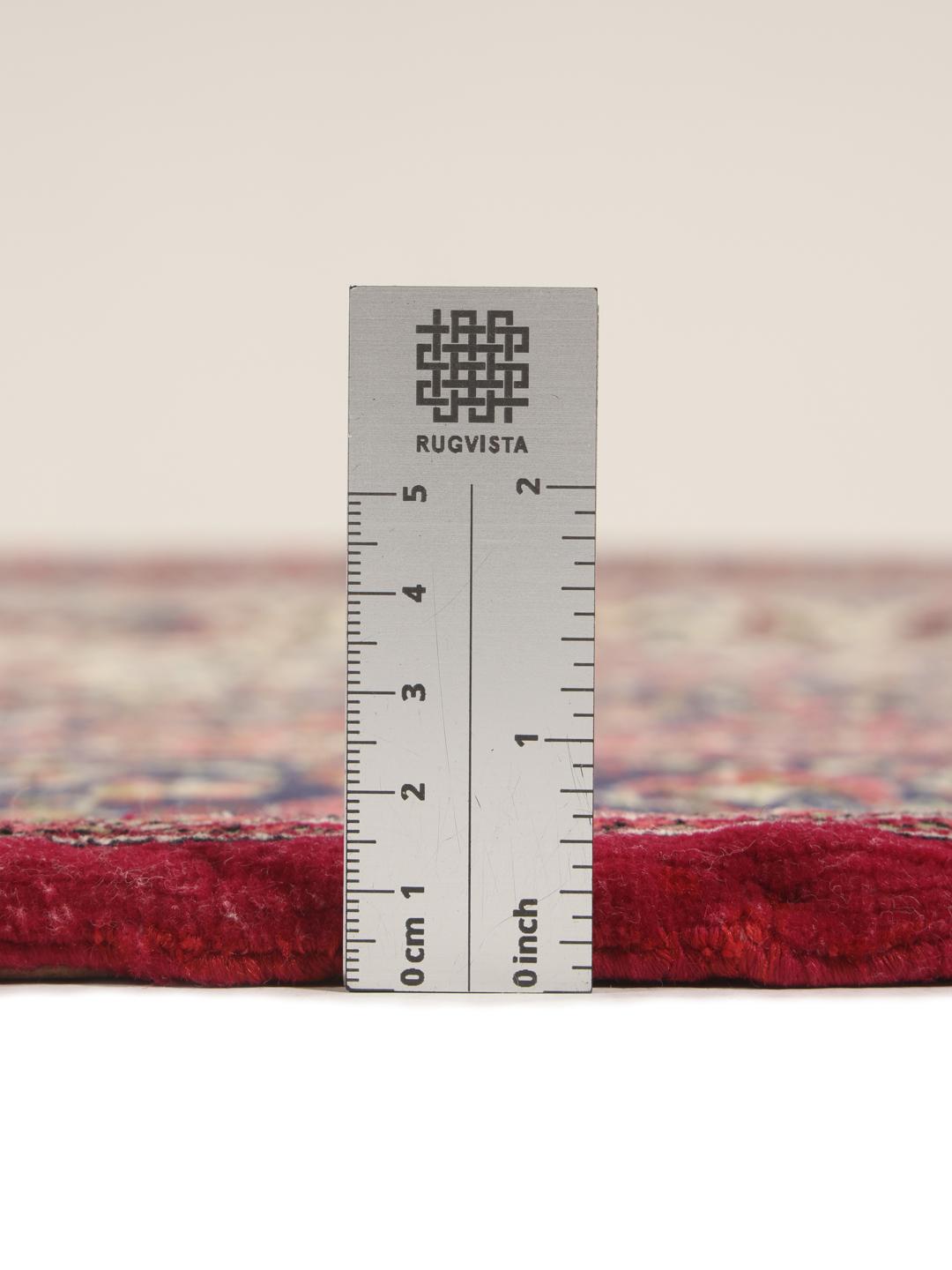
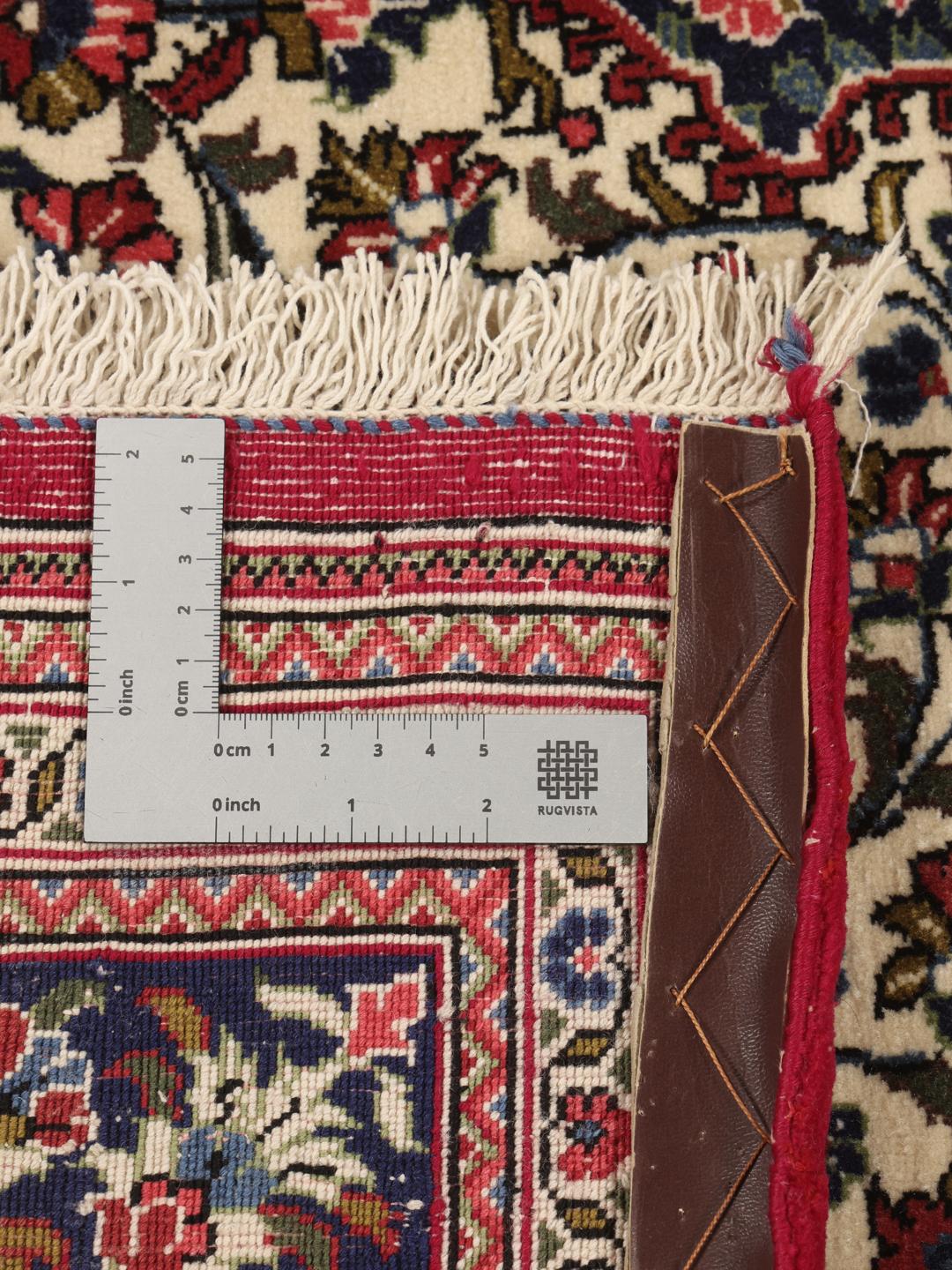
The term 'Kork' refers to the use of high-quality, fine-grade wool, which is often sourced from the softer undercoat of the sheep. This material is prized for its natural lustre and ability to take vibrant dyes, allowing for the intricate, precise patterns that are a hallmark of Ghom pieces. When combined with silk highlights, as seen in many of these pieces, the result is a pile that shimmers with light and offers a remarkably soft, velvet-like touch.
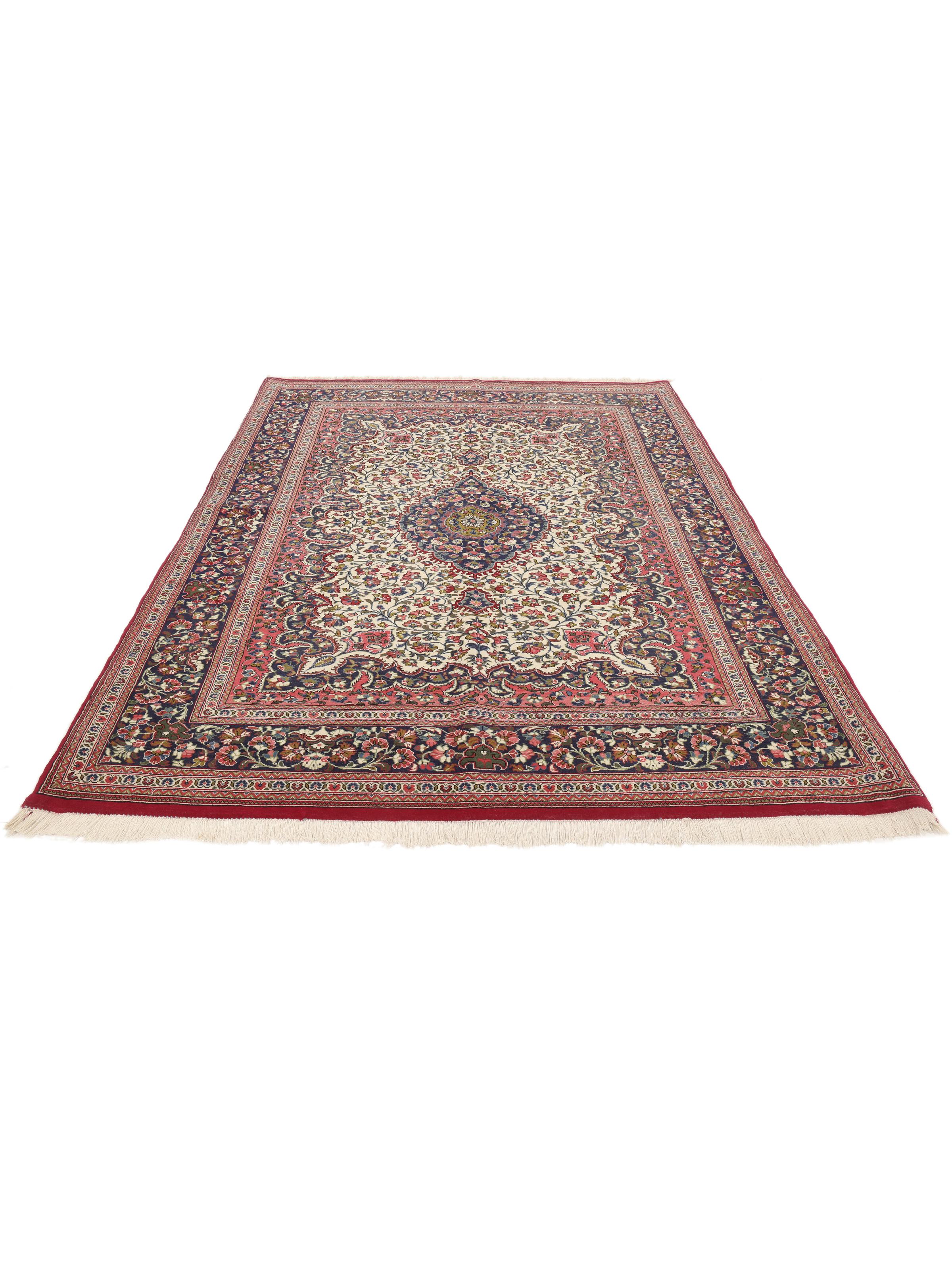
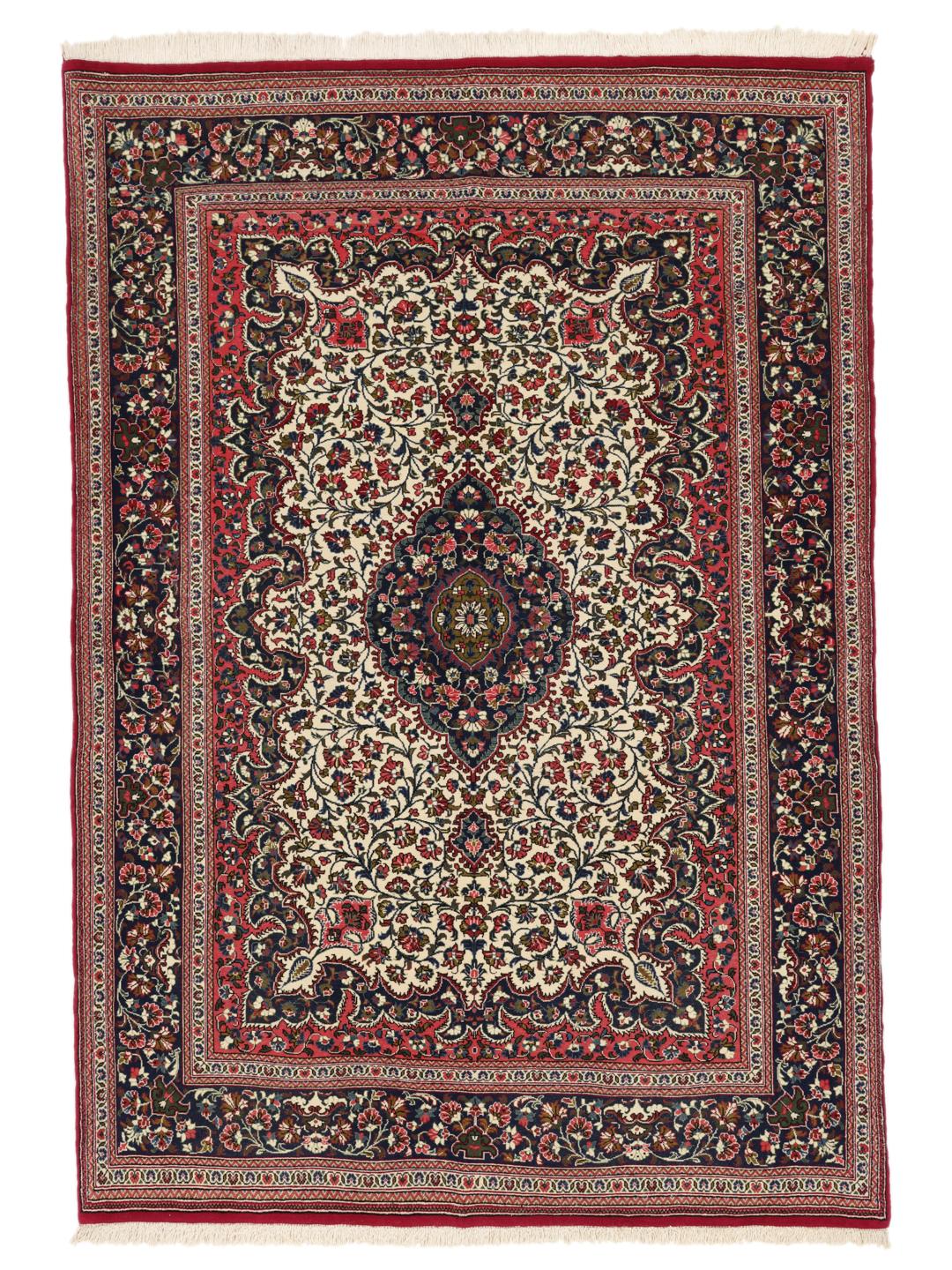
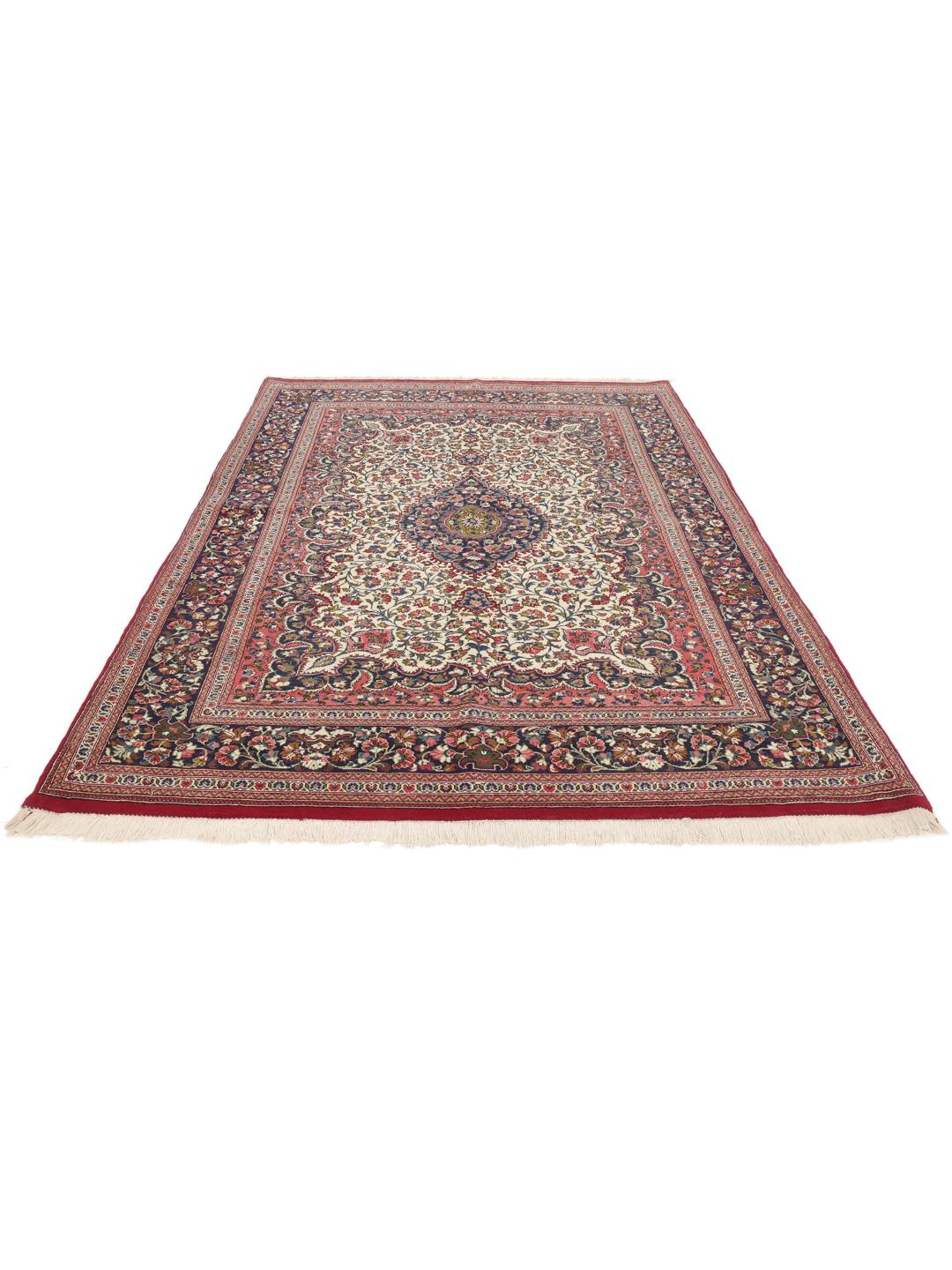
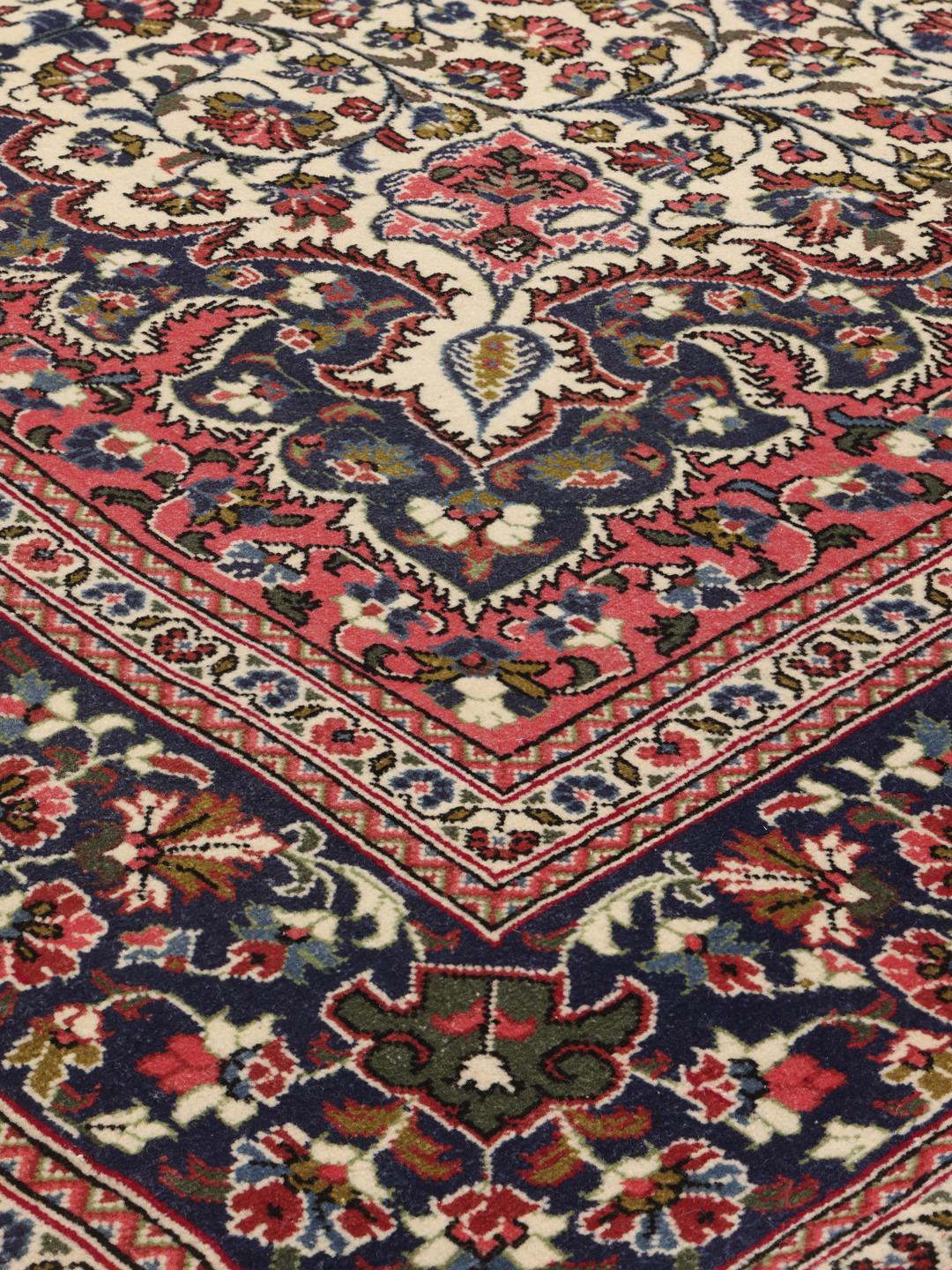
Design-wise, Ghom rugs are celebrated for their elaborate floral compositions, often featuring central medallions surrounded by dense, flowing vines and delicate blossoms. This rug displays a classic, balanced layout that reflects the weaver's ability to maintain perfect symmetry across a complex design. The borders are typically filled with complementary floral motifs, framing the central field in a way that creates a sense of harmony and completeness.
Collecting a Ghom rug is an investment in both artistry and cultural heritage. These pieces are highly valued by enthusiasts for their technical perfection and the way they bridge the gap between traditional motif-work and contemporary design aesthetics. Owning such a rug is a way to preserve the legacy of the master weavers who have dedicated their lives to perfecting this intricate craft.