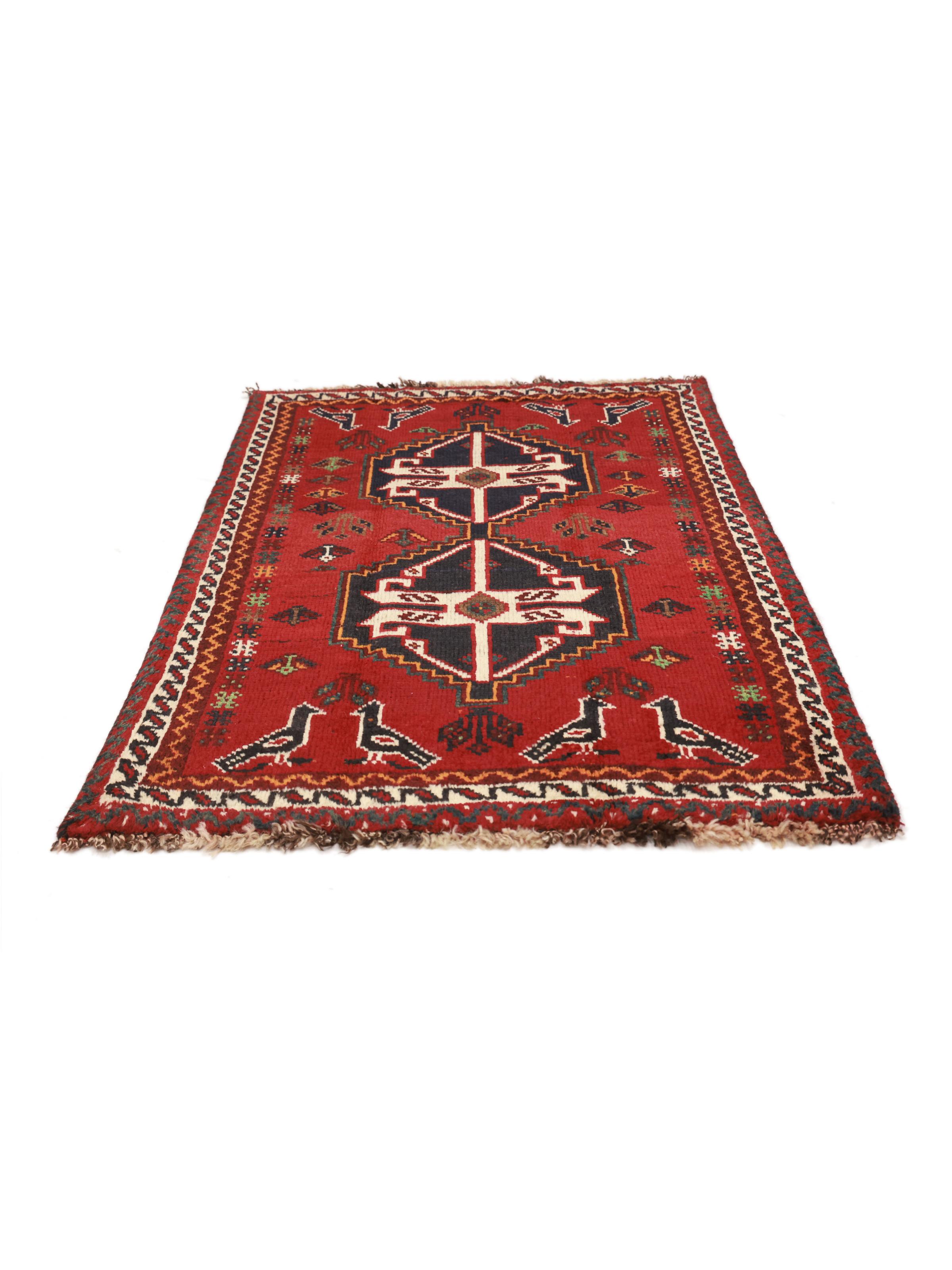
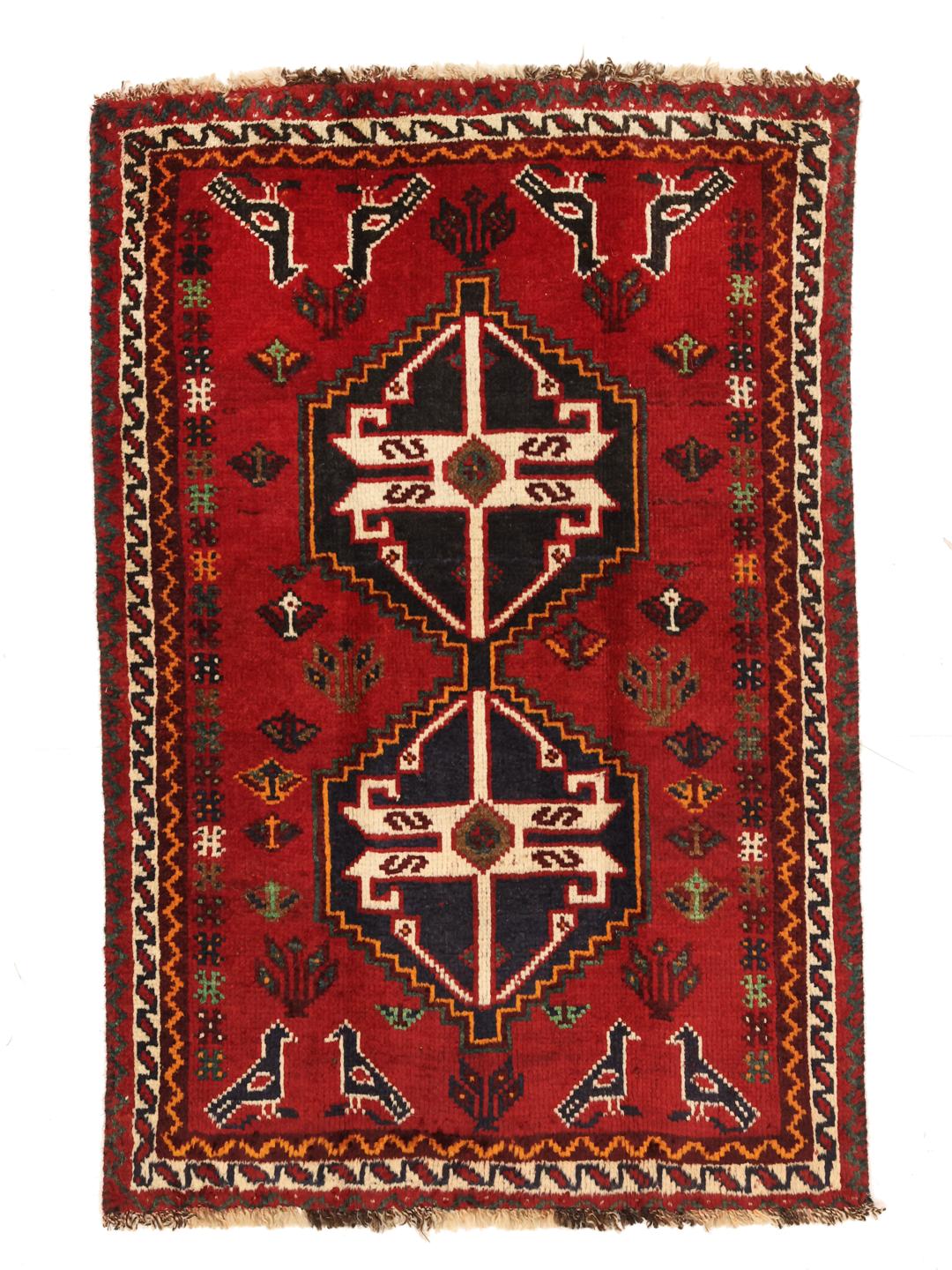
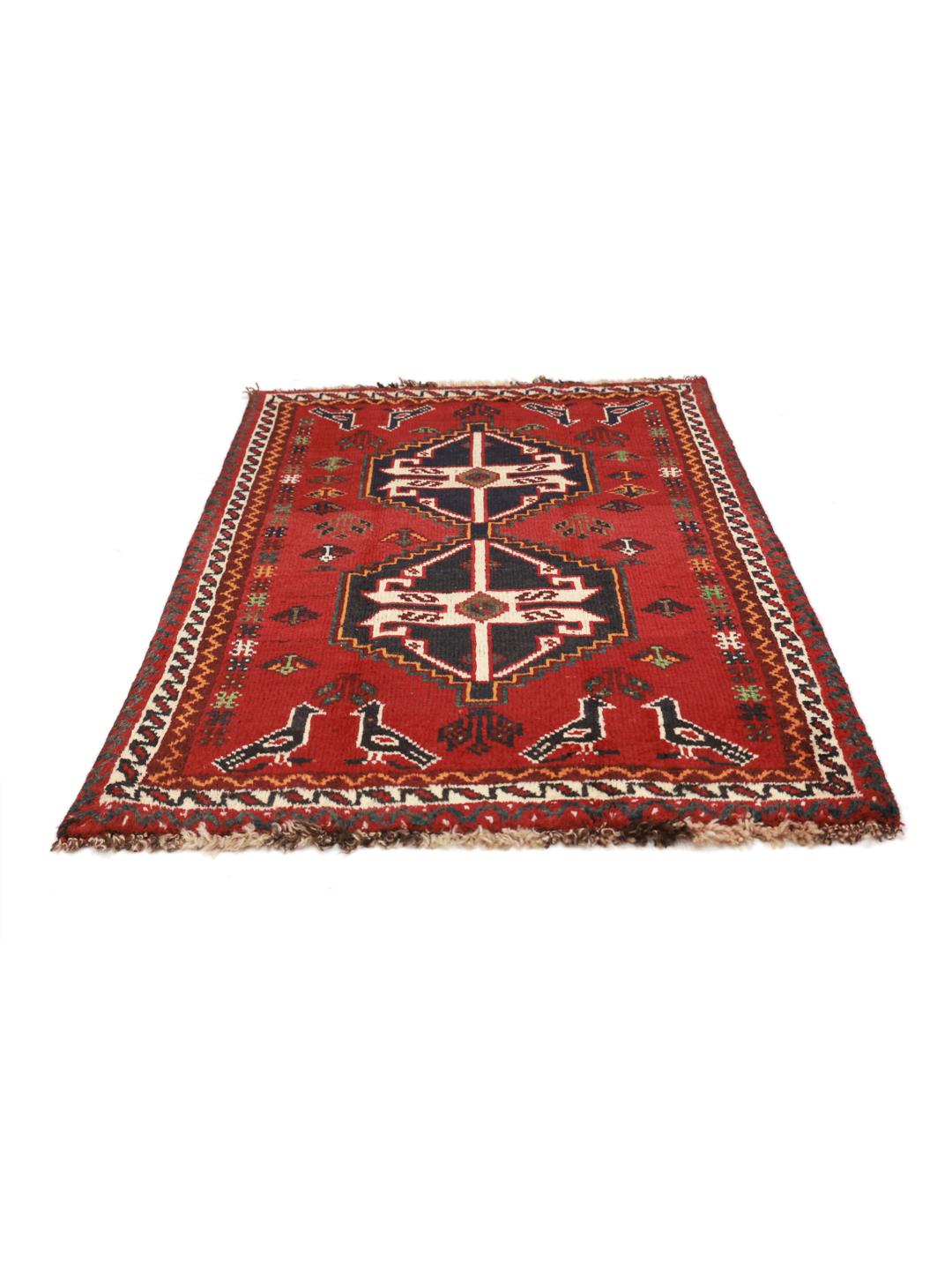
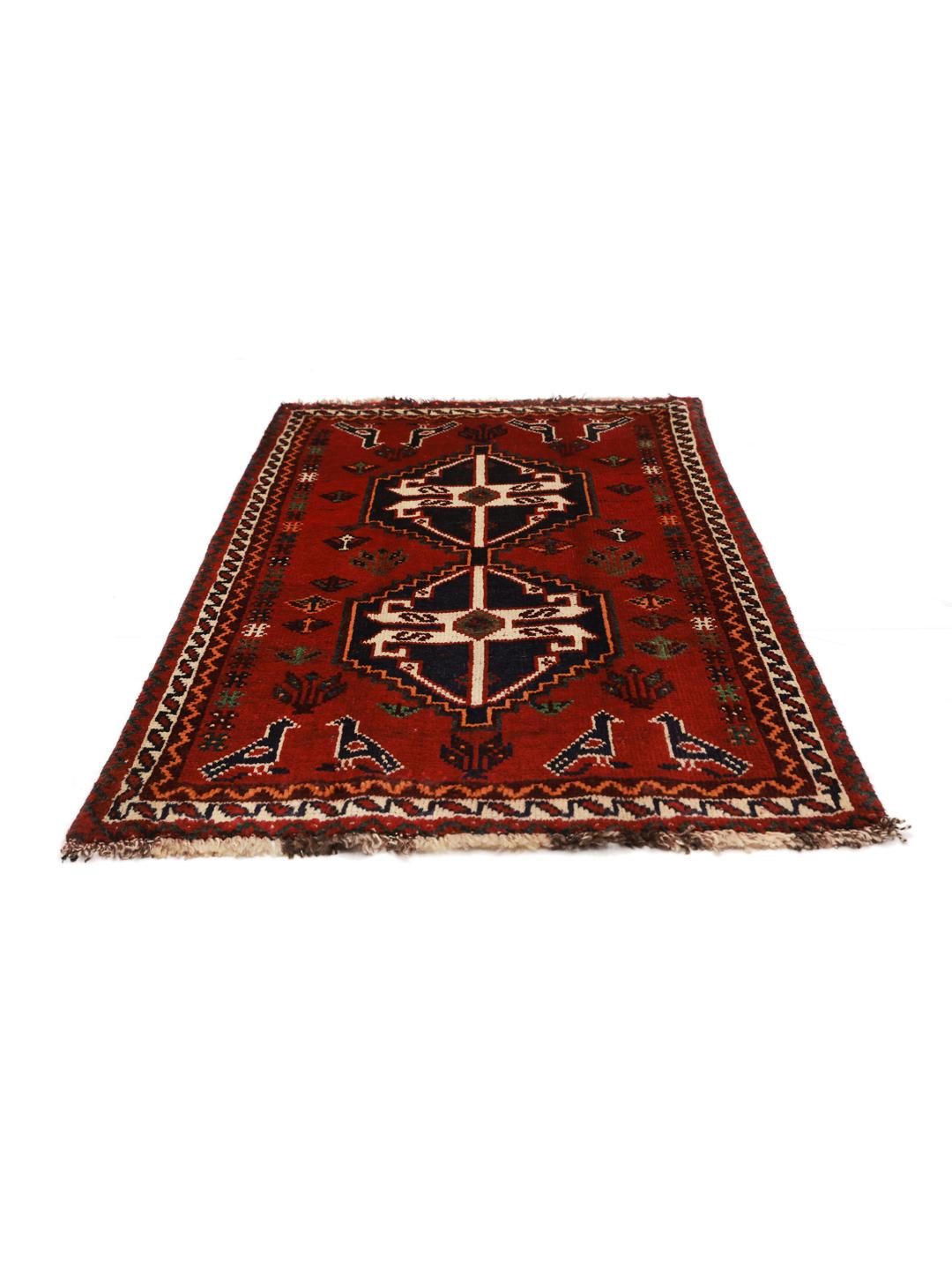
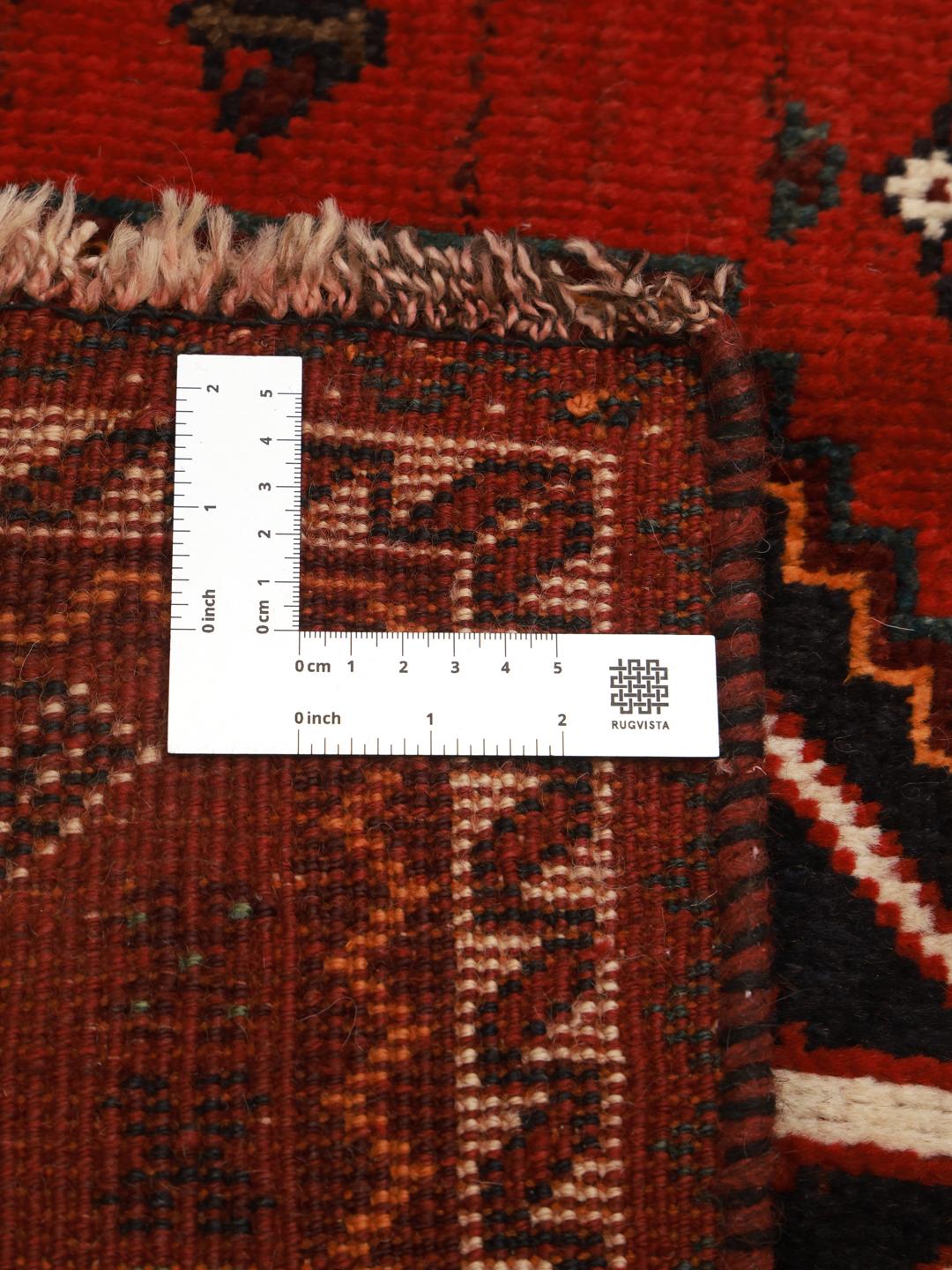
The Ghashghai rugs originate from the nomadic tribes of the Middle East, a region with a deep and storied history of textile weaving. These tribes have traditionally moved across the landscape, carrying their looms with them and weaving rugs that reflect the natural world and the cultural stories of their people. This history of migration and adaptation has allowed the Qashqai tradition to evolve into one of the most recognisable and respected styles in the world of hand-knotted rugs.
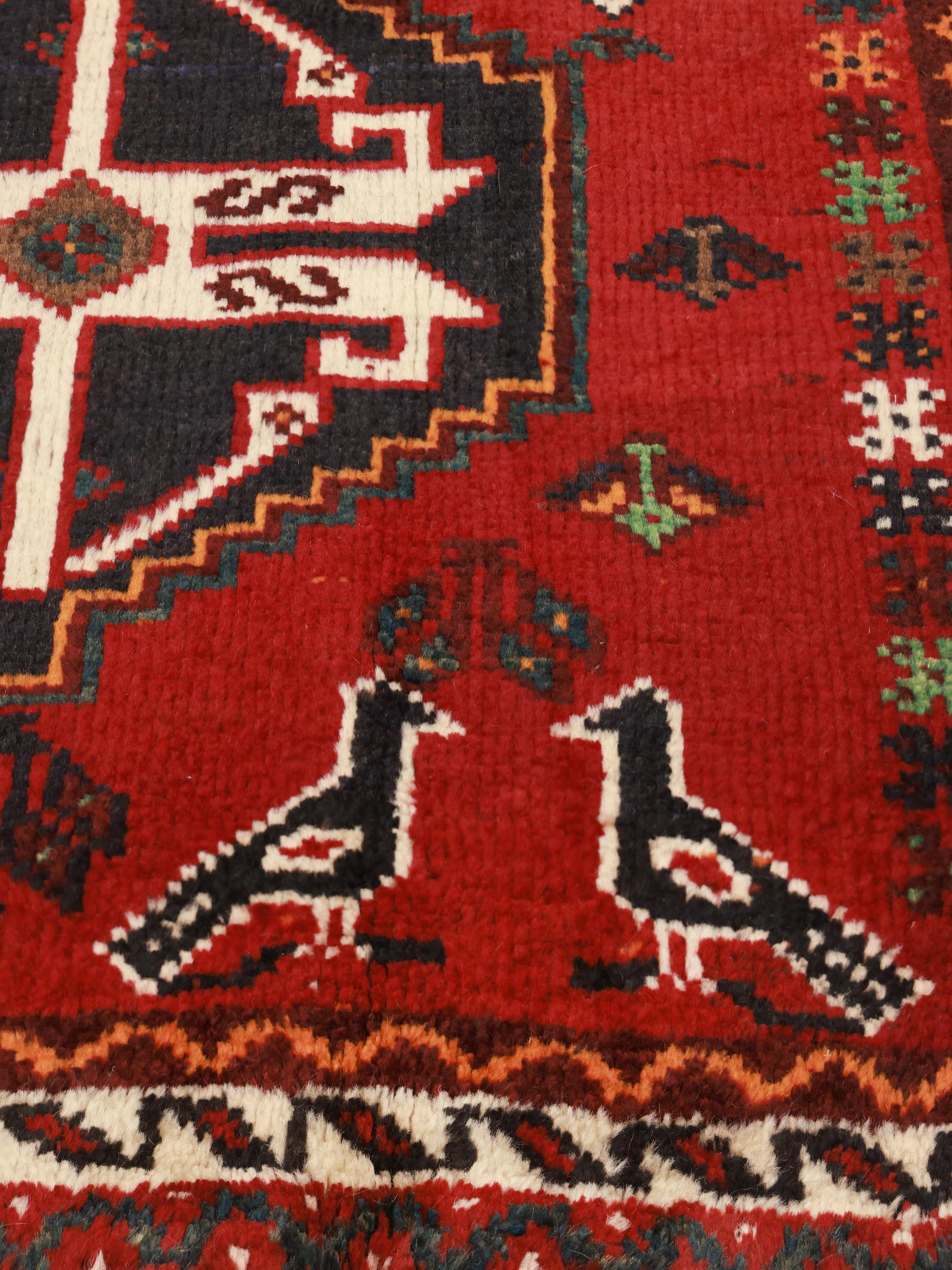
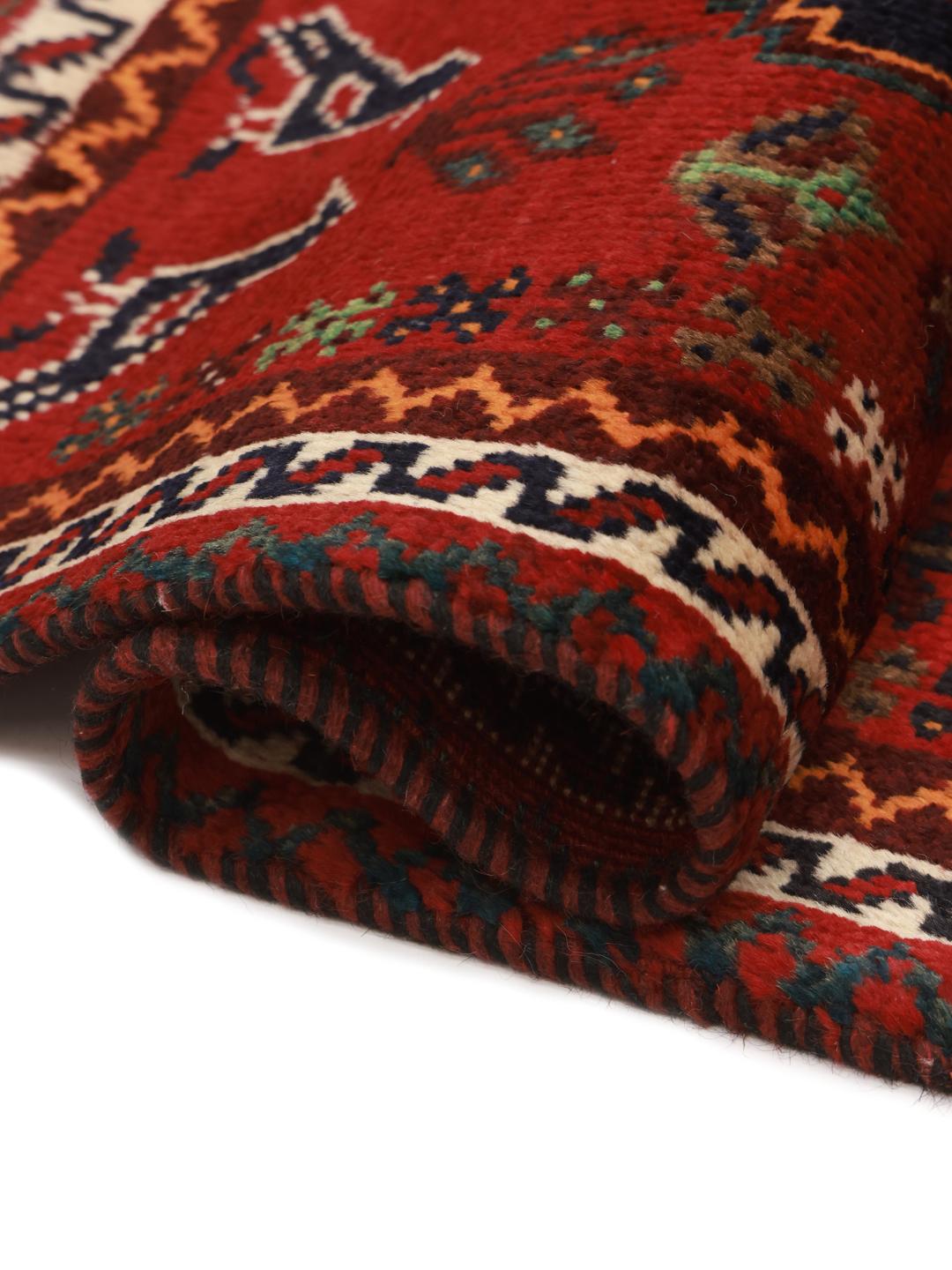
The craft is defined by the use of high-quality wool, often sourced from the tribes' own flocks, which is then hand-spun to create a durable and lustrous pile. When you see a rug from this tradition, you are looking at a process that balances technical skill with spontaneous artistic expression. The weavers do not work from a printed pattern, but rather from memory and tradition, which allows for the small, delightful variations that make every single rug an original work of art.
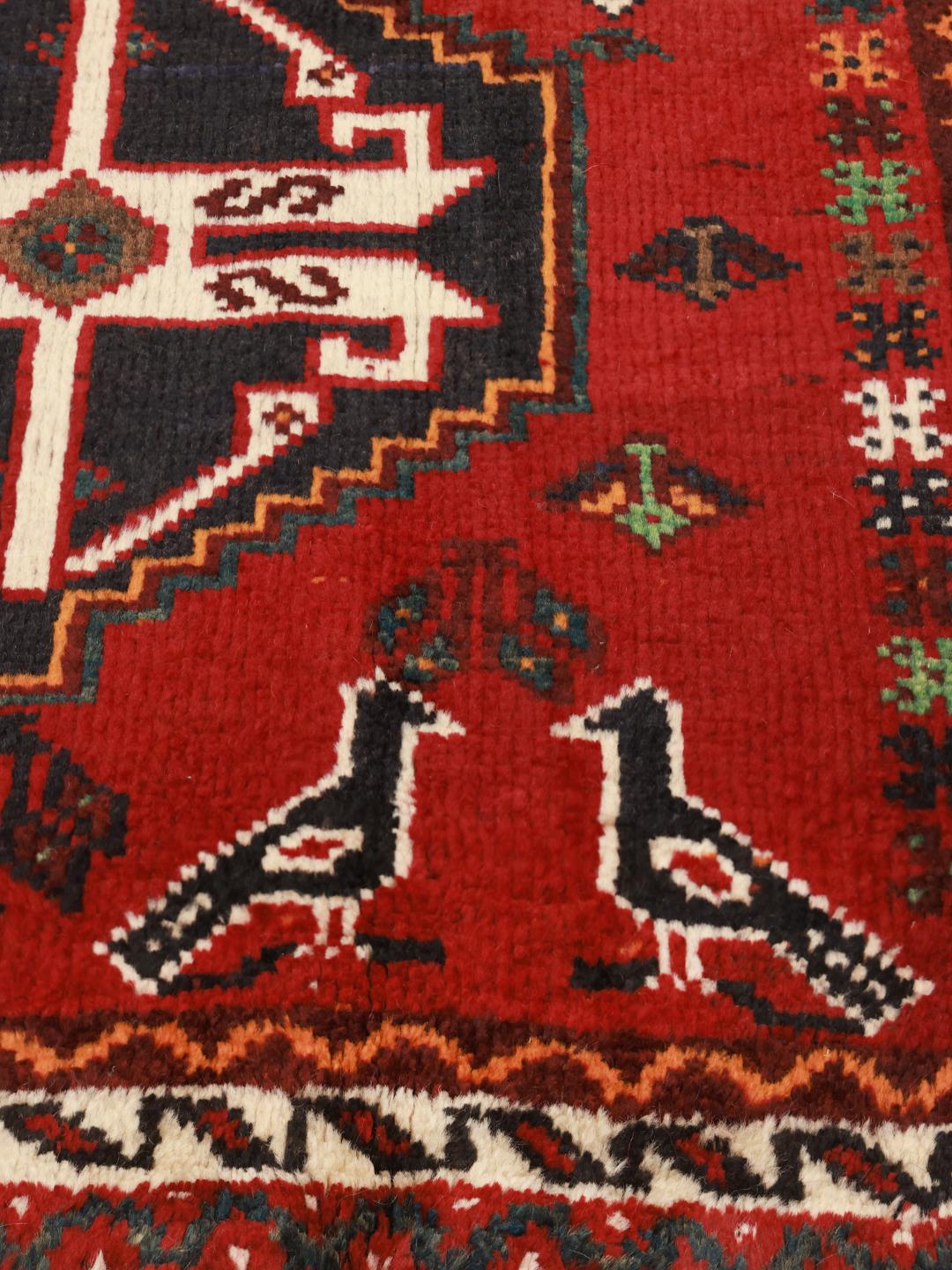
Signature design elements of these rugs include the use of bold, geometric medallions and stylised pictorial motifs such as birds, flowers, and animals. The colours are traditionally derived from natural dyes, giving the rugs an earthy, vibrant quality that remains rich over time. The formal, decorative borders that frame these rugs serve to contain the energetic, often whimsical patterns found in the central field, creating a visual balance that is both sophisticated and approachable.
Collecting a Ghashghai rug is an act of preserving a piece of cultural history. These rugs are valued not only for their aesthetic beauty but for the immense skill required to produce them under nomadic conditions. Owning one is a way to celebrate human ingenuity and the endurance of craft, ensuring that these ancient techniques continue to be appreciated and honoured in homes around the world.