The Qashqai rugs originate from the nomadic tribes of the Middle East, a region with a deep-seated history of textile weaving that spans centuries. These rugs are traditionally created by the Qashqai people, a confederation of nomadic tribes who migrated across the rugged landscapes, carrying their looms and traditions with them. This nomadic lifestyle has profoundly influenced the aesthetic of their rugs, which often serve as portable expressions of cultural identity and familial history.
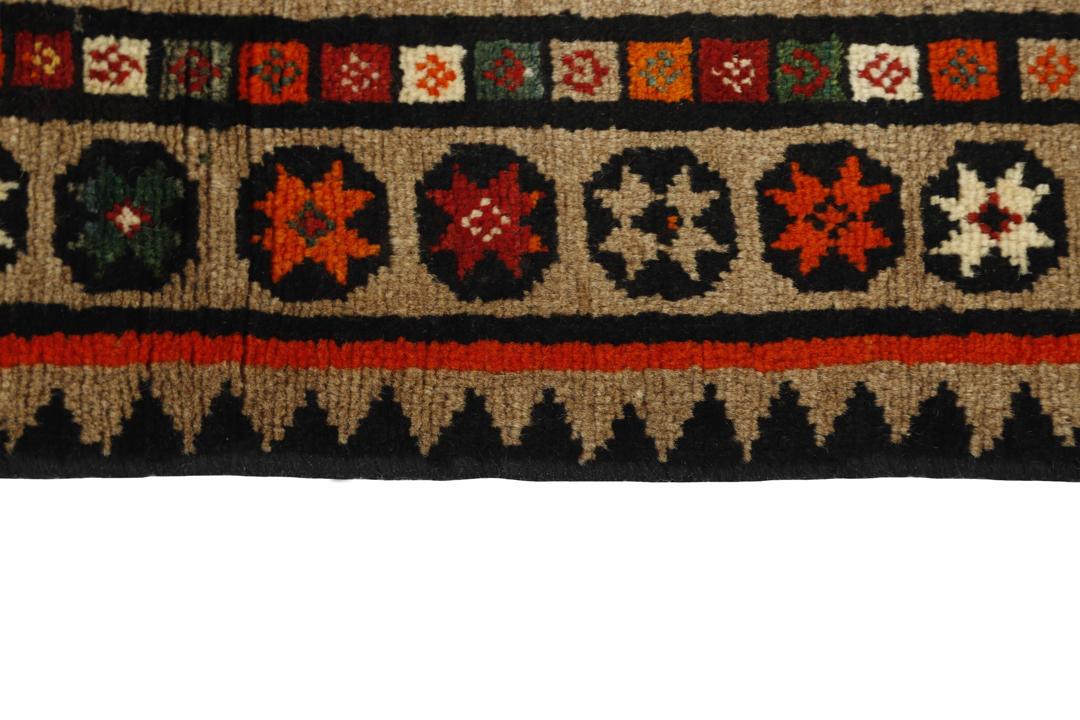
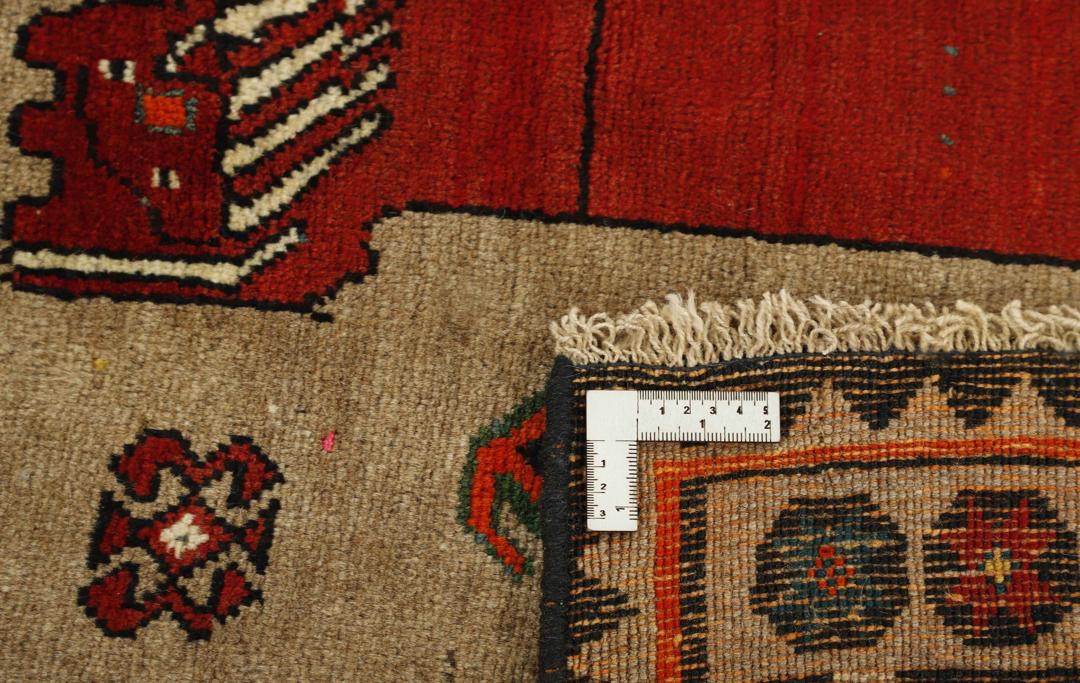
A defining characteristic of these rugs is the use of wool for both the pile and the foundation, resulting in a flexible yet sturdy construction that was historically suited to the needs of tribal life. The term hand-knotted refers to the specific technique where artisans tie individual knots onto the warp threads, a method that allows for complex, fluid designs and a durable finish. This traditional craft requires immense patience and skill, with each weaver learning the patterns and techniques passed down through generations.
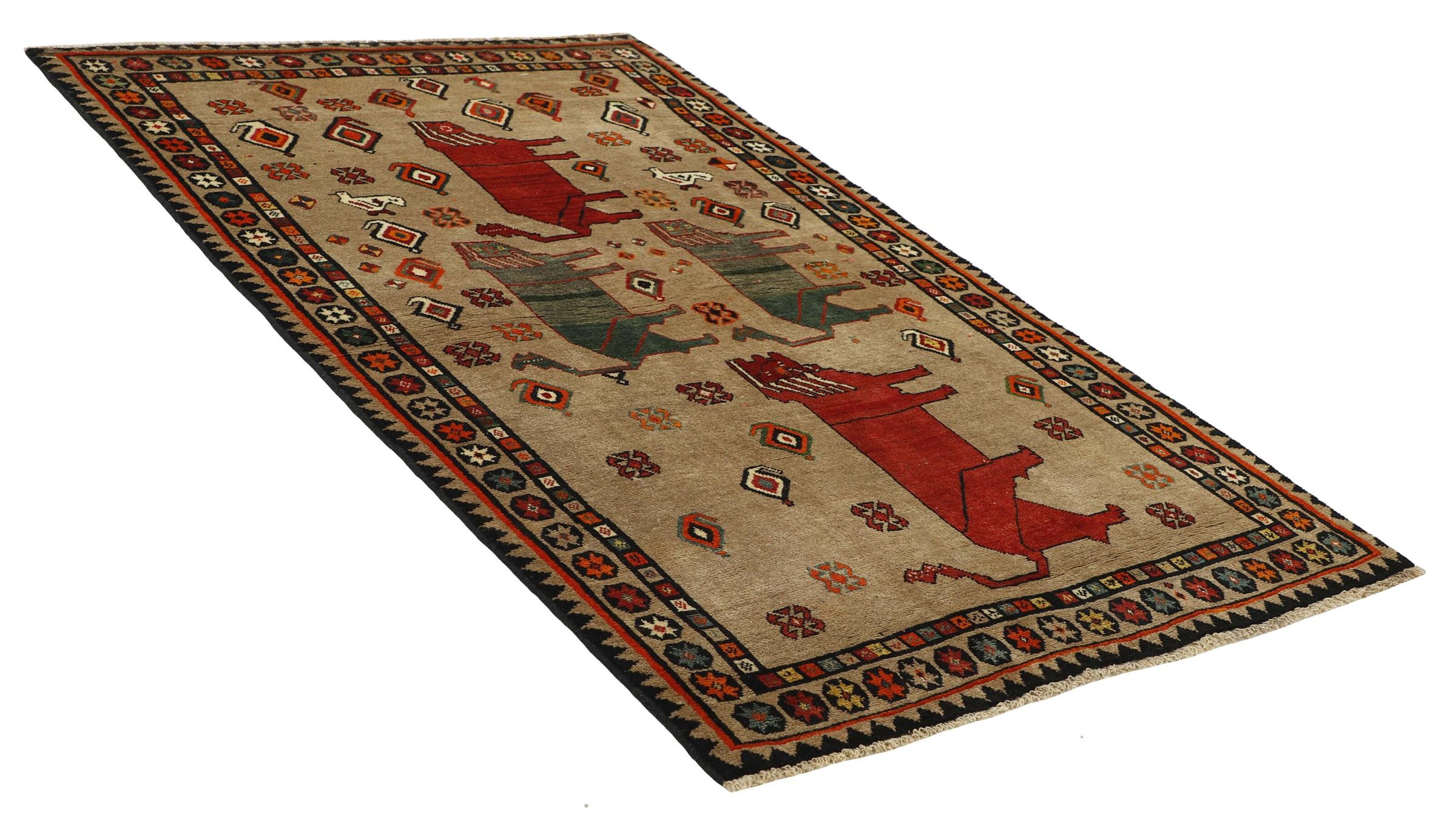
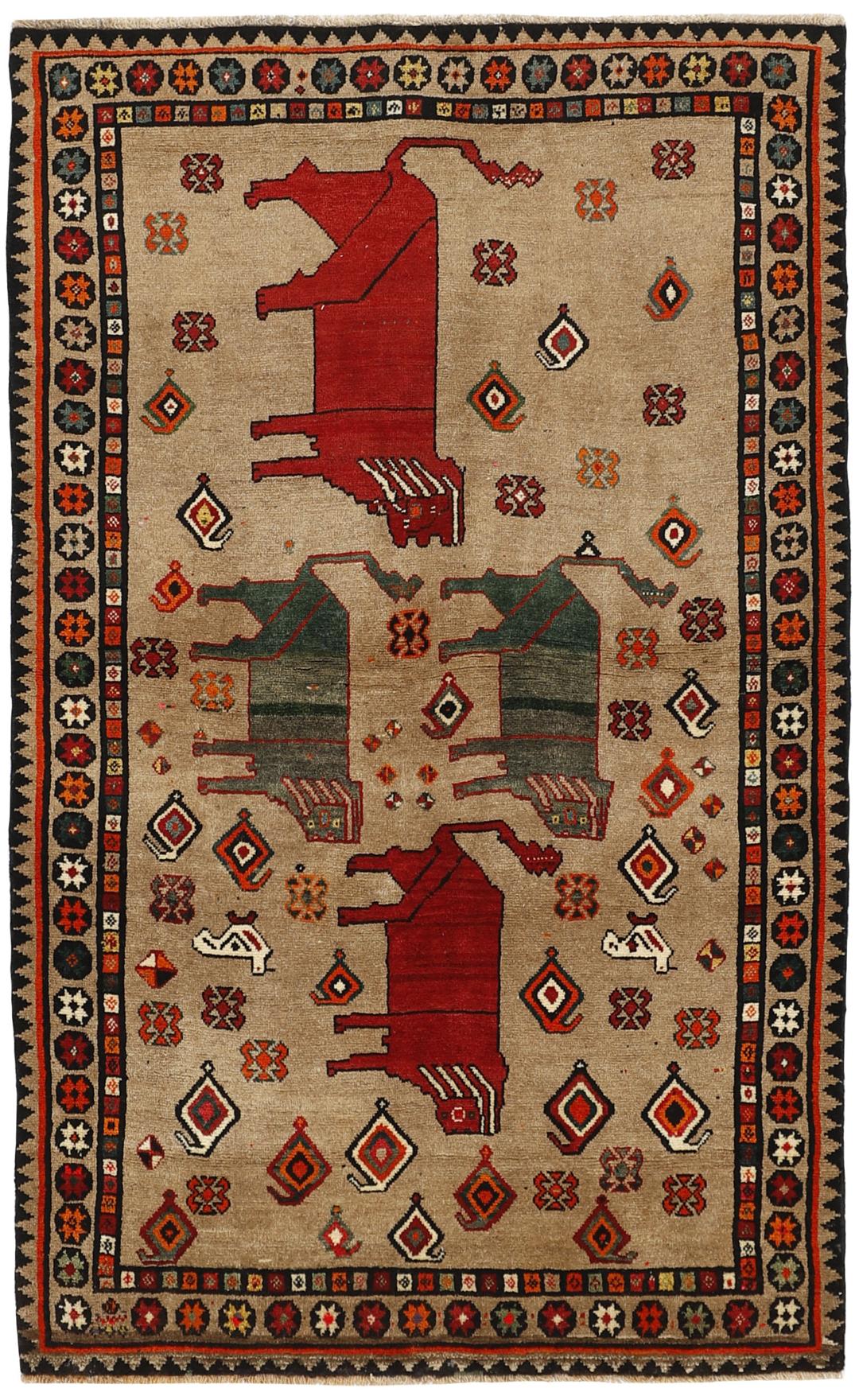
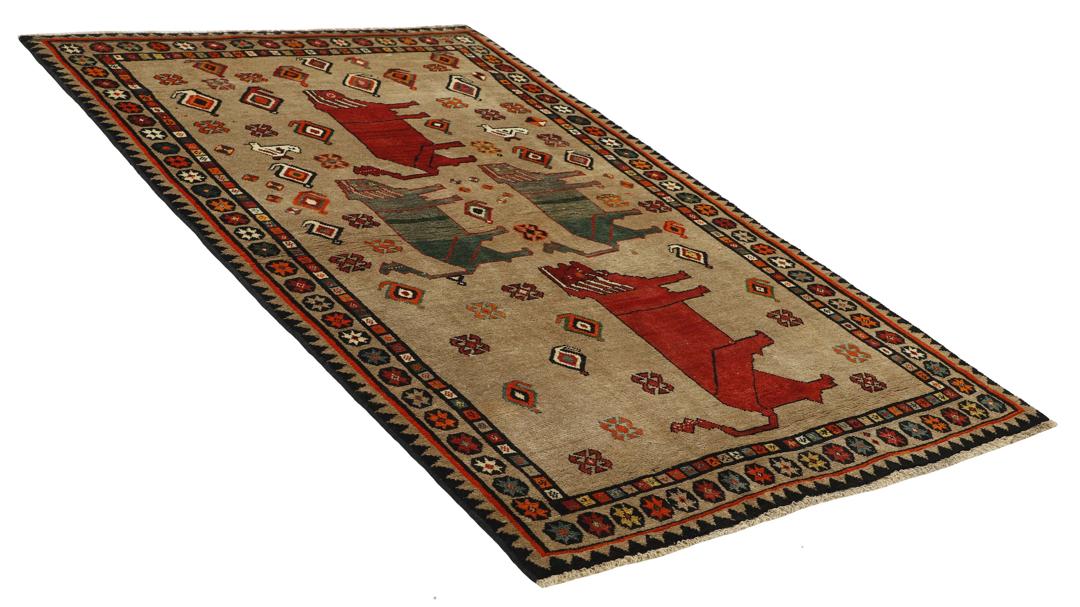
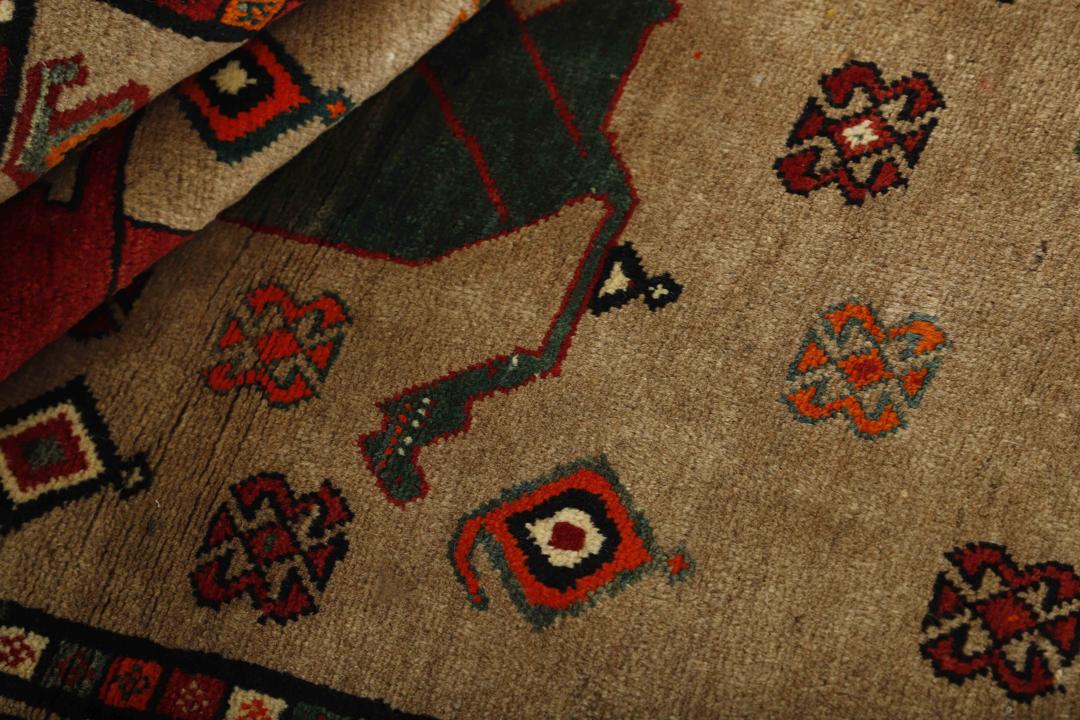
Visually, Qashqai rugs are celebrated for their bold, spontaneous design language. While many pieces incorporate the signature medallion or geometric borders, it is common to find pictorial elements, such as the stylised animals seen here, which are inspired by the natural world and the daily environment of the weavers. The vibrant use of colour, often derived from natural dyes, creates a lively and expressive surface that distinguishes these rugs from more formal, court-style weavings.
Today, Qashqai rugs are highly sought after by collectors and enthusiasts who value the authentic connection to nomadic heritage. Owning one of these pieces is more than just a decor choice; it is an act of preserving a traditional art form that relies on human intuition and manual skill. Because they are not produced from rigid templates, each rug serves as a unique narrative of the weaver's life and the enduring spirit of their craft.