The Ghashghai people are a confederation of nomadic tribes from the mountainous regions of the Middle East. For centuries, these artisans have moved with the seasons, carrying their looms with them to create textiles that serve both functional and expressive purposes. Their rugs are deeply rooted in the harsh but beautiful landscapes of their homeland, reflecting the colours and symbols of their environment.
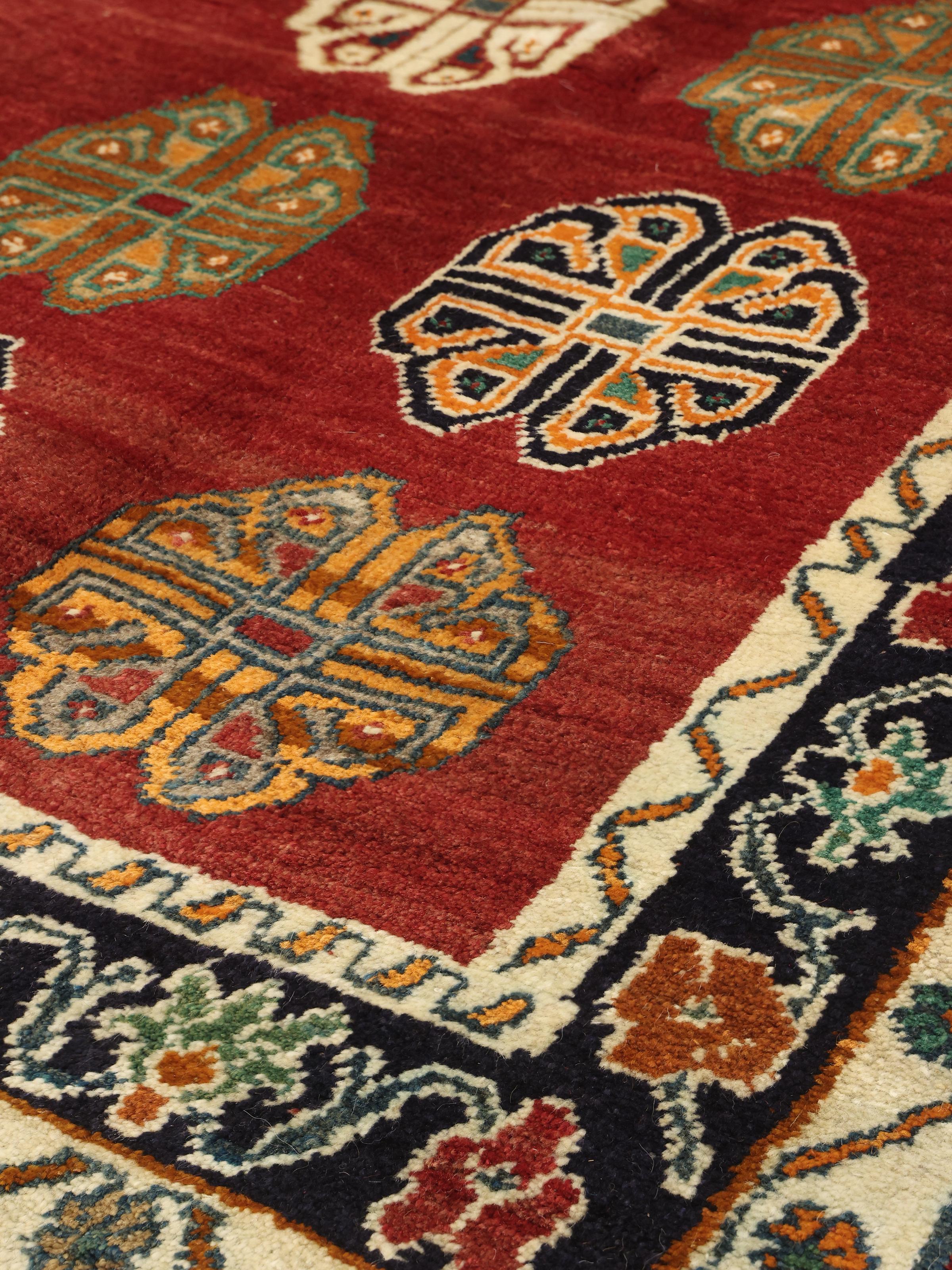
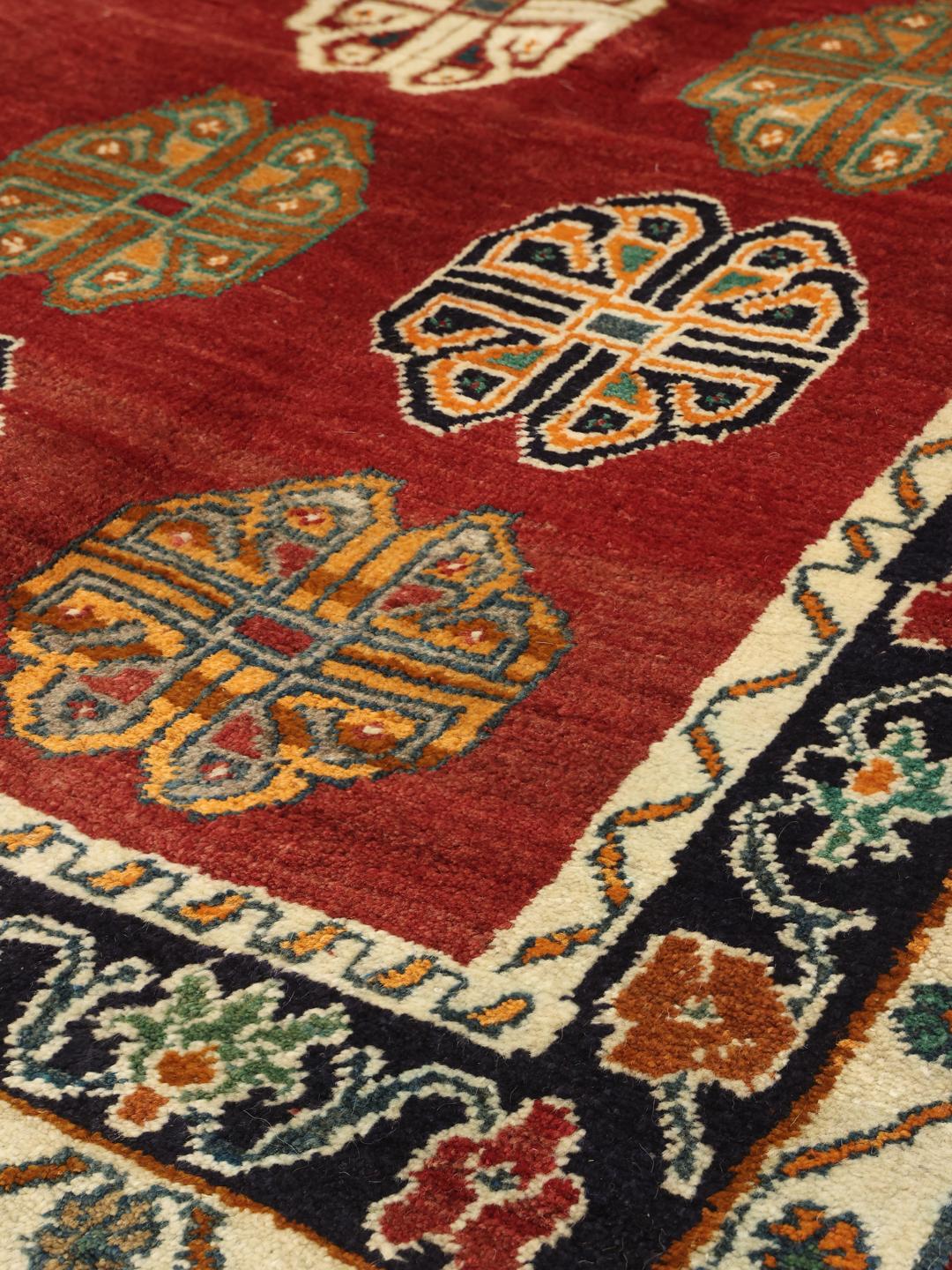
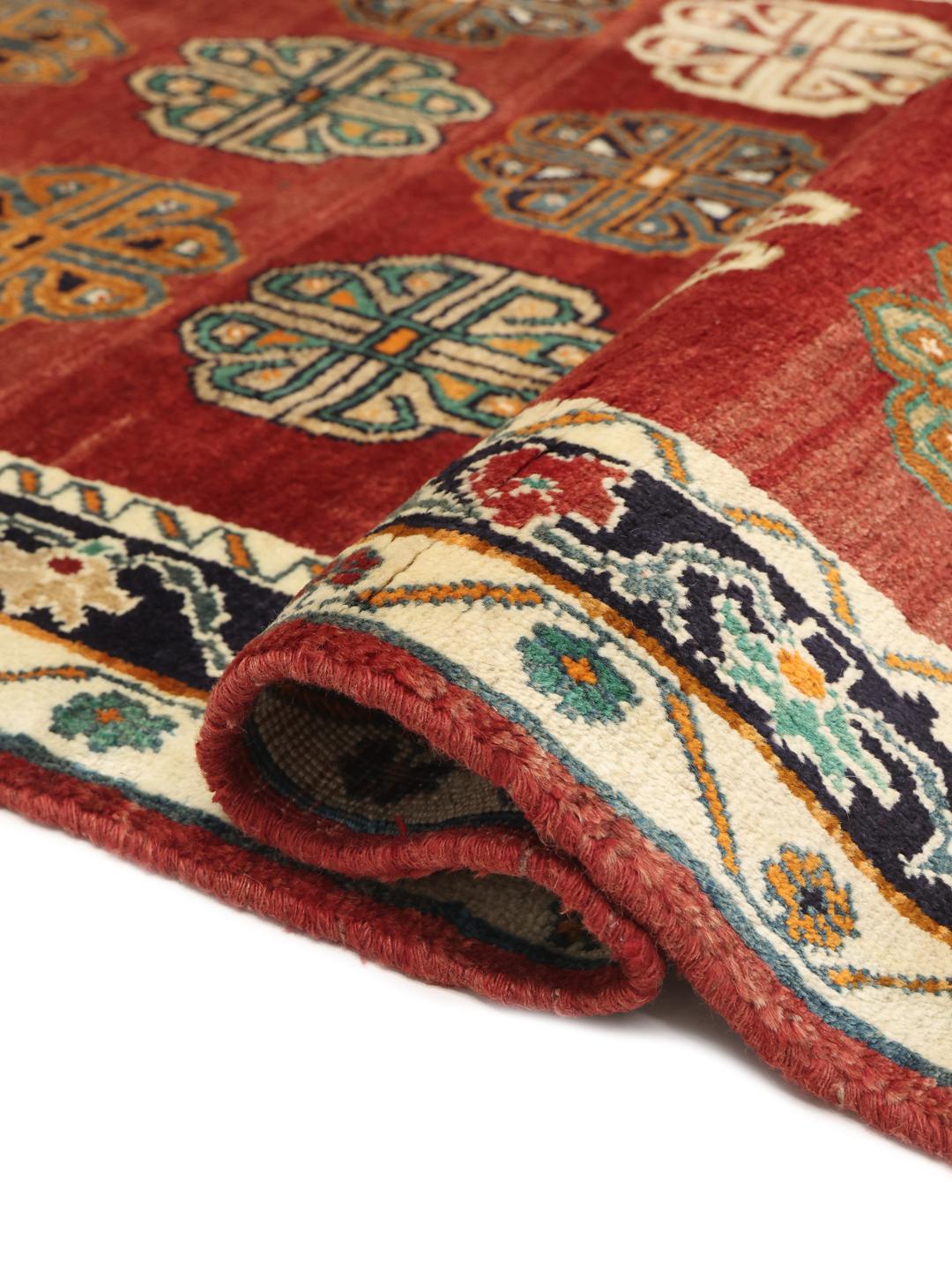
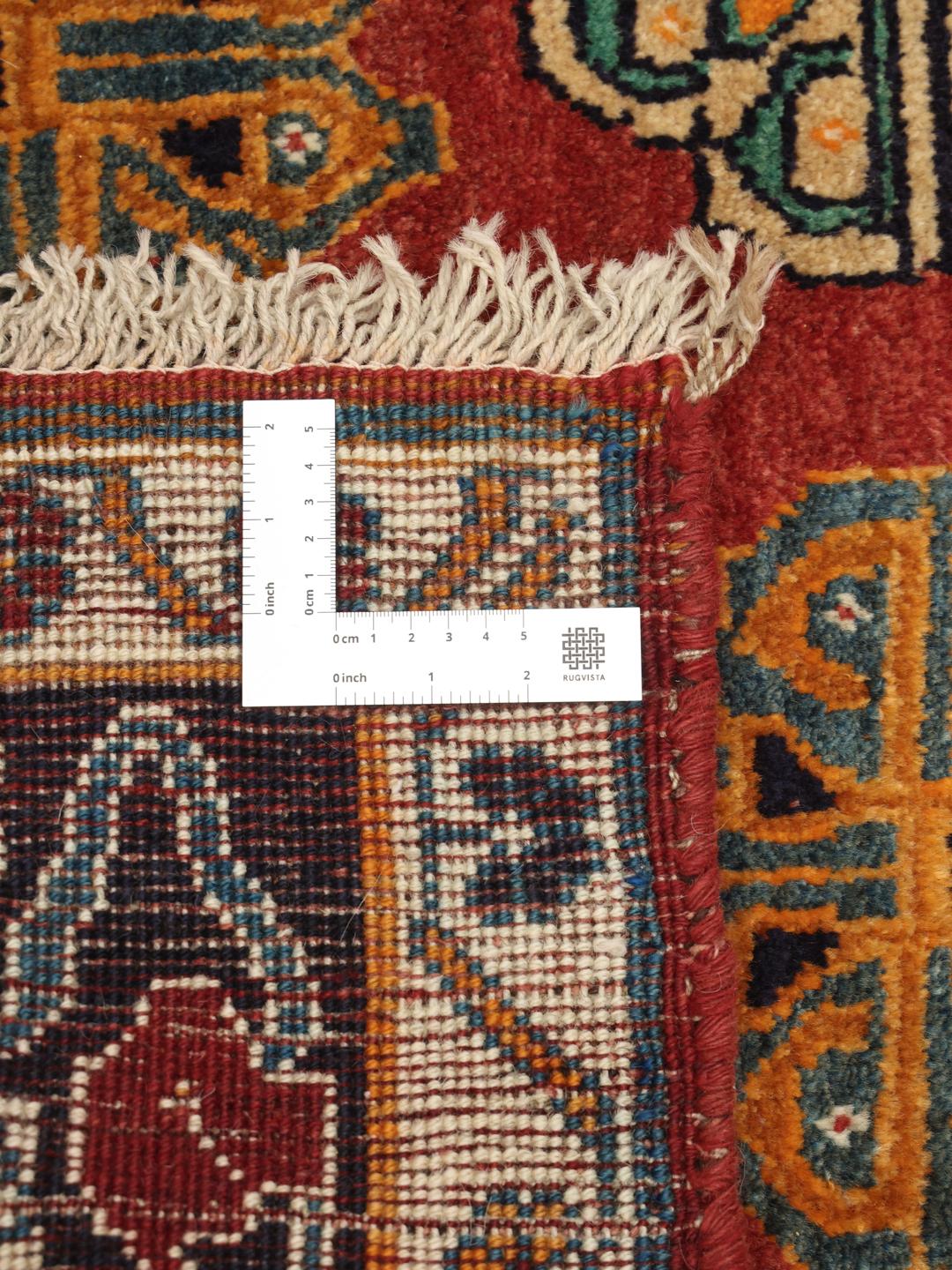
The term 'hand-knotted' refers to the traditional method where each individual knot is tied by hand around the warp and weft threads. This technique is the gold standard for rug quality, as it creates a pile that is incredibly dense and resistant to wear. Unlike mass-produced alternatives, this method allows for complex, intricate designs that are embedded directly into the structure of the rug.
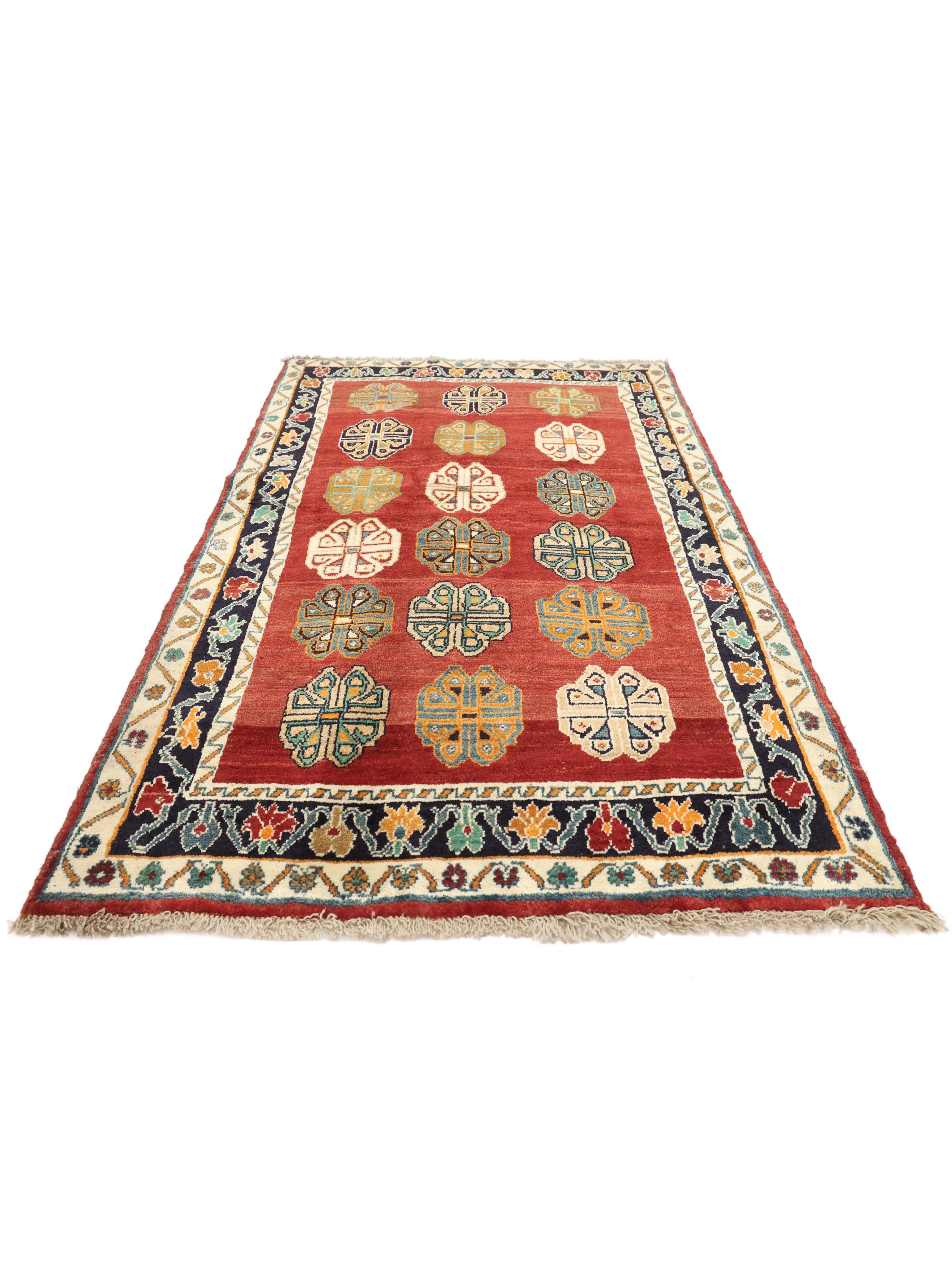
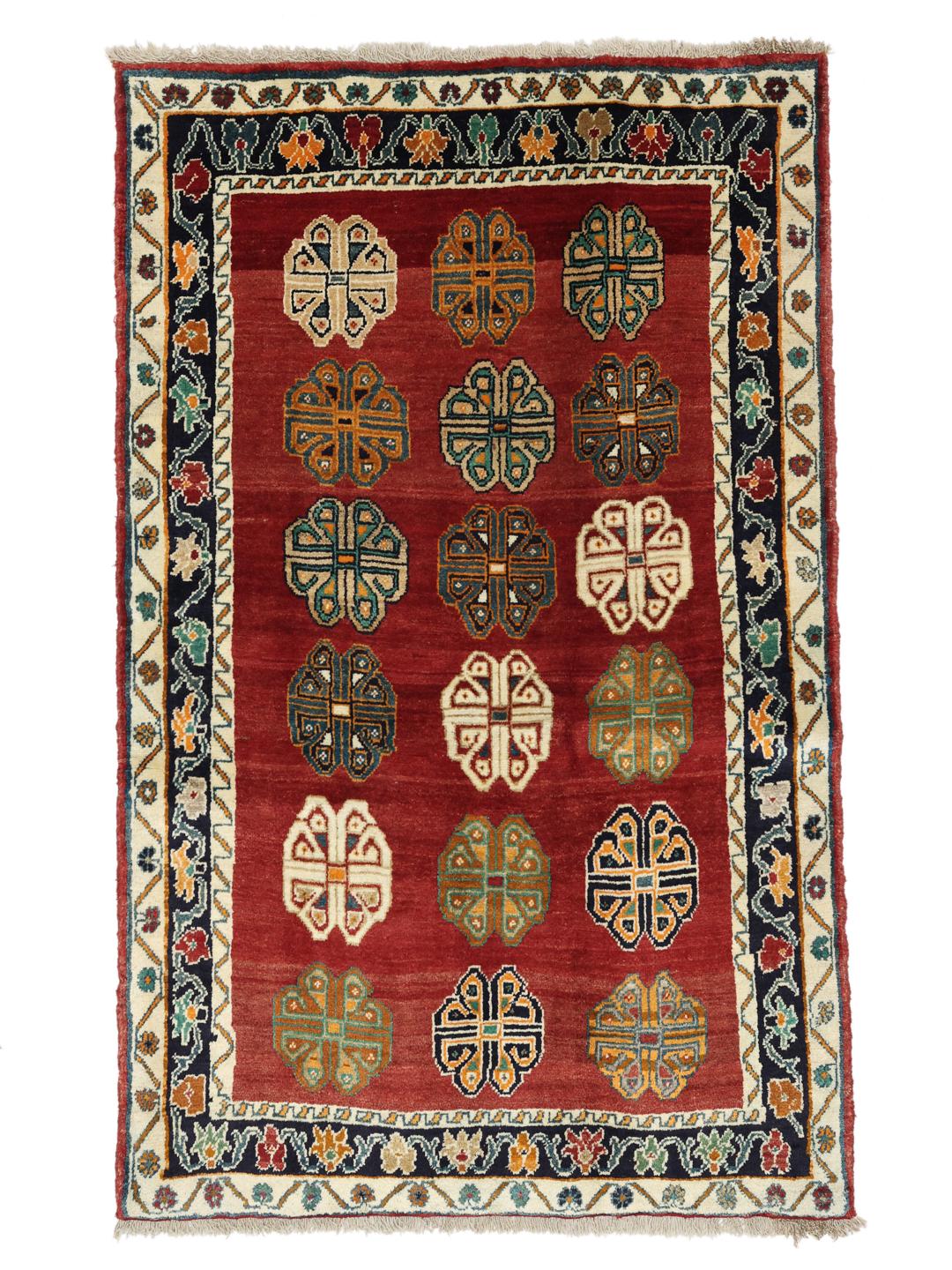
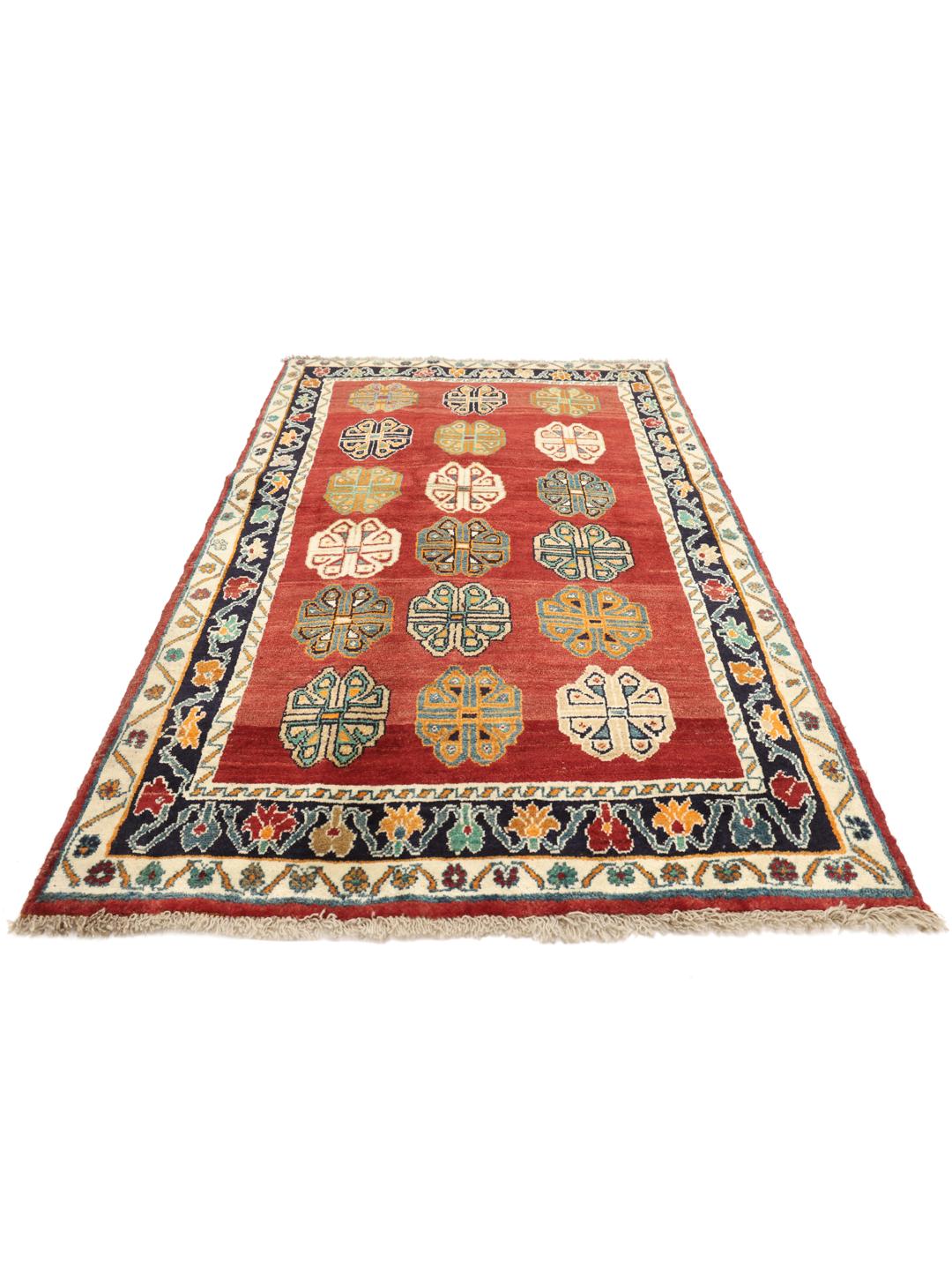
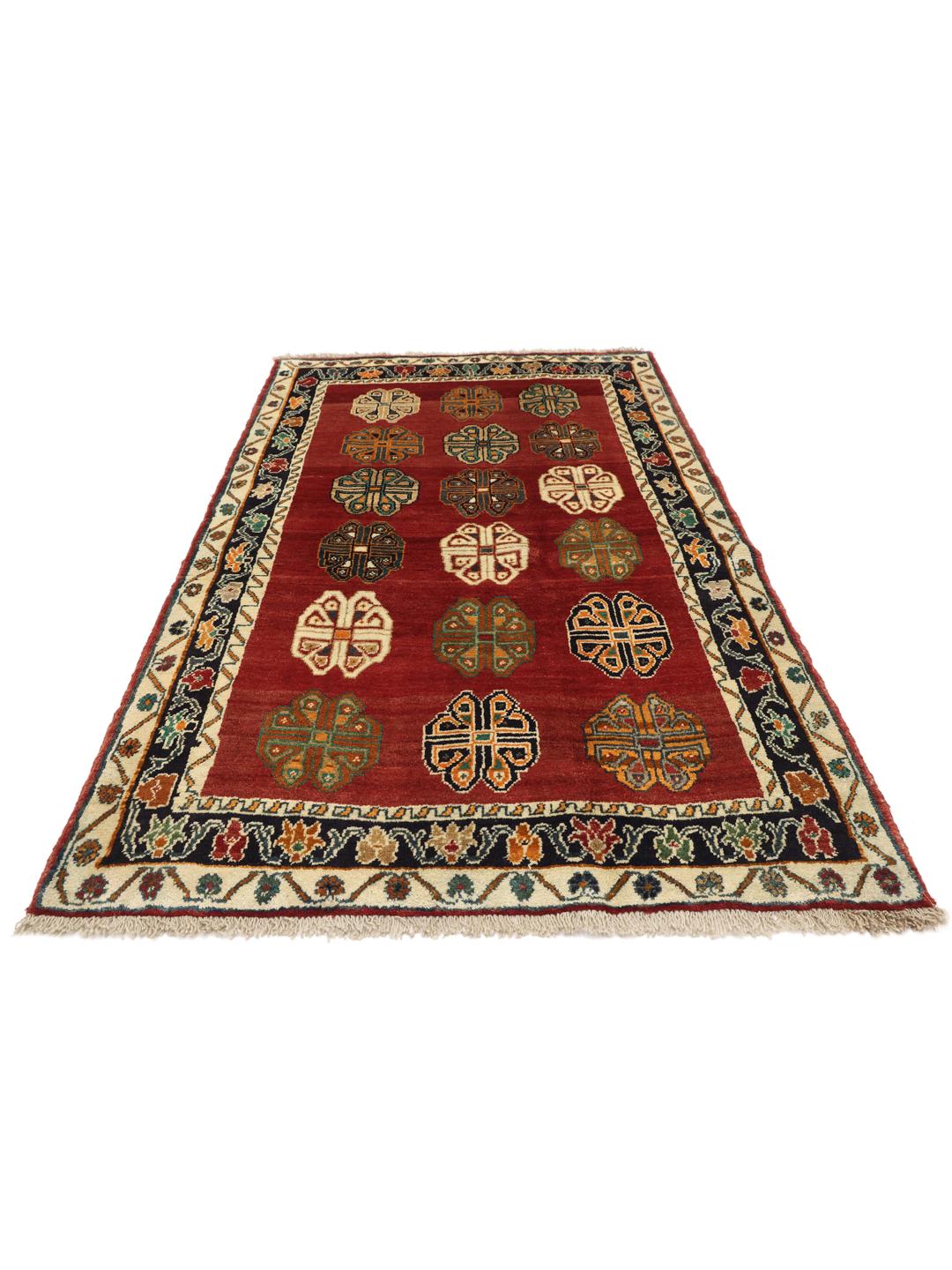
The signature design language of Ghashghai rugs is defined by geometric, stylised motifs that often represent the flora, fauna, and cultural history of the tribes. You will frequently find central medallions or repeating patterns that tell a story of the weaver's life. The use of a bold red field, as seen here, is a hallmark of this tradition, symbolising vitality and the rich natural dyes traditionally used by nomadic communities.
Collectors value these rugs for their authenticity and the human story they tell. Owning a Ghashghai piece is an investment in a living heritage that bridges the gap between ancient nomadic life and modern home interiors. It is a rare opportunity to own a piece of functional art that embodies the skill, patience, and cultural identity of its makers.