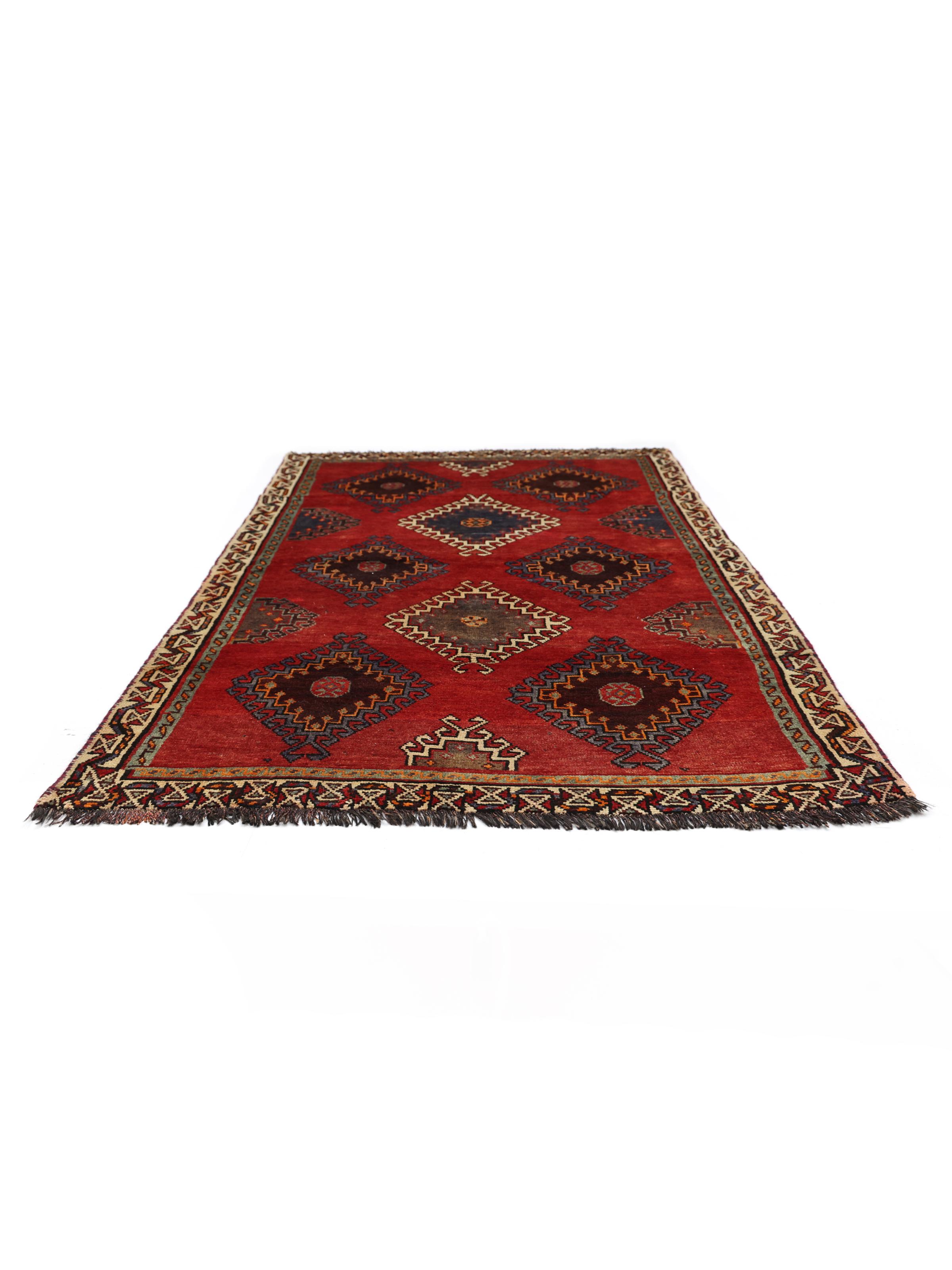
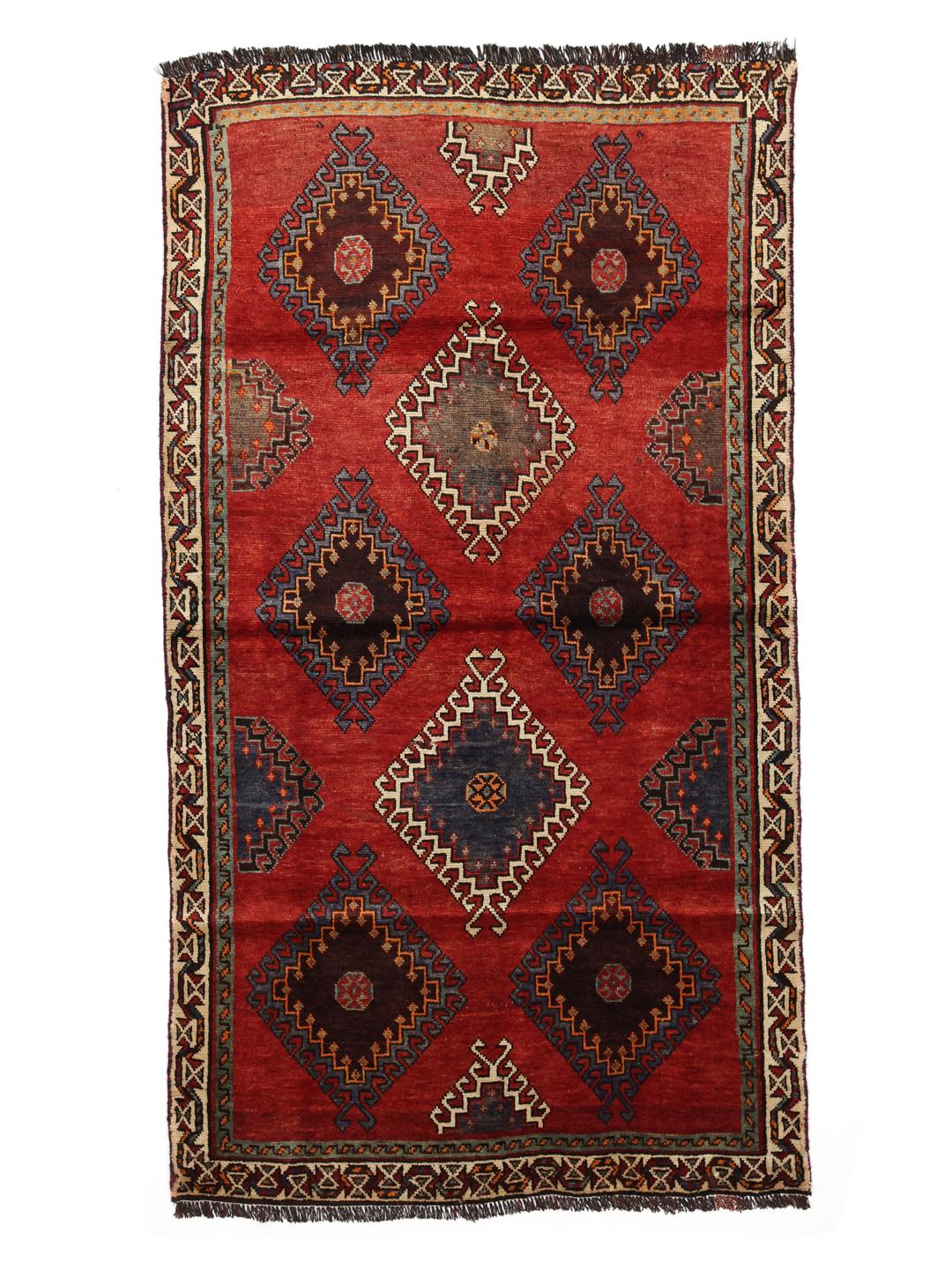
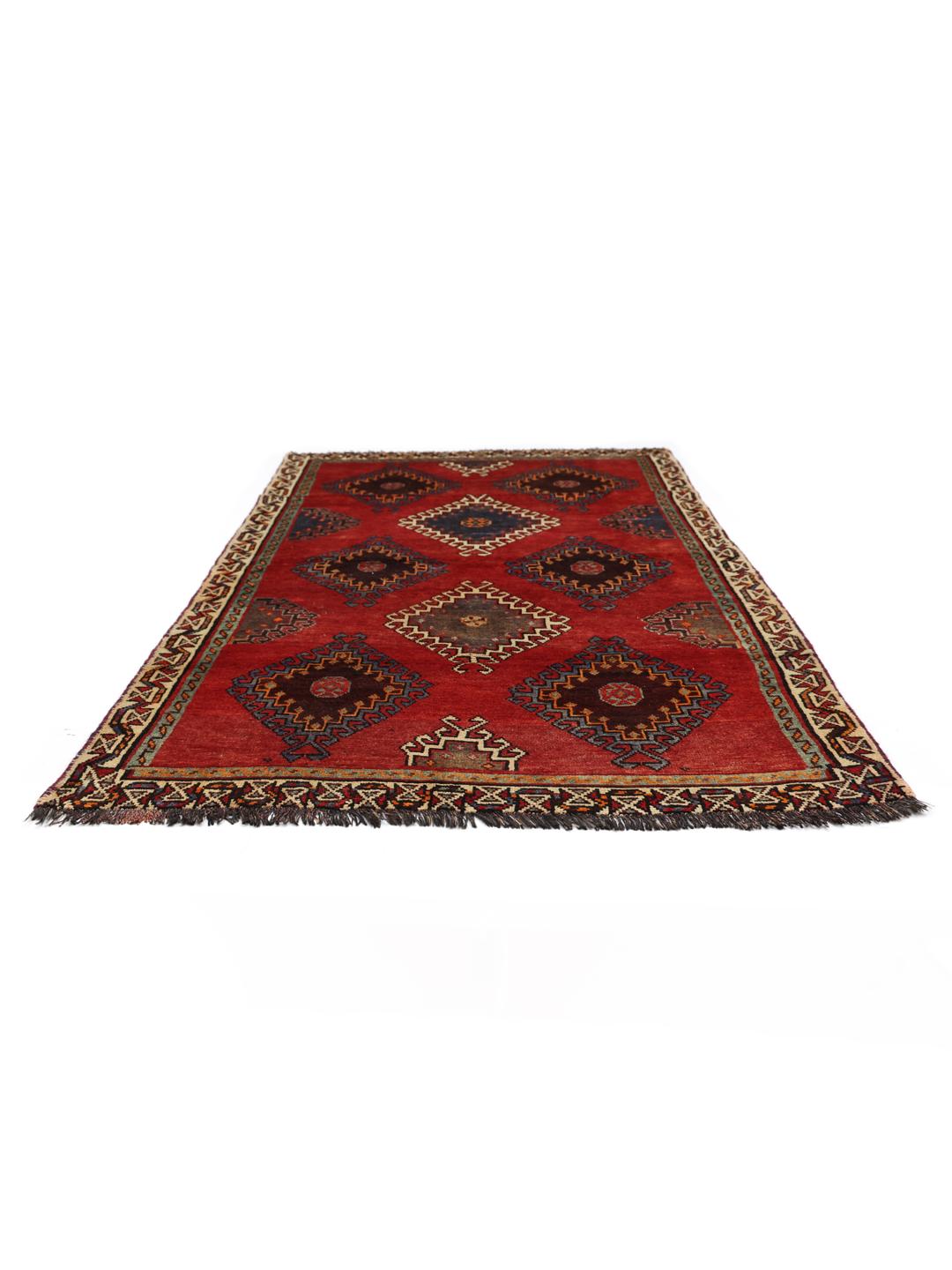
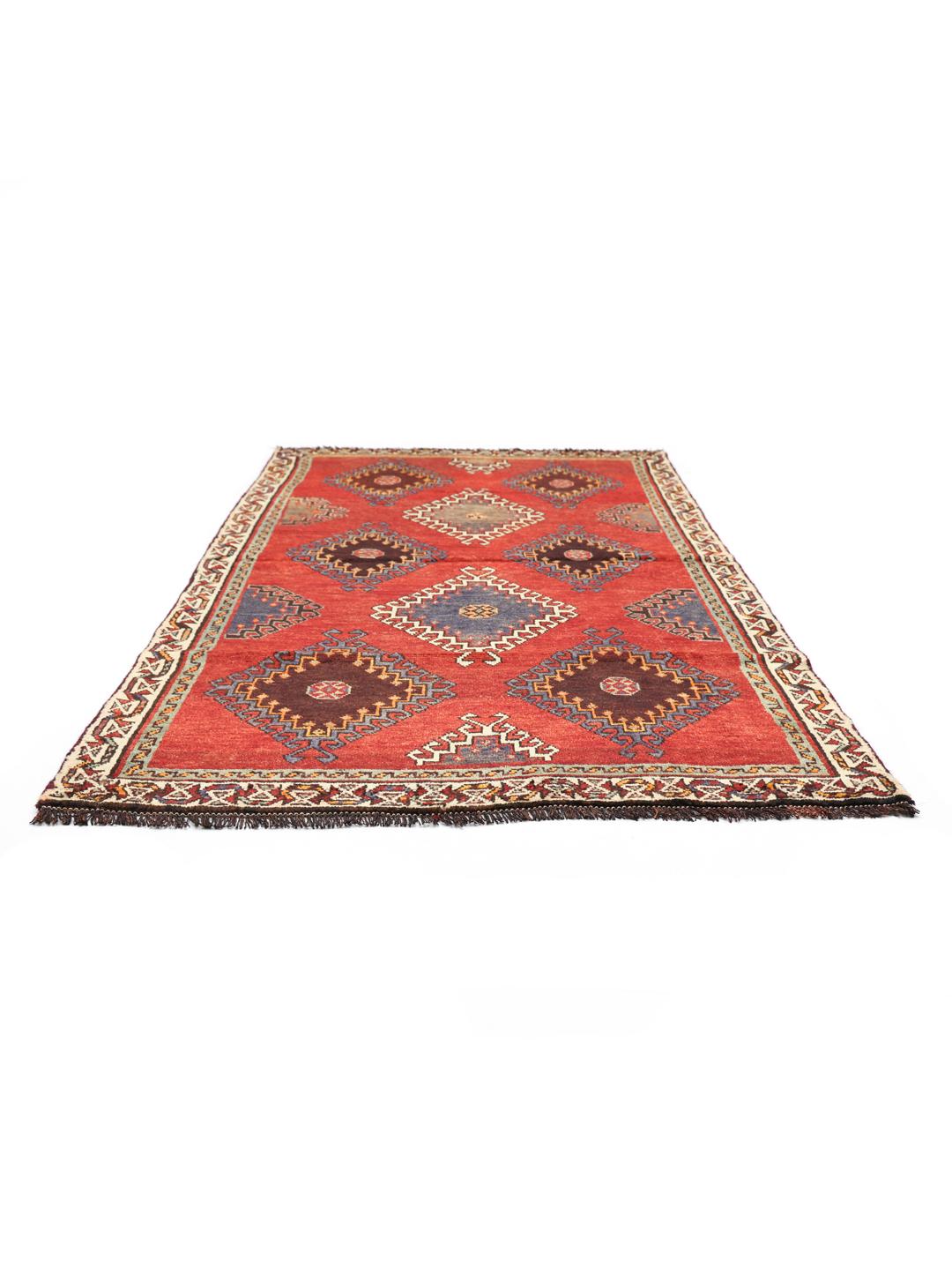
The Qashqai people are a nomadic confederation from the Middle Eastern region, known for their deep-seated weaving traditions that have been passed down through generations. These rugs are not just floor coverings but are essential components of nomadic life, historically used as tent decorations, bedding, and storage bags. The migration patterns of these tribes have influenced the evolution of their designs, blending traditional tribal motifs with the artistic sensibilities of the landscapes they traverse.
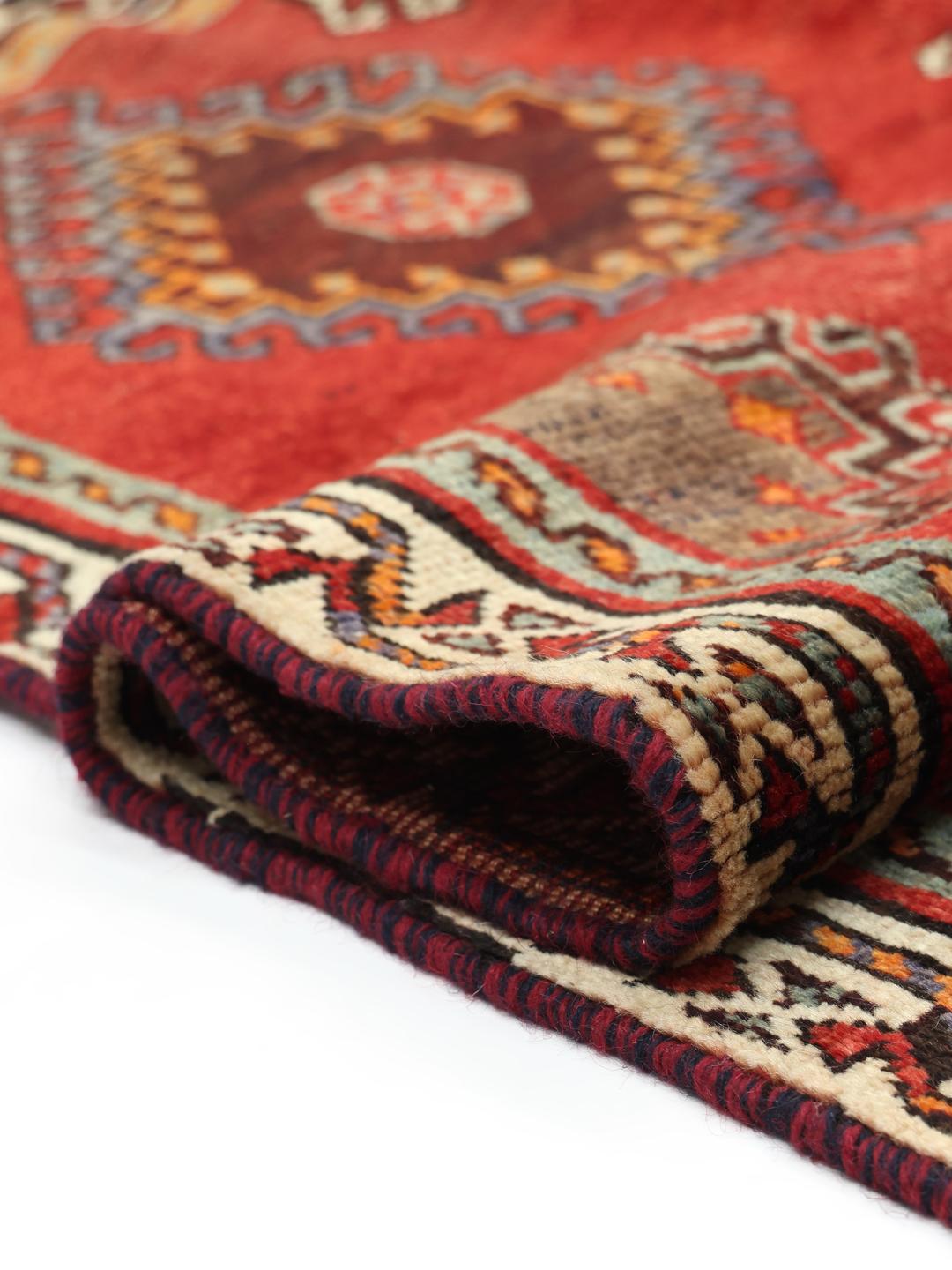
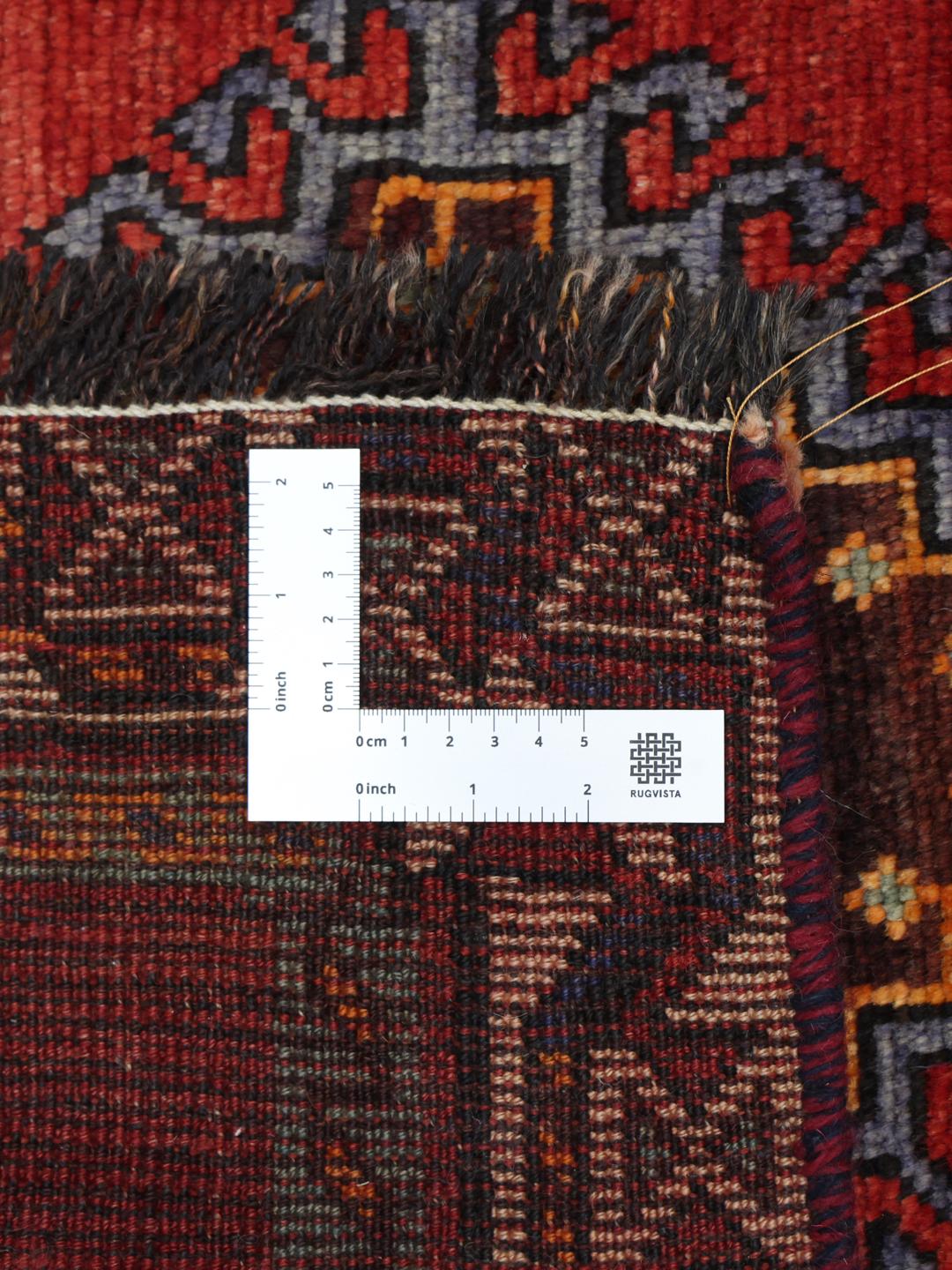
Technical terms like hand-knotted are central to the quality of Qashqai rugs. By tying each strand of wool individually onto the warp and weft foundation, artisans create a dense and resilient pile that is far superior to machine-made alternatives. This method allows for the creation of complex, organic patterns that reflect the weaver's personal expression and the cultural history of their tribe, resulting in a product that is both functional and a work of art.
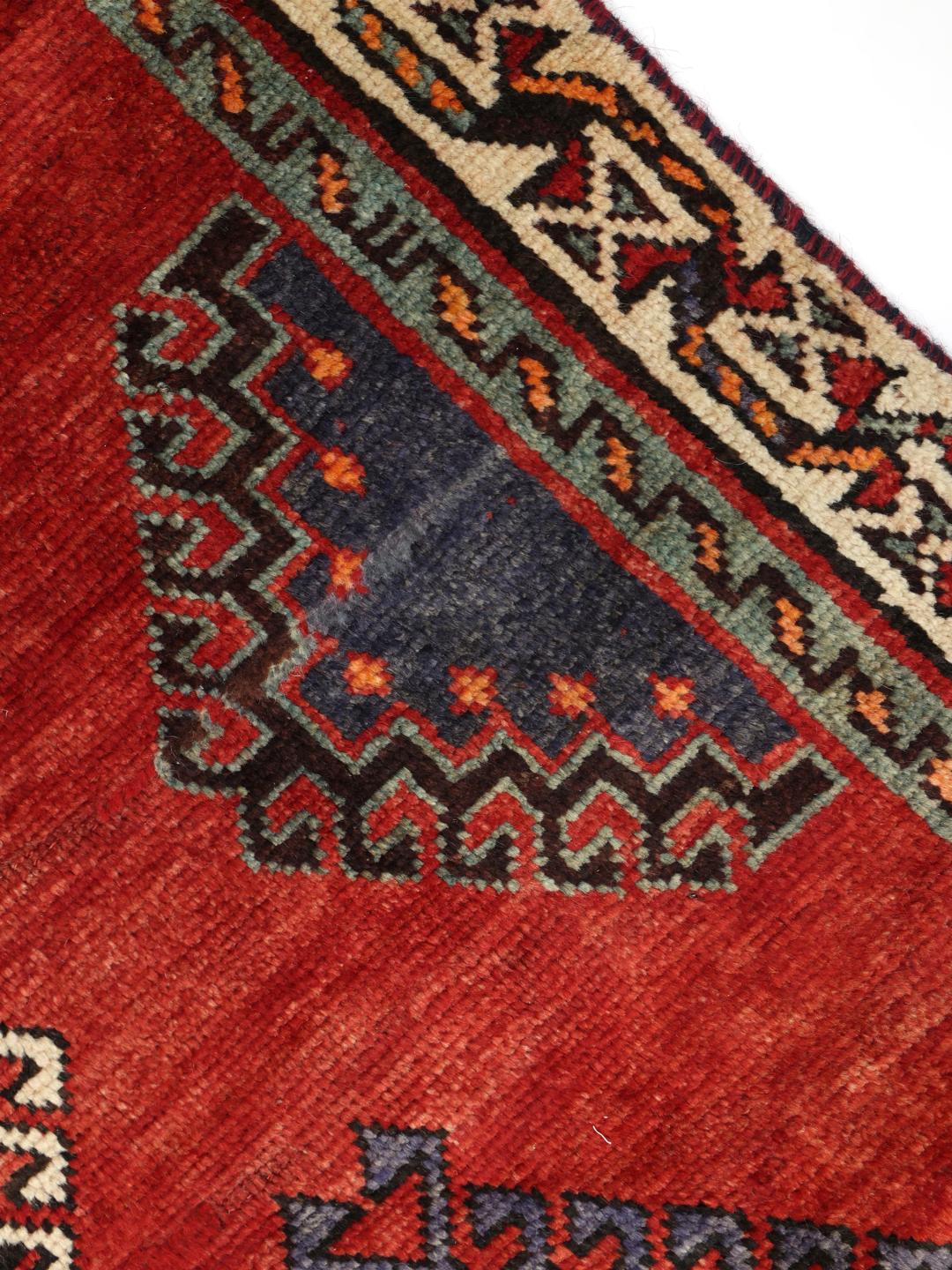
The visual language of a Qashqai rug is defined by its bold use of geometric shapes, particularly the diamond or medallion motifs that often dominate the field. These patterns are frequently arranged in a symmetrical fashion, framed by intricate borders filled with stylized flowers, birds, or tribal symbols. The use of vibrant reds, deep blues, and earthy tones is a hallmark of this tradition, creating a warm and inviting aesthetic that is immediately recognisable to collectors.
Valued for their authenticity and skill, Qashqai rugs are highly sought after by those who appreciate the intersection of heritage and craft. Each piece tells the story of the artisan's environment and the cultural legacy of the Qashqai people. Owning one of these rugs means acquiring a piece of history that continues to hold its value and beauty, serving as a testament to the enduring nature of traditional, human-centred craftsmanship.