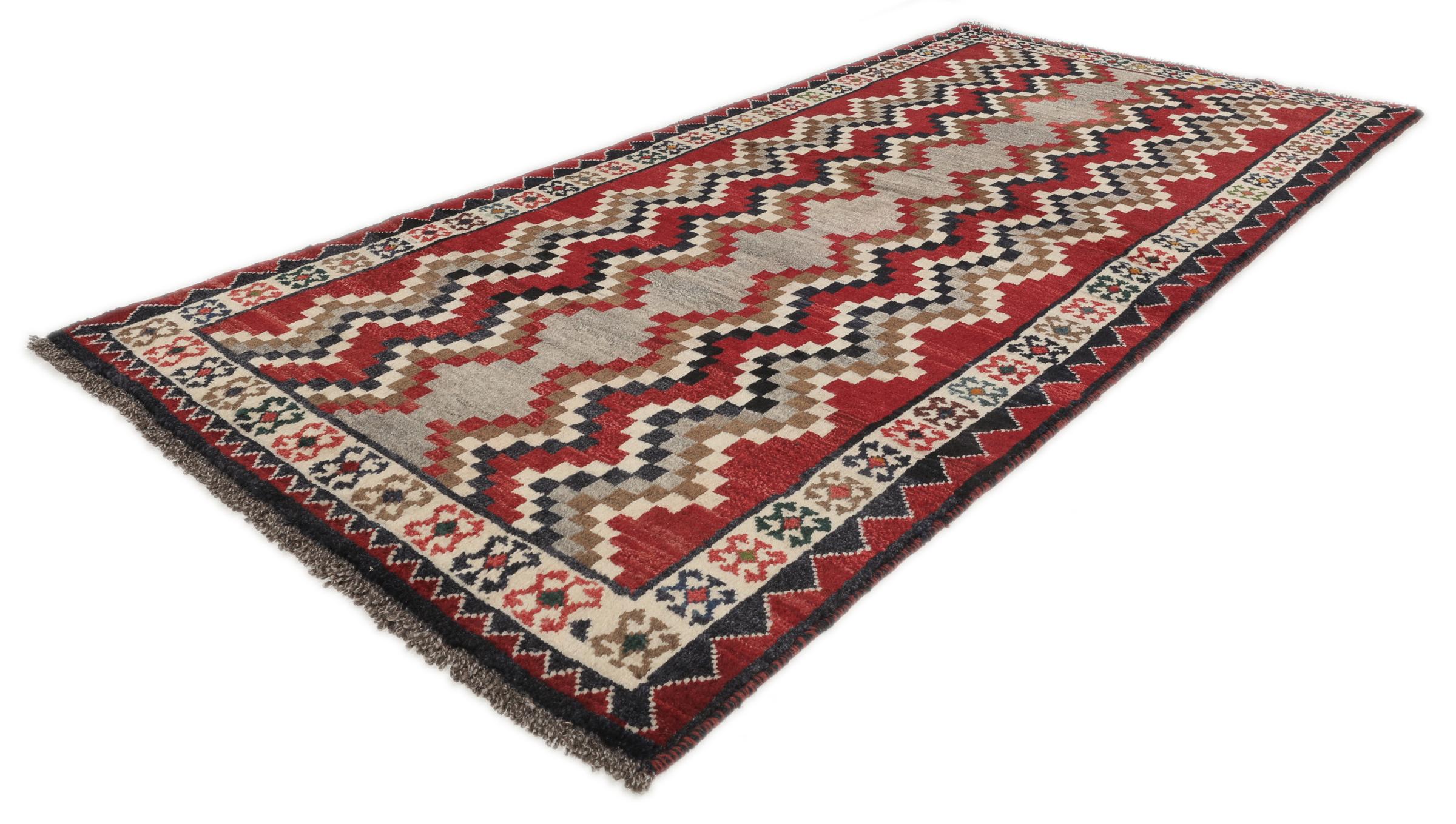
Ghashghai rugs originate from the nomadic tribes of the Middle East, specifically the Qashqai confederation who have traversed the mountainous regions for centuries. These rugs are deeply rooted in a nomadic lifestyle, where weaving was not only a necessity for portable floor coverings but also a vital form of storytelling and artistic expression for the tribal communities.
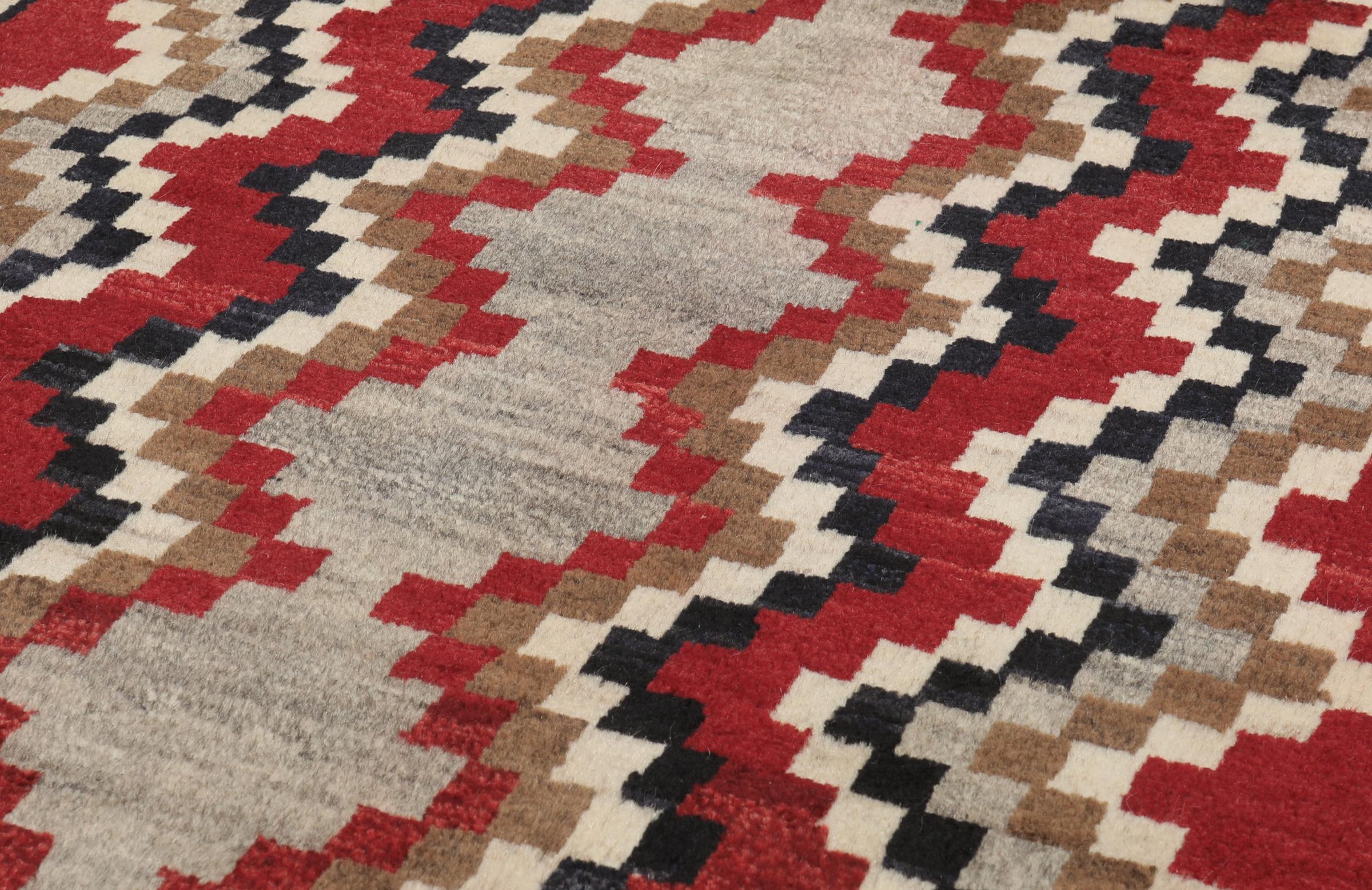
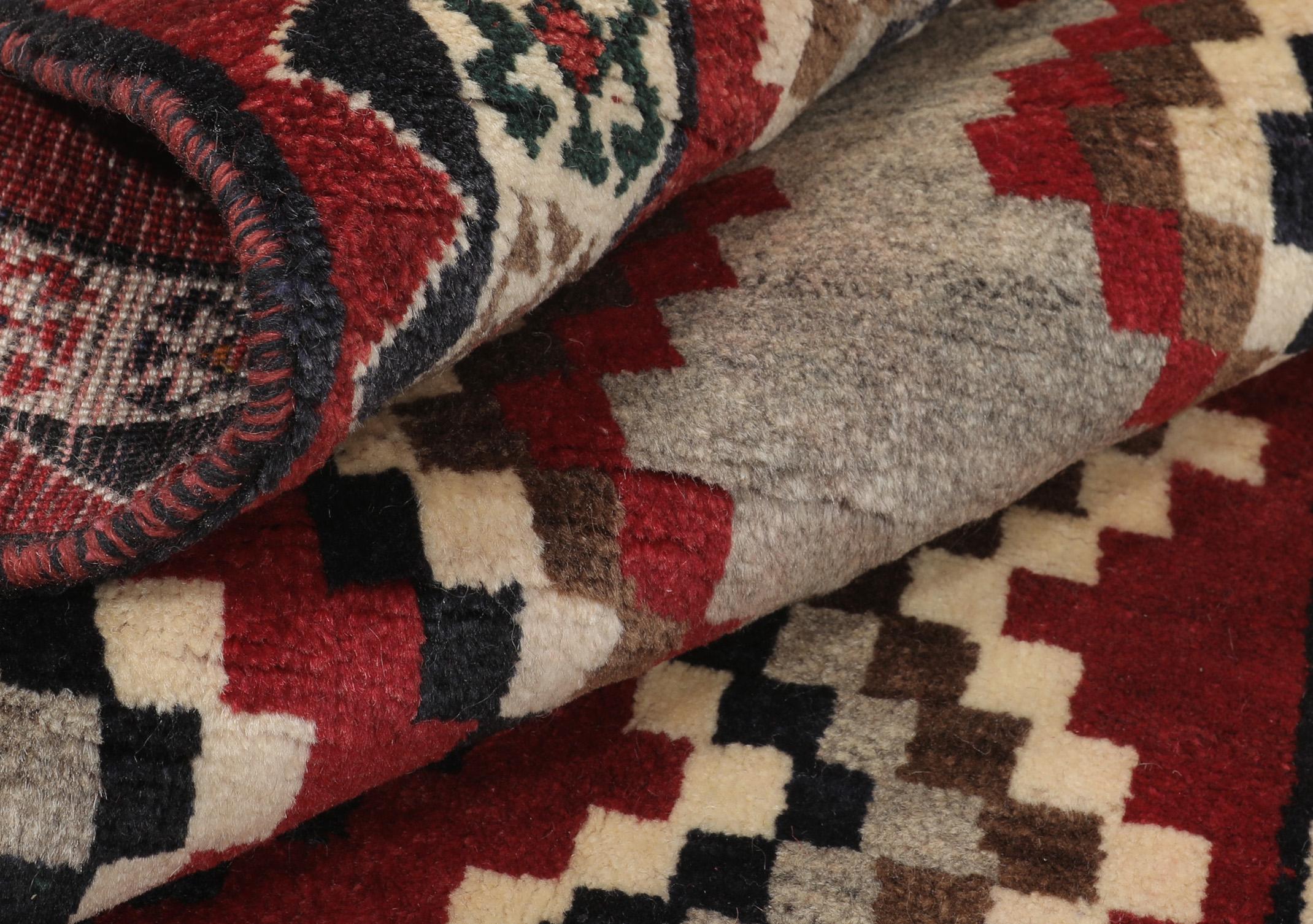
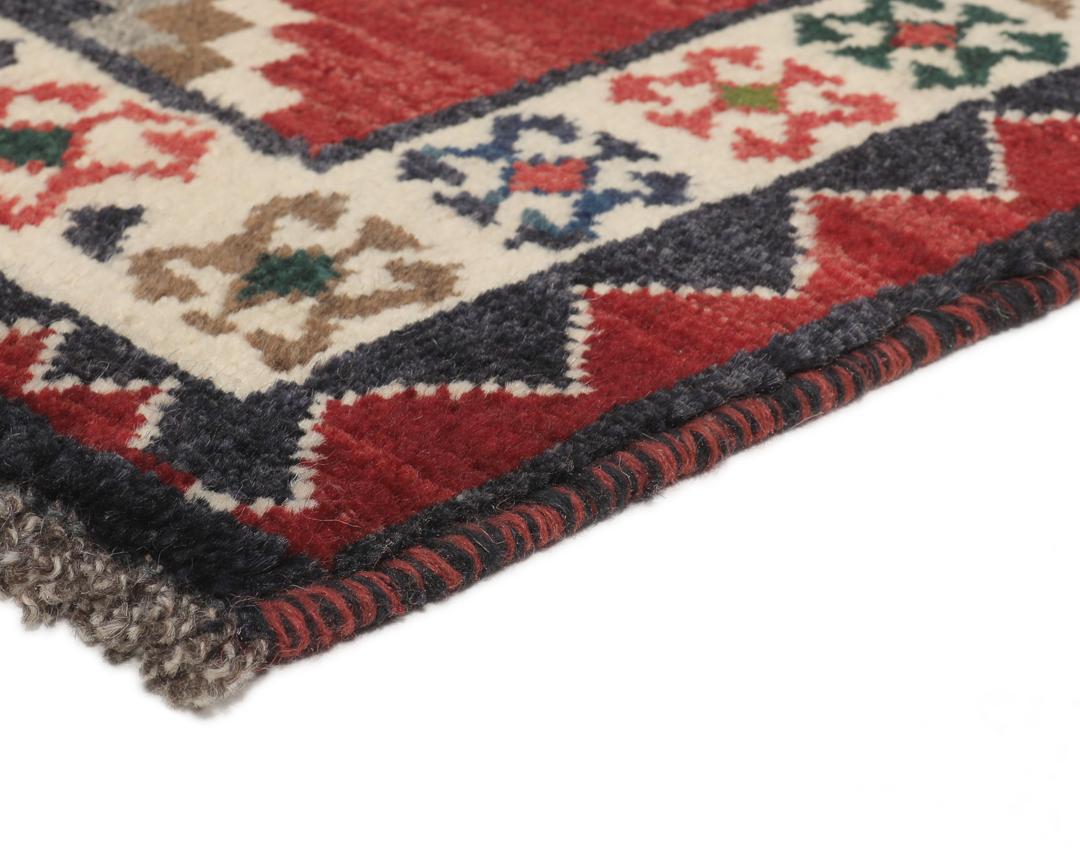
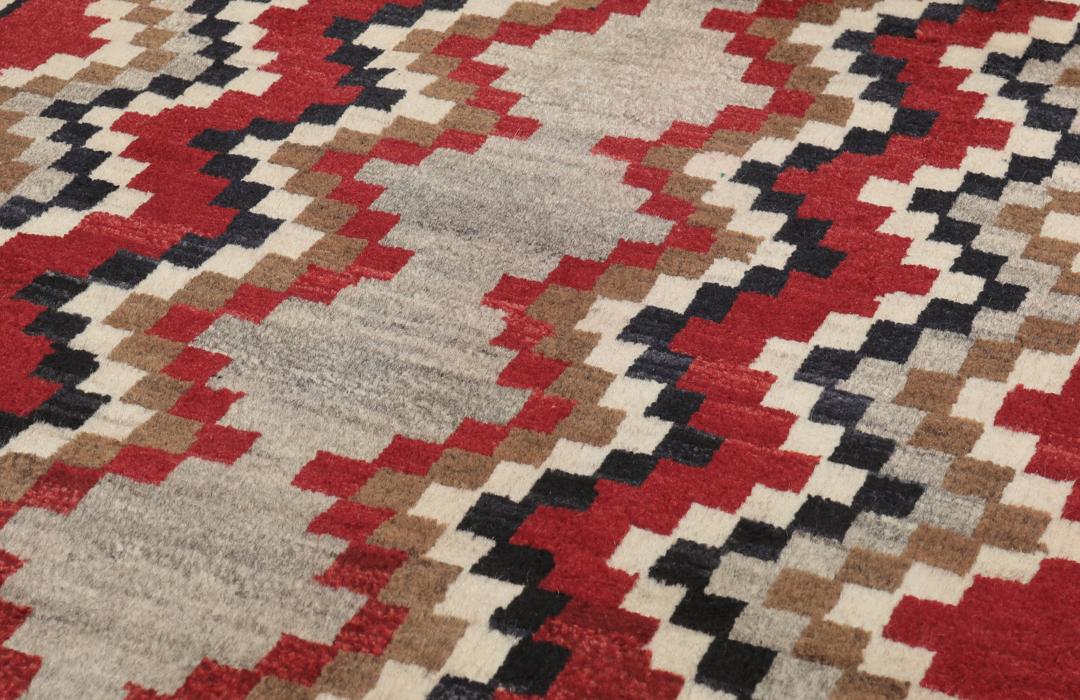
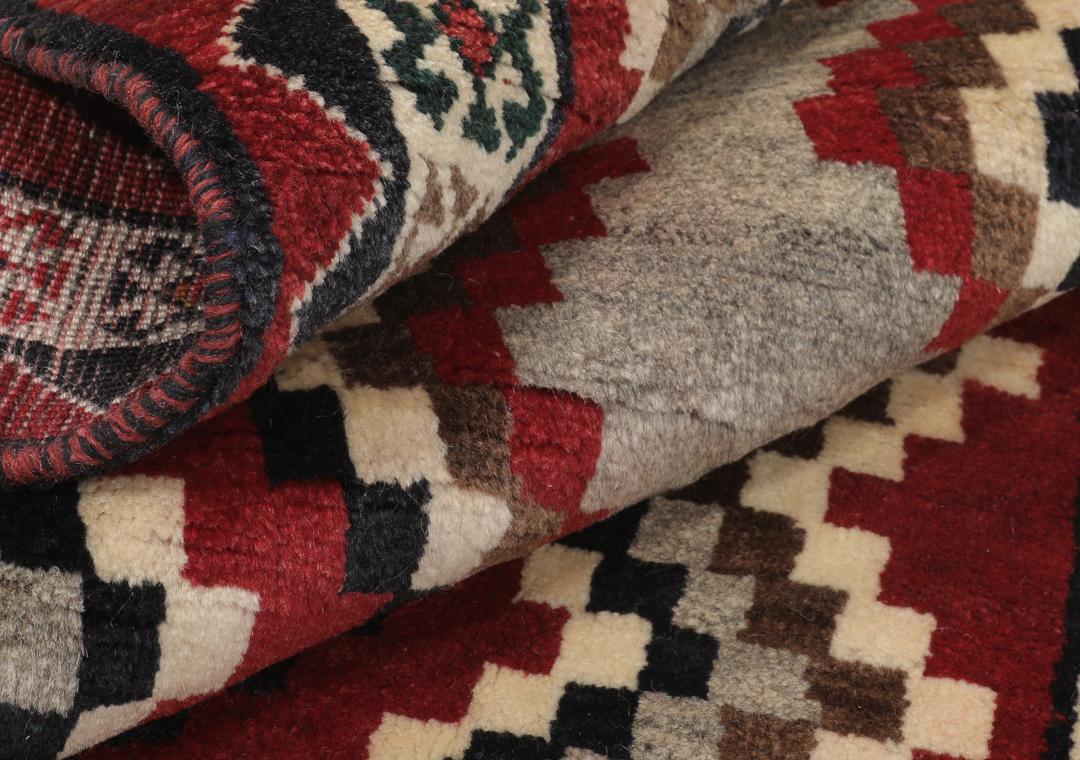
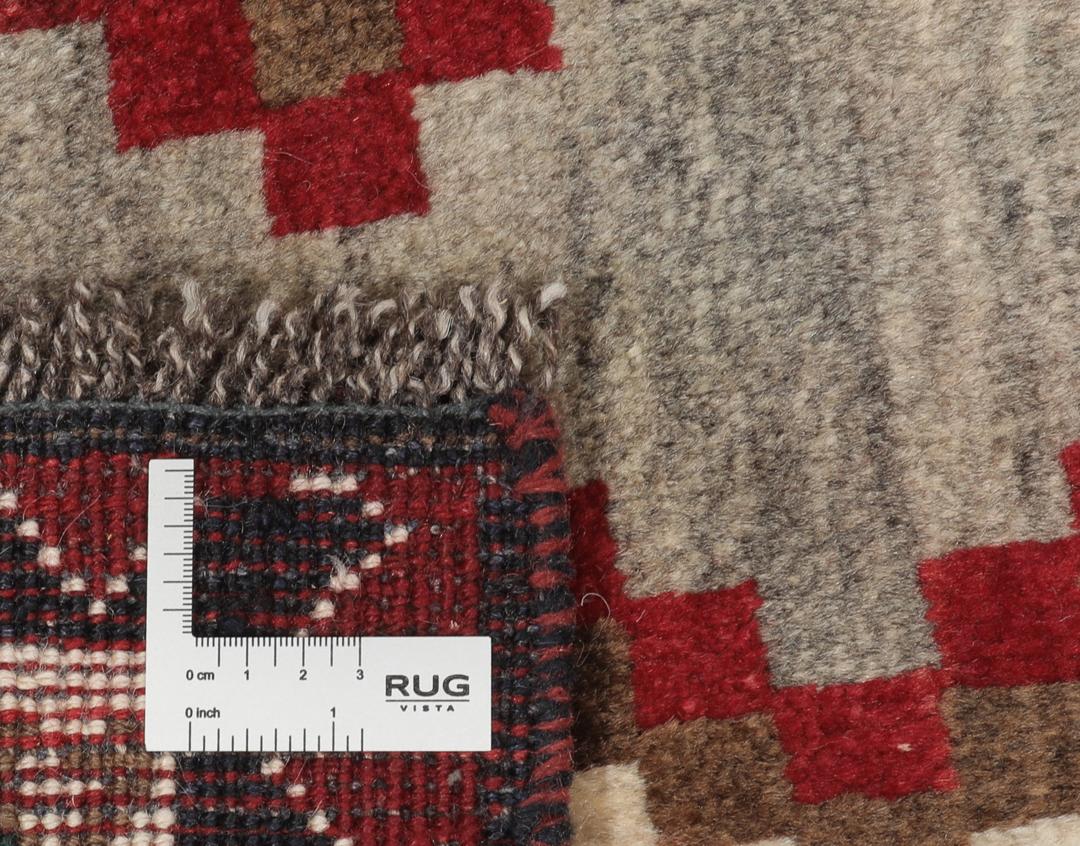
The term hand-knotted refers to the traditional technique where individual strands of Wool are tied around the warp threads. This method is fundamental to the rug's longevity and quality. By using 2-ply or multi-ply Wool, the weavers create a pile that is not only denser and more lustrous but also significantly more durable against the wear of everyday life compared to simpler constructions.
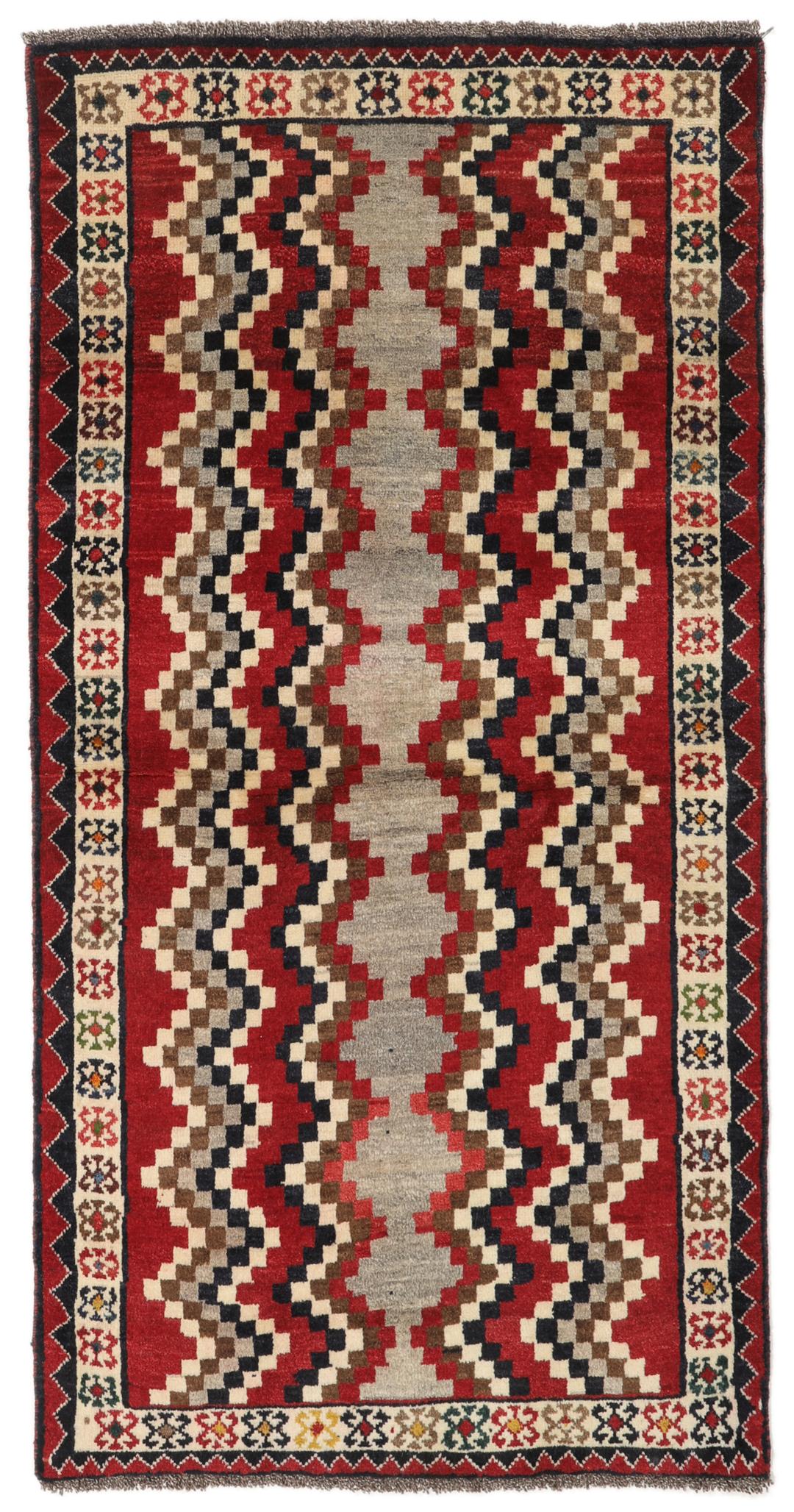
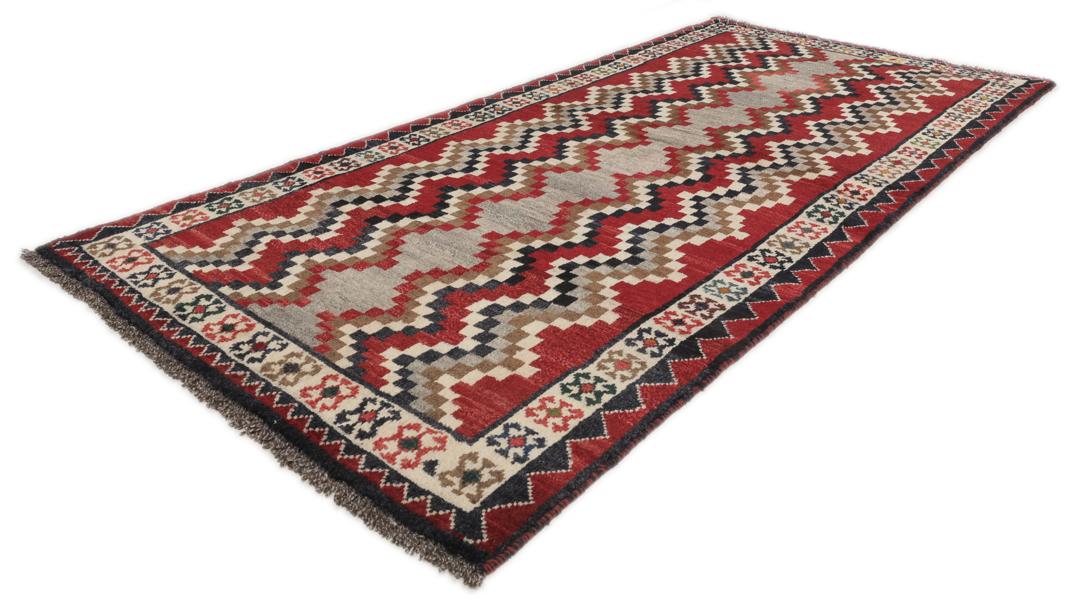
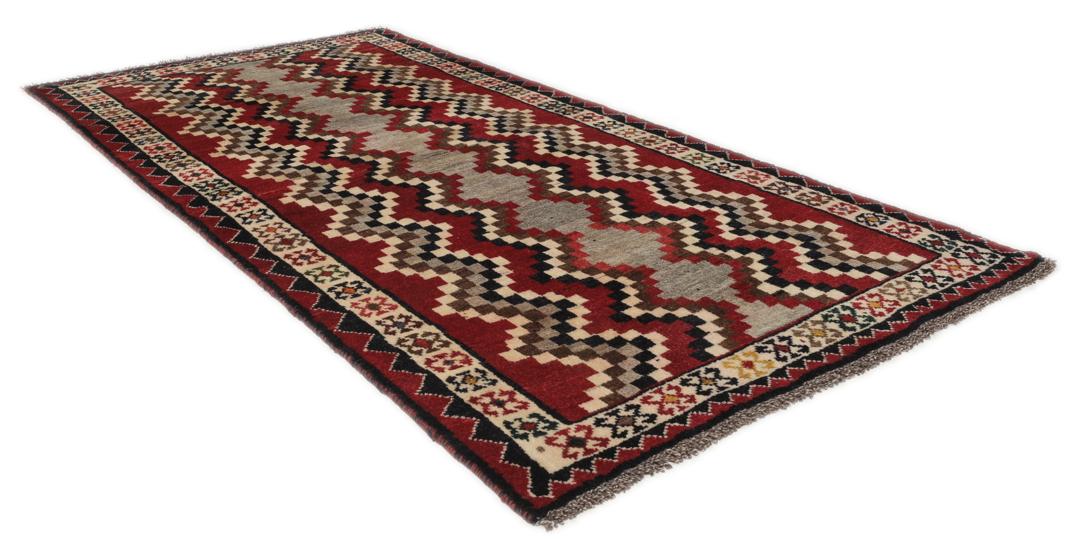
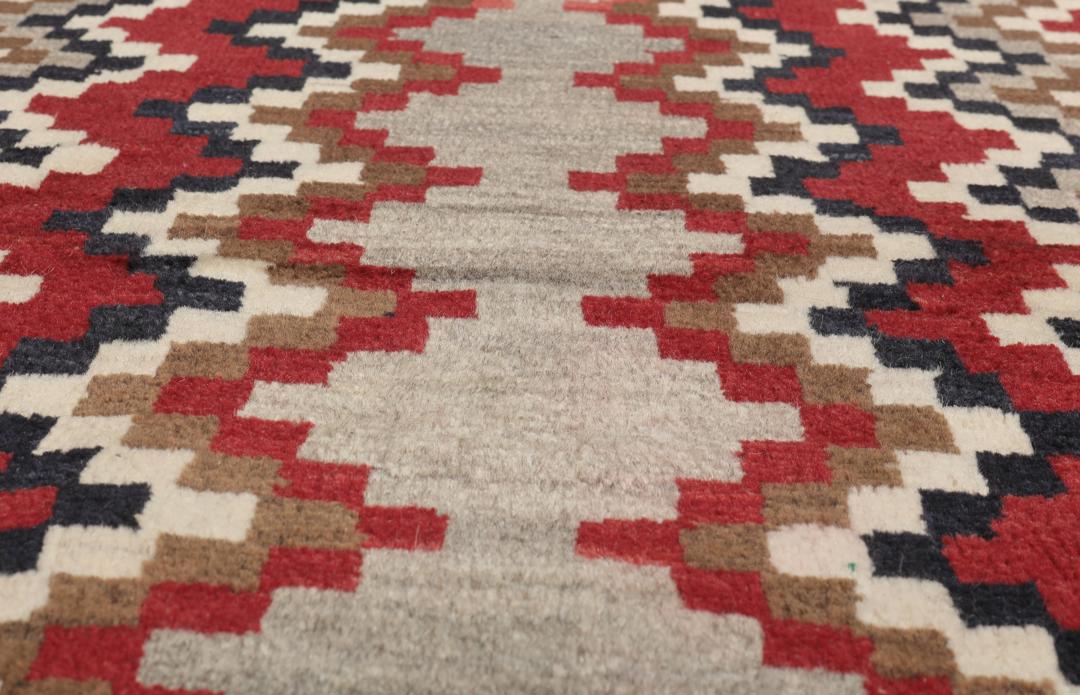
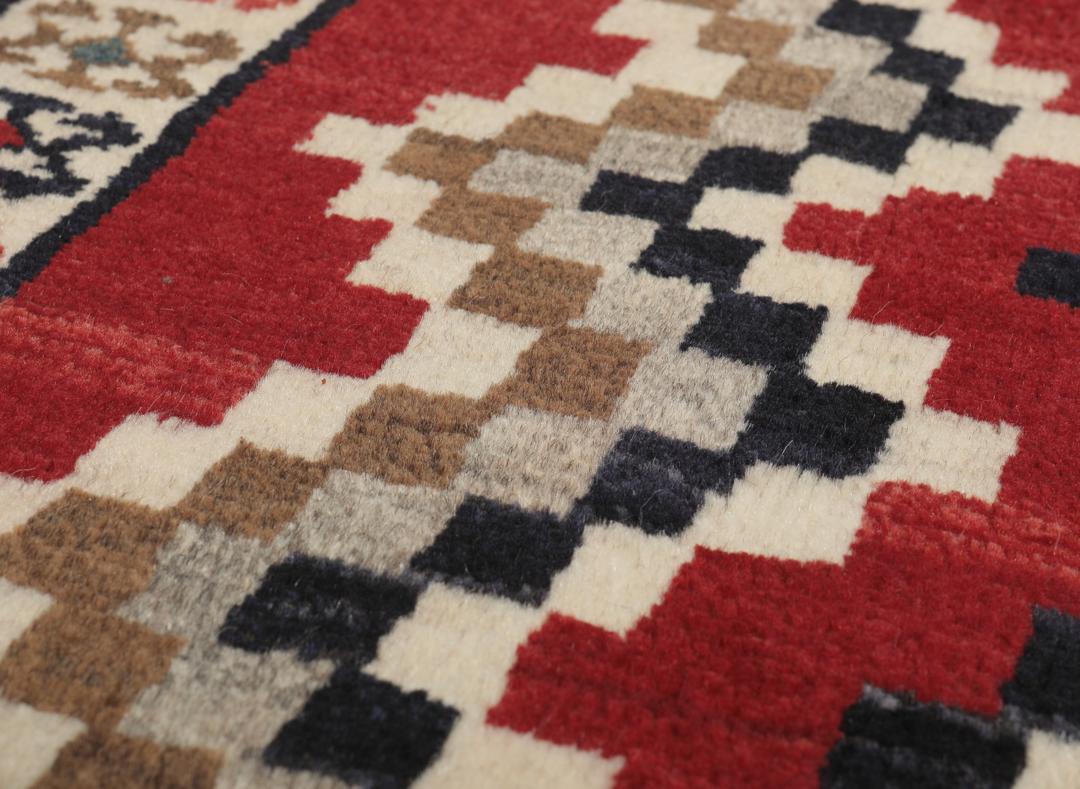
Visually, these rugs are defined by their bold, geometric language, often featuring diamond-shaped medallions, hooked motifs, and intricate serrated borders. The design language is highly symbolic, often drawing inspiration from the natural world and the tribal heritage of the weavers. The use of a central field filled with geometric shapes, as seen here, is a hallmark of the tradition, contrasting sharply with the more formal, curvilinear designs found in urban rug centres.
Collecting these rugs is an investment in cultural tradition. They are highly valued for their authentic, non-commercial nature and the high level of individual skill required to produce them. Owning a piece from this tradition connects your home to a long lineage of tribal craftsmanship, offering a level of character and depth that mass-produced items simply cannot match.