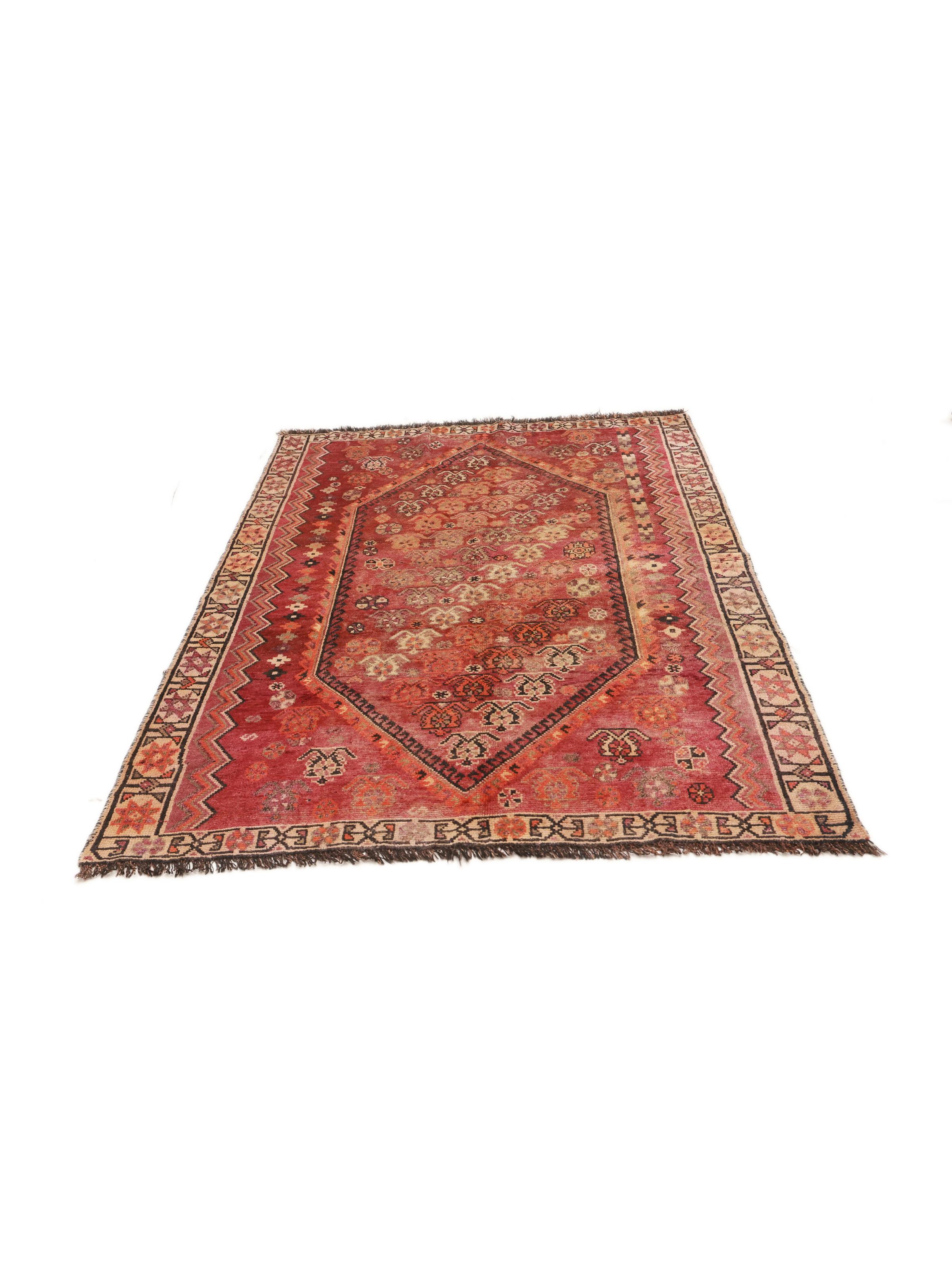
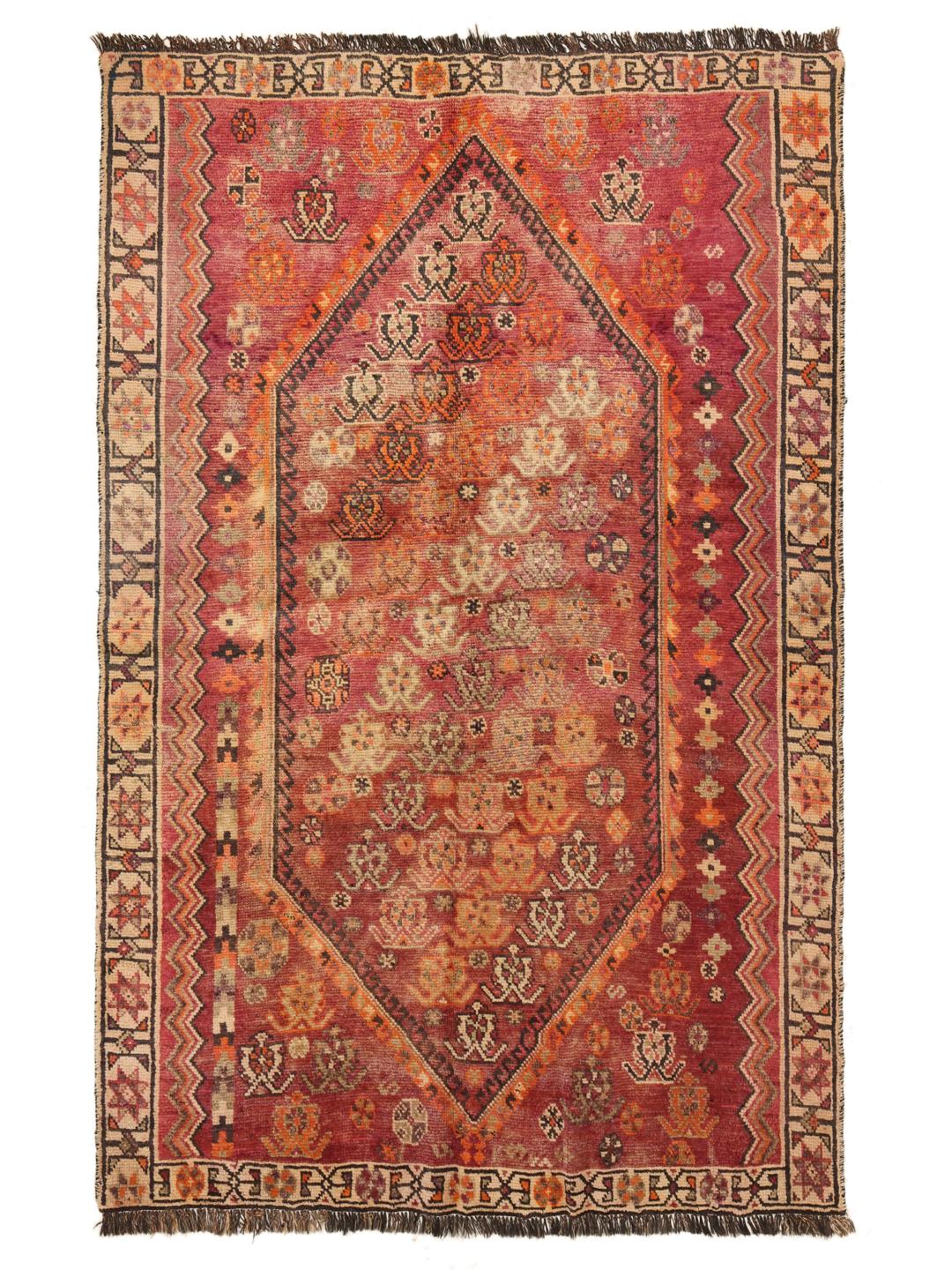
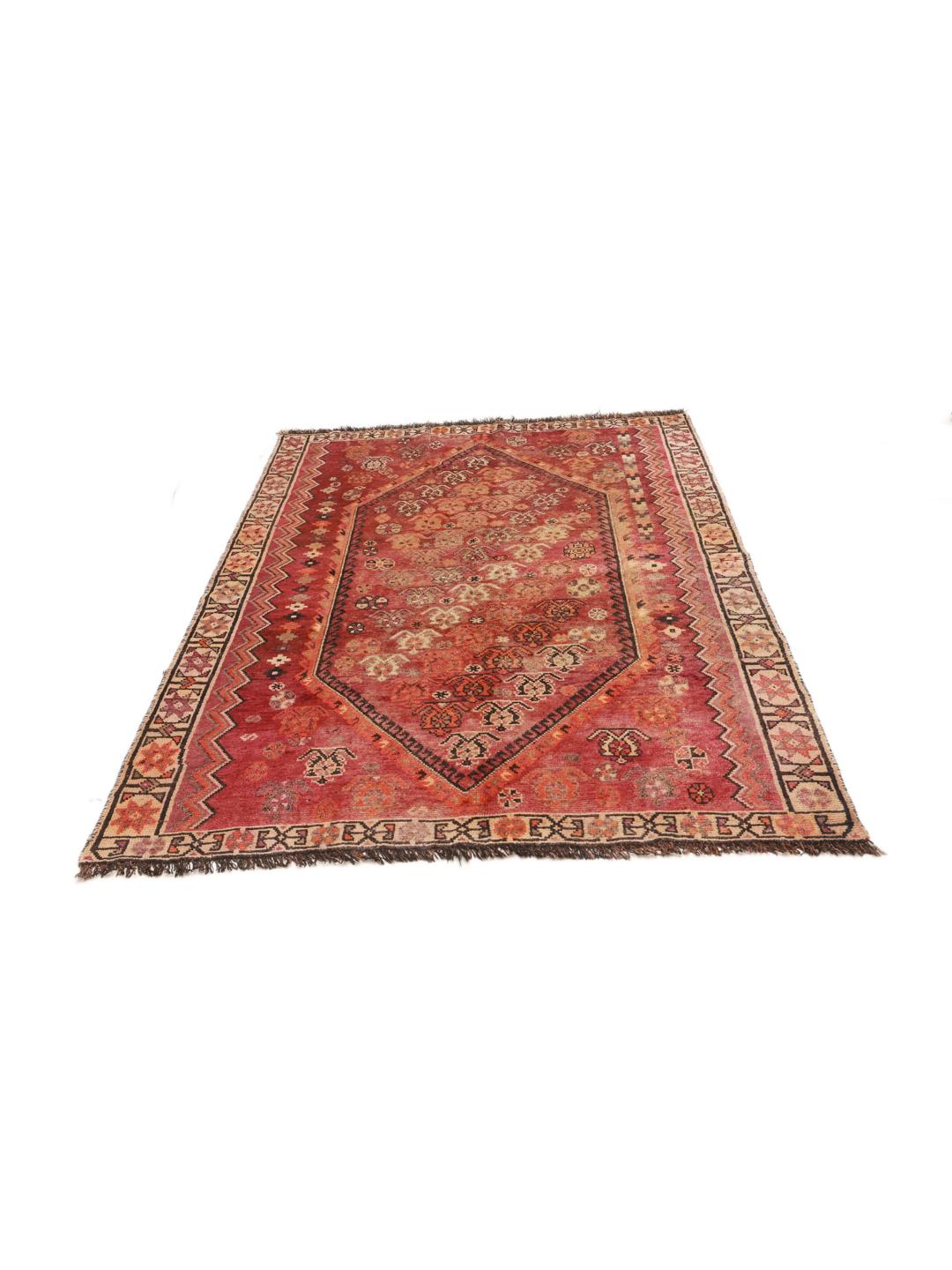
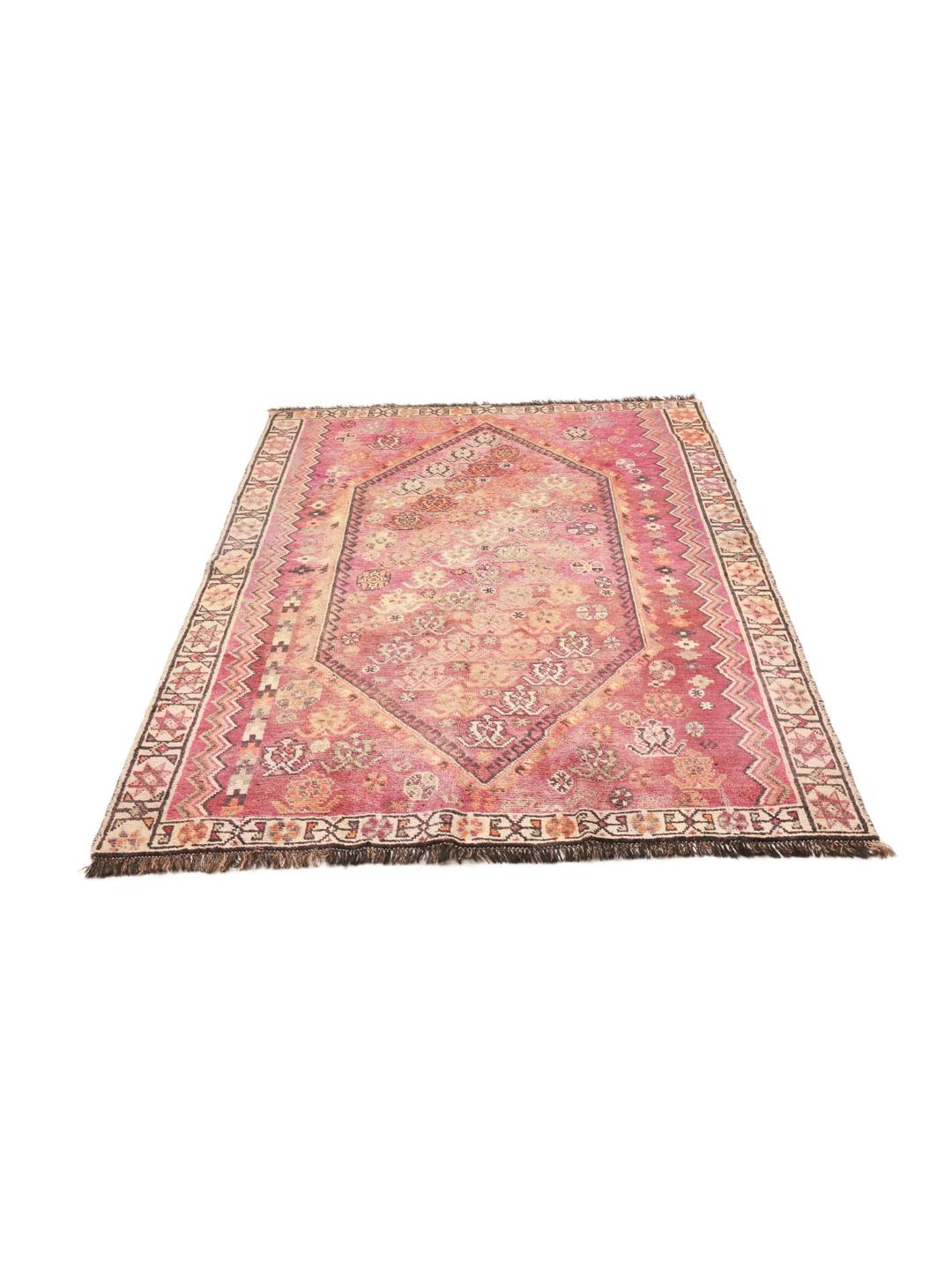
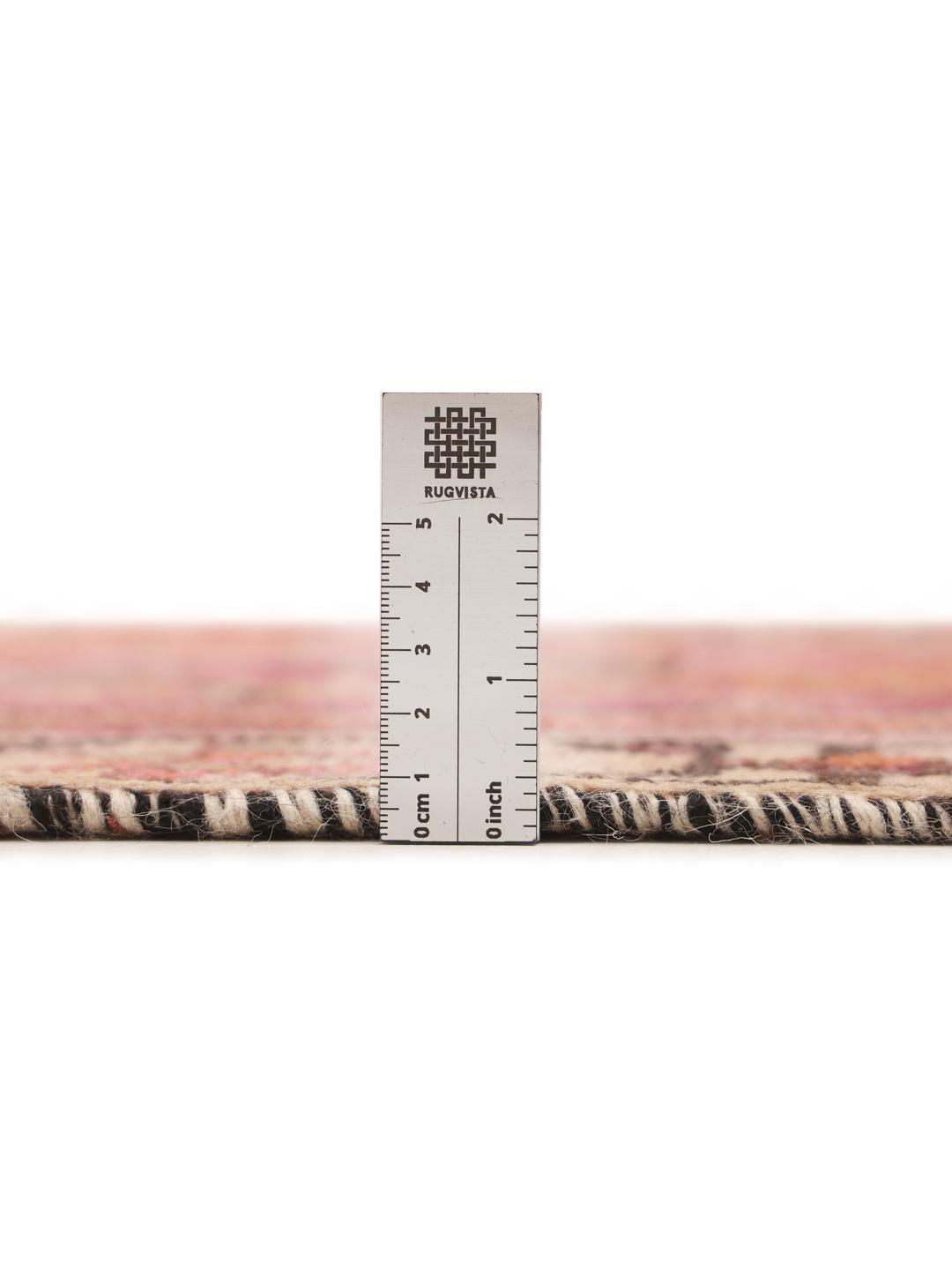
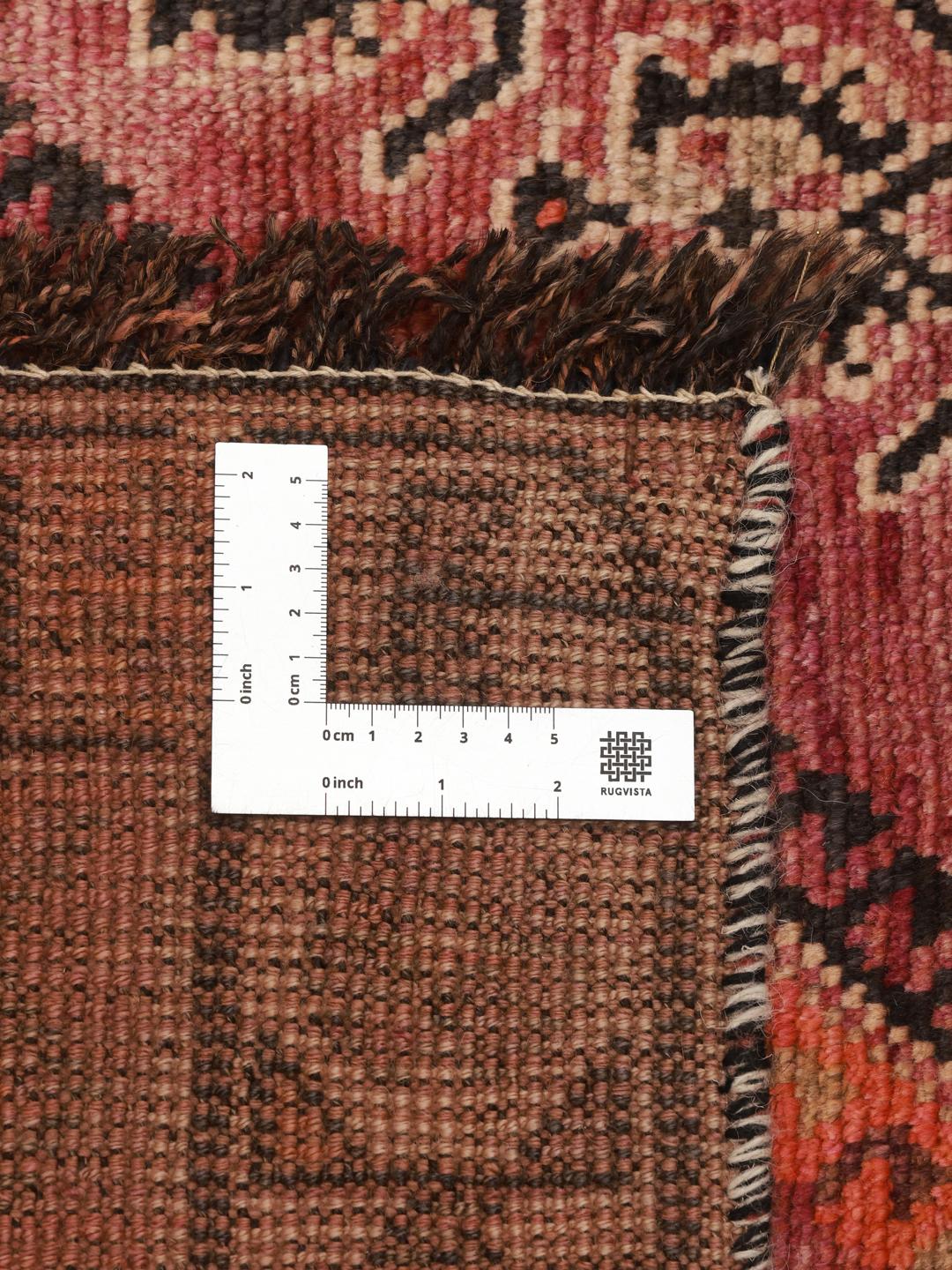
The Ghashghai rug tradition originates from the nomadic tribes of the Middle East, specifically the Ghashghai confederacy of the Fars province. These tribes have long been renowned for their exceptional weaving skills, which were developed out of necessity during their seasonal migrations. Their rugs served as essential household items, used for bedding, floor coverings, and storage bags, reflecting a lifestyle deeply connected to the natural environment.
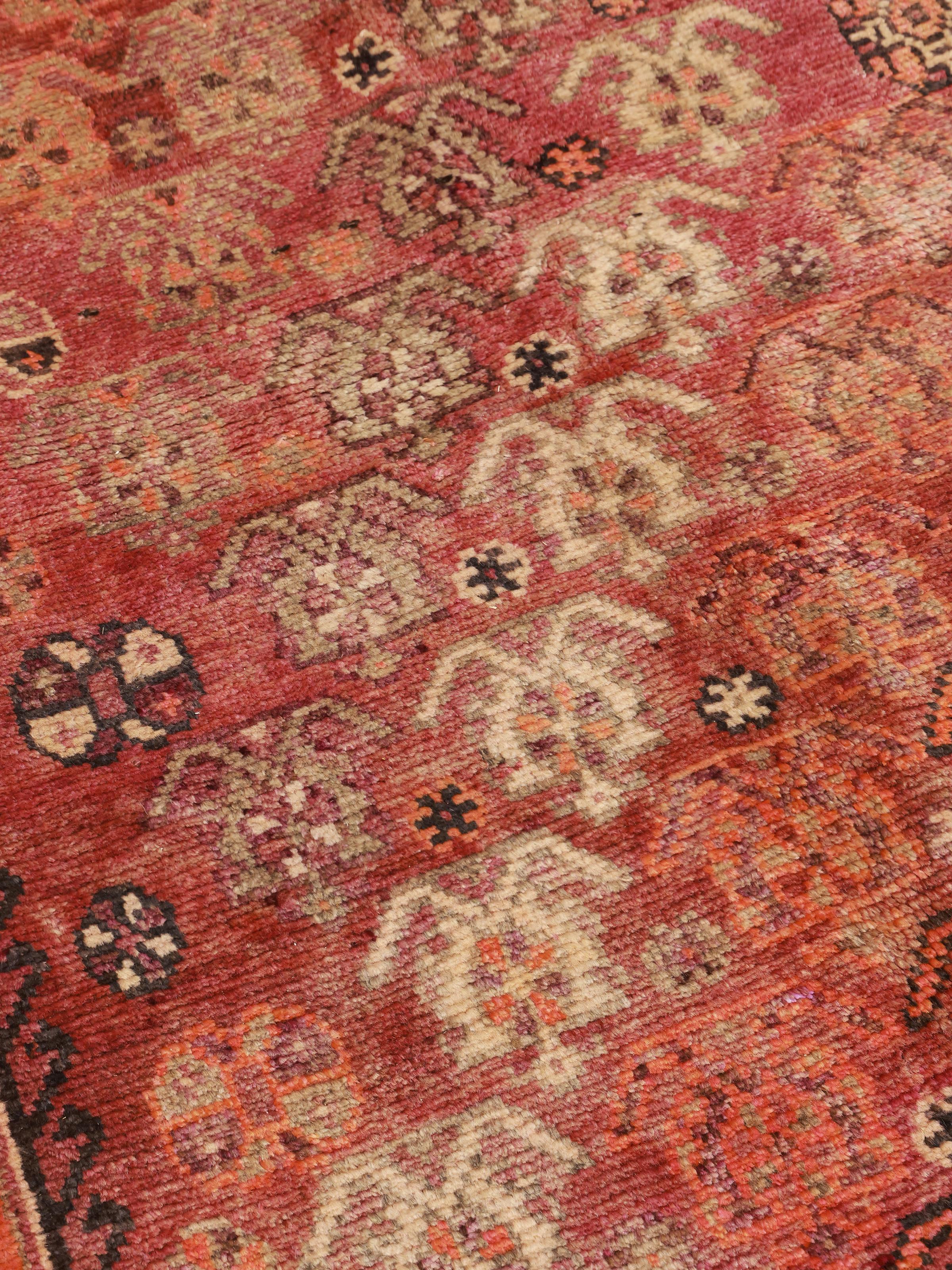
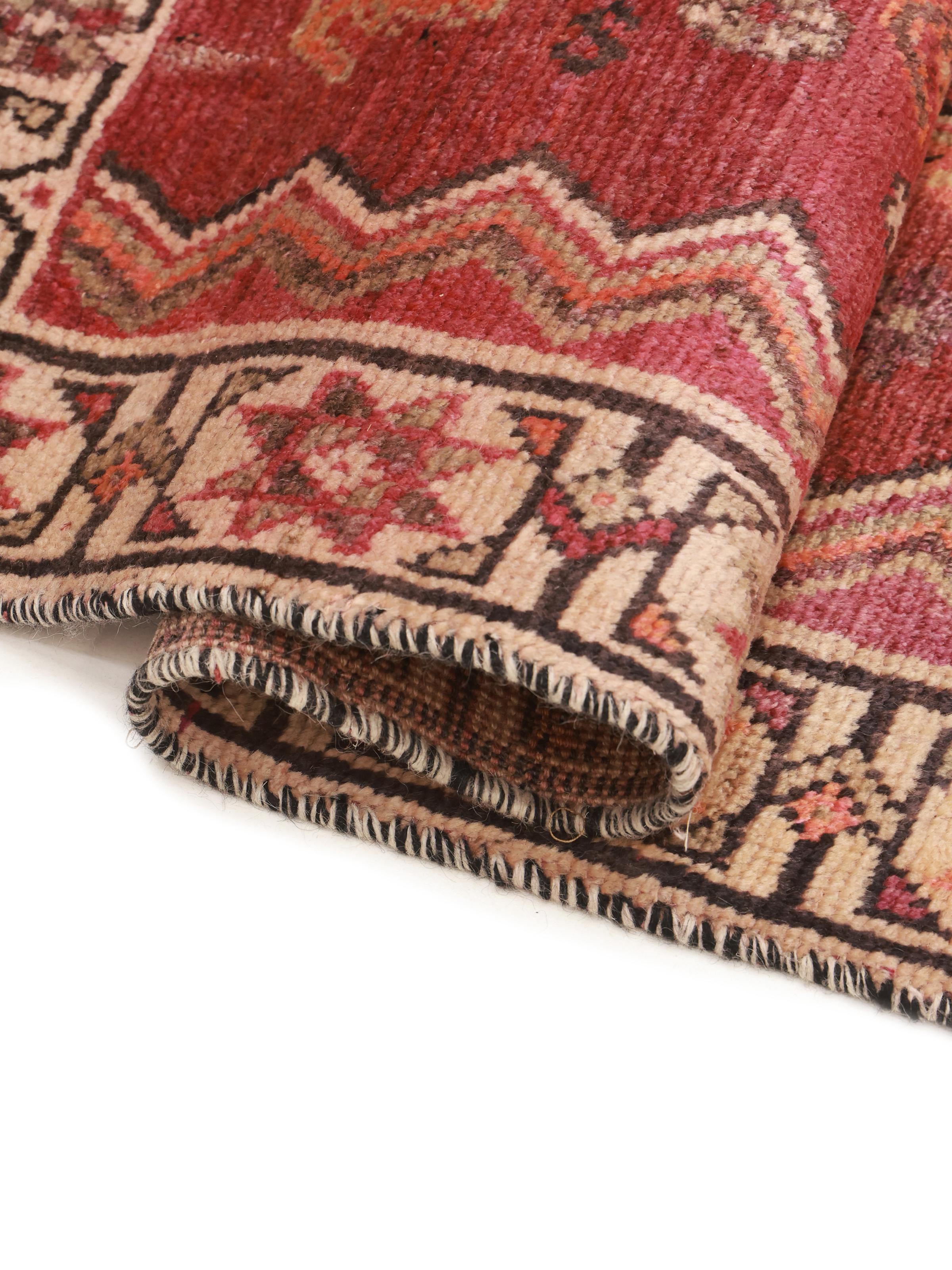
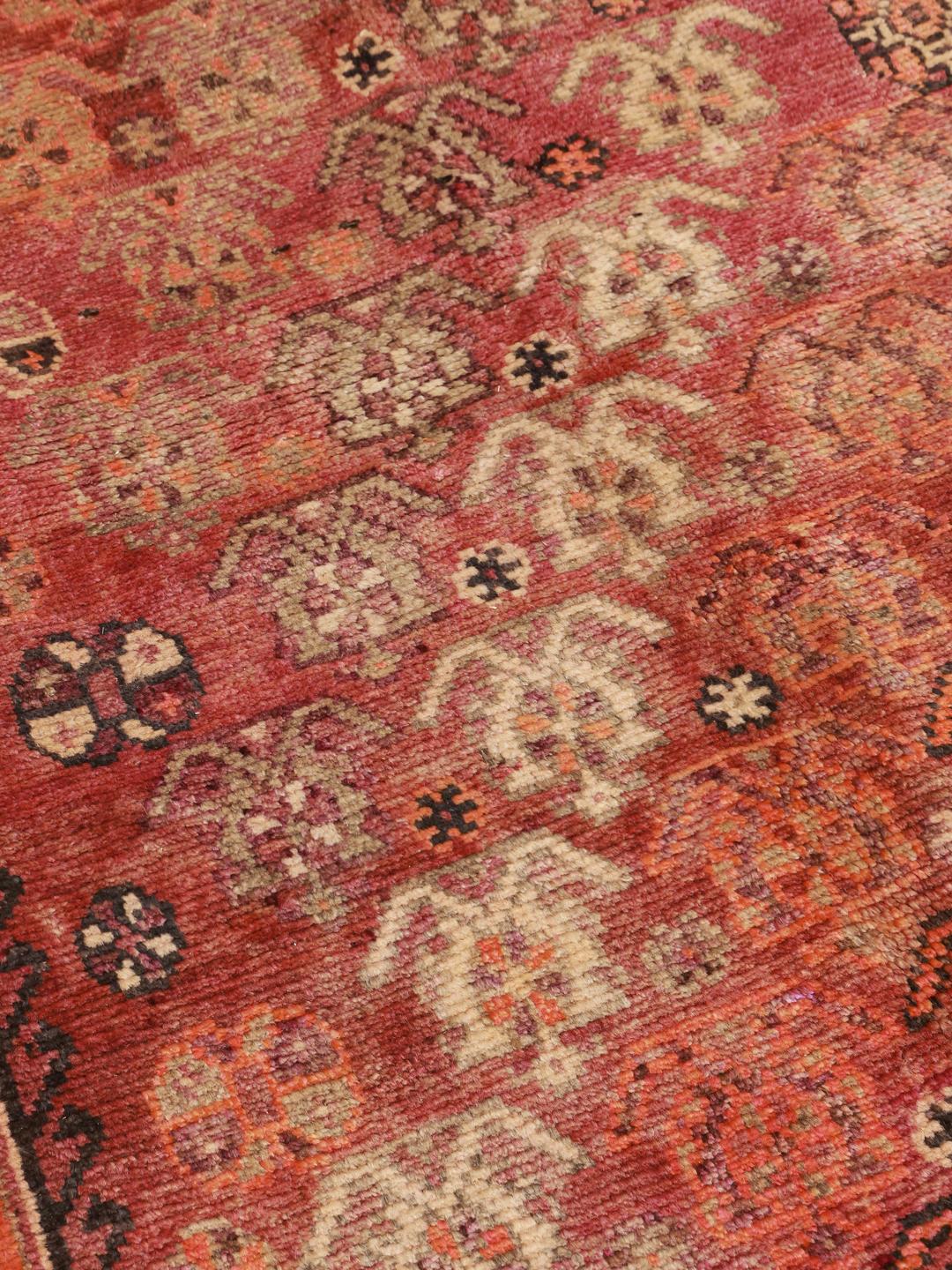
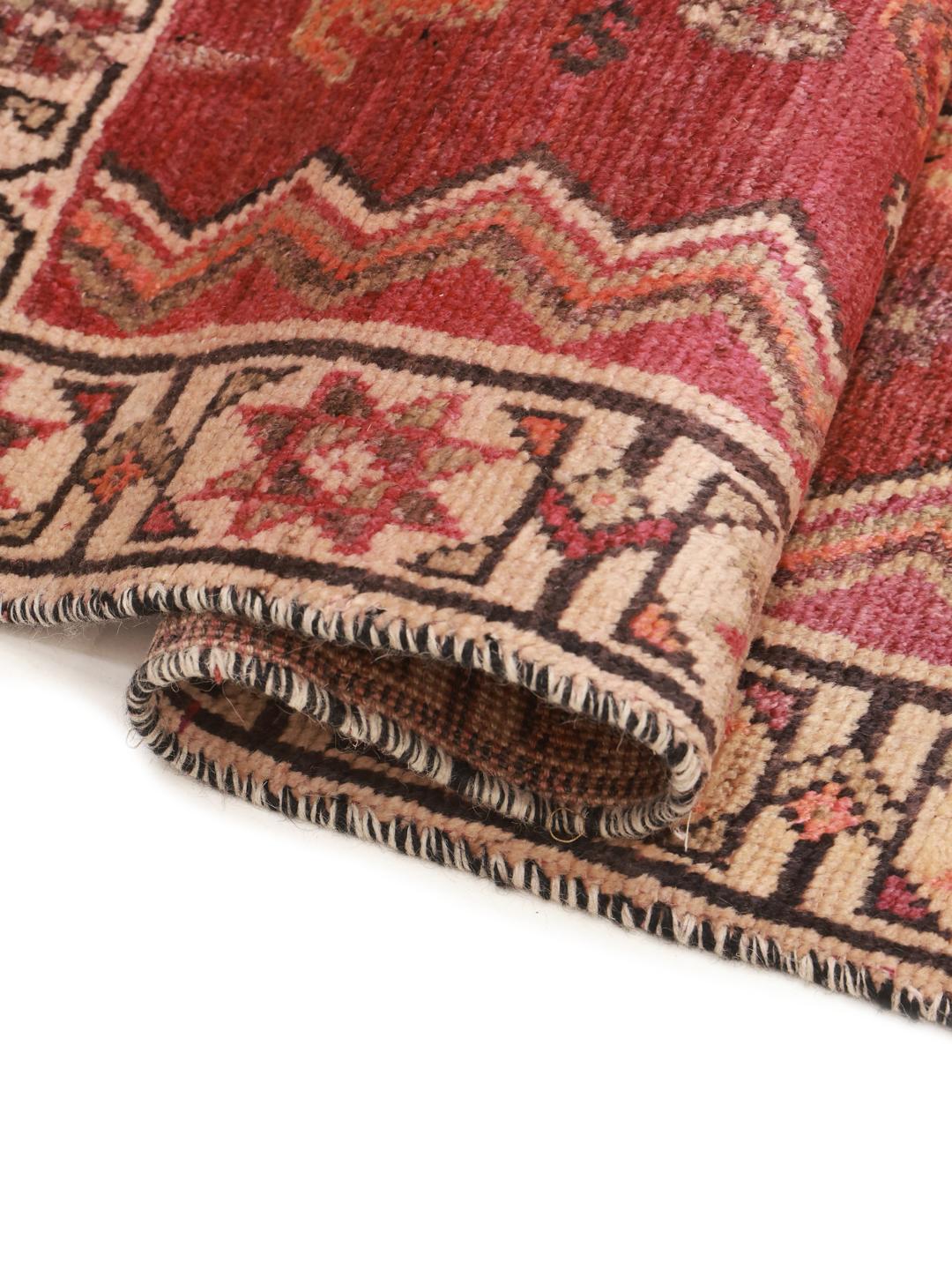
The term hand-knotted refers to the technique where individual pieces of wool yarn are tied around the warp threads of the rug's foundation. This labour-intensive process is what gives these rugs their remarkable durability and characteristic pile. Unlike modern machine-made alternatives, these hand-knotted pieces possess a unique tension and flexibility, allowing them to age gracefully and develop a beautiful patina over time.
Signature design elements of the Ghashghai tradition include stylised geometric motifs, often inspired by the flora and fauna of the Zagros Mountains. You will frequently find repeating patterns of birds, flowers, and tribal emblems, all enclosed within decorative, stepped borders. The use of vibrant, natural dyes—typically derived from roots, barks, and insects—gives these rugs their deep, earthy colour palette, which remains highly sought after by collectors.
Owning a Ghashghai rug is an opportunity to preserve a piece of nomadic heritage. These rugs are highly valued for their artistic expression and the skill required to translate complex tribal stories into woven form. They are not merely floor coverings, but records of a cultural legacy that continues to influence interior design today, offering a sense of connection to the artisans of the past.