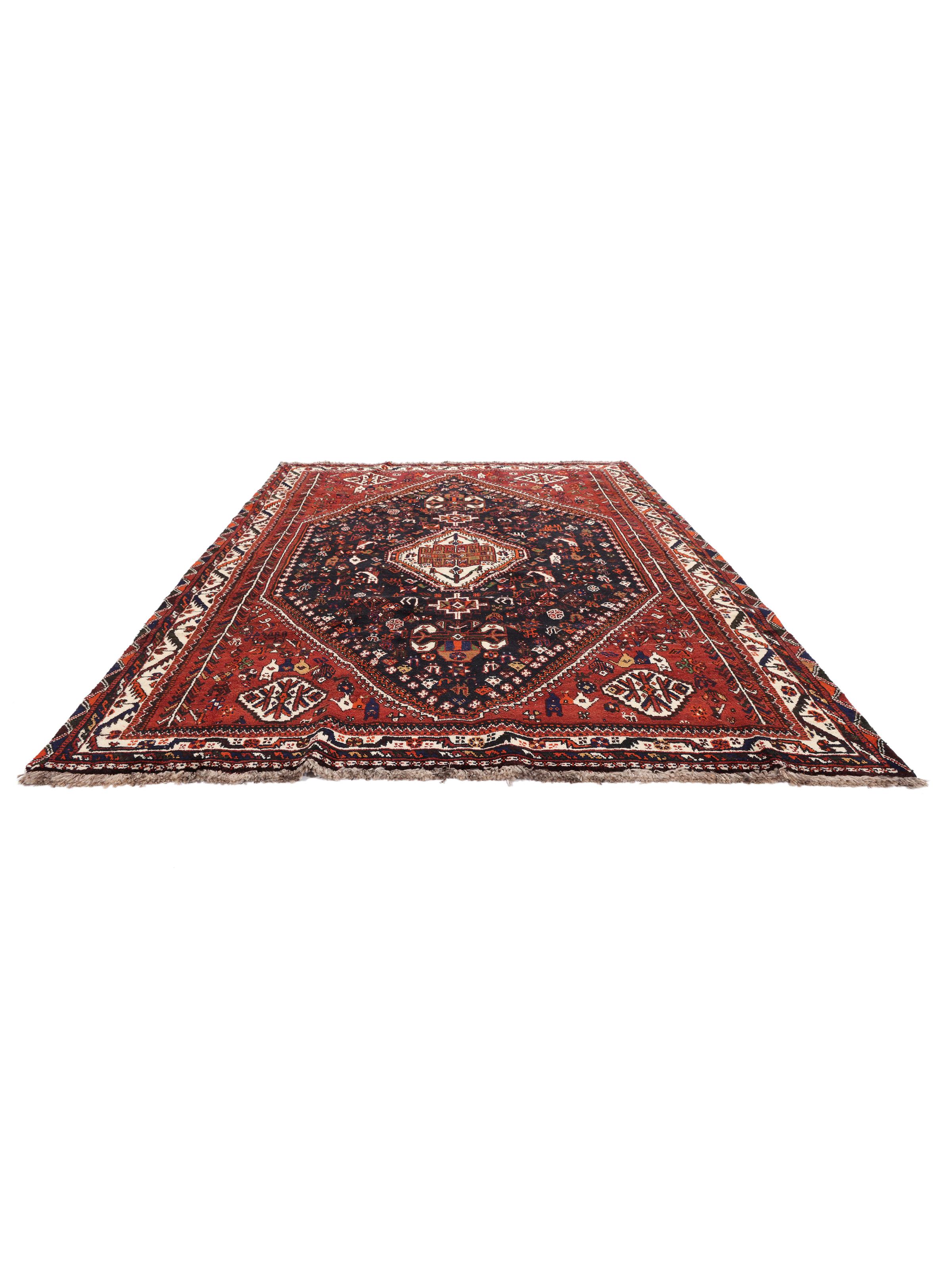
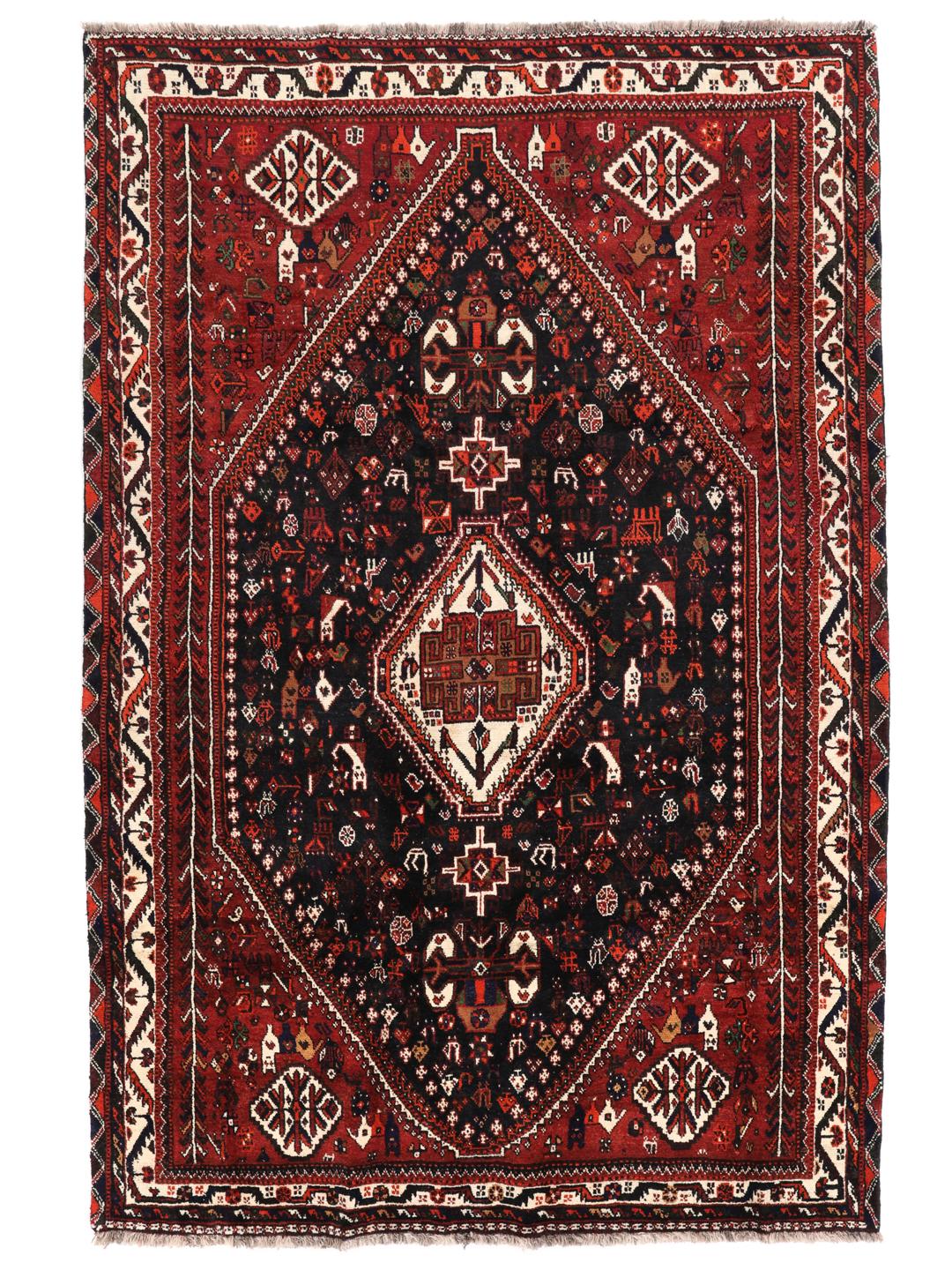
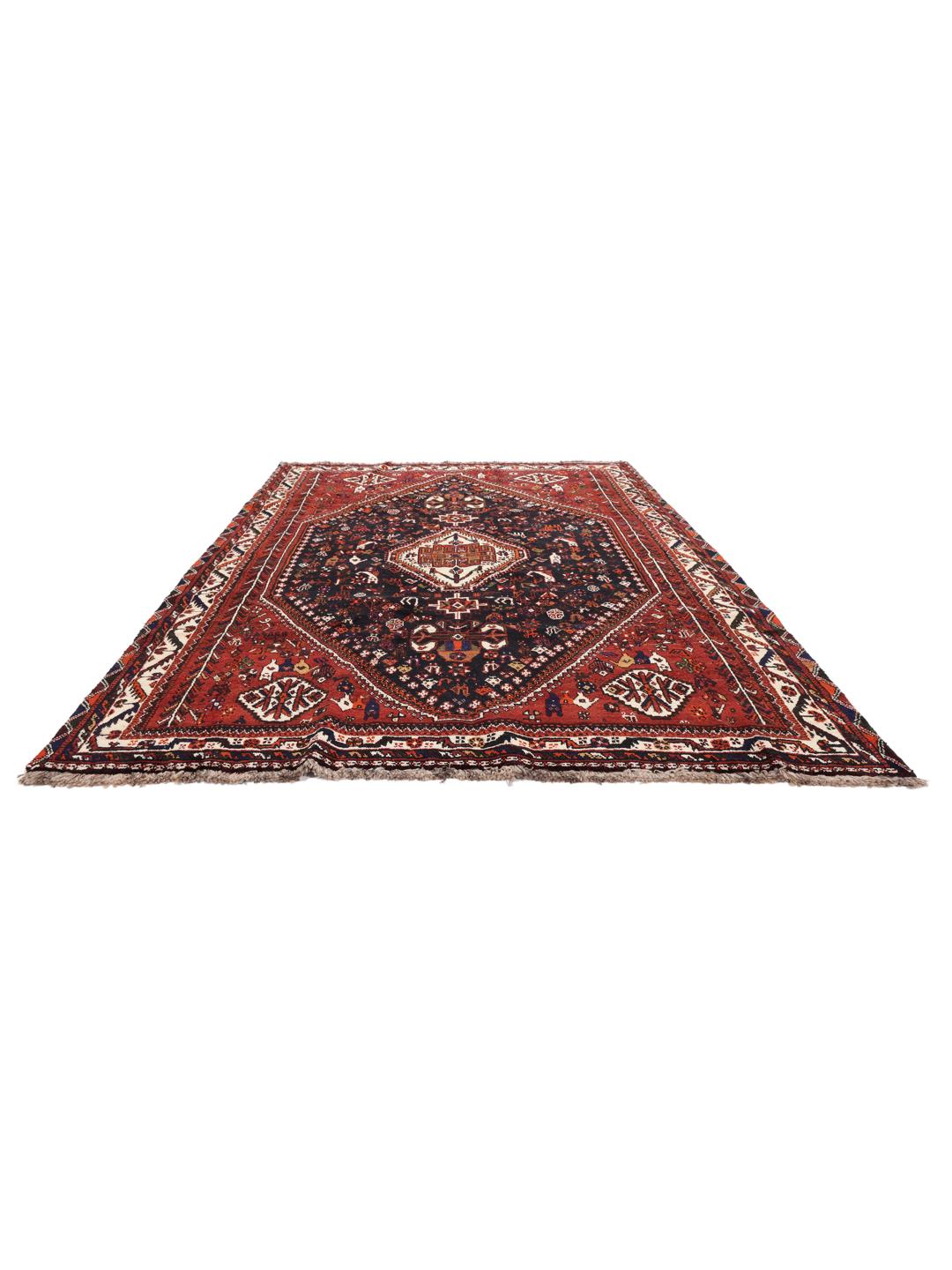
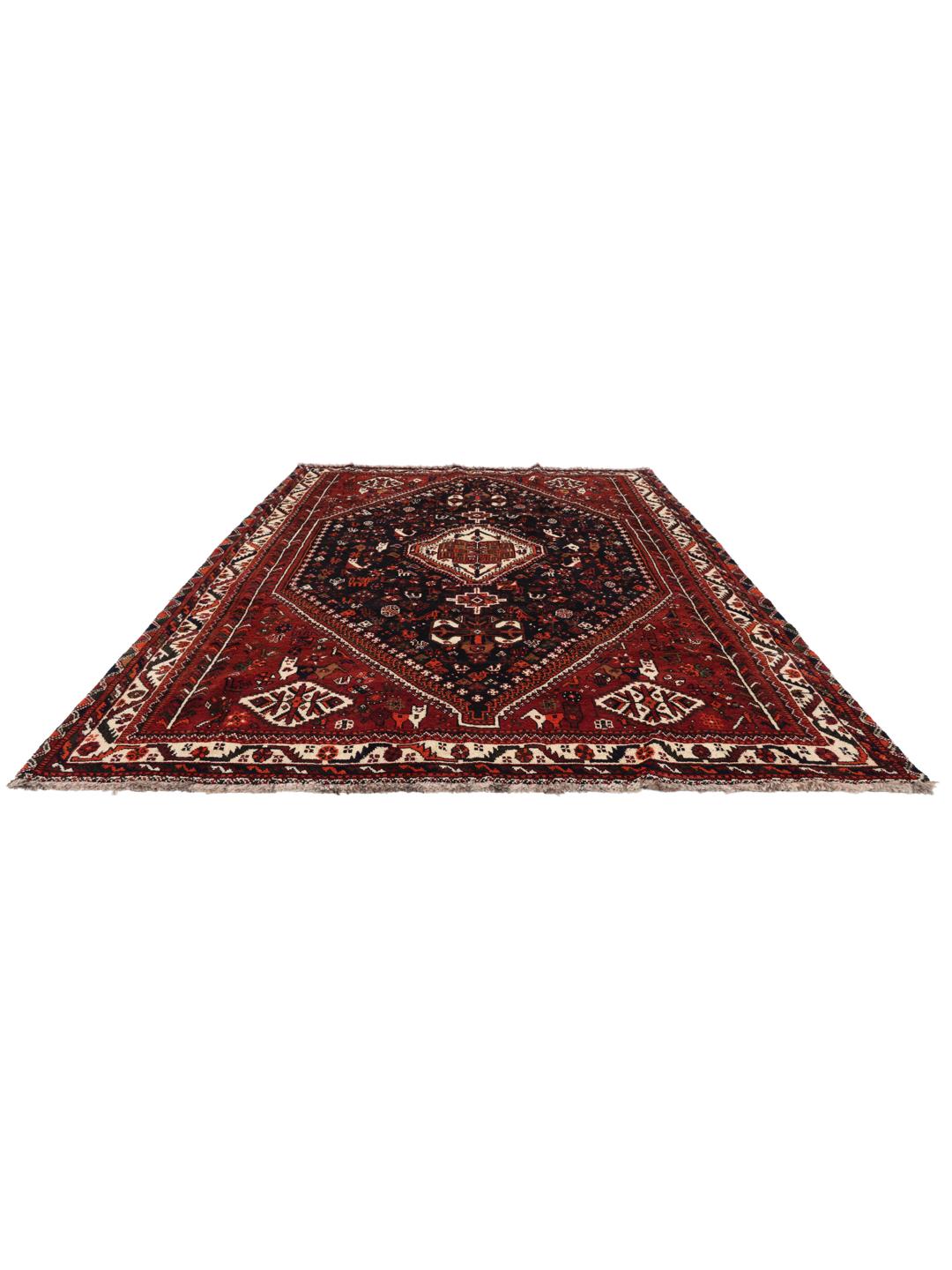
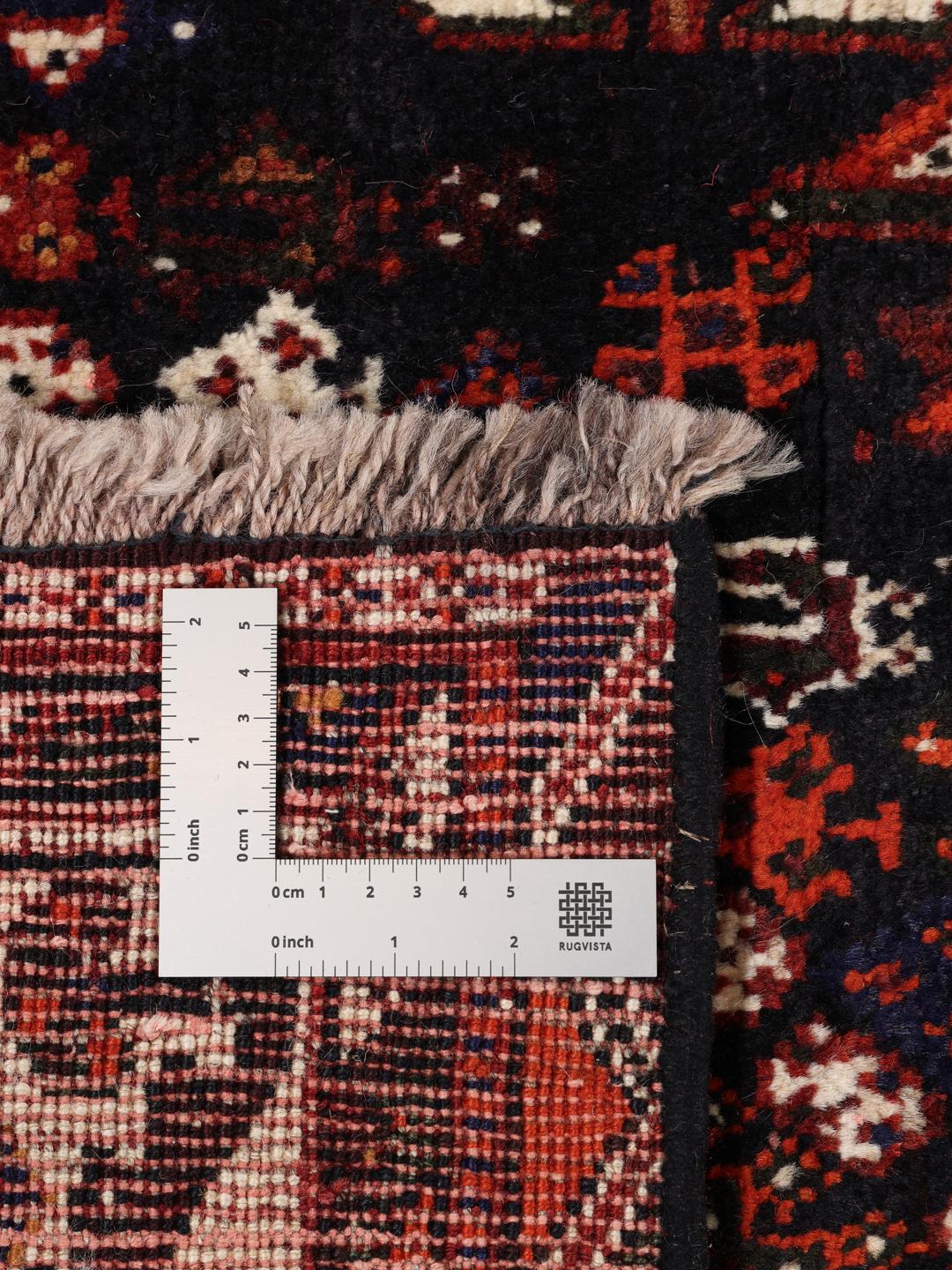
The Qashqai people are a nomadic confederation from the mountainous regions of the Middle East, known for a long-standing tradition of weaving that is deeply connected to their lifestyle. These rugs were traditionally created to serve practical needs in tent life, such as providing warmth on cold floors and serving as decorative elements within the family home. Over centuries, these designs have evolved into a distinct art form that is recognised globally for its authenticity and cultural significance.
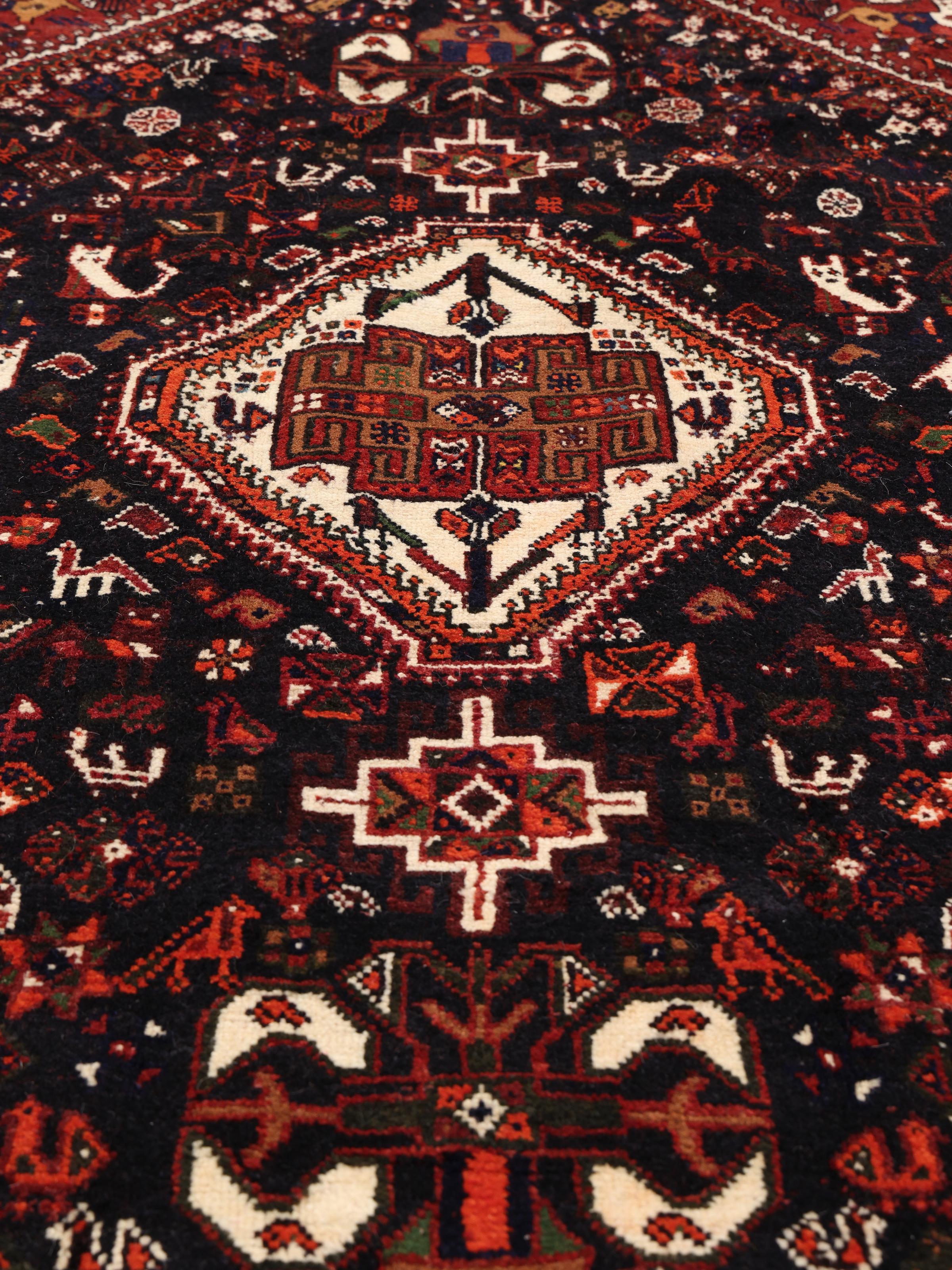
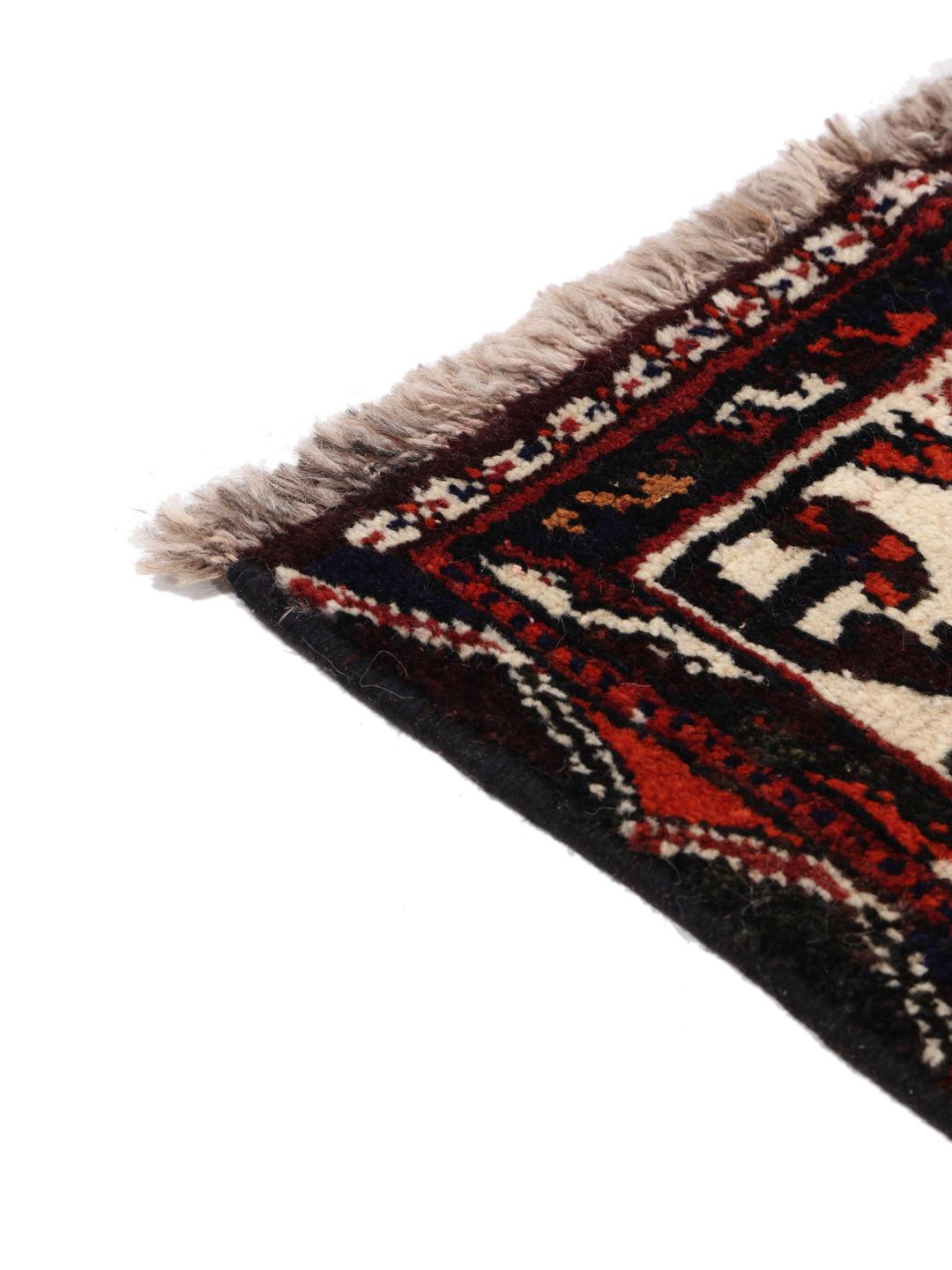
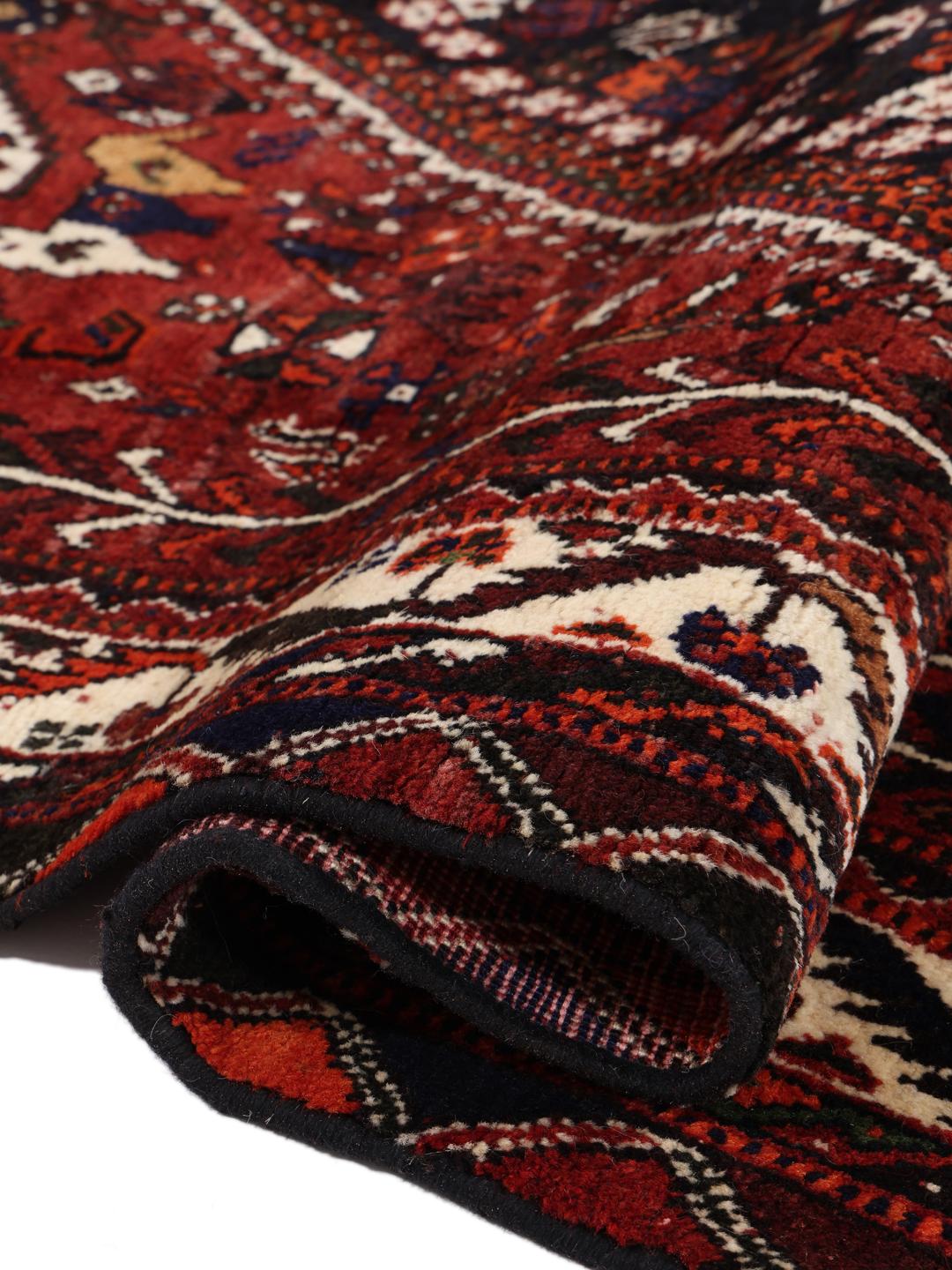
When discussing the quality of these rugs, the term 'hand-knotted' is paramount. This refers to the traditional technique where the weaver creates the pile by looping wool around the warp threads. This method is the foundation of the rug's durability and is what allows for the creation of intricate, detailed patterns. The density and precision of these knots are a direct reflection of the weaver's expertise and the time dedicated to the craft.
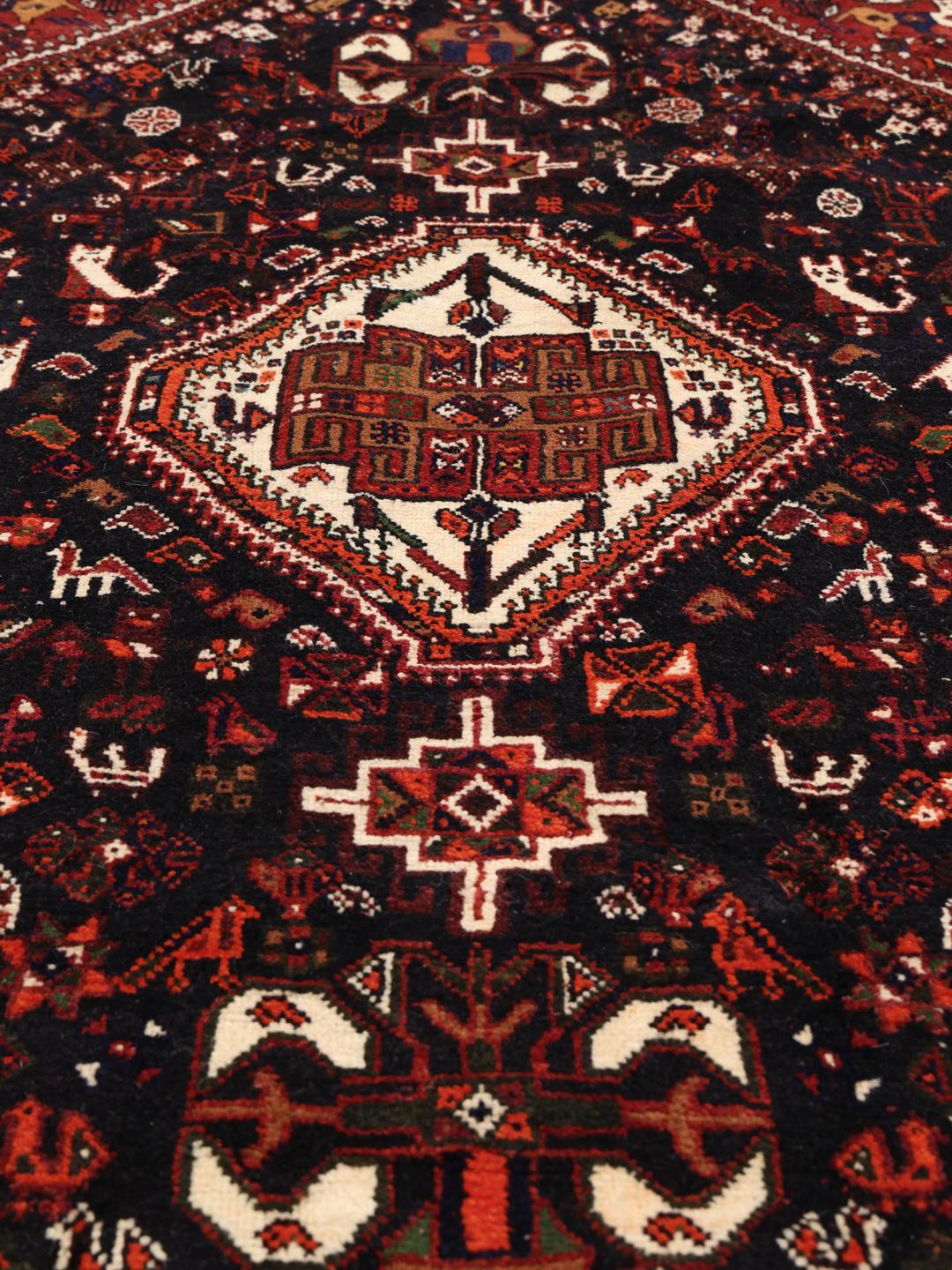
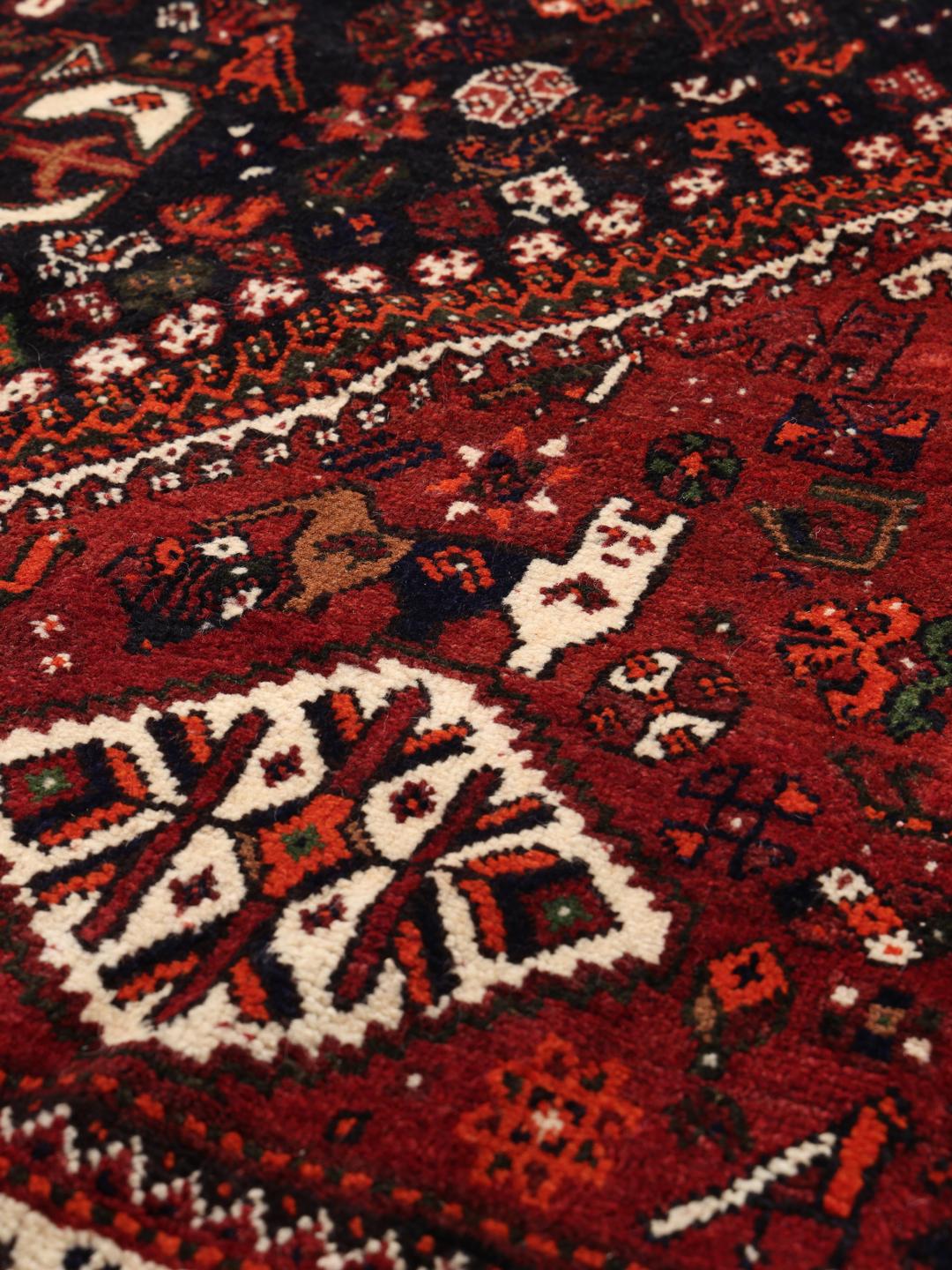
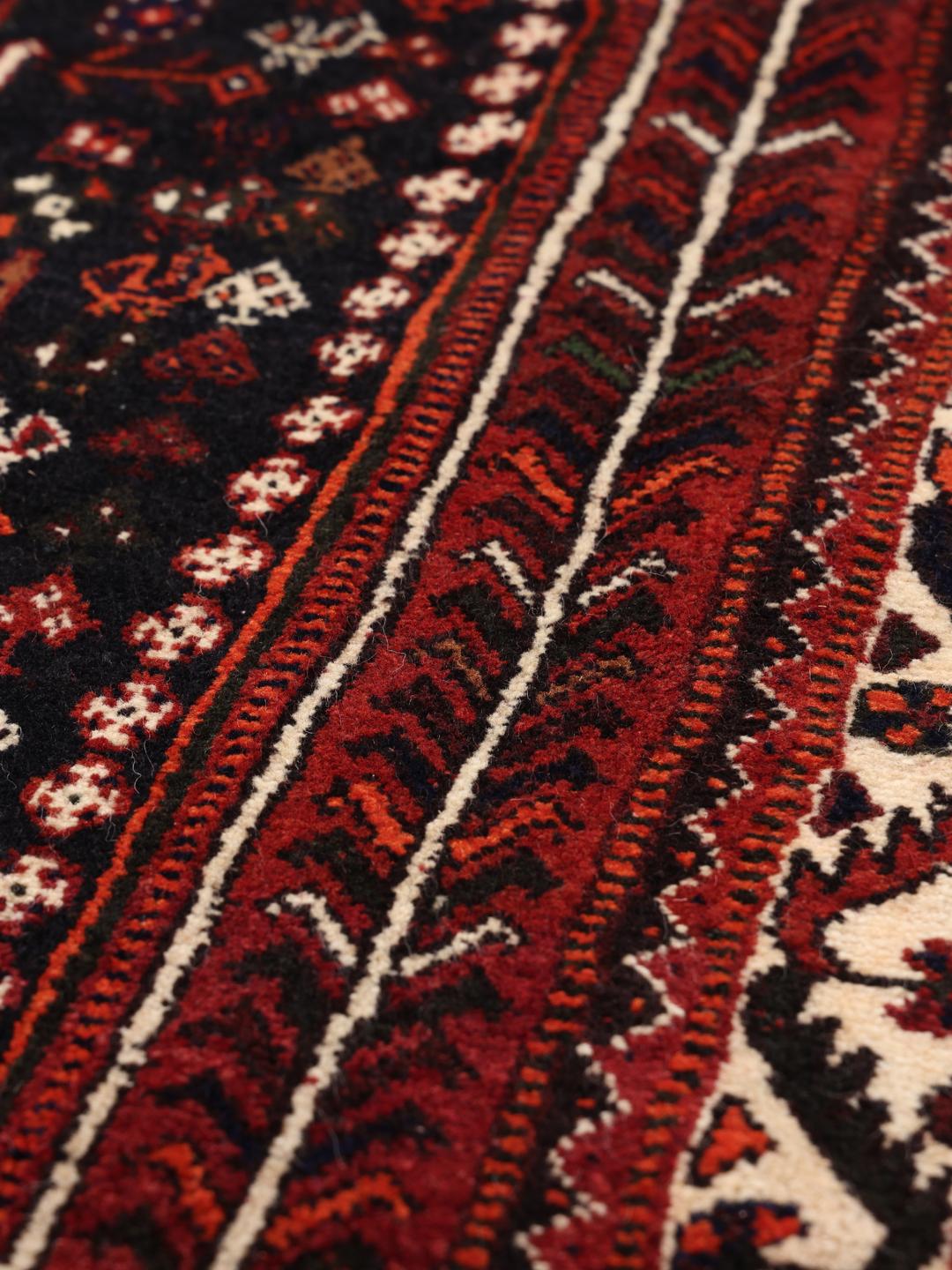
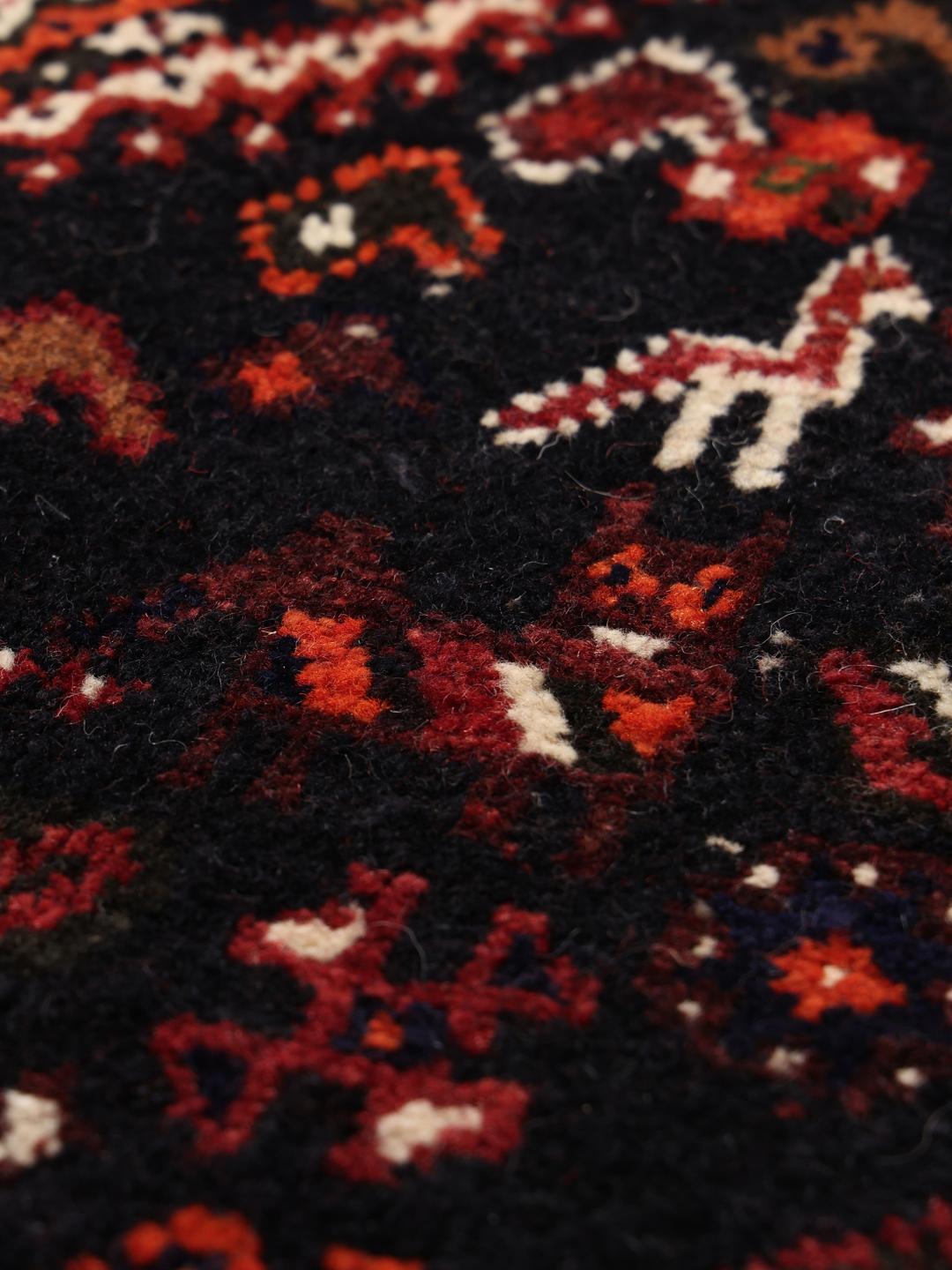
Signature design elements of the Qashqai style often include geometric medallions, stylised animal figures, and floral motifs that are rooted in the natural environment of the weavers. The use of a central diamond medallion, common in these pieces, is surrounded by a field of 'boteh' or other tribal symbols, all enclosed by complex, repeating borders. The colours are typically derived from natural dyes, resulting in a palette of deep reds, blacks, and off-whites that feel both ancient and vibrant.
Collectors value these rugs not only for their aesthetic appeal but also for the skill and heritage they embody. Owning a piece from this tradition is an act of preserving a nomadic history that is increasingly rare in the modern world. It is a connection to a way of life that prizes the individual hand and the collective memory of a people, making each rug a cherished heirloom that carries the weight of its own unique story.