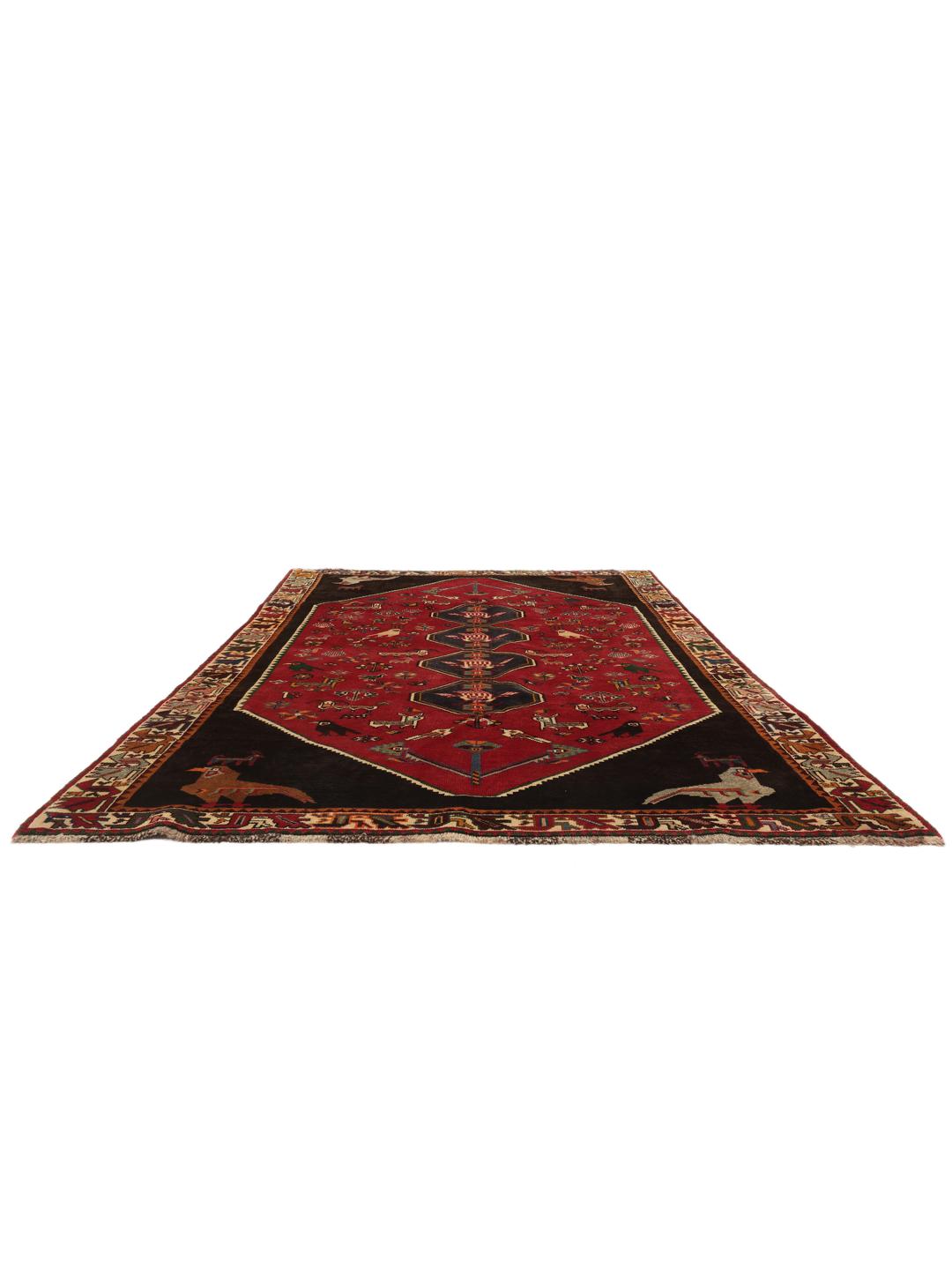
The Ghashghai rugs originate from the nomadic tribes of the Middle East, a region with a long and storied history of textile production. These tribes, known for their migration through diverse landscapes, developed a unique style of weaving that reflects their intimate connection to the natural world. Their rugs are not merely floor coverings but are essential components of nomadic life, often serving as bedding, tent partitions, and decorative elements.
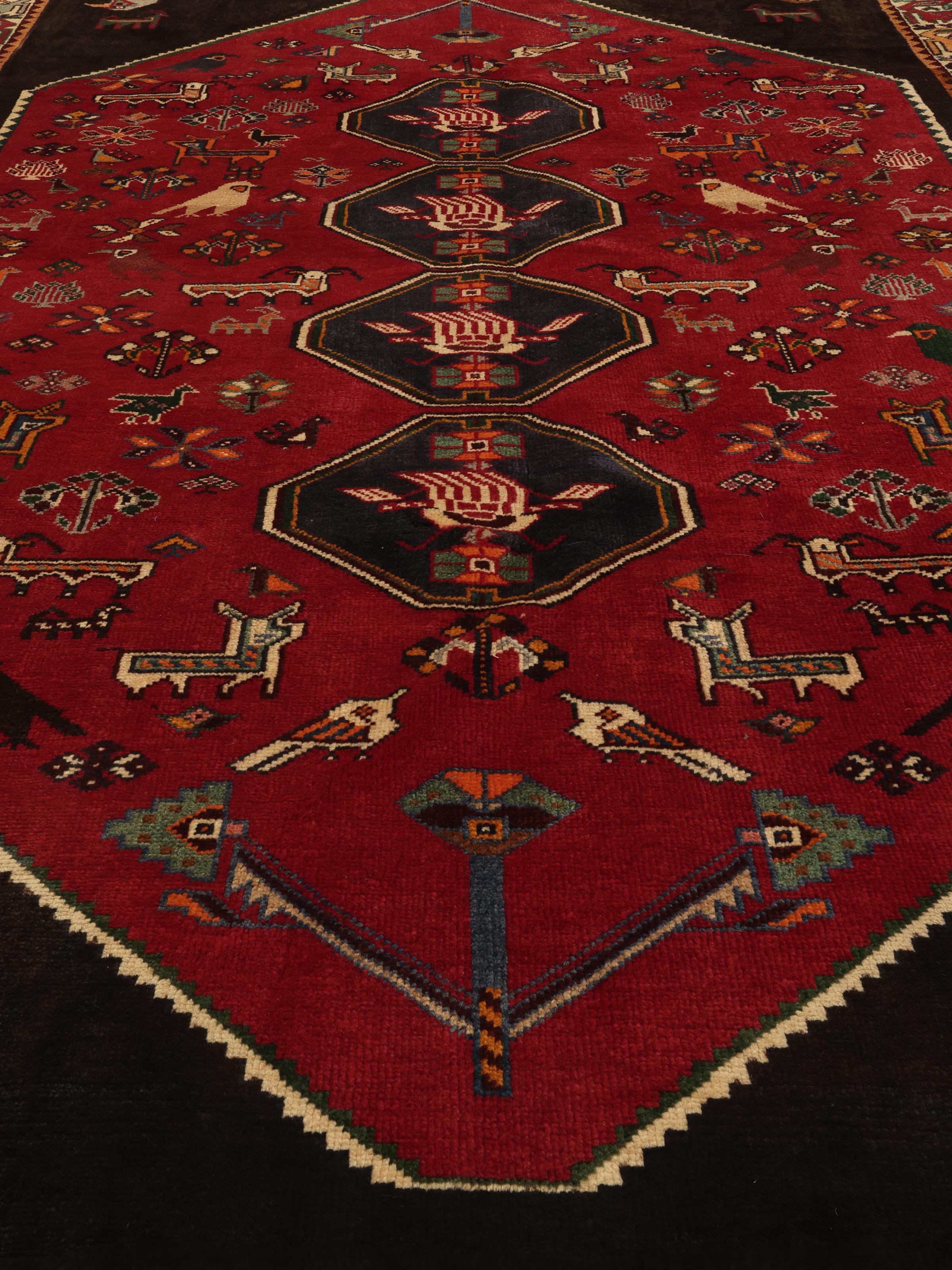
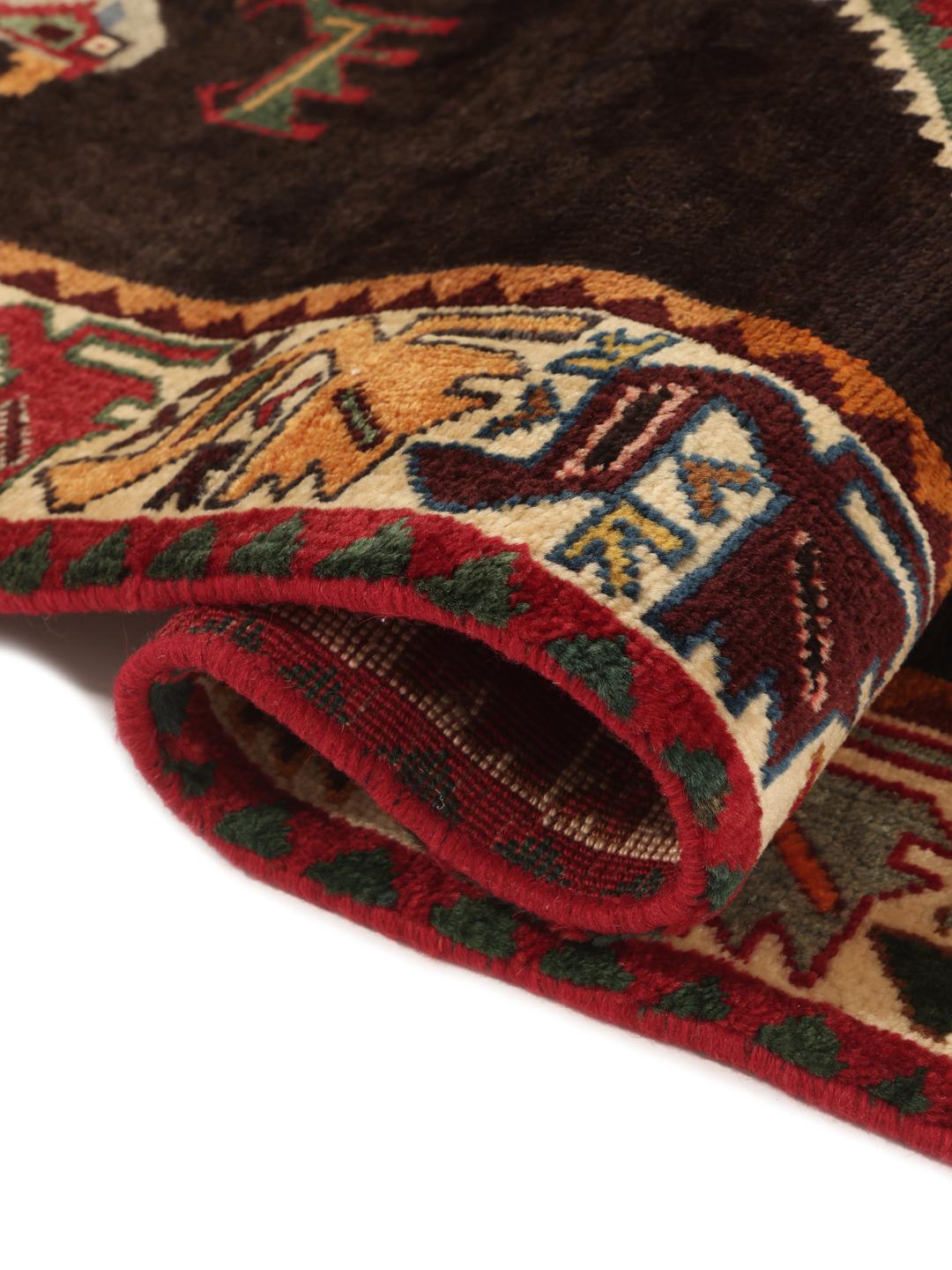
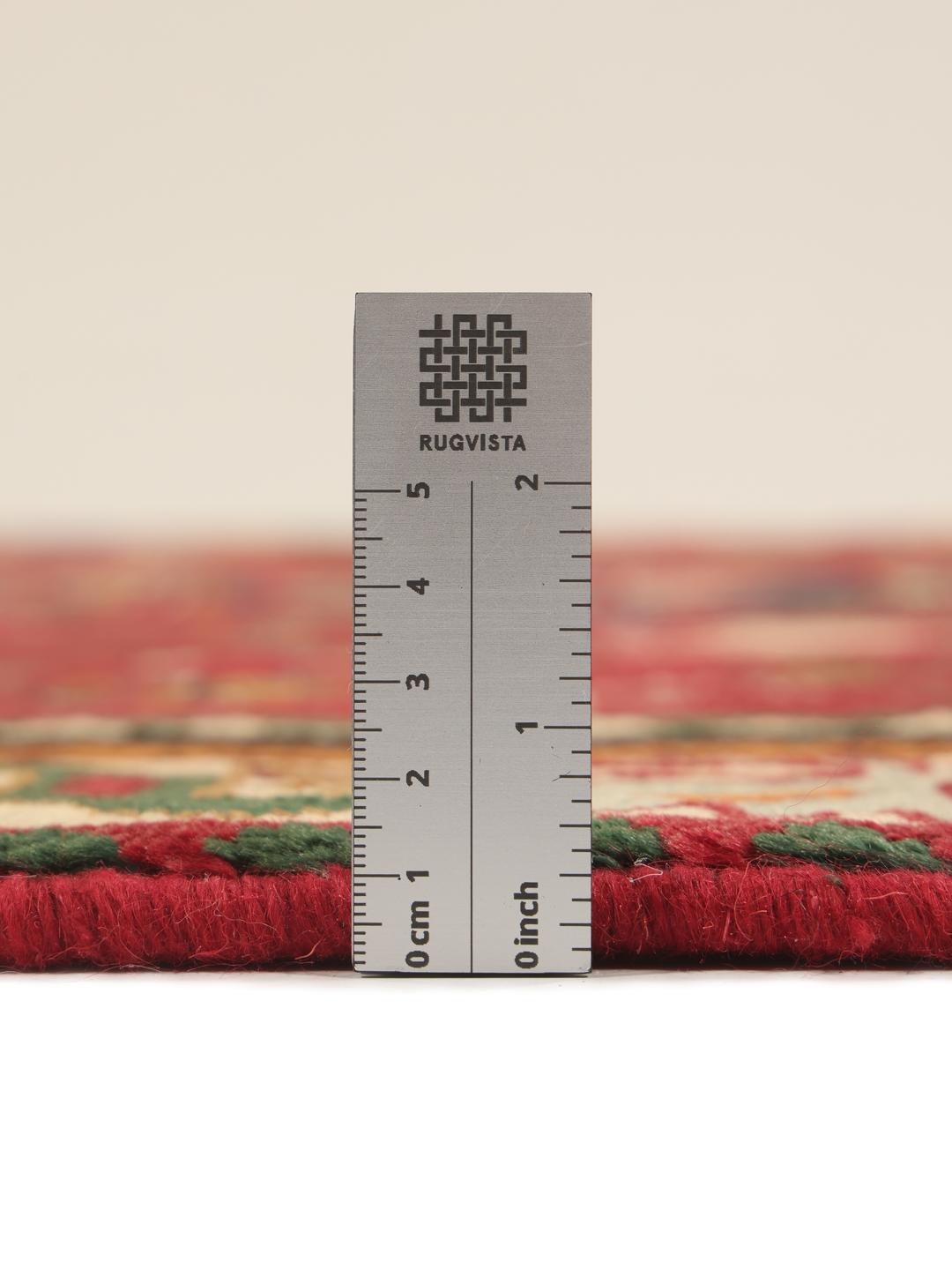
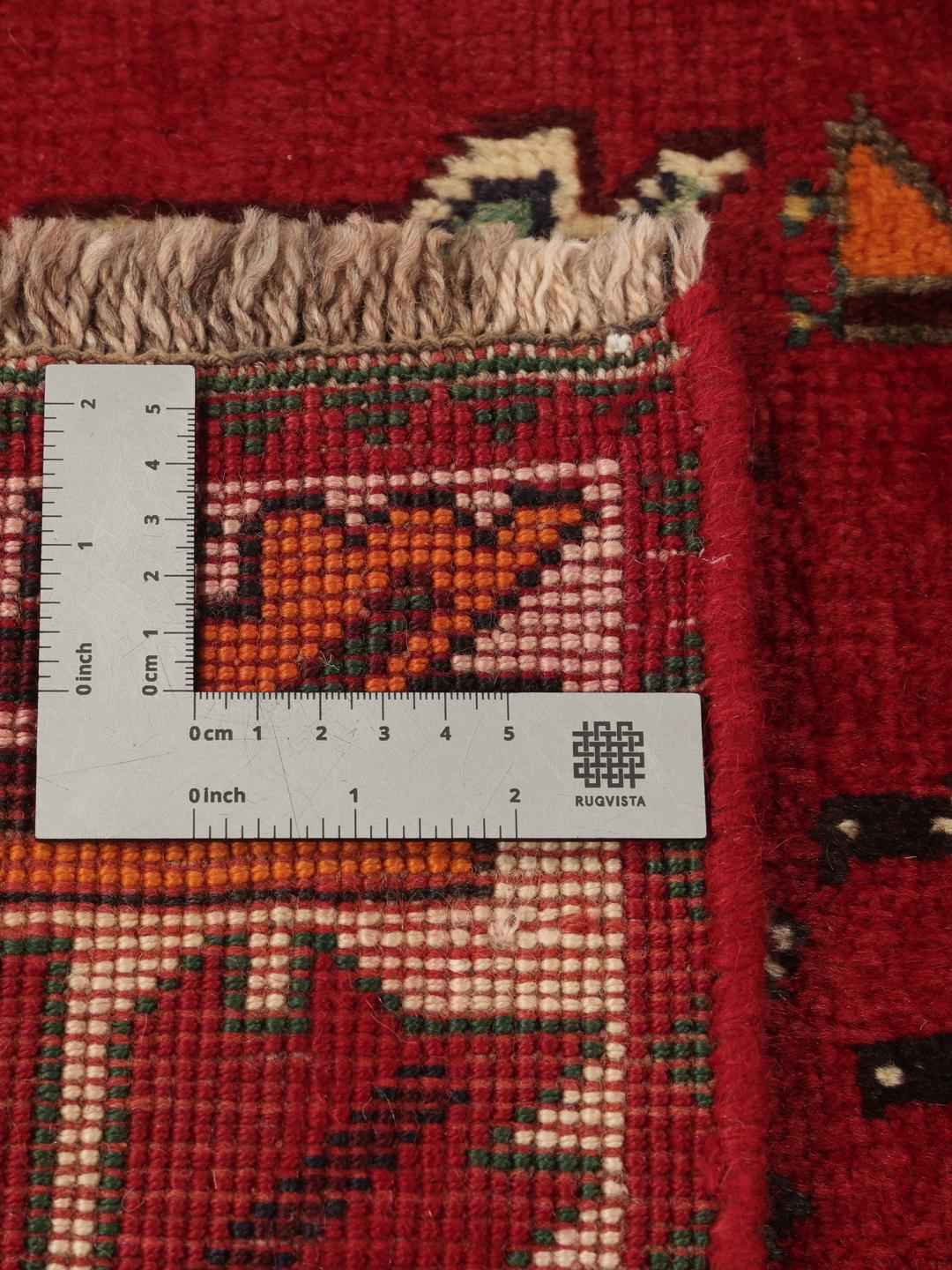
The term 'hand-knotted' refers to the traditional technique where each knot is tied by hand onto the warp threads. This method is the foundation of quality in these rugs, as it allows for the creation of intricate, durable designs that can last for generations. The density of the knots directly influences the sharpness of the patterns and the overall resilience of the pile, making these rugs highly prized for their structural integrity.
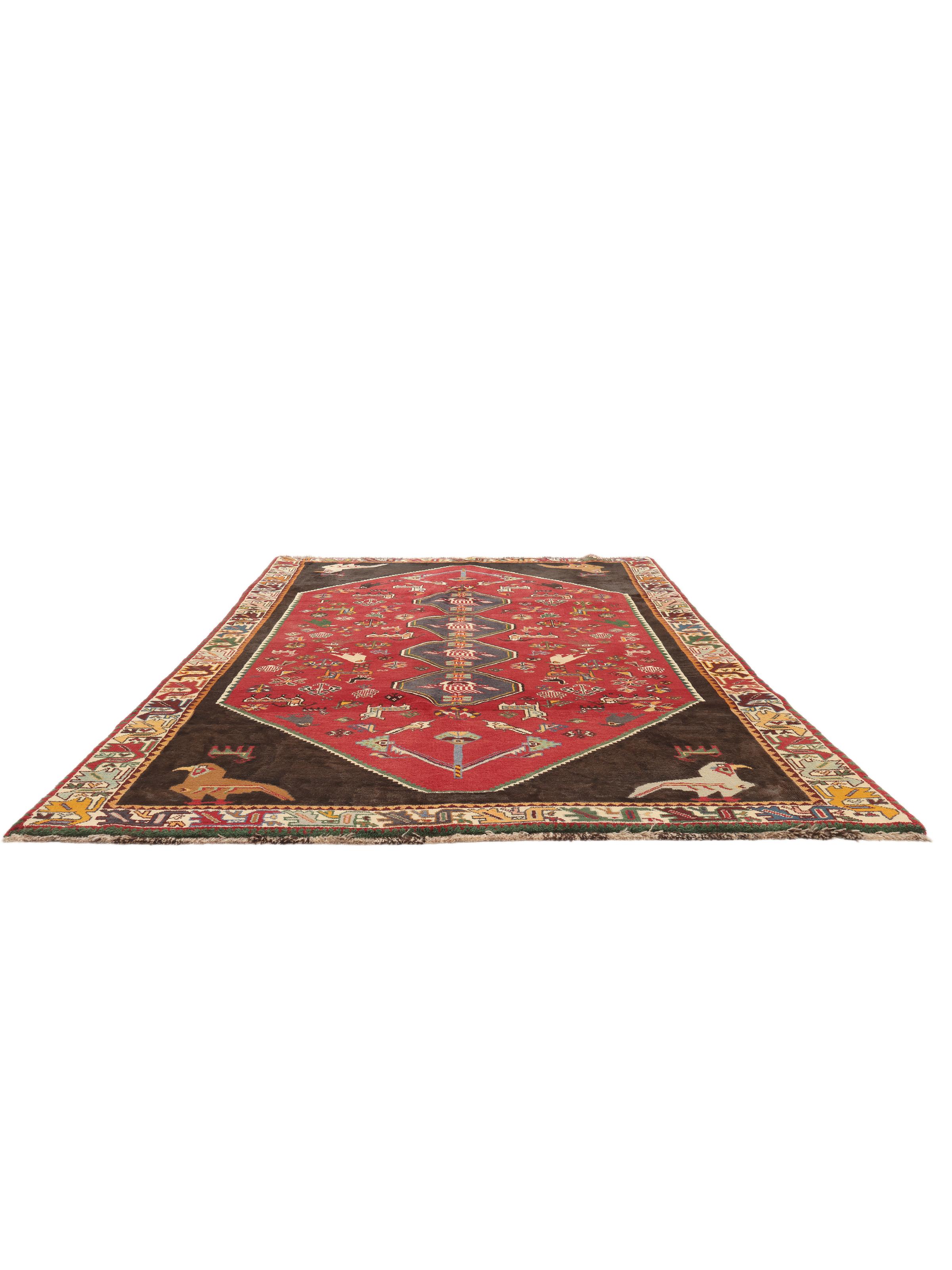
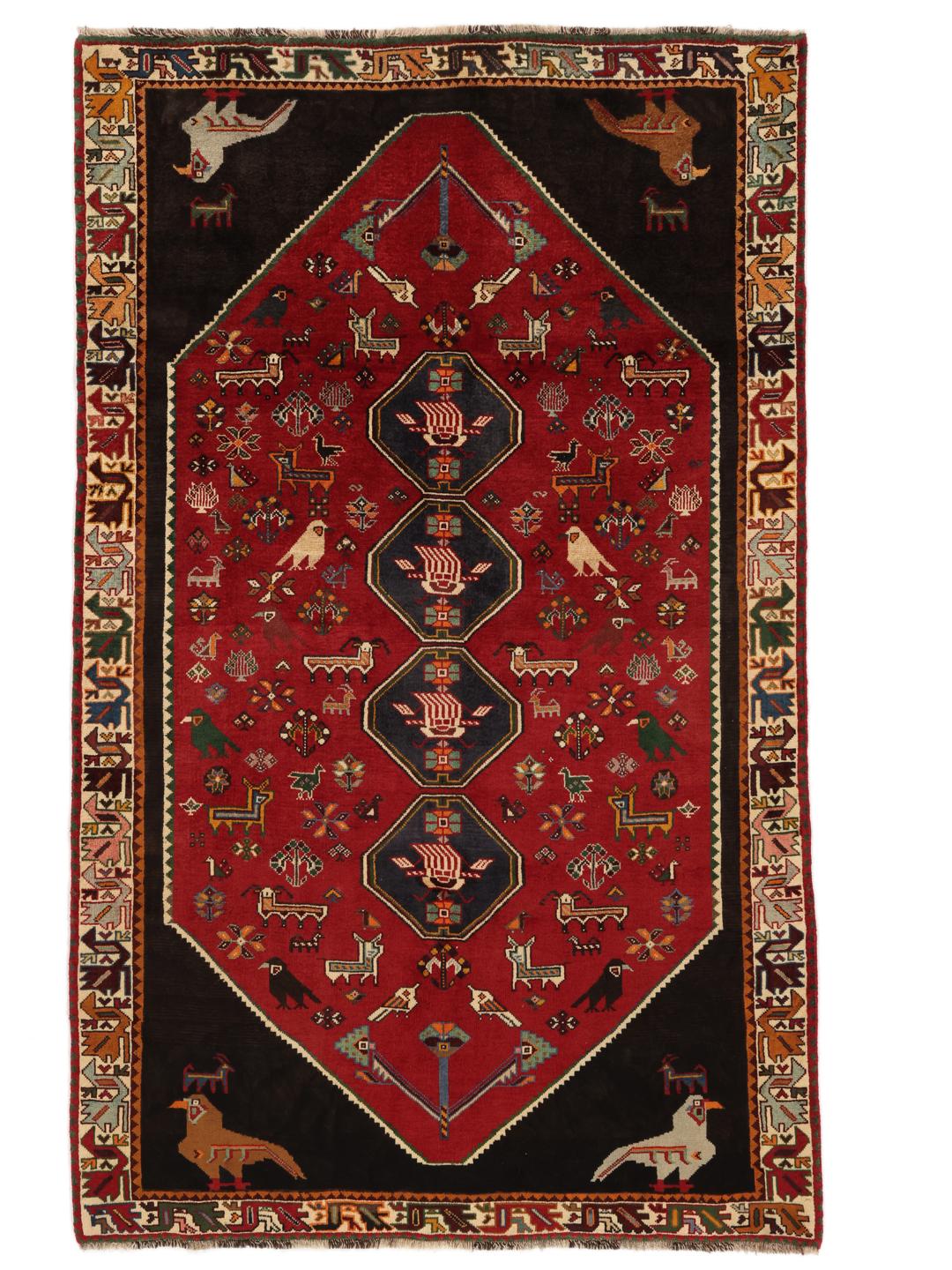
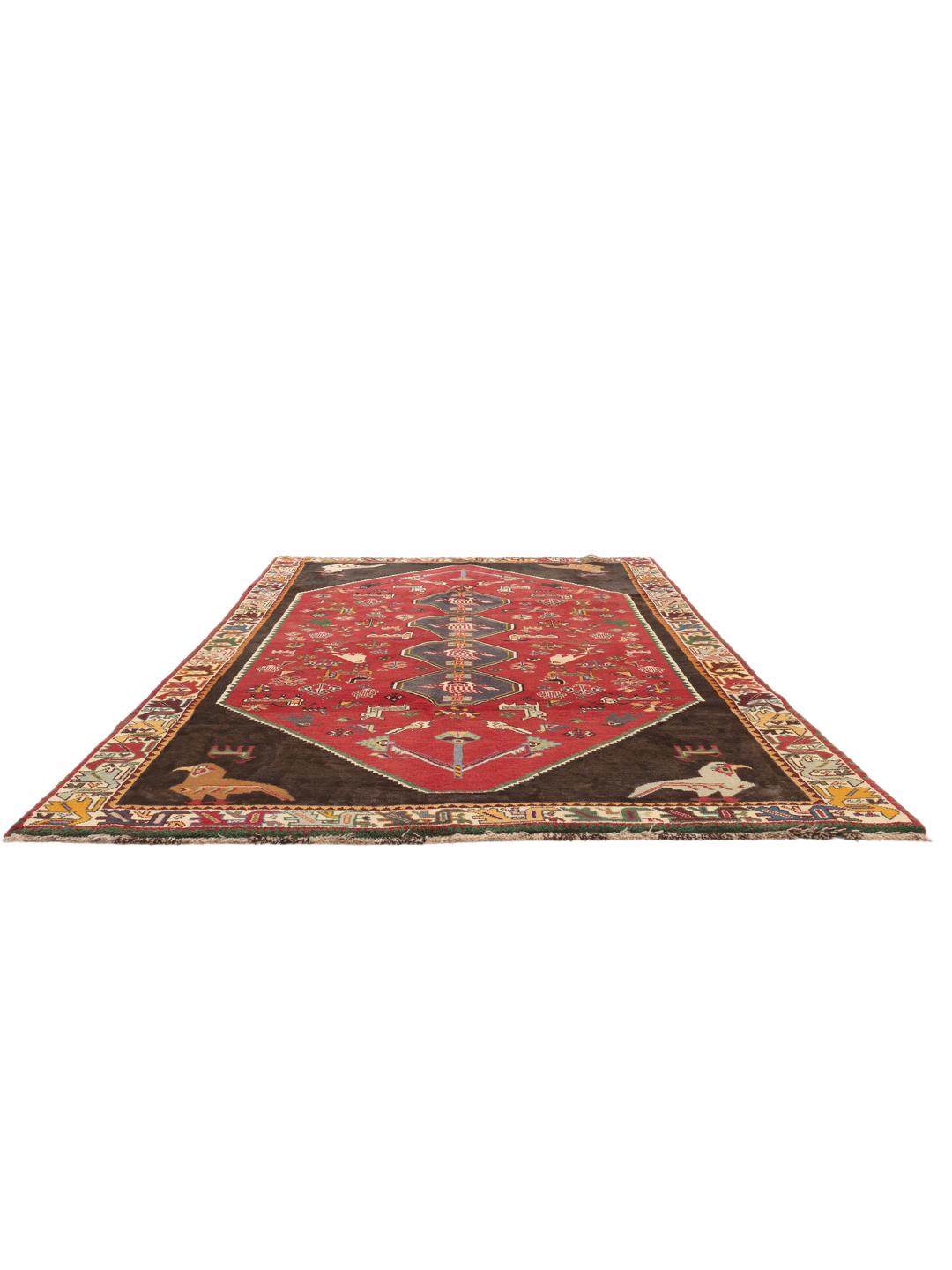
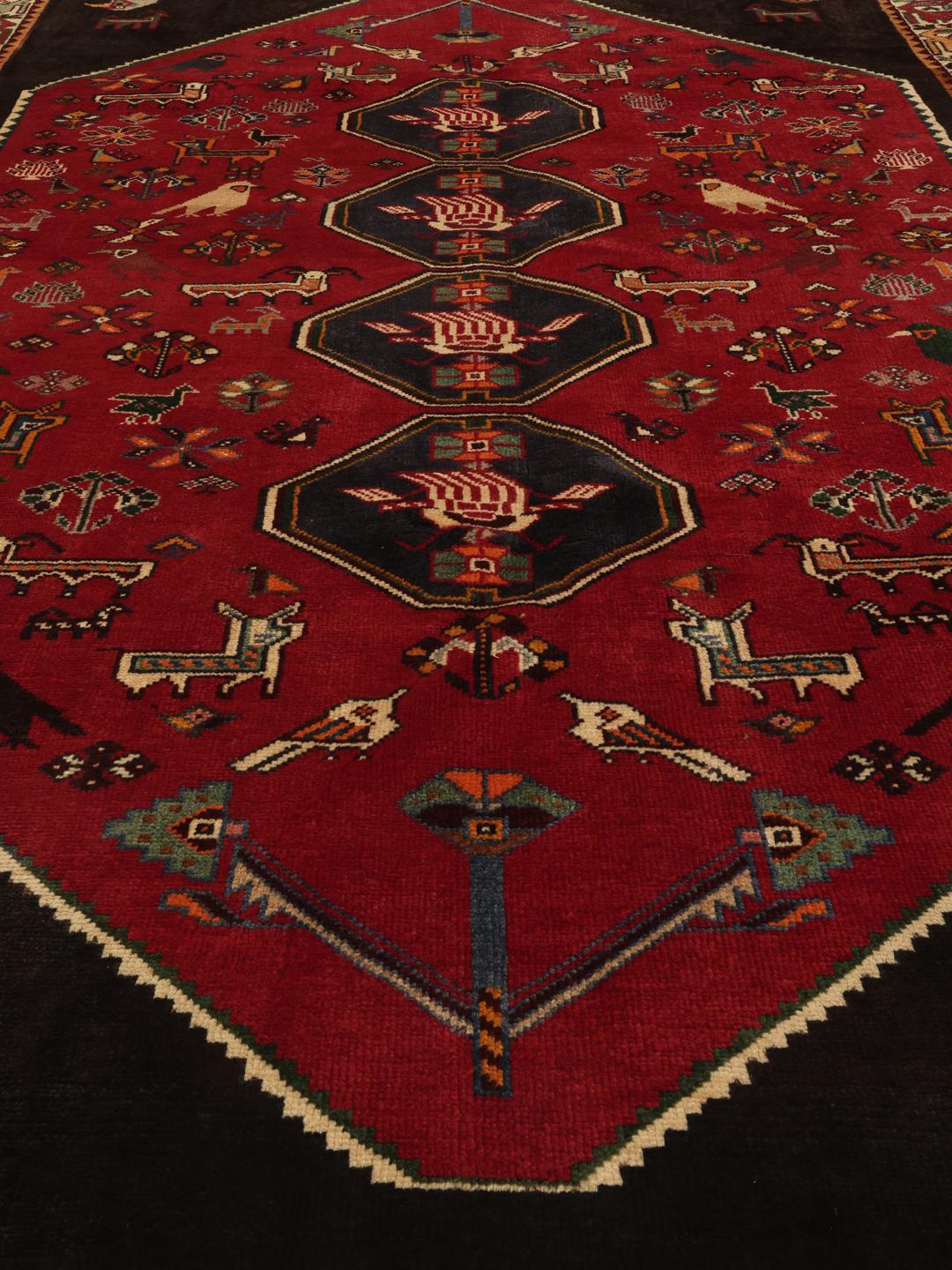
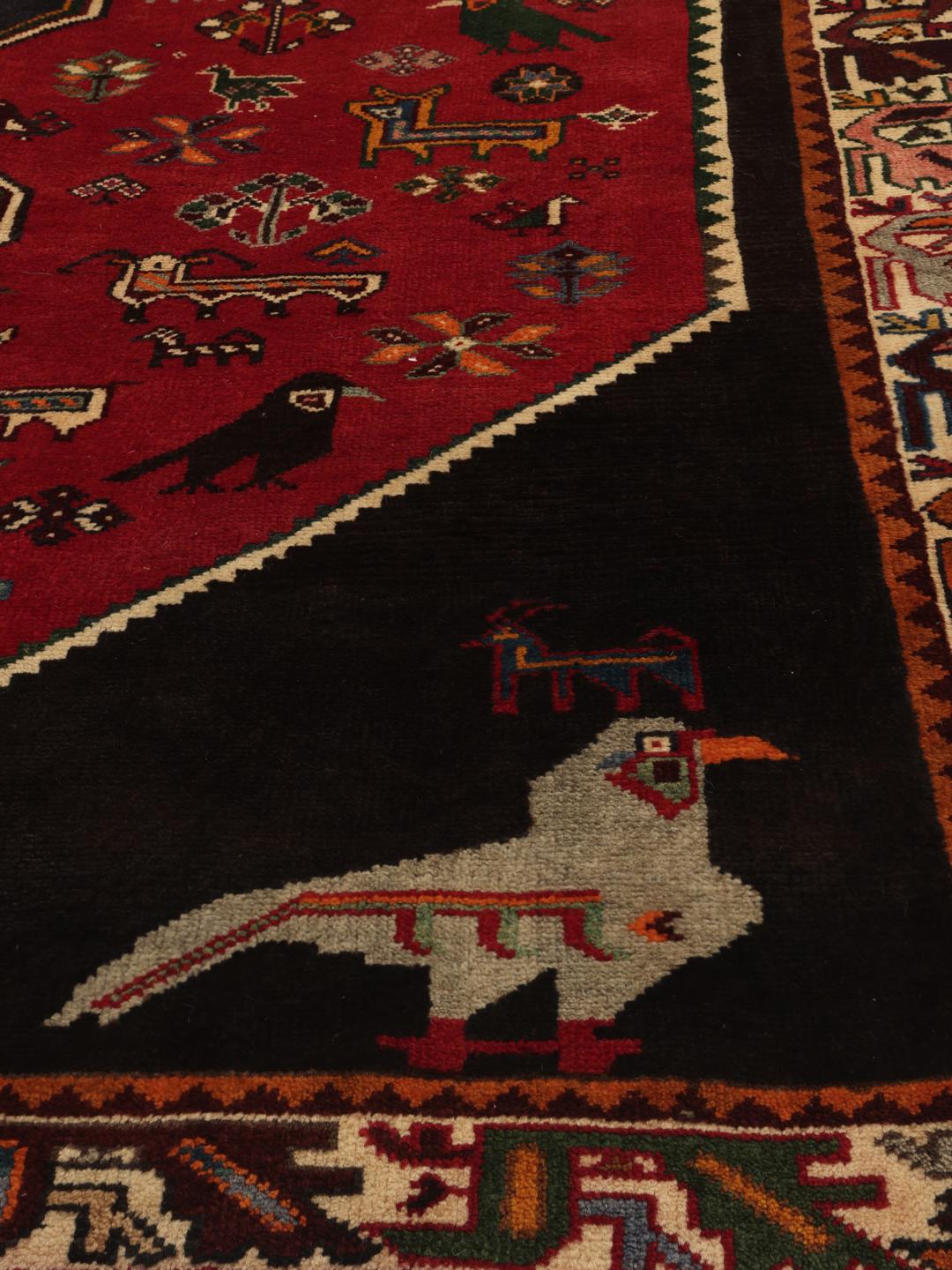
Signature design elements of these rugs often include geometric medallions, stylized flora, and pictorial motifs depicting local wildlife, such as birds and goats. The use of a bold red field, often contrasted with dark borders and intricate detailing, is a hallmark of this tradition. These patterns are passed down through generations, with each weaver adding their own subtle interpretation to the established visual language.
Collecting these rugs is an investment in cultural legacy. They are valued not only for their beauty but for the skill and heritage they represent. By bringing such a piece into your home, you are honouring a tradition that has survived and thrived through centuries, preserving the art of the nomadic tribes for the modern world to enjoy.