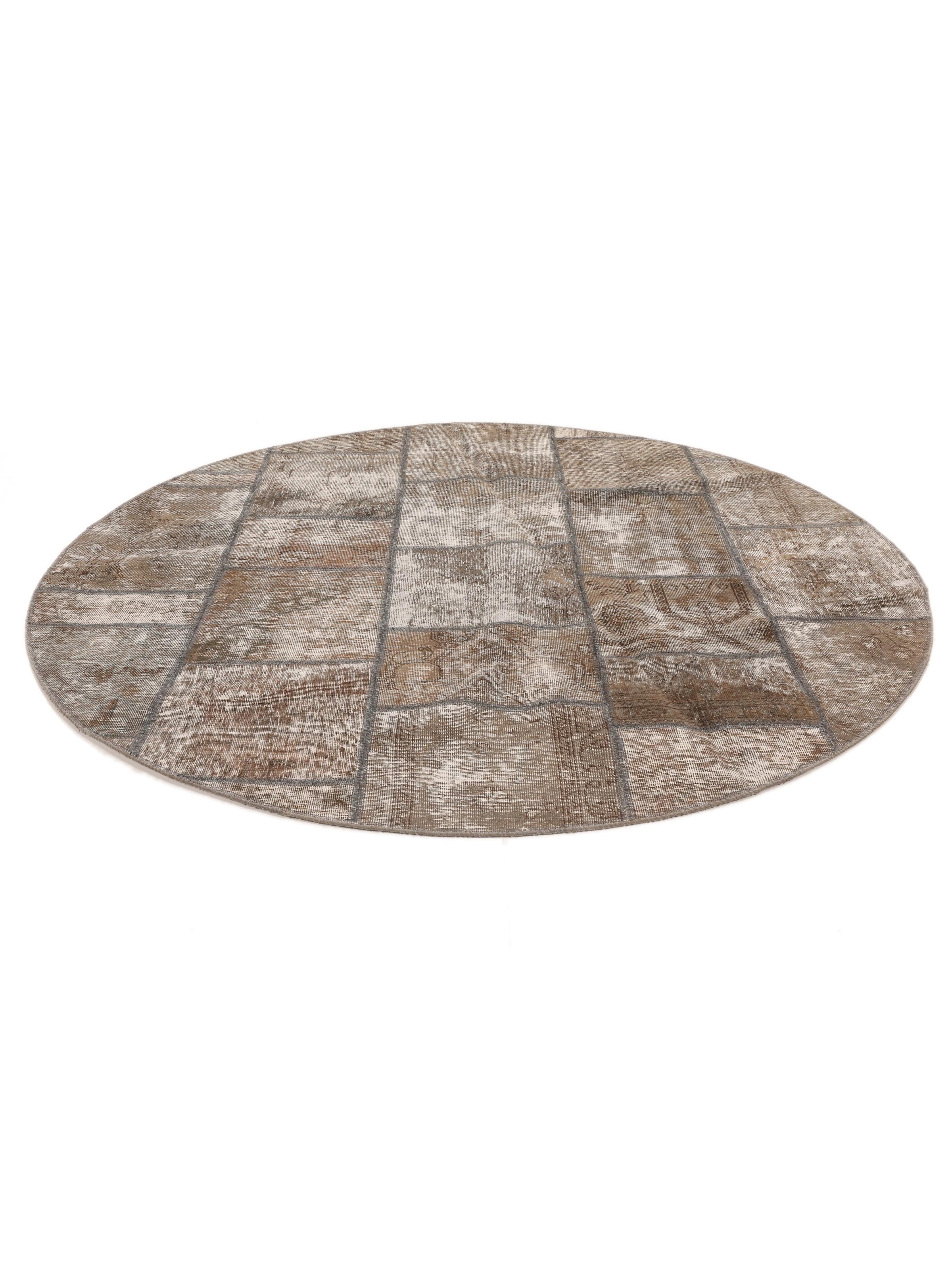
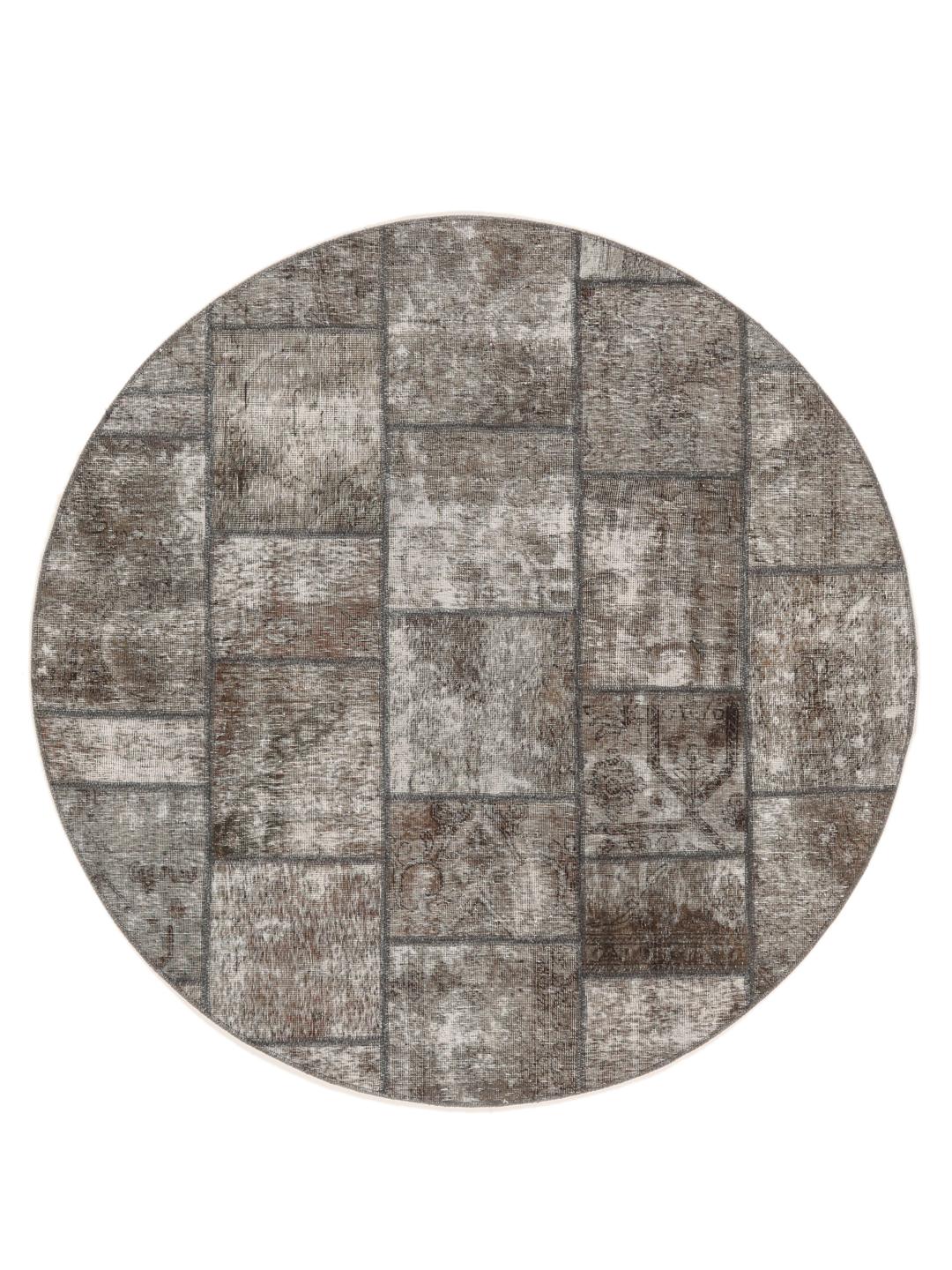
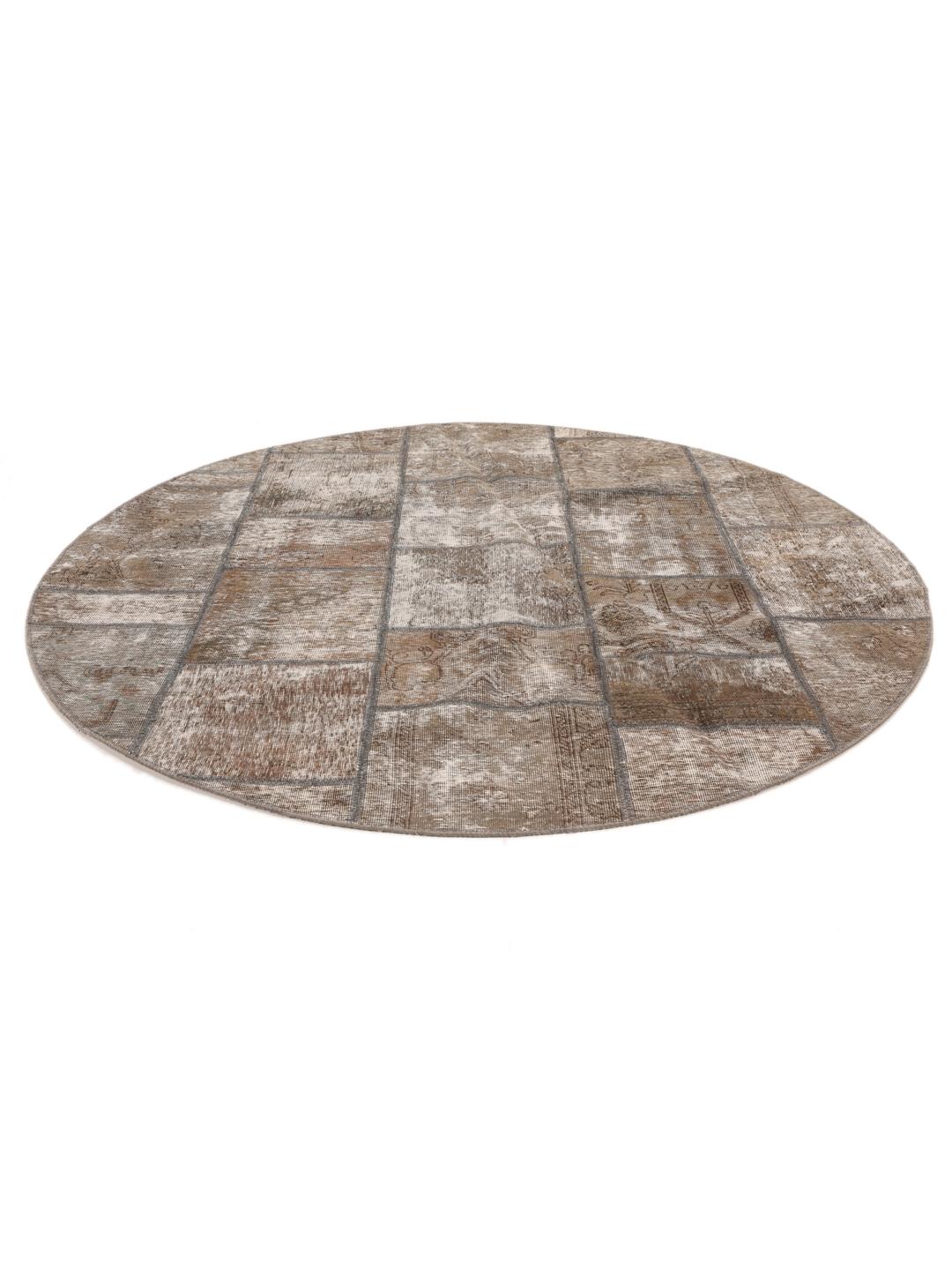
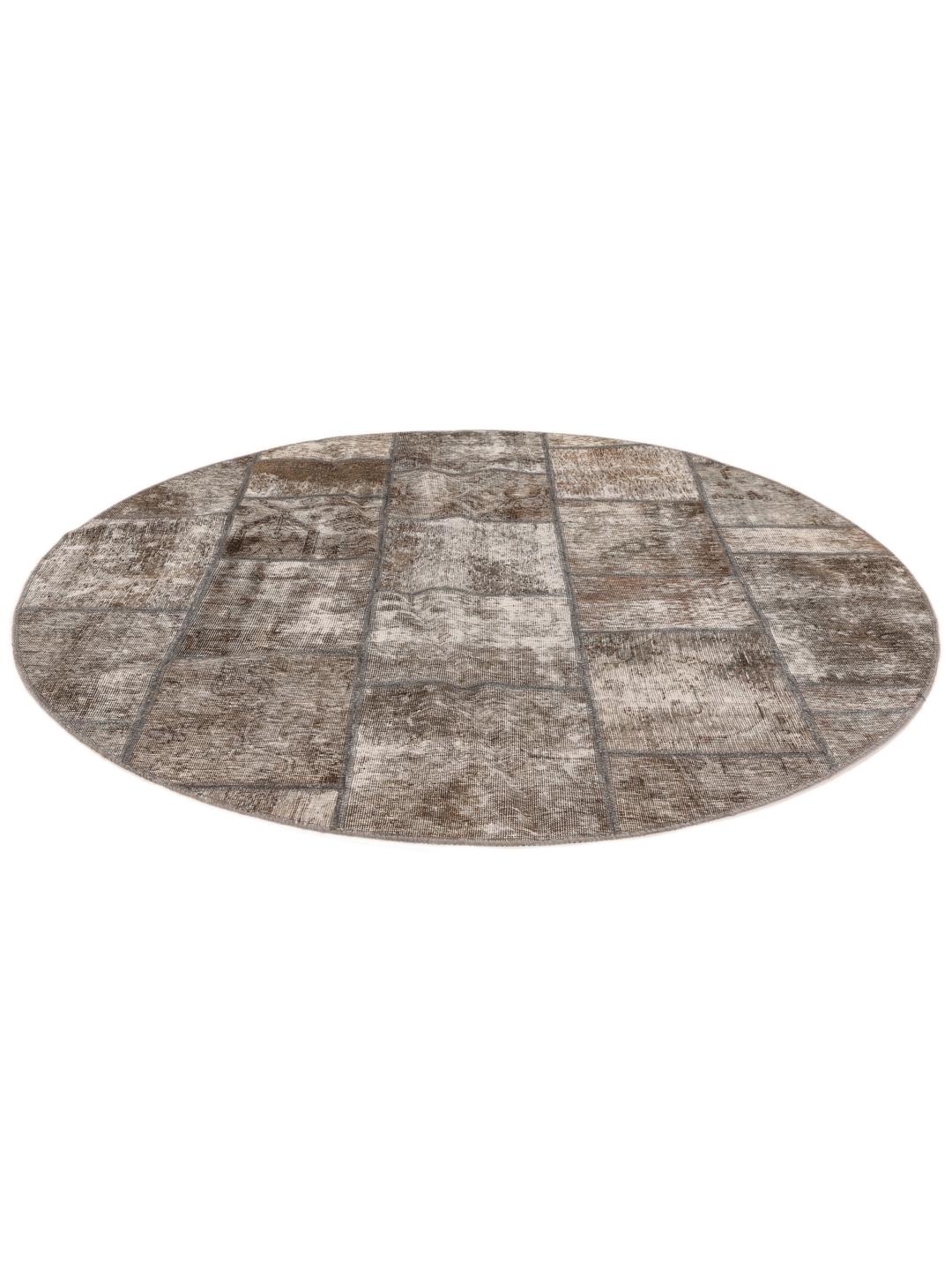
Patchwork rugs represent a fascinating evolution in the history of Middle Eastern textile arts. This tradition involves the careful selection and combination of hand-knotted wool fragments, often sourced from older, well-loved rugs that have reached the end of their original life cycle. By deconstructing these pieces and reassembling them into new, geometric patterns, artisans breathe new life into heritage textiles, ensuring that the skill and labour of the original weavers are preserved and celebrated in a modern context.
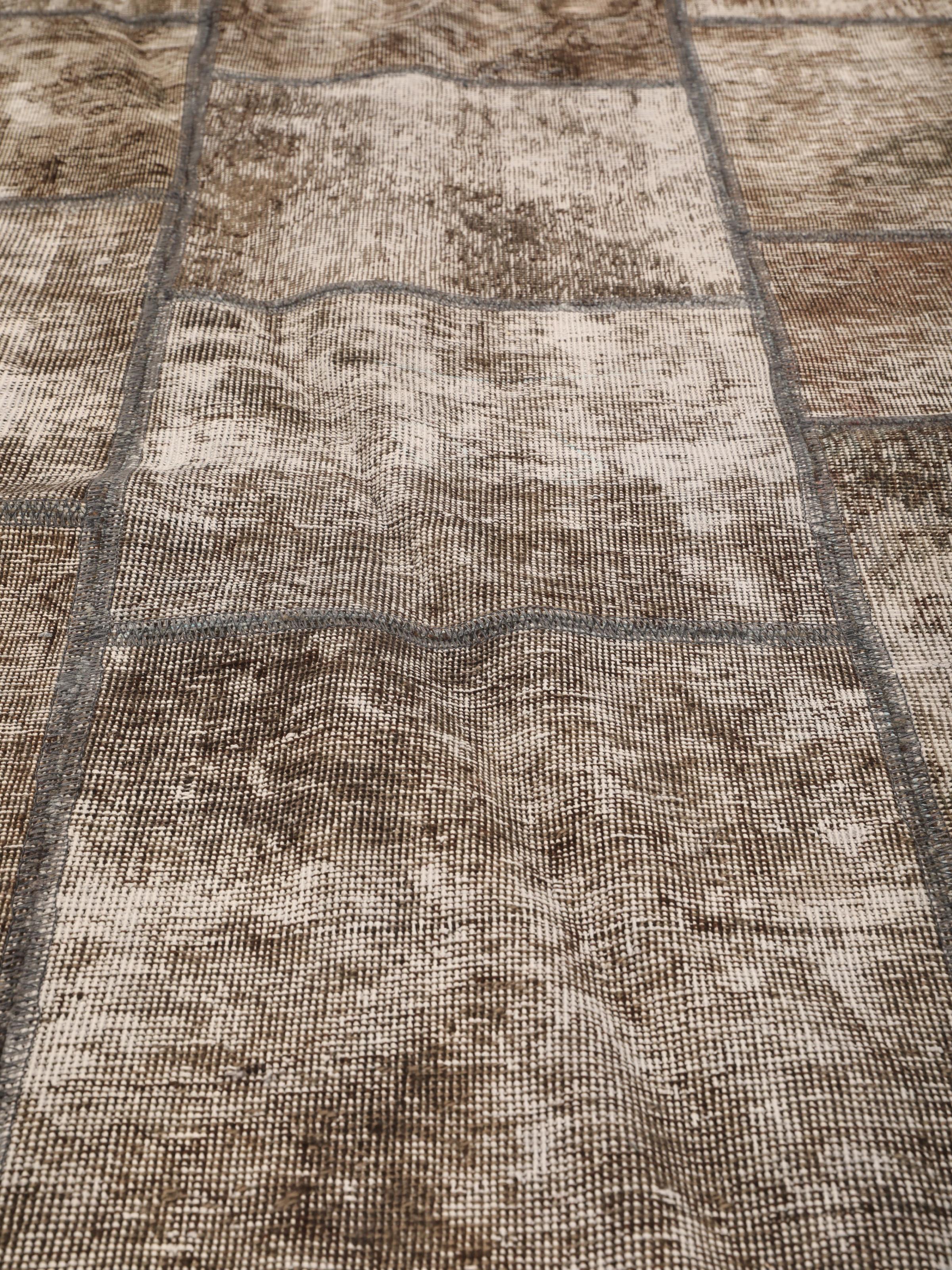
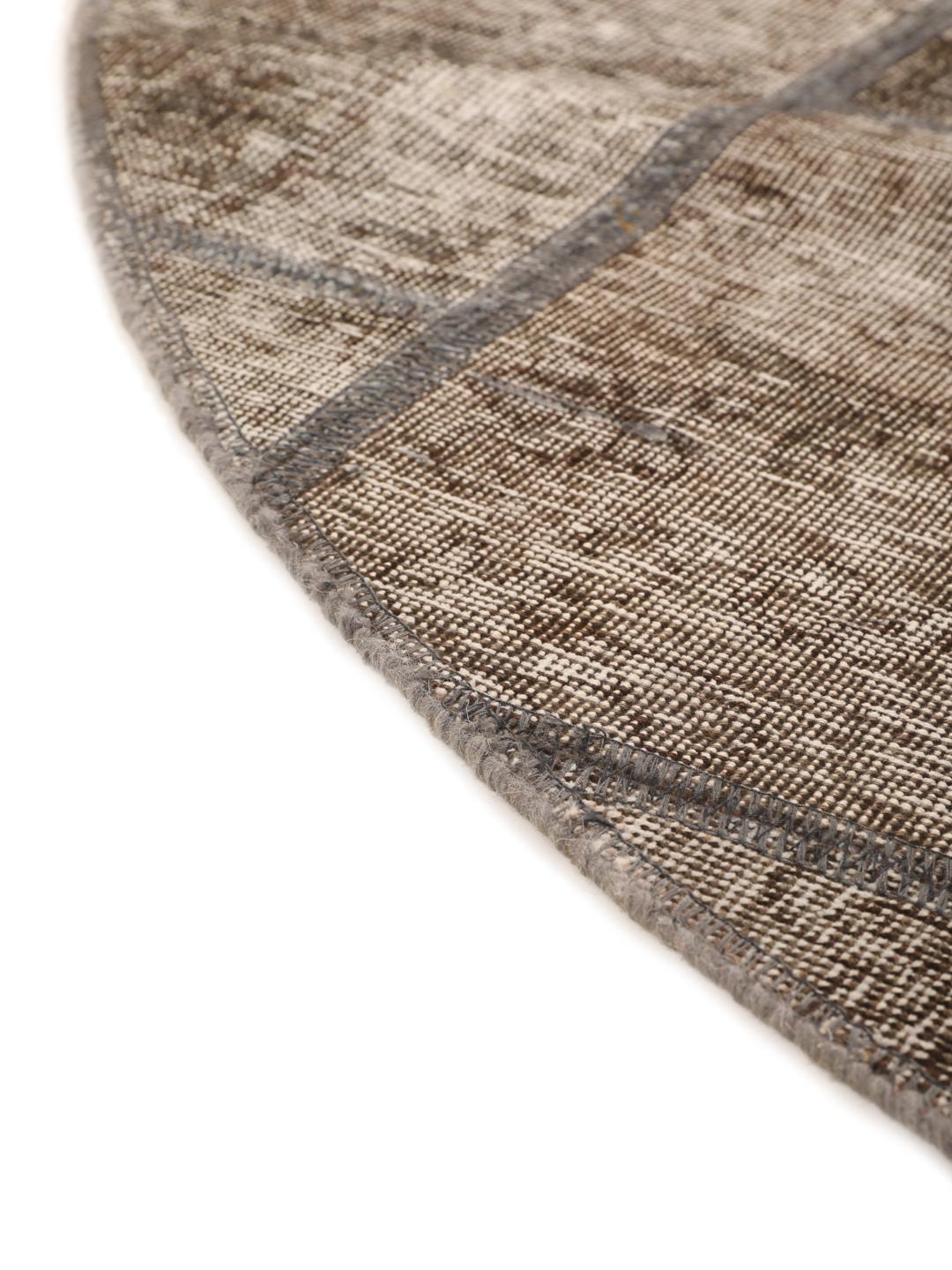
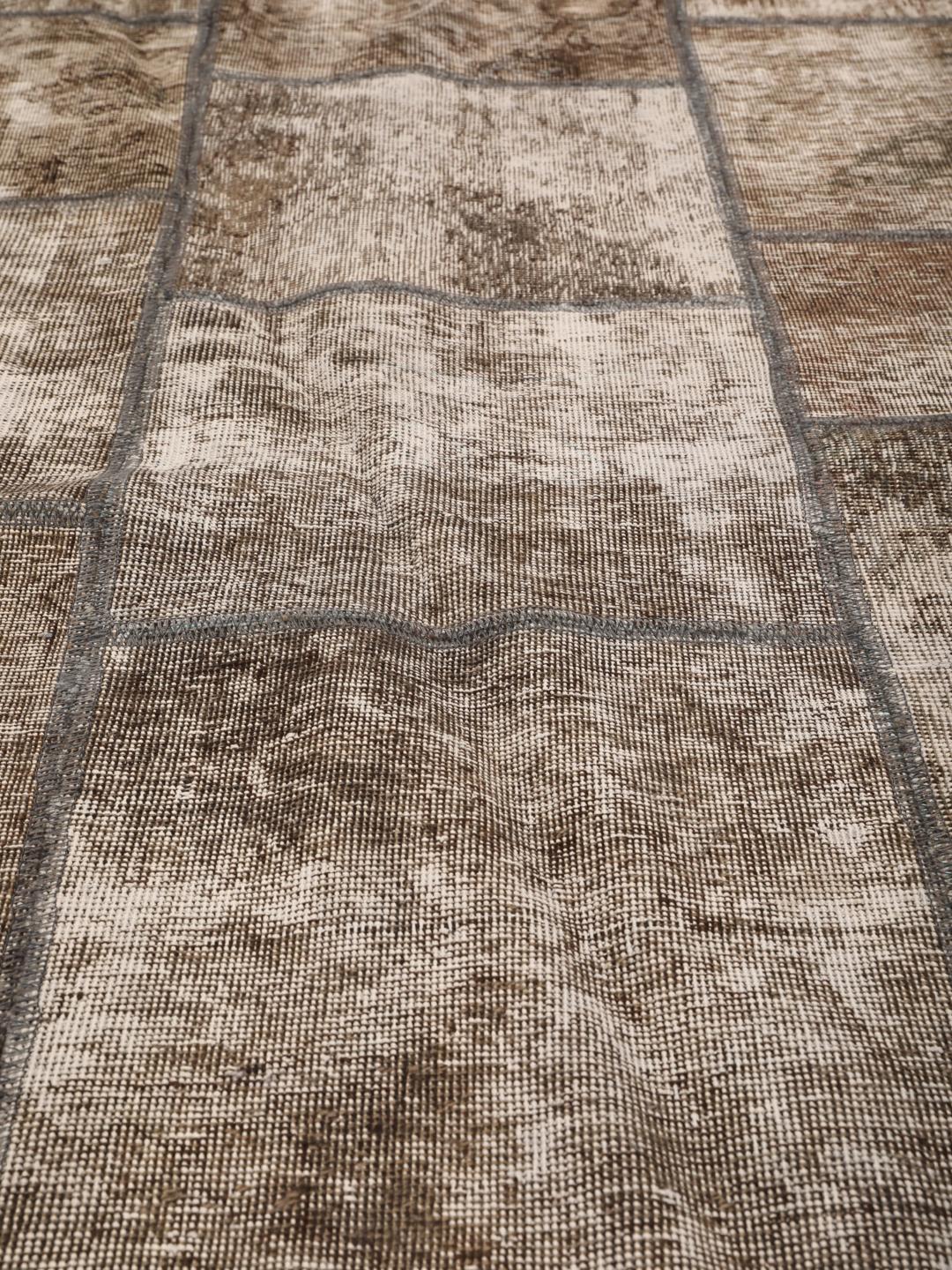
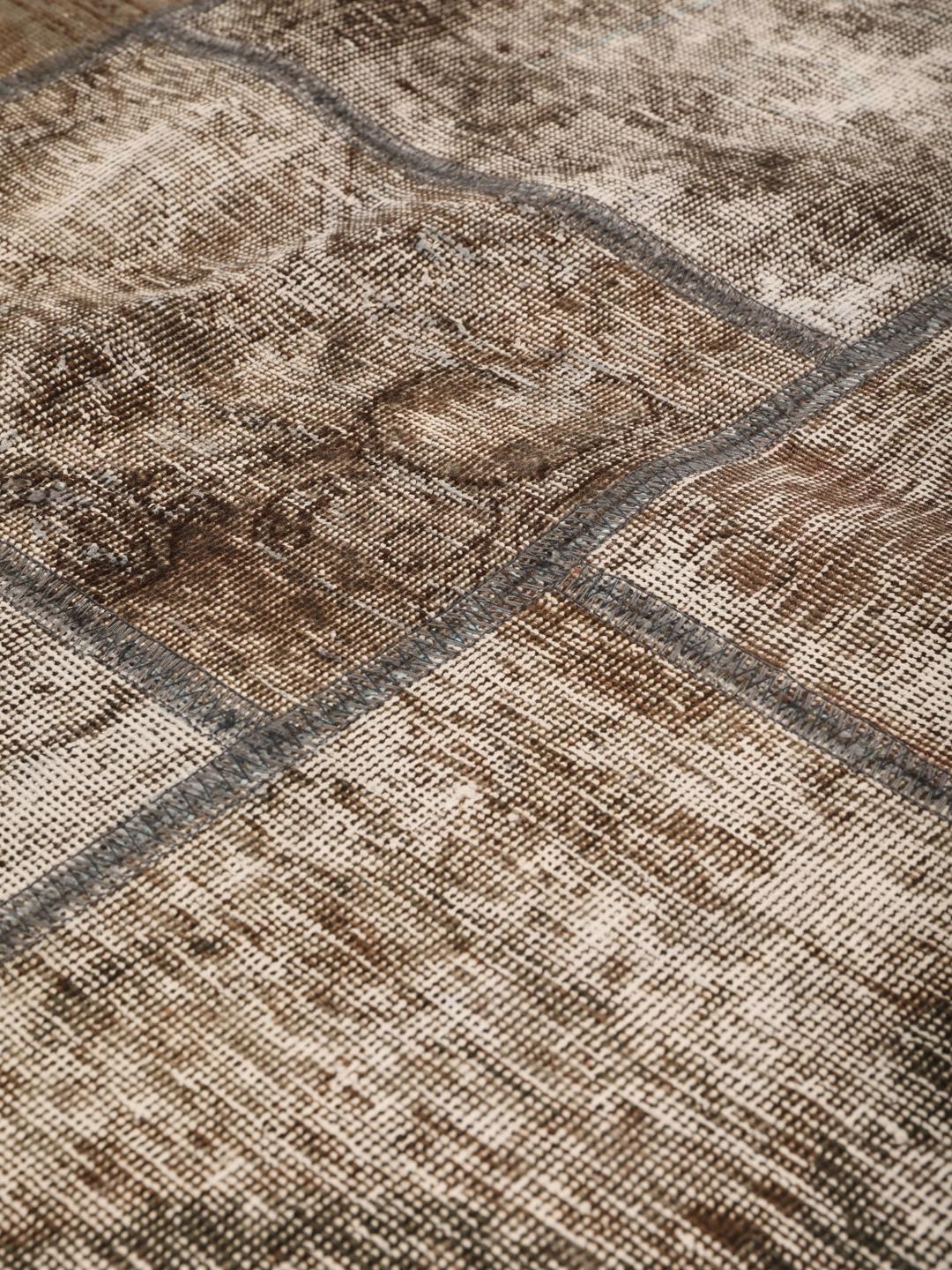
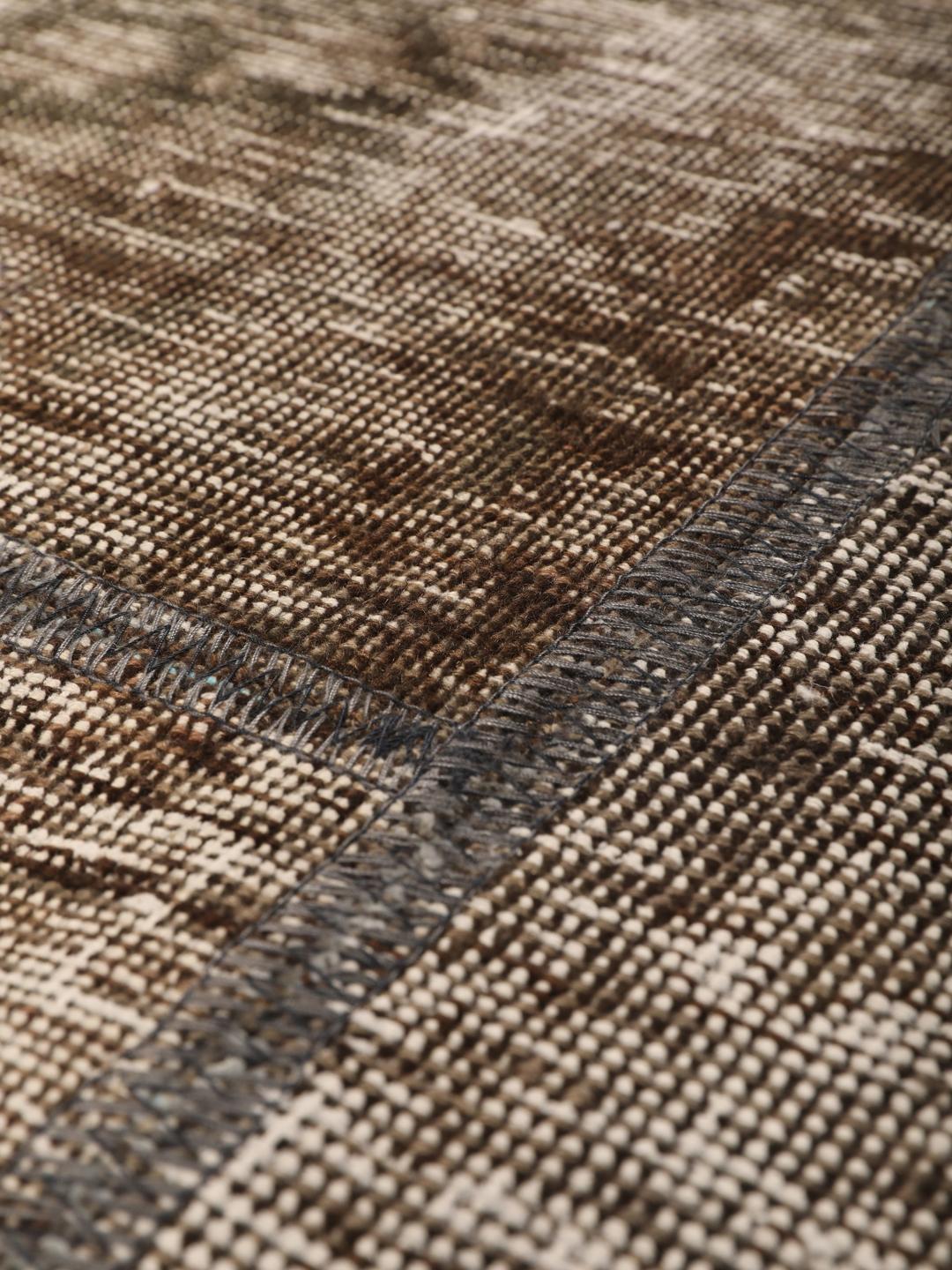
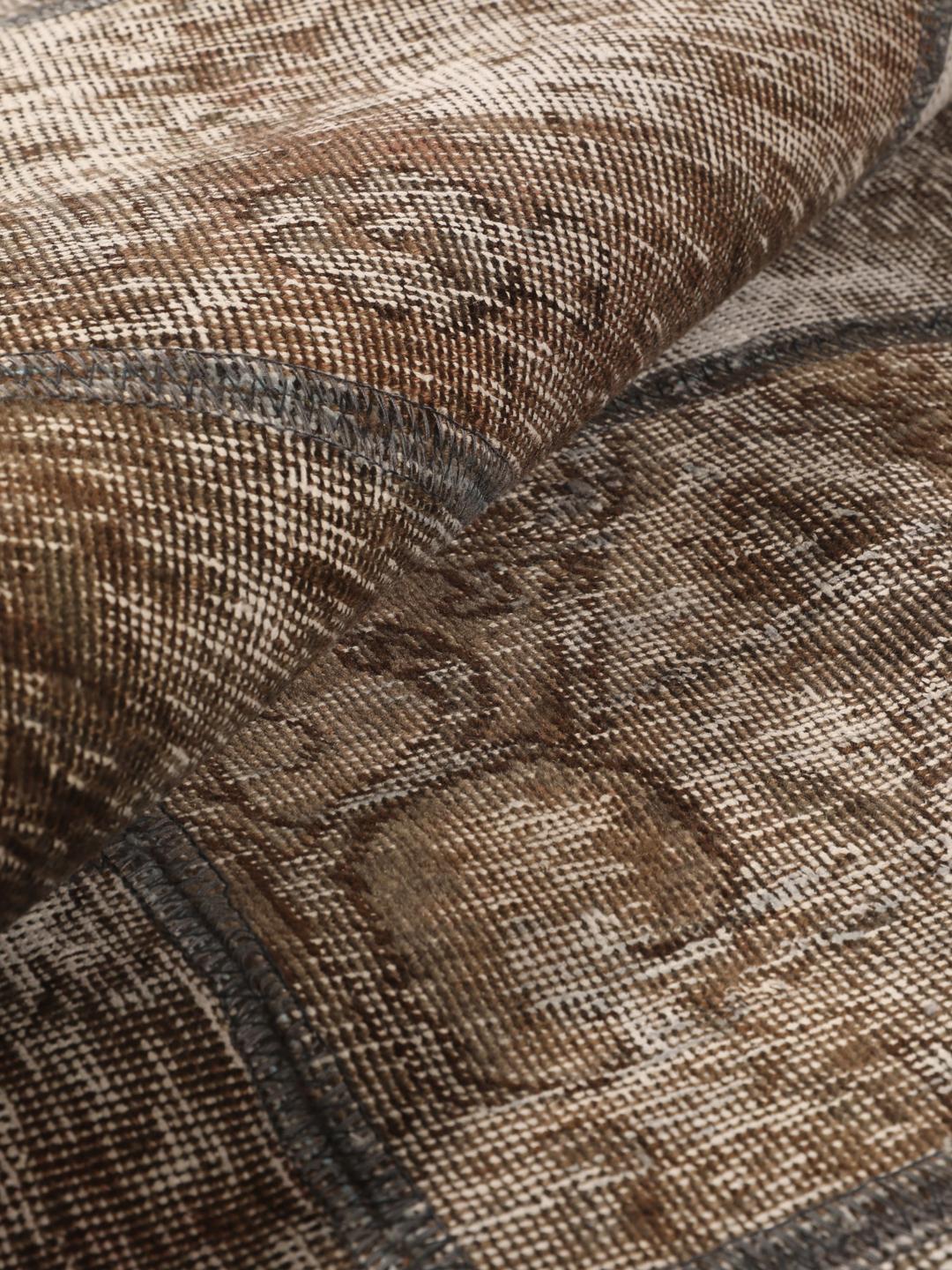
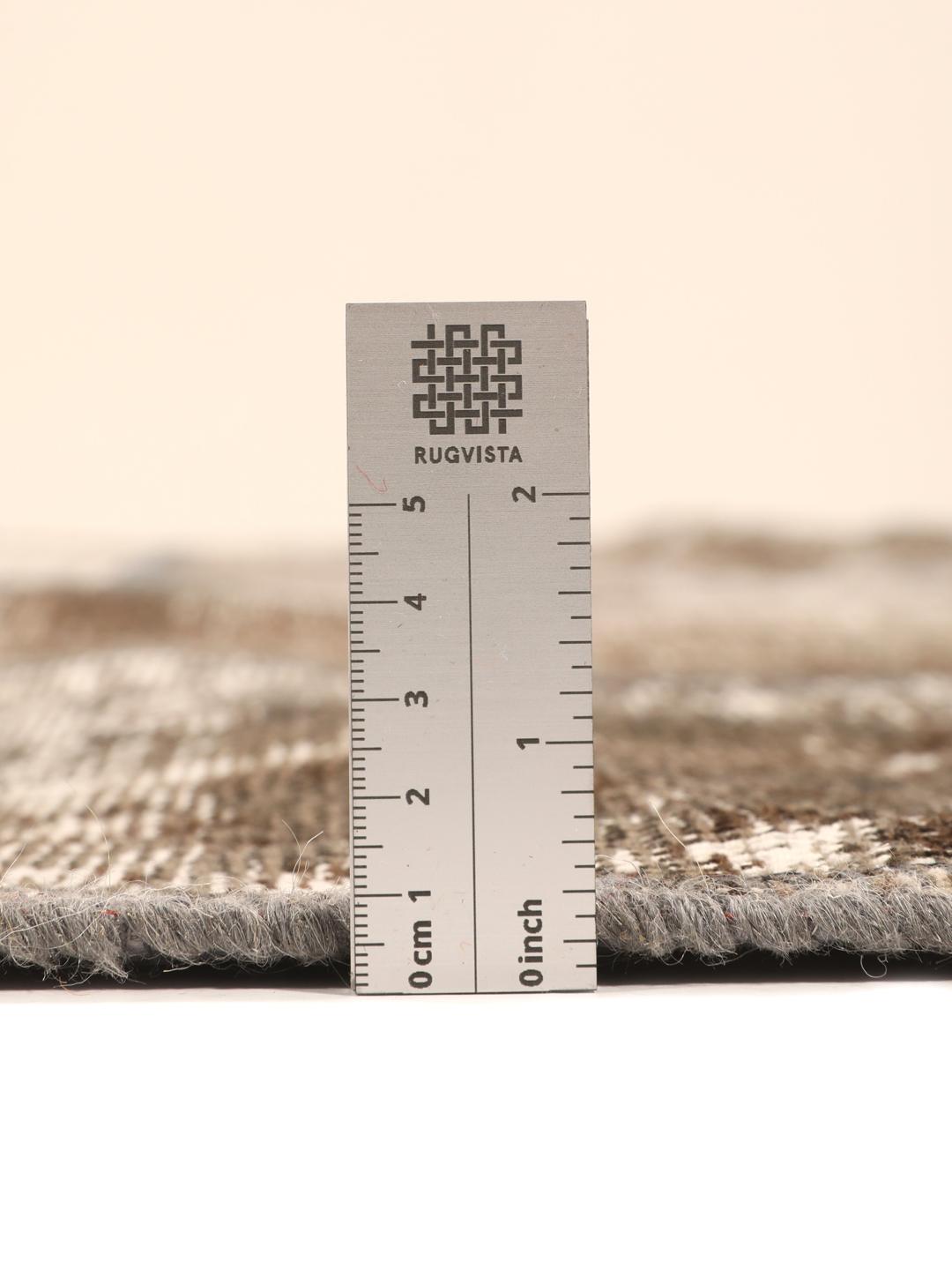
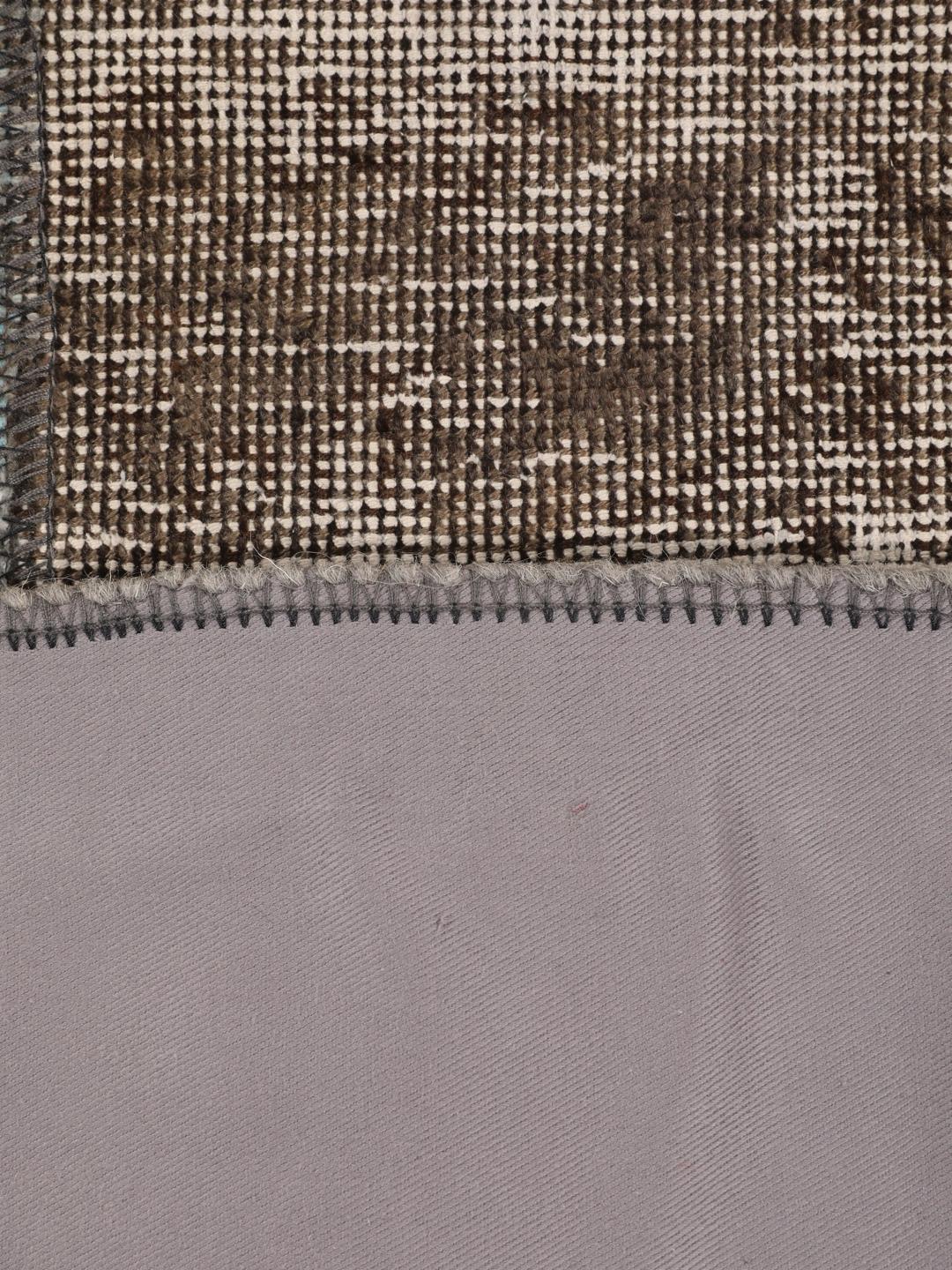
The craft of creating these rugs relies on a deep understanding of wool quality and textile durability. Each fragment is chosen for its specific colour, wear pattern, and pile density, which are then expertly joined to create a seamless surface. This practice highlights the importance of the material itself, as the wool must be stable enough to withstand the transformation process. The result is a textile that feels like a collage of history, where the individual character of each fragment contributes to a larger, complex narrative.
Visually, these rugs often feature a diverse array of motifs and borders that have been artfully reconfigured. You might find remnants of traditional floral or geometric designs that once belonged to much larger, formal rugs, now arranged in a bold, contemporary patchwork format. This juxtaposition of classic motifs with a modern, circular shape creates a visual tension that is both intriguing and elegant, allowing the rug to bridge different design eras seamlessly.
Collecting a patchwork rug is an act of preserving cultural heritage while embracing sustainable design. These pieces are highly valued for their individuality and the way they honour the long-standing tradition of hand-knotting in the Middle East. Owning one means you are not just acquiring a floor covering, but a piece of history that has been thoughtfully reimagined for contemporary living, offering a depth and richness that mass-produced items simply cannot replicate.