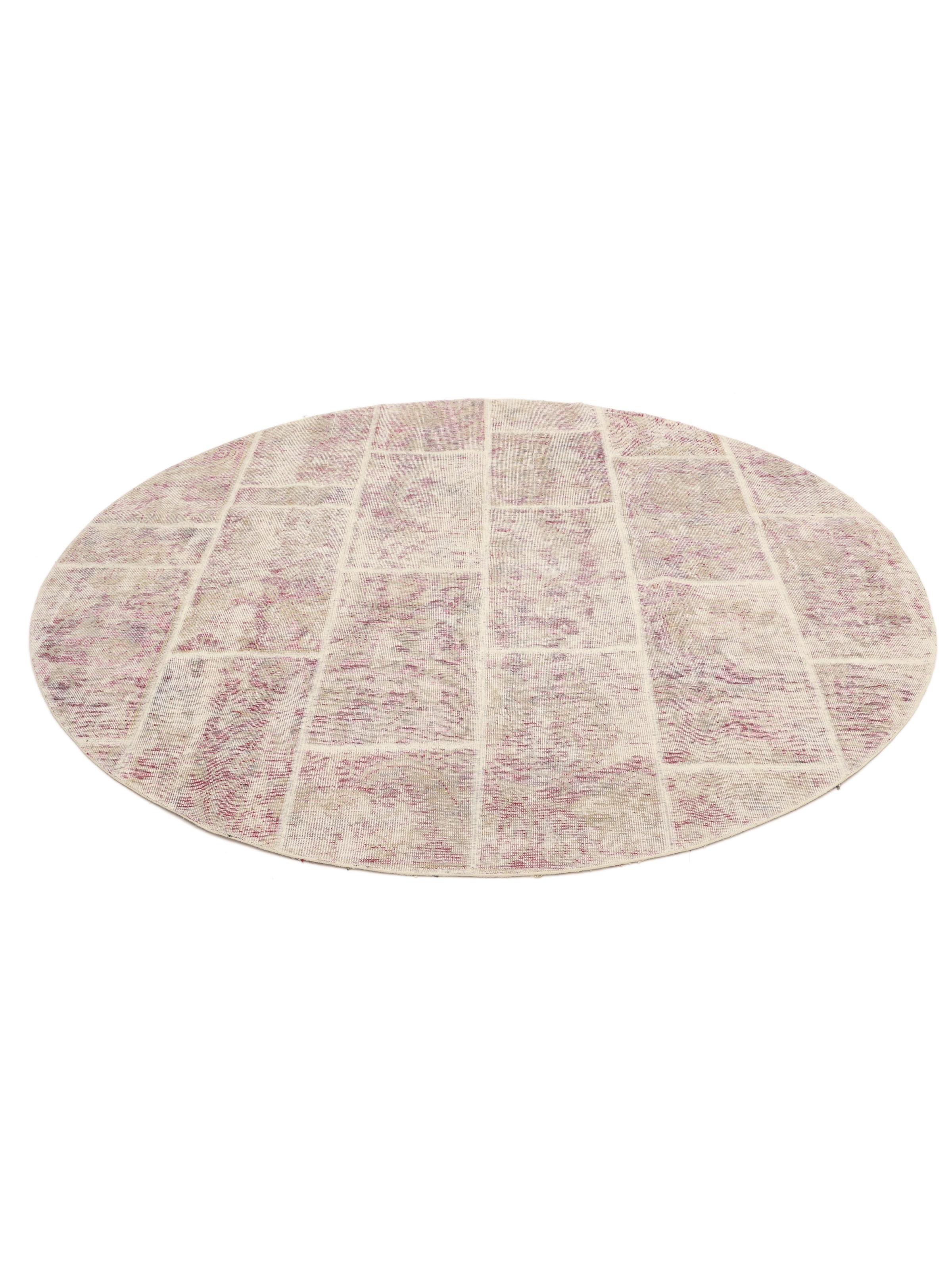
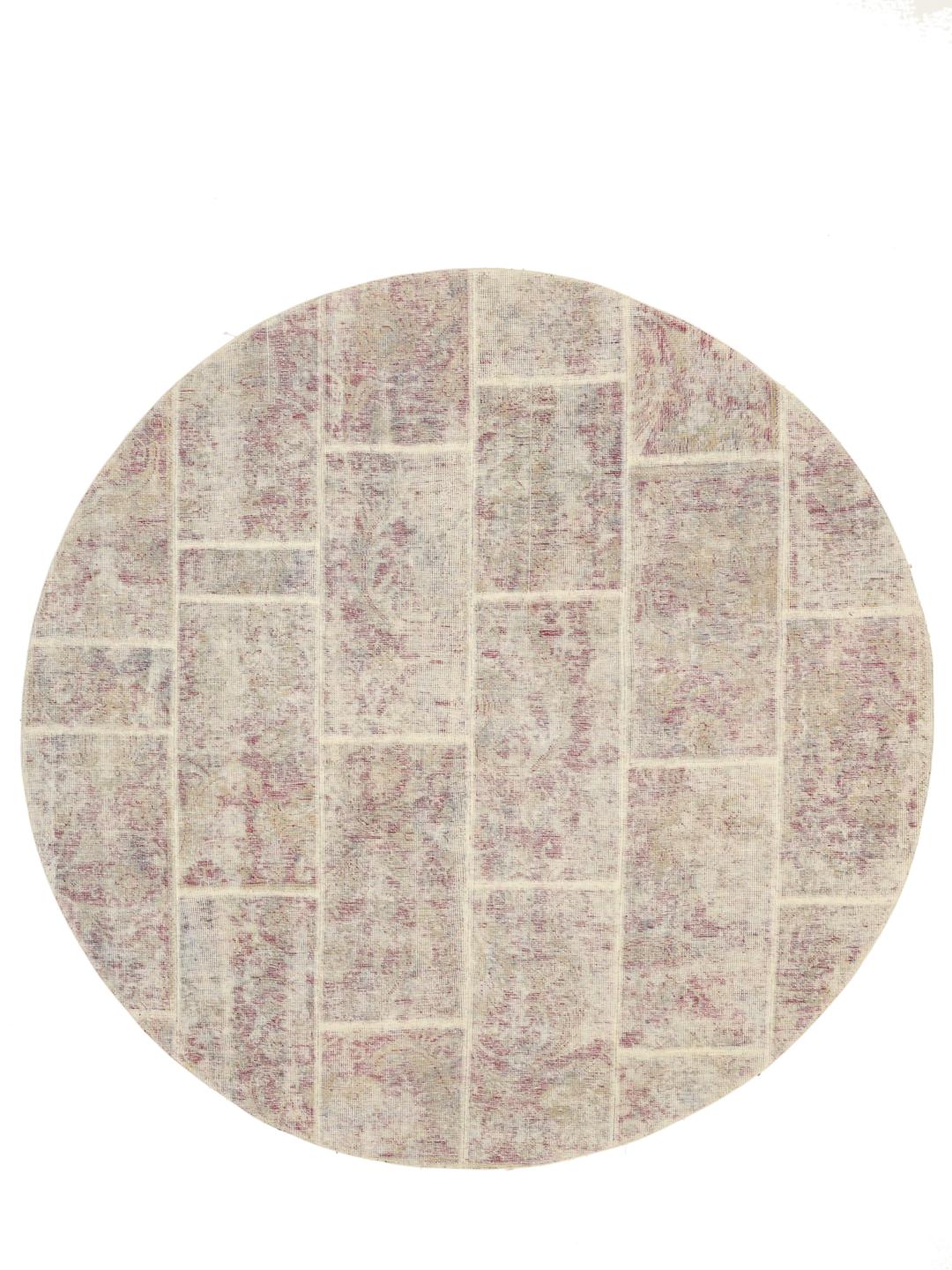
Patchwork rugs represent a fascinating evolution in the history of textile art, particularly within the Middle Eastern tradition. For centuries, the region has been the epicentre of rug weaving, where carpets were often passed down through generations. When an older rug became too damaged to be repaired in its entirety, its most beautiful and intact sections were often carefully saved.
The modern patchwork tradition emerged as a creative way to honour these remnants, preventing them from being lost to time. By taking these high-quality, hand-woven fragments and combining them into a new format, artisans preserve the original artistry of the source rugs. This process requires an intimate knowledge of different weaving styles, regional motifs, and colour palettes to ensure the resulting composition feels harmonious.
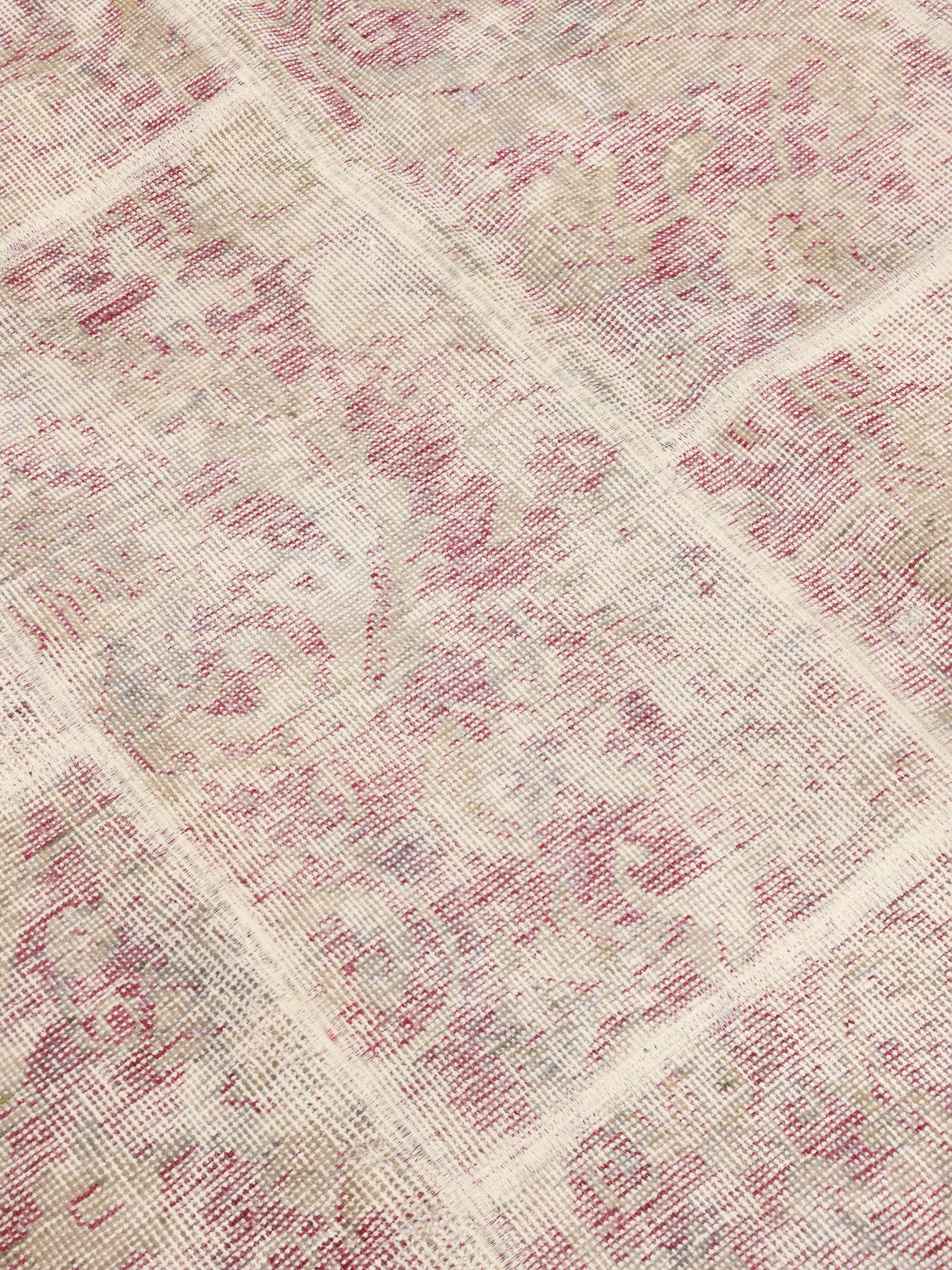
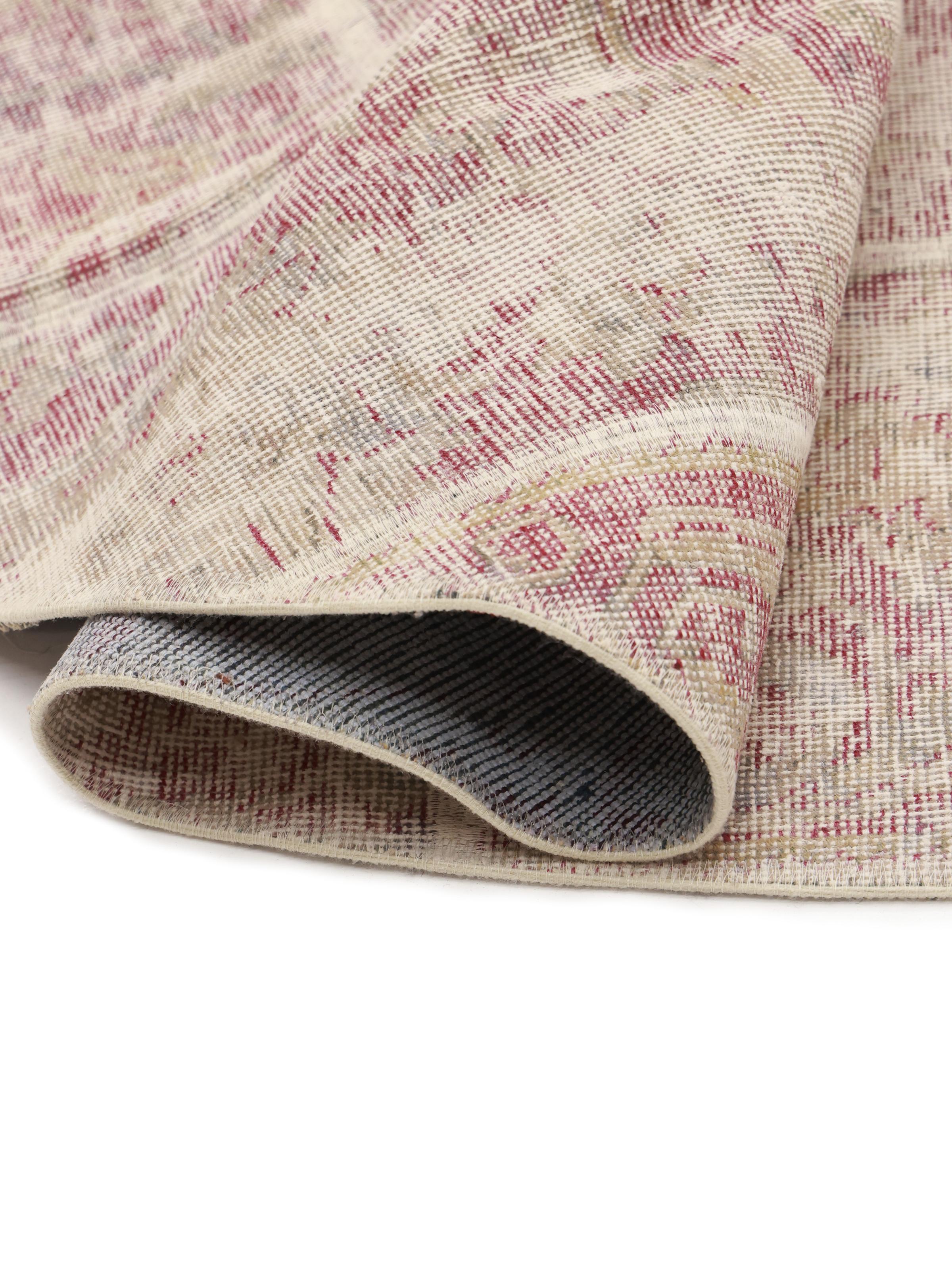
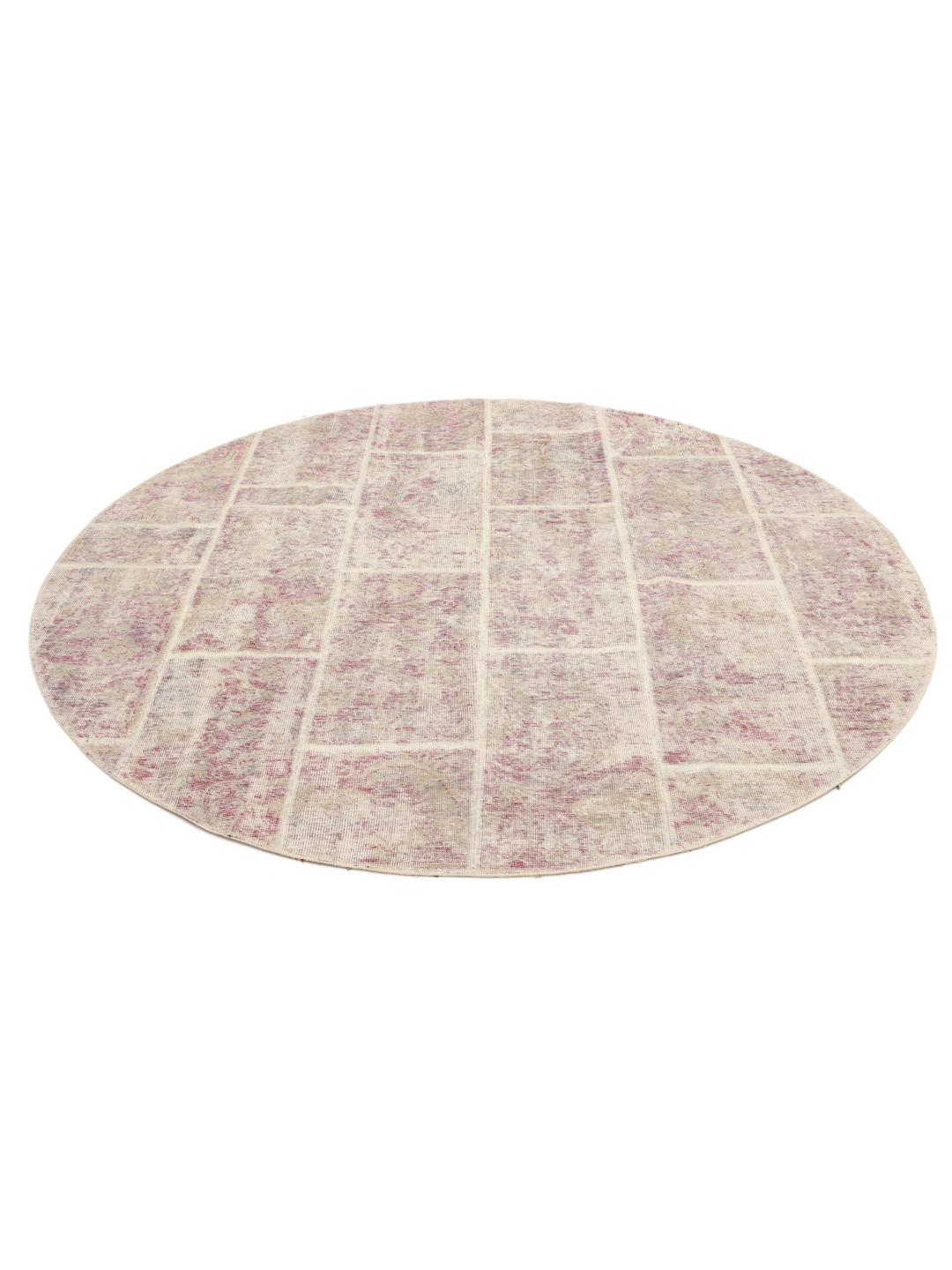
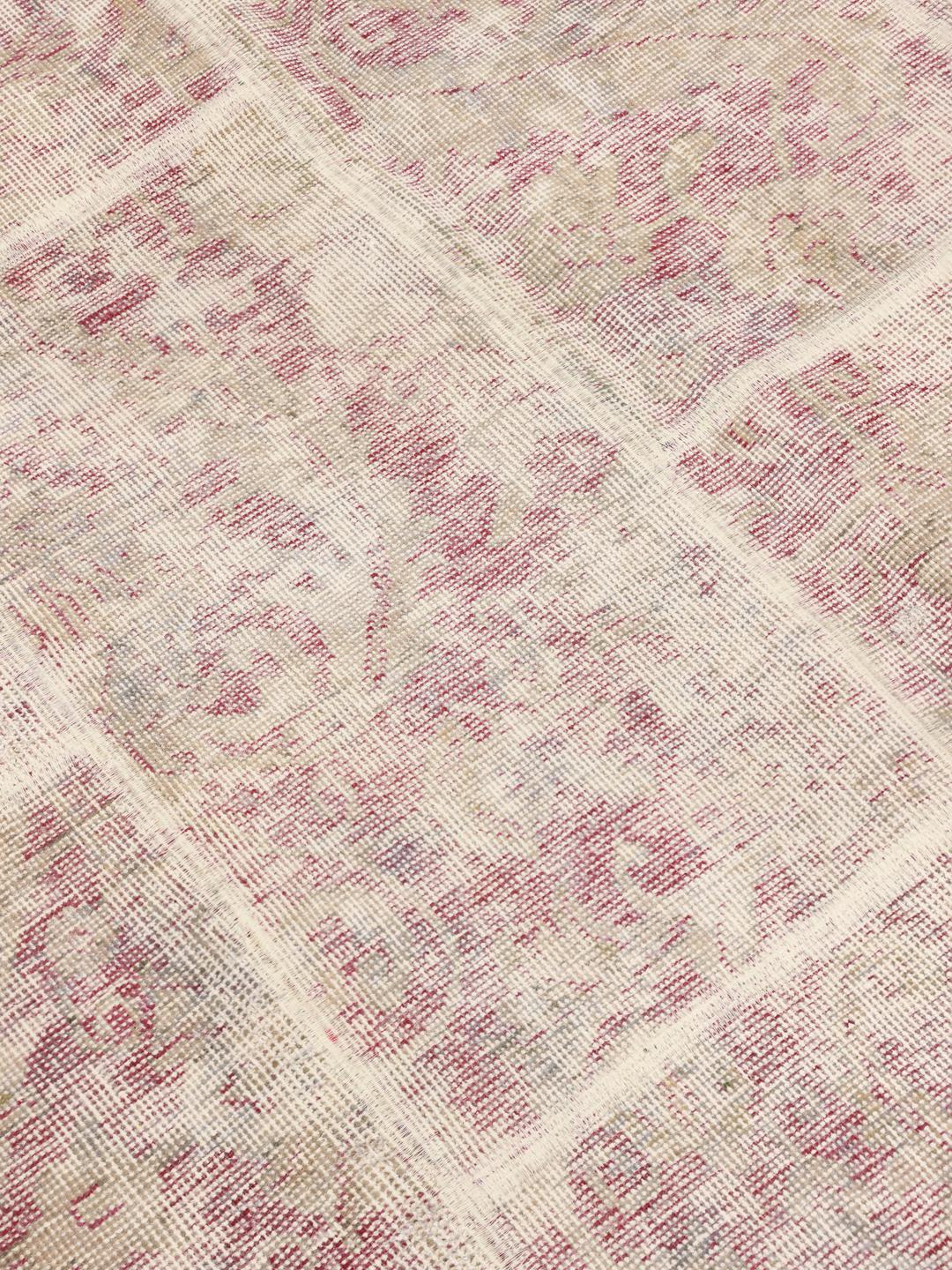
The design language of this rug is a collage of history. You may find traces of floral patterns, geometric medallions, or intricate borders that were once part of larger, formal carpets. These fragments are often neutralised through a gentle washing process to soften their original, vibrant colours, resulting in the sophisticated, muted palette that defines the contemporary patchwork aesthetic.
Collecting a patchwork rug is an act of stewardship. It acknowledges the skill of the original weavers while celebrating the innovation of those who give these textiles a second life. Because each fragment carries its own history, owning this rug means possessing a piece of regional heritage that has been thoughtfully reinterpreted for the modern home.