The tradition of patchwork rug-making in Turkey is a fascinating evolution of textile history. For generations, Turkish households have prized hand-knotted wool rugs for their durability and warmth. When these rugs eventually show wear in specific areas, the practice of salvaging the remaining intact sections has become a respected art form. This heritage of repurposing ensures that the history of each original piece is preserved rather than lost.
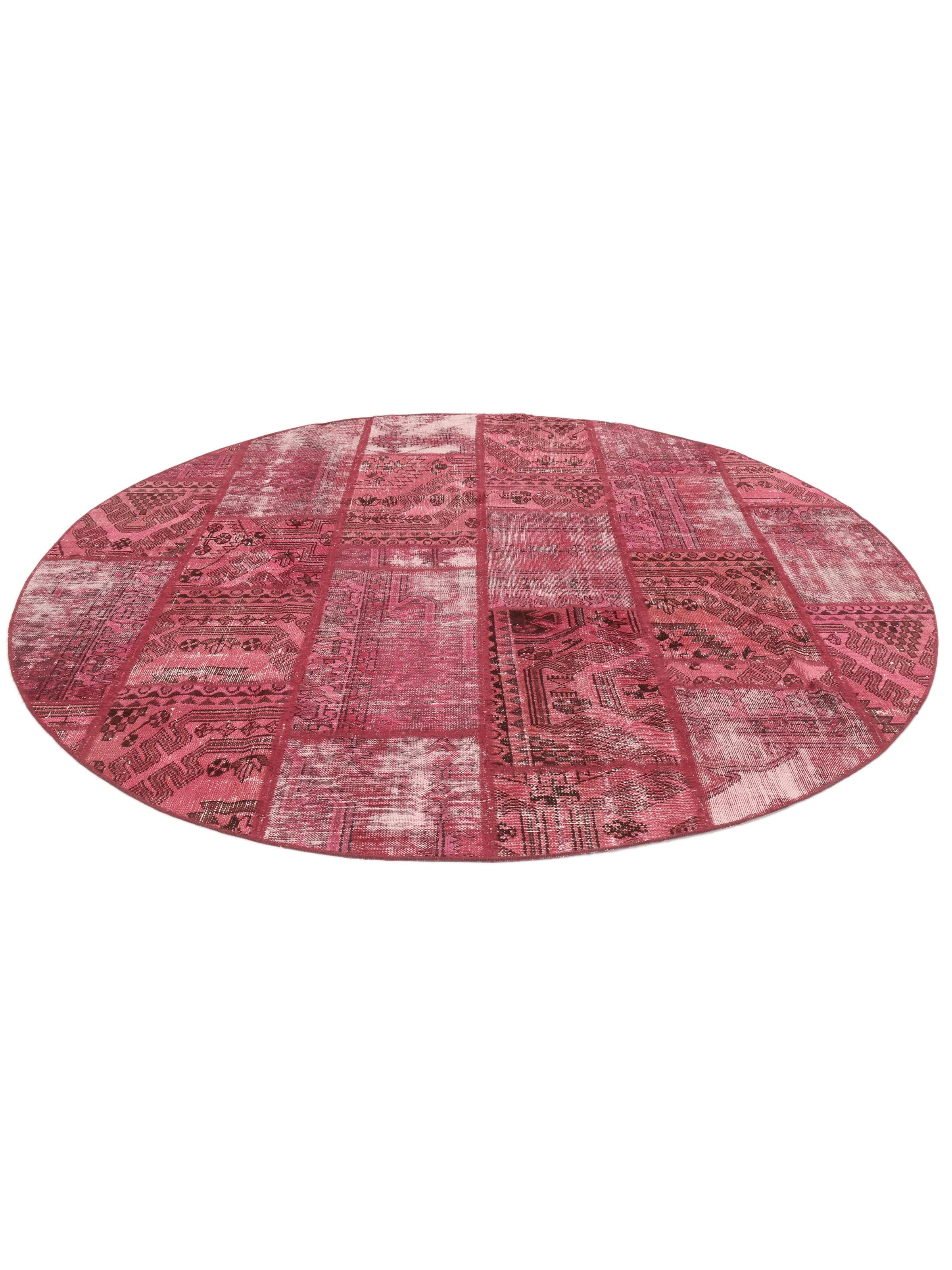
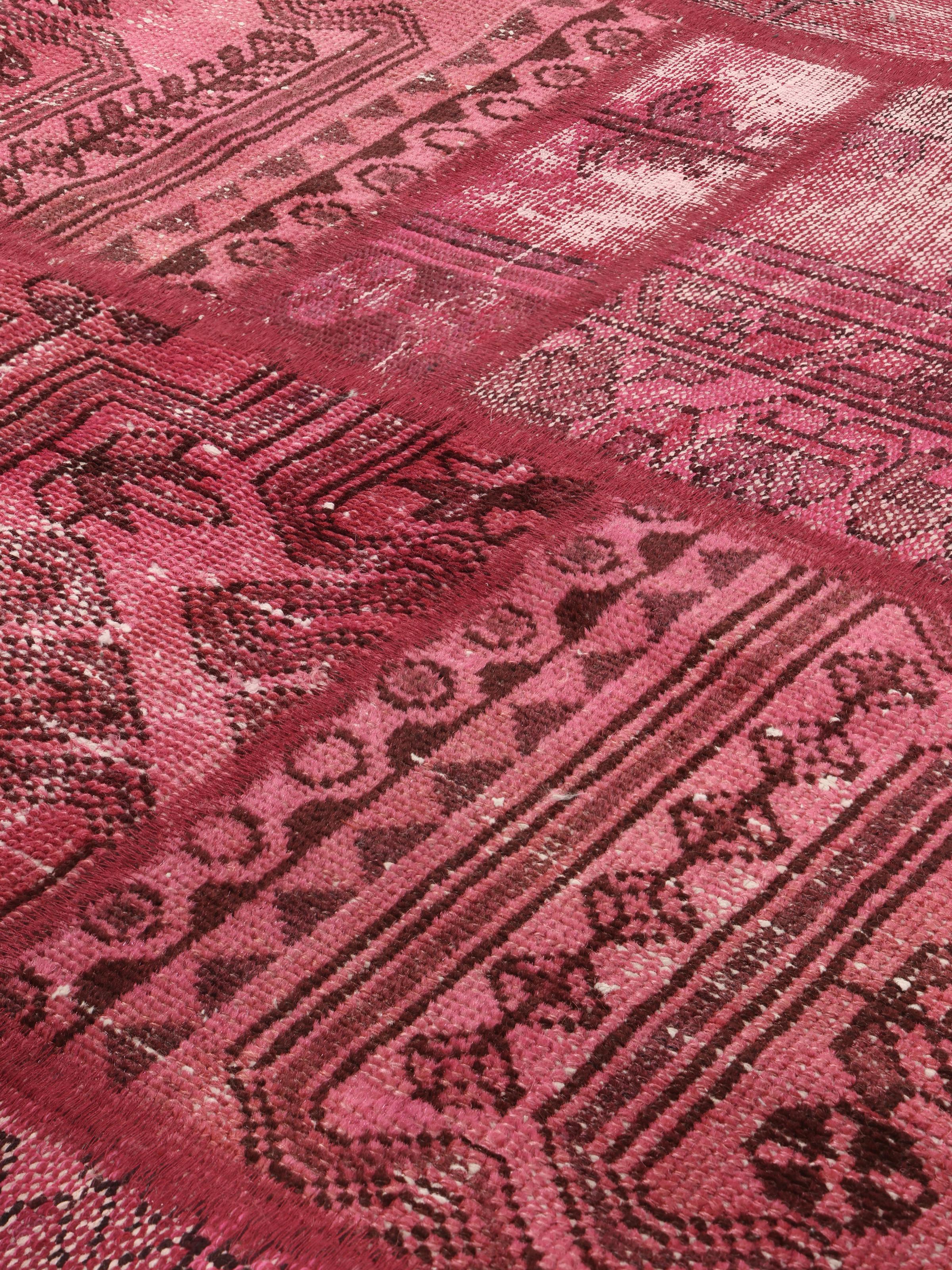
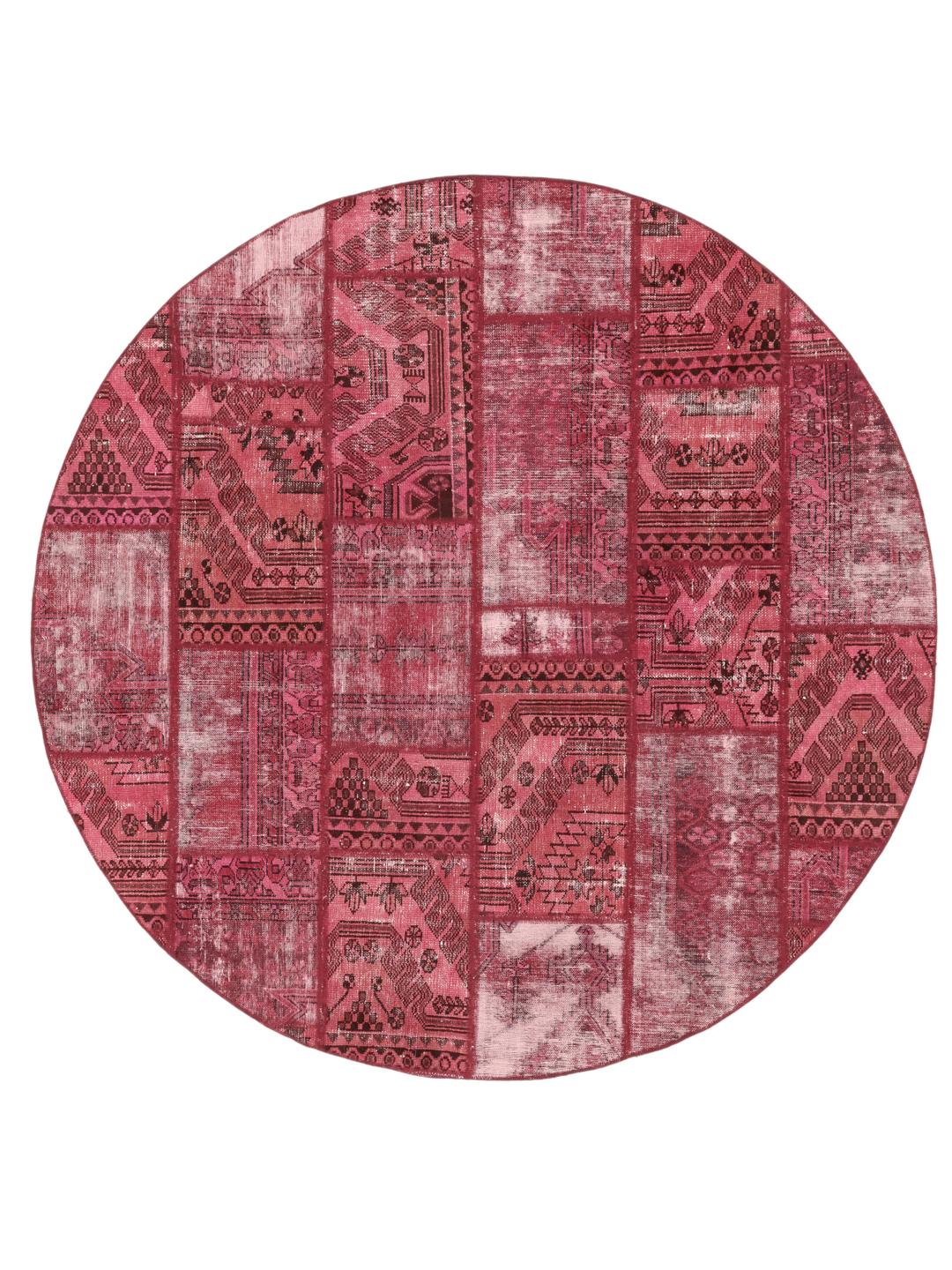
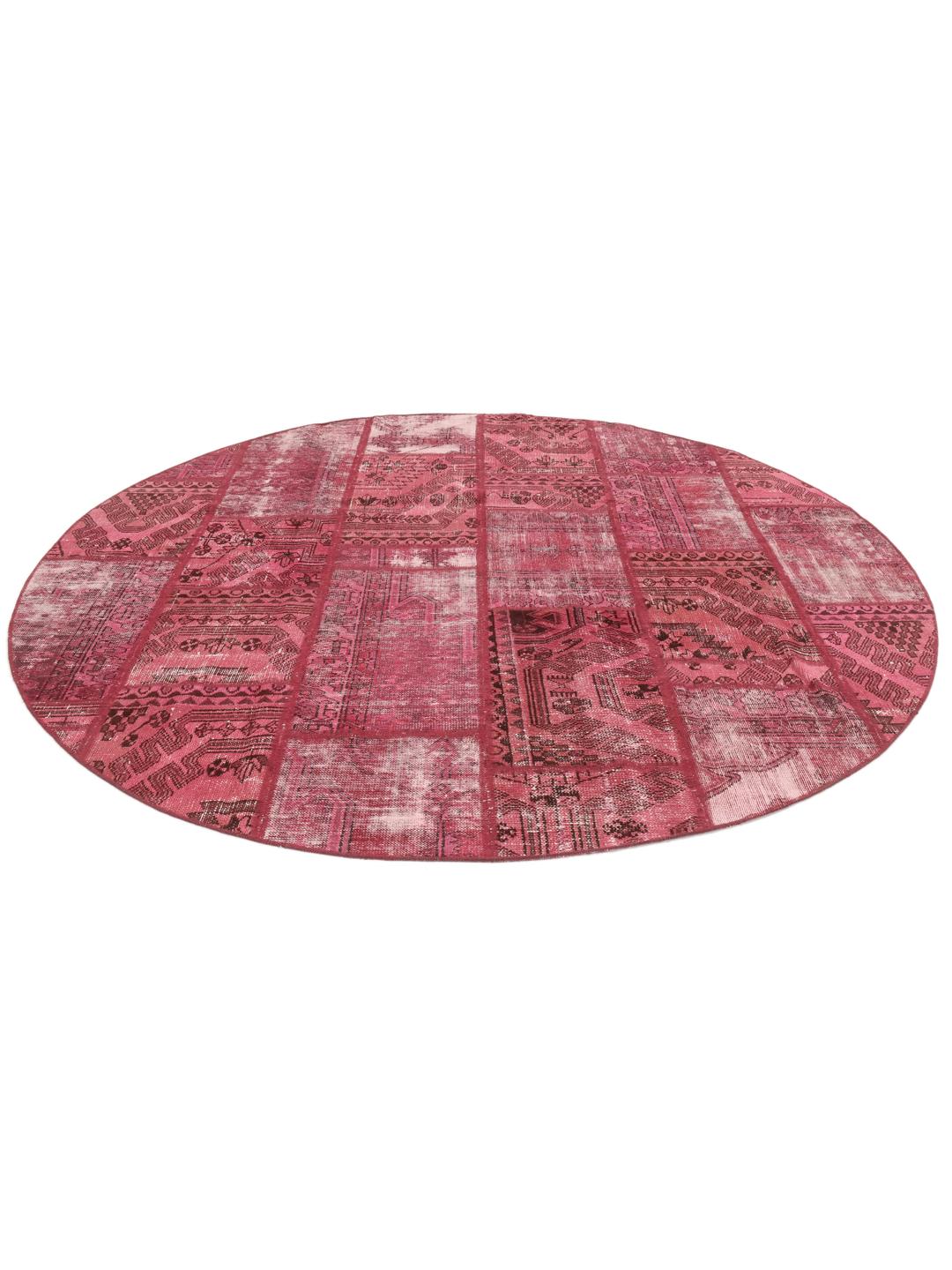
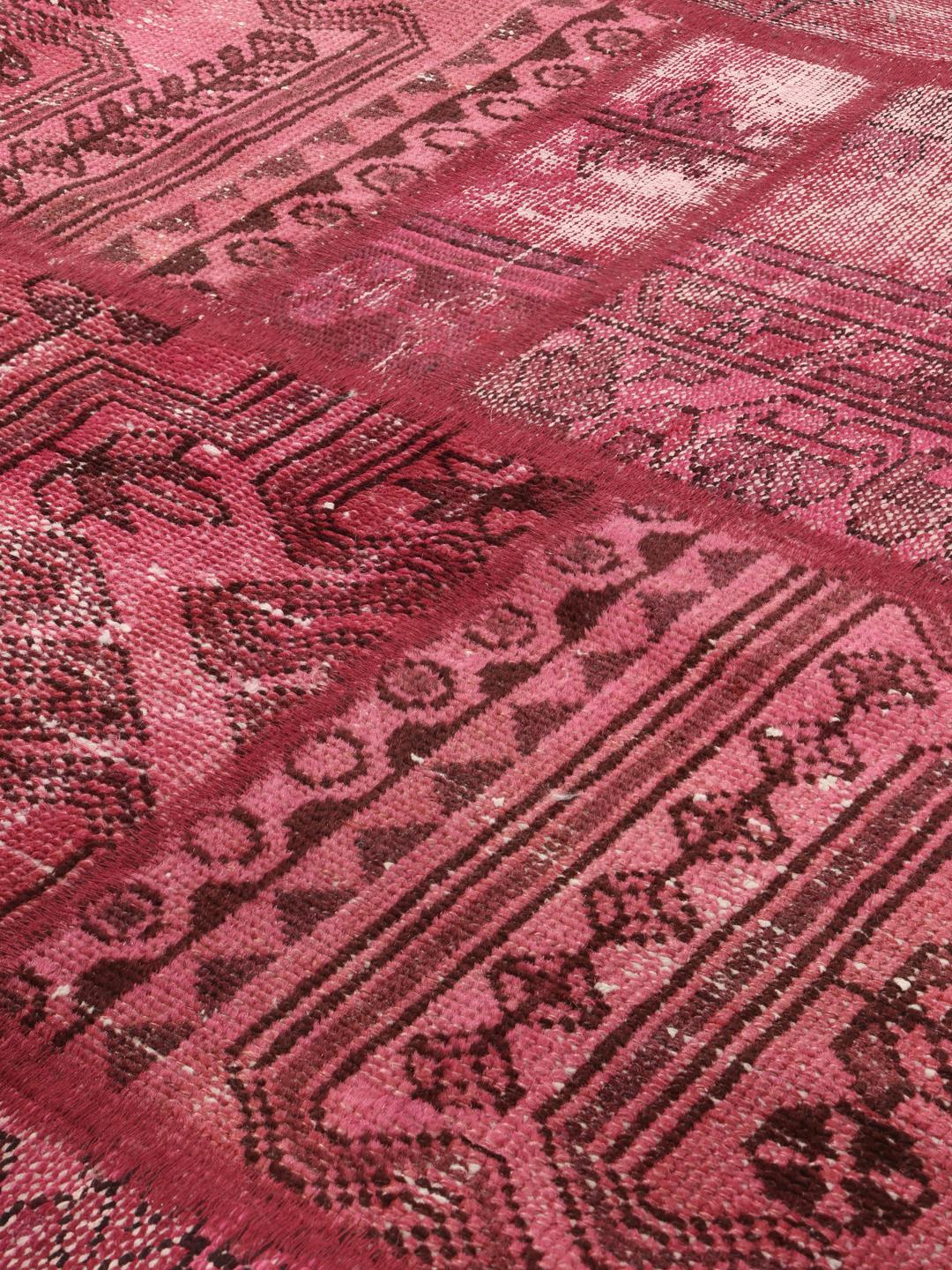
In this specific style, artisans select fragments from older rugs, often featuring traditional geometric or floral motifs. These fragments are cleaned, sometimes over-dyed to achieve a uniform colour palette, and then expertly stitched together. The result is a vibrant, multi-layered design that pays homage to the original weaving techniques while serving a modern interior purpose.
The visual language of this rug is defined by the juxtaposition of various patterns. You might find hints of ancient tribal designs, ornate borders, or medallion fragments all within the same piece. This creates a complex, storied appearance that is highly sought after by collectors who appreciate the blend of traditional motifs with a contemporary, eclectic arrangement.
Owning a patchwork rug is a way of participating in a sustainable cycle of craft. It represents a deep respect for the labour and skill that went into the original rugs, ensuring that their beauty continues to be enjoyed for decades more. By bringing this piece into your home, you are acquiring a work that carries the weight of cultural heritage and the uniqueness of a hand-assembled original.