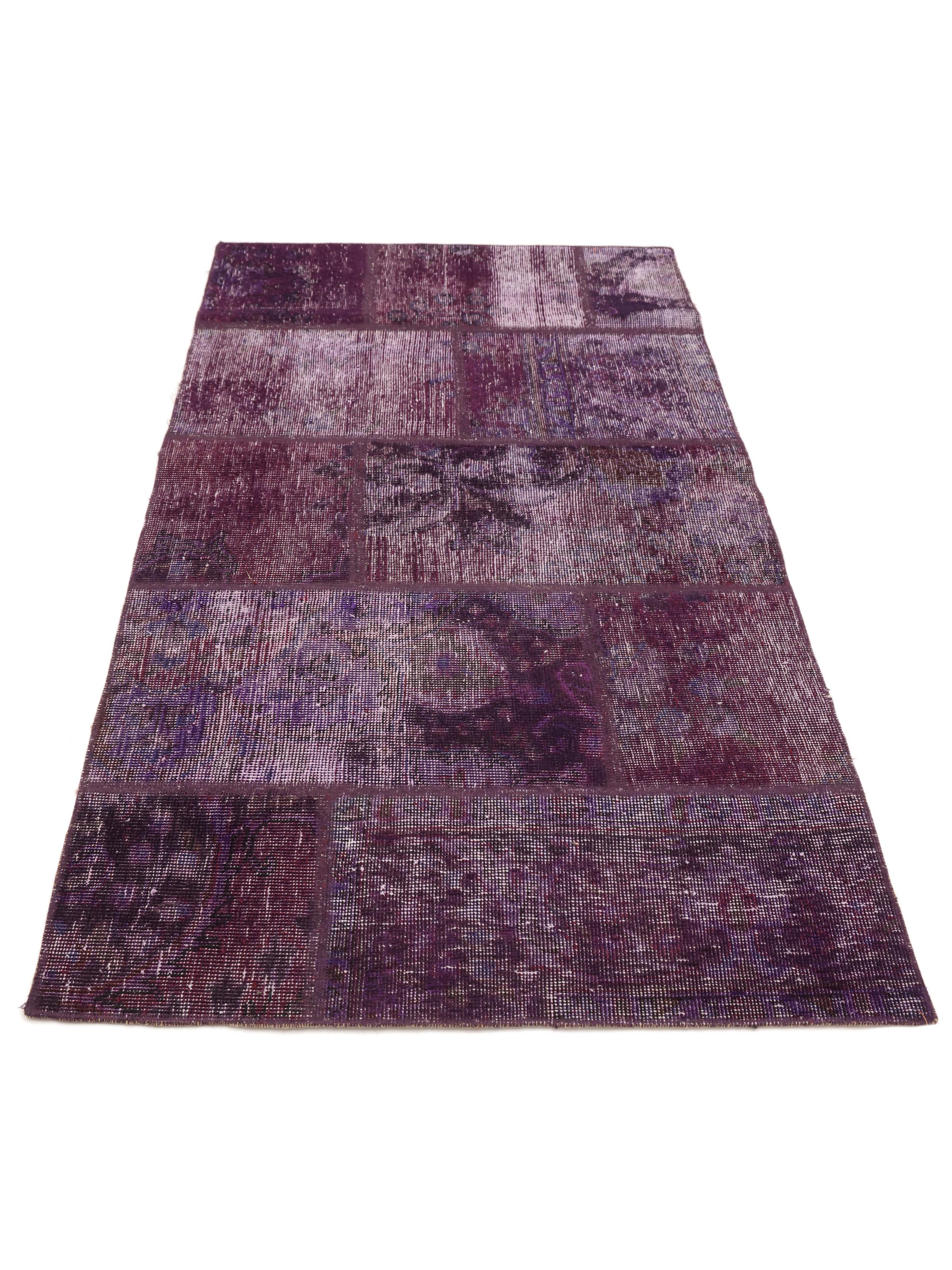
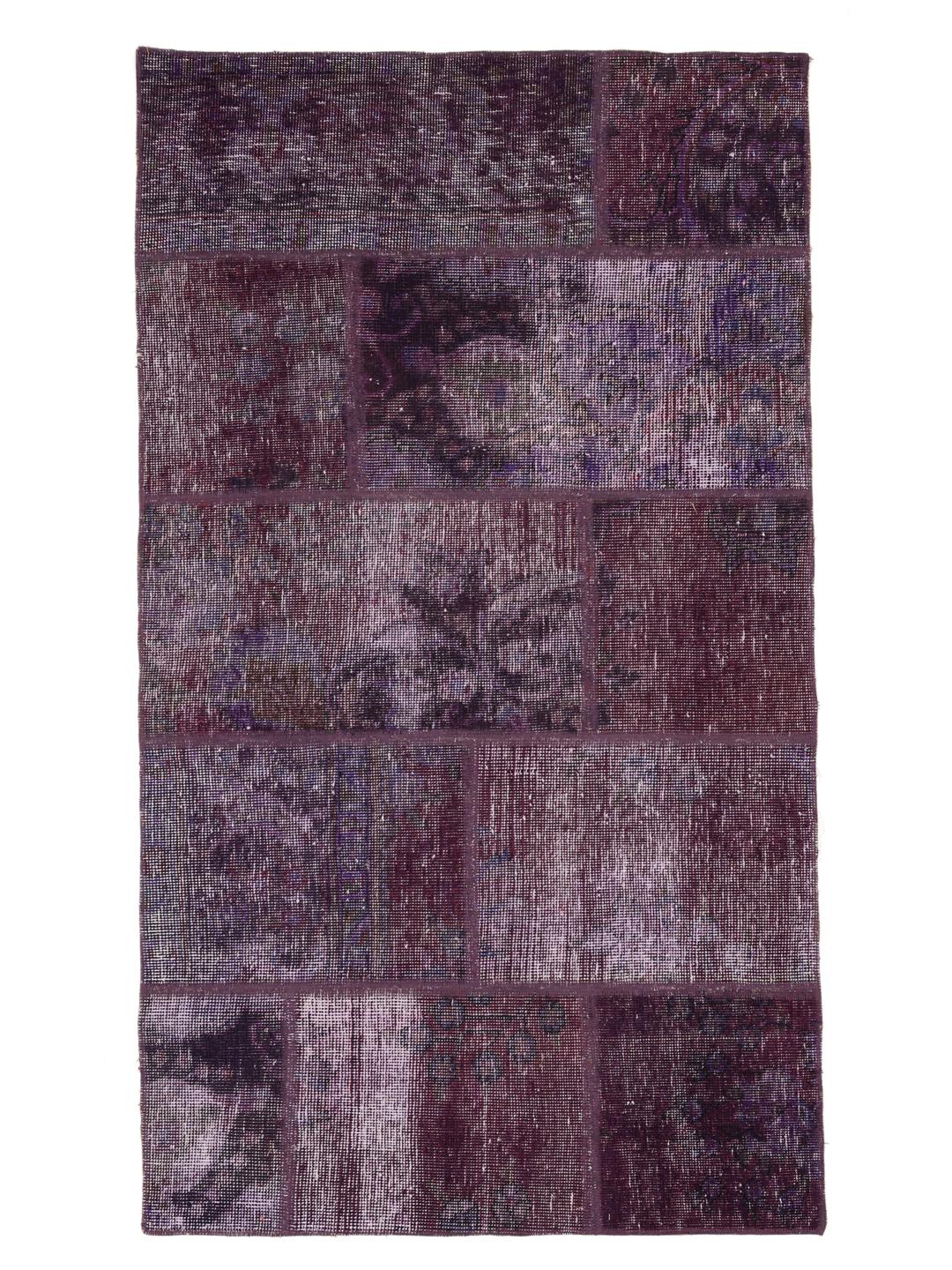
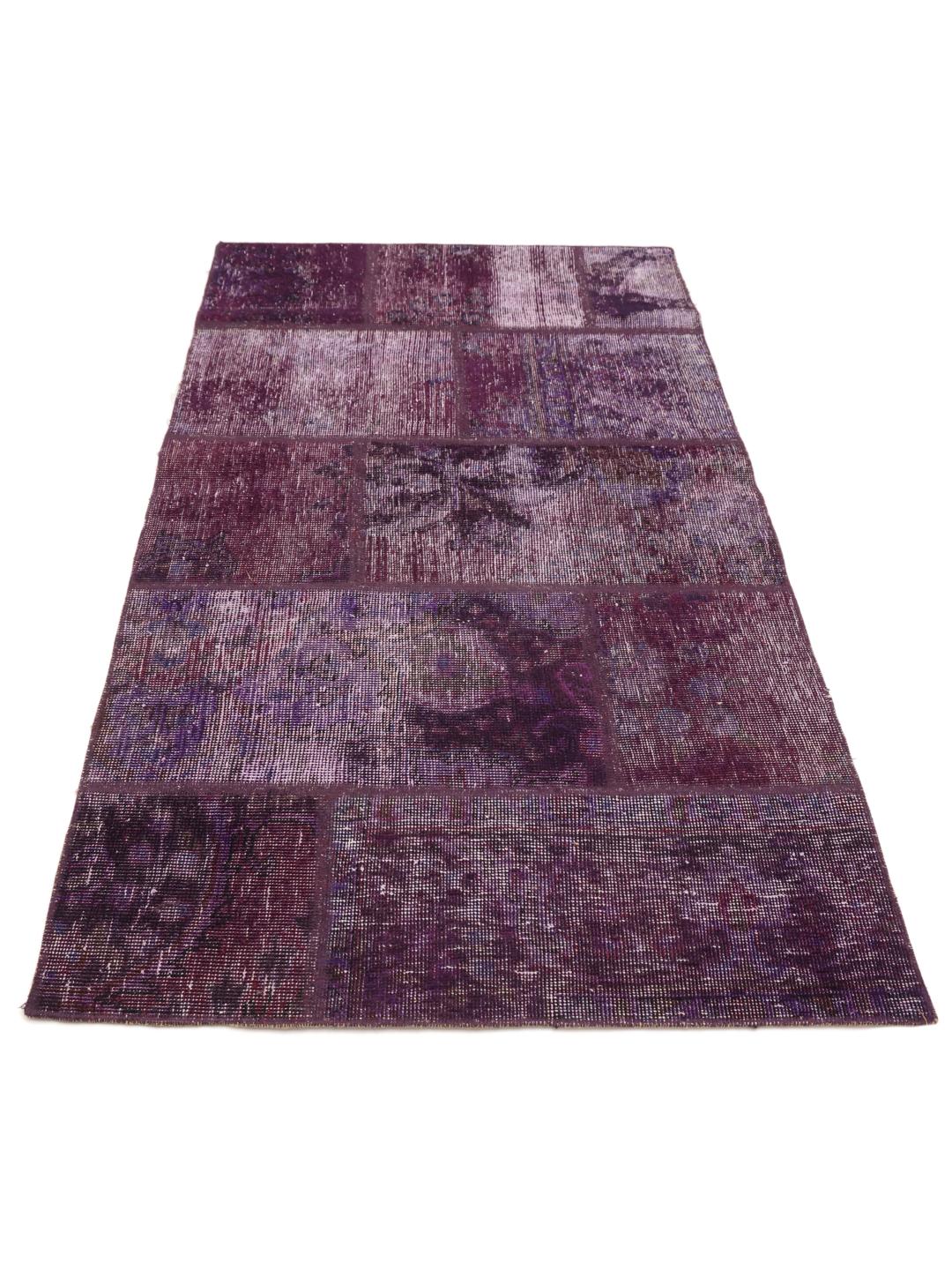
Patchwork rugs represent a fascinating evolution in the history of textile design within the Middle East. While traditional rug weaving focused on creating single, large-scale compositions, the patchwork tradition emerged as a resourceful and creative way to honour the legacy of older, damaged, or worn-out hand-knotted rugs that still held immense beauty in their individual sections.
The terminology of patchwork refers to the process of deconstructing existing rugs and reassembling them into new patterns. This approach requires an expert eye for colour and design, as the artisan must ensure that the various fragments harmonise in terms of tone and texture. It is a process that respects the original craft while allowing for a fresh, modern expression of traditional motifs.
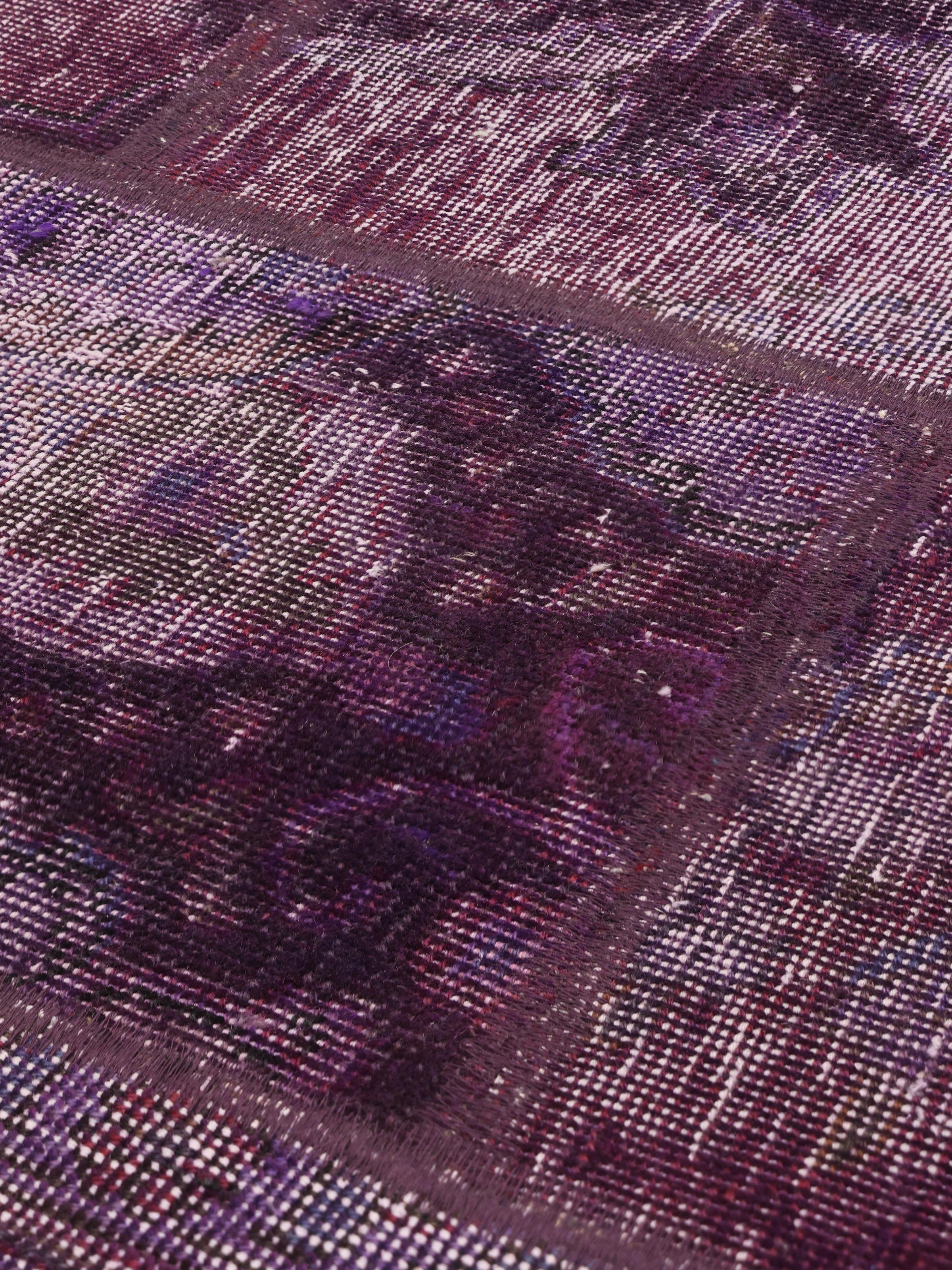
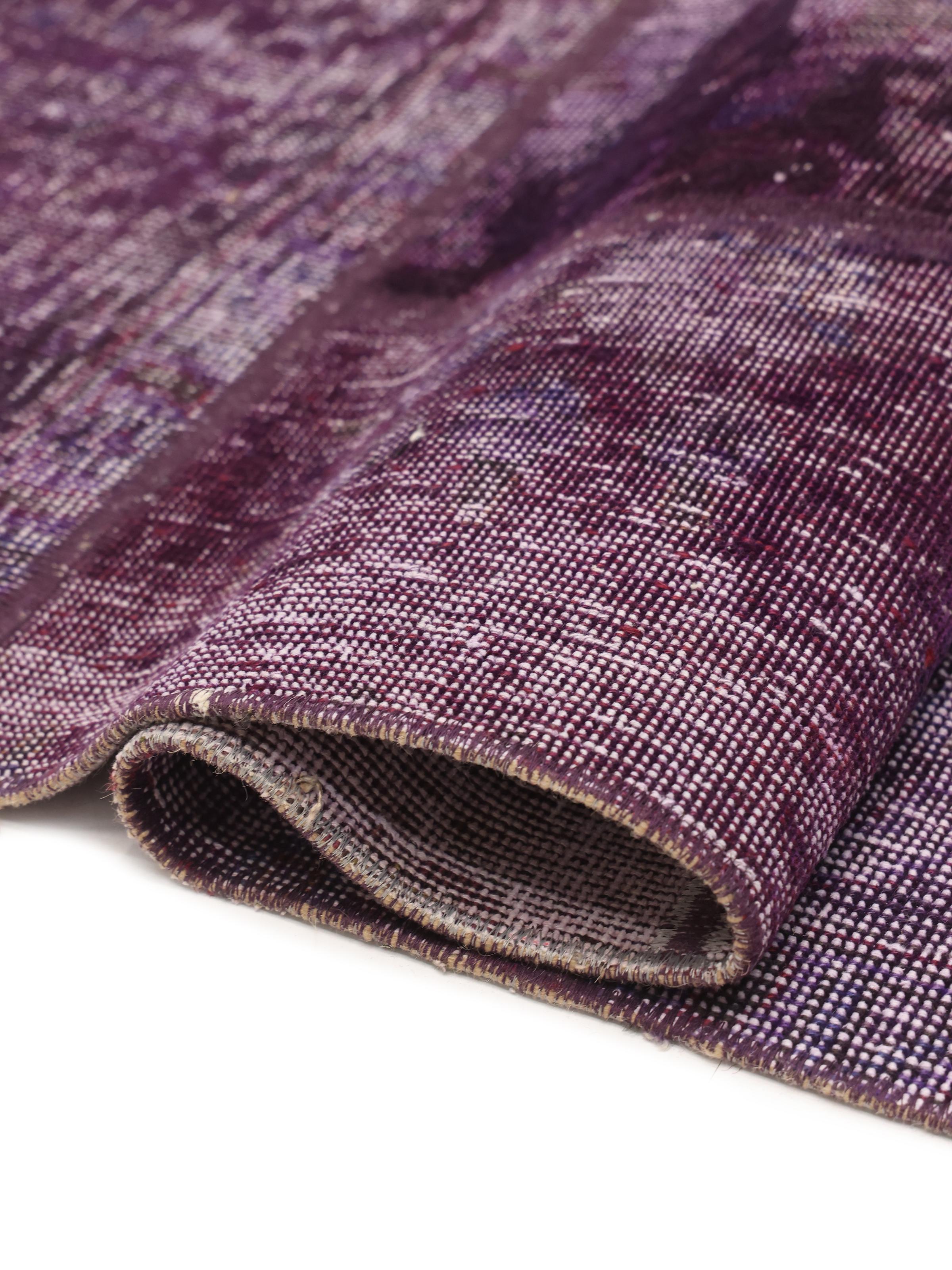
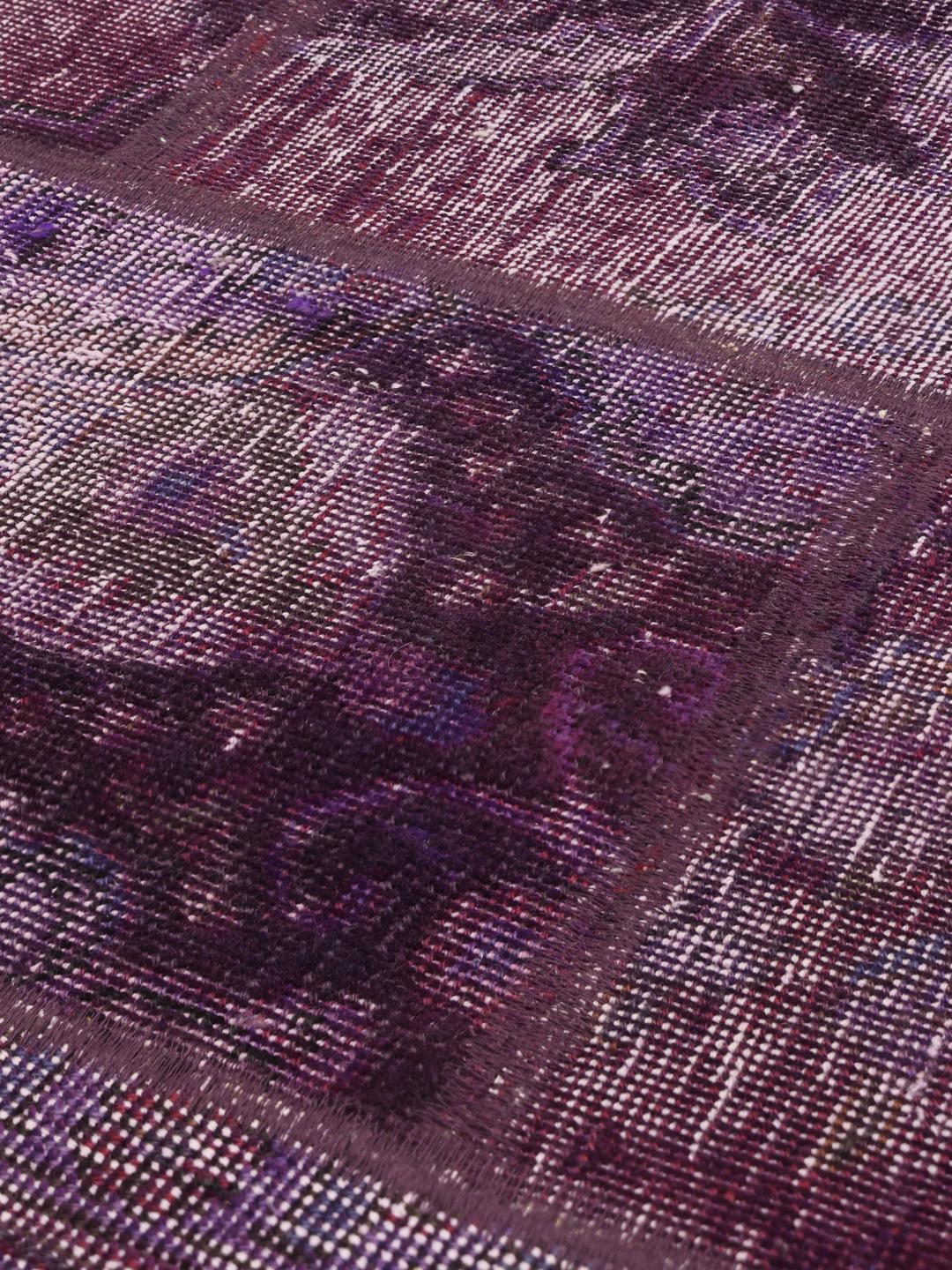
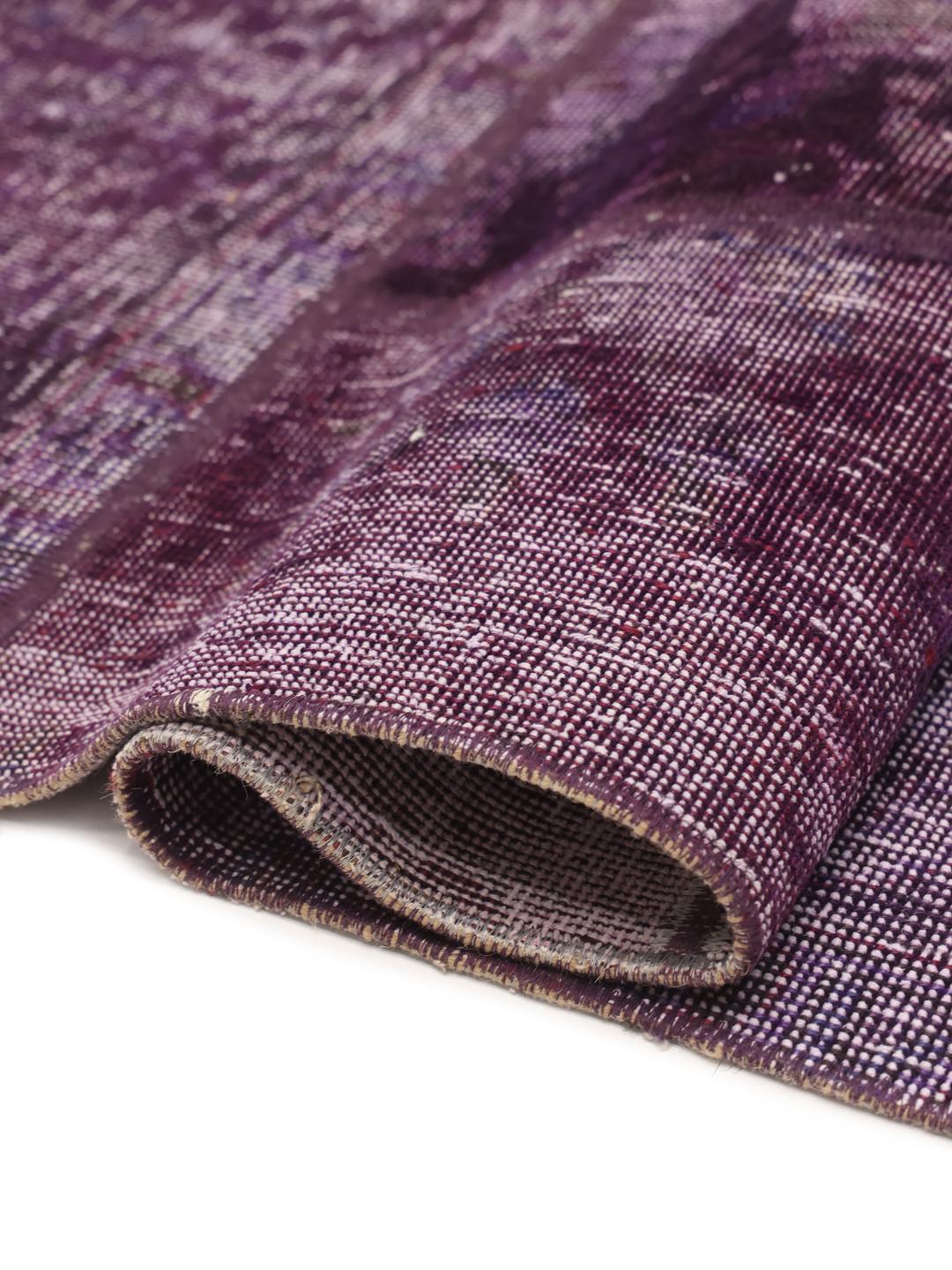
The visual language of these rugs is defined by their deliberate, fragmented composition. Each patch carries the remnants of its original patterns, borders, or medallions, which, when stitched together, create a geometric grid that feels both organised and artistic. The use of over-dyeing, a common technique in this category, allows for a unified colour palette while still highlighting the subtle variations and textures of the underlying original knots.
Owning a patchwork rug is an act of supporting sustainable craft and preserving historical artistry. By giving new life to these fragments, you are bringing a piece of cultural history into your home that is both functional and deeply storied. It is a choice that values the skill of the original weavers and the innovative spirit of those who curate these unique, modern-day mosaics.