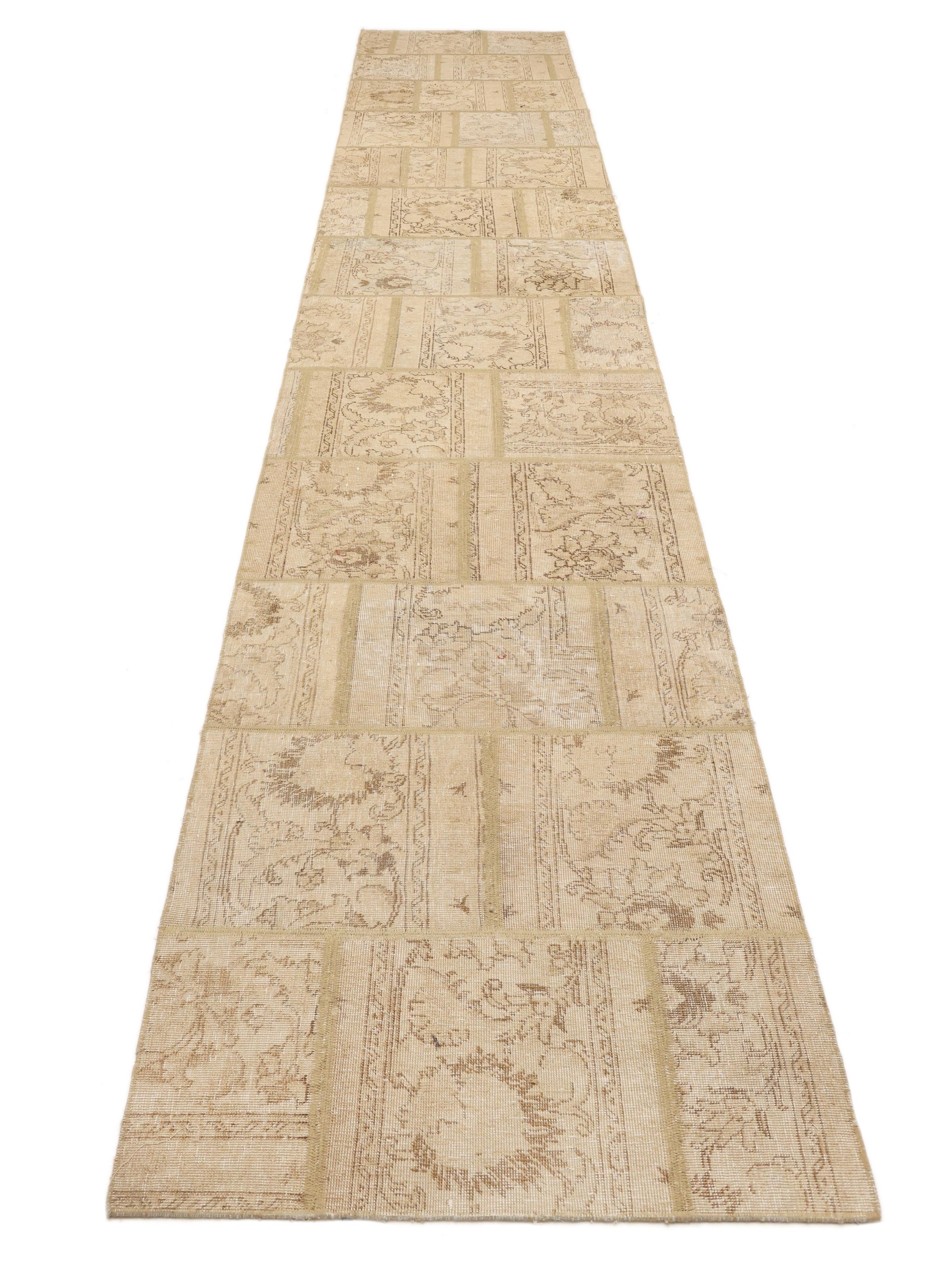
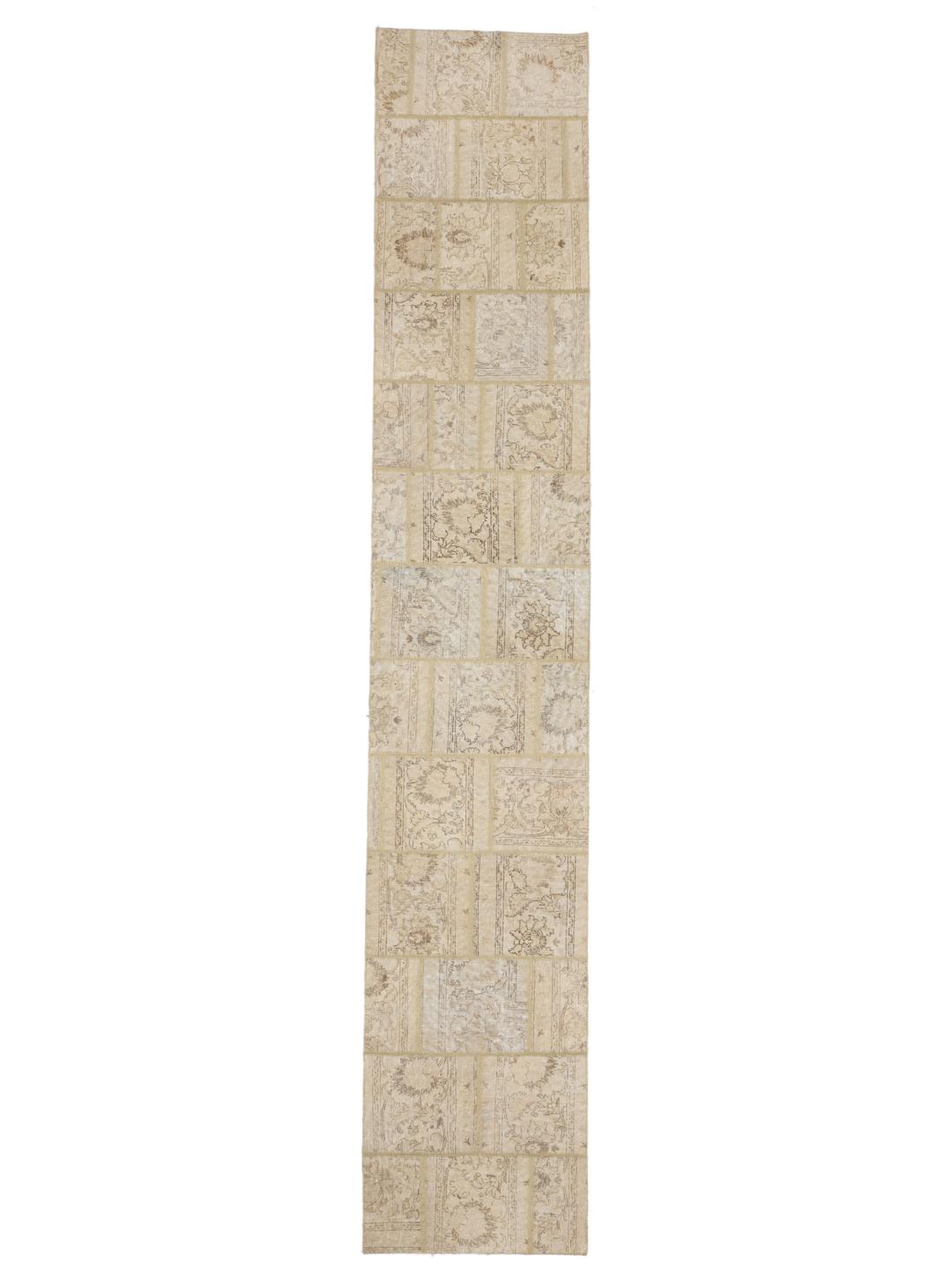
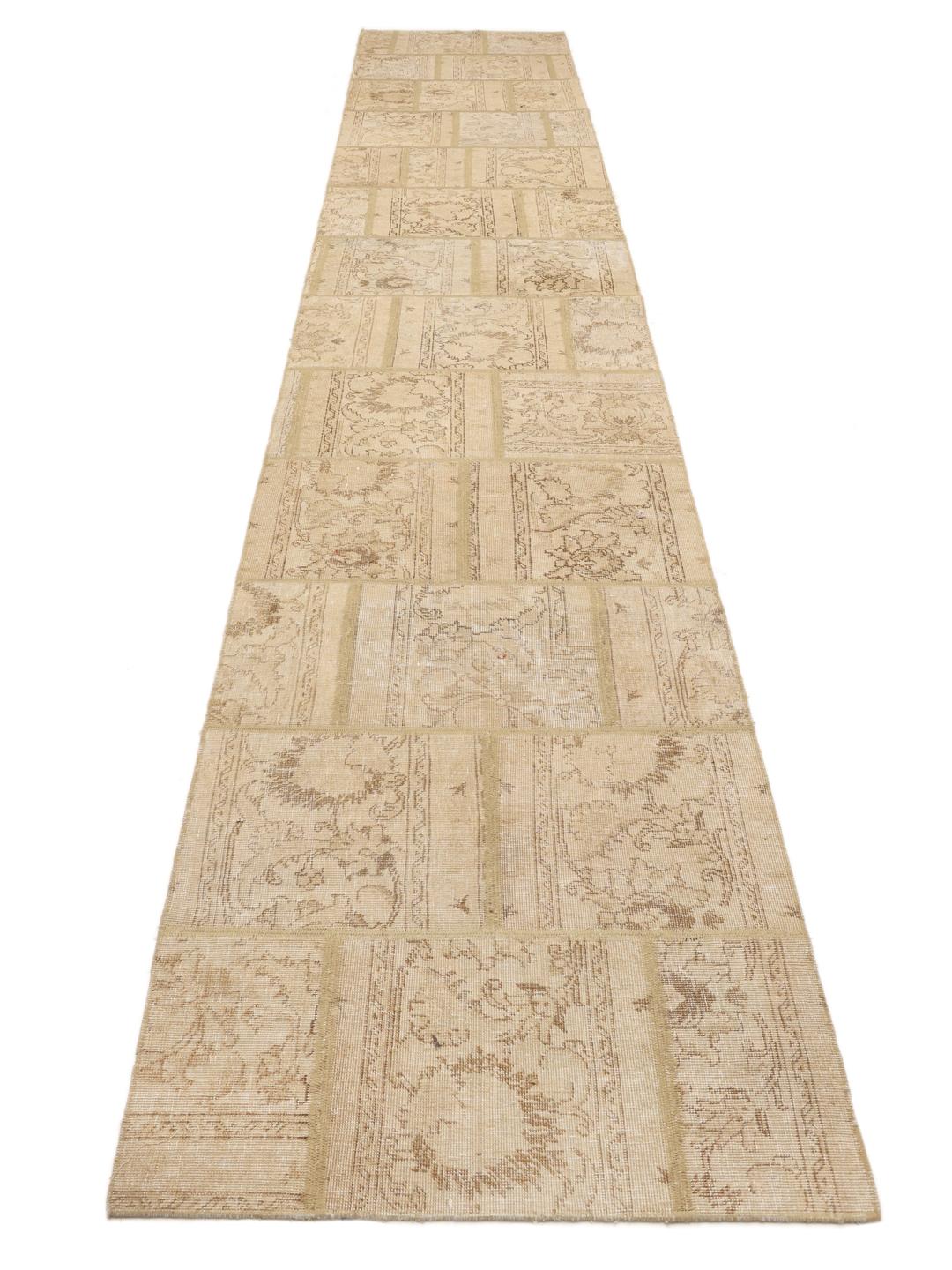
Patchwork rugs represent a modern evolution of long-standing Middle Eastern weaving traditions. While the individual components often originate from older, hand-knotted rugs that have seen years of use, the practice of curating and stitching these pieces together is a creative response to the changing landscape of home design. This technique preserves the beauty of traditional patterns while adapting them into a fresh, contemporary format suitable for modern interiors.
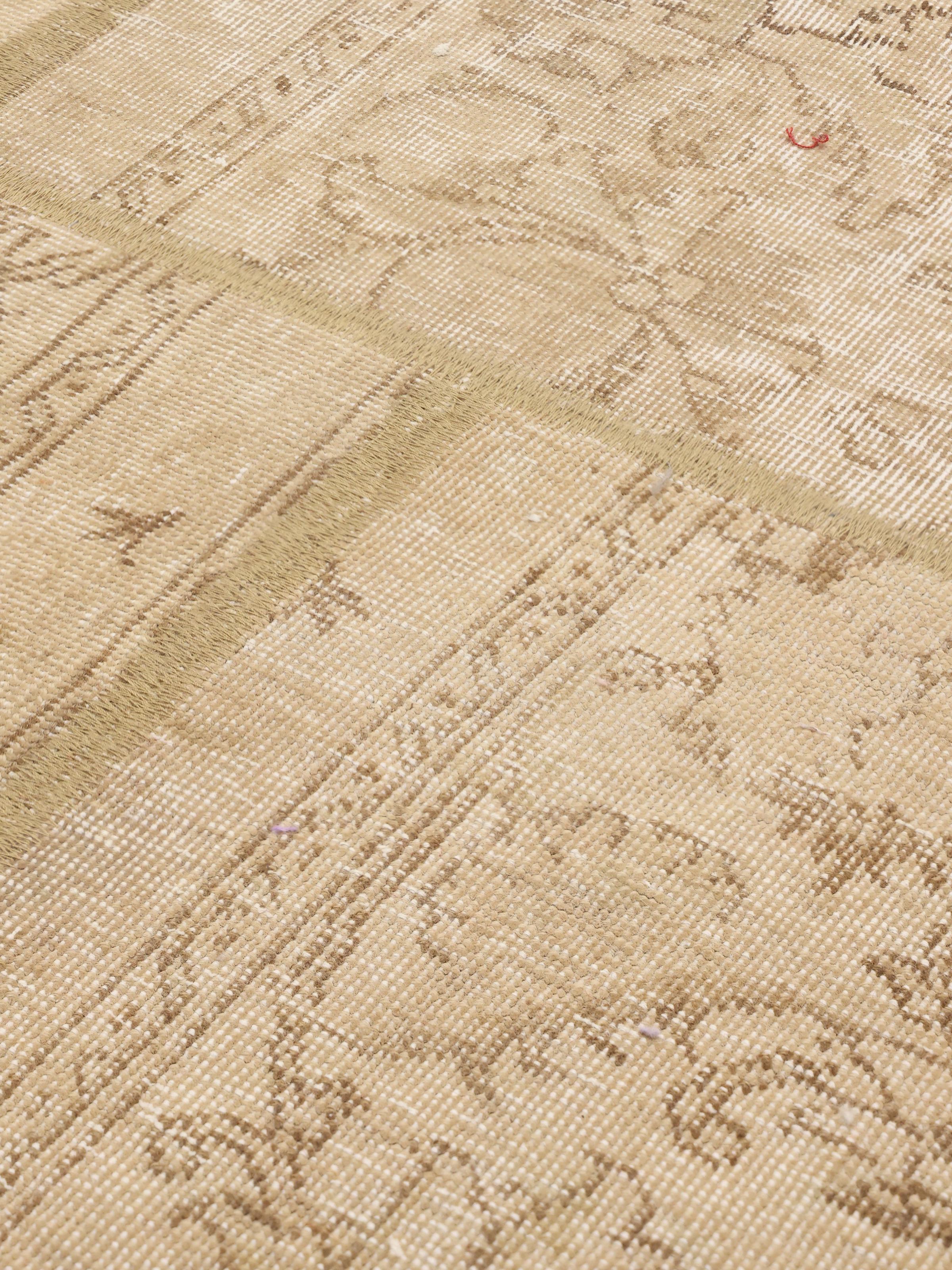
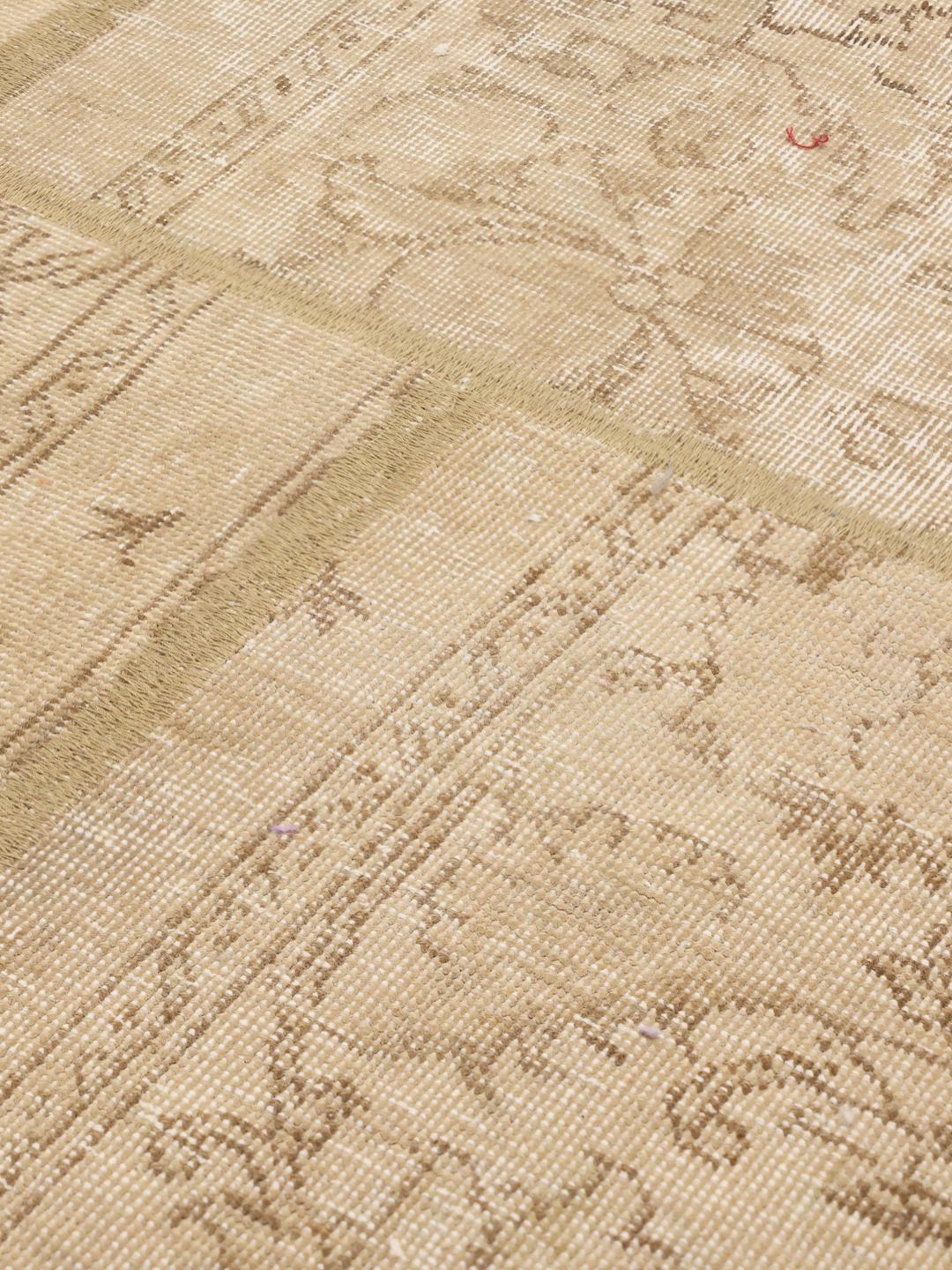
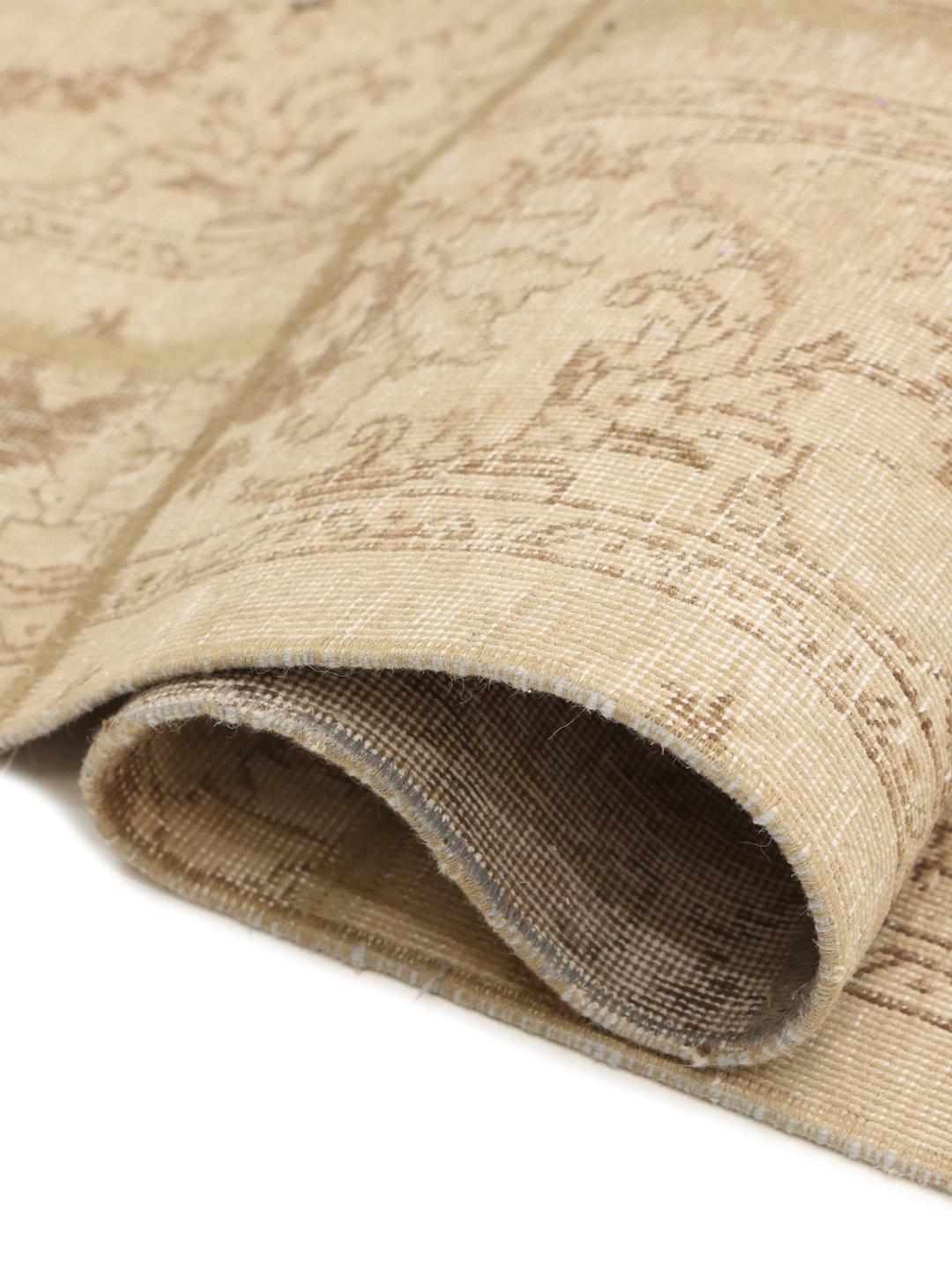
The art of the patchwork lies in the selection and assembly process. The fragments are chosen not only for their colour and pattern but also for the quality of their wool and the integrity of their construction. By combining these distinct elements, the maker creates a new narrative, blending different historical patterns into a single, cohesive runner. This requires a deep understanding of how textures interact, ensuring the final piece feels balanced and harmonious.
The visual language of these runners is incredibly diverse, often featuring ornate medallions, intricate floral motifs, and geometric borders found in classical rug designs. Because each fragment comes from a different source, you will often see a beautiful, subtle variation in tone and wear that gives the runner its characteristic depth. This is not a flaw, but rather a testament to the life and history embedded in the wool, adding an authentic, collected feel to your home.
Owning a patchwork runner is an investment in cultural heritage and sustainable craft. It celebrates the skill of the original weavers who created the base fragments, while simultaneously honouring the modern artisan who envisioned the new composition. These rugs are highly valued by collectors and design enthusiasts alike for their ability to serve as a bridge between the past and the present, offering a piece of history that is both functional and deeply meaningful.