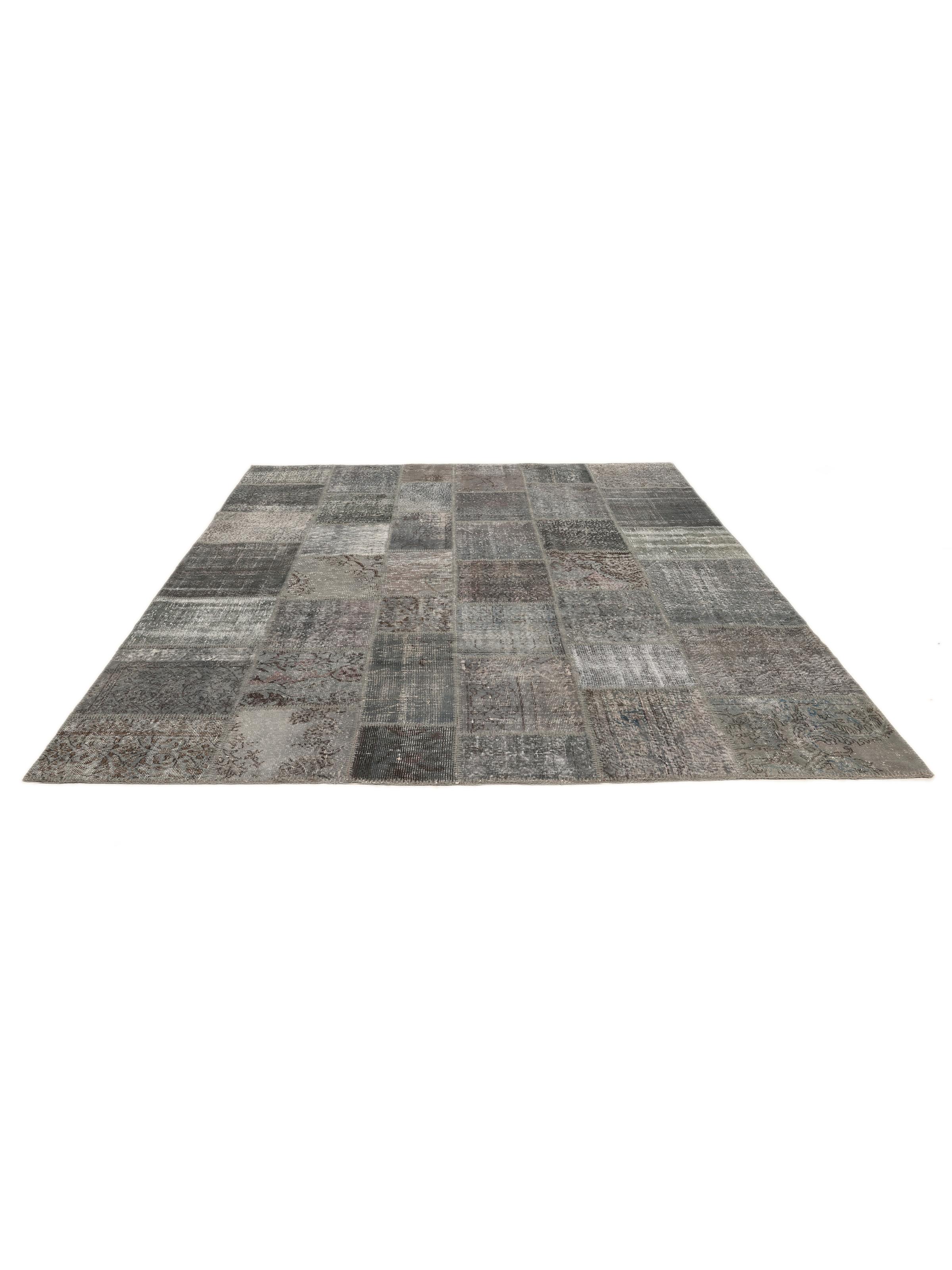
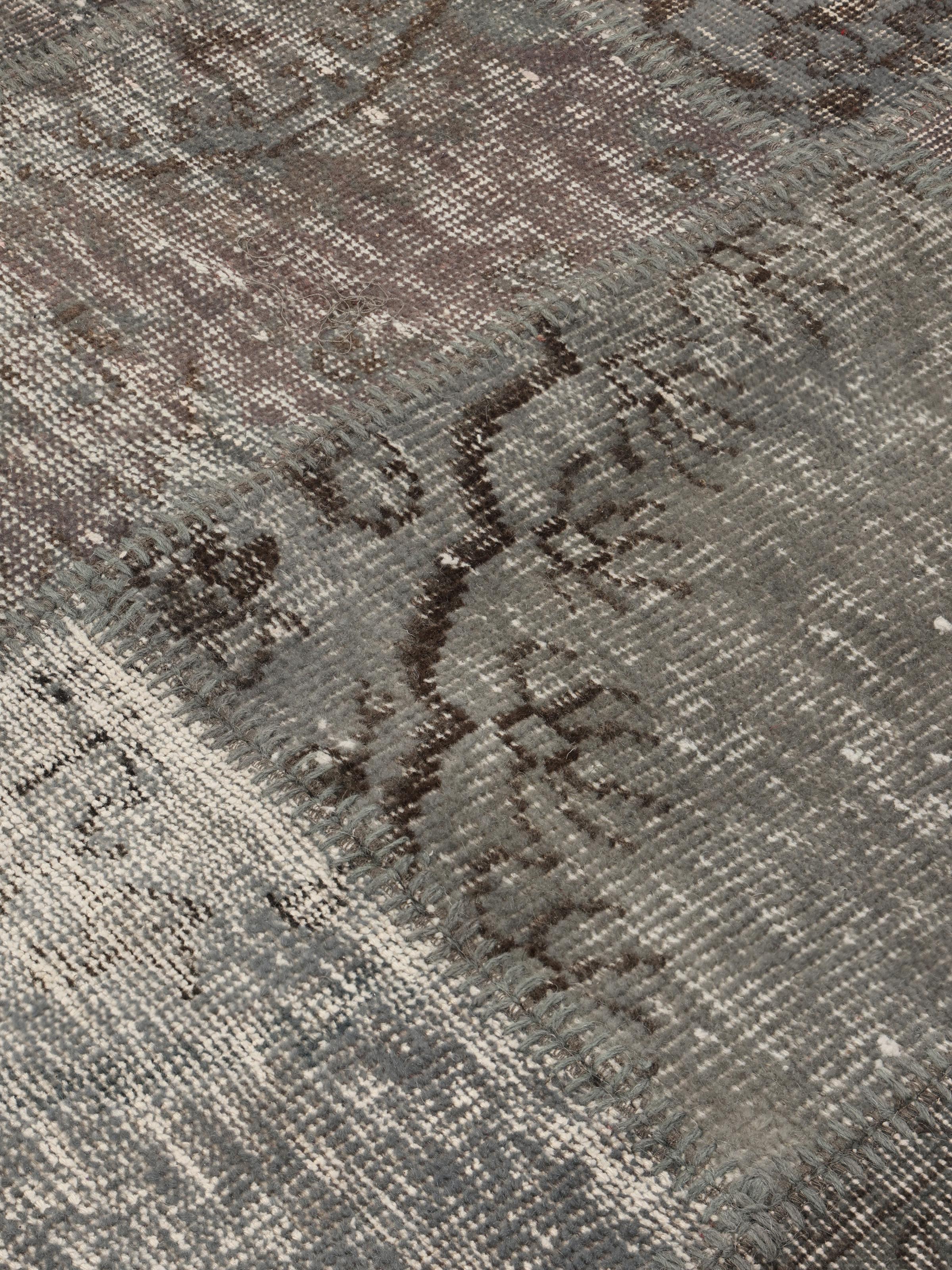
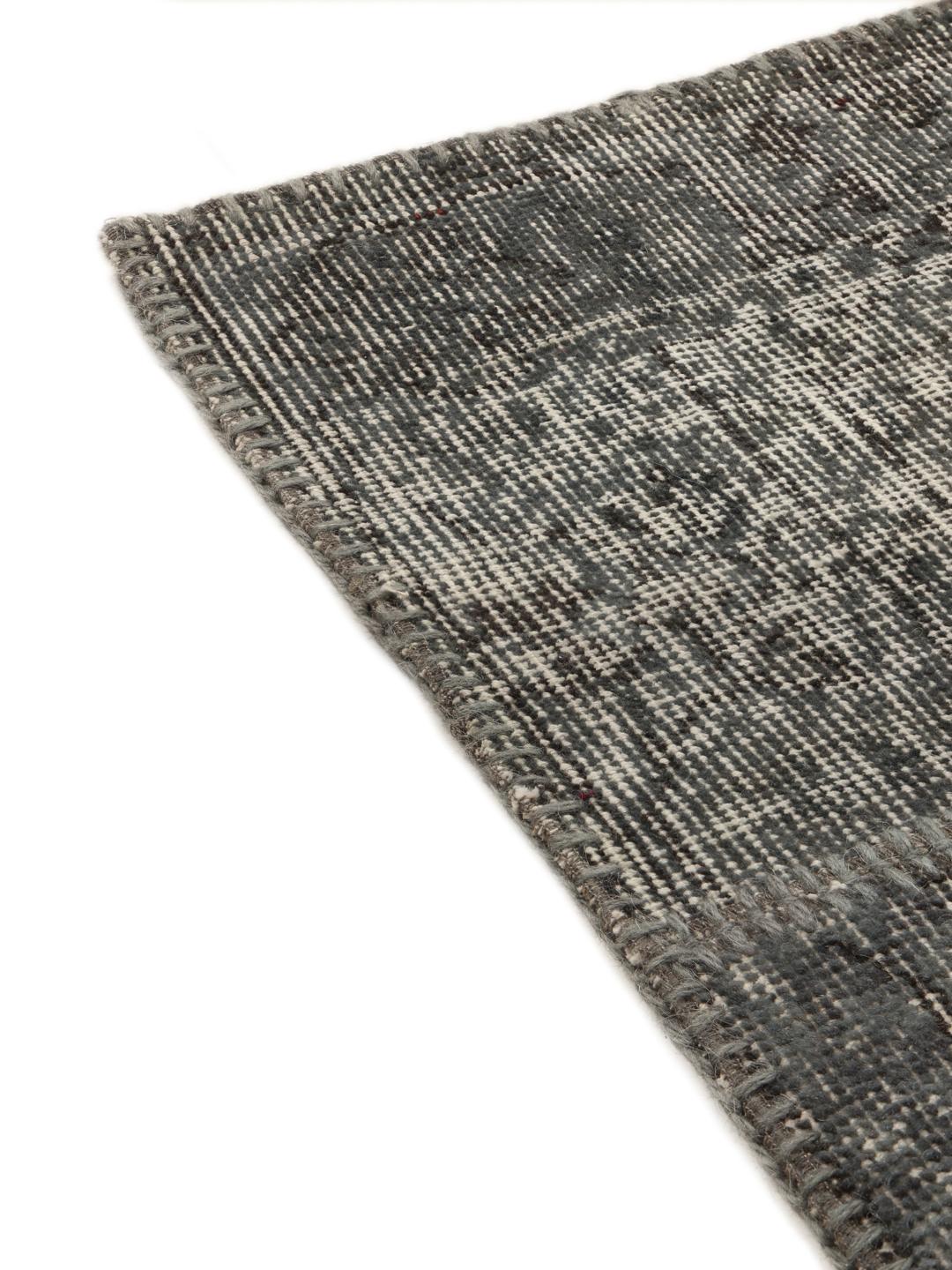
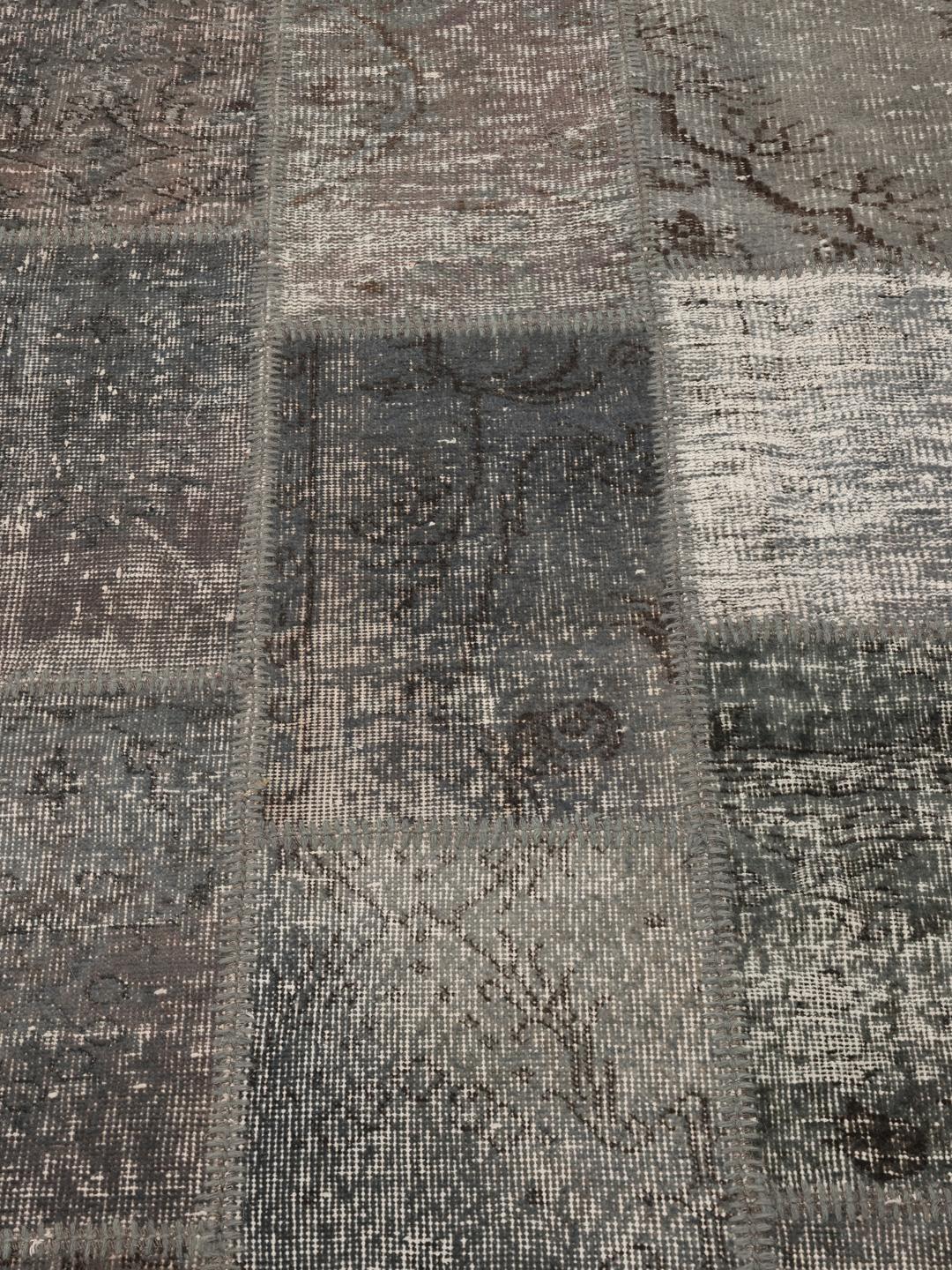
Patchwork rugs represent a fascinating evolution in textile history, emerging from the need to honour and repurpose fragments of older, hand-knotted rugs that might otherwise be lost. This tradition of recycling is deeply rooted in Turkish culture, where the value of a rug is measured not just by its initial creation, but by its entire lifecycle. By carefully selecting pieces that retain their character, artisans keep these historical narratives alive.
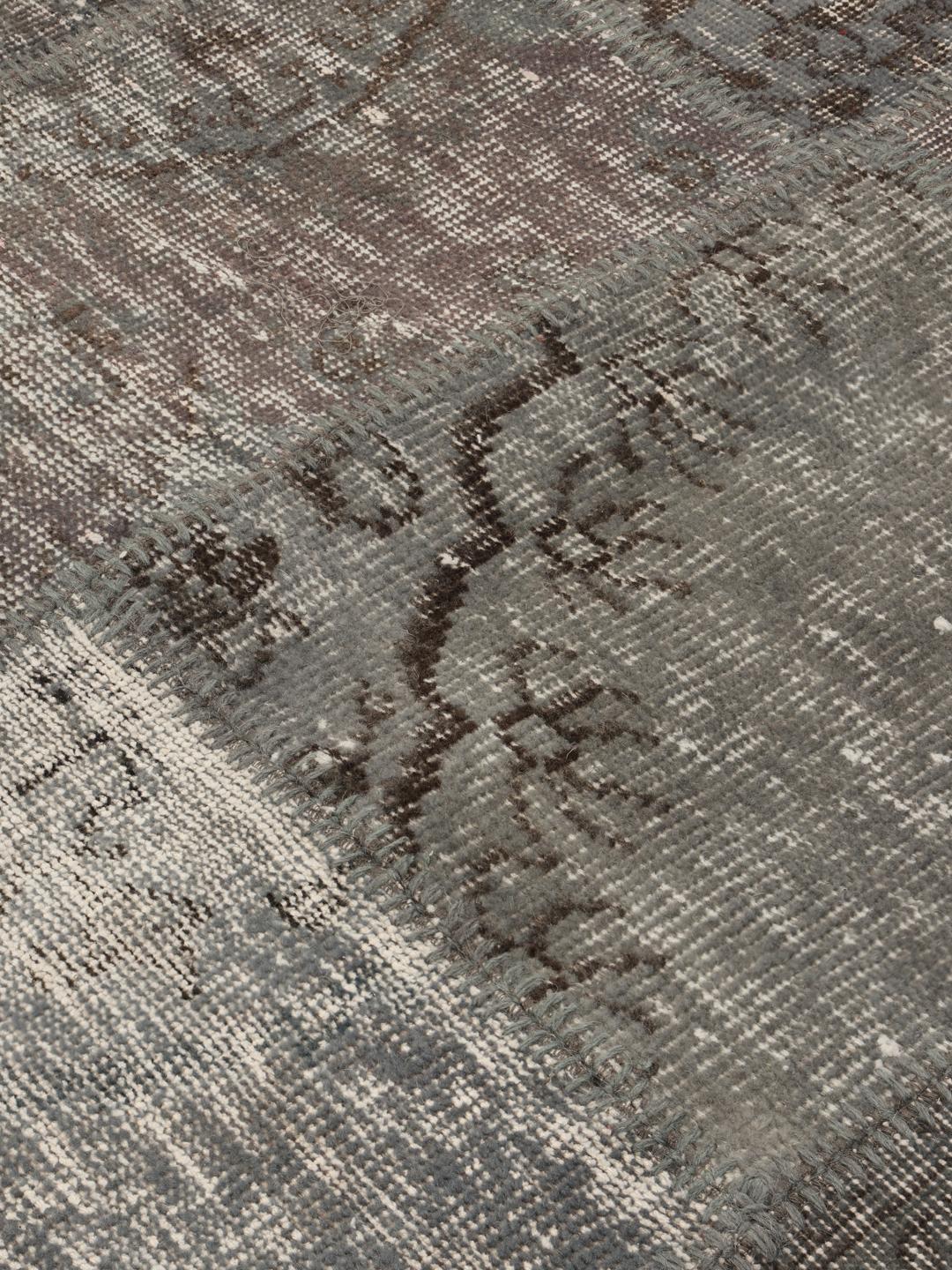
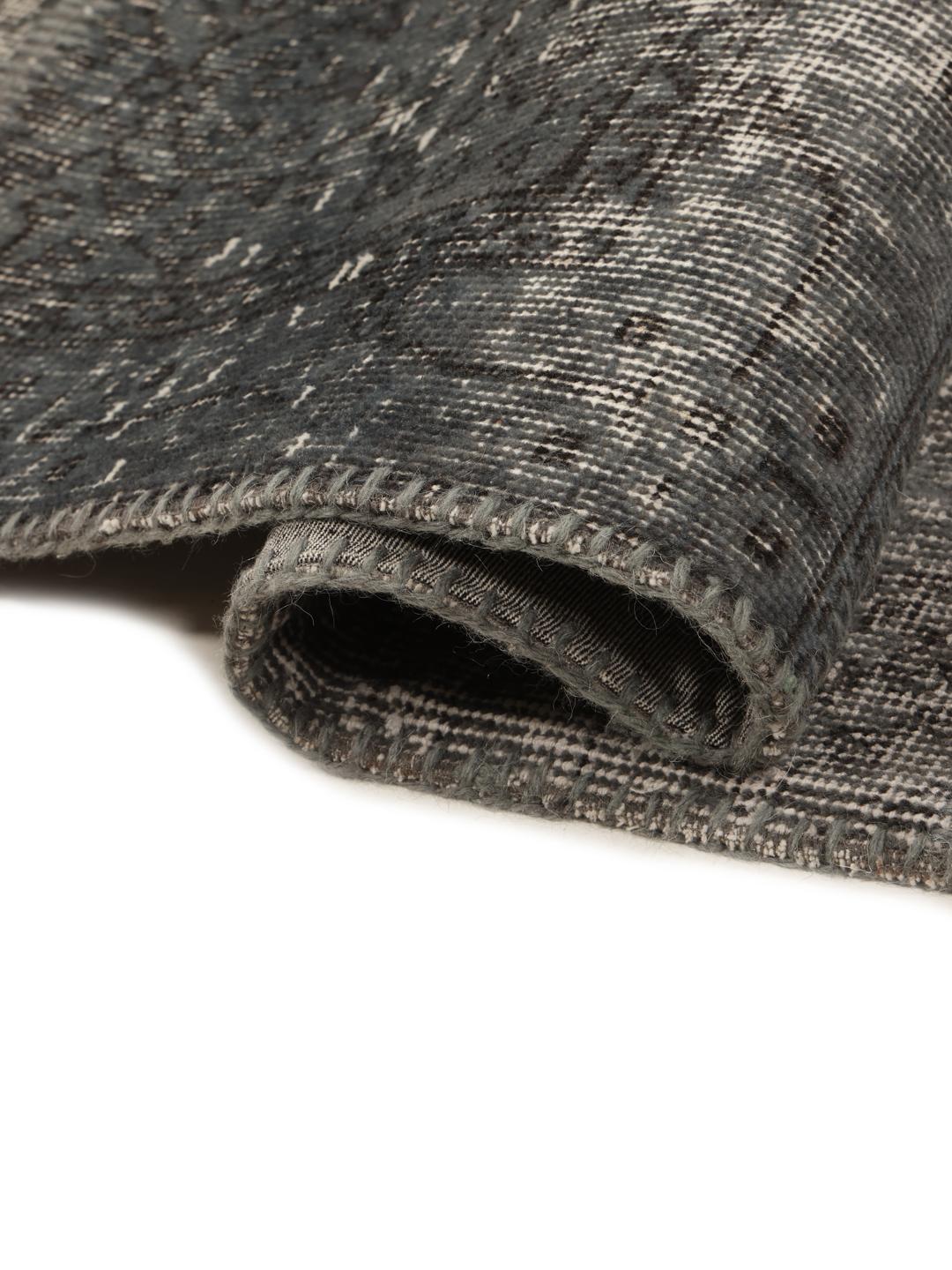
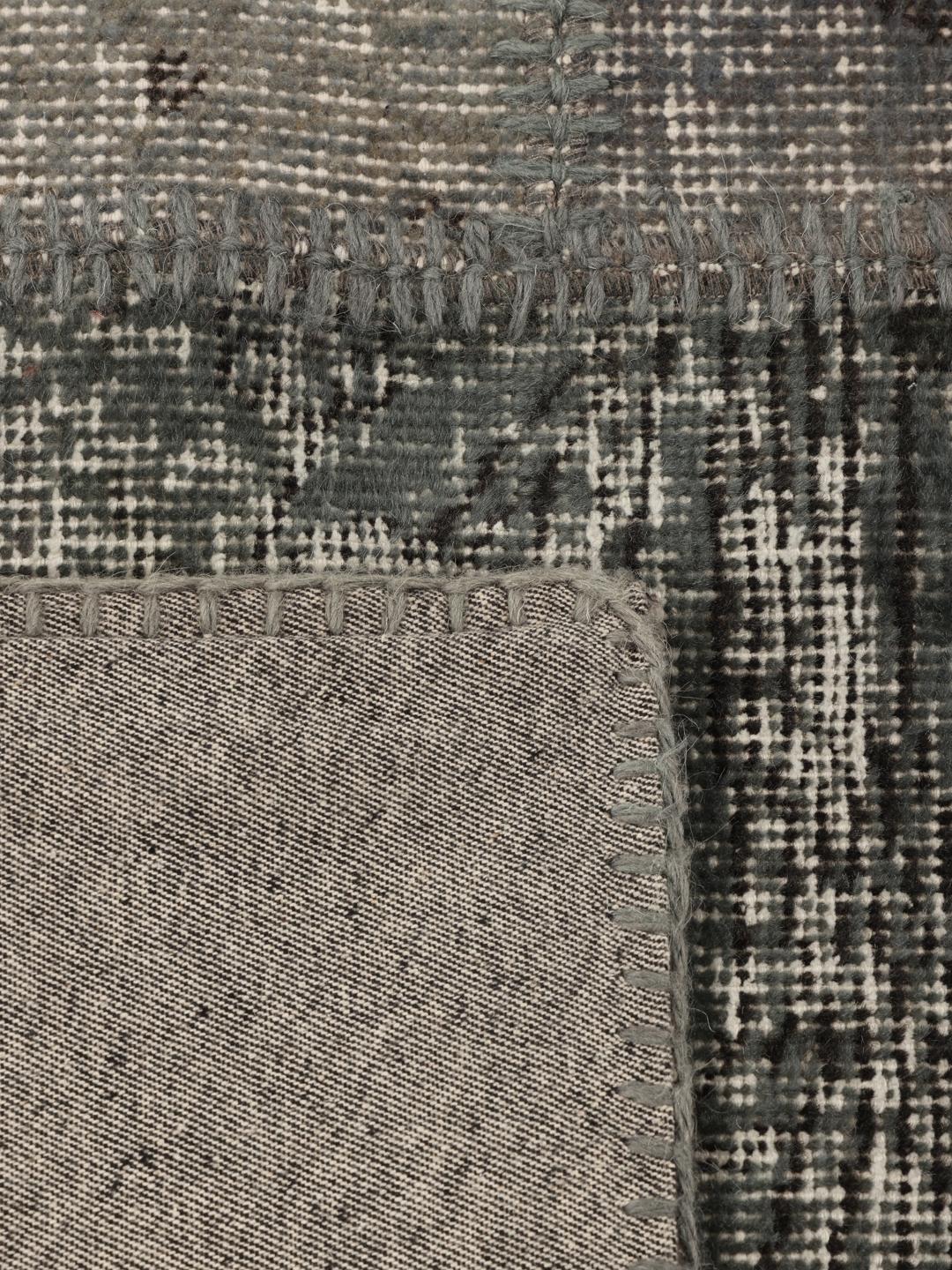
The technical term patchwork refers to this intentional assembly of various rug sections into a new, harmonious design. Each patch is typically sourced from different regions or periods, which means the finished piece often contains a diverse range of weaving styles and age-worn textures. Understanding this process highlights why these rugs are so highly valued; they are a mosaic of regional craft techniques brought together by a singular artistic vision.
Visually, these rugs are defined by their complex, layered appearance. While the individual patches often feature remnants of traditional motifs, the overall composition is distinctly modern. The colour palettes are often softened by time, resulting in the muted grey tones seen here, which allow the geometric interplay of the different patches to take centre stage without overwhelming the room.
Collecting a patchwork rug is an act of cultural preservation. Because they are made from reclaimed materials, they offer a sustainable way to enjoy the beauty of hand-knotted textiles while participating in a tradition of renewal. Owners of these pieces appreciate the blend of historical depth and contemporary design, knowing they hold a unique item that carries the legacy of many hands across many years.