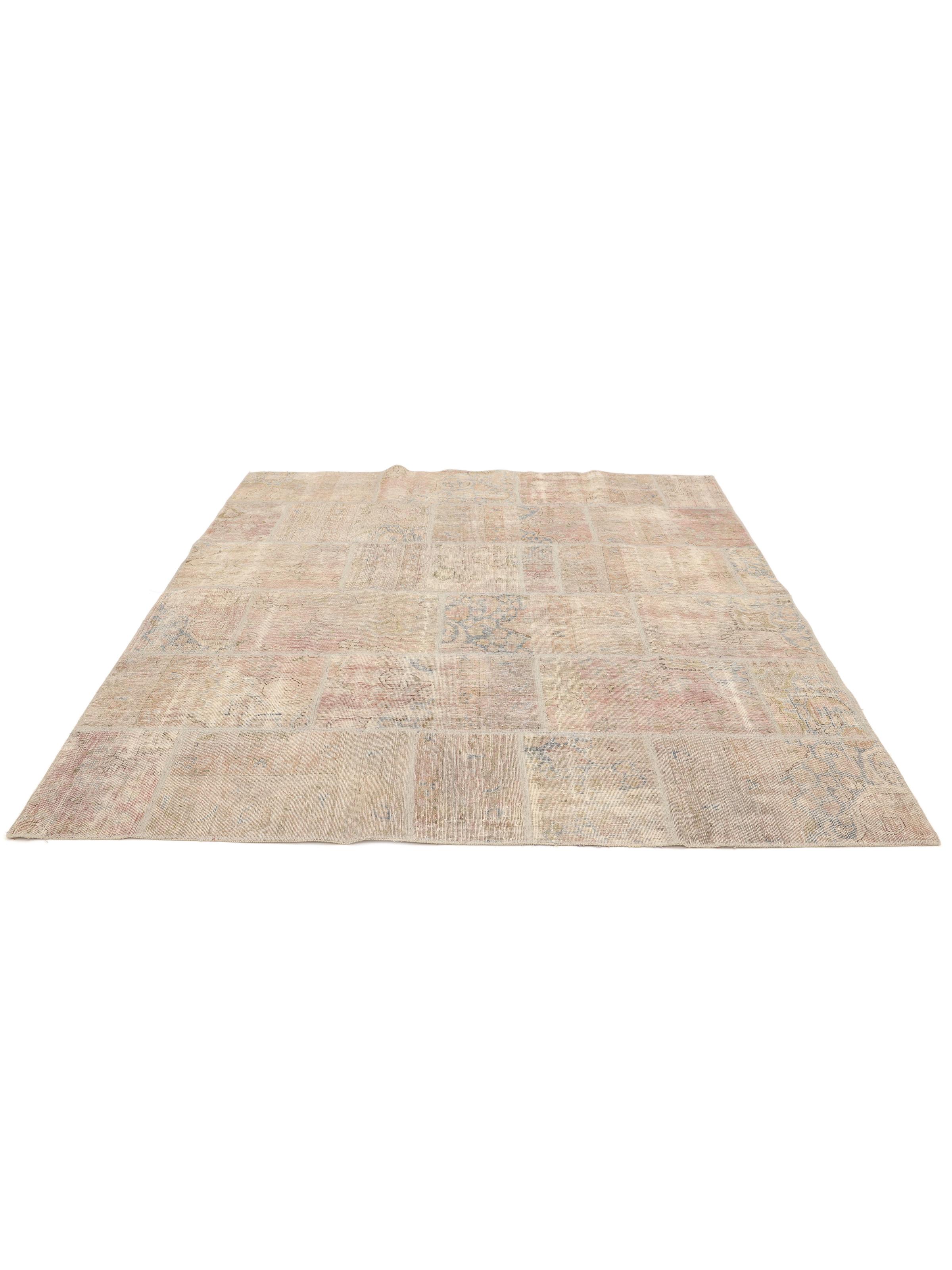
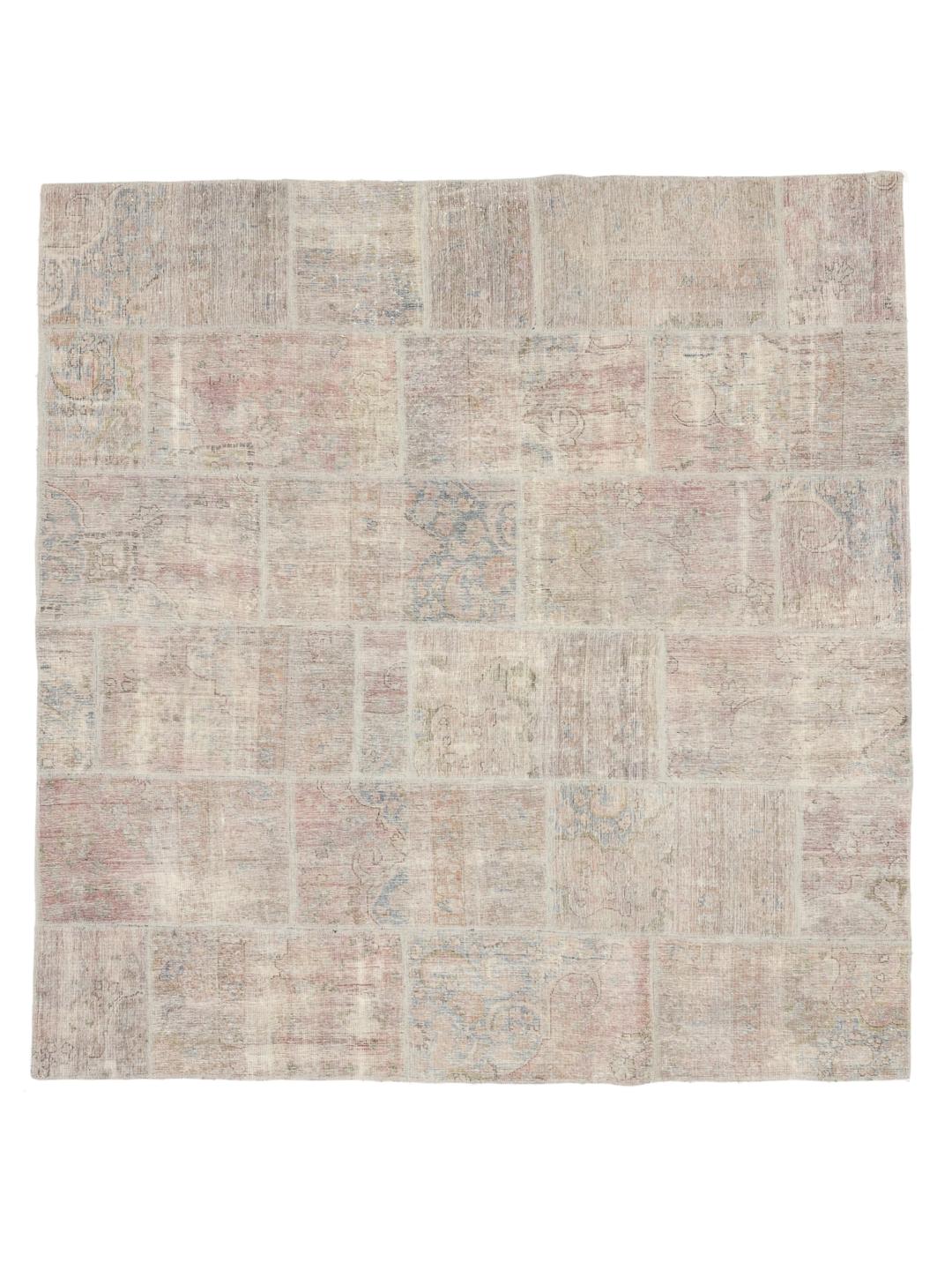
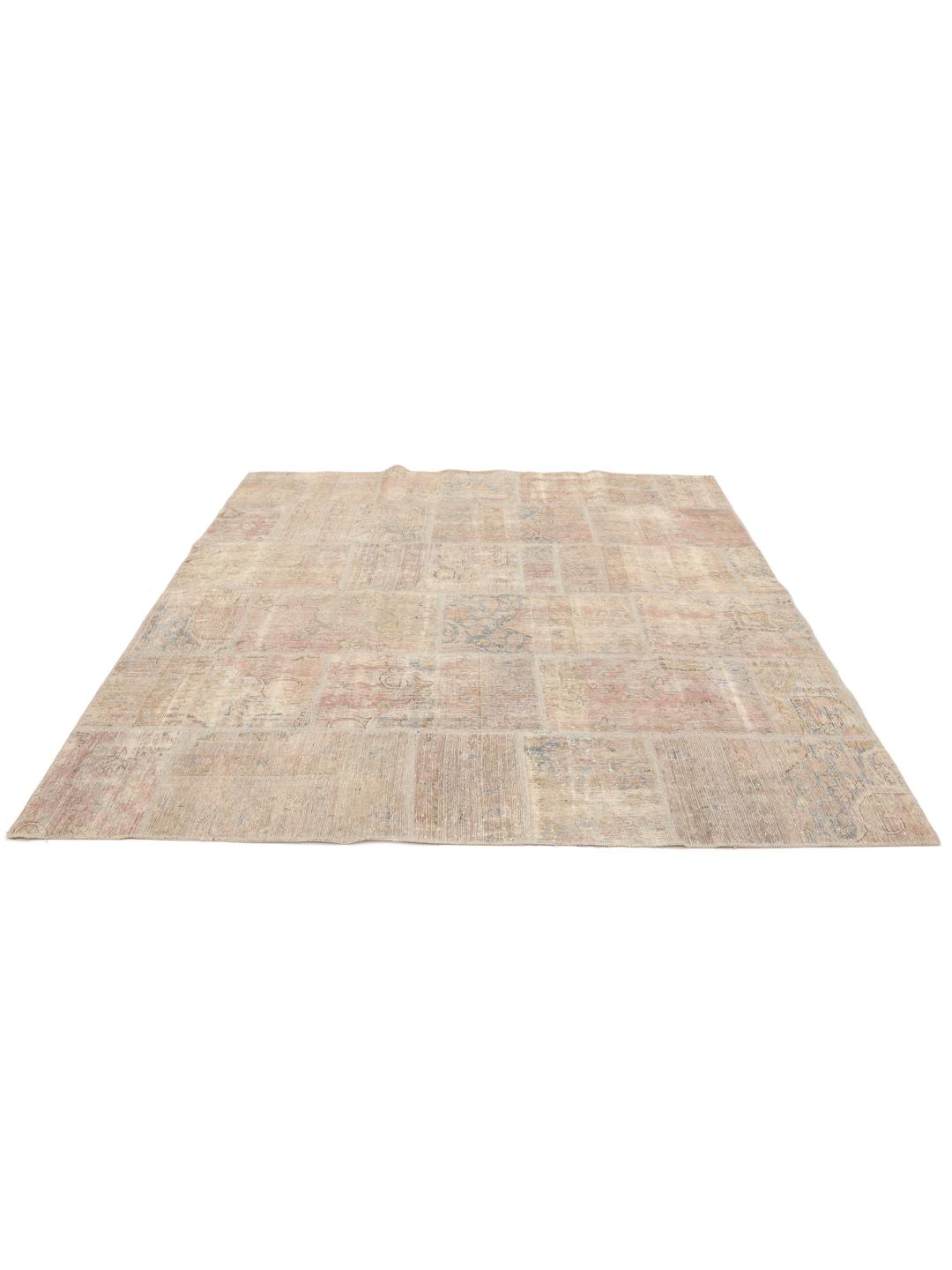
The tradition of patchwork rugs is a fascinating evolution within Middle Eastern textile history, emerging as a creative way to repurpose and celebrate fragments of older, hand-knotted carpets. This practice honours the skill of previous generations by giving new life to pieces that have weathered the years. By curating these remnants into a new, cohesive whole, artisans create something that bridges the gap between traditional heritage and modern interior design.
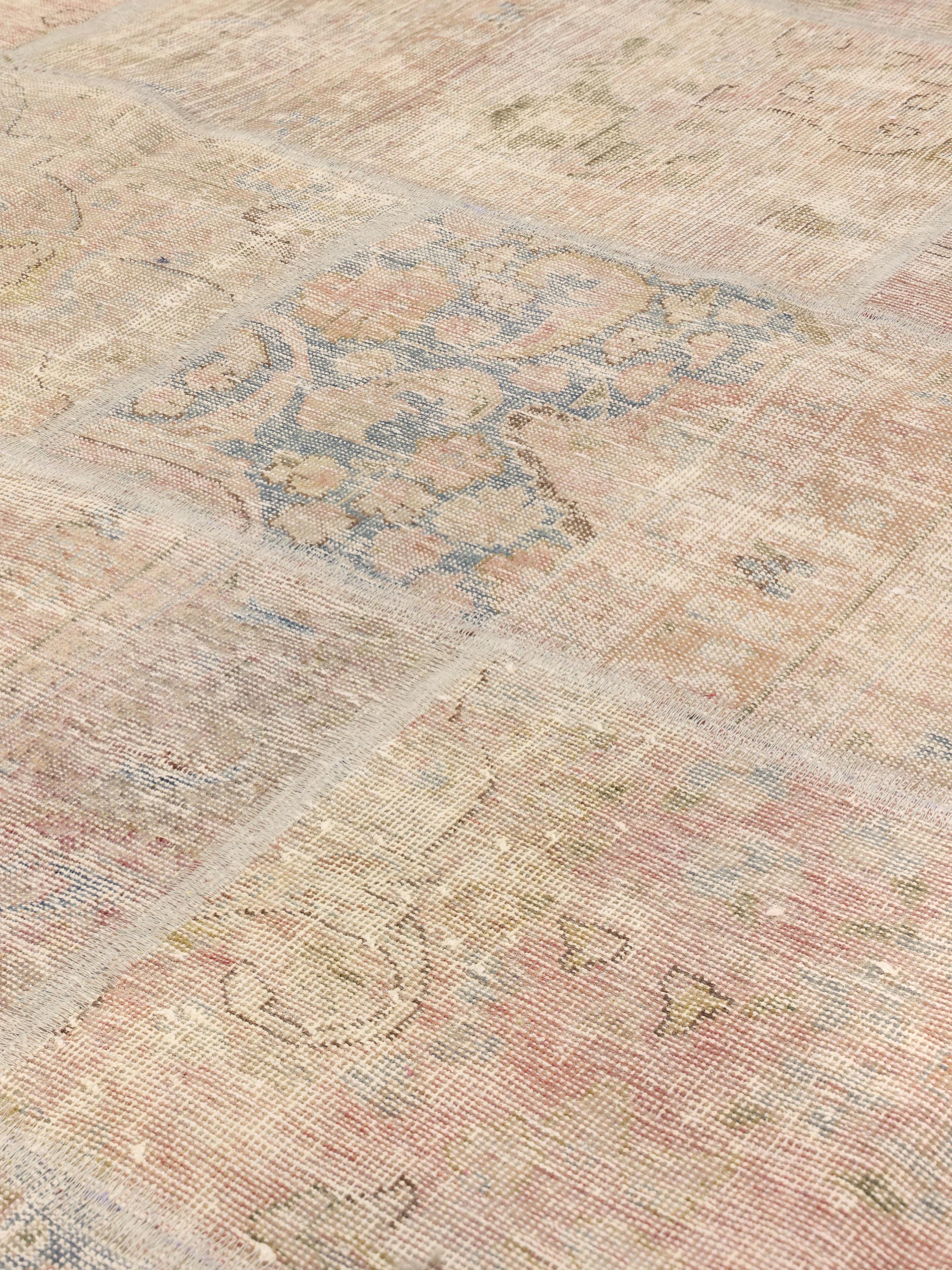
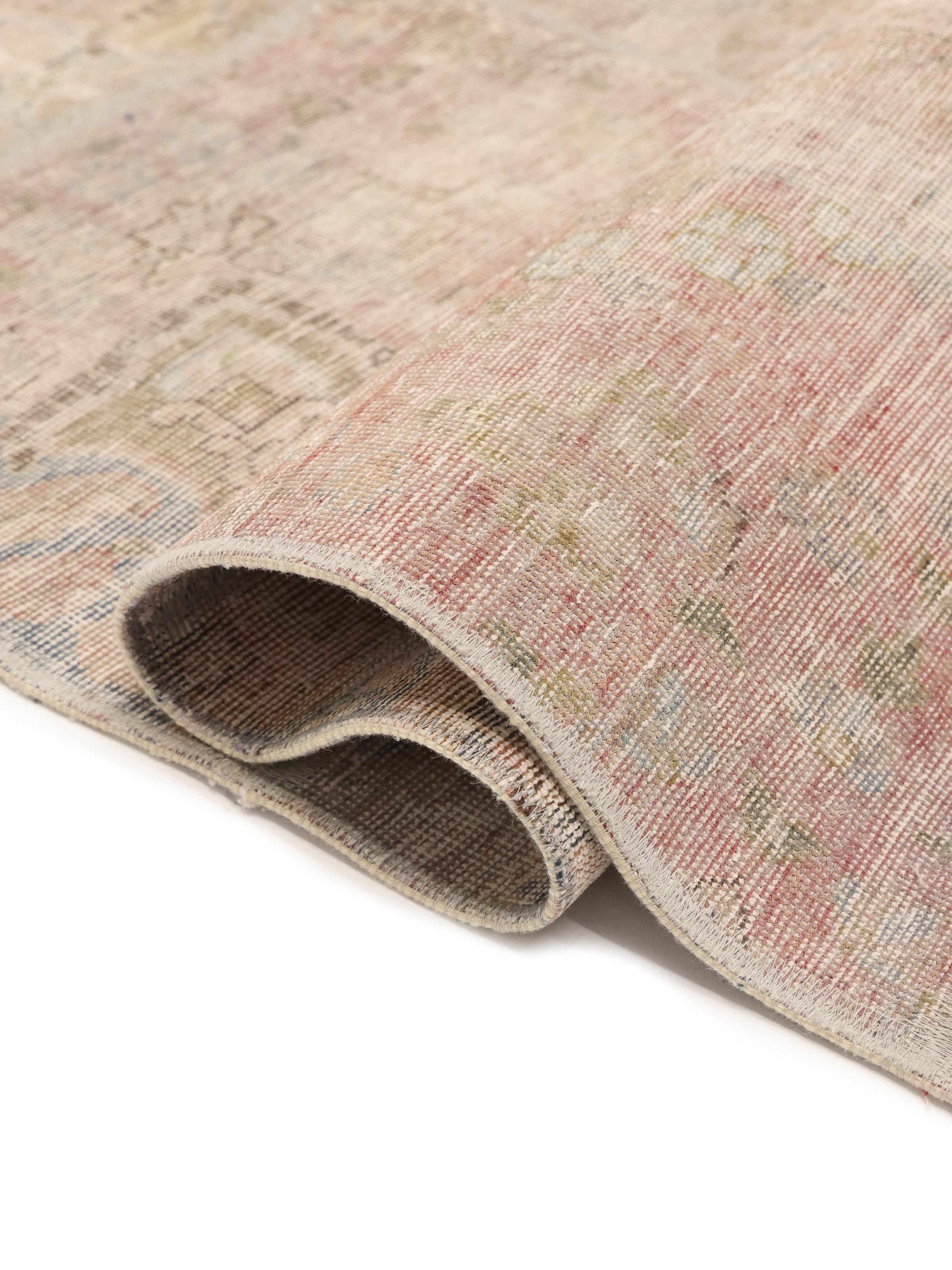
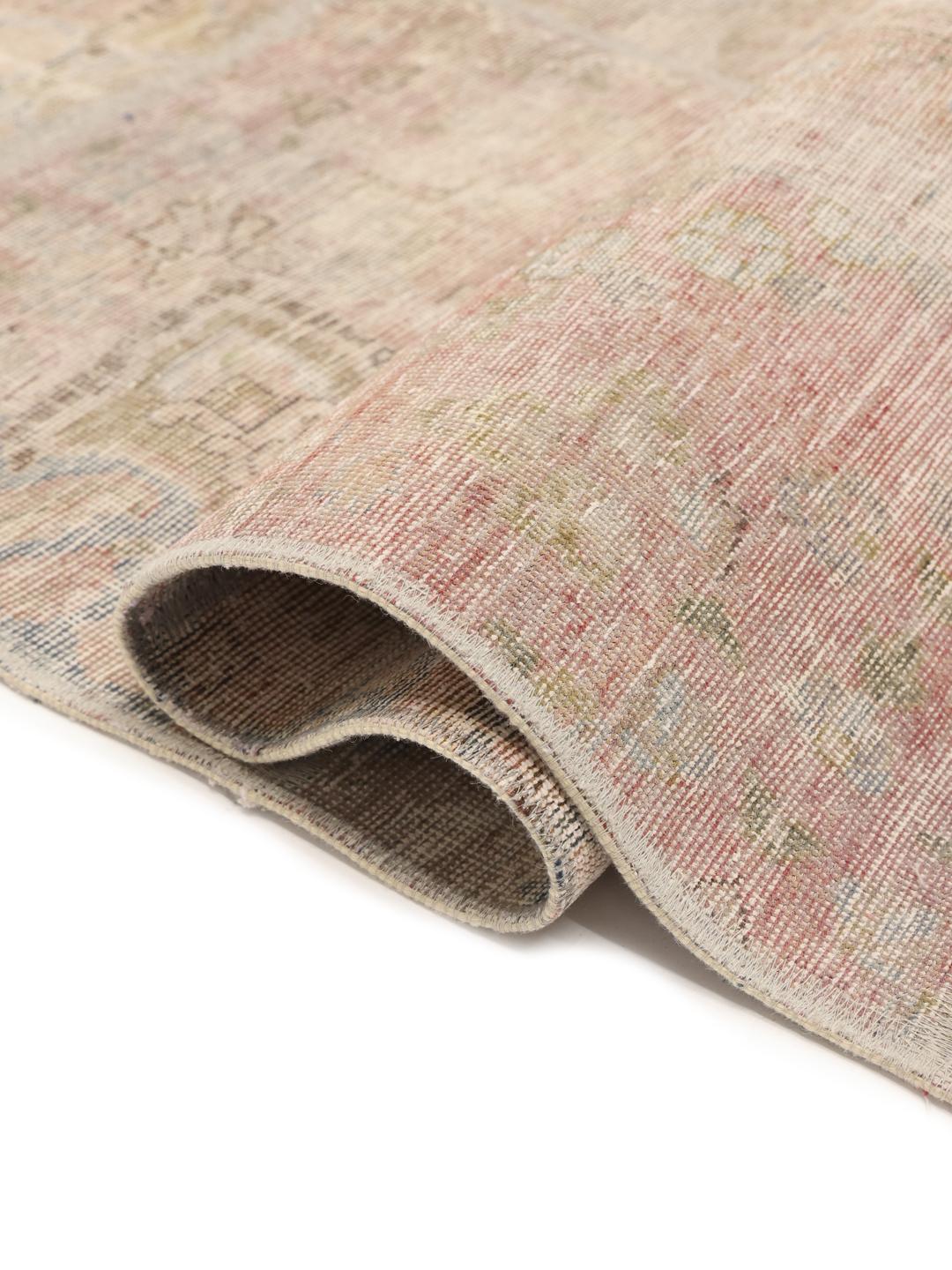
The term hand-knotted refers to the time-honoured technique where each individual knot is tied by hand onto a foundation. This labour-intensive method is what gives the wool its remarkable density and durability. When applied to patchwork, it means that every single seam and connection point has been reinforced with the same dedication to quality, ensuring that the rug is as resilient as it is beautiful.
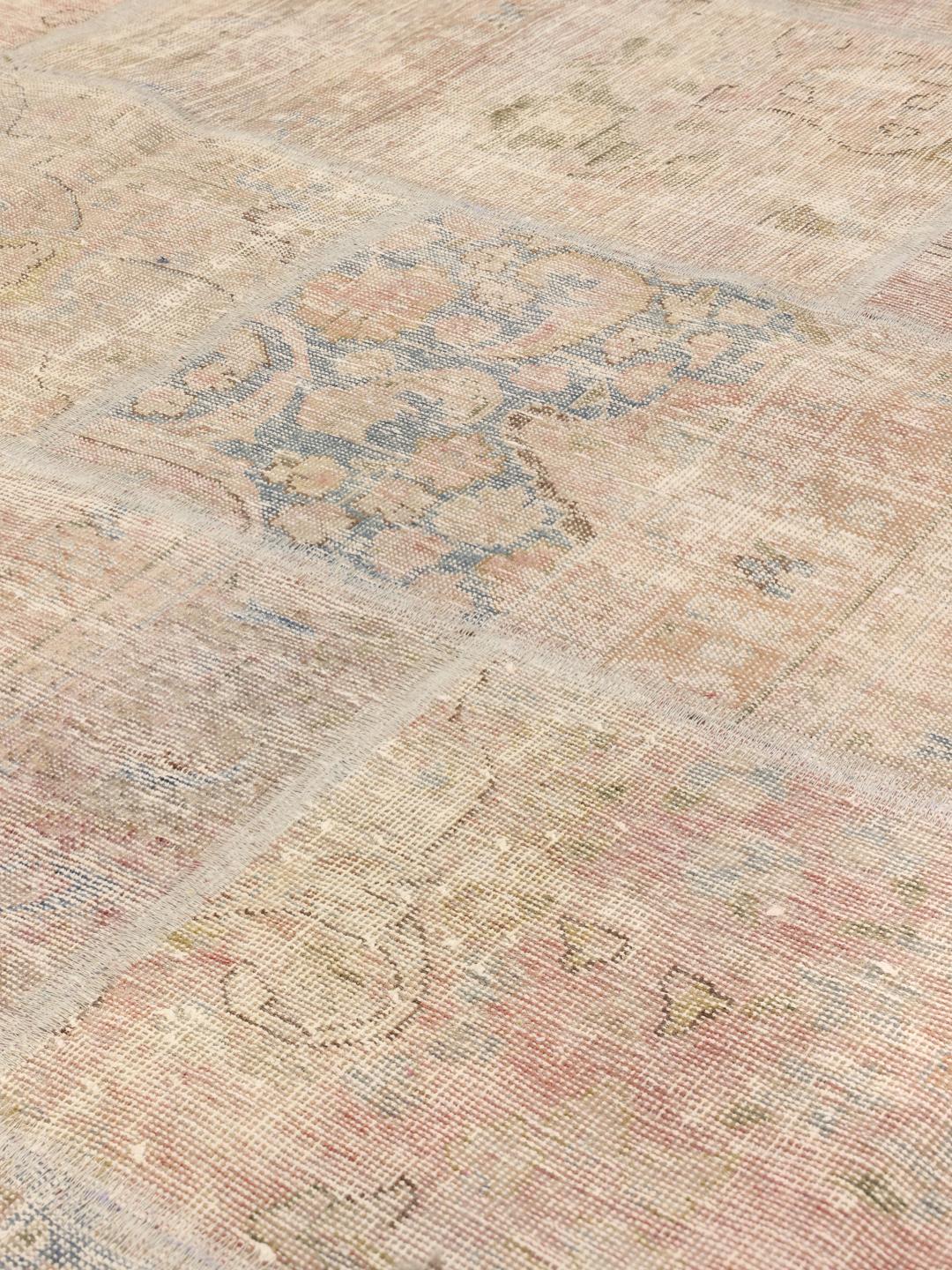
Visually, these rugs are defined by their complex compositions, where diverse motifs and patterns from various sources are harmonised through a shared colour palette. You will often see echoes of classic floral or geometric designs peering through the patchwork, creating a mosaic effect that is both nostalgic and contemporary. The beauty of this style lies in how it frames the history of the original carpets within a new, structured, and intentional layout.
For collectors and homeowners alike, these rugs are highly valued for their individuality and the cultural depth they bring to a room. Owning a patchwork piece is a testament to the appreciation of craft and the belief that beauty can be found in the combination of distinct, storied elements. It is an investment in a piece that feels both globally inspired and deeply personal, offering a sense of heritage that mass-produced items simply cannot replicate.