The art of the patchwork rug is a modern evolution of long-standing textile traditions found across the Middle East. Historically, rug weaving was a communal activity where families would create pieces for their own homes, often using local Wool and natural dyes. Over time, as these rugs aged or developed wear in certain areas, the most resilient sections were carefully salvaged. This practice of preservation is the spiritual ancestor of today's patchwork, turning remnants of the past into new, functional art.
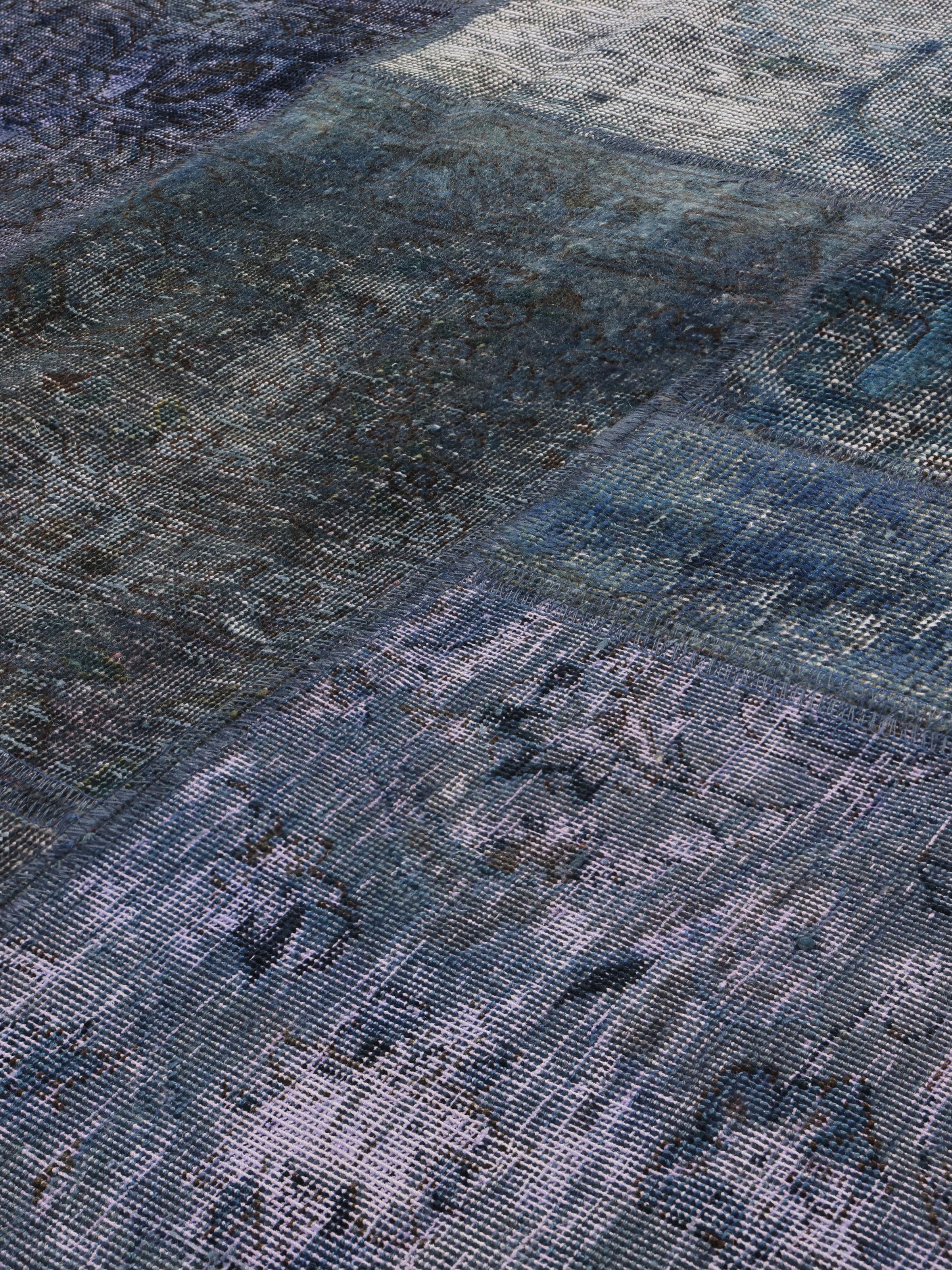
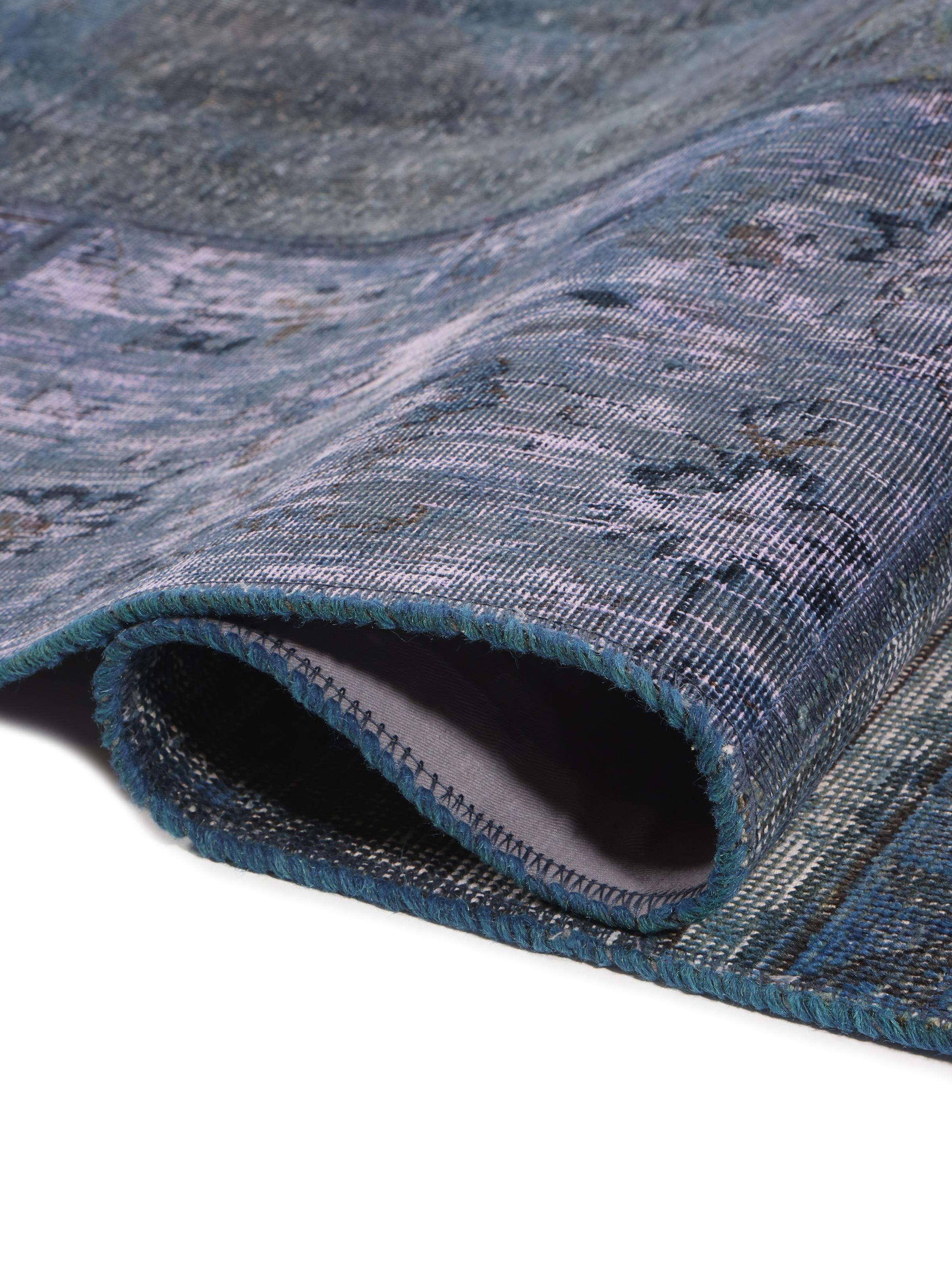
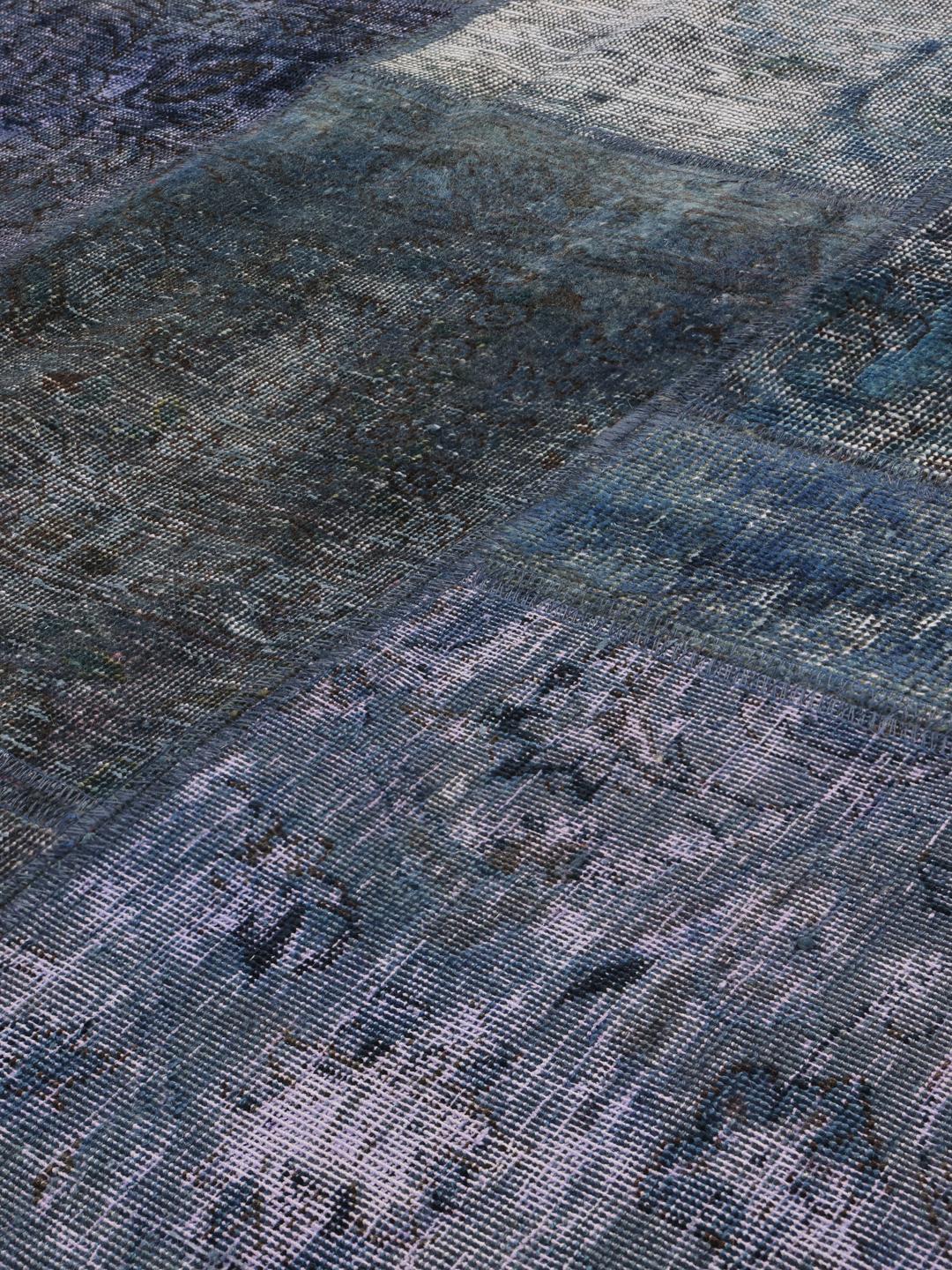
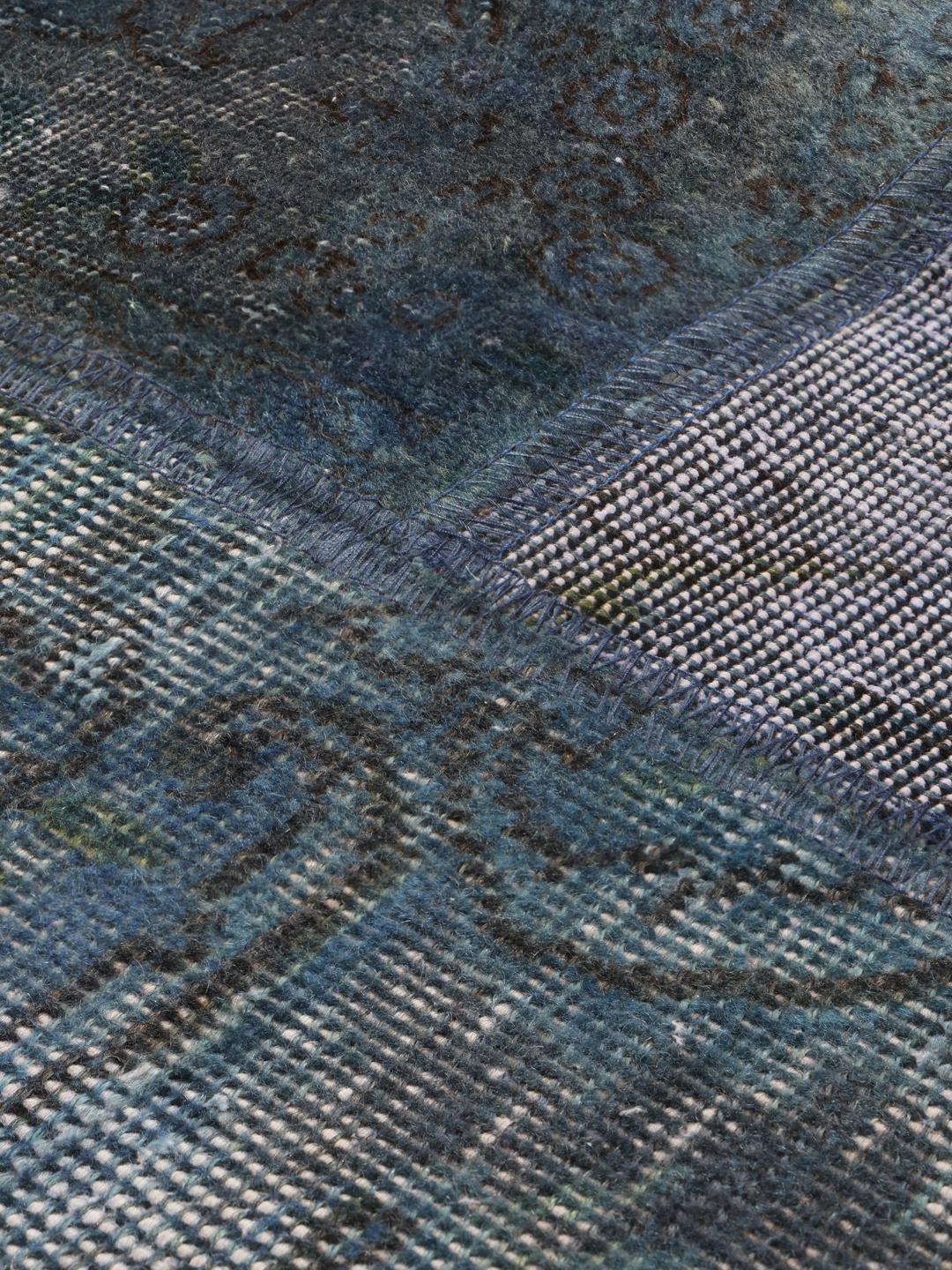
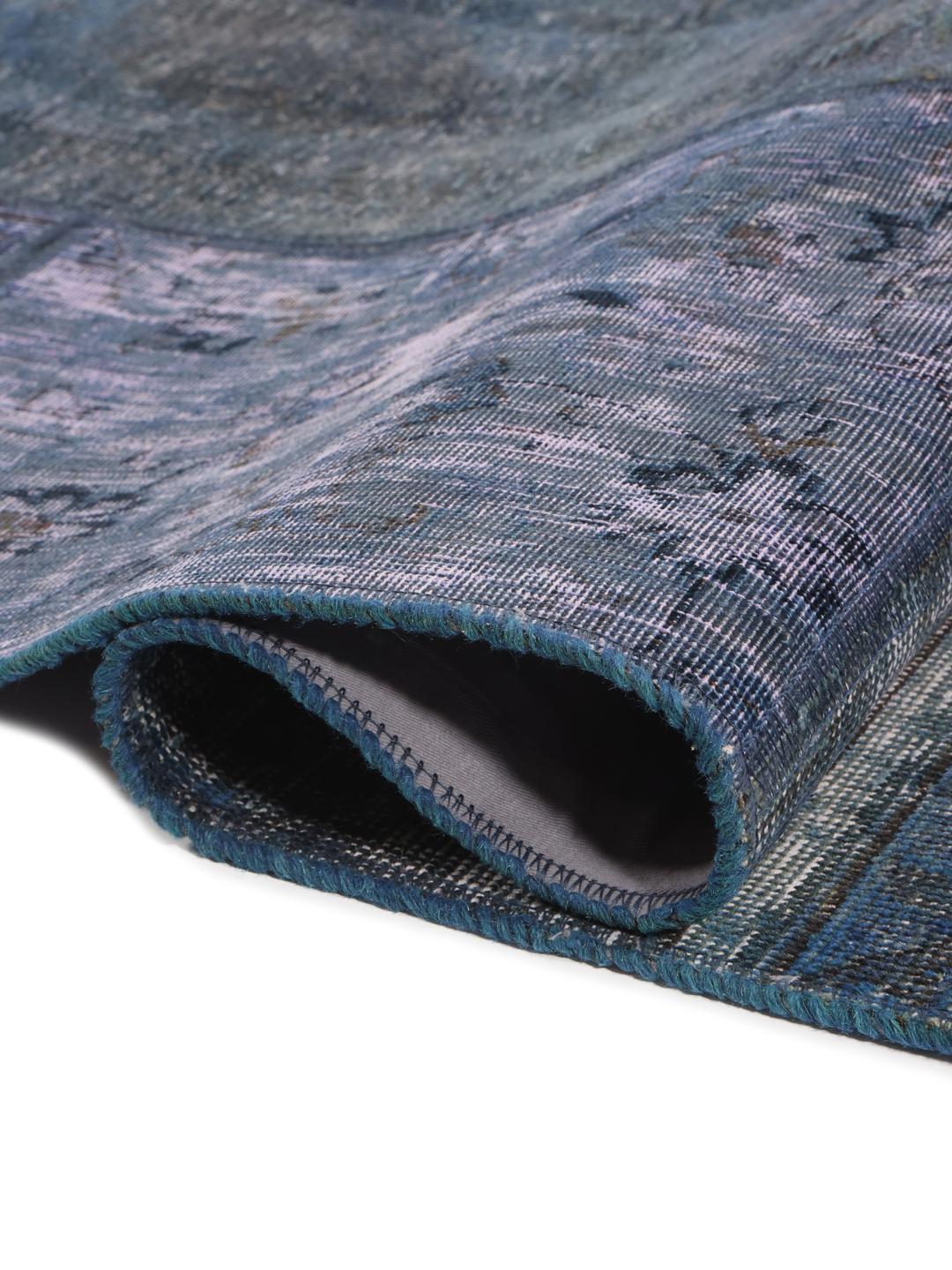
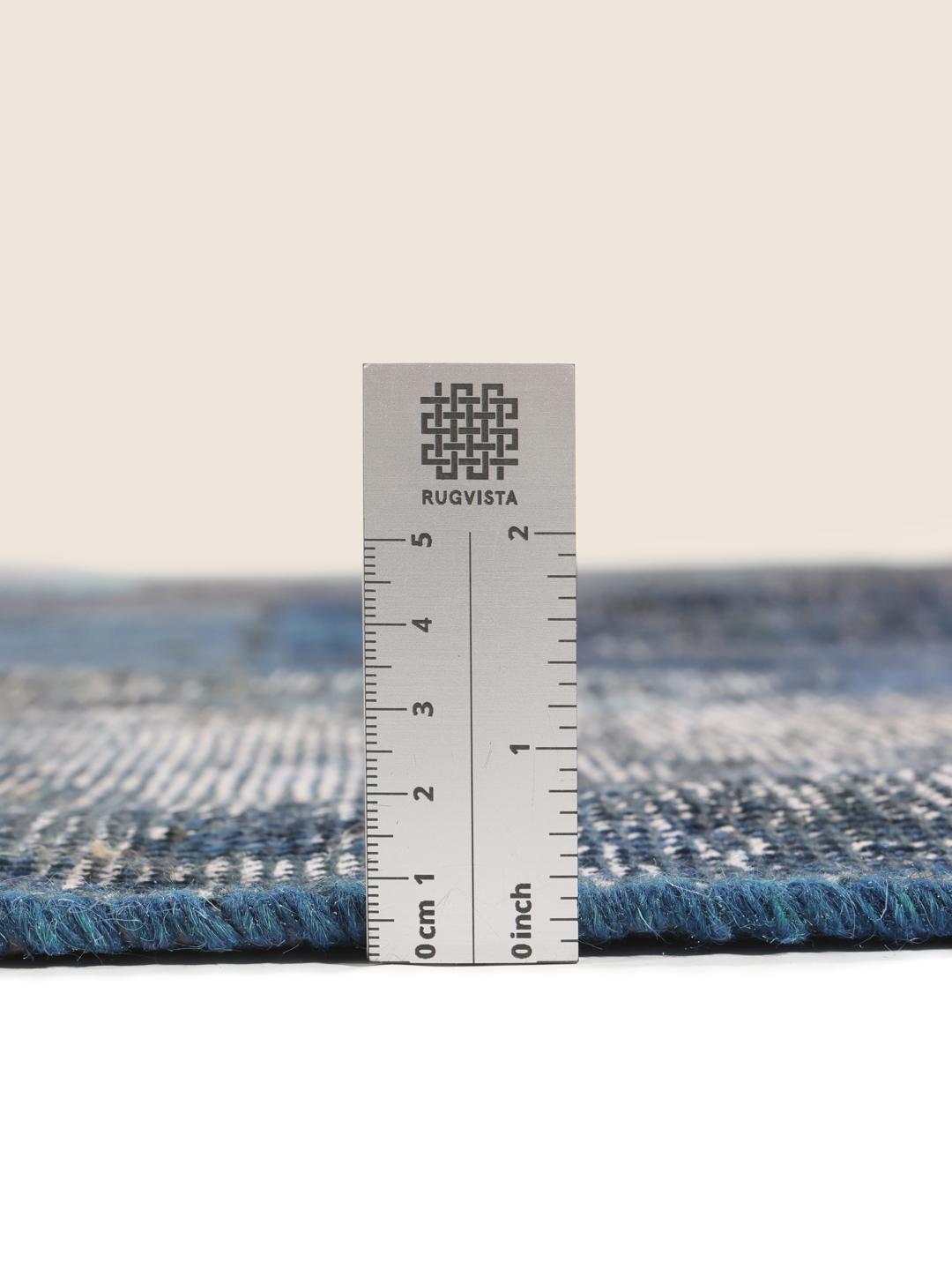
The construction of these rugs relies on the durability of the original hand-knotted foundations. By selecting fragments that feature tight, dense knots, the resulting patchwork inherits the resilience of the original weave. This density is a hallmark of quality, ensuring that the pile remains upright and vibrant even after years of use. For the owner, this means the rug maintains its structure and comfort, reflecting the high-level skill of the weavers who created the original pieces decades ago.
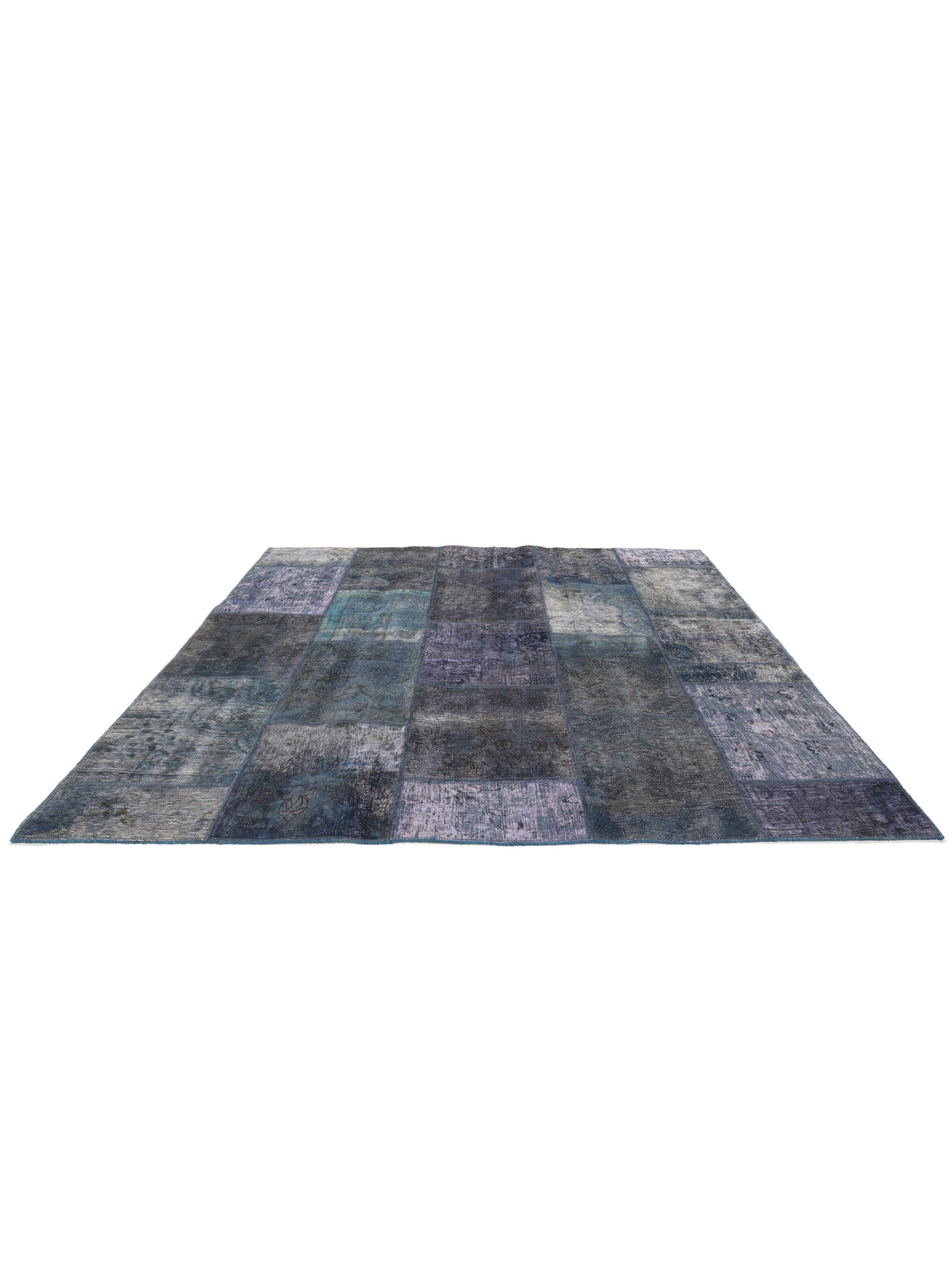
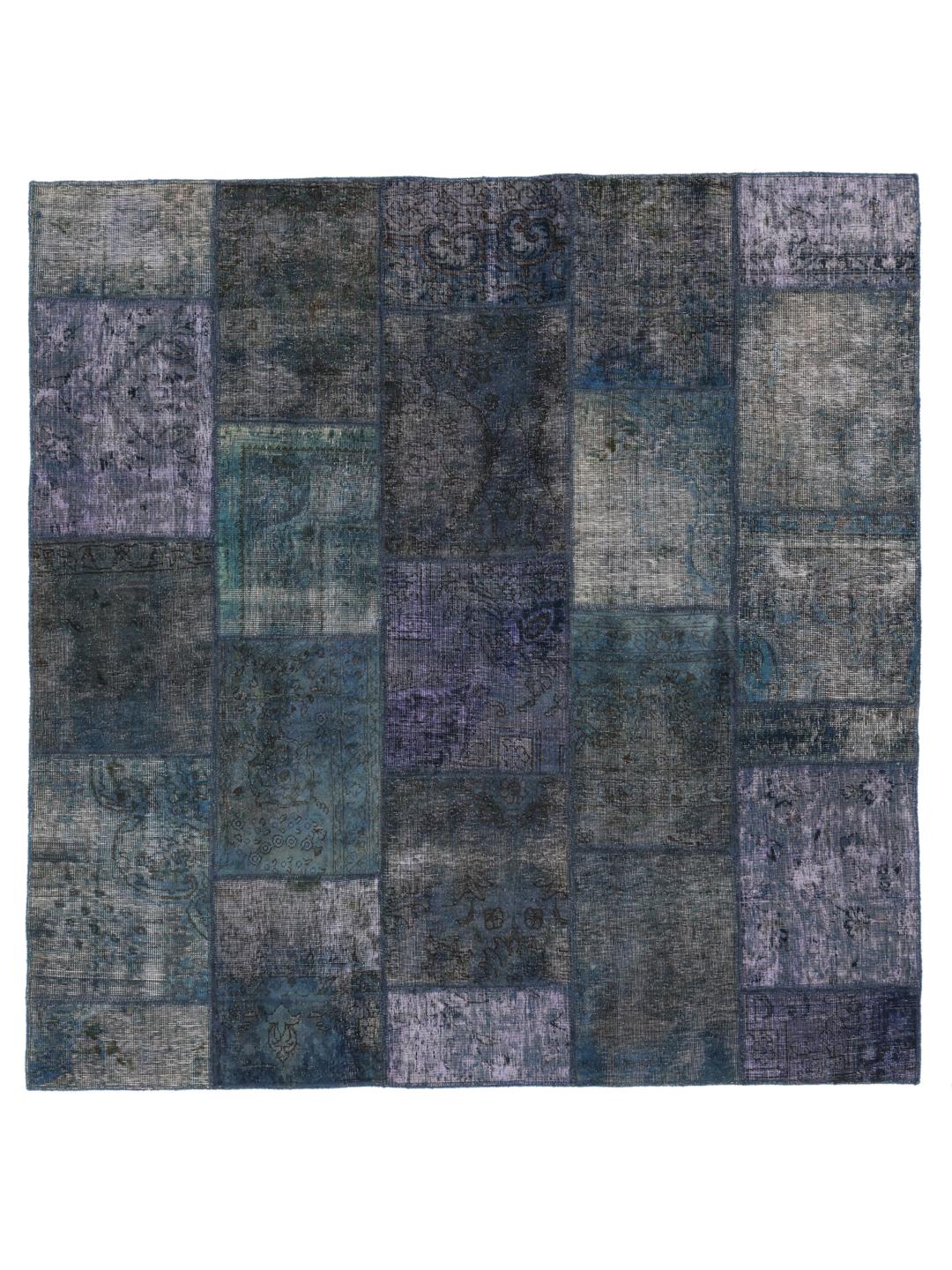
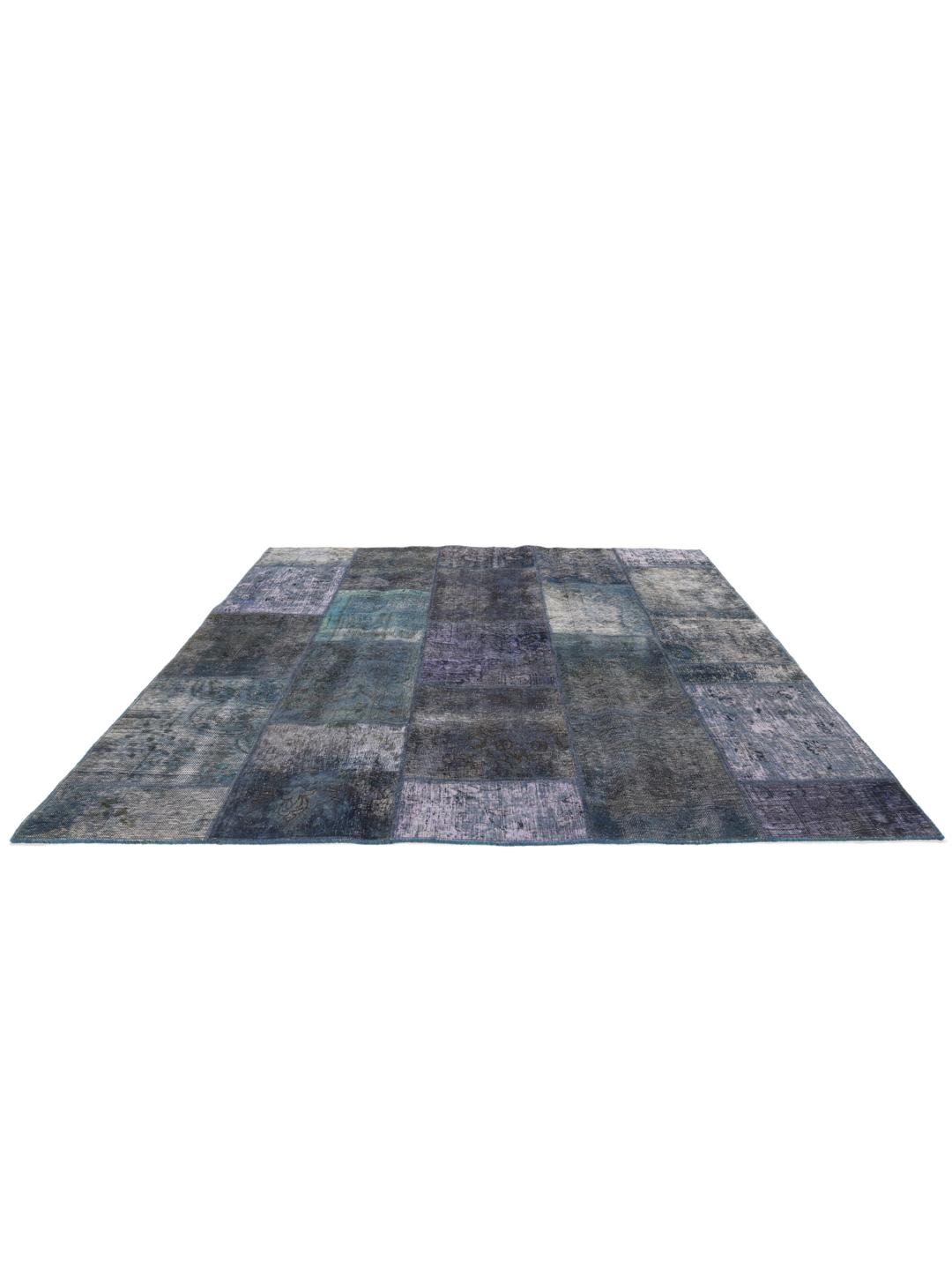
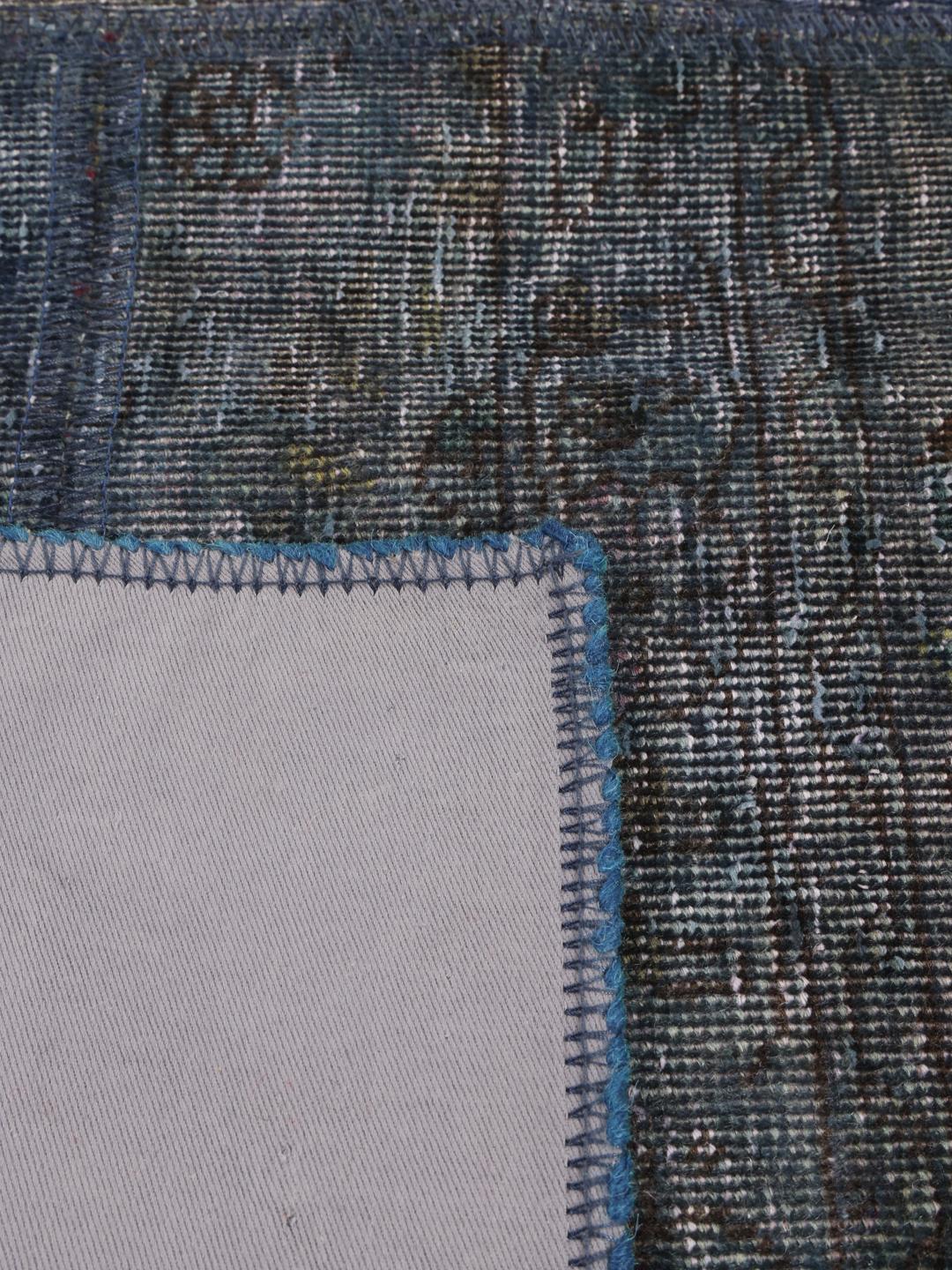
Visually, these rugs are defined by their contrast and cohesion. A patchwork composition often brings together disparate patterns, such as floral motifs and geometric borders, uniting them through a shared colour palette. This rug, with its deep and varied blue tones, creates a sophisticated visual rhythm. It transforms what might have been a collection of individual stories into a singular, flowing narrative that draws the eye and encourages a deeper appreciation for textile design.
Collecting a patchwork rug is an investment in cultural continuity. It is a way to own a piece of history that has been thoughtfully repurposed for contemporary life. Each patch is a testament to the skill and patience of the artisan, and by bringing this rug into your home, you are continuing the story of these materials. It is a choice that values both the heritage of hand-knotted textiles and the ingenuity of modern design.