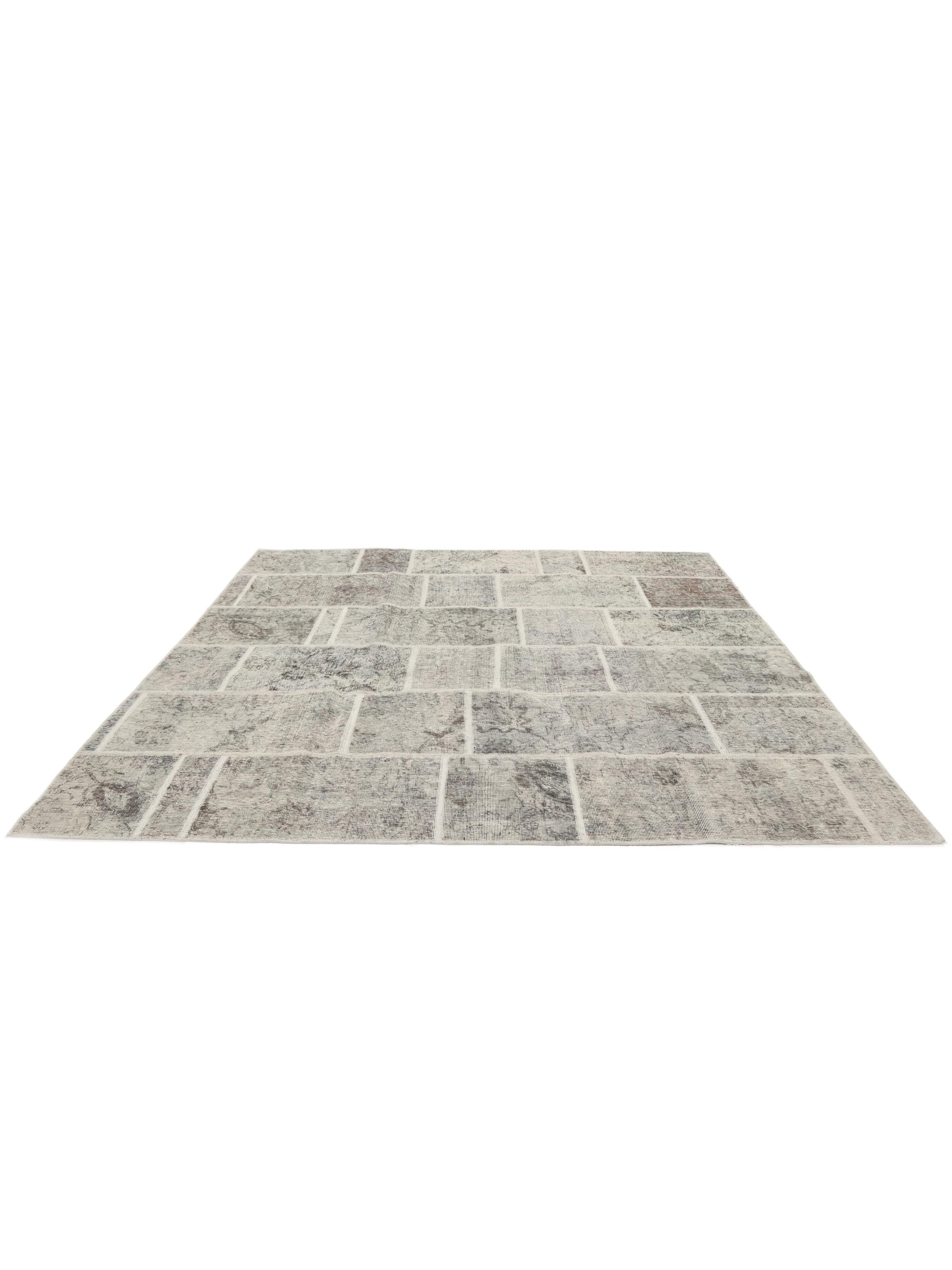
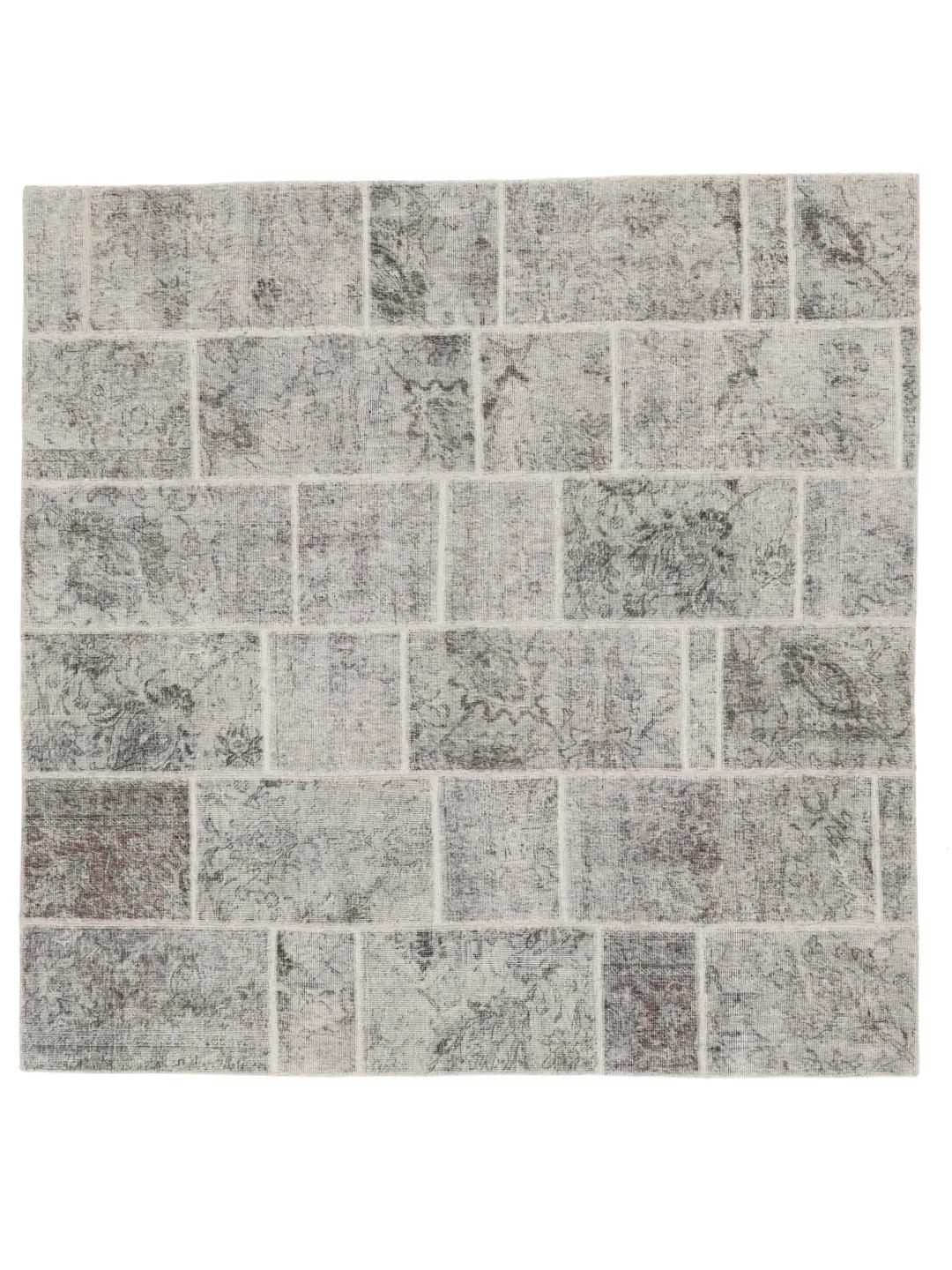
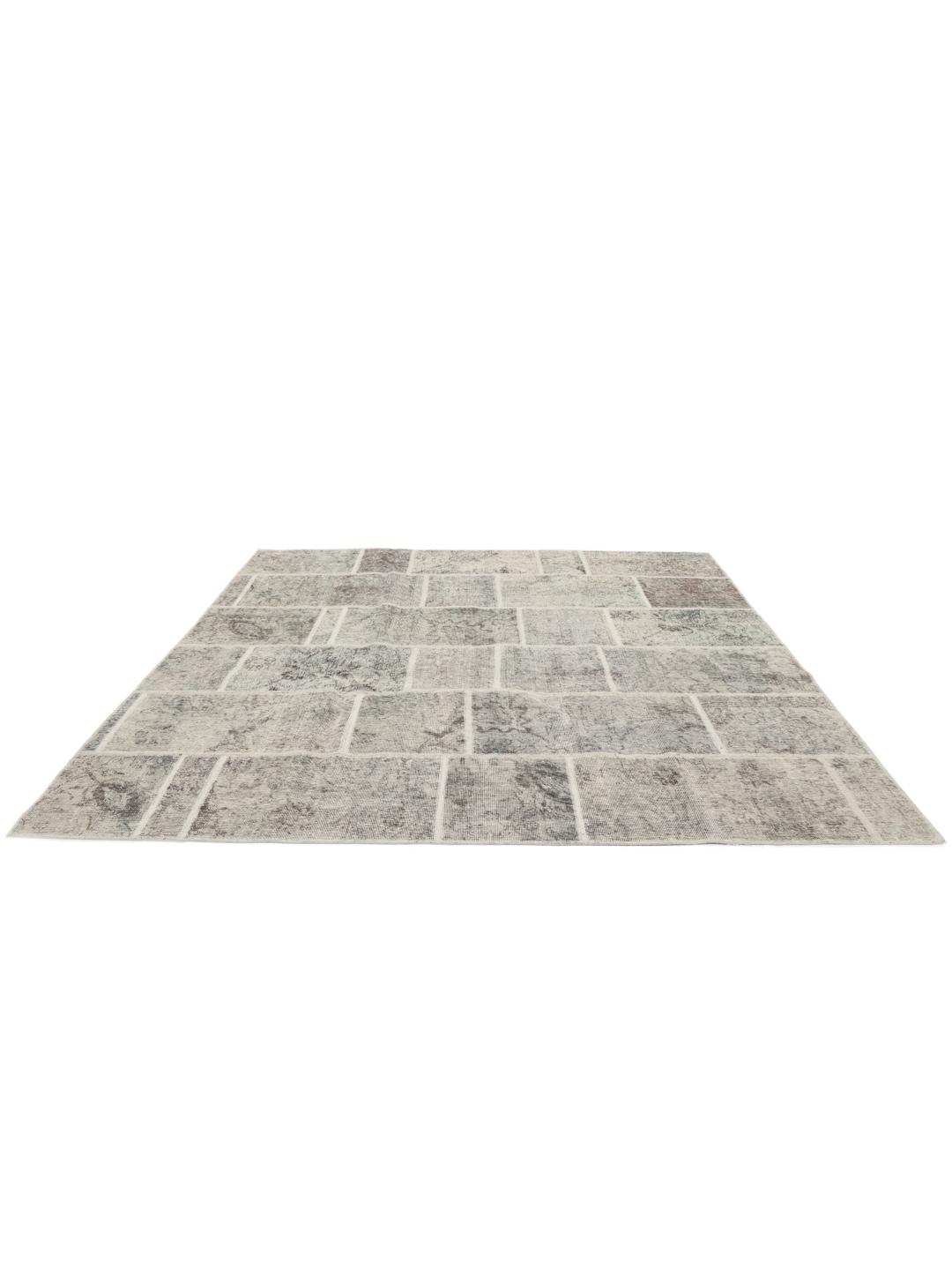
Patchwork rugs represent a modern evolution of long-standing Middle Eastern weaving traditions. Historically, when older, damaged, or worn hand-knotted rugs could no longer be used in their original form, their most beautiful and intact sections were carefully salvaged. This practice of upcycling ensured that the labour and artistry of the original weavers were preserved, giving new life to cherished textiles that might otherwise have been lost.
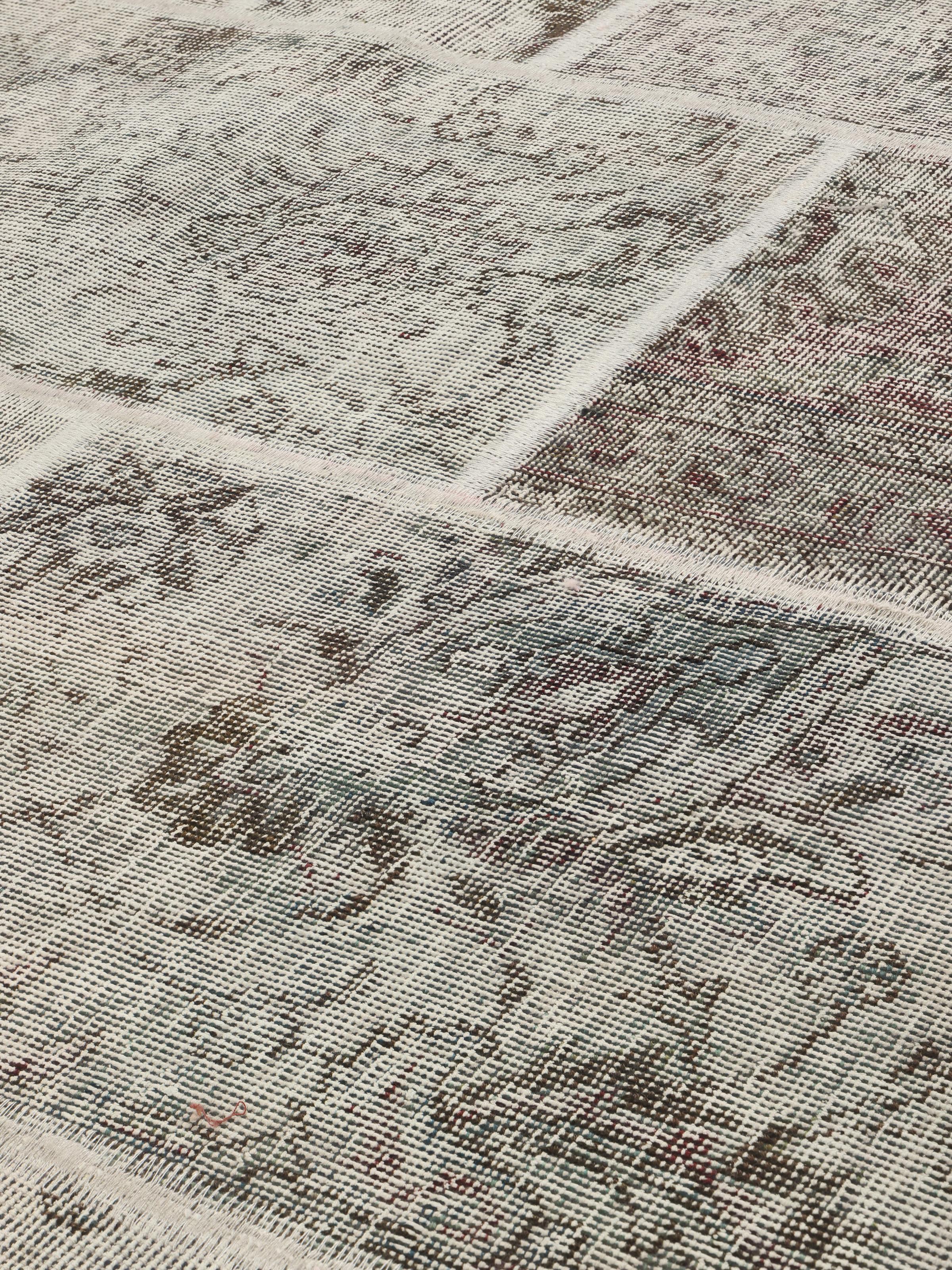
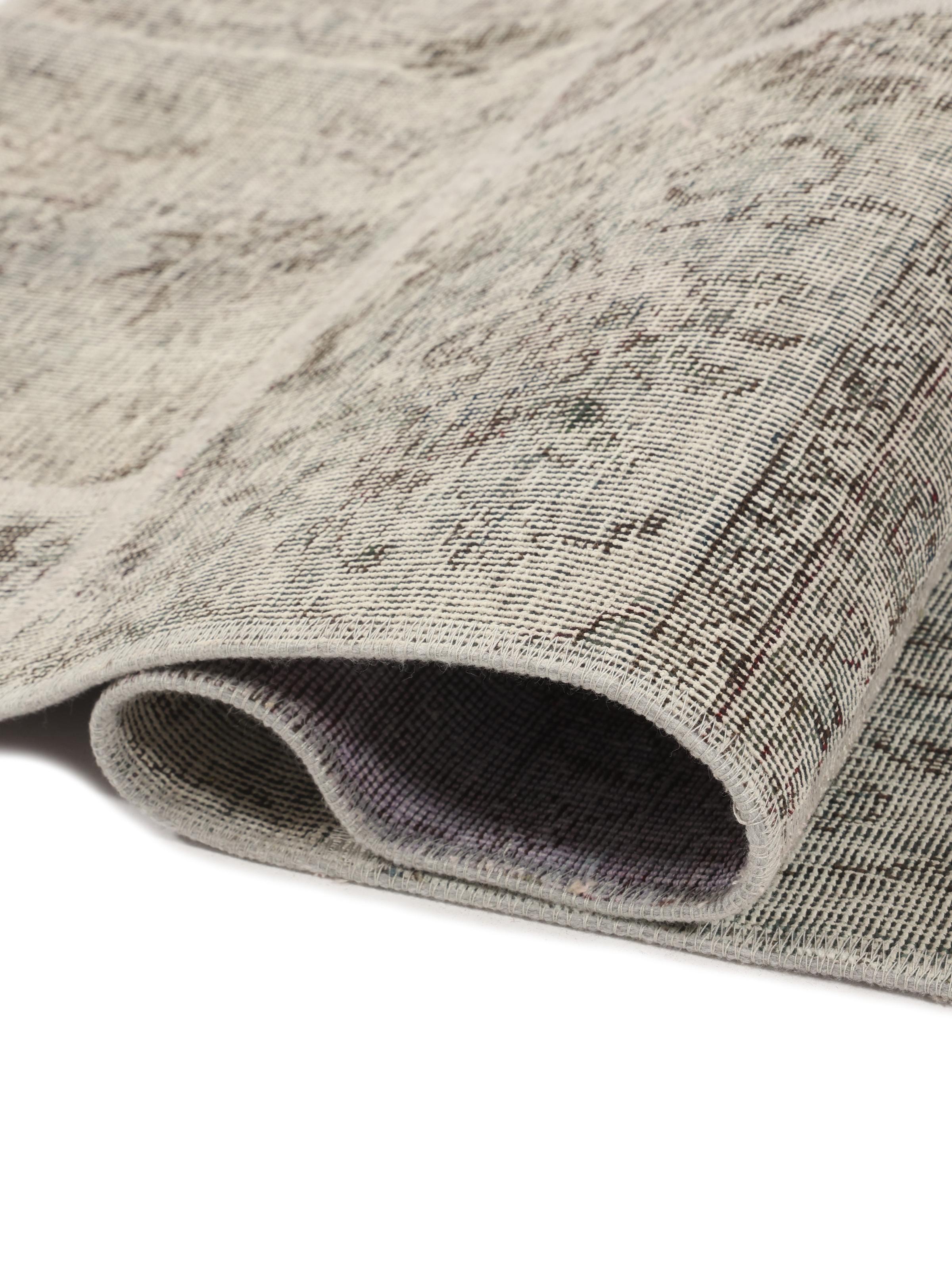
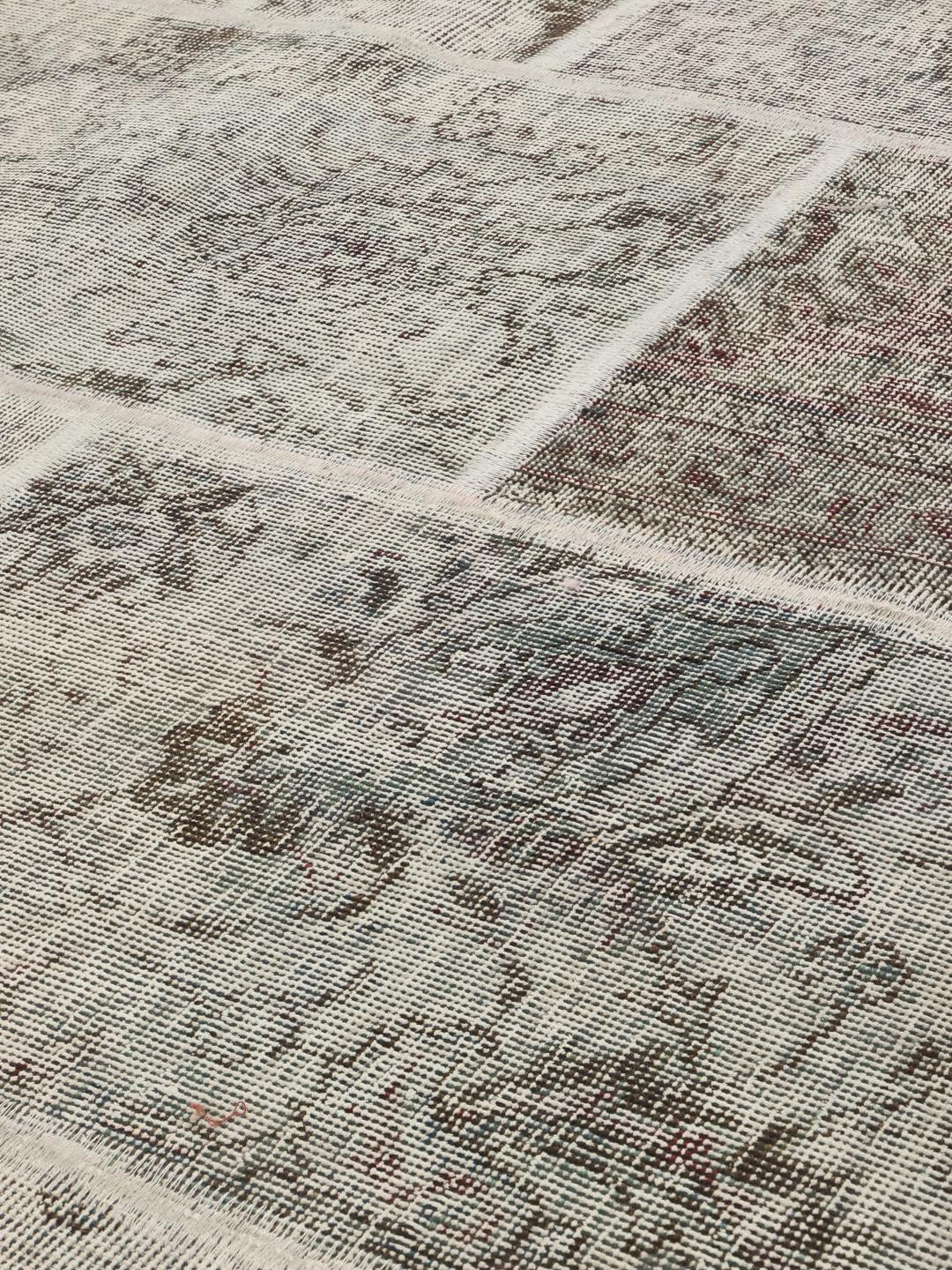
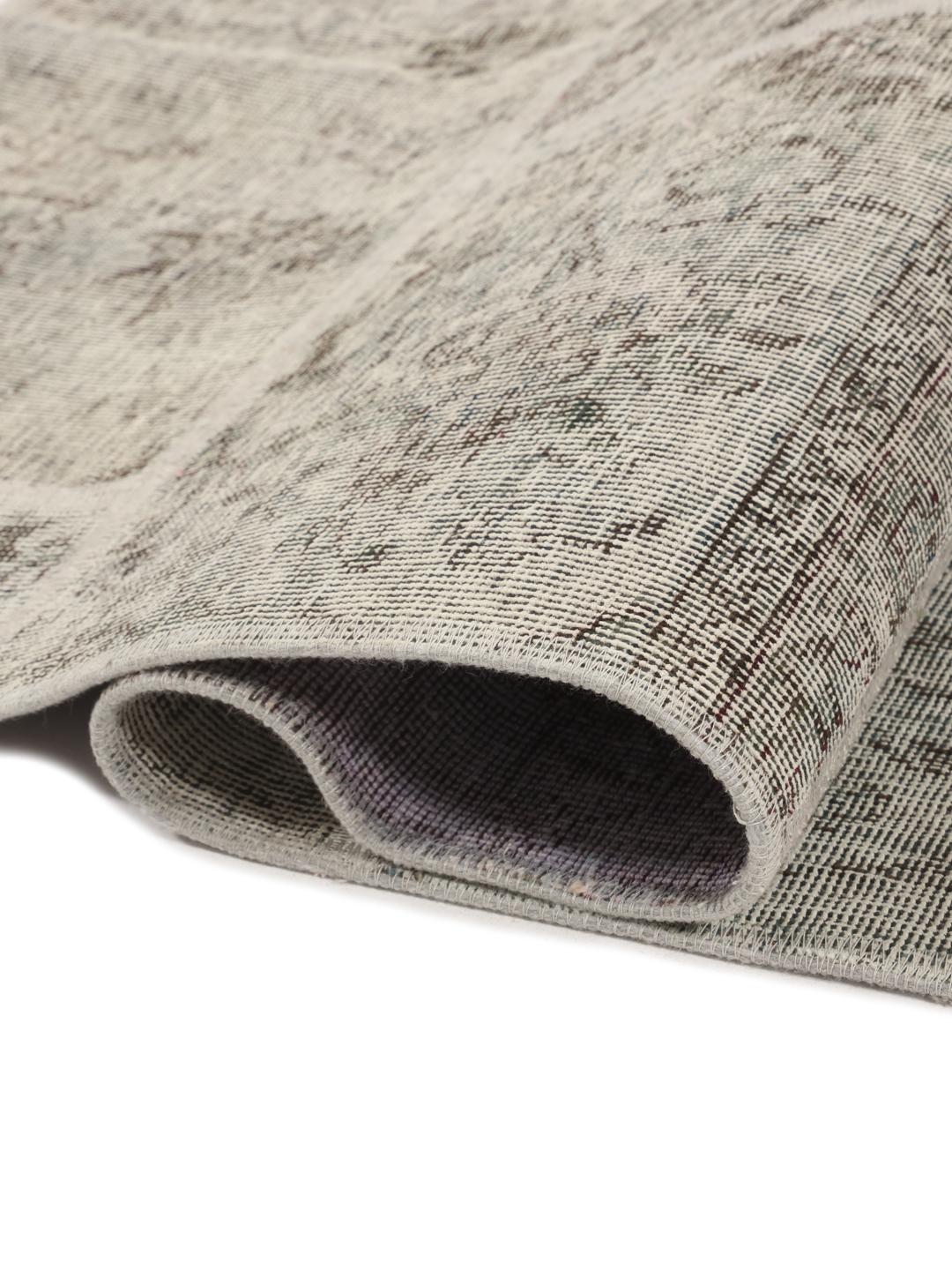
The term patchwork refers to the assembly of these distinct, hand-knotted sections into a new, unified whole. This method requires a sophisticated understanding of rug construction, as the edges of each fragment must be expertly secured to create a seamless surface. This technique not only celebrates the history of the individual pieces but also creates a new narrative, blending different patterns and textures into a singular, cohesive design.
The design language of these rugs is defined by the juxtaposition of various motifs, ranging from floral patterns to geometric shapes. Because each fragment is sourced from different origins or time periods, the final rug often displays an eclectic mix of styles. This creates a visual richness that is characteristic of the patchwork tradition, where the beauty lies in the variation and the unexpected harmony between disparate elements.
Today, these rugs are highly valued by collectors and design enthusiasts alike for their unique ability to bridge the gap between traditional craft and contemporary style. Owning a patchwork rug is an act of appreciation for the skill of the original weavers and the creativity of the modern artisans who assemble them. It serves as a testament to the enduring value of hand-knotted textiles in a world of fast-moving trends.