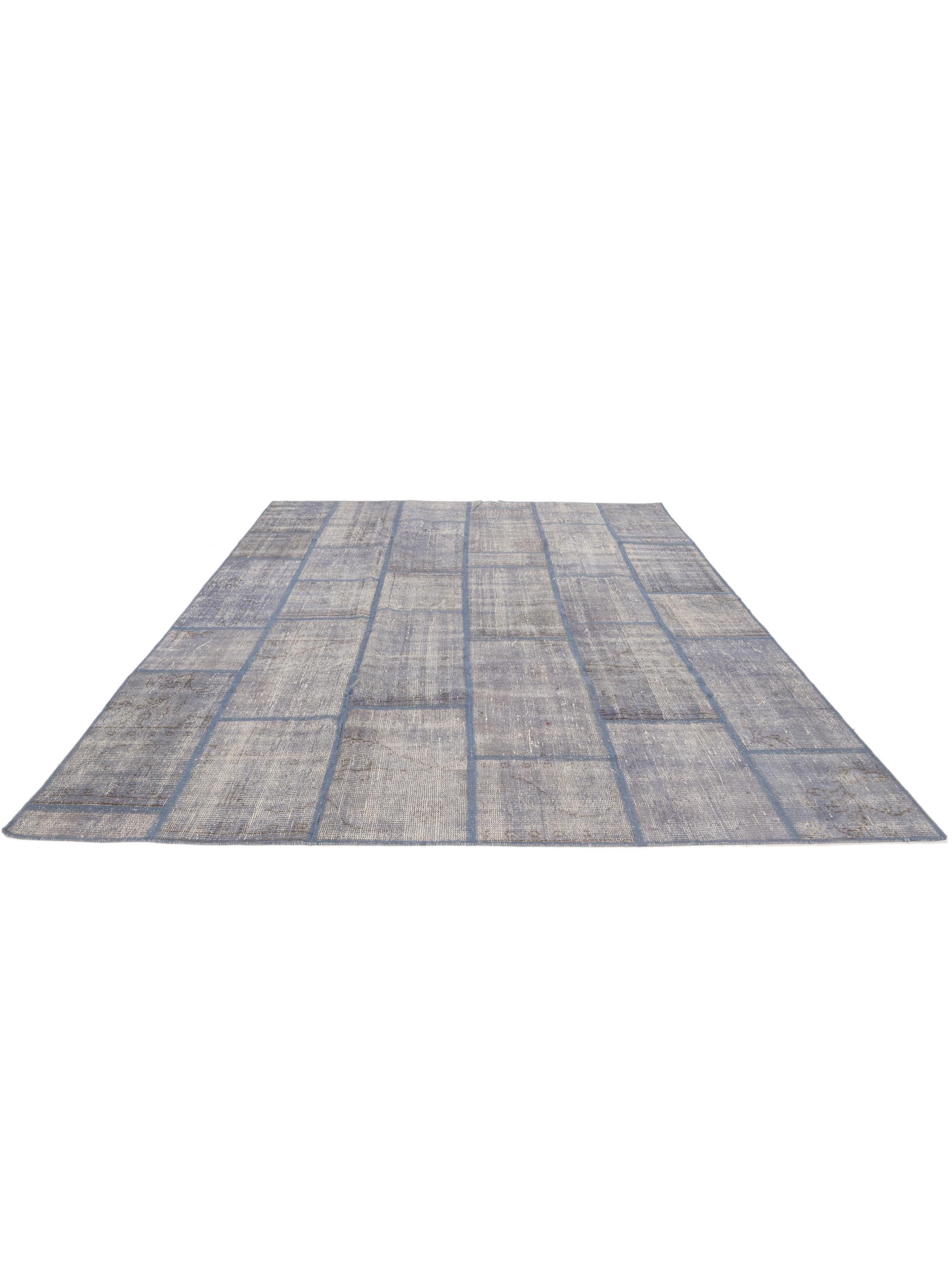
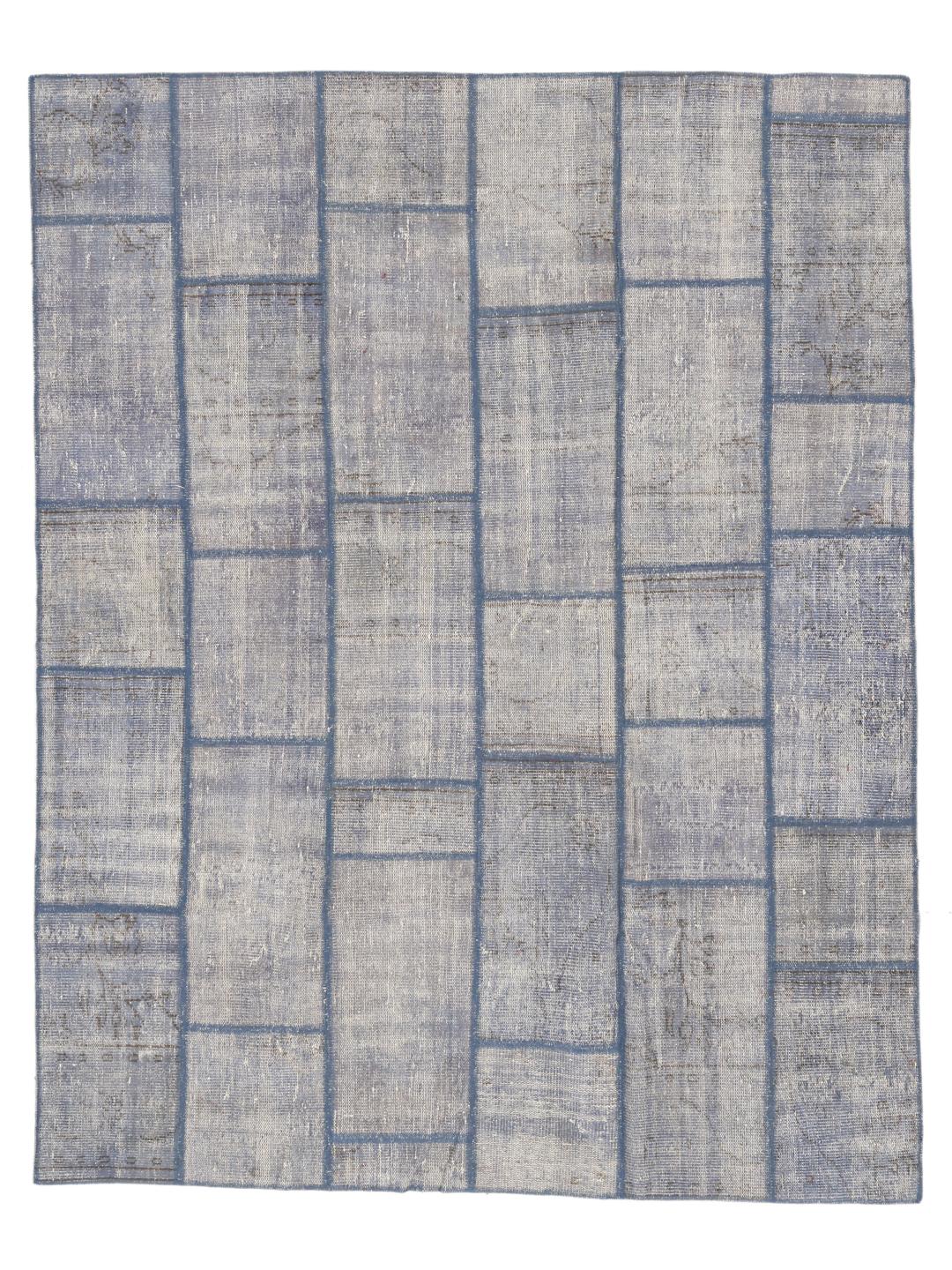
The art of patchwork rugs has its roots in the resourceful traditions of the Middle East and Anatolia. For generations, weavers and families have preserved textile remnants, recognising the inherent value in fragments of older, worn-out rugs. This practice evolved into a sophisticated craft, where these salvaged pieces are cleaned, processed, and expertly reassembled into new, functional art.
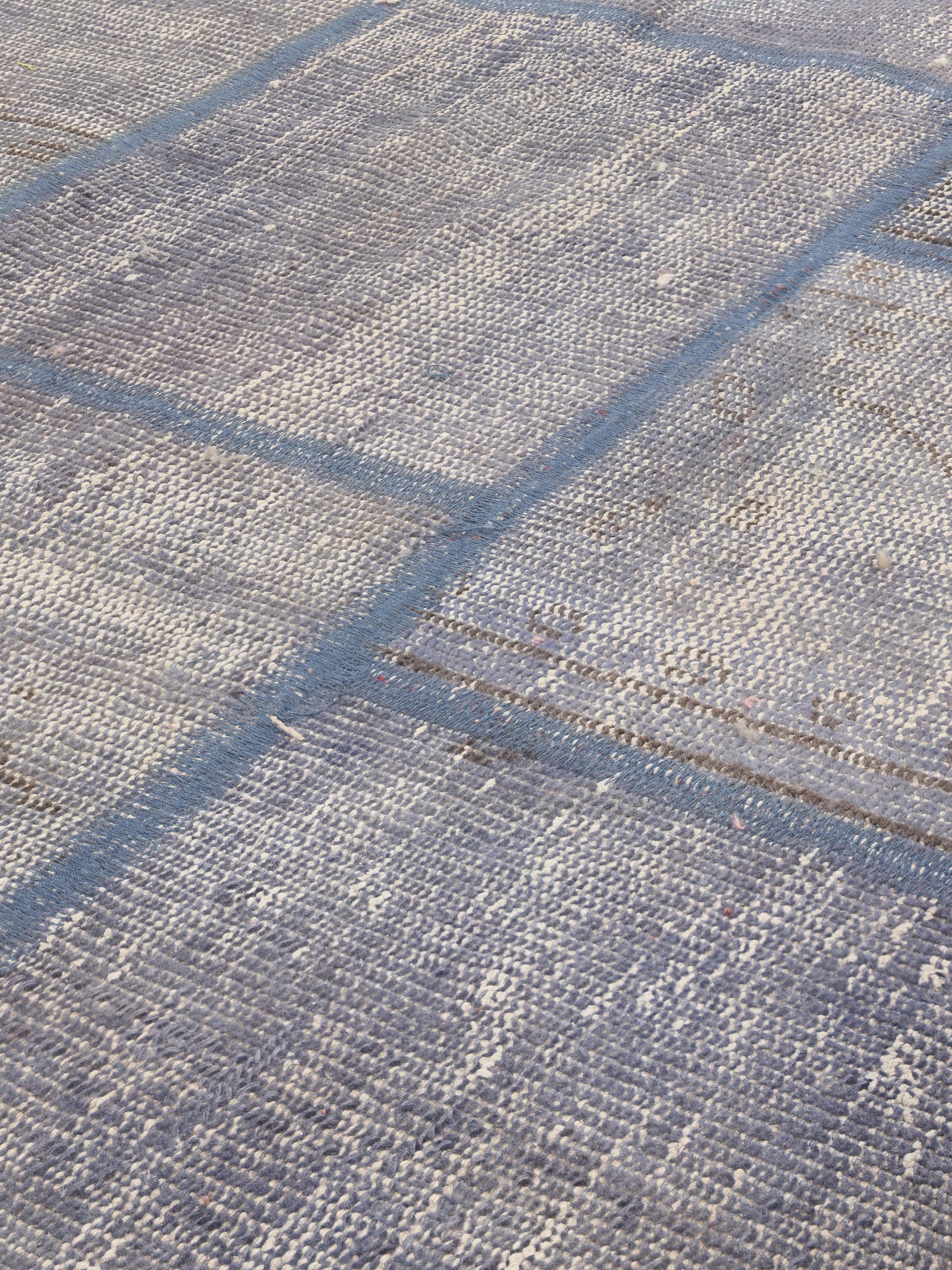
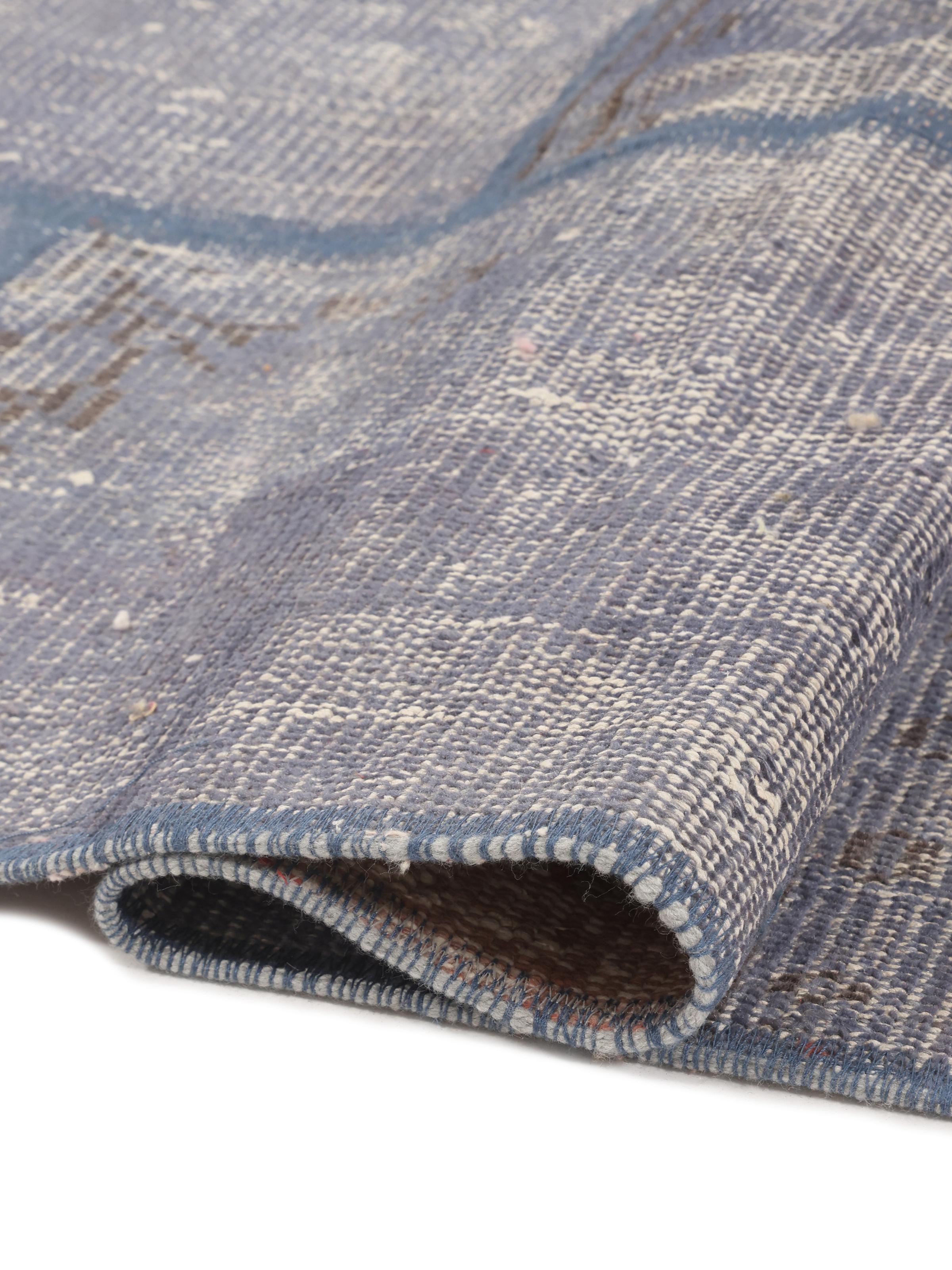
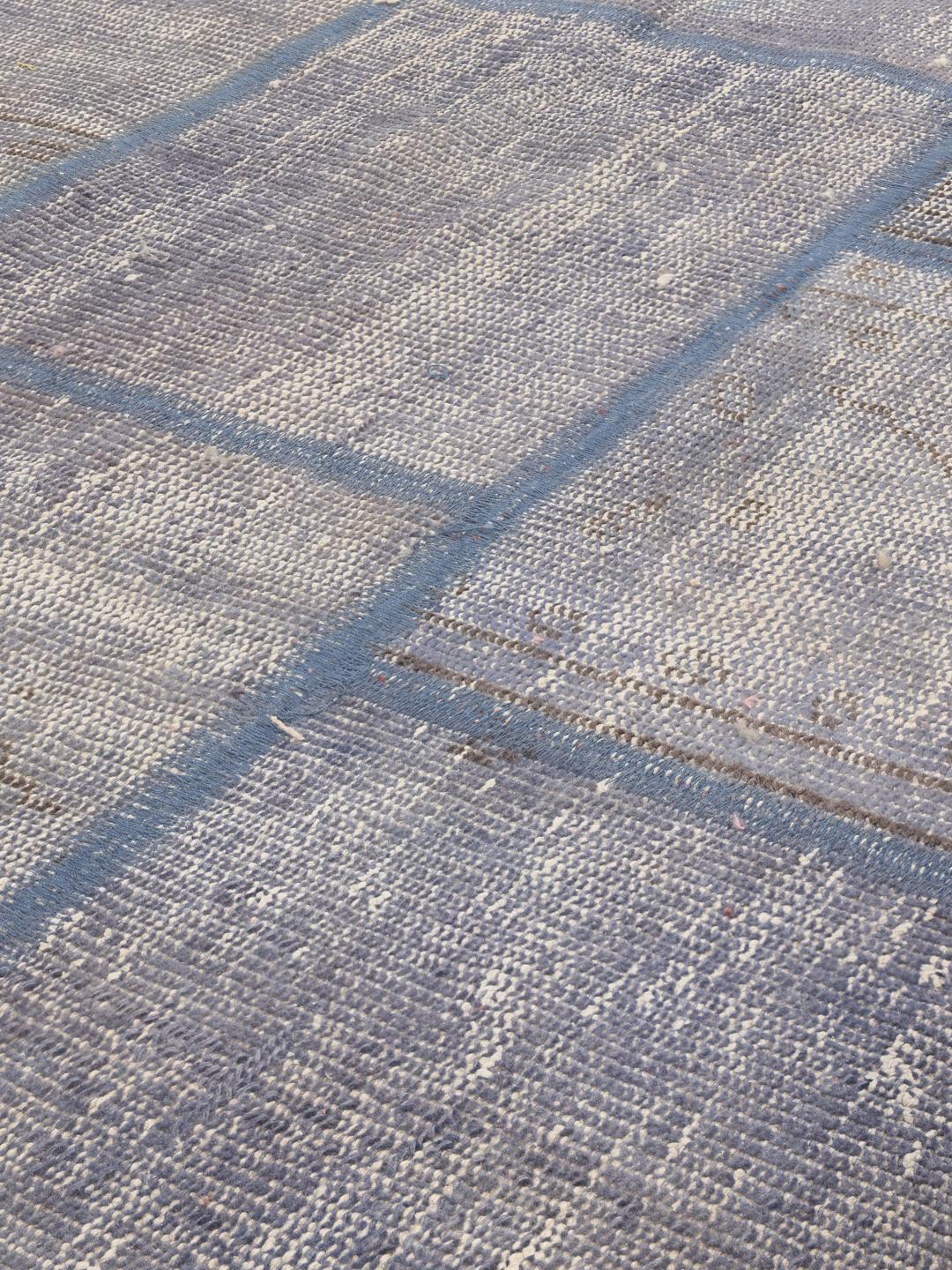
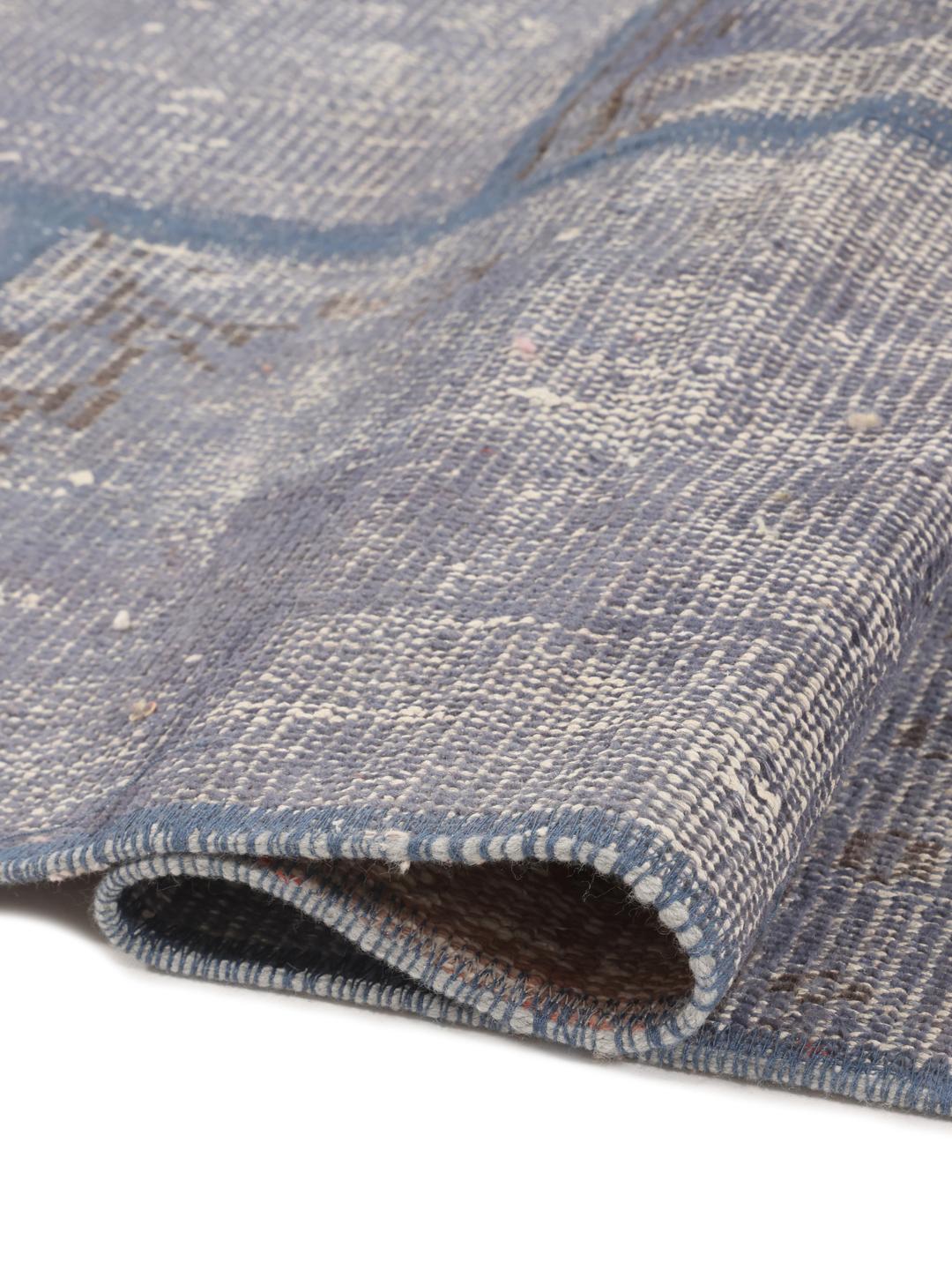
The term 'patchwork' in this context refers to the intentional curation of varied textile segments to form a new composition. This process is not merely decorative, but a technical challenge in balancing tension and texture. By joining these pieces with high-strength stitching, the artisan creates a rug that is as sturdy as it is beautiful, ensuring that the history of the original fabrics is maintained within the new structure.
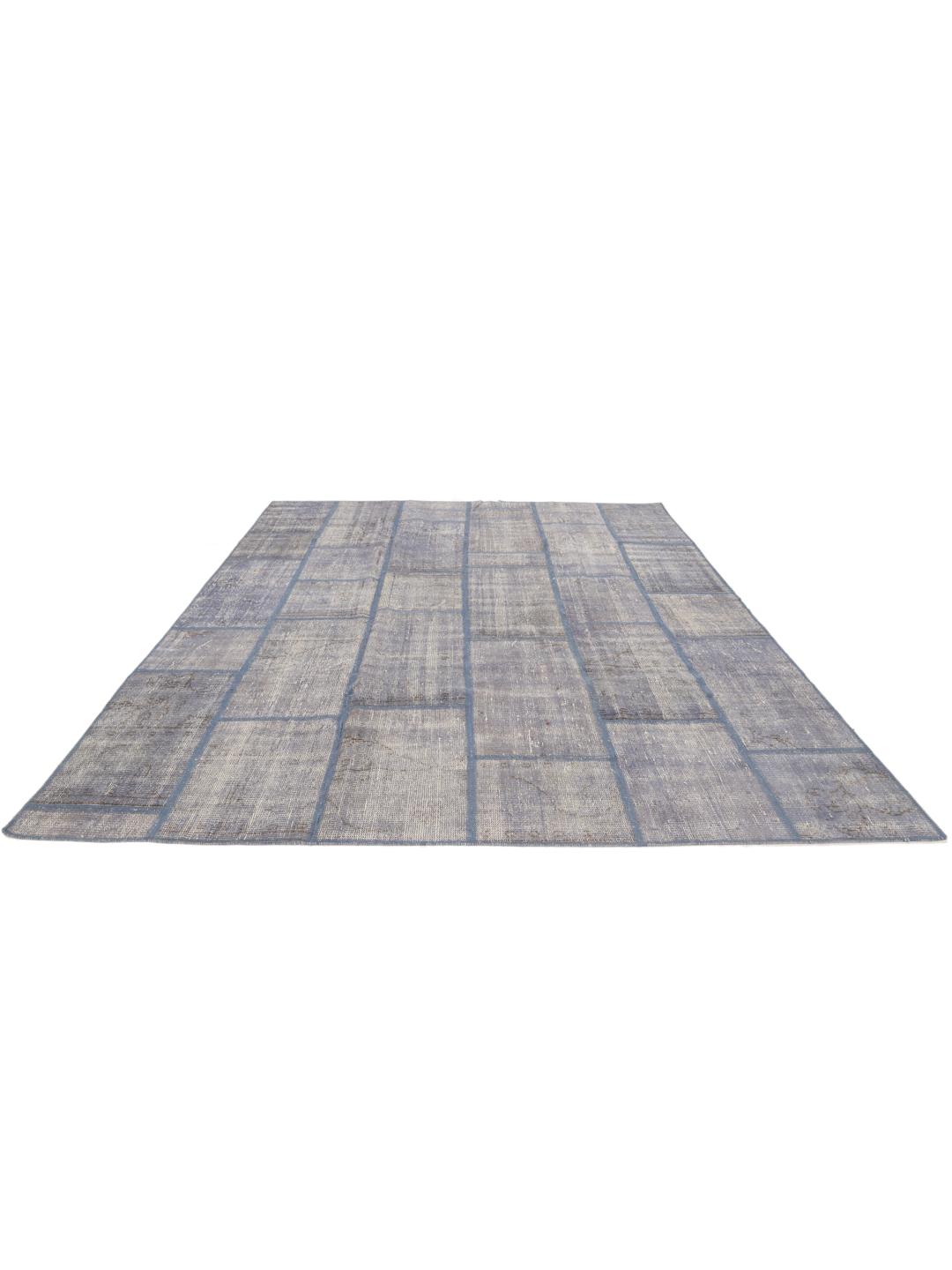
Visually, these rugs often feature a blend of patterns, or in this specific case, a focus on tonal harmony within a structured grid. The design relies on the subtle shifts in colour and the unique wear patterns present on each patch to create depth. This aesthetic is highly prized for its ability to bridge the gap between traditional craft and contemporary interior design, offering a look that feels both established and fresh.
Collecting a patchwork rug is an investment in sustainable artistry. It reflects a cultural commitment to honouring the past while adapting to modern living requirements. Because these rugs are composed of existing, unique segments, they serve as a testament to the longevity of fine textiles and the skill of the artisans who give them a second life, making them essential pieces for those who value heritage and individual expression.