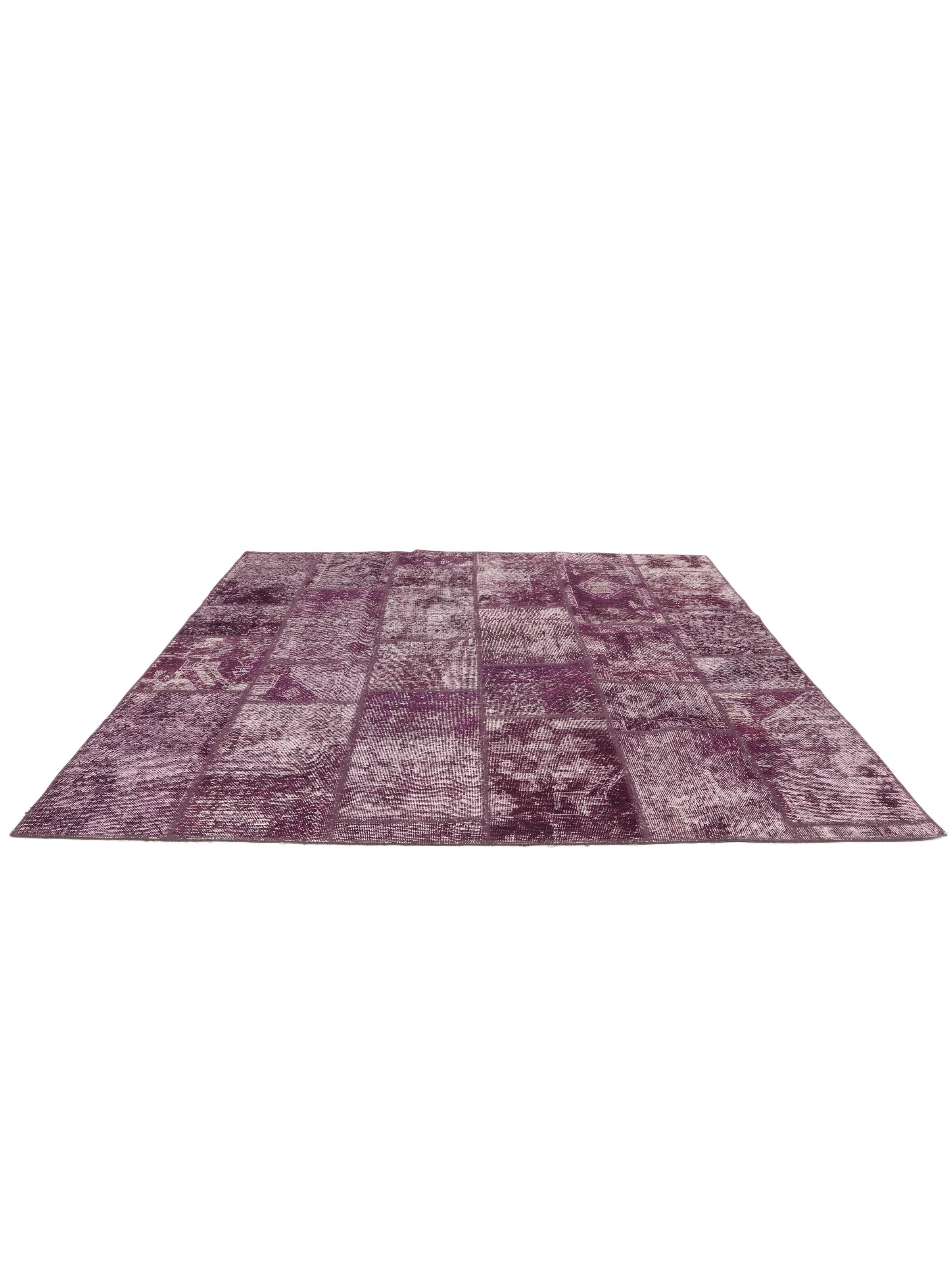
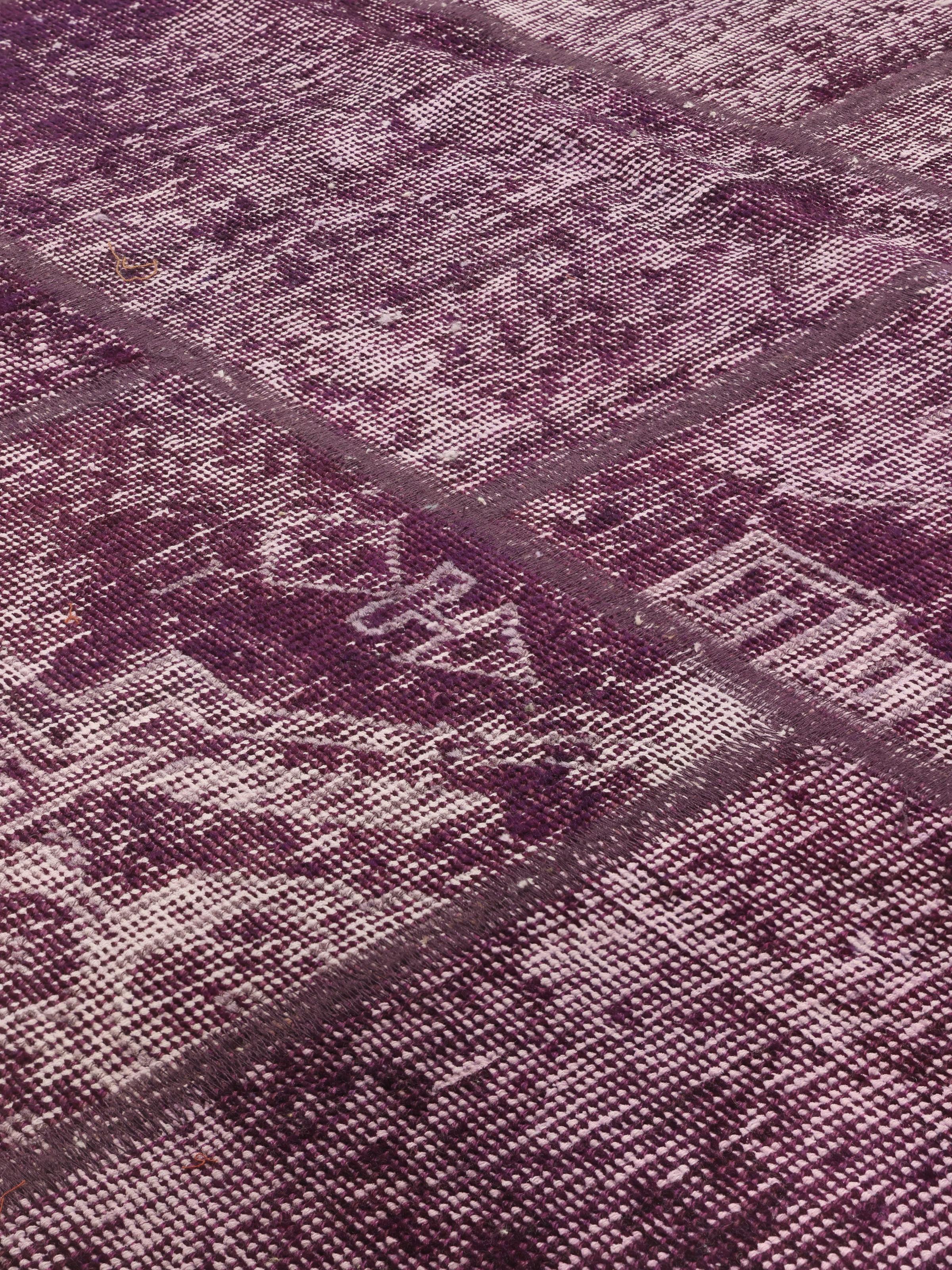
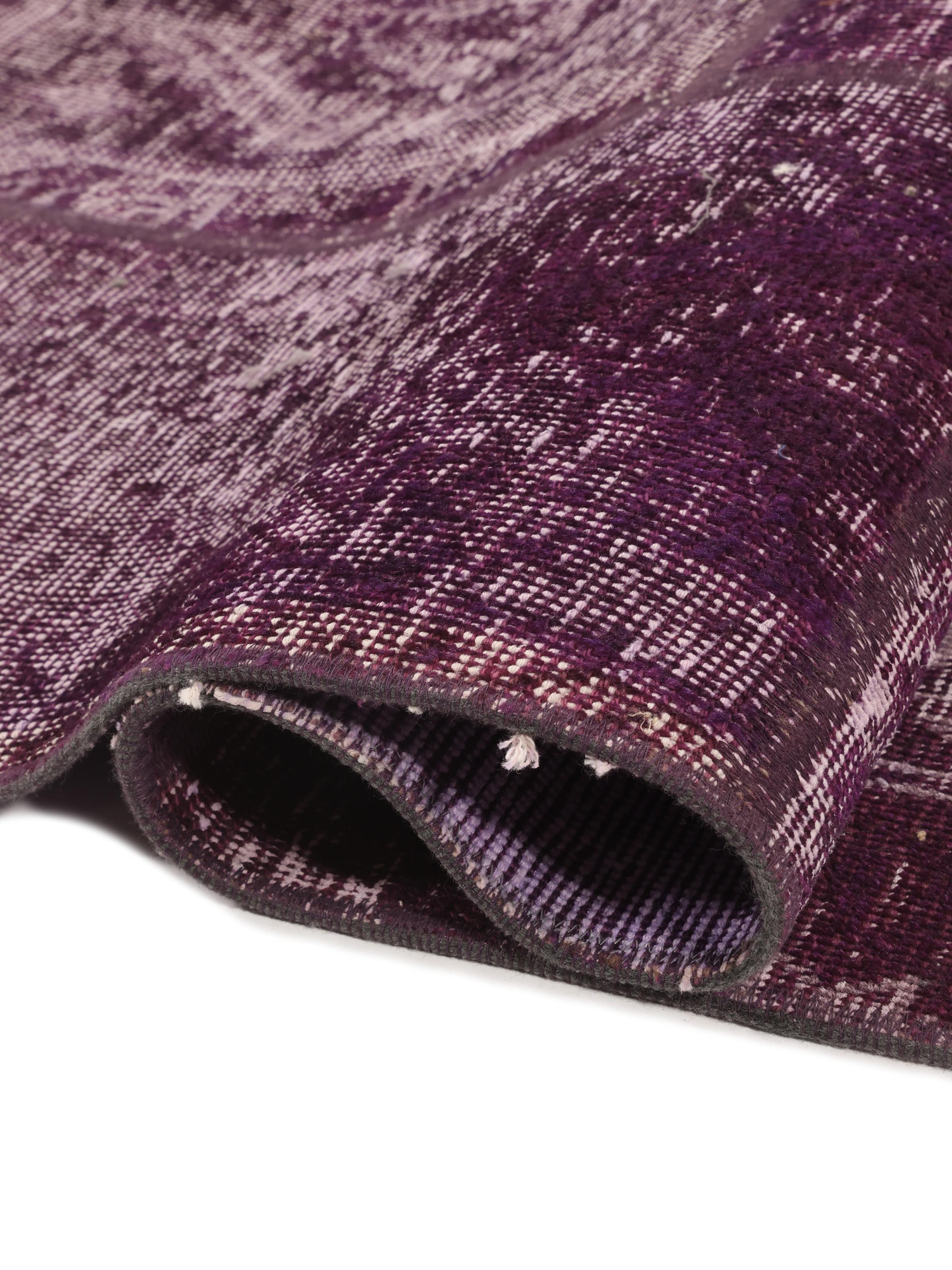
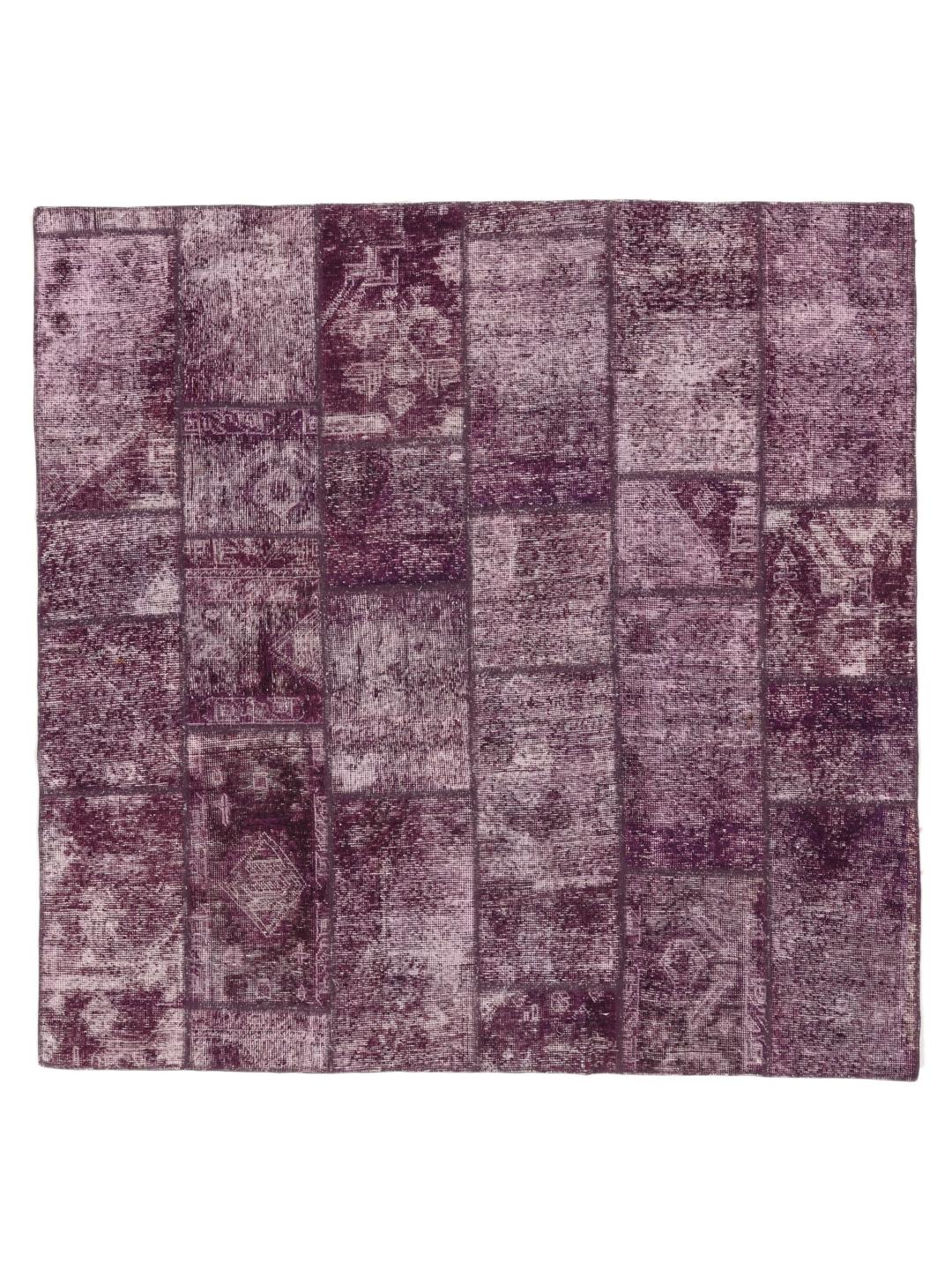
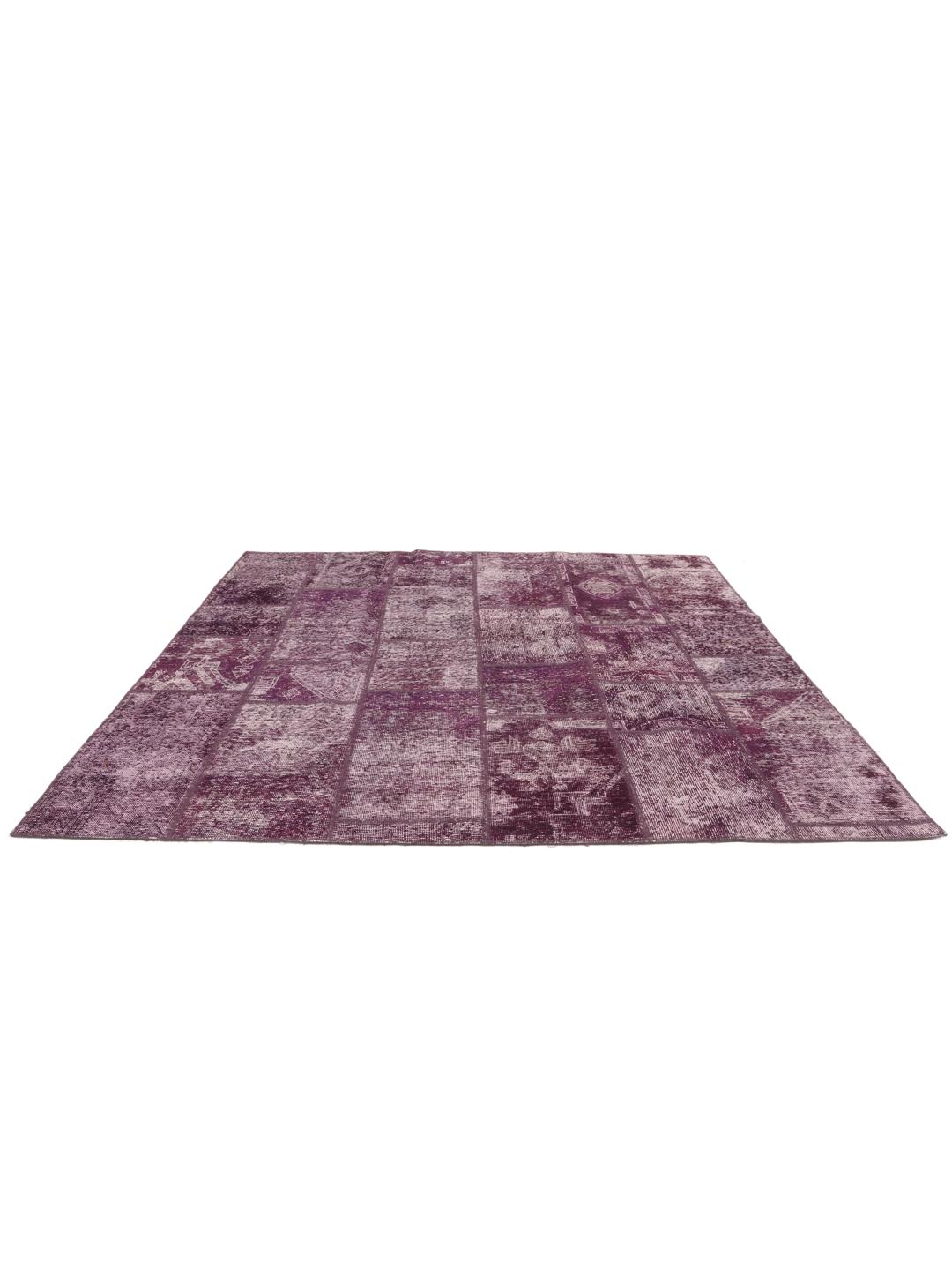
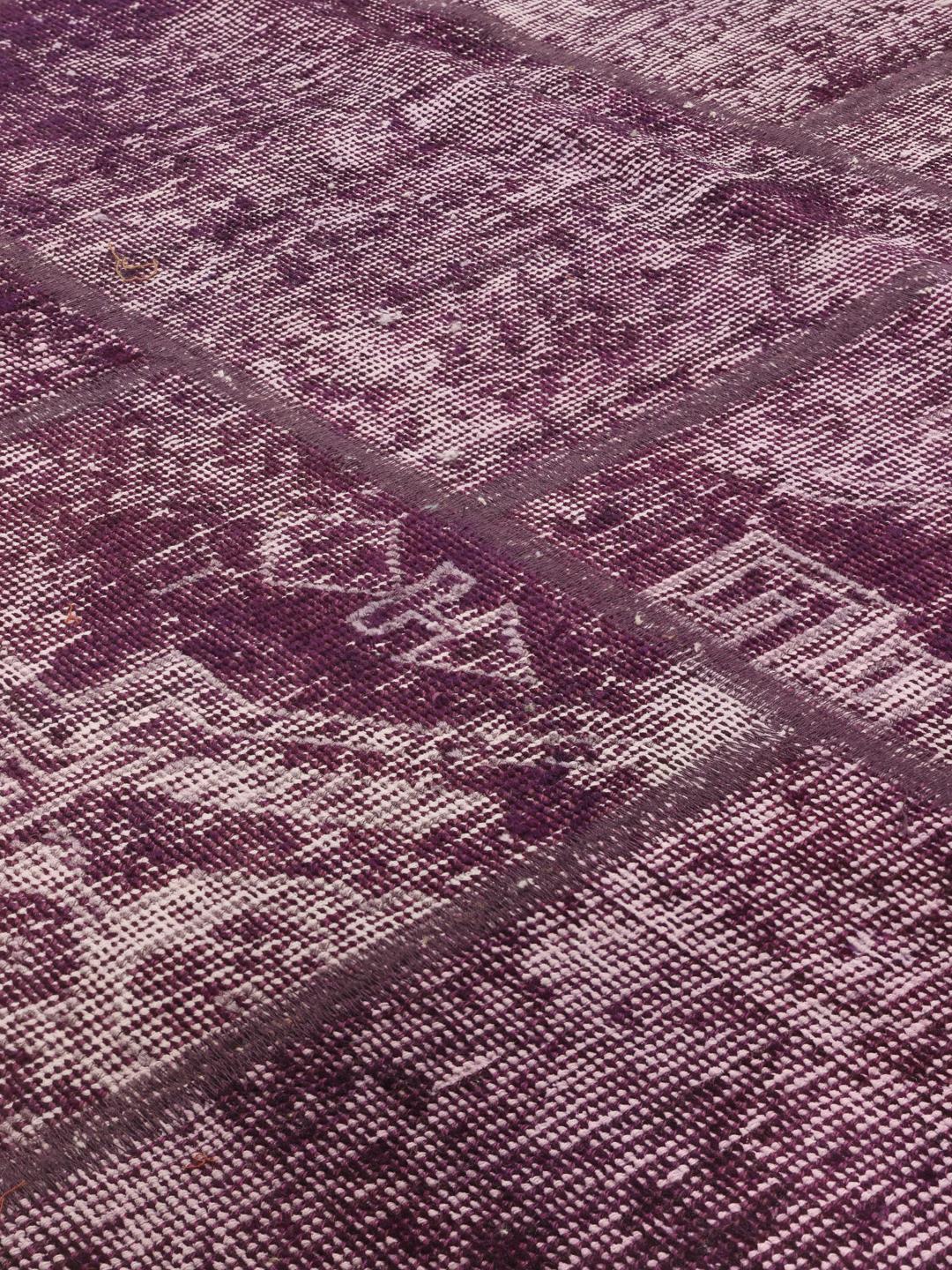
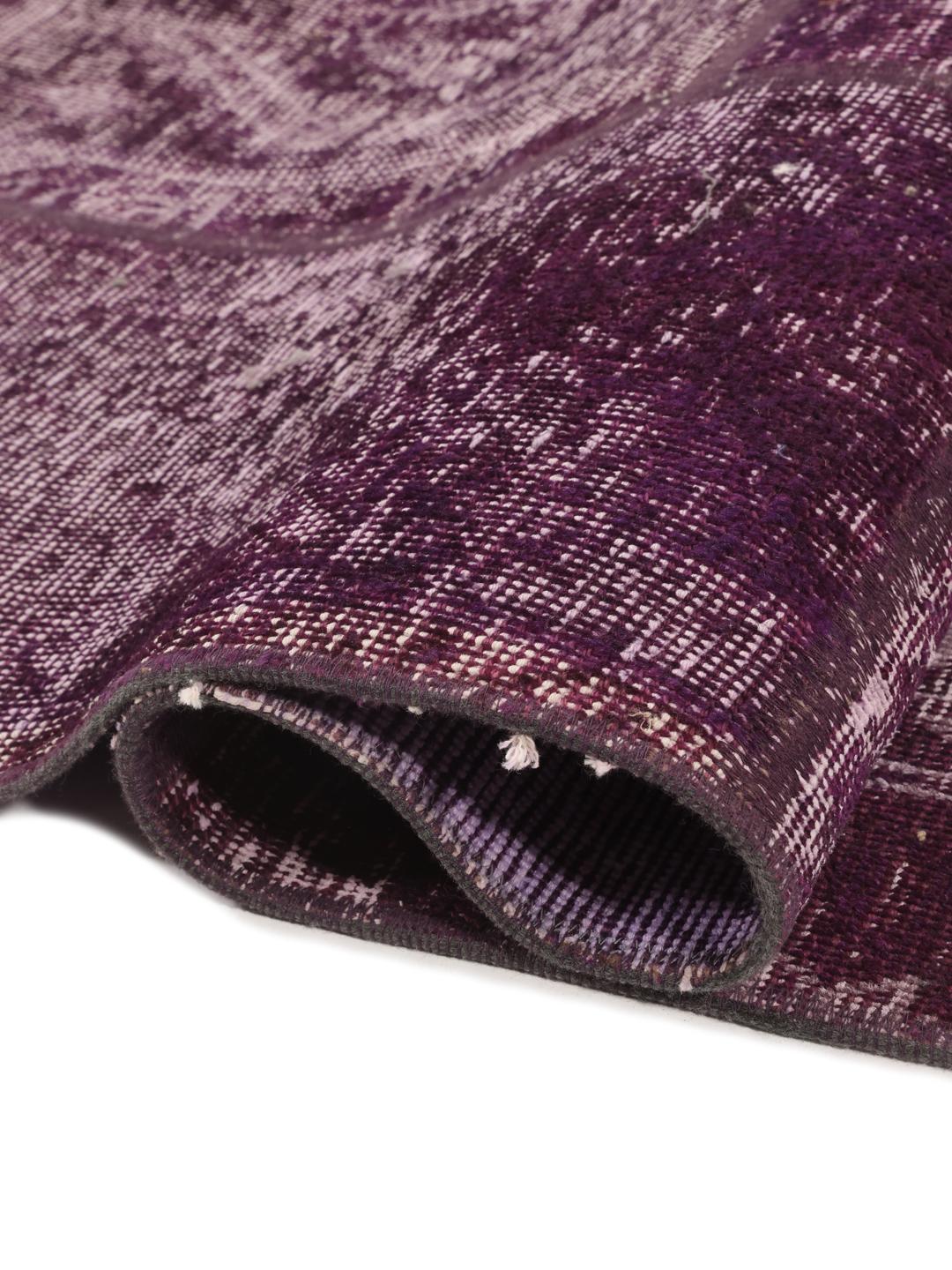
The tradition of patchwork rug-making is a testament to the resourcefulness and artistry found across the Middle East. Historically, when a rug reached a point where it could no longer be repaired in its original form, artisans would salvage the remaining intact sections. These fragments, often bearing the marks of decades of use, were then repurposed to create entirely new, vibrant compositions.
This practice transforms what might have been lost into a celebrated design element. By combining various patterns and motifs, the patchwork technique allows for a modern expression of heritage. The resulting rugs are not merely recycled textiles, but carefully curated collages that honour the original weaving traditions while adapting them for contemporary interiors.
The design language of these rugs is defined by the juxtaposition of different styles. You might find a fragment of a tribal geometric design sitting beside a more ornate floral motif, all unified by a single, harmonising colour palette. This creates a visual rhythm that is both chaotic and balanced, drawing the eye across the different textures and histories embedded within each square.
Collecting a patchwork rug is an investment in both sustainability and cultural narrative. It represents a bridge between the past and the present, where the skill of the original weavers is preserved and reimagined by modern masters. Owning one means you are a steward of this ongoing craft tradition, valuing the time and human effort that allows these beautiful pieces to continue their life in your home.