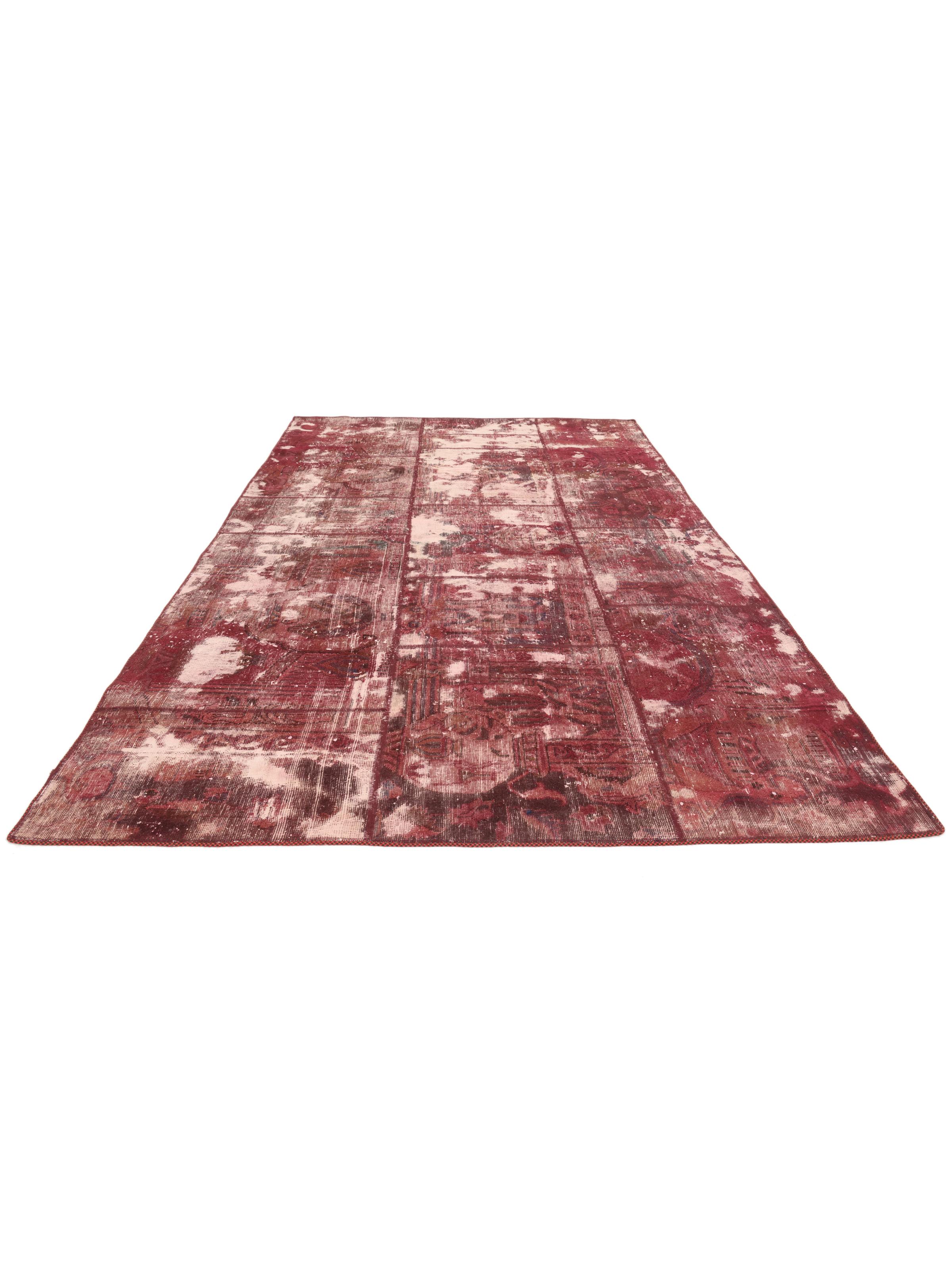
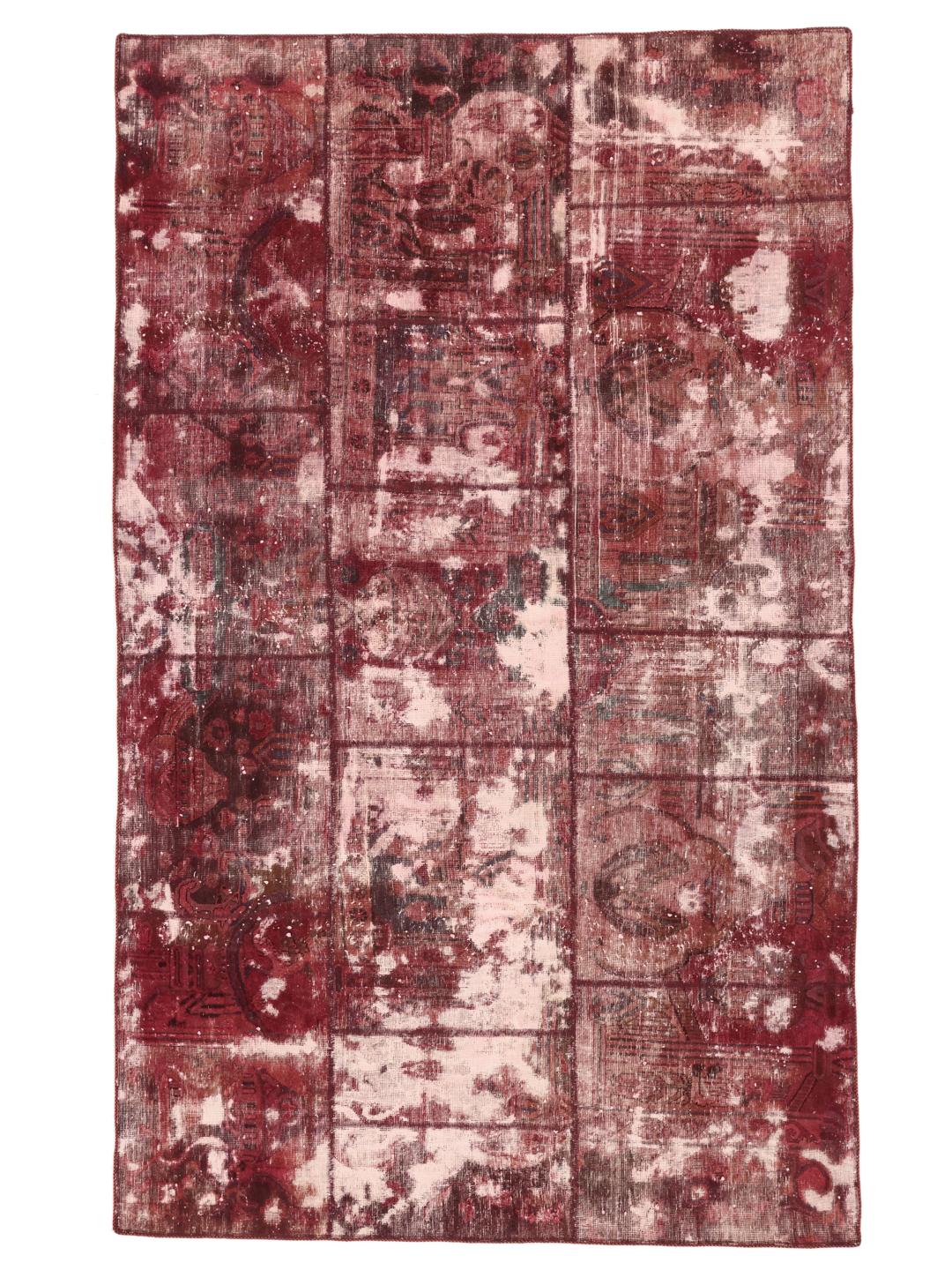
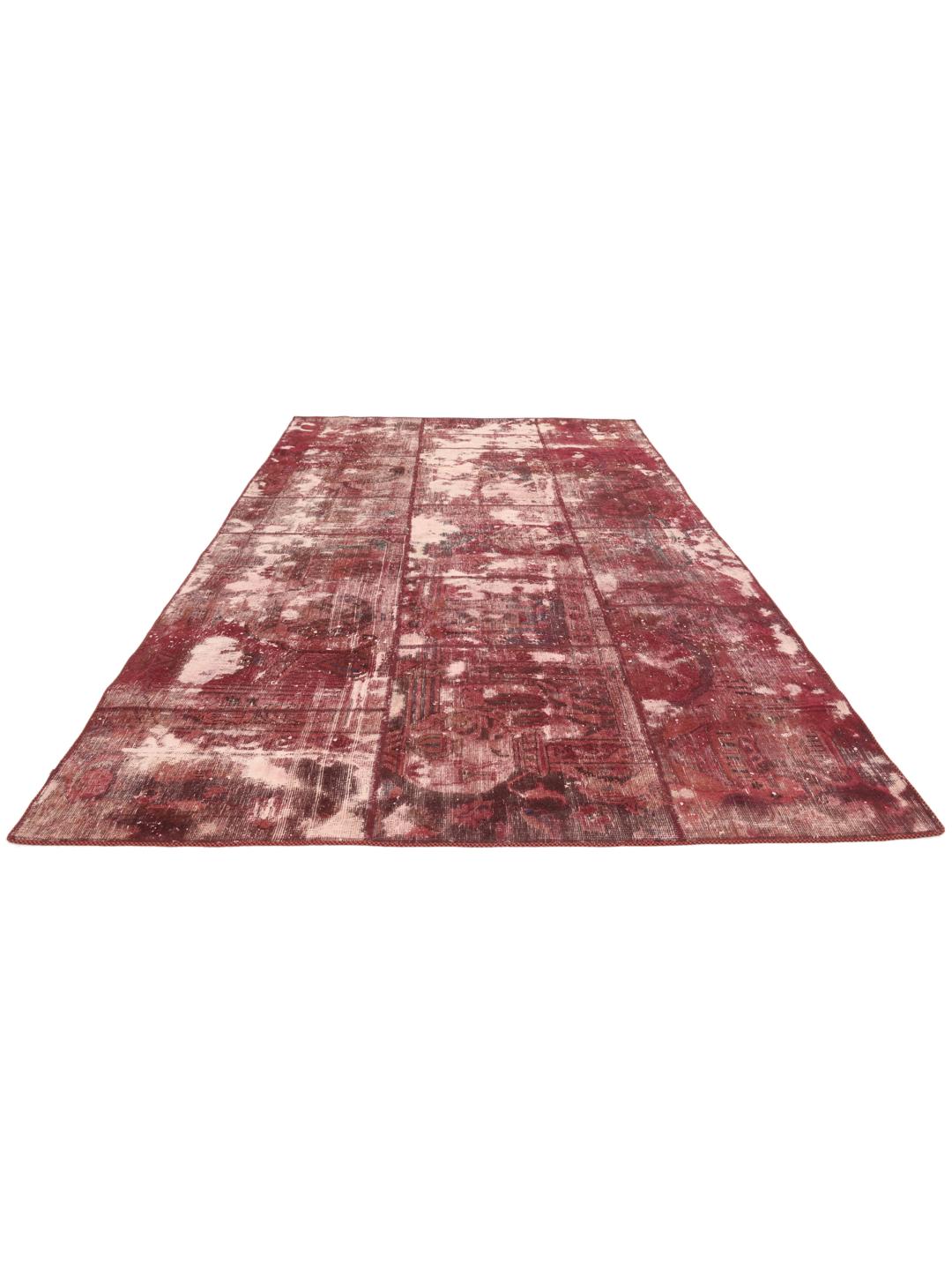
The tradition of patchwork rugs is a fascinating evolution within Middle Eastern textile history. While classic hand-knotted rugs are typically woven as a single, continuous piece, the patchwork tradition emerged as a creative way to repurpose and honour fragments of older, worn, or damaged rugs. By carefully selecting and combining these parts, weavers preserve the beauty of traditional patterns and dyes that might otherwise be lost, giving them a vibrant second life in modern homes.
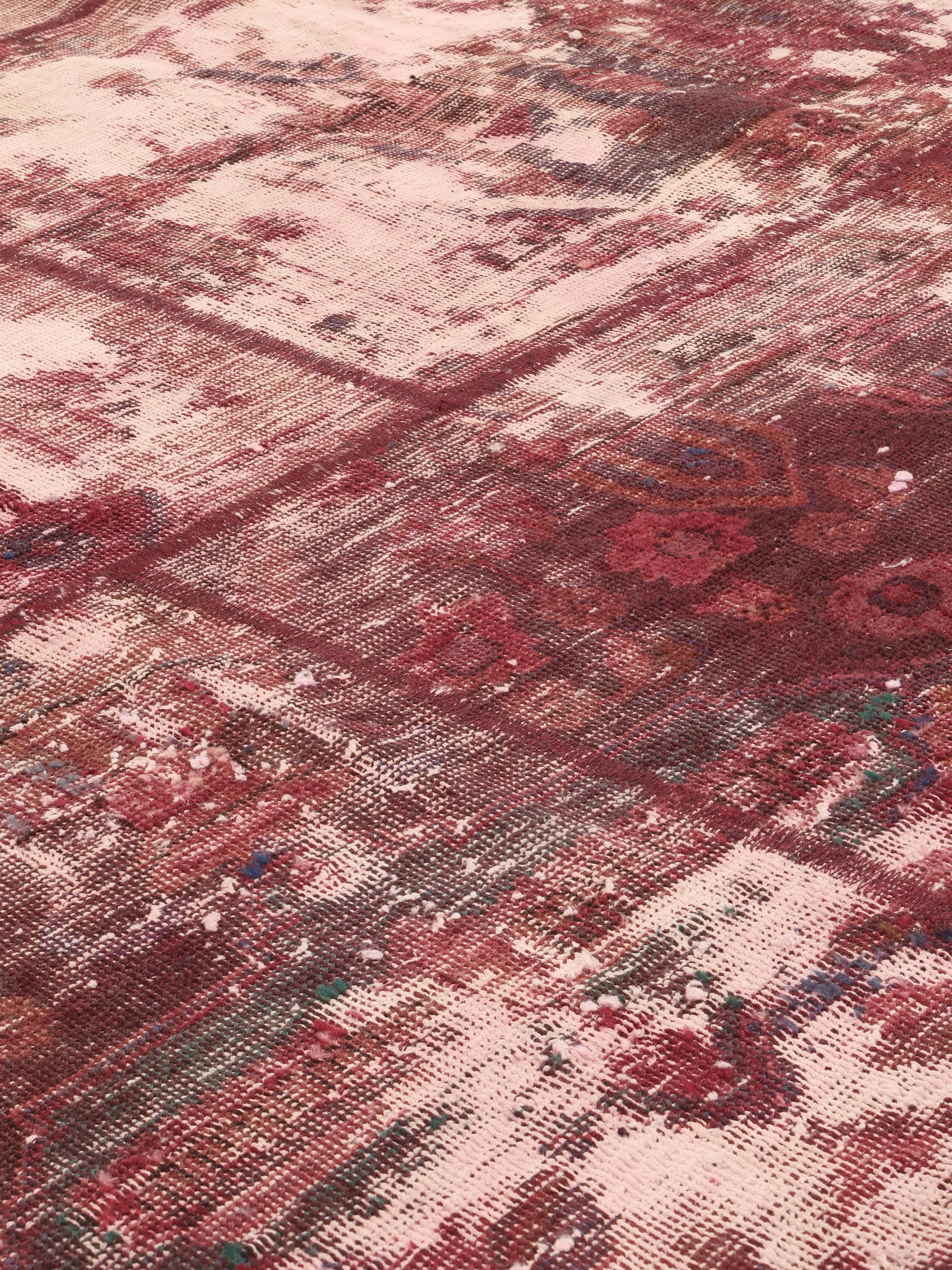
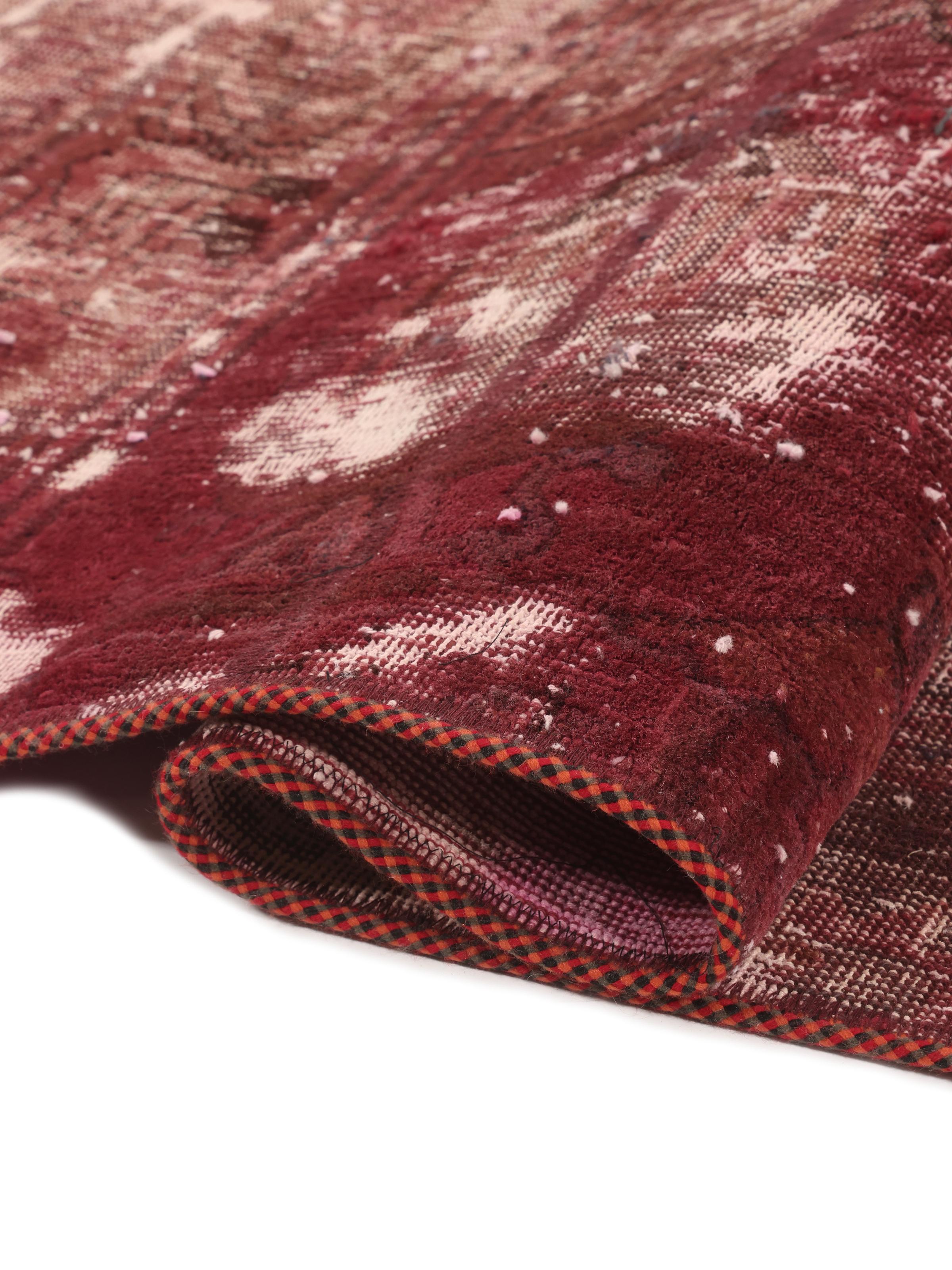
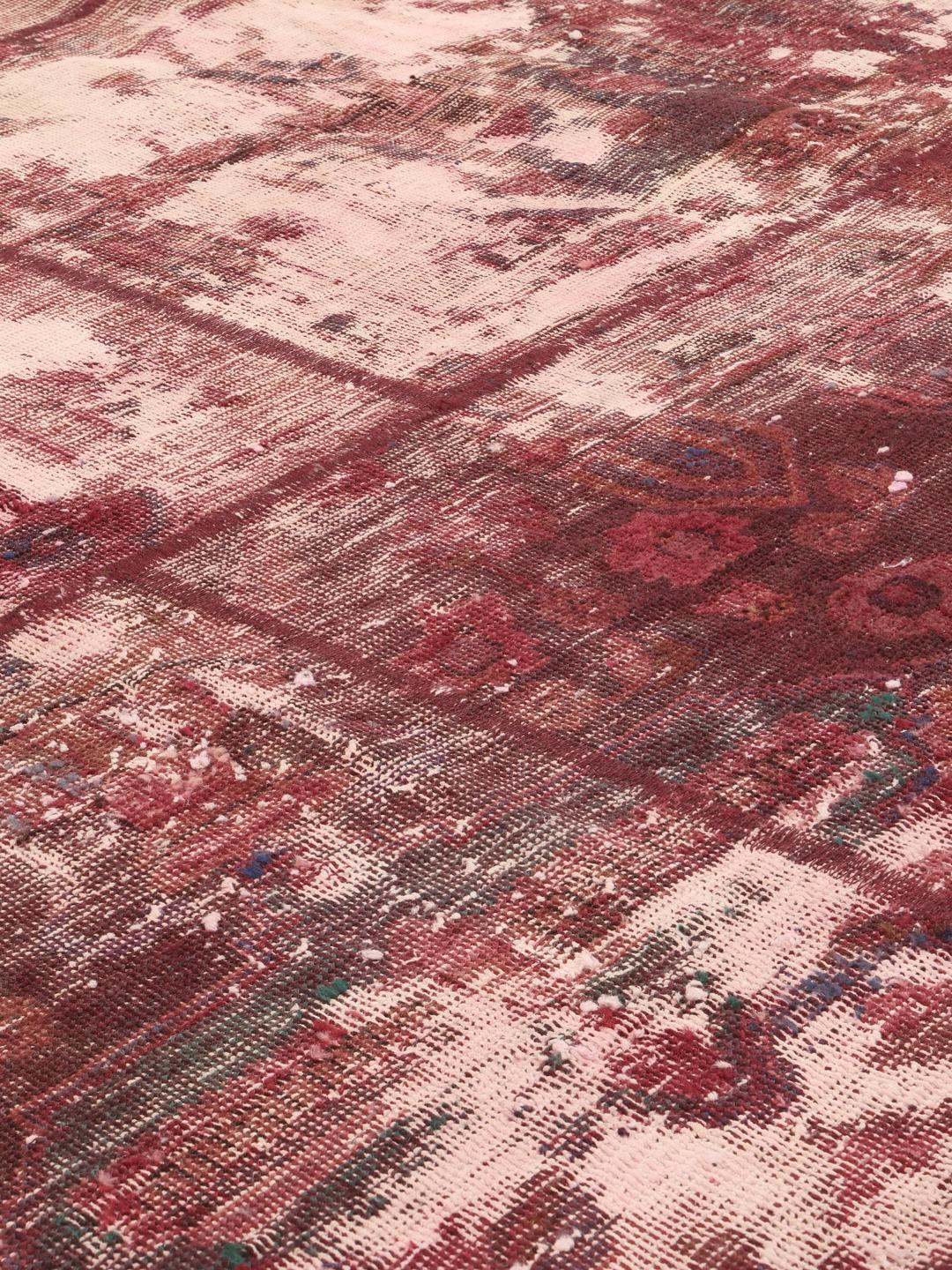
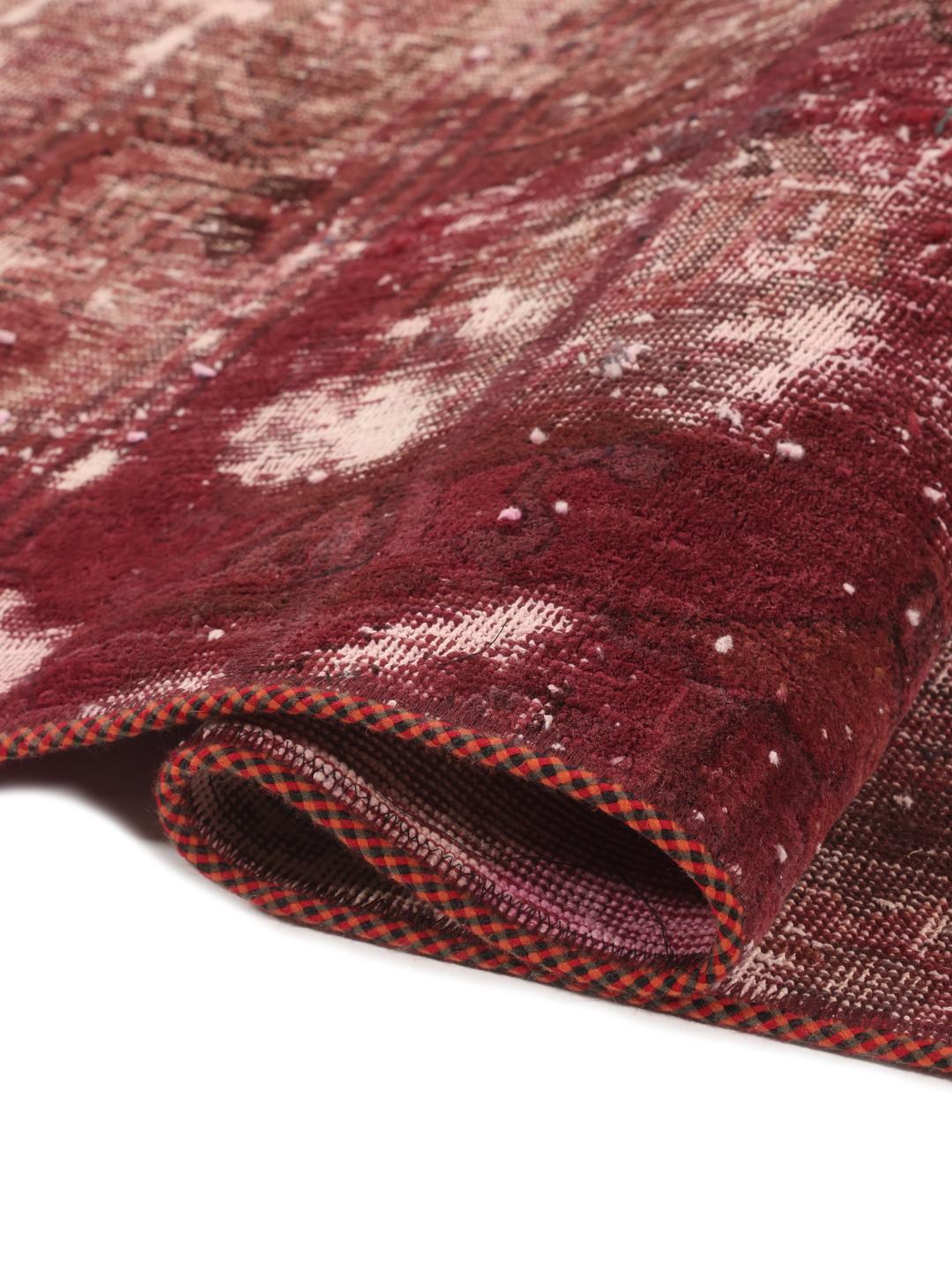
The term 'hand-knotted' refers to the most traditional and durable method of rug construction, where every single tuft of wool is tied by hand to the foundation. This creates a dense, luxurious pile that is highly resistant to wear. In a patchwork piece, this level of craft is magnified, as each fragment has already stood the test of time, and the assembly process requires an expert eye to ensure the pile direction and tension remain consistent across the entire surface.
Visually, these rugs are defined by their ability to showcase a variety of motifs, borders, and colour palettes within a single frame. You might see remnants of floral patterns, geometric medallions, or tribal symbols, all harmonised by the overarching colour story. This specific piece, with its deep red tones, reflects the traditional preference for natural dyes that have softened over the years, creating a beautiful patina that is highly sought after by collectors.
Owning a patchwork rug is a way of participating in a lineage of craft that values sustainability, skill, and the preservation of cultural heritage. These pieces are not merely decorative, they are historical documents that celebrate the complexity of Middle Eastern design. By bringing one into your home, you are acquiring a piece that bridges the gap between the past and the present, offering an authentic connection to the artistry of generations of weavers.