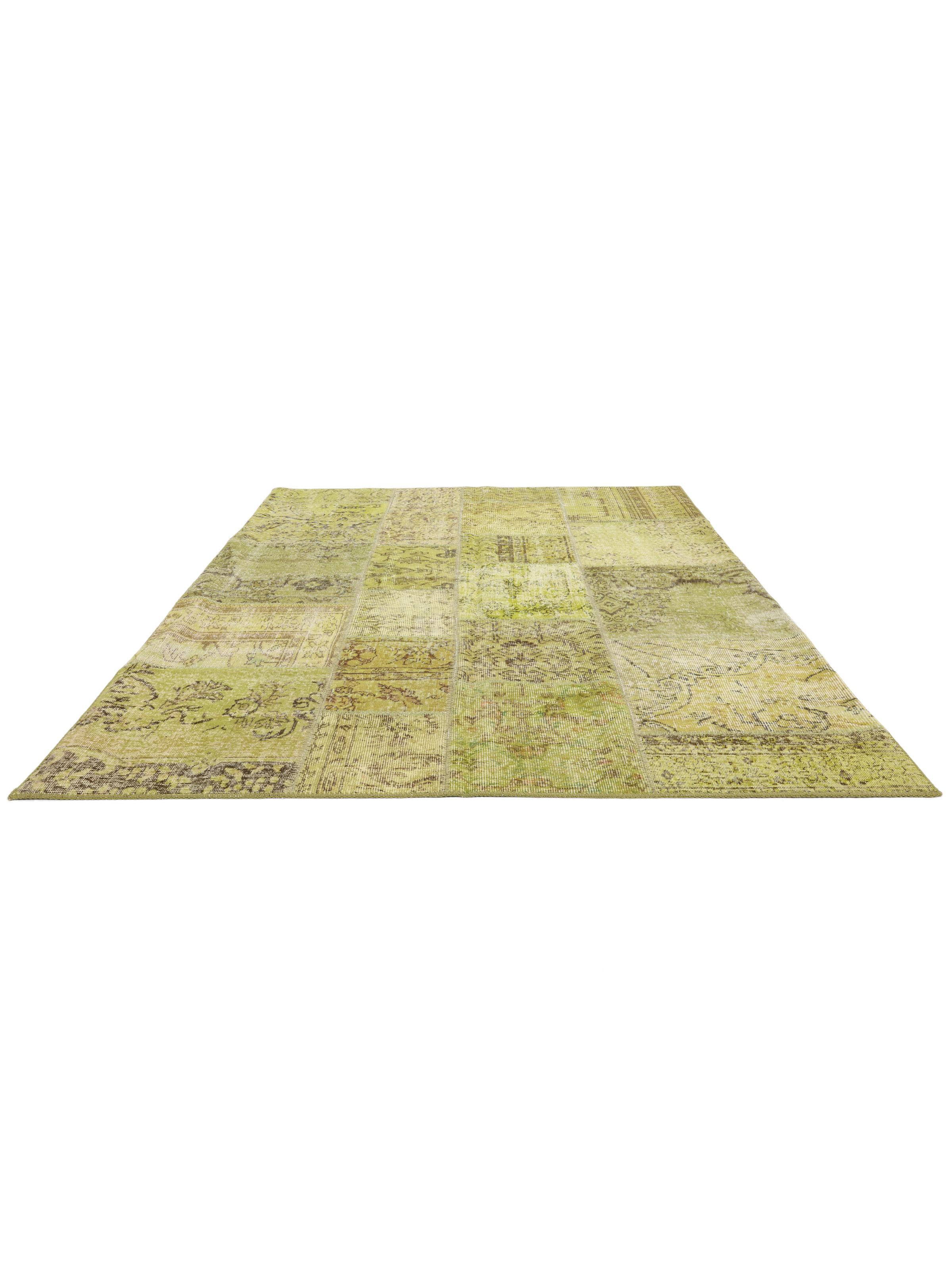
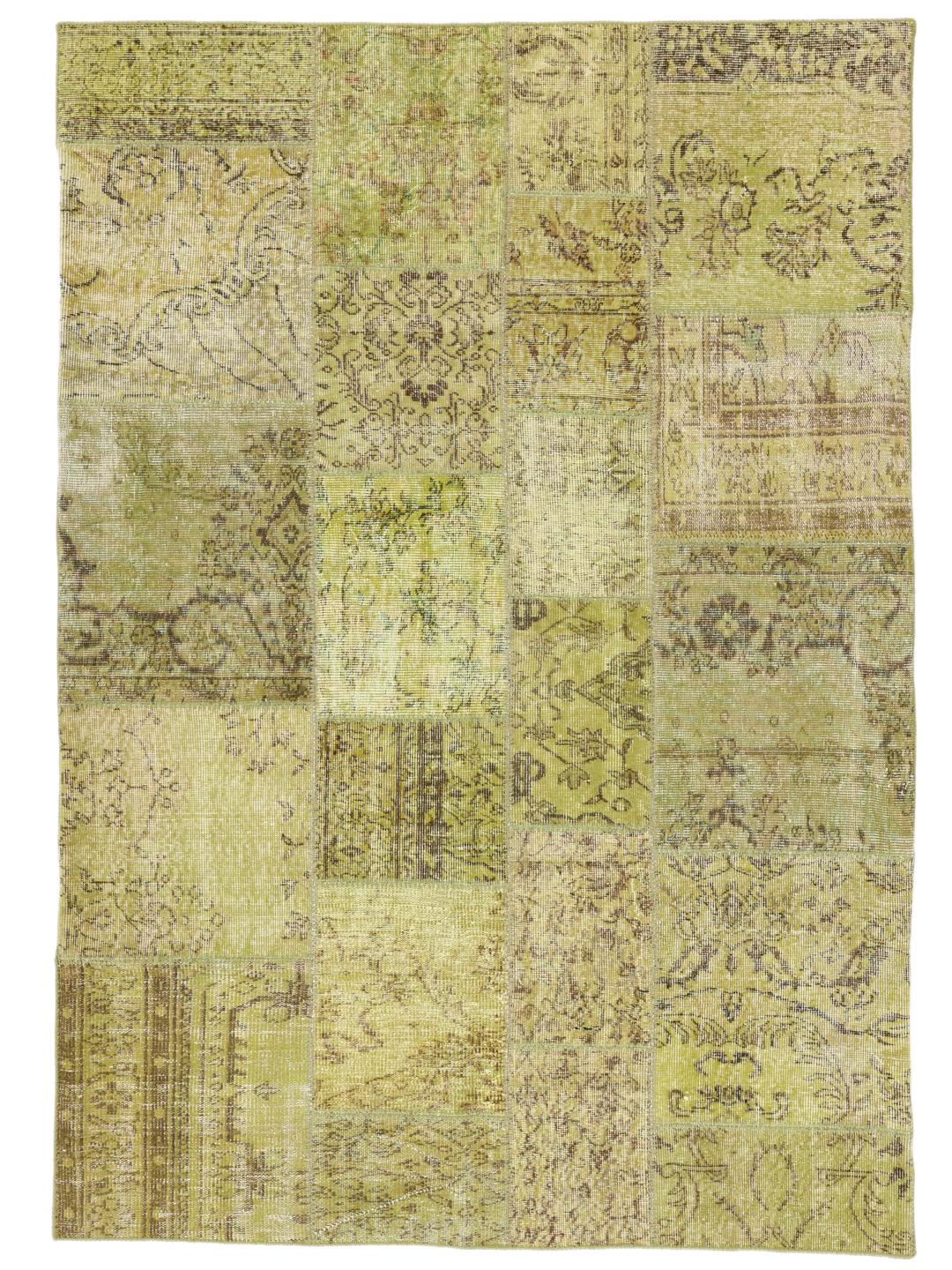
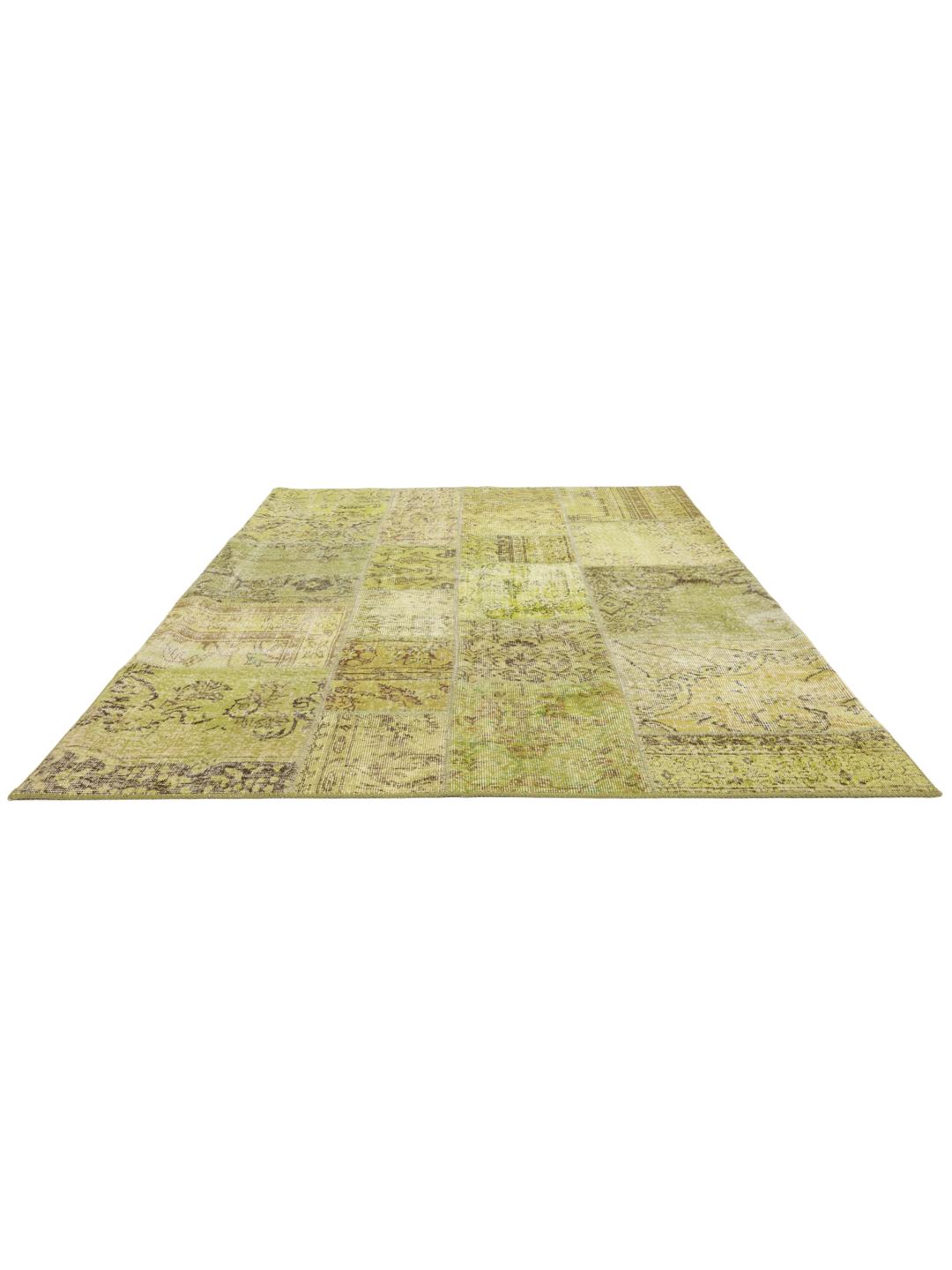
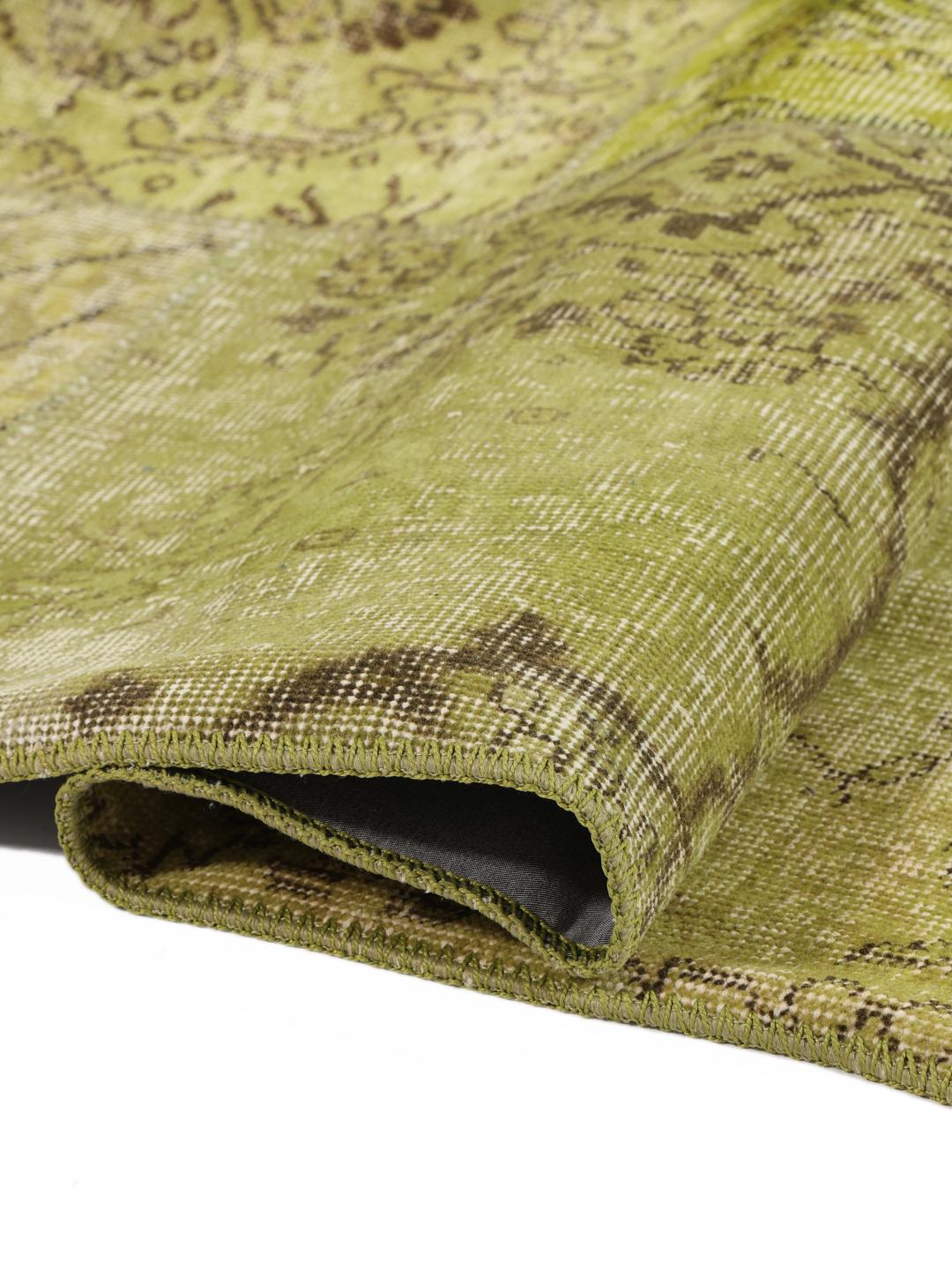
Patchwork rugs represent a fascinating evolution in textile history, originating from the desire to preserve the beauty of older, hand-knotted rugs that might otherwise be lost. In Turkey, a country with a profound legacy of rug-making, artisans began a tradition of salvaging the most beautiful, undamaged sections of antique and semi-antique carpets. This practice honours the generations of weavers who came before, effectively curating a 'greatest hits' of traditional design into a single, modern format.
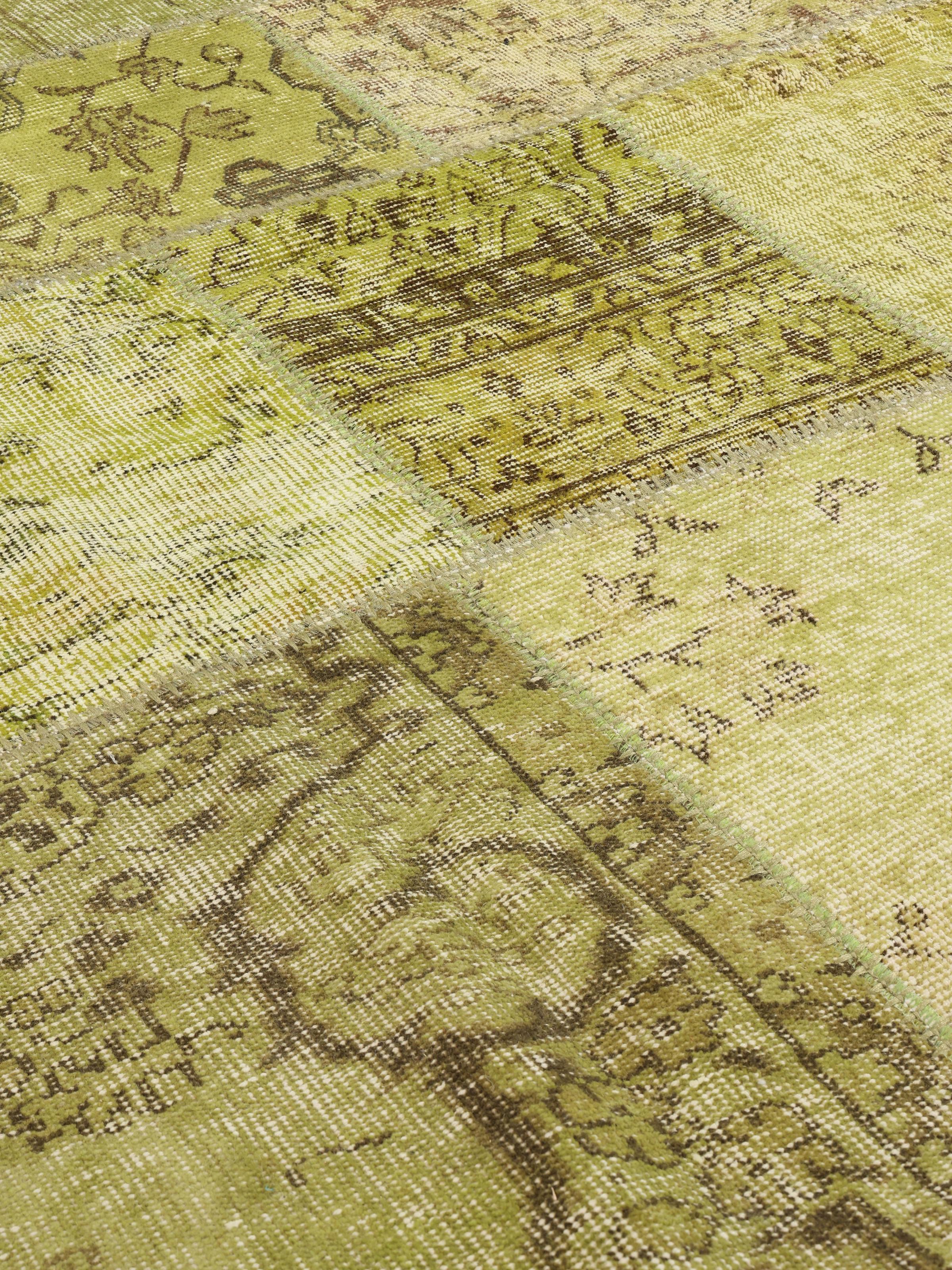
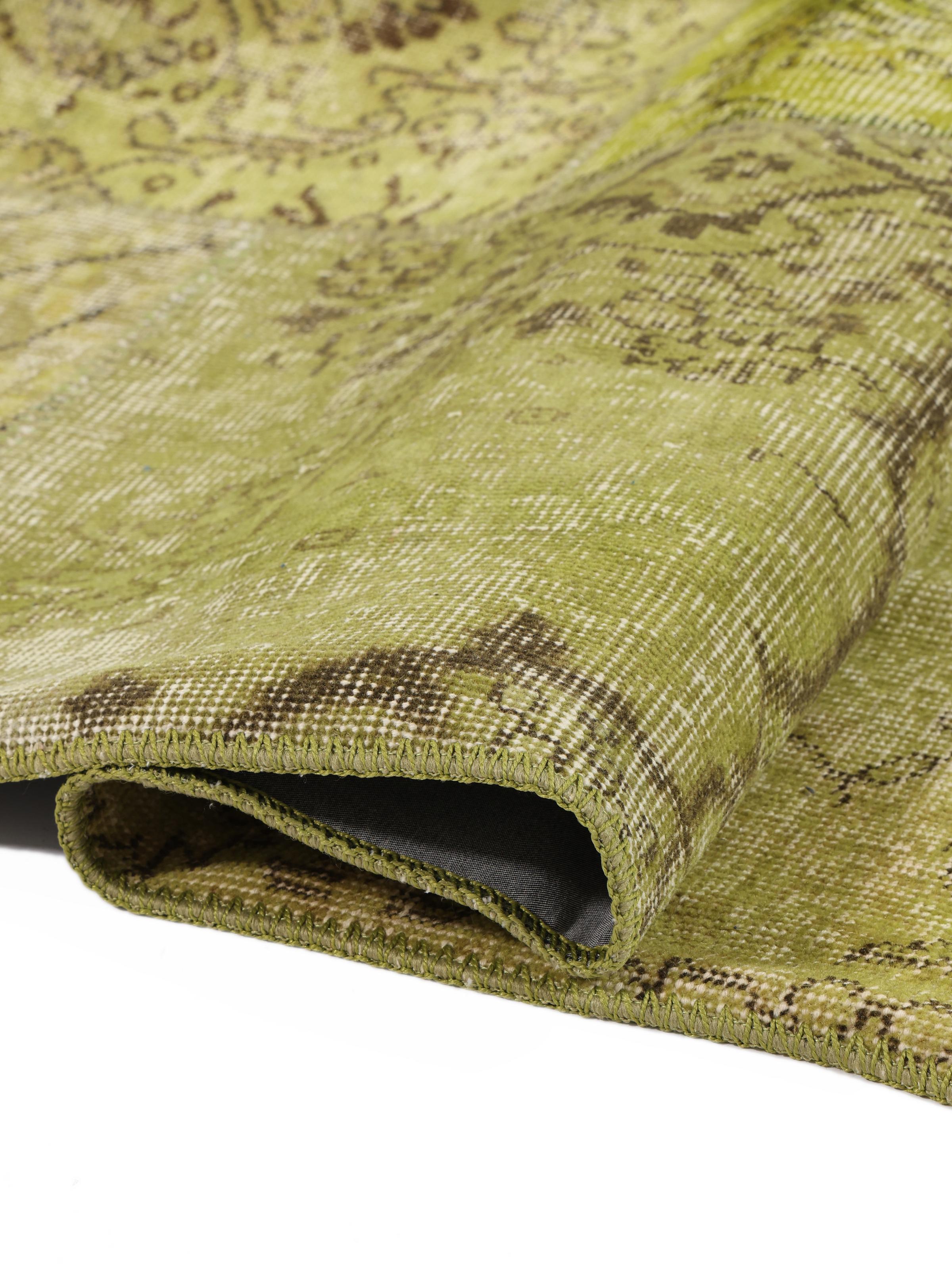
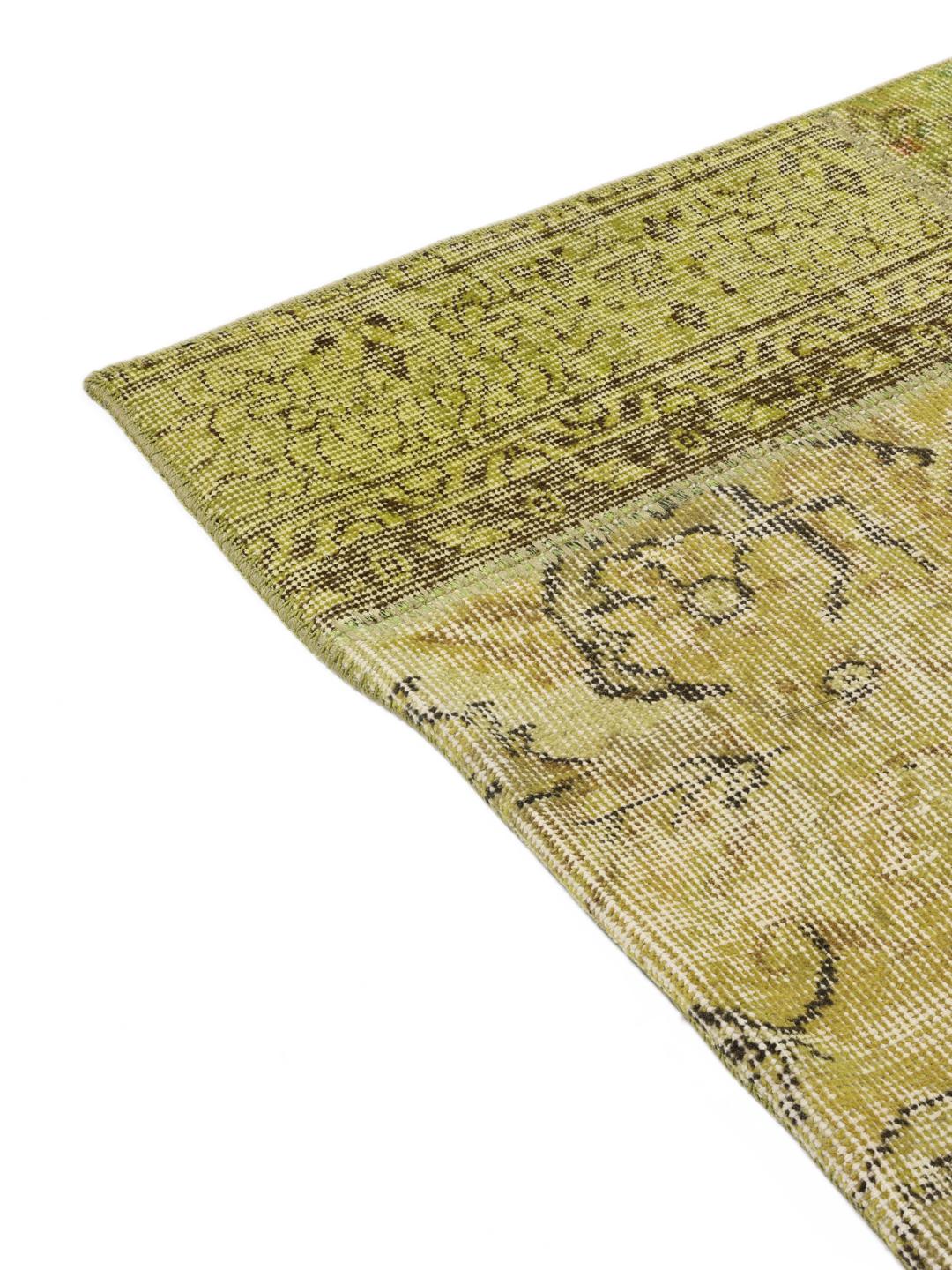
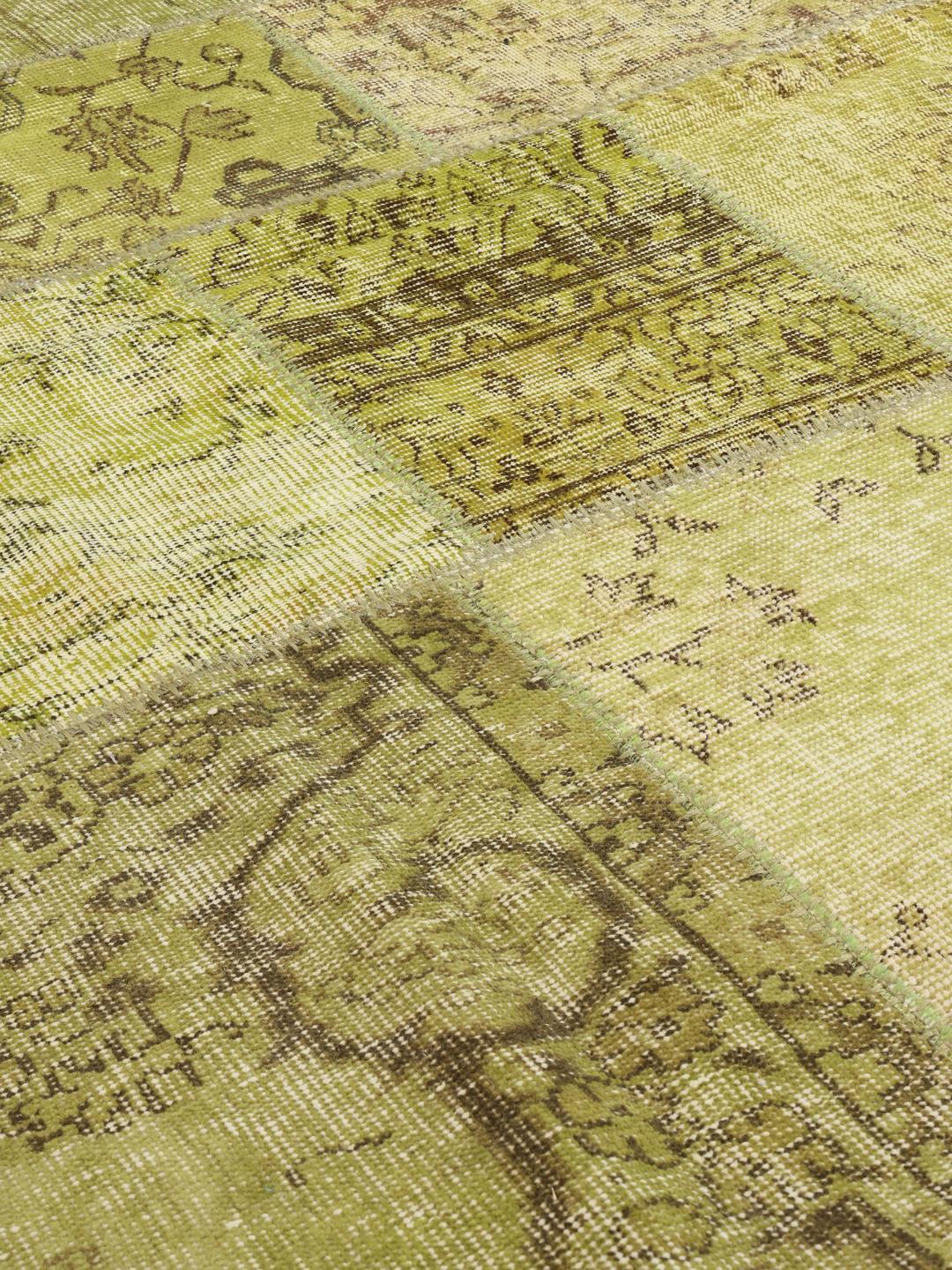
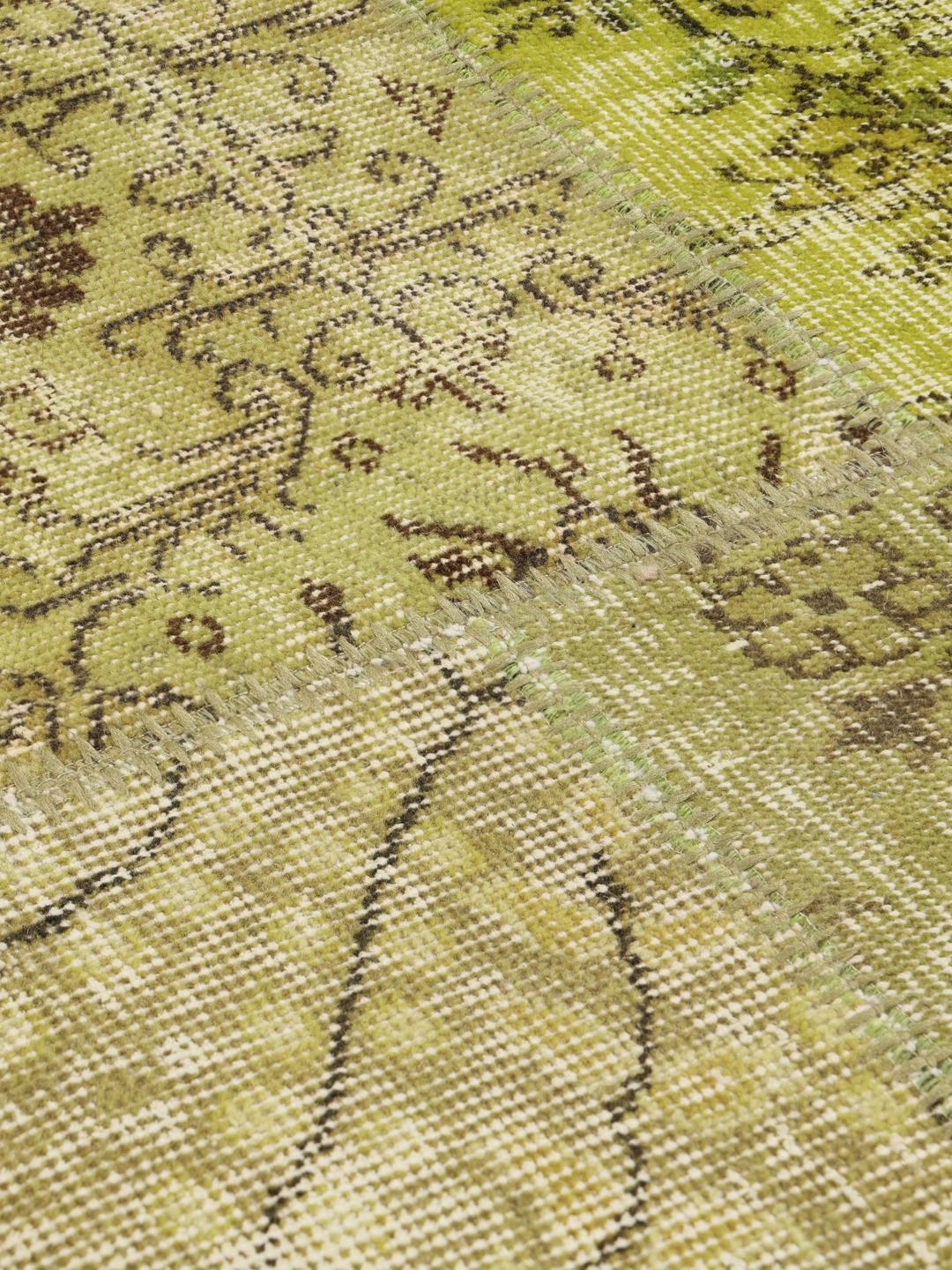
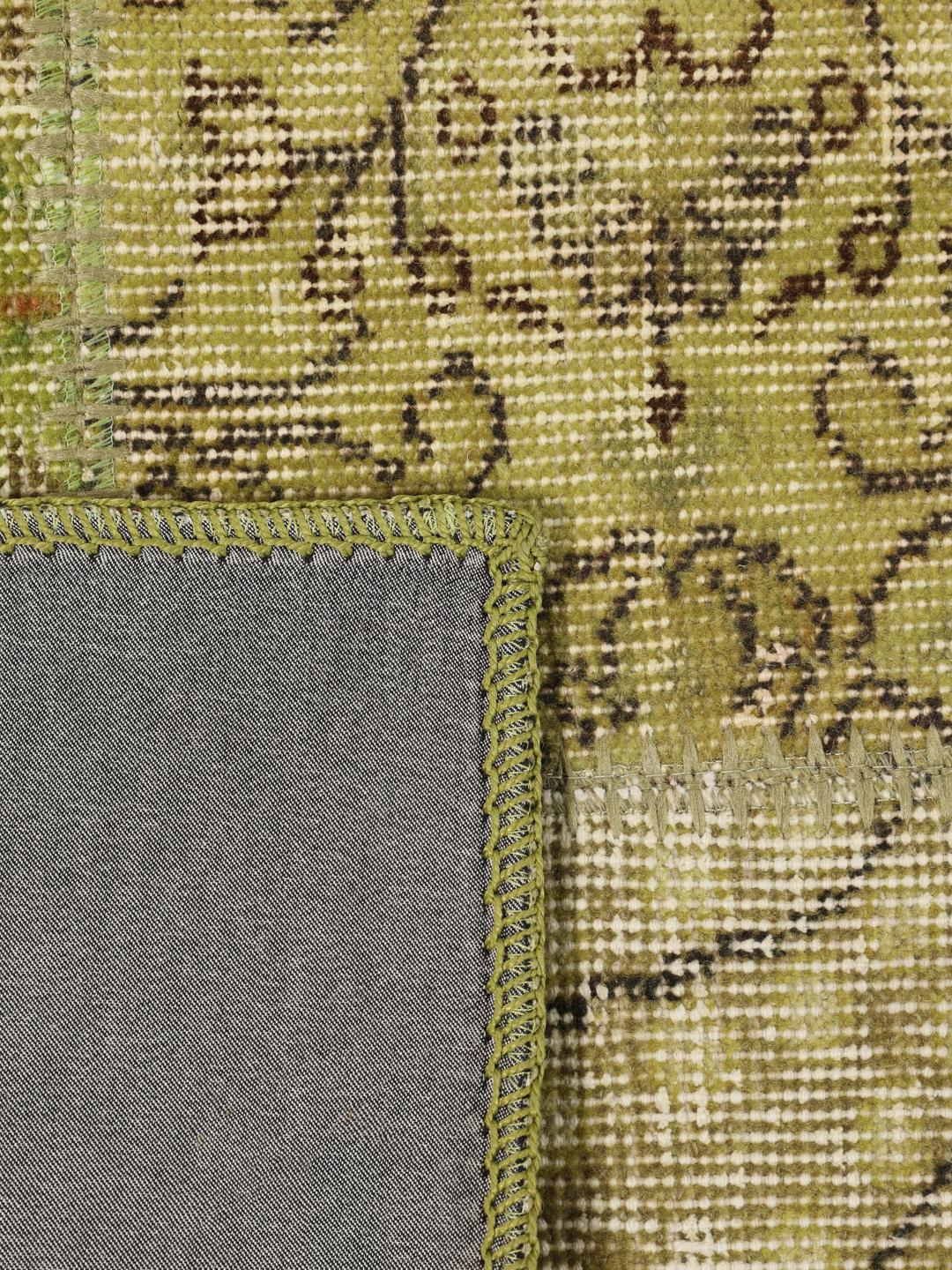
The technique involves more than just assembly; it requires an intimate knowledge of regional patterns, weaving densities, and dye traditions. By combining various fragments, the creator must balance different knot styles and wear patterns to ensure the finished rug is both visually harmonious and structurally durable. This work is a sophisticated dialogue between the past and the present, transforming historical fragments into functional art for the modern home.
Signature design elements in these rugs often include a mix of geometric, floral, and medallion motifs, as each patch carries the DNA of its original design source. While traditional rugs might follow a strict, symmetrical layout, a patchwork piece celebrates asymmetry and variety. This rug showcases a palette that leans into organic, earthy tones, allowing the complex, overlapping patterns of the various patches to take centre stage without becoming overwhelming.
Collecting a patchwork rug is an investment in both sustainability and culture. Each piece serves as a repository of weaving techniques and artistic expressions from various villages and workshops across the region. Owning such a rug means becoming a steward of these diverse narratives, ensuring that the skill of the original hands is appreciated in a new context. It is a rare opportunity to own a piece that is as much a historical record as it is a home decor staple.