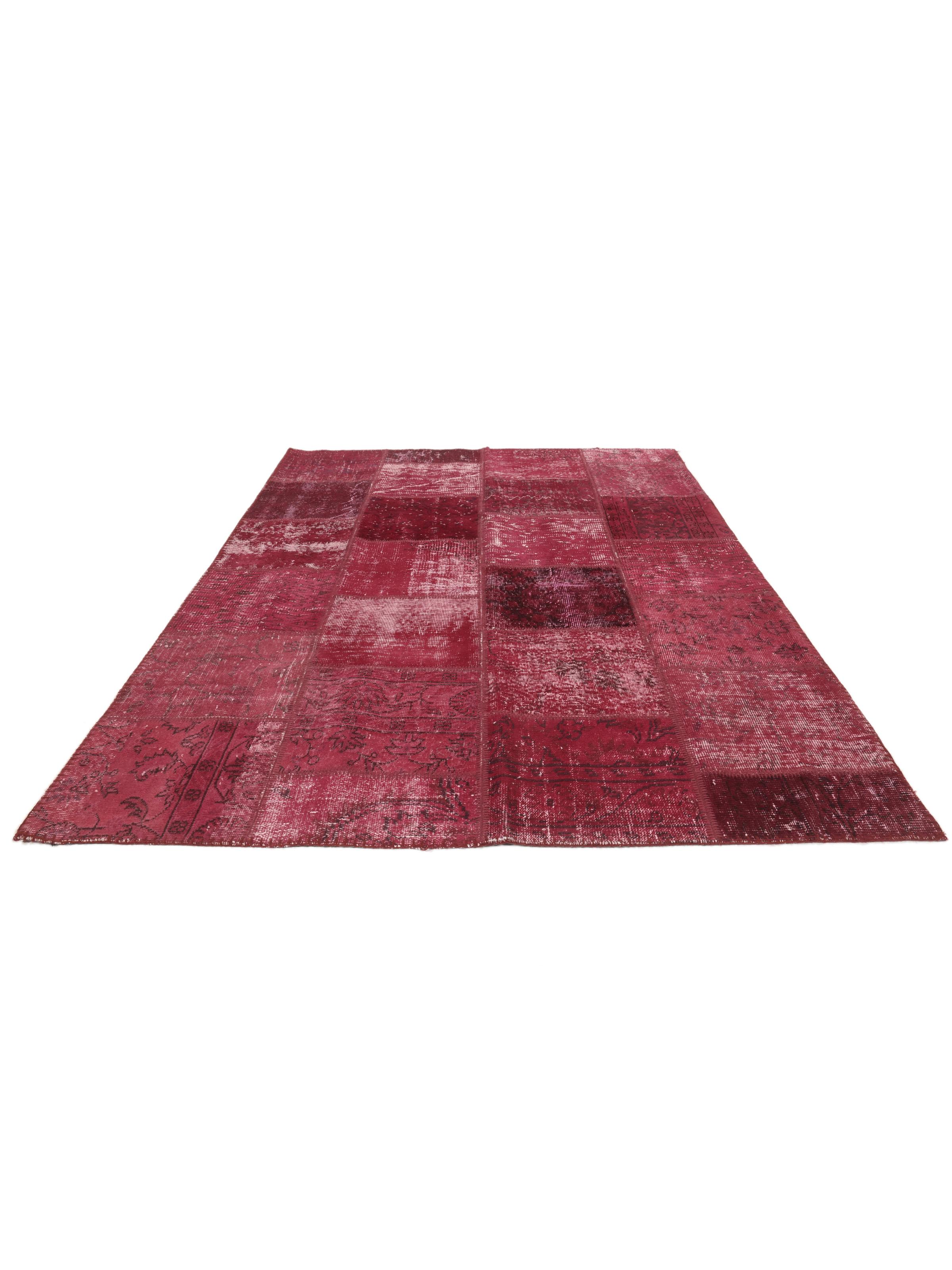
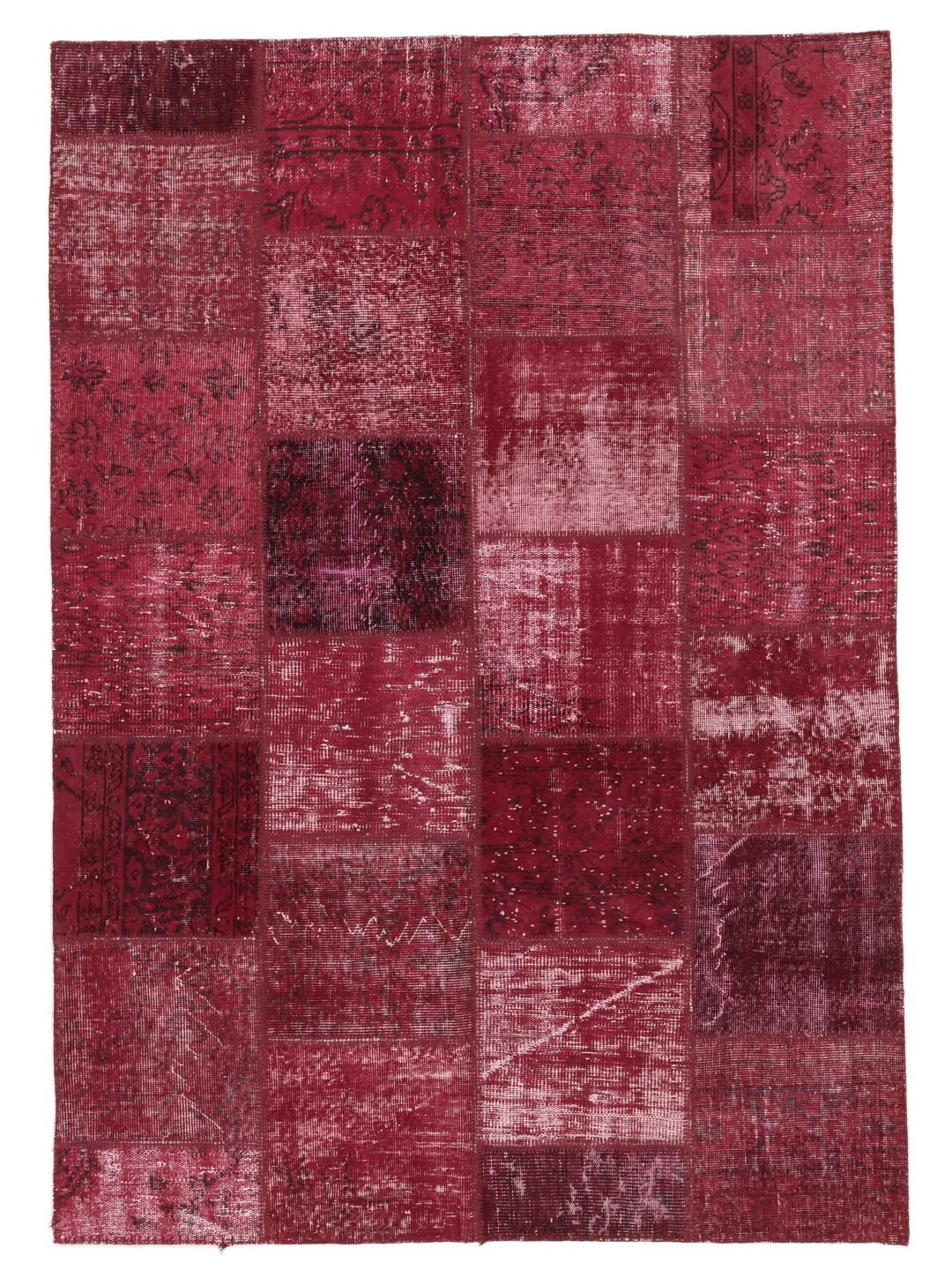
The art of the patchwork rug is a modern evolution of long-standing textile traditions found across the Middle East and Turkey. Historically, these regions have been centres for weaving, where master artisans created durable, intricate rugs for both nomadic and settled life. In recent decades, this tradition has pivoted toward the sustainable practice of rescuing and re-purposing fragments from older, worn-out rugs to create something entirely new.
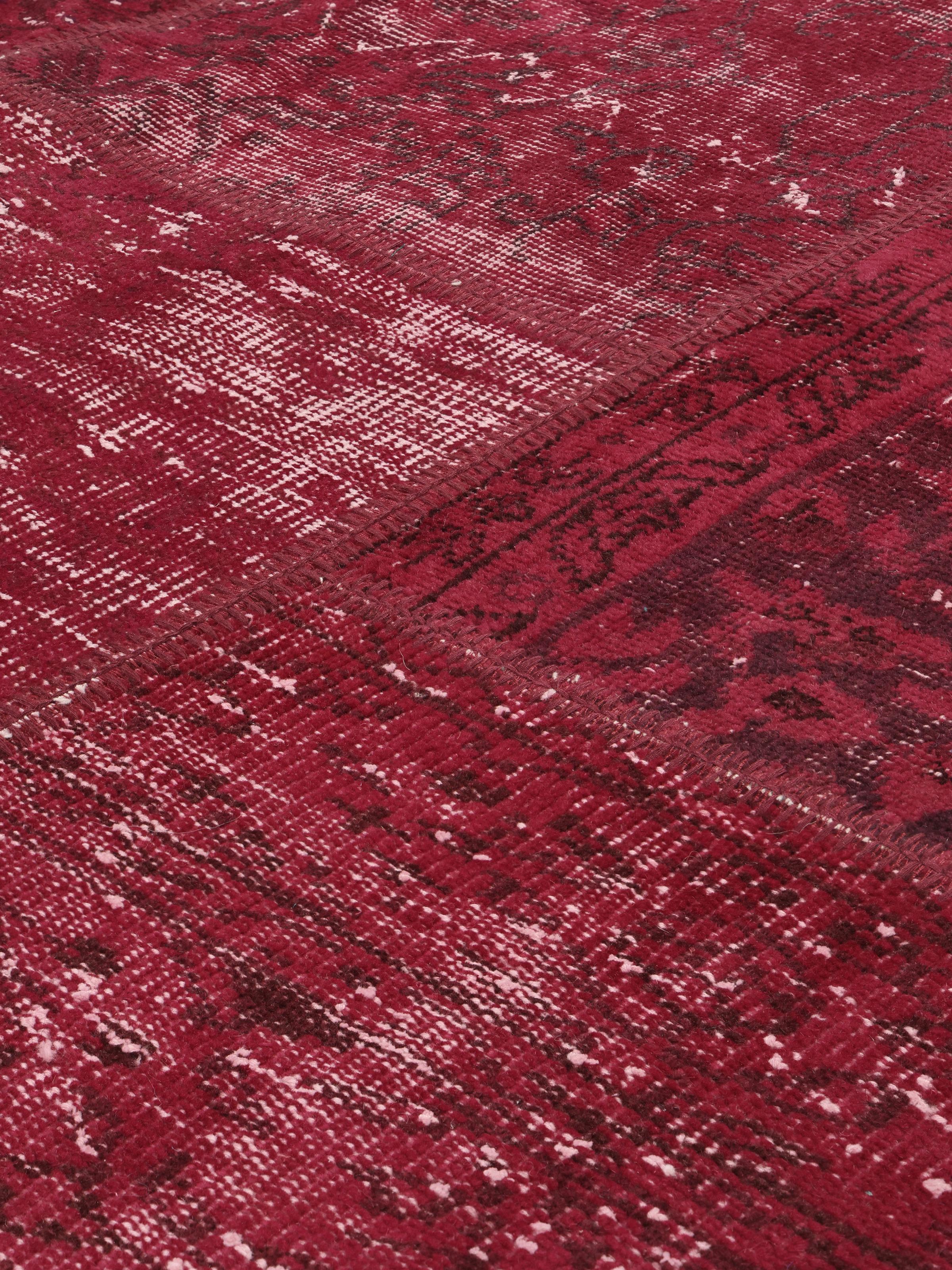
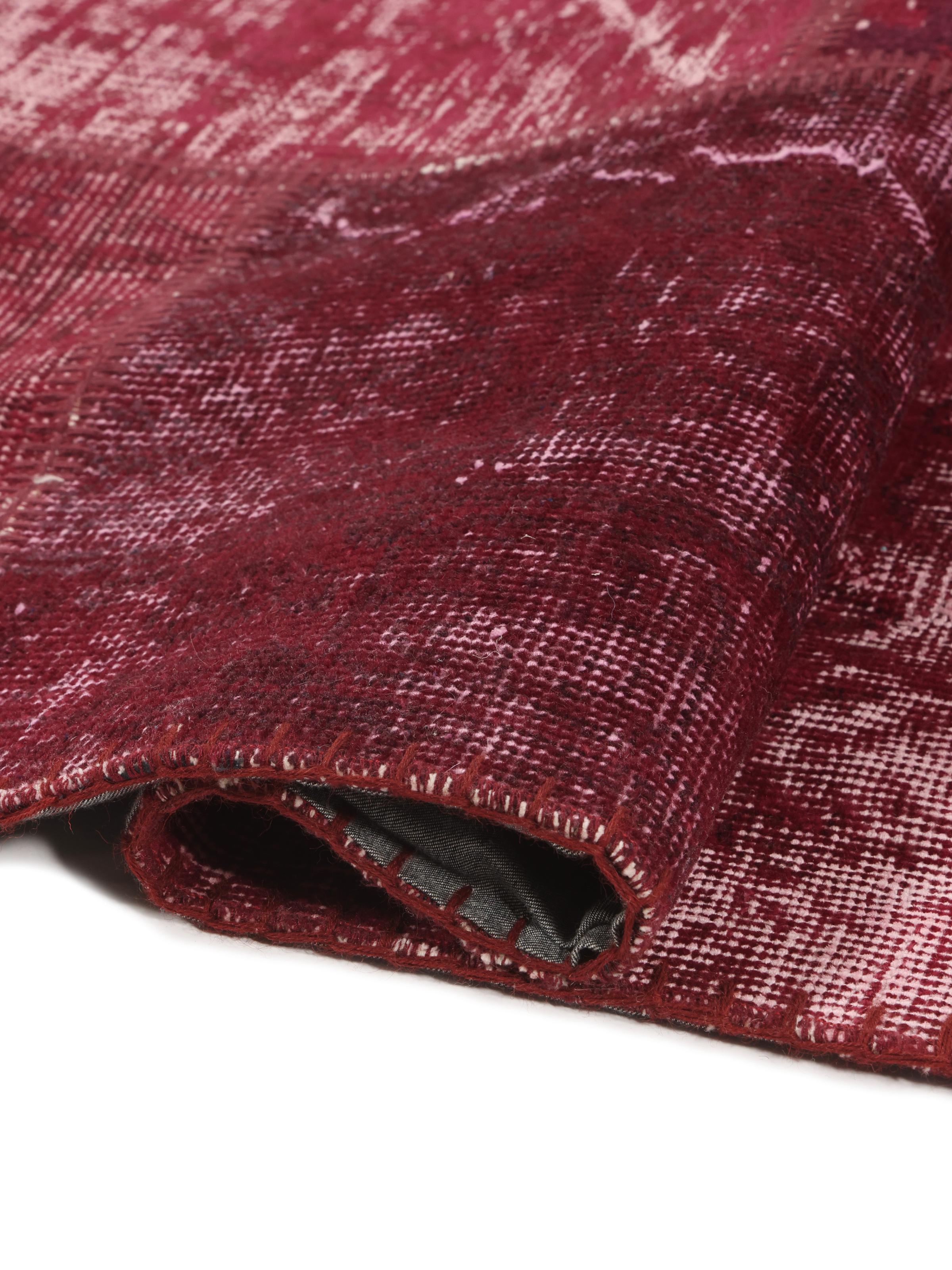
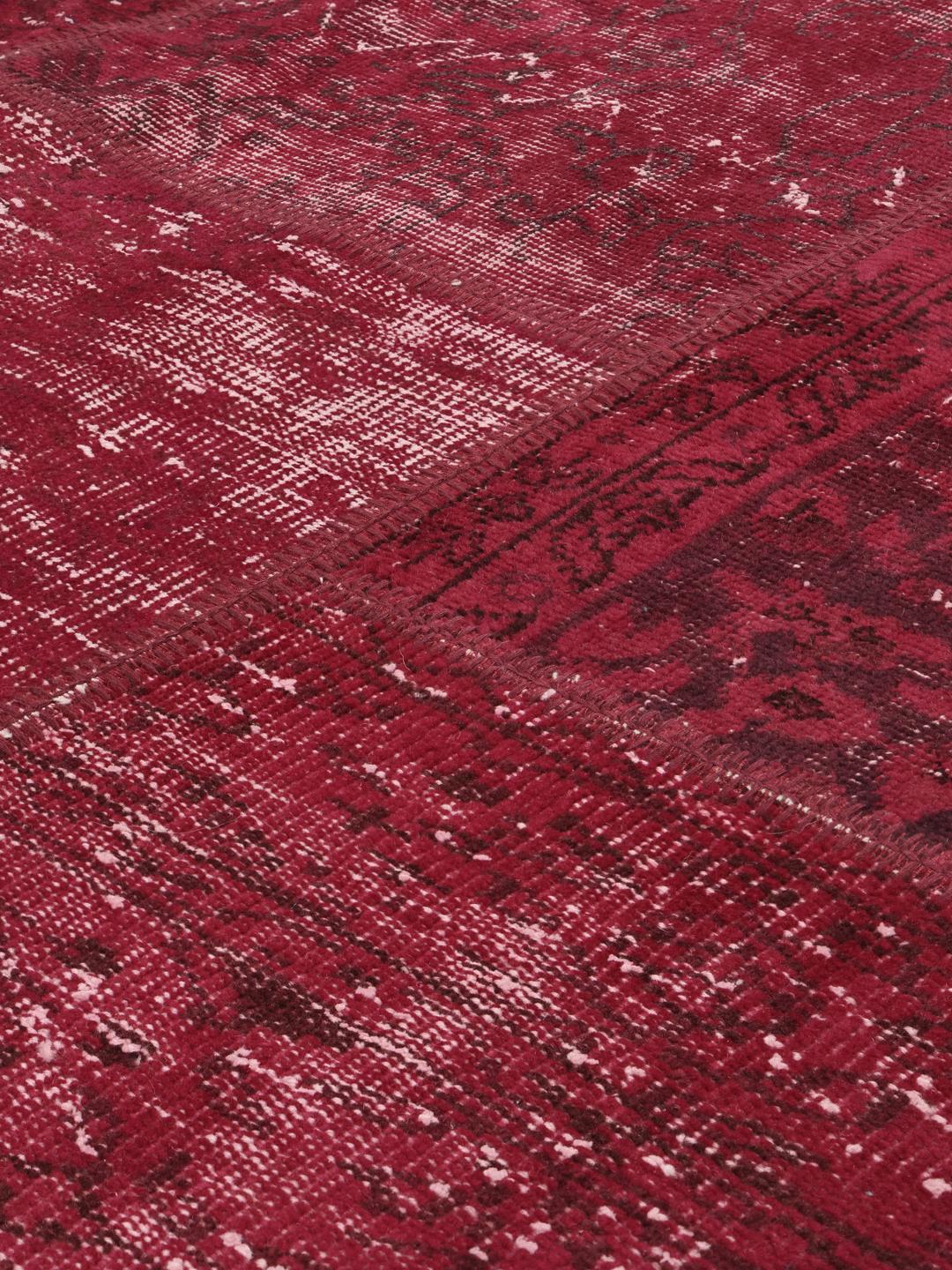
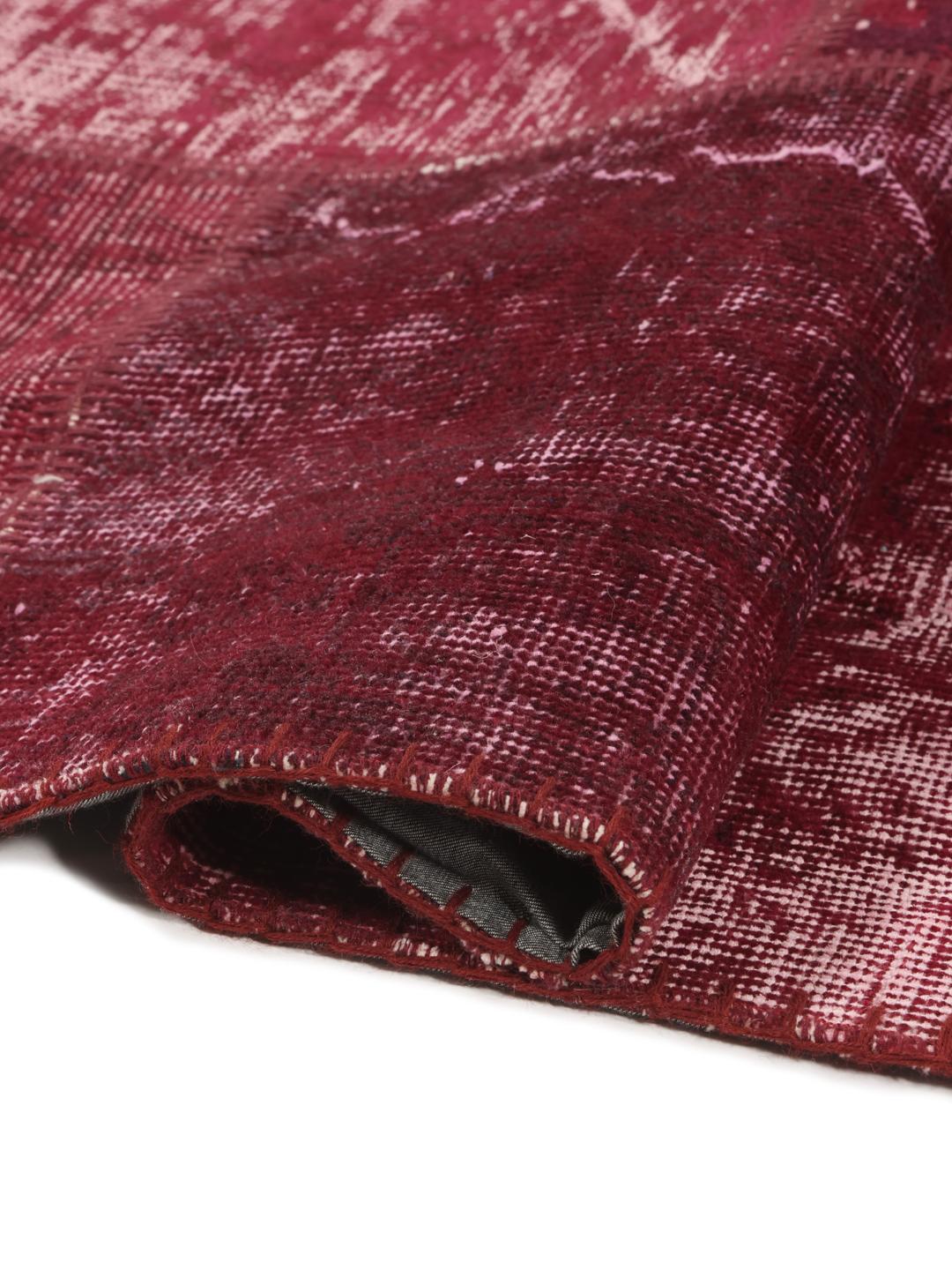
This process of selection and assembly is a technical skill in its own right. Each patch is carefully chosen based on its colour, pile density, and overall condition. By stitching these remnants together, artisans do not just create a rug; they curate a narrative of design history. This practice requires a deep understanding of weaving traditions to ensure that the disparate elements work together to form a balanced, aesthetic whole.
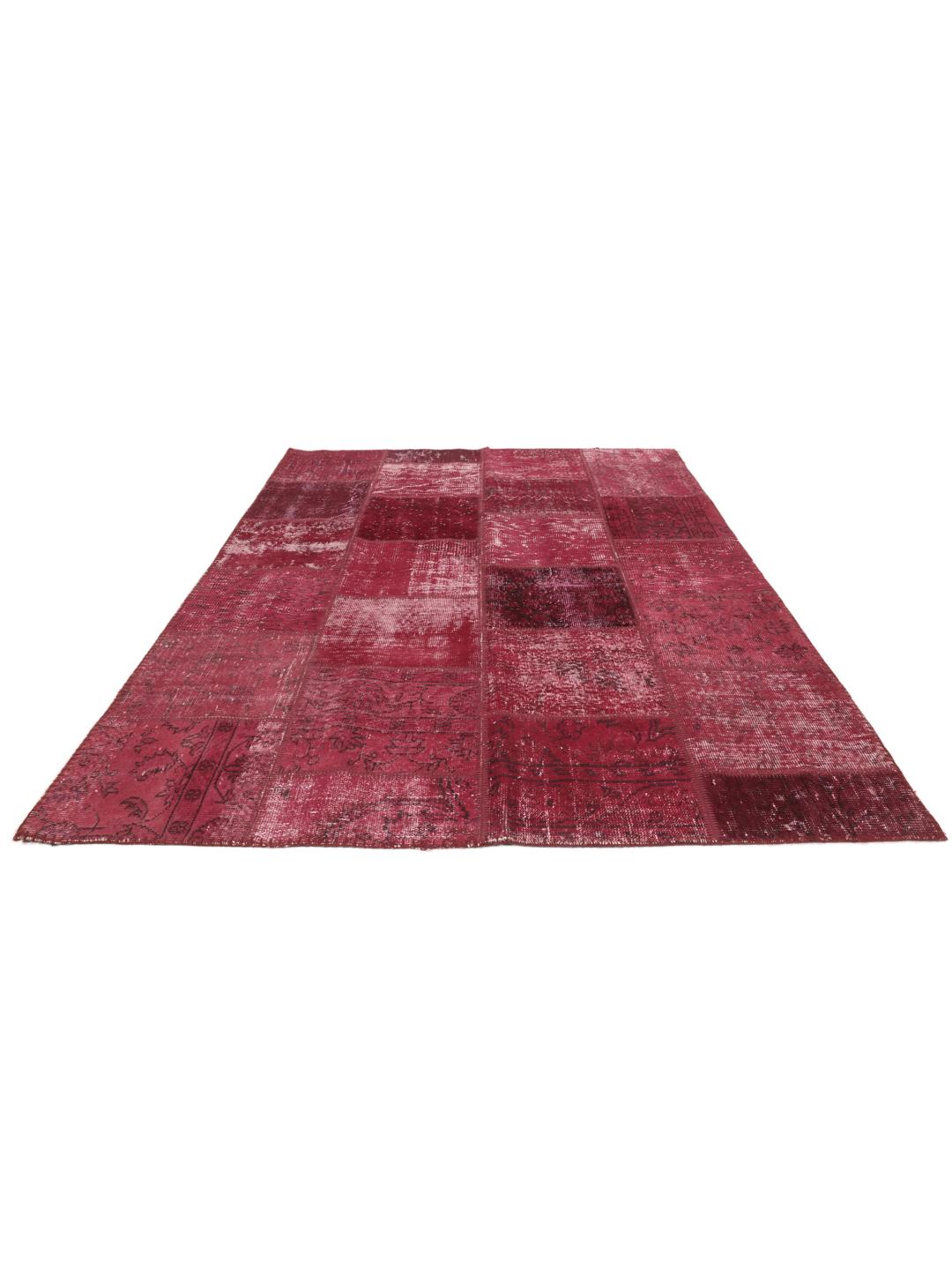
The visual language of these rugs is defined by the contrast and harmony of the patches. Often, the segments feature traditional motifs such as geometric medallions or stylized floral patterns that have been part of local design repertoires for centuries. In this specific piece, the use of a unified red colour palette creates a sophisticated, bold look that allows the subtle variations in pattern and texture to take centre stage, making it a standout feature in any room.
Owning a patchwork rug is an act of appreciation for textile history. It represents a bridge between the past and the present, where the skilled labour of previous generations is preserved and celebrated through a contemporary lens. These rugs are highly valued by collectors and enthusiasts alike, as they represent the perfect marriage of sustainable practice, cultural heritage, and the enduring beauty of hand-wrought craftsmanship.