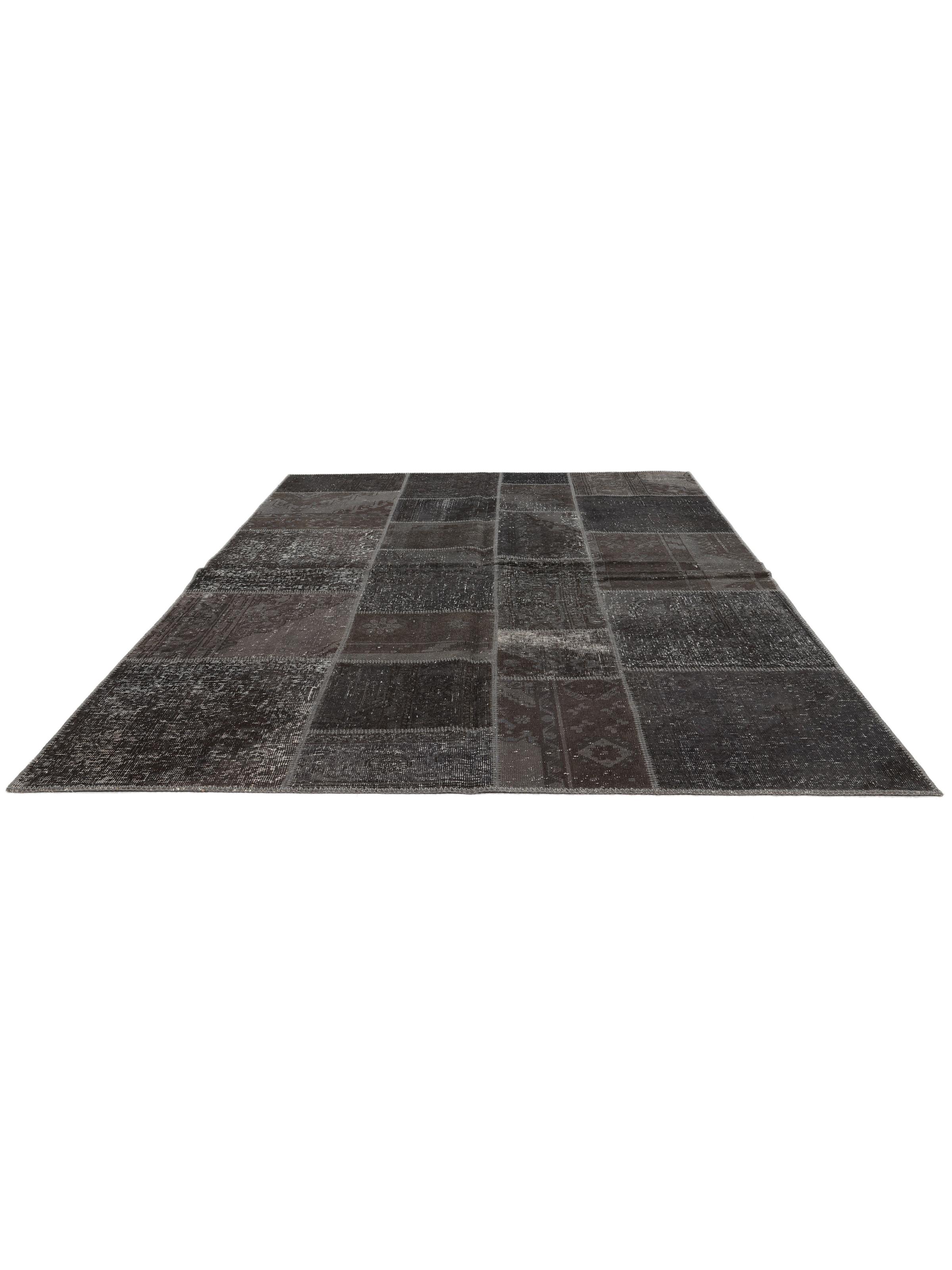
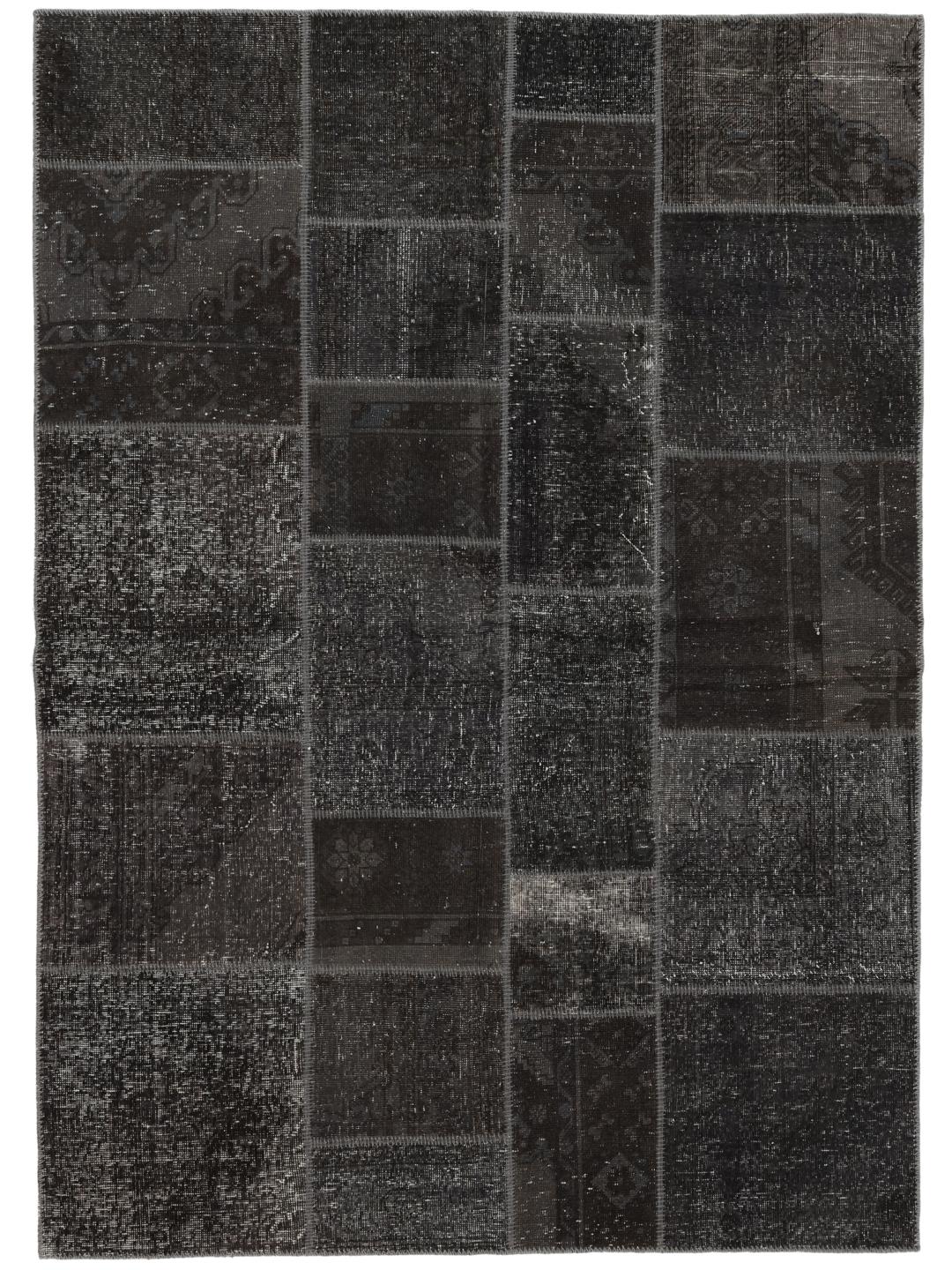
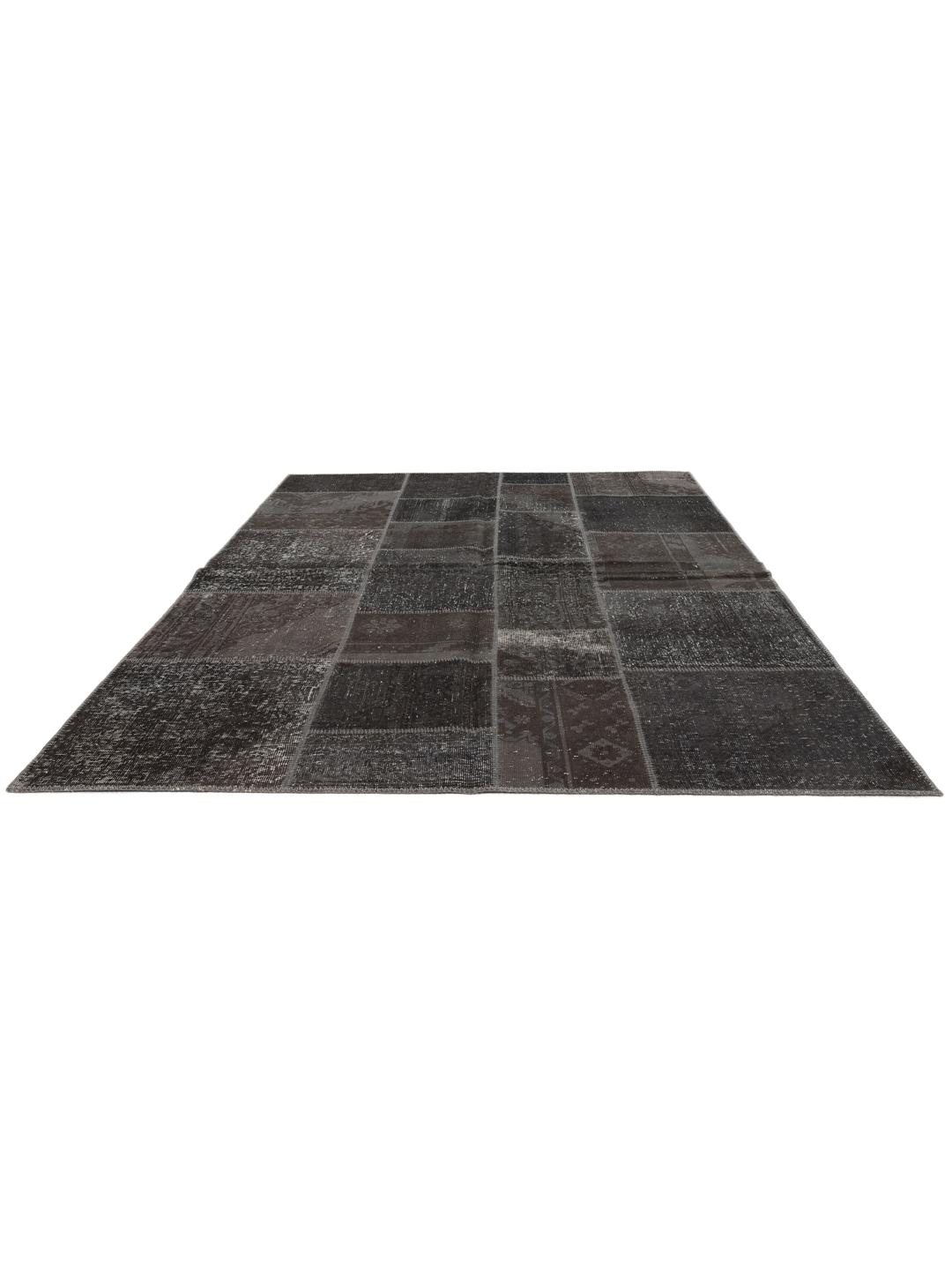
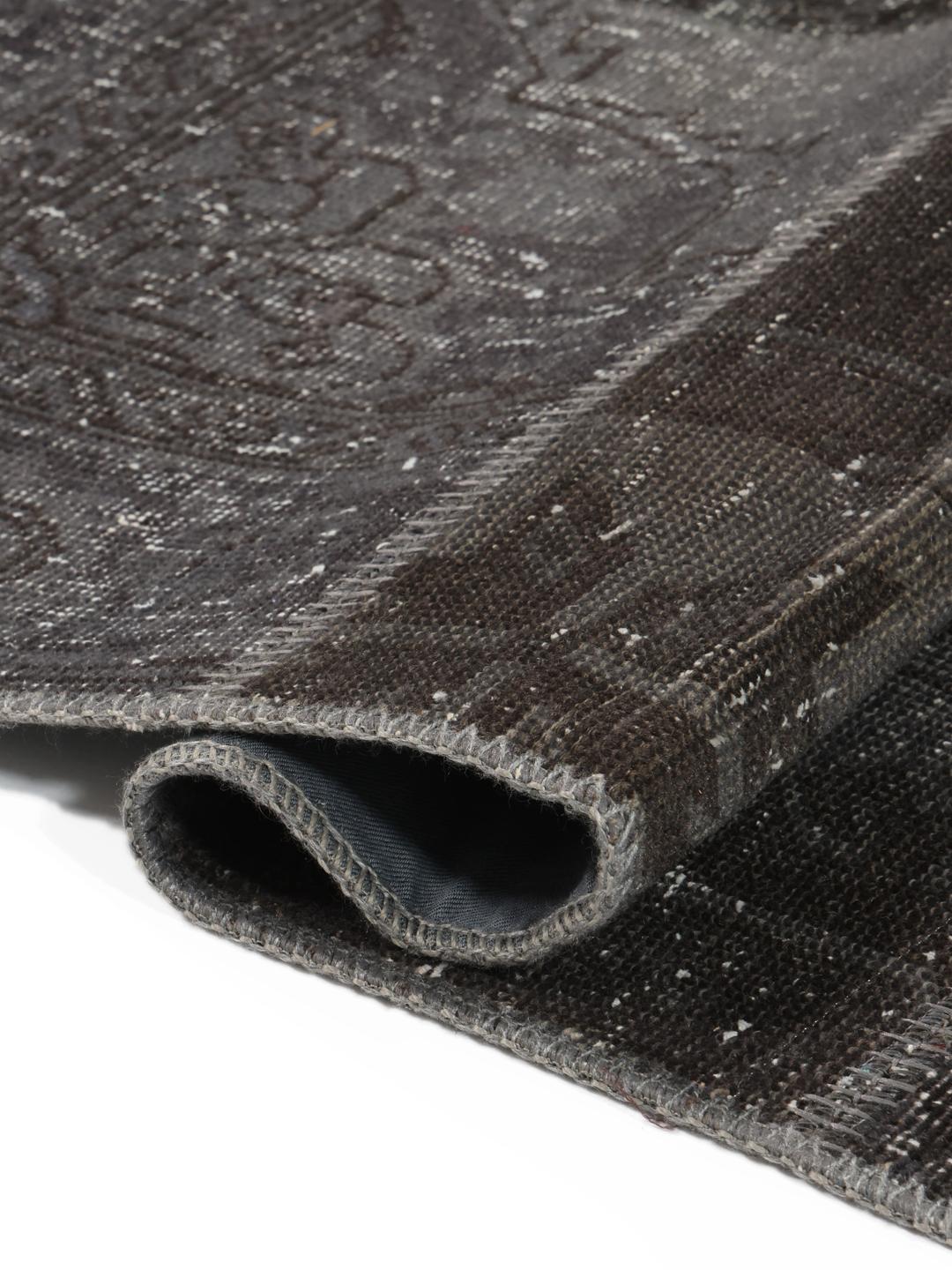
Patchwork rugs represent a fascinating evolution in the history of textile arts, particularly within the tradition of Turkish weaving. This style emerged as a creative and sustainable way to honour the artistry of older, worn hand-knotted rugs that might otherwise have been lost. By salvaging the most beautiful, intact sections of these pieces, artisans in Turkey breathe new life into heritage textiles, creating something entirely fresh from the remnants of the past.
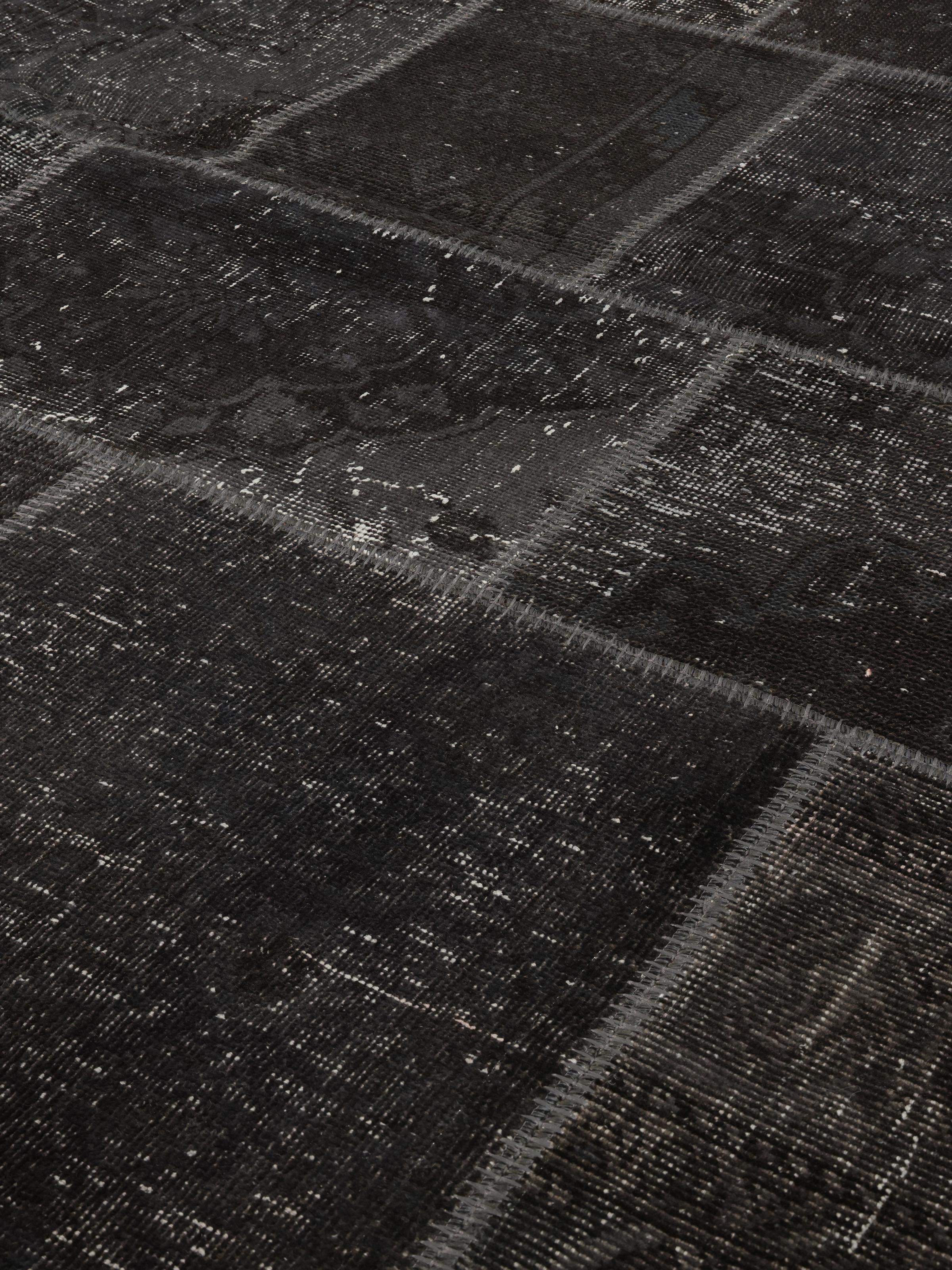
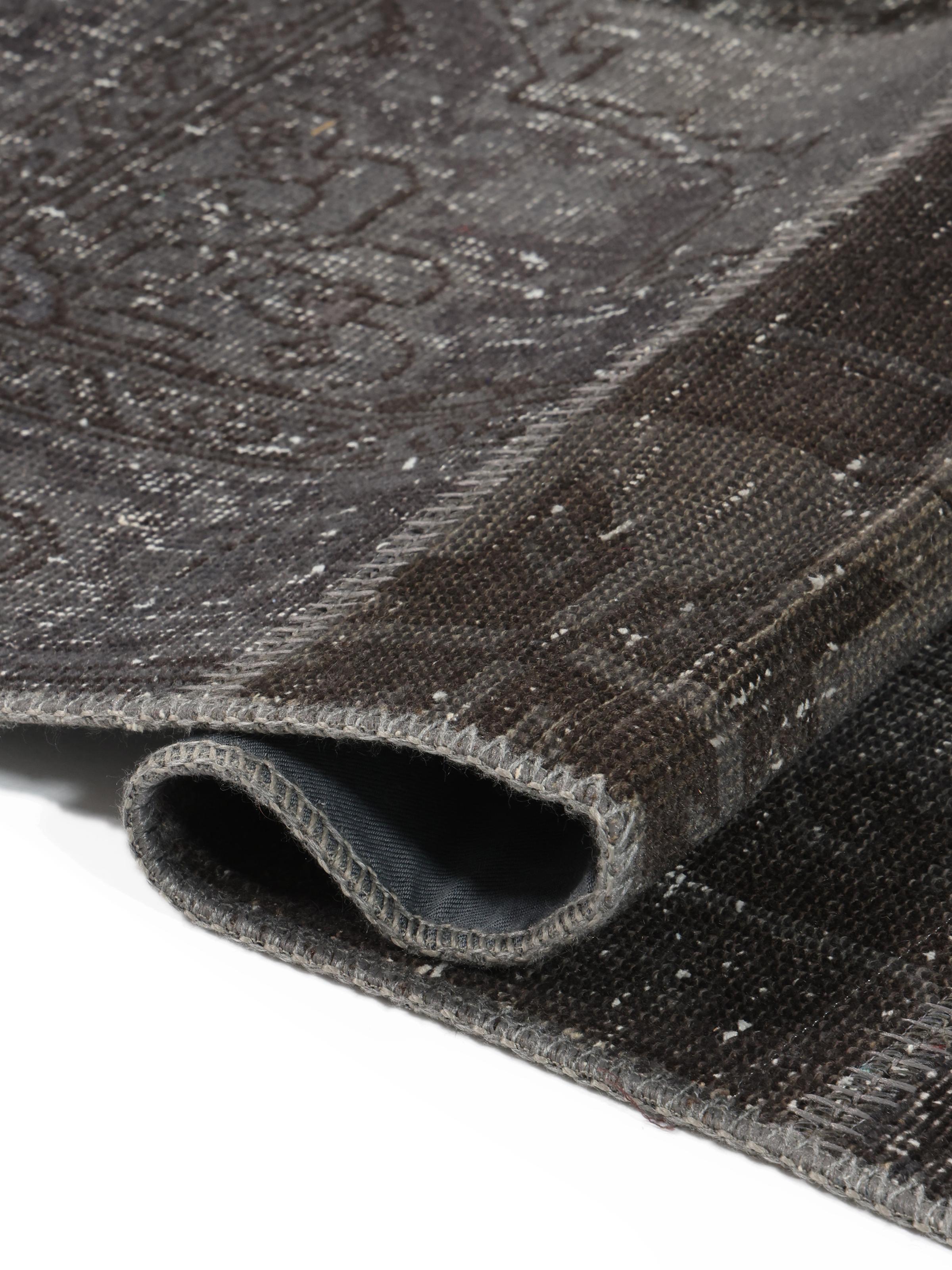
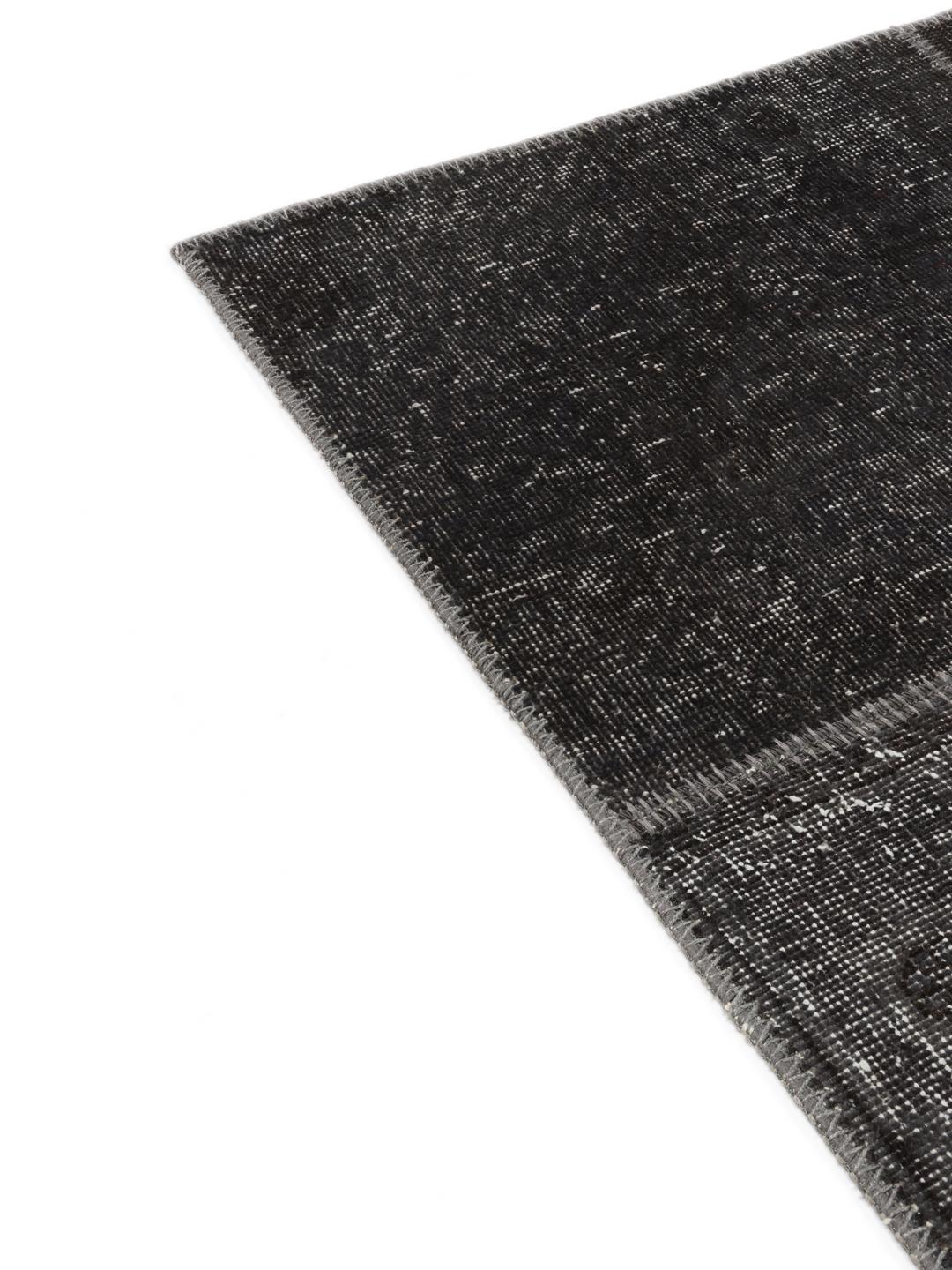
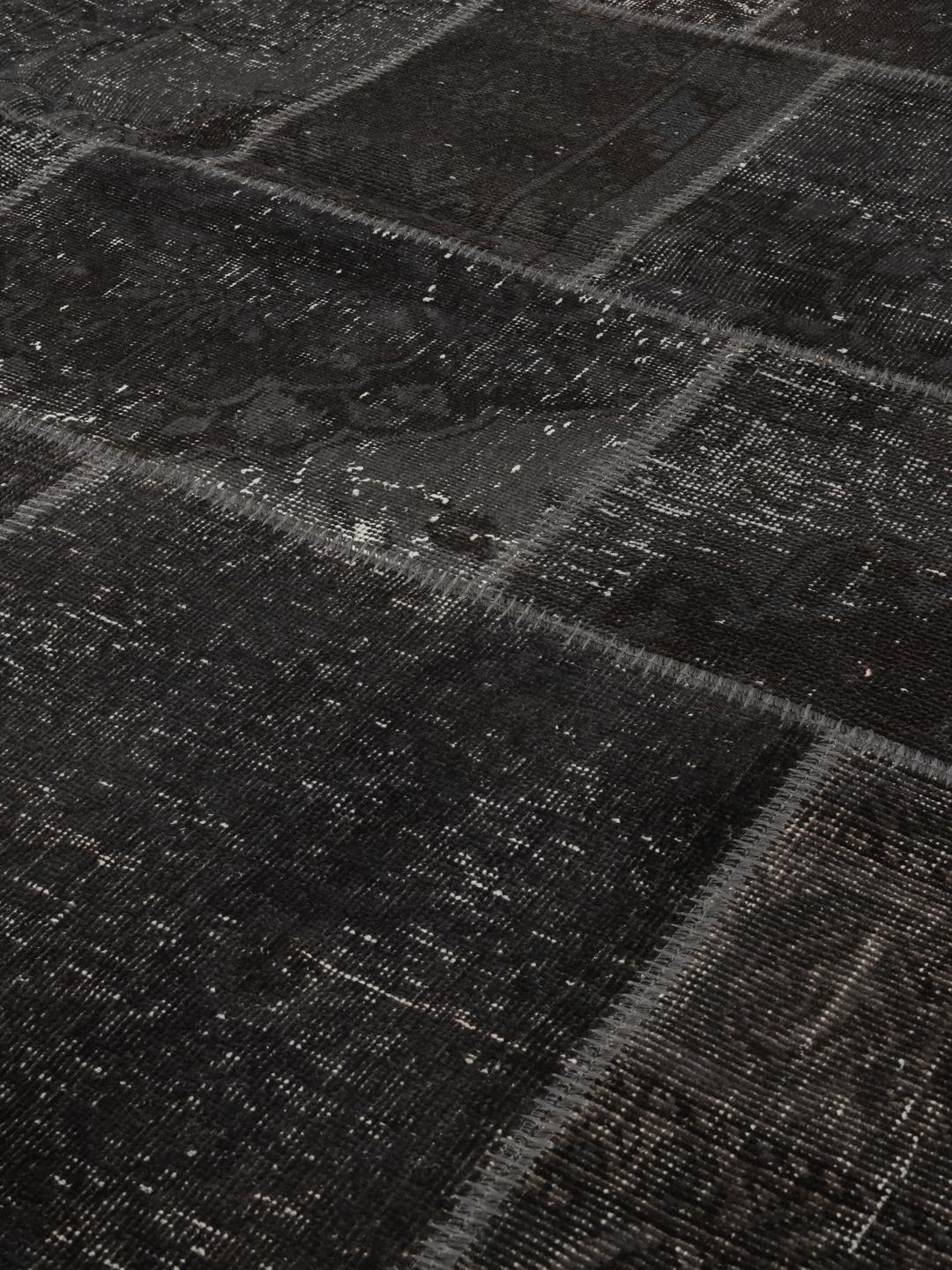
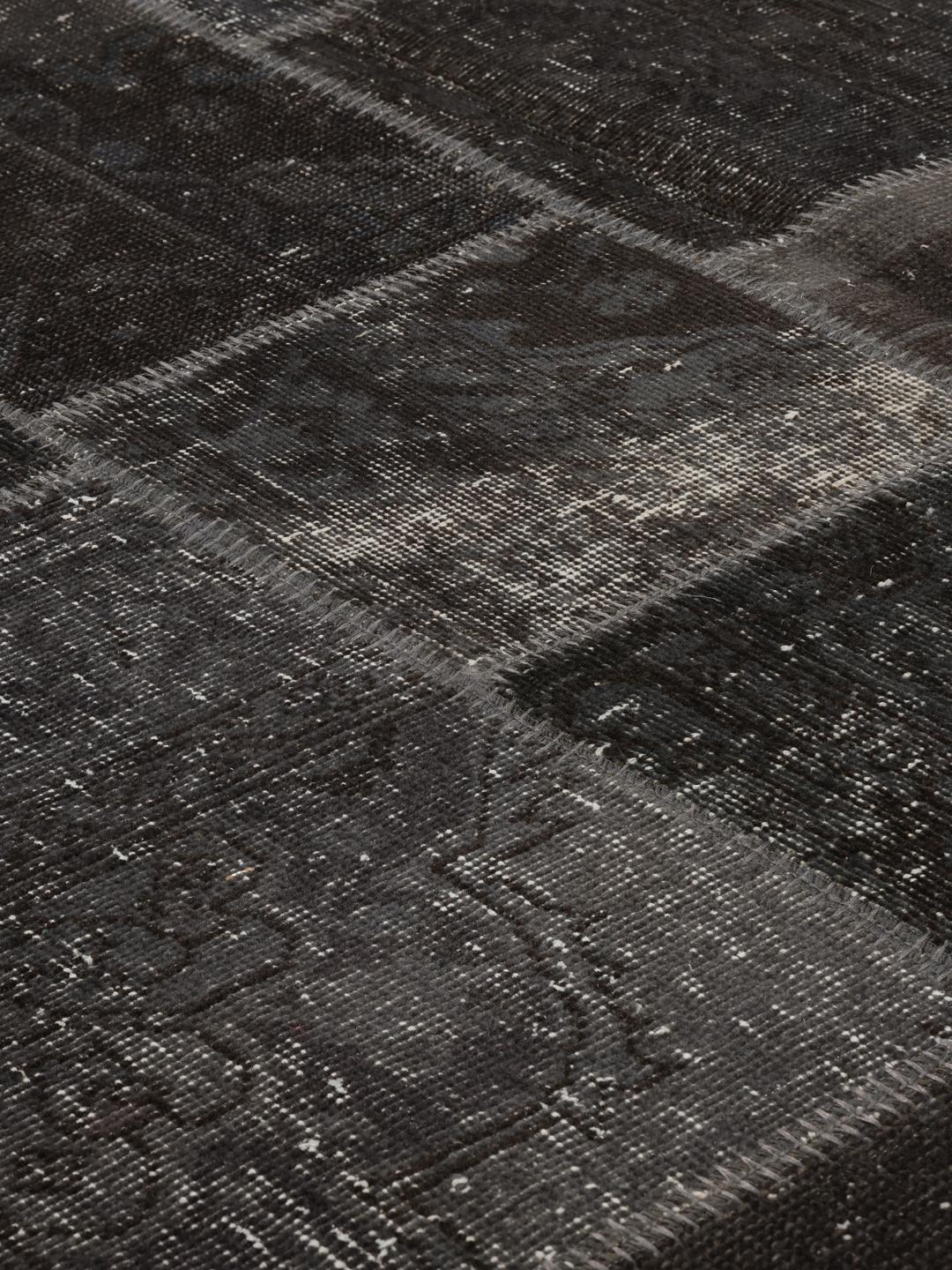
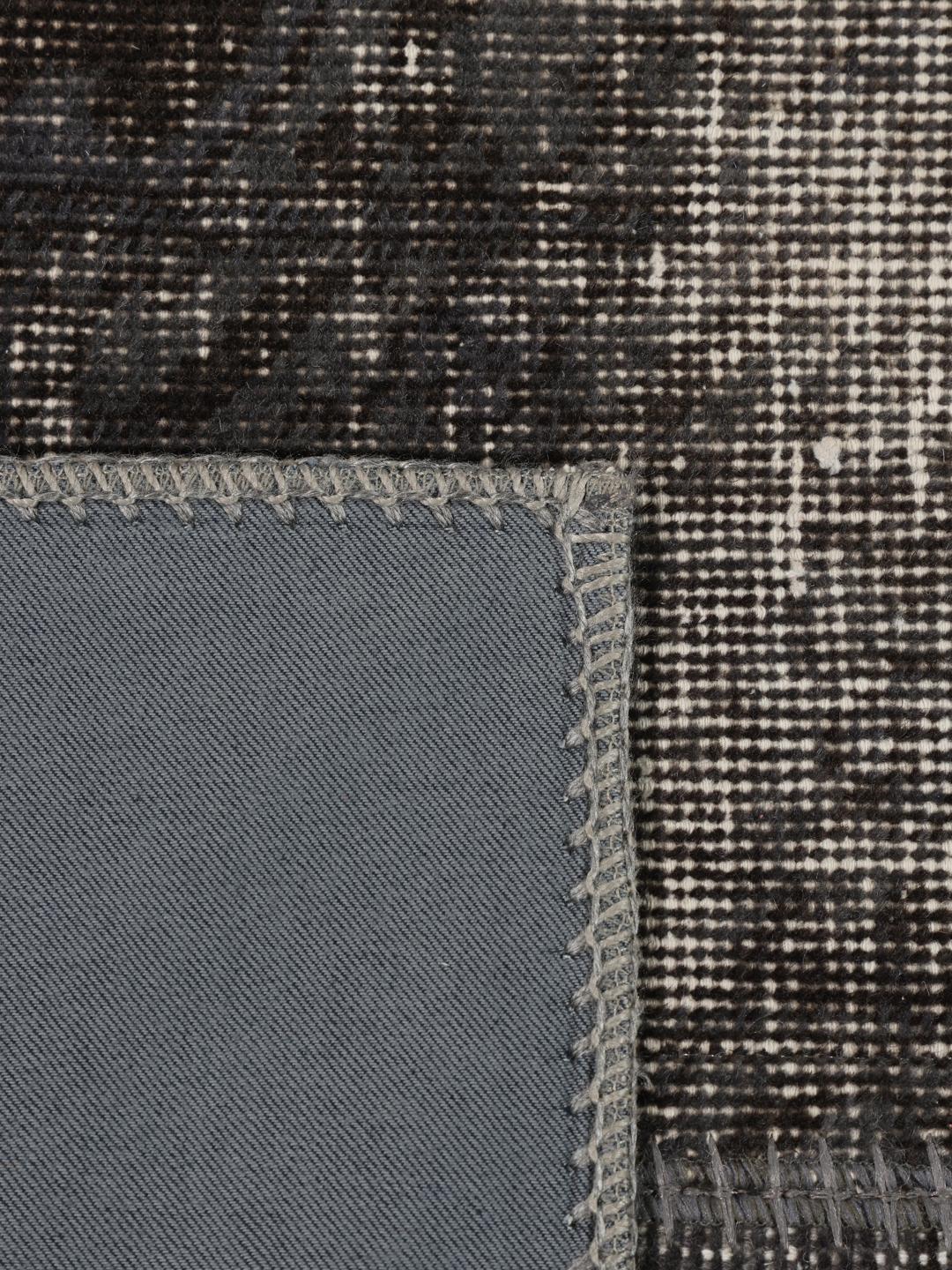
The technical skill involved in patchwork is significant, requiring the maker to balance varying pile densities, ages, and dye lots. The result is a mosaic that reflects a wide range of weaving techniques and regional motifs. Because each patch comes from a different original rug, the finished product serves as a miniature gallery of traditional craftsmanship, showcasing the diverse skills that have been passed down through generations of weavers.
Visually, these rugs are often defined by their ability to harmonise disparate patterns. While the original rugs may have featured bold, traditional medallions or intricate floral borders, the patchwork process pulls these elements into a modern, abstract composition. This contrast between the historical source material and the contemporary layout is what gives these rugs their signature look, making them highly sought after by those who appreciate the intersection of old and new.
Owning a patchwork rug is an investment in cultural preservation and individual expression. It is a way to celebrate the durability and beauty of traditional materials while embracing a modern aesthetic. These rugs are valued not only for their striking appearance but also for the story they tell—a story of continuity, where the labour and artistry of the past are woven into the fabric of today's home.