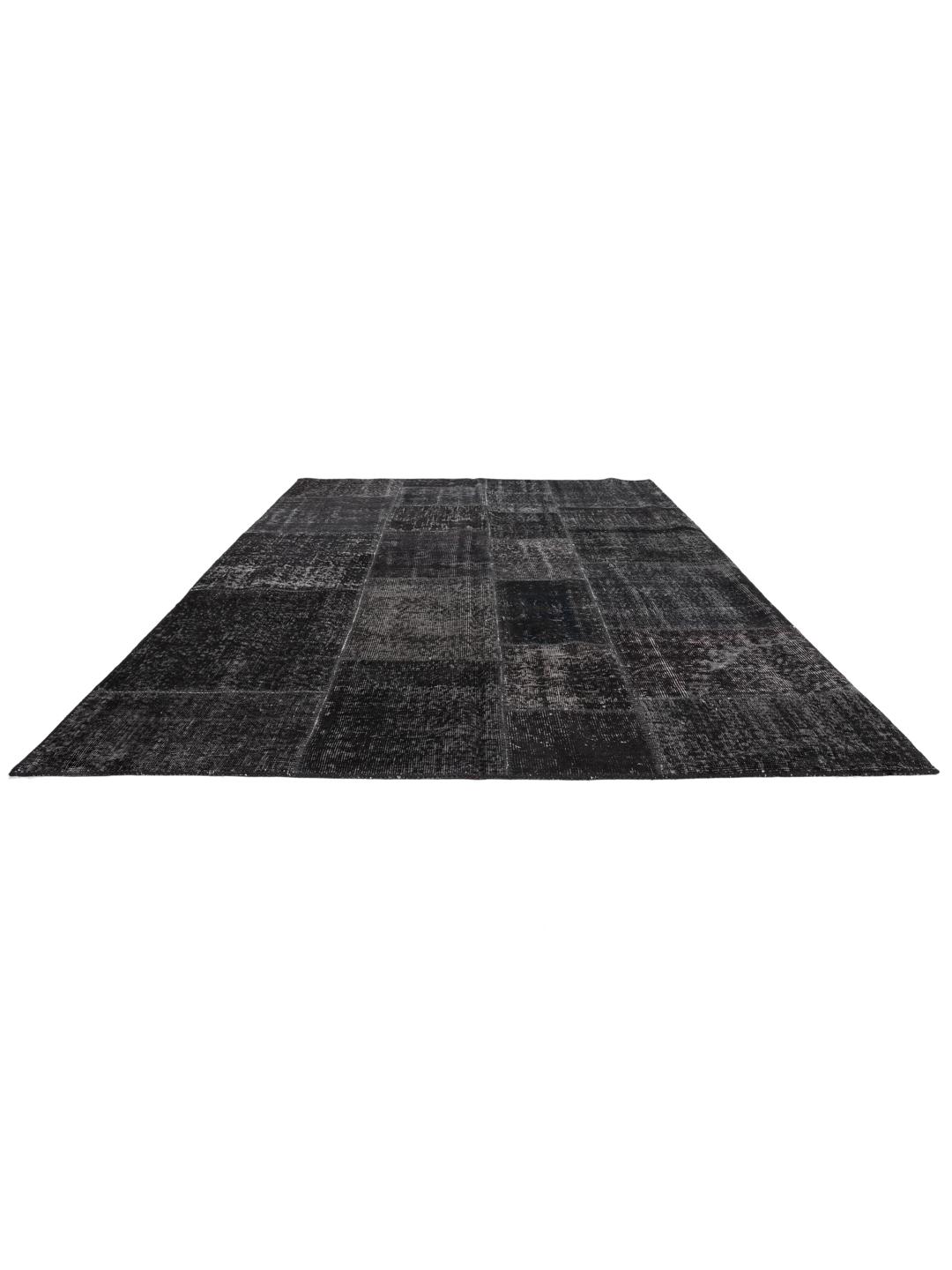
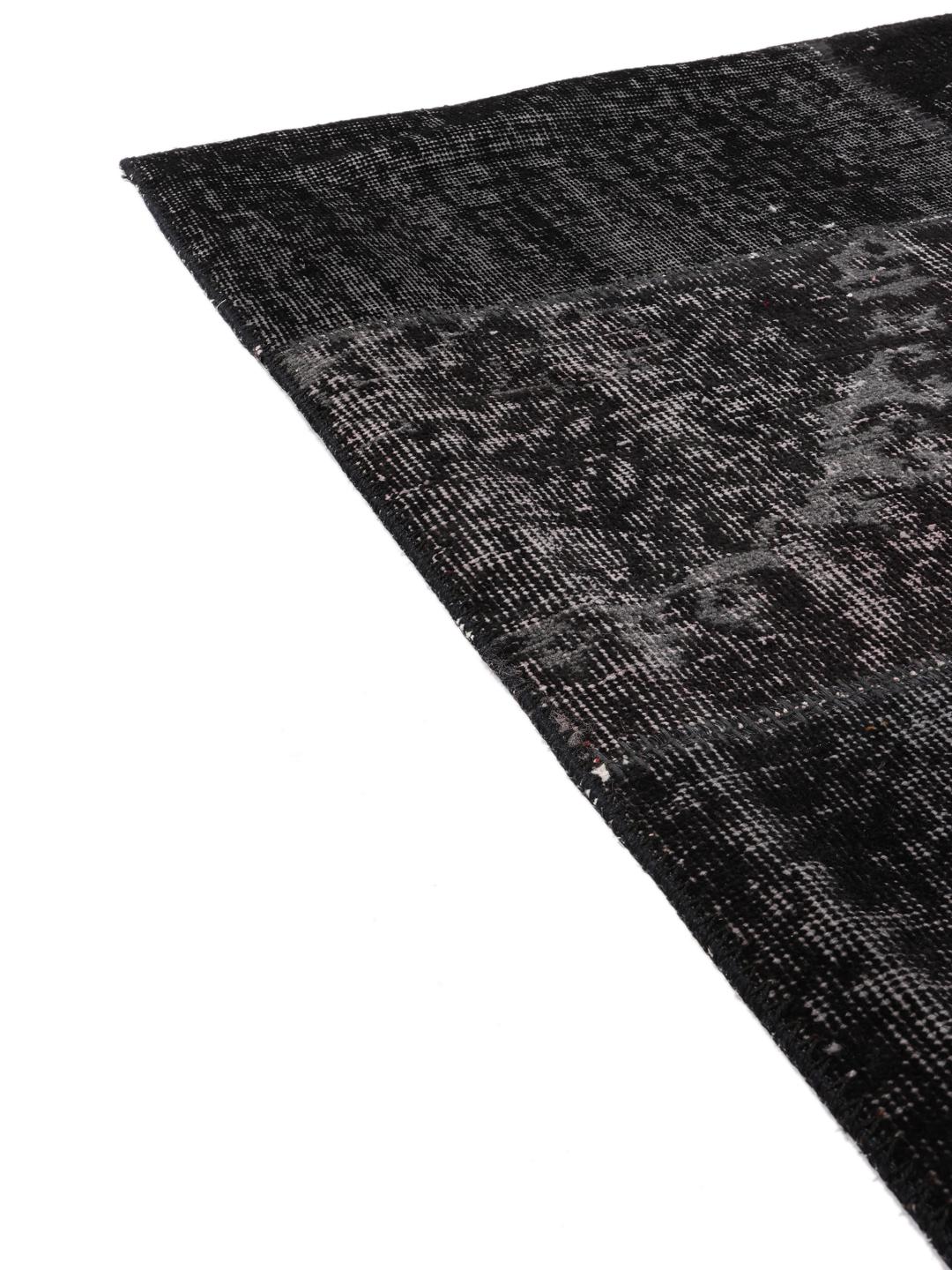
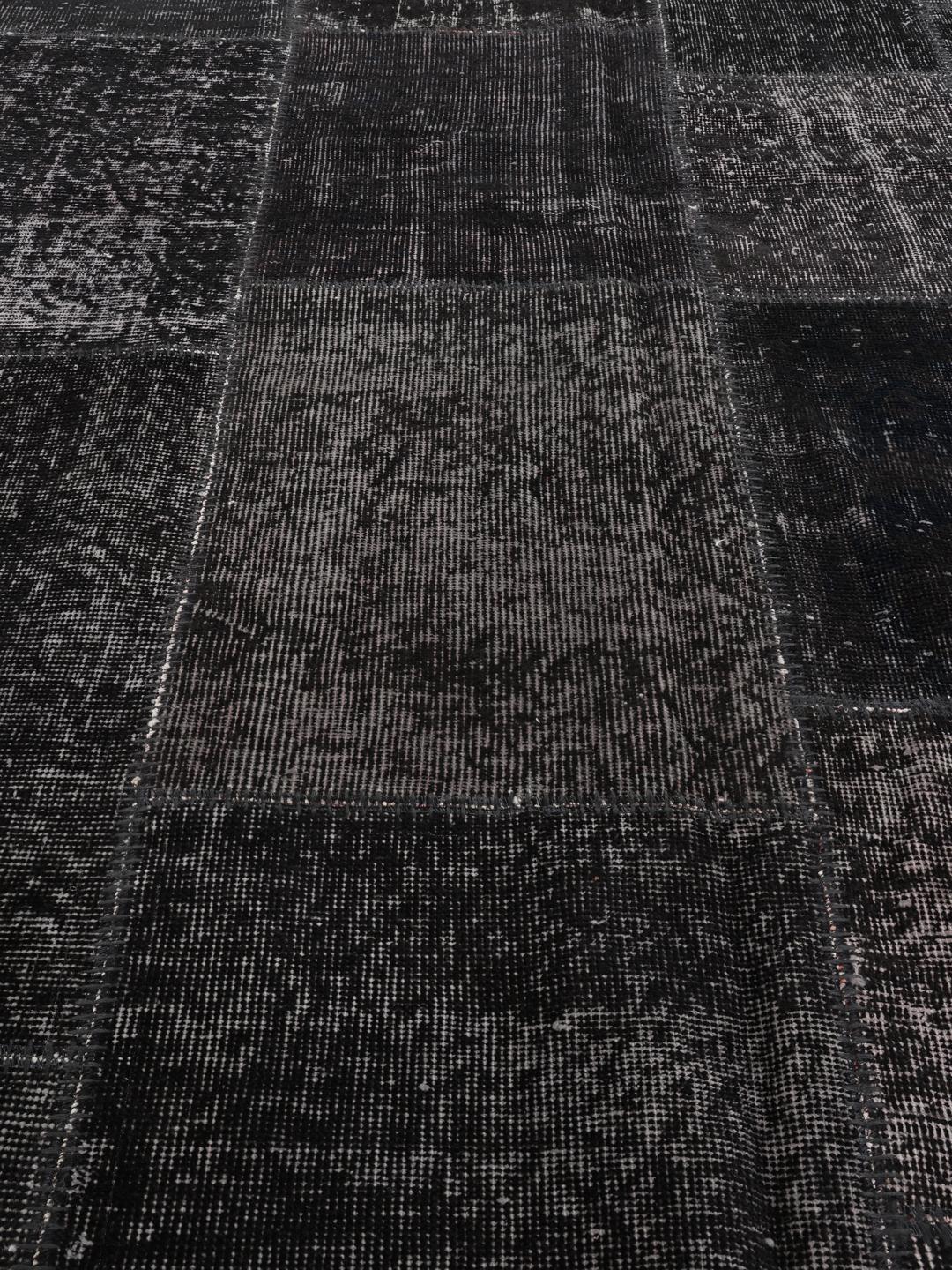
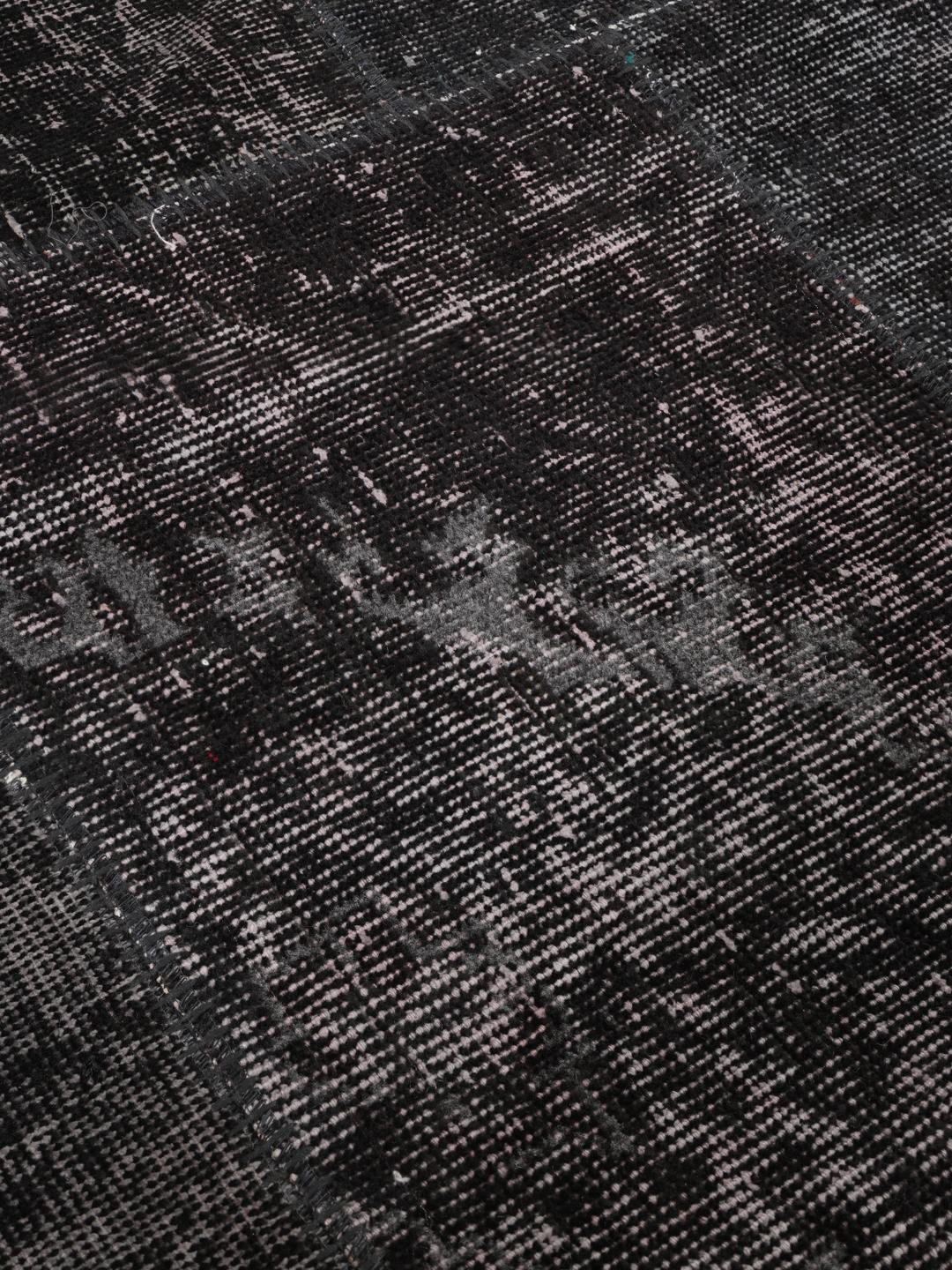
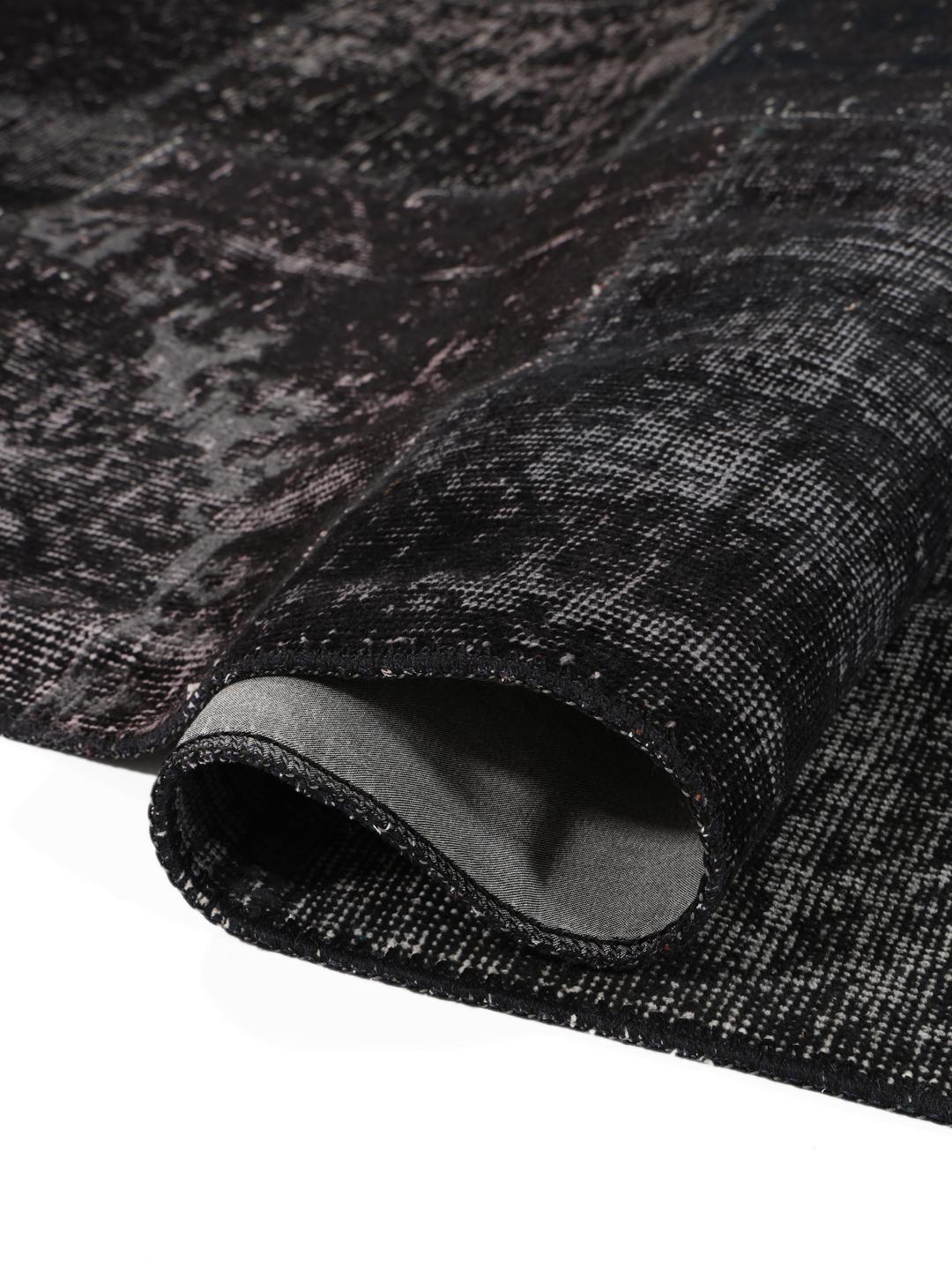
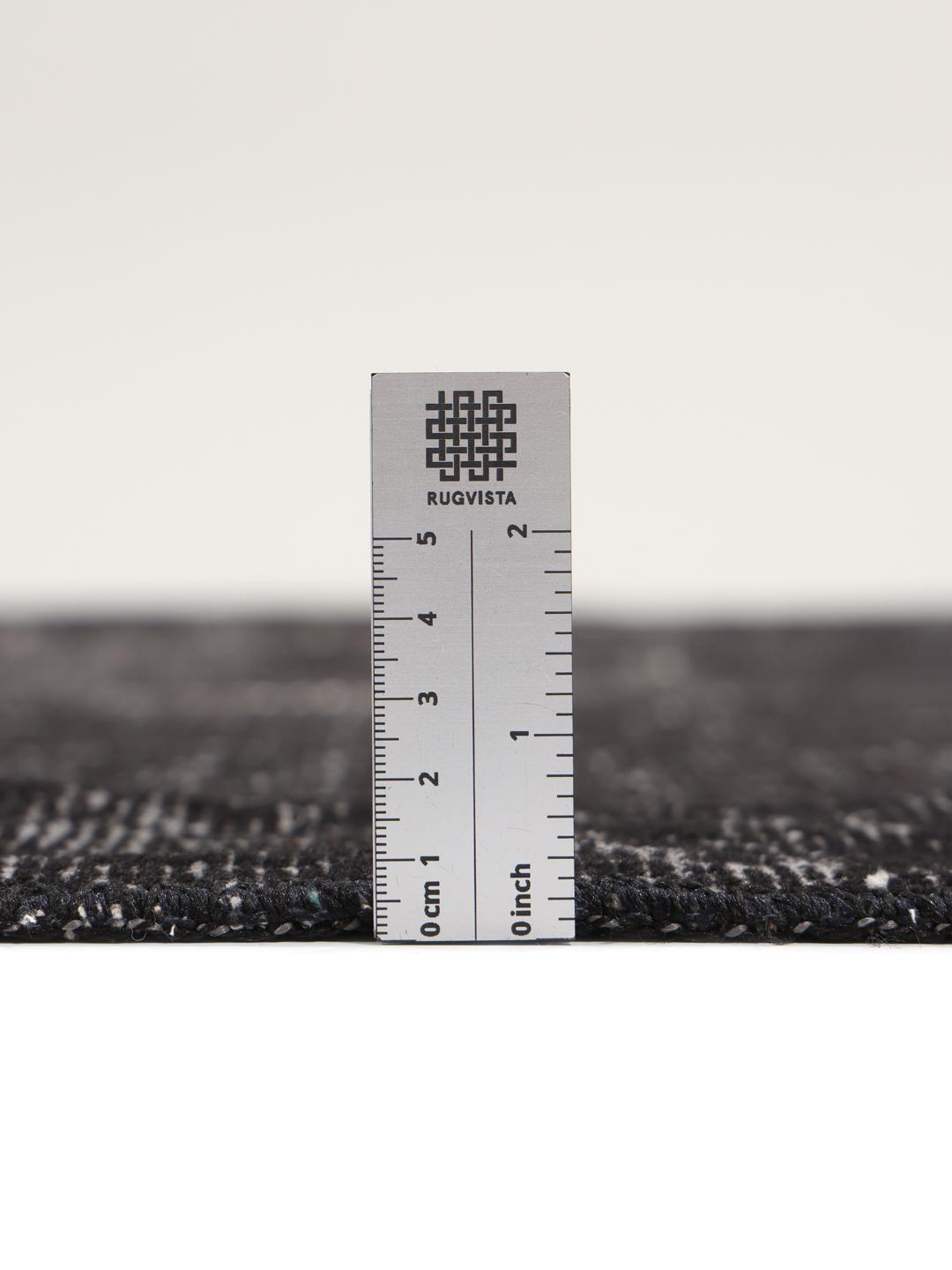
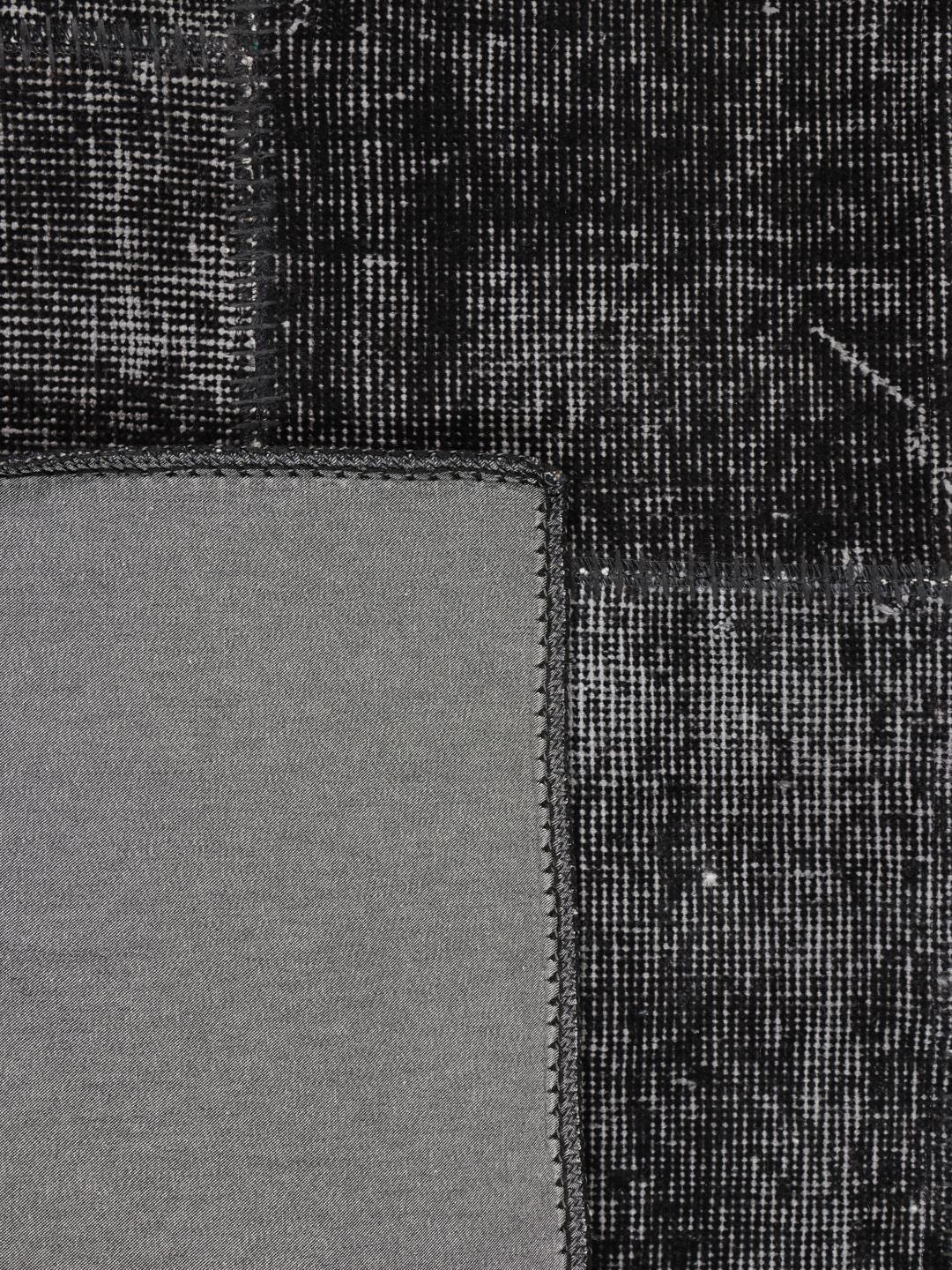
Patchwork rugs represent a fascinating evolution in textile history, particularly within the Middle Eastern and Turkish traditions. This practice emerged as a creative solution for extending the life of hand-knotted rugs that had sustained wear in certain areas but remained beautiful and structurally sound in others. By salvaging these intact sections, artisans could give a new life to classic designs.
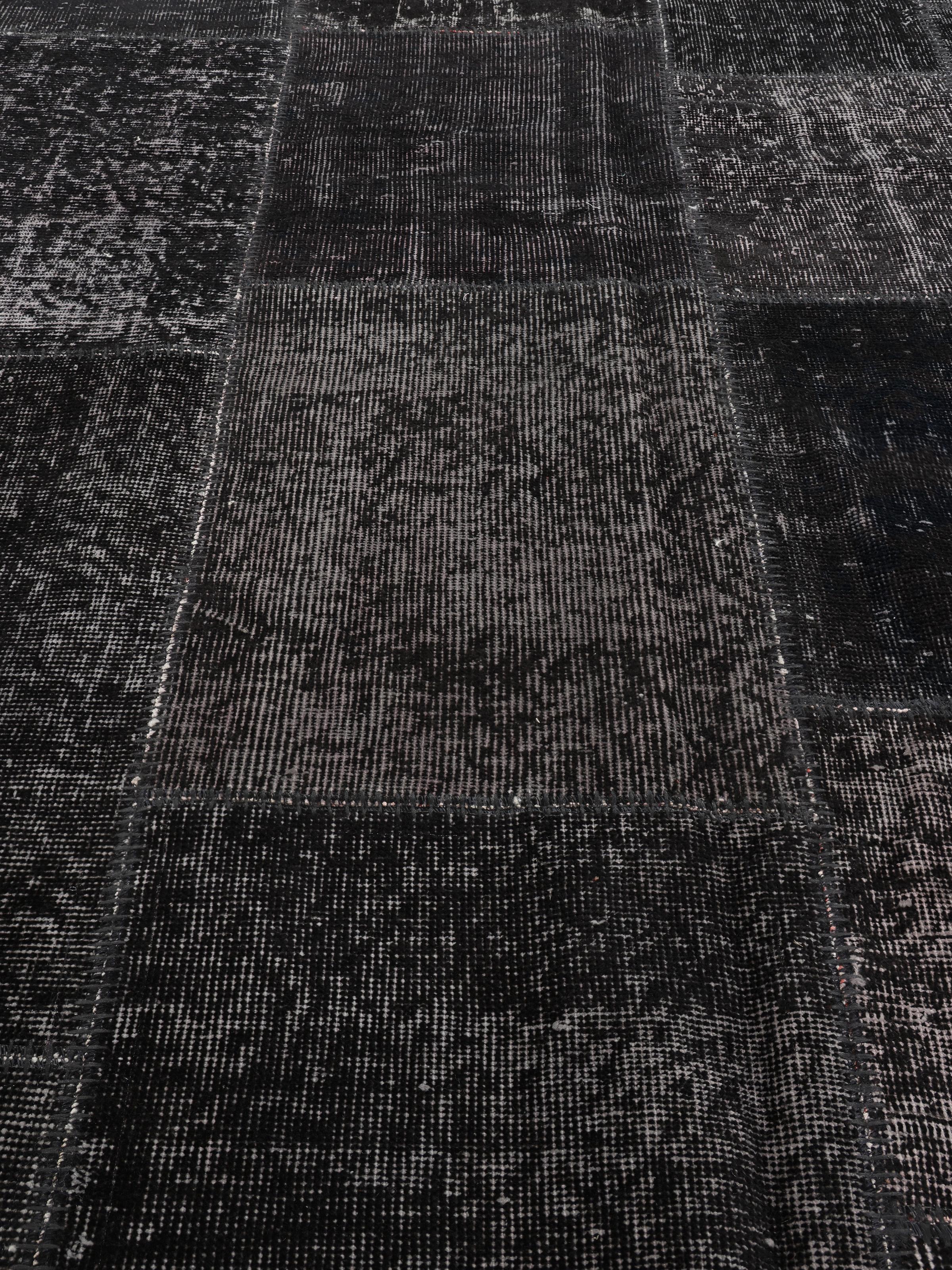
The terminology surrounding these pieces often relates to the 'over-dyeing' process, where the assembled fragments are treated with a uniform colour. This technique unifies disparate patterns into a singular, bold aesthetic, allowing the texture and knotting detail of the original rugs to shine through without the distraction of competing colours. It is a process that respects the artisan's original work while allowing for a new design identity.
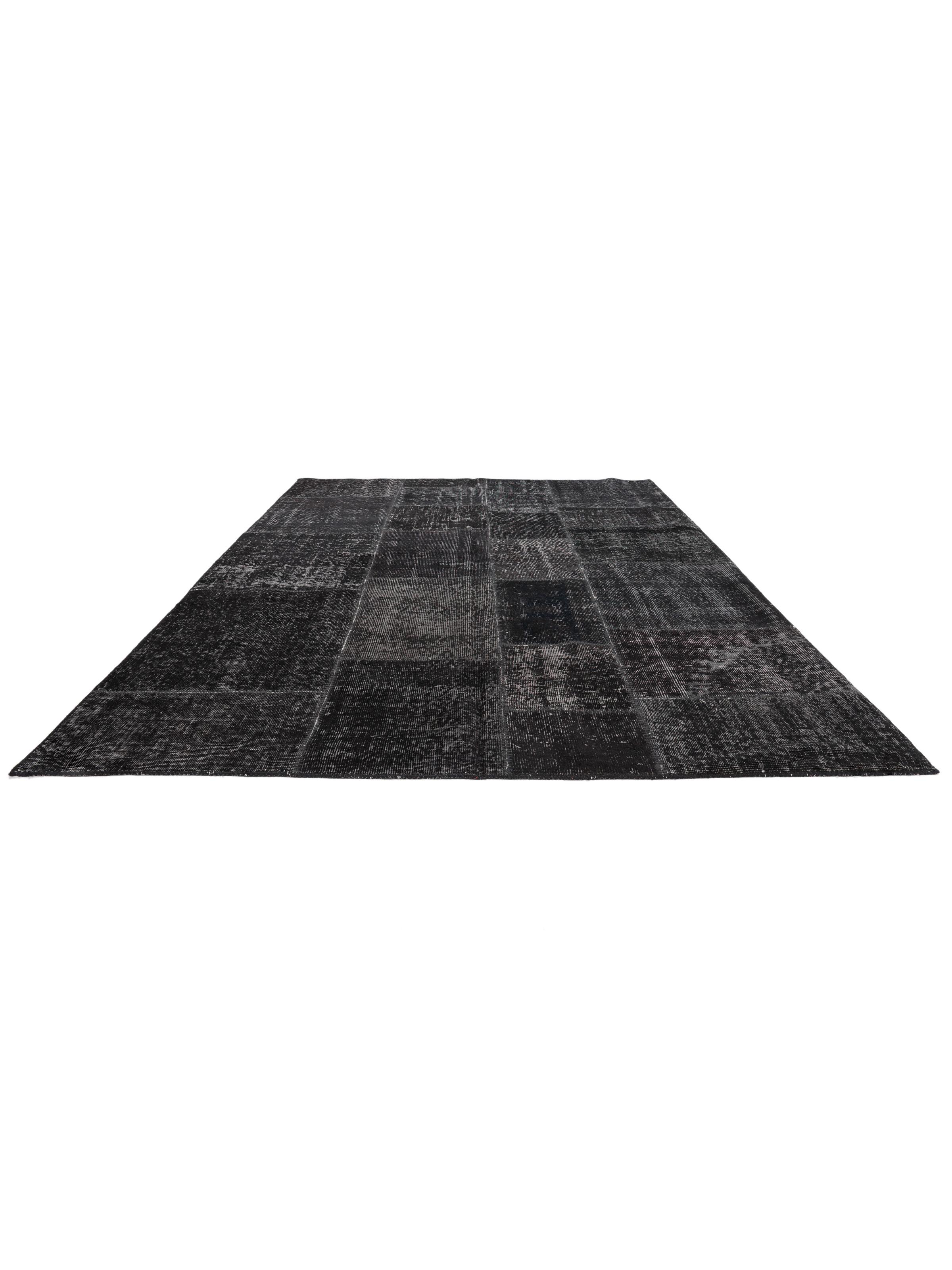
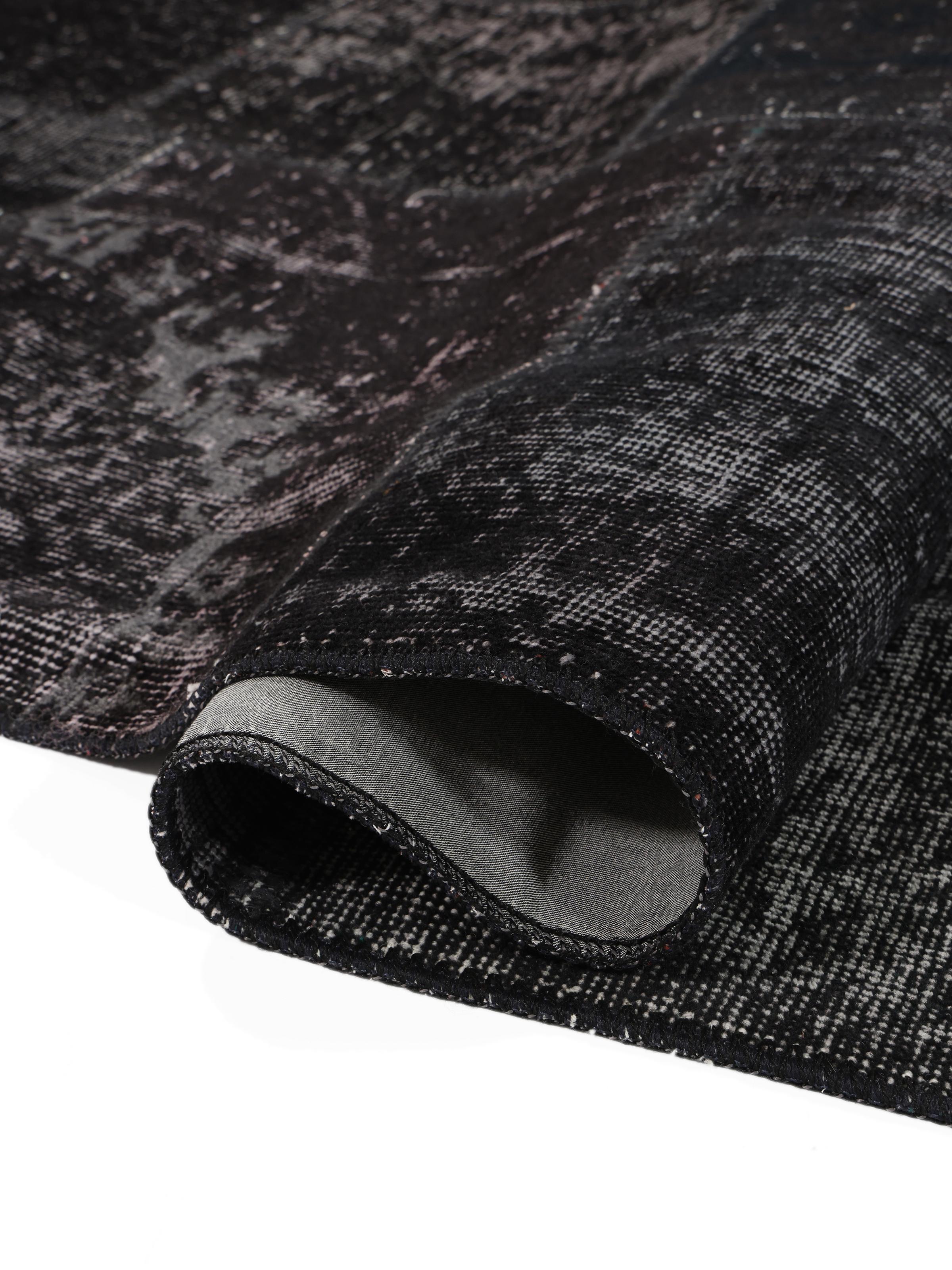
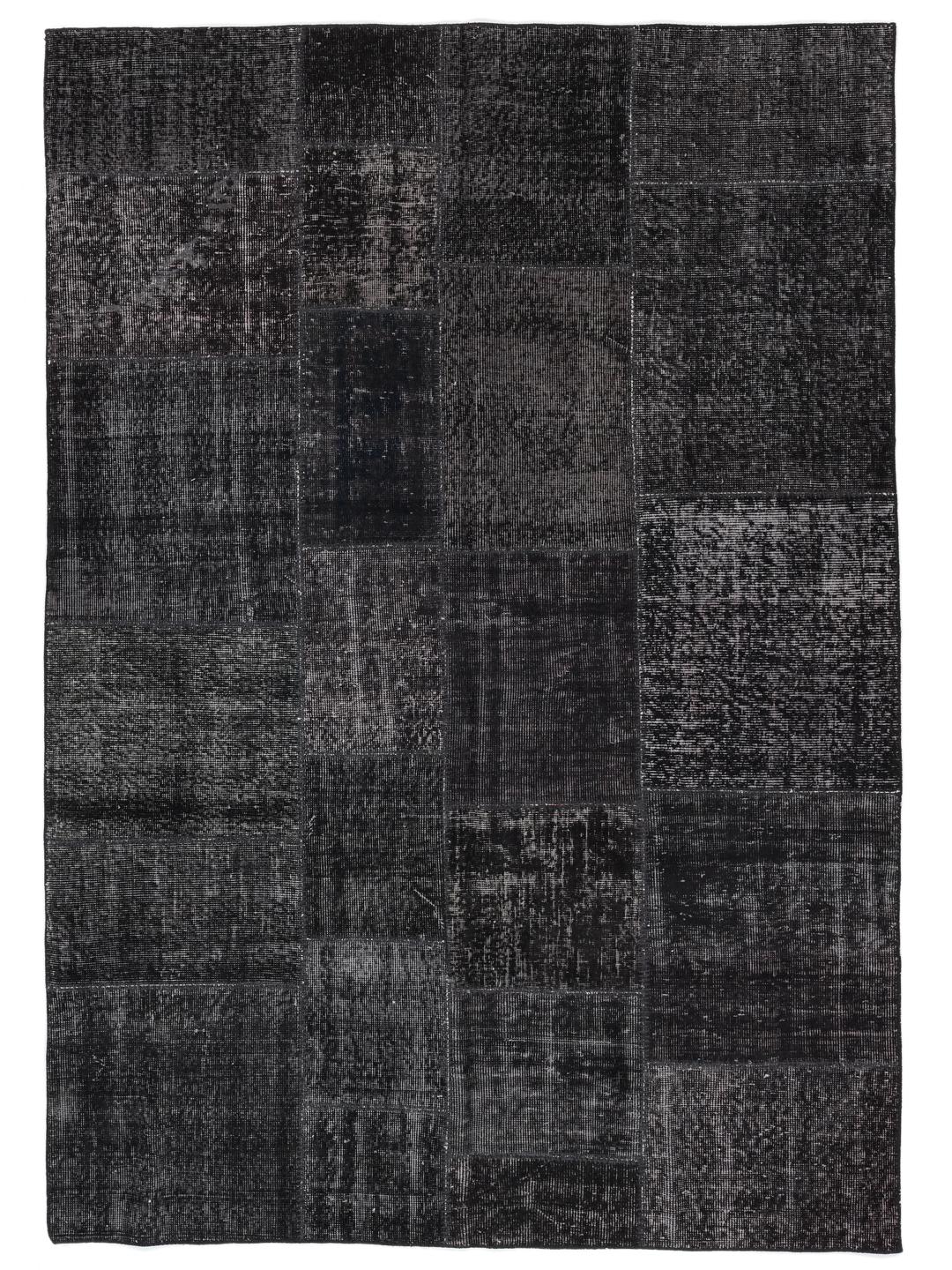
Visually, these rugs are defined by their grid-like composition, which creates a geometric structure out of the varying pile heights and textures of the original pieces. In this version, the focus is entirely on the black palette, which highlights the subtle variations in the Wool's sheen and wear, turning the rug into a complex, minimalist landscape of light and shadow.
Collecting a patchwork rug is an investment in both sustainability and cultural heritage. It celebrates the skill of the original weavers while showcasing a modern approach to home decor. Owning such a piece connects you to a long lineage of textile craft, ensuring that your home is anchored by an item that holds genuine, historical weight.