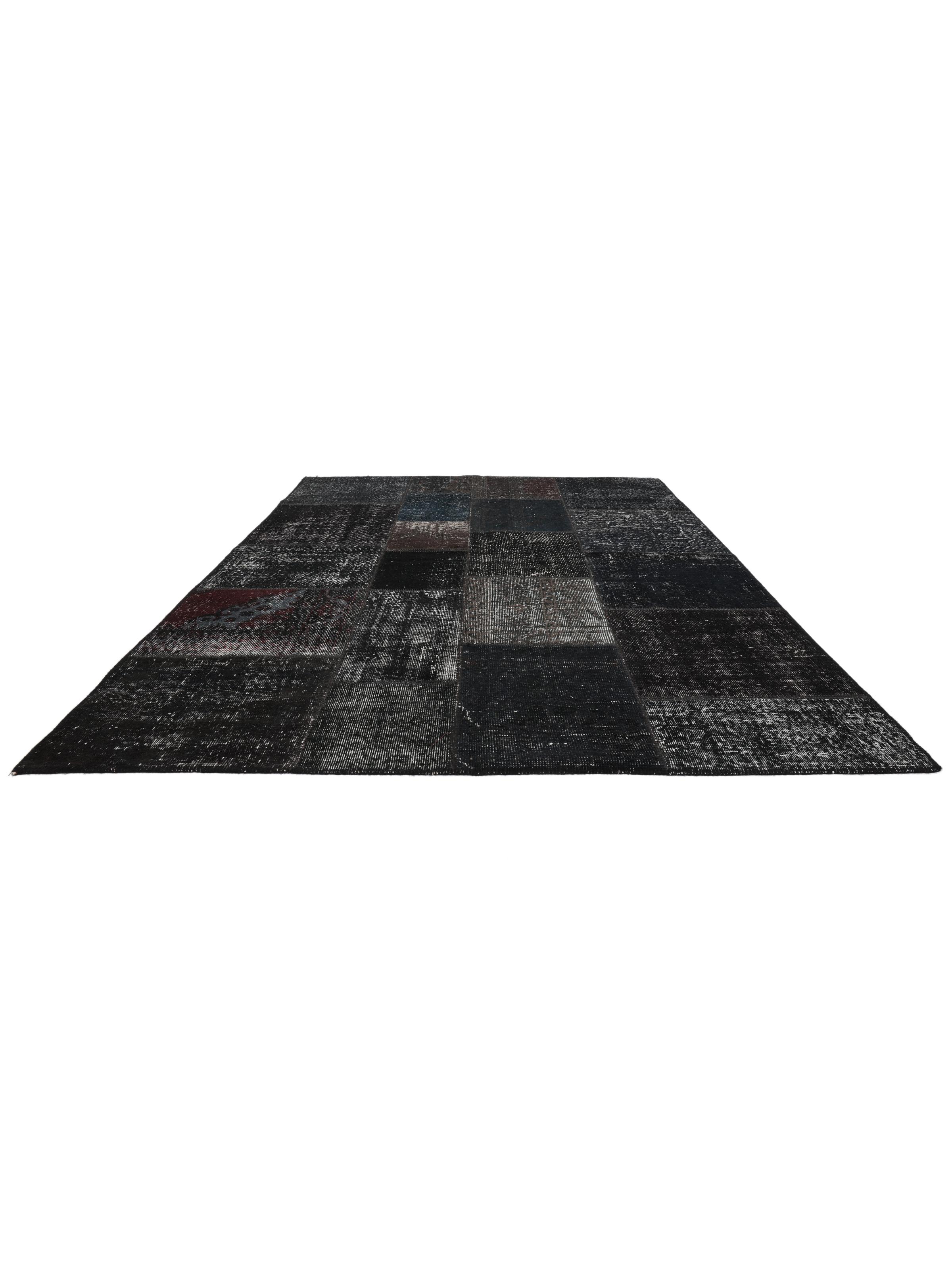
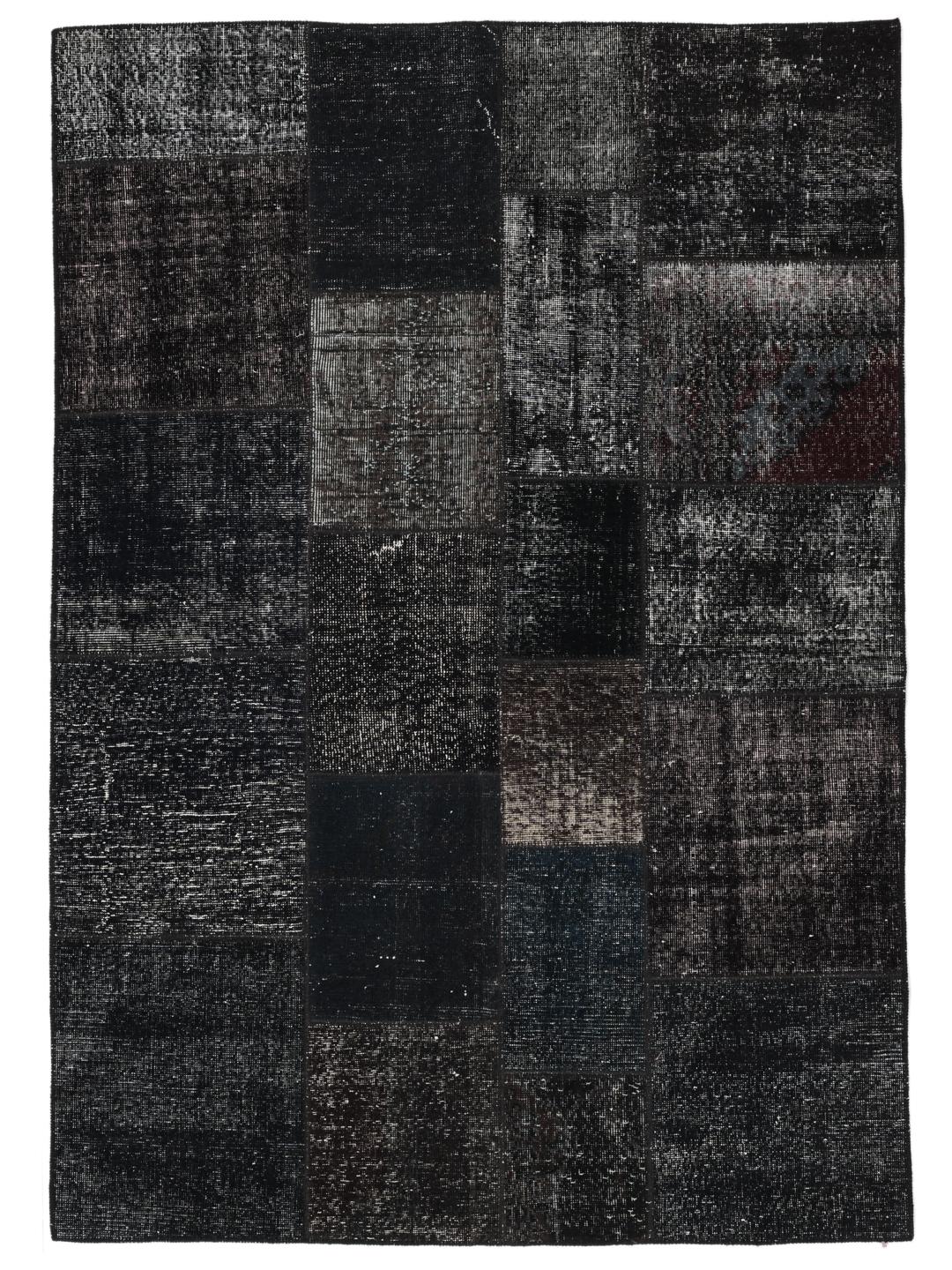
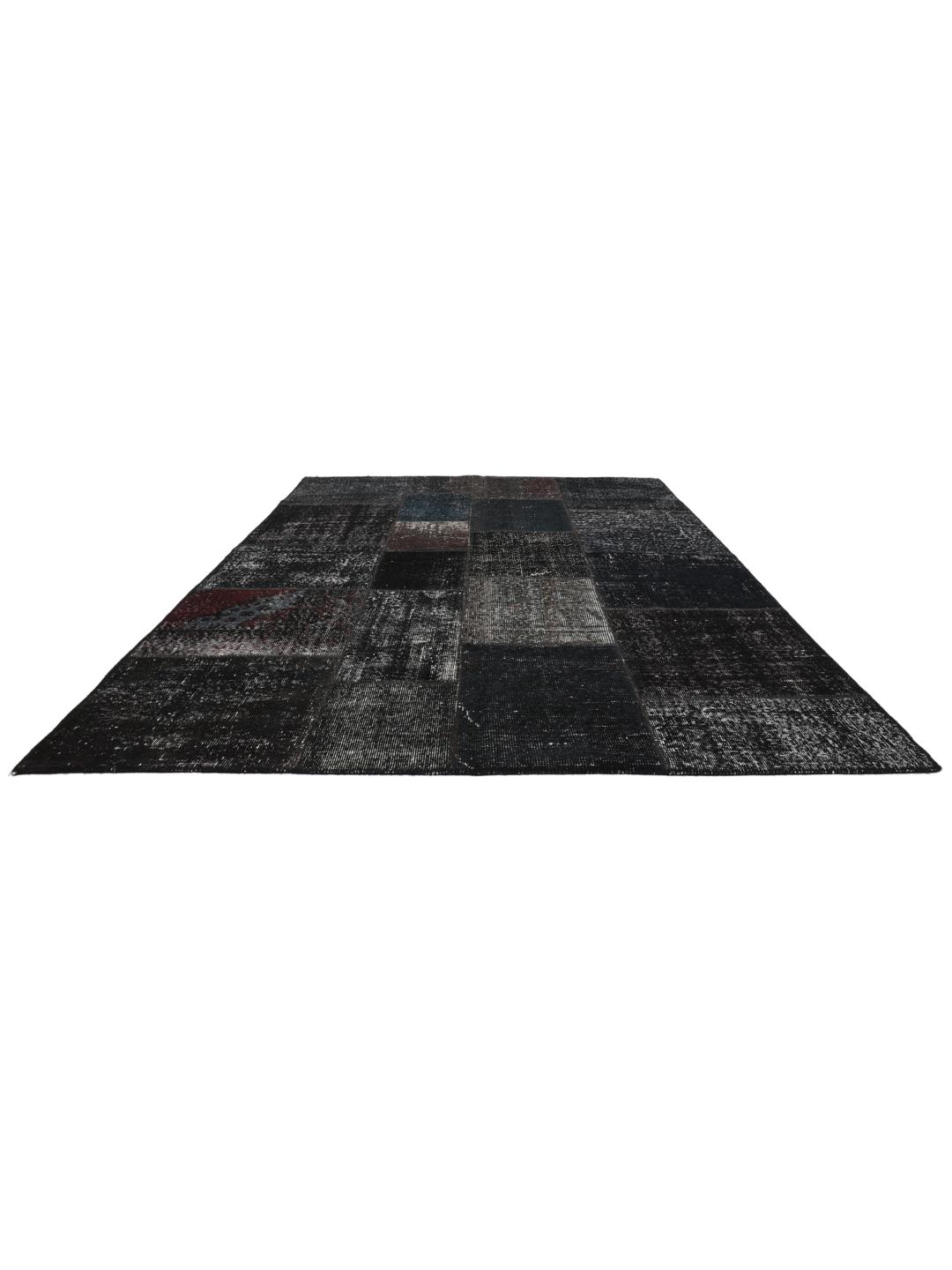
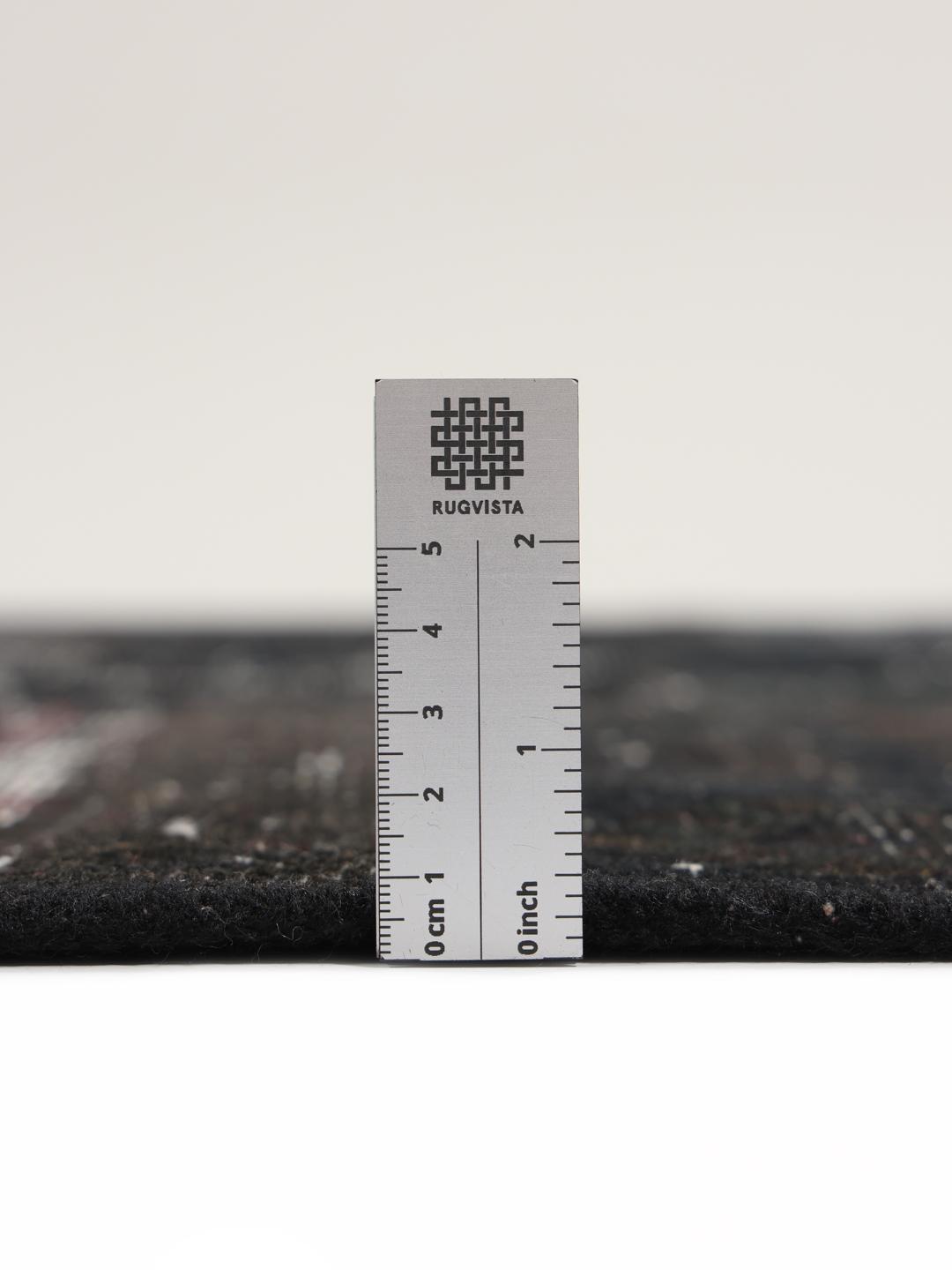
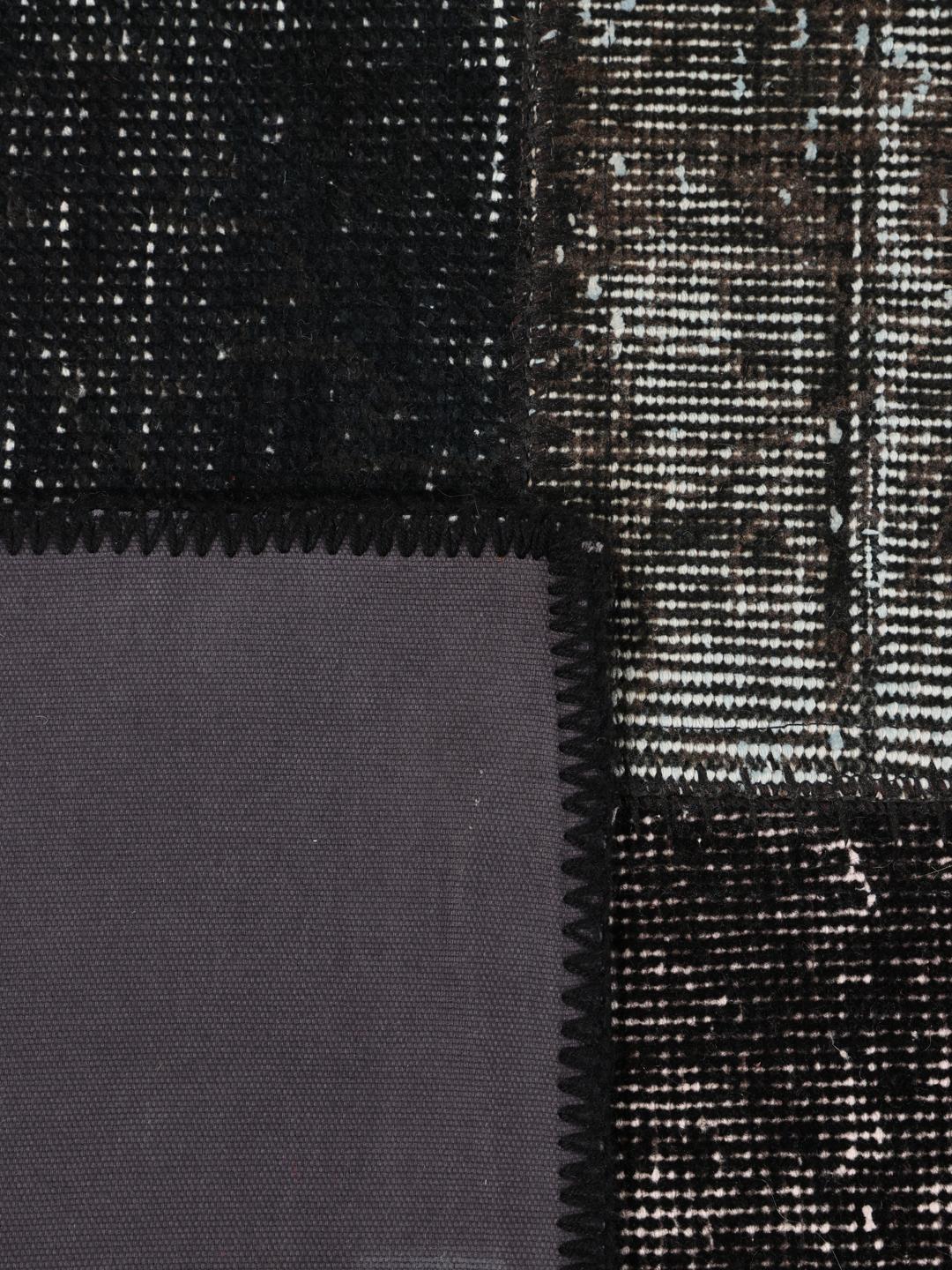
The tradition of patchwork rugs finds its roots in the resourceful textile culture of the Middle East. For generations, artisans have celebrated the inherent value of wool, ensuring that no material goes to waste. By taking fragments from older, worn rugs—often pieces that have served homes for decades—and re-imagining them into new, functional designs, they bridge the gap between the past and the present.
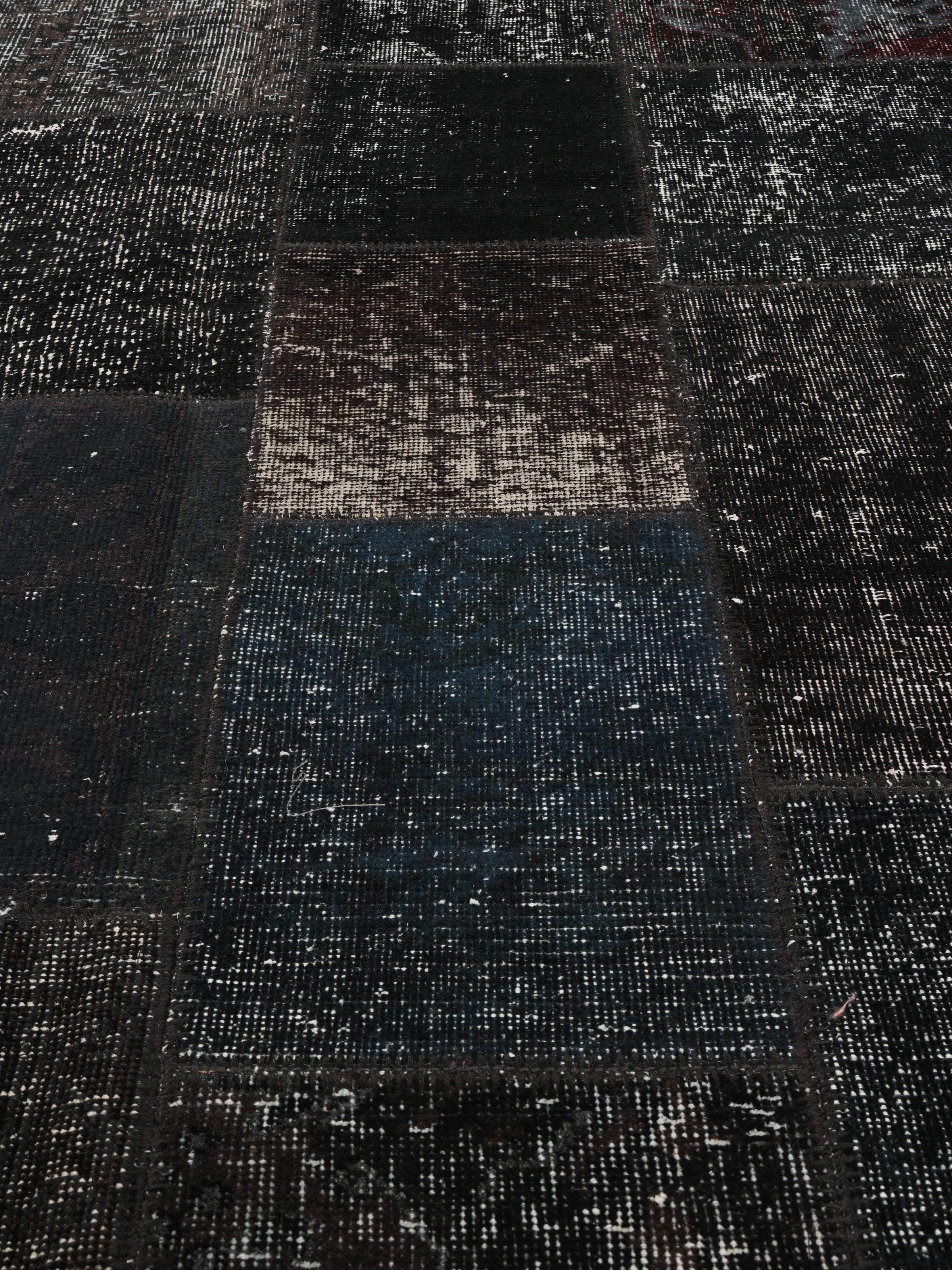
This practice relies on a deep understanding of textile history and colour harmony. Each fragment used in a patchwork piece is chosen for its durability and unique wear patterns, which contribute to the overall texture of the final rug. The process of curating these pieces requires a keen eye for how different weaves and shades interact, ensuring a balanced composition that honours the integrity of the original material.
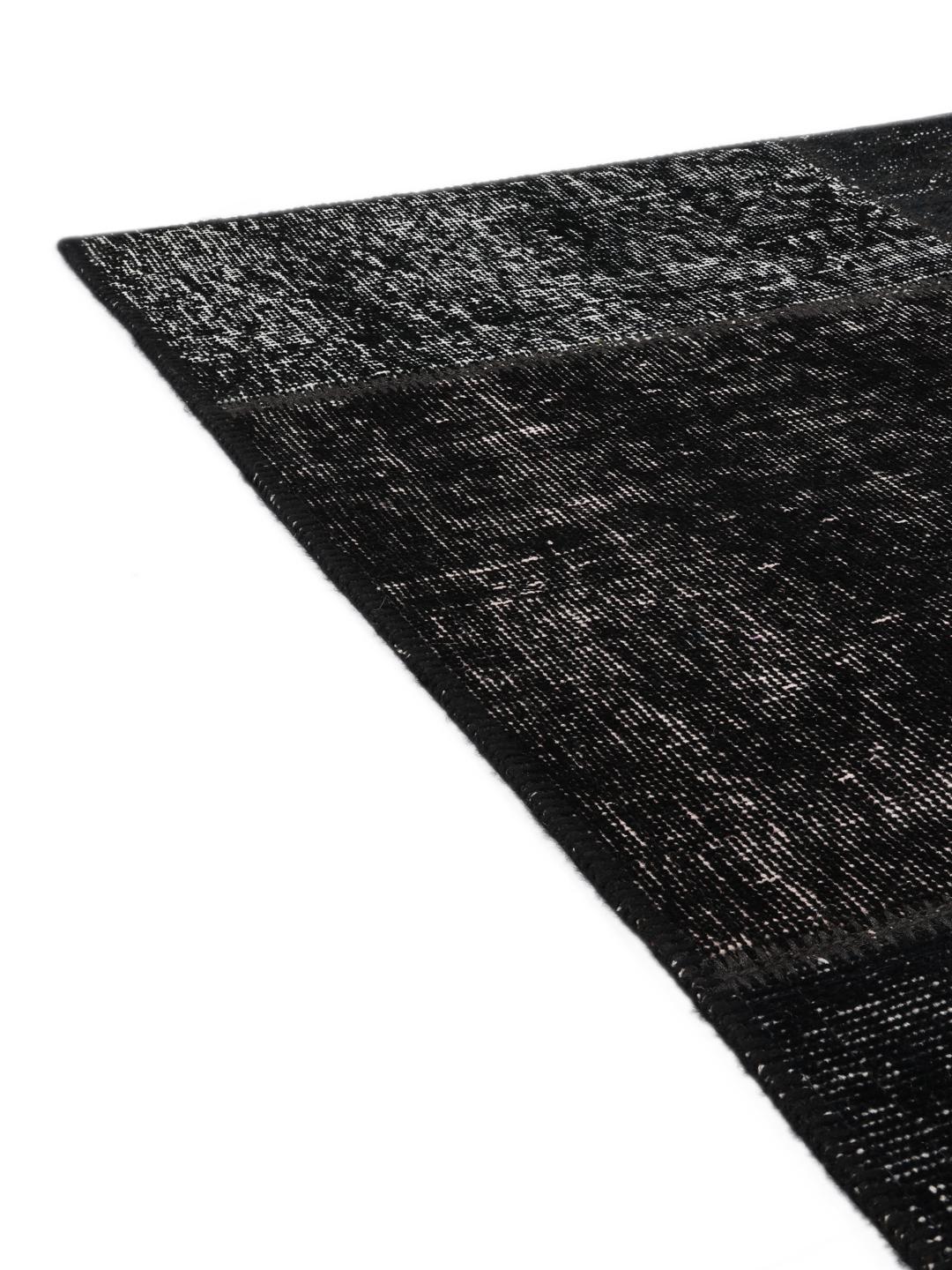
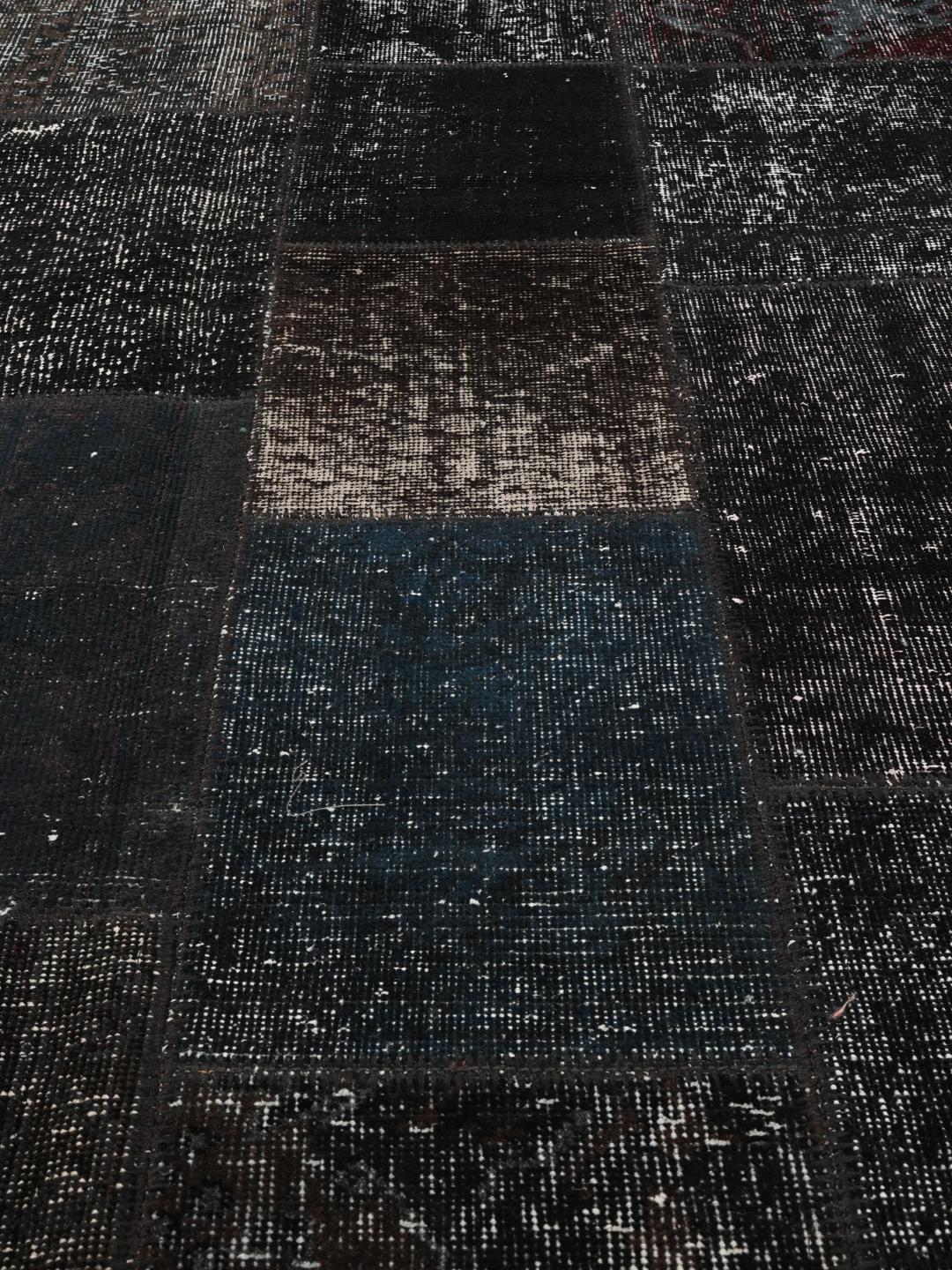
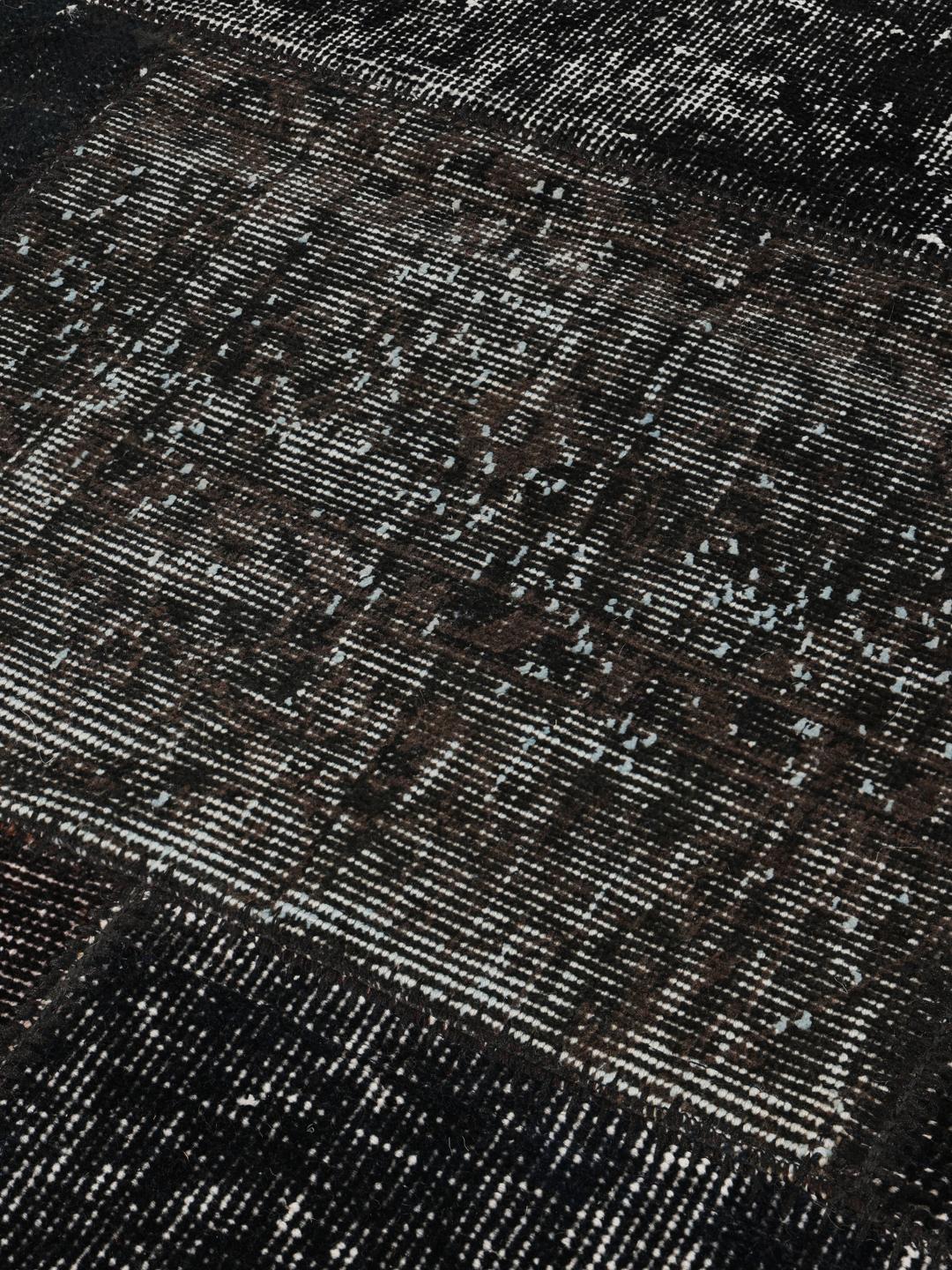
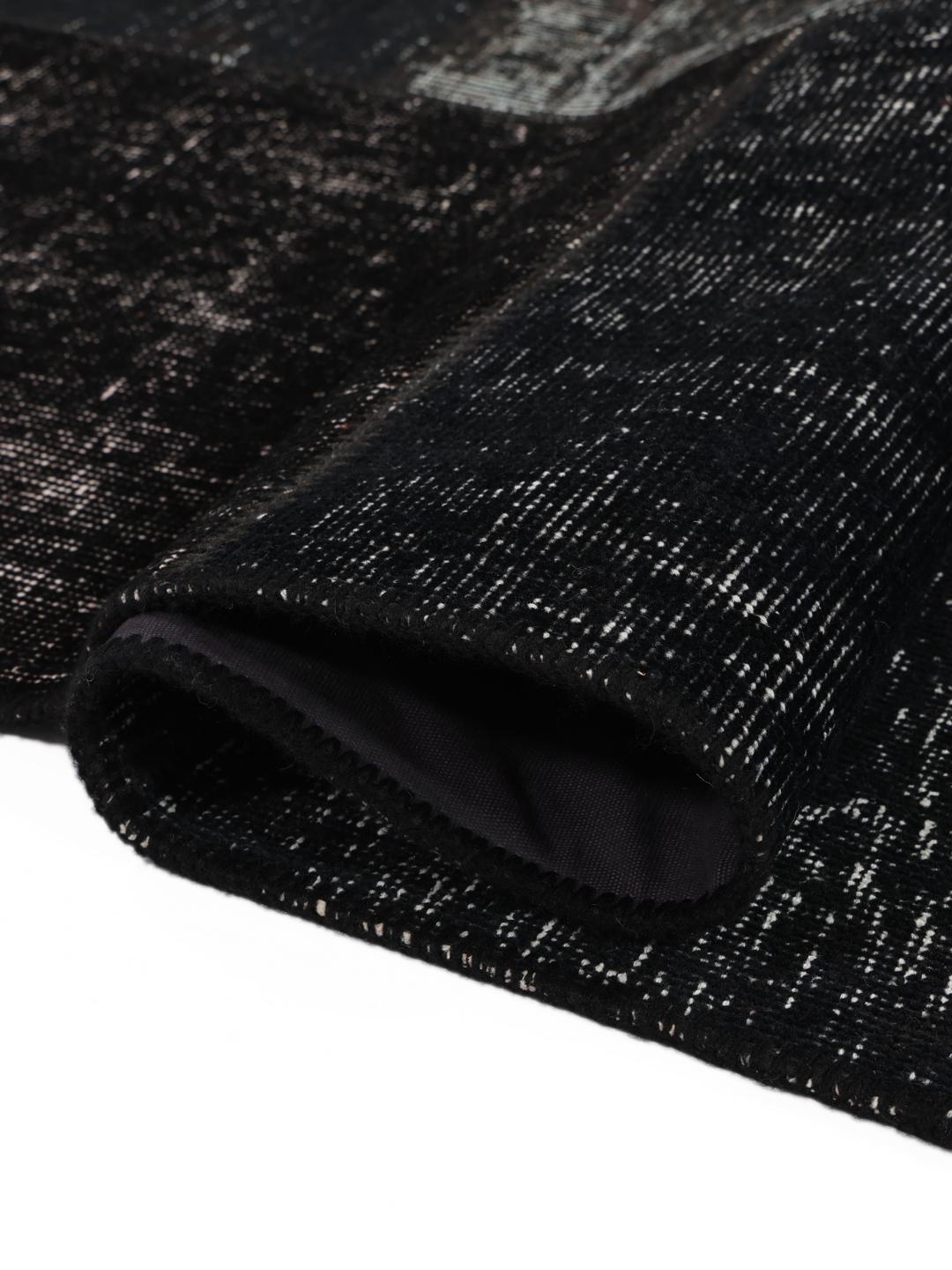
Visually, these rugs are defined by their complex, layered appearance. While traditional rugs might rely on a single, symmetrical motif, the patchwork style embraces a more deconstructed, organic look. The borders and centres of these pieces often feature contrasting textures and faded hues, which come together to create a sophisticated, rhythmic pattern that feels both modern and deeply connected to traditional craft.
Collecting a patchwork rug is an investment in both sustainability and cultural heritage. It represents a commitment to preserving the skill of local artisans while bringing a piece of history into a contemporary home. Owning one of these rugs means becoming a steward of these textile stories, appreciating the human effort and time that went into giving these materials a beautiful second life.