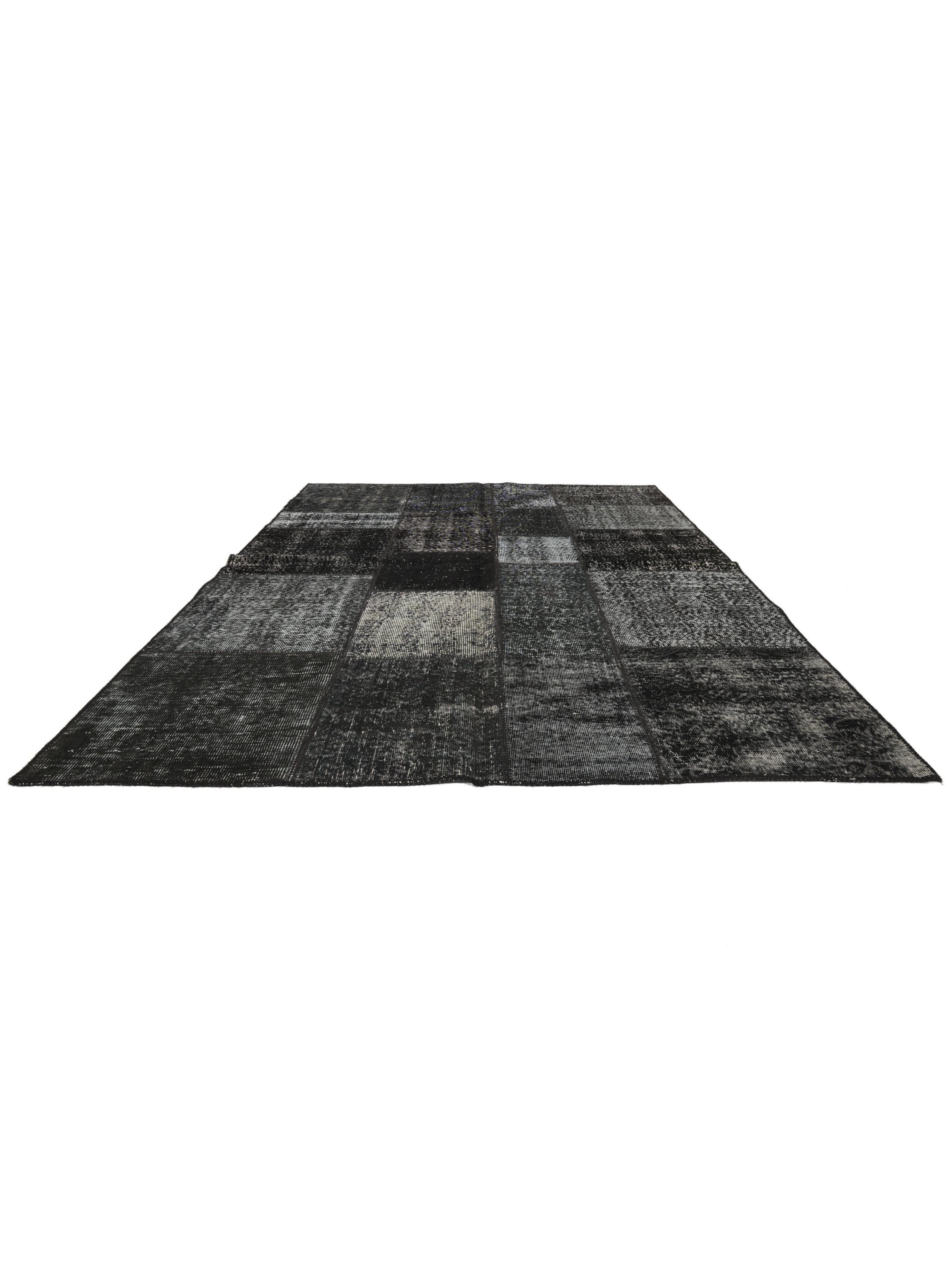
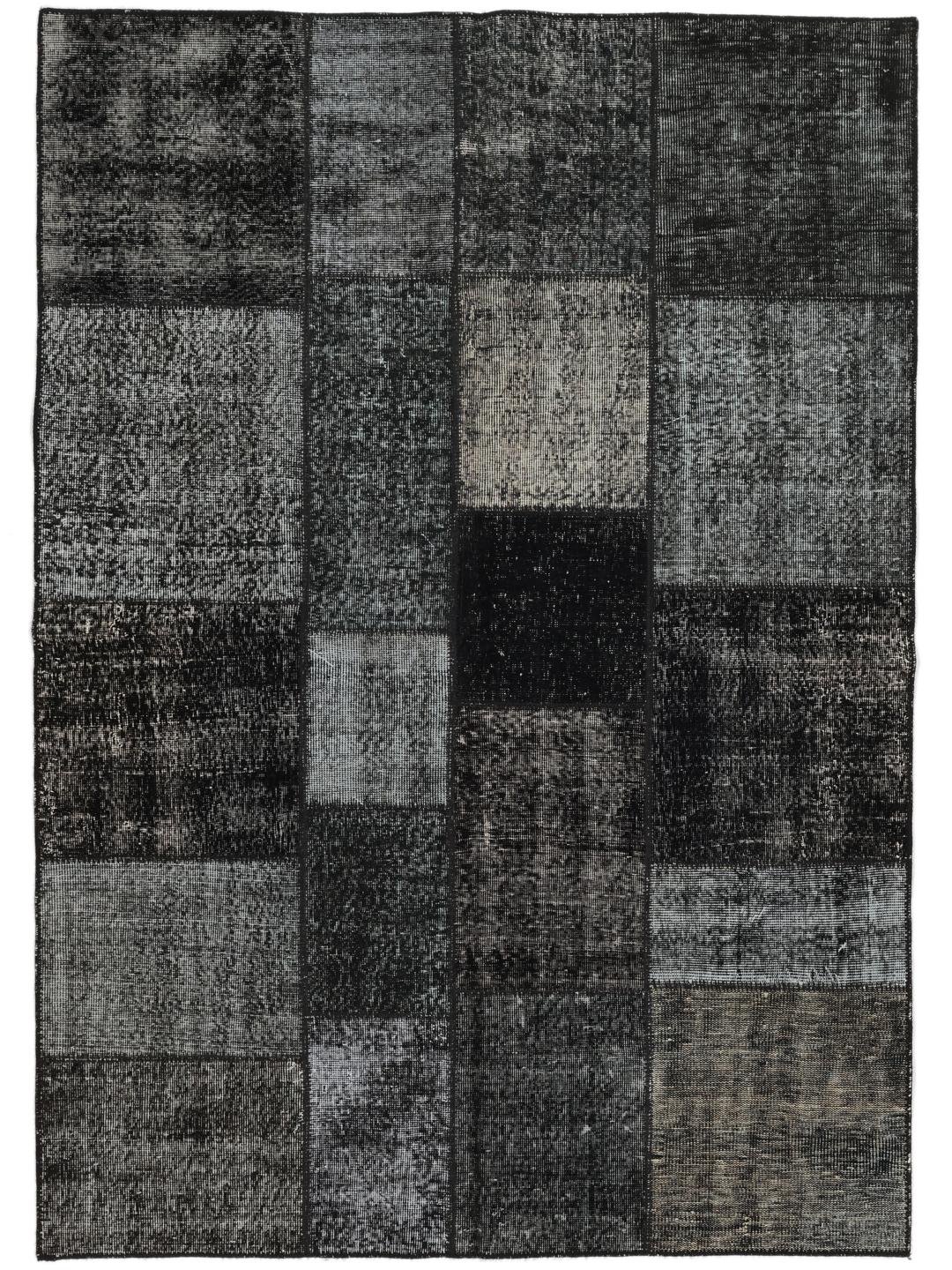
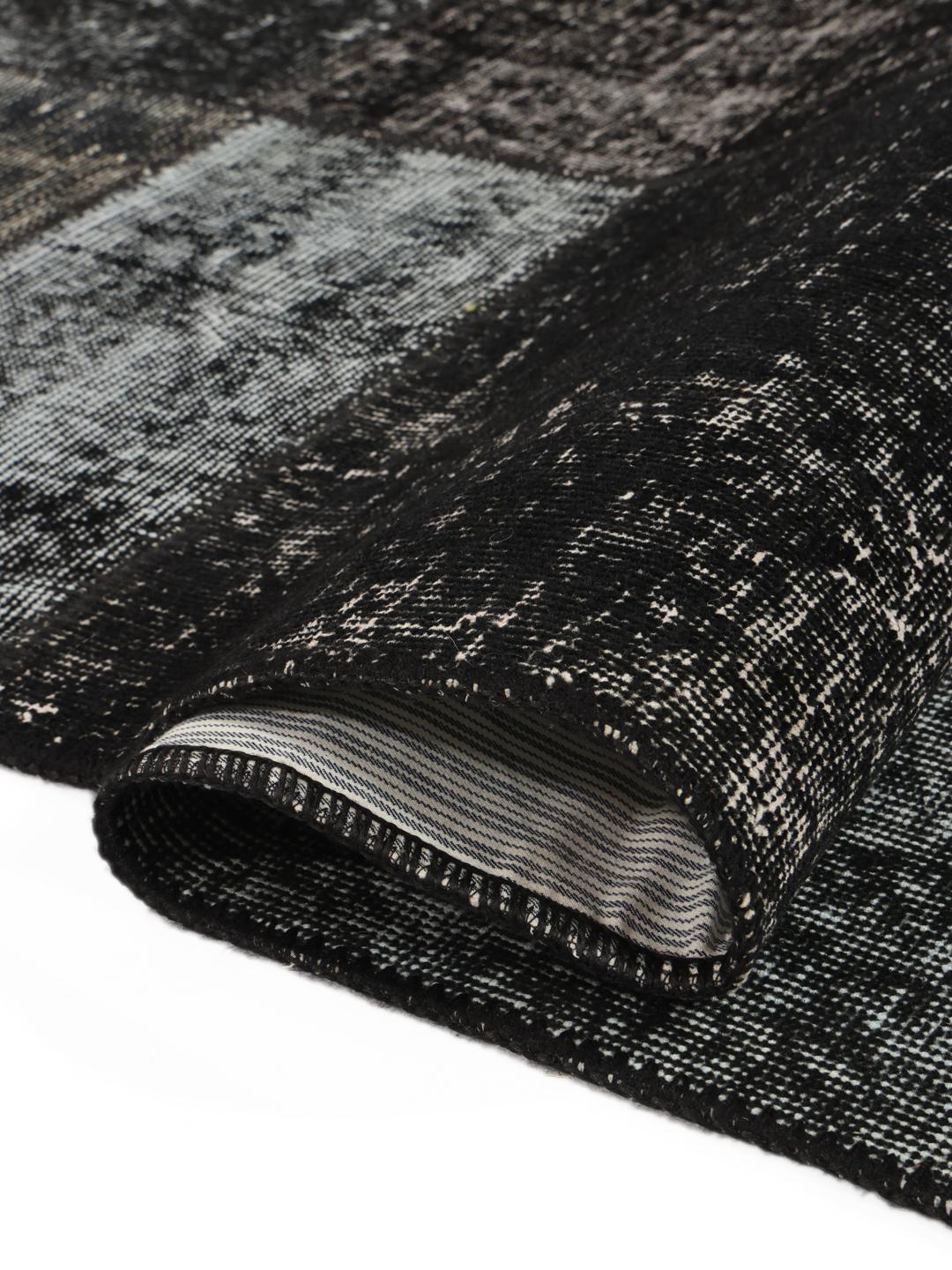
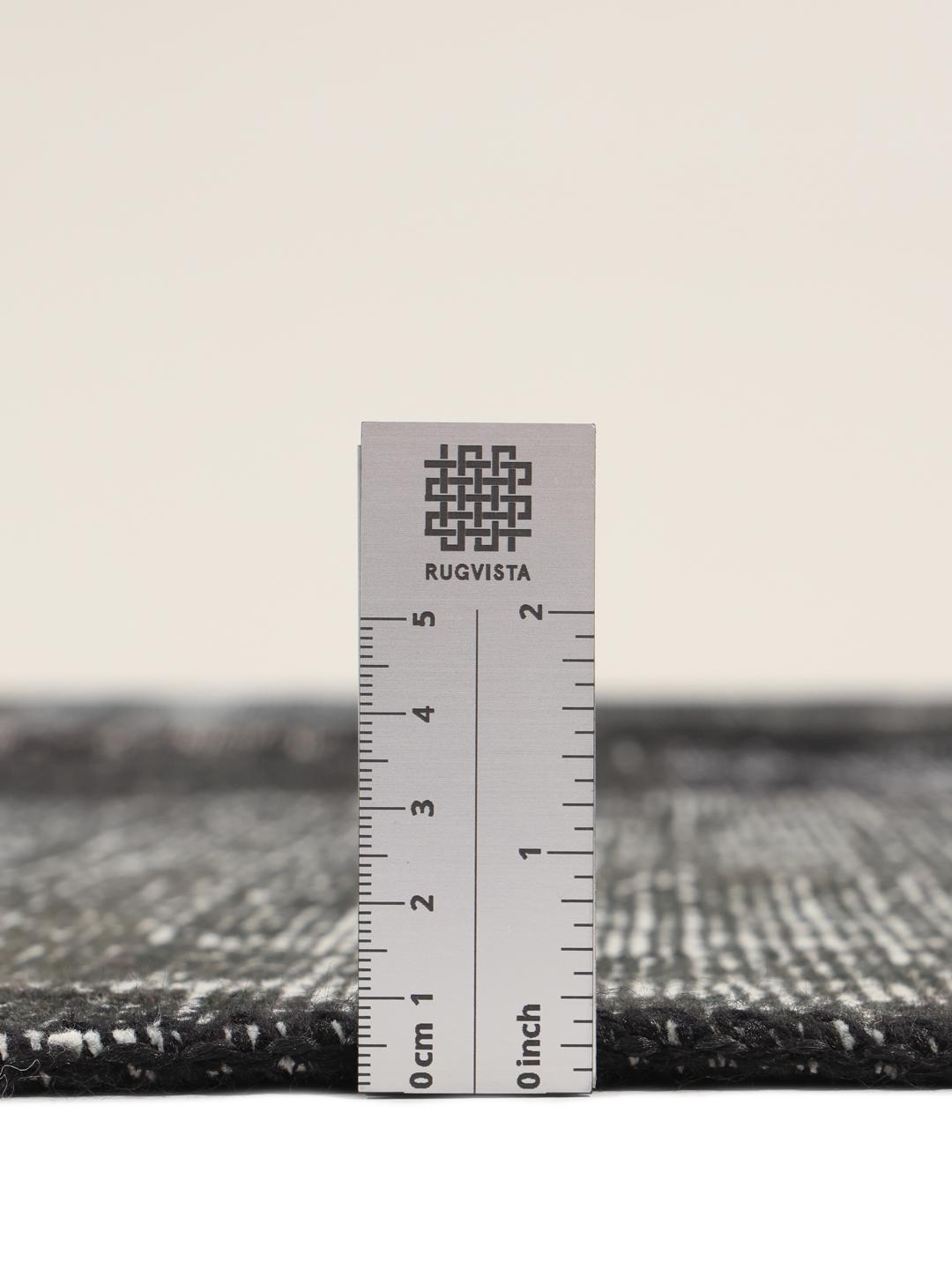
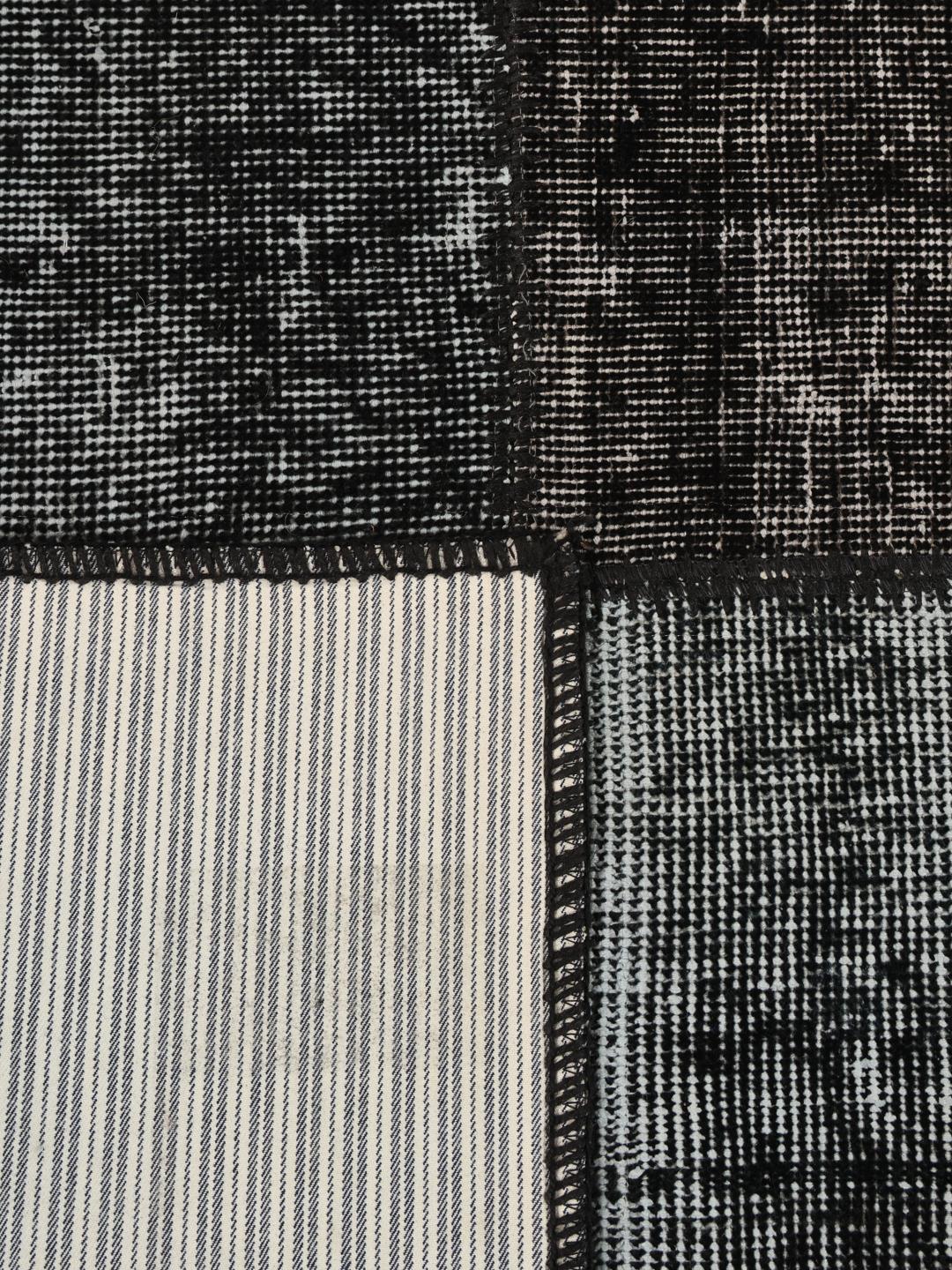
Patchwork rugs represent a fascinating evolution in the history of textile art, particularly within the rich weaving traditions of Turkey. Historically, these pieces were born from a culture of sustainability and resourcefulness, where fragments of older, worn-out rugs were salvaged and repurposed. Rather than discarding these remnants, artisans recognised their potential to be transformed into new, functional items, effectively preserving the artistry of the past while creating something entirely new.
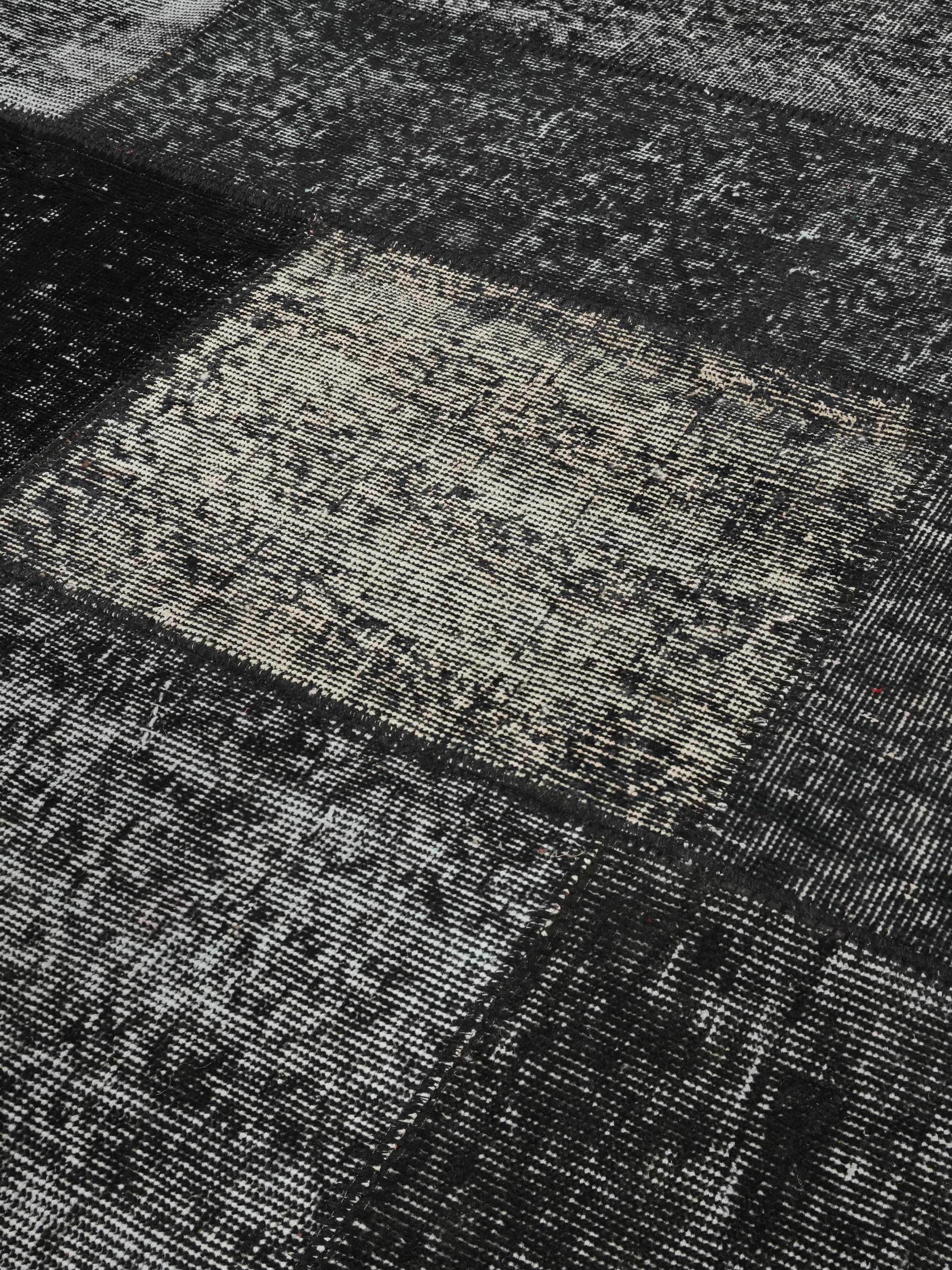
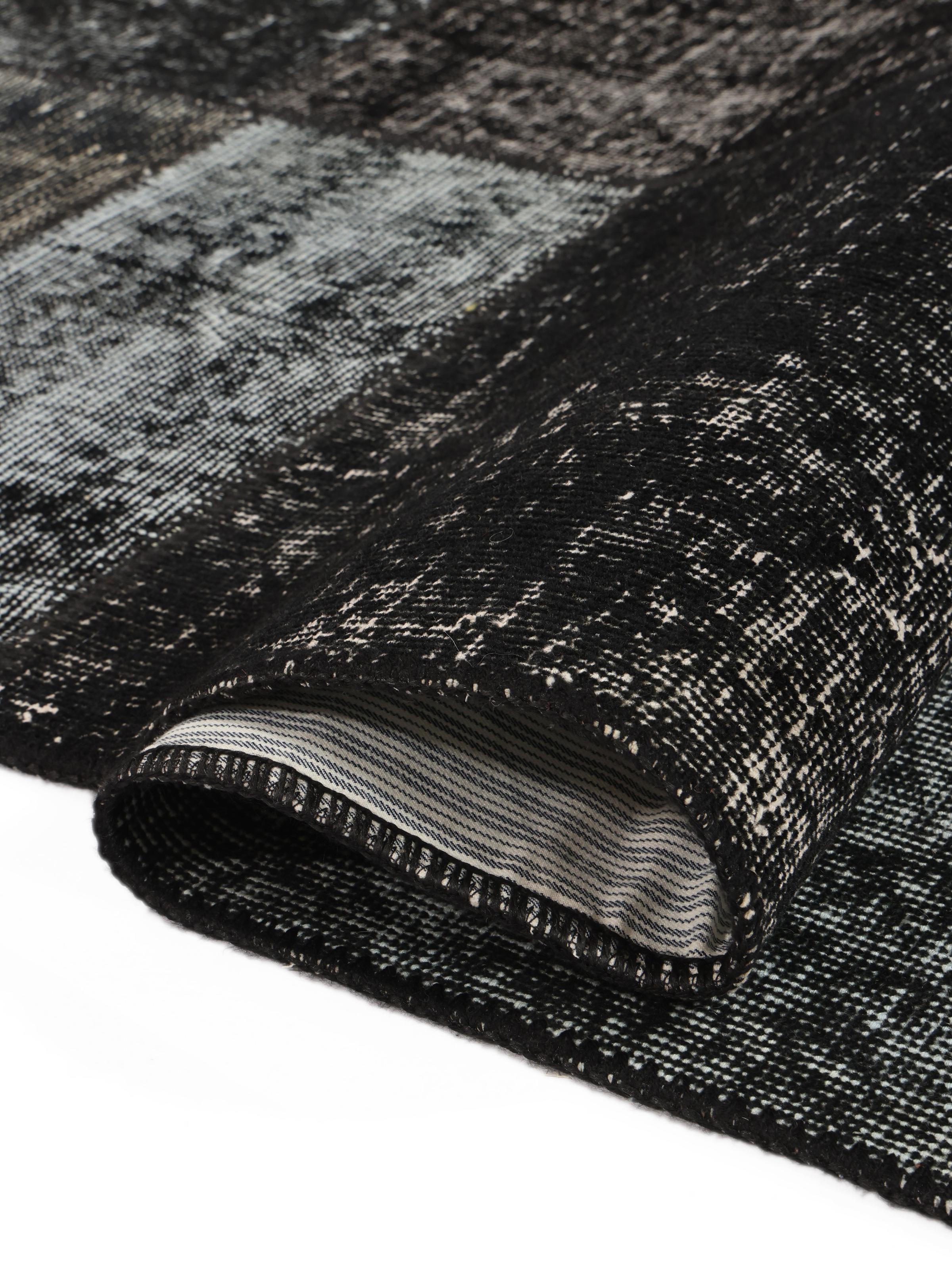
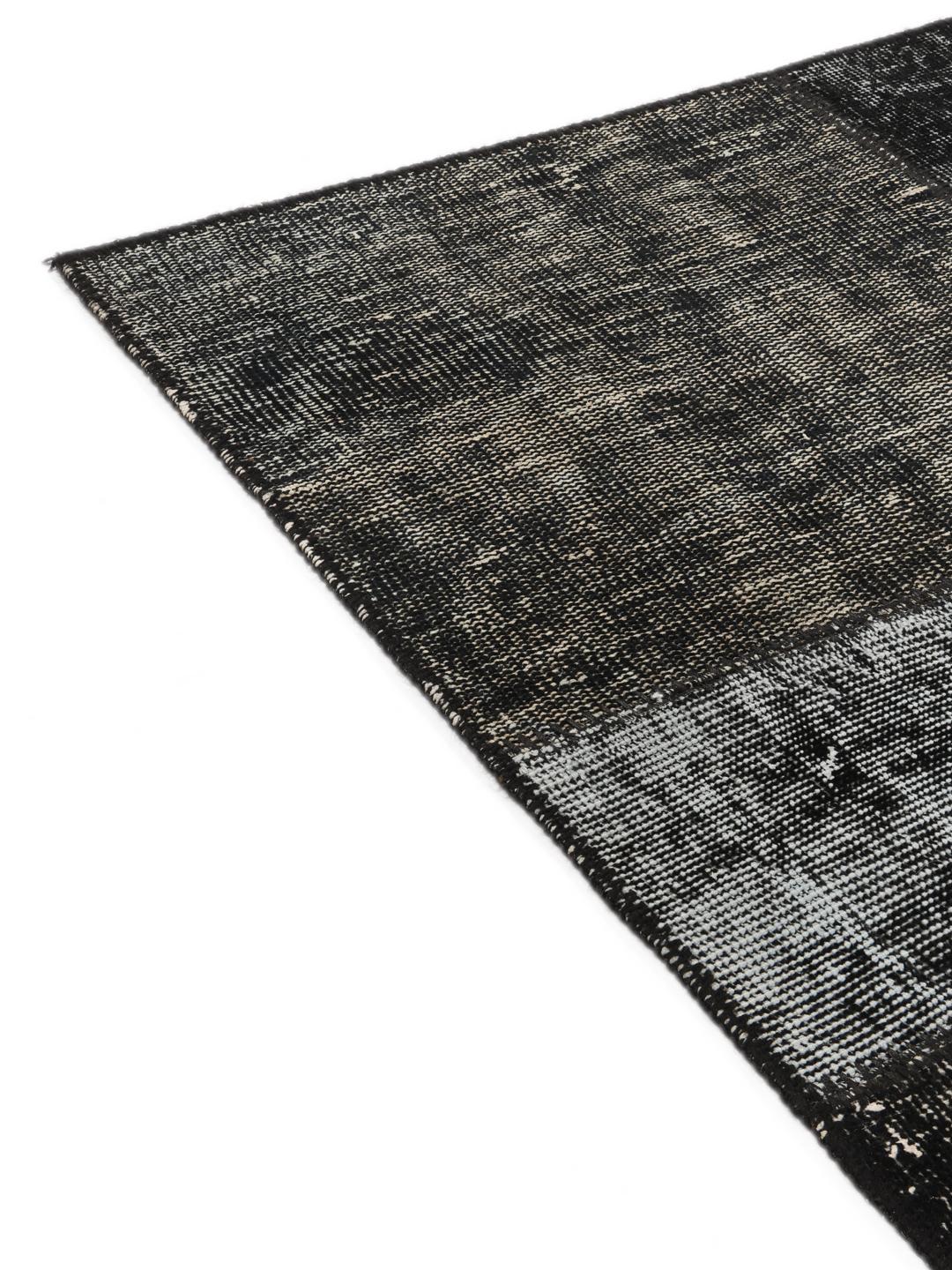
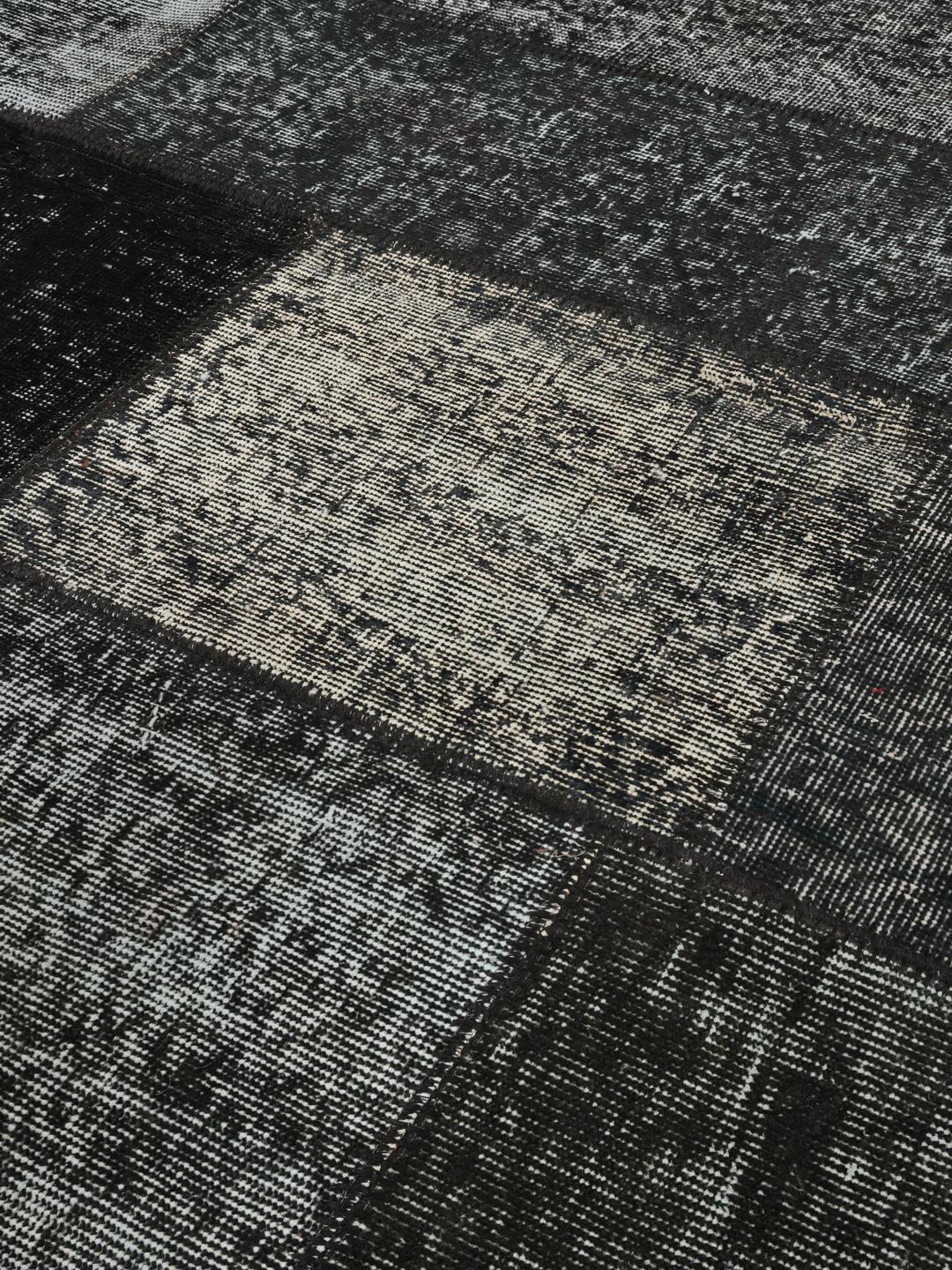
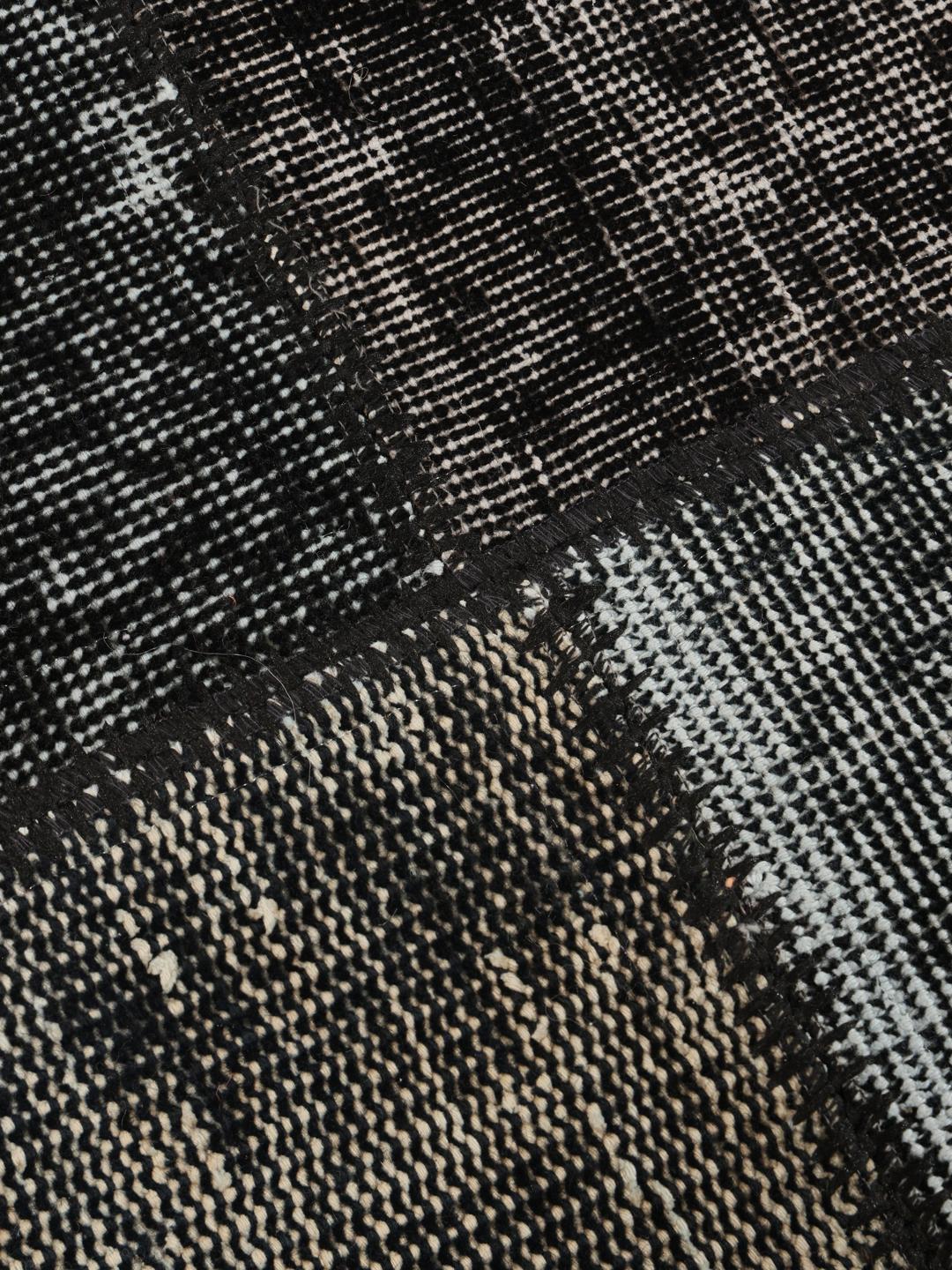
The craft of patchwork requires an expert understanding of textile construction and design. Artisans must carefully assess the pile, weave, and condition of each fragment to ensure they are compatible before joining them. This technical process involves securing the edges and reinforcing the foundation to create a rug that is as sturdy as a single-weave piece. It is a testament to the skill of the makers who can turn diverse materials into a seamless whole.
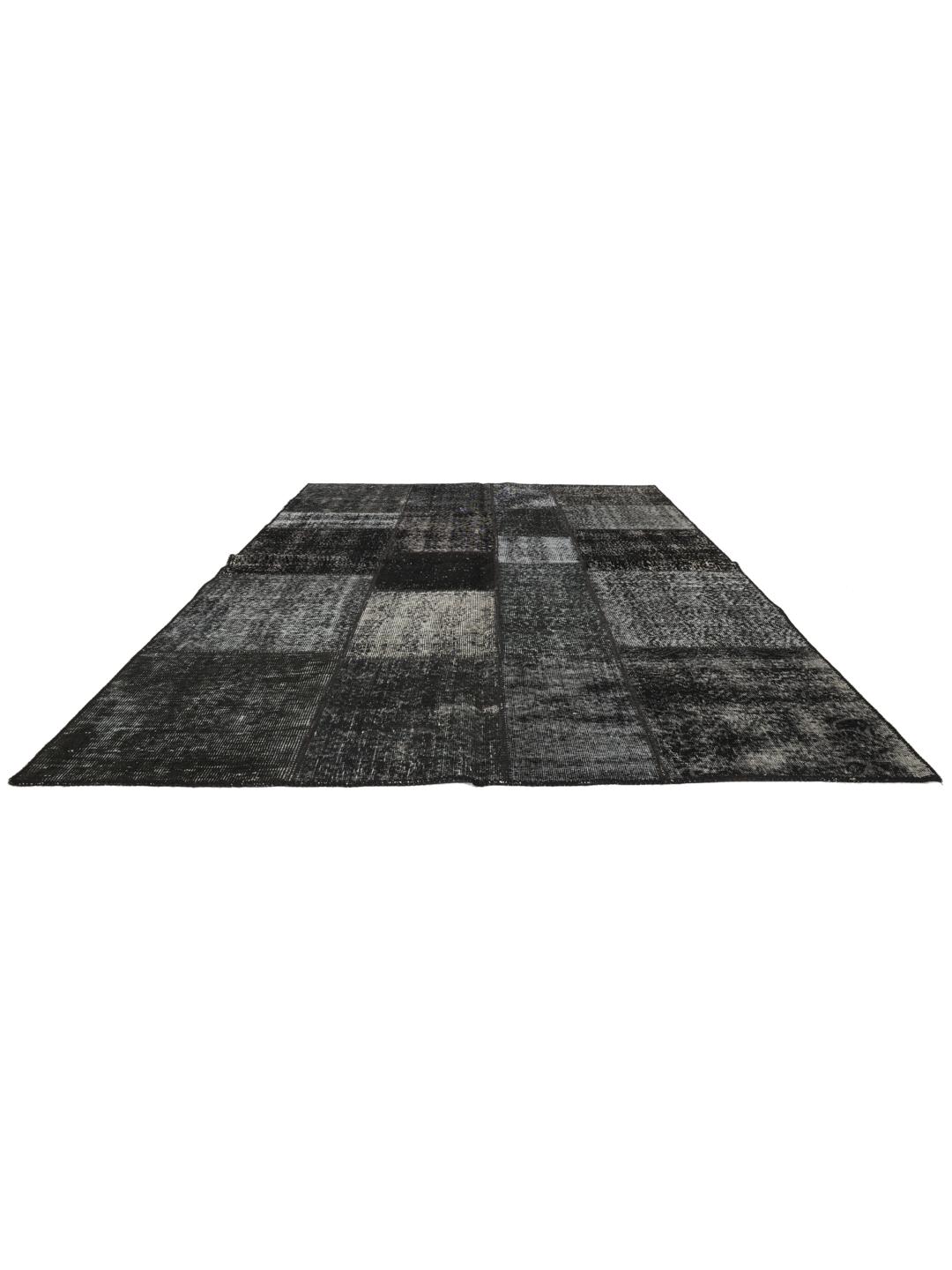
Visually, these rugs are defined by their dynamic compositions, often featuring a blend of geometric patterns or solid colour fields that vary slightly in tone and texture. While traditional Turkish rugs are famous for their intricate floral or medallion motifs, the patchwork style embraces a more contemporary aesthetic, often highlighting the beauty of asymmetry and the charm of aged materials. This rug features a sophisticated, moody palette that emphasises its modern, minimalist appeal.
Owning a patchwork rug is an act of supporting a legacy of creative adaptation and cultural heritage. These pieces are highly valued by collectors and interior designers alike for their ability to bridge the gap between historical craft and modern interior design. By integrating a piece with such depth and history into your home, you are not just choosing a floor covering, but a narrative of craftsmanship that celebrates the enduring value of well-made textiles.