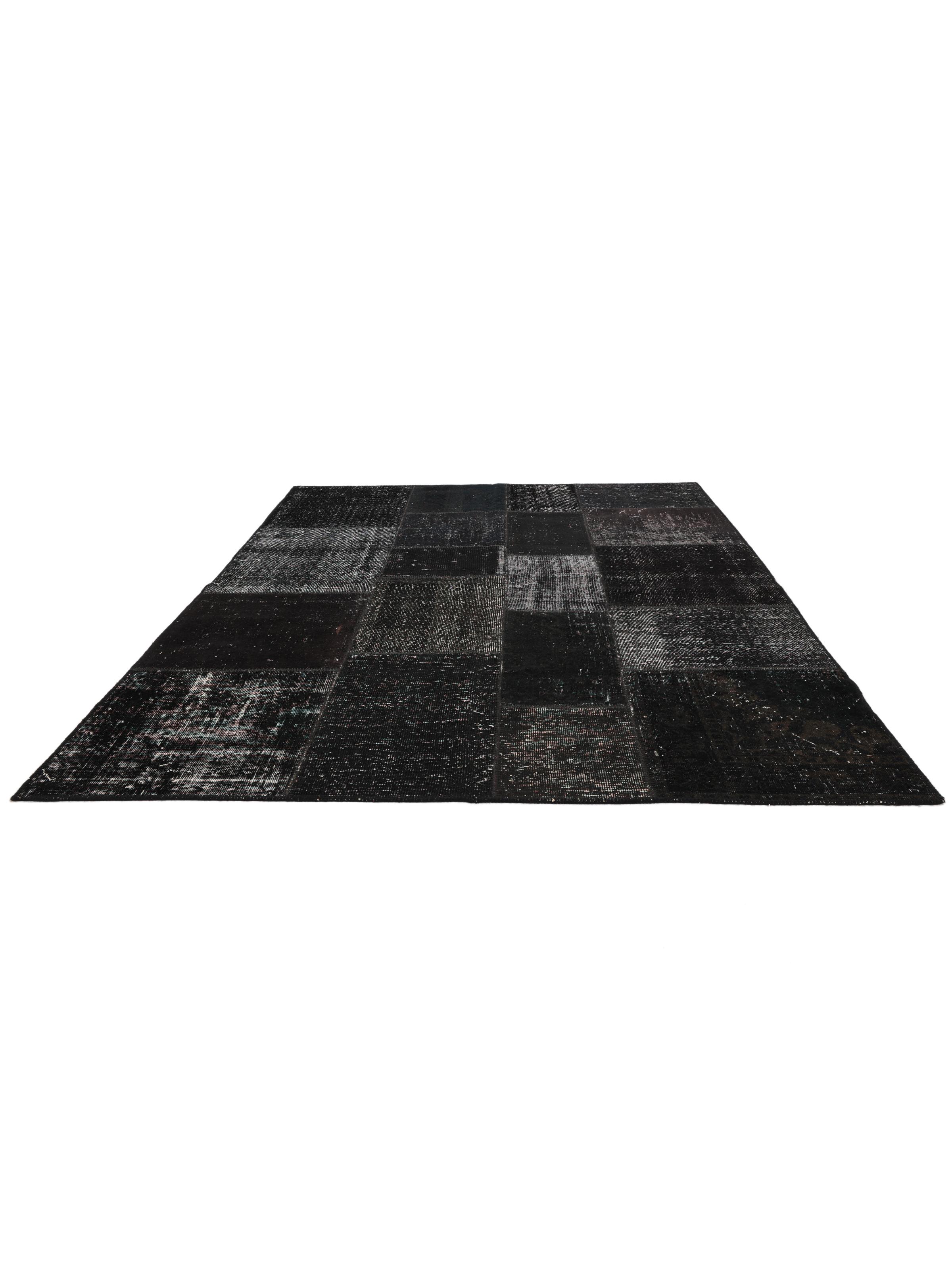
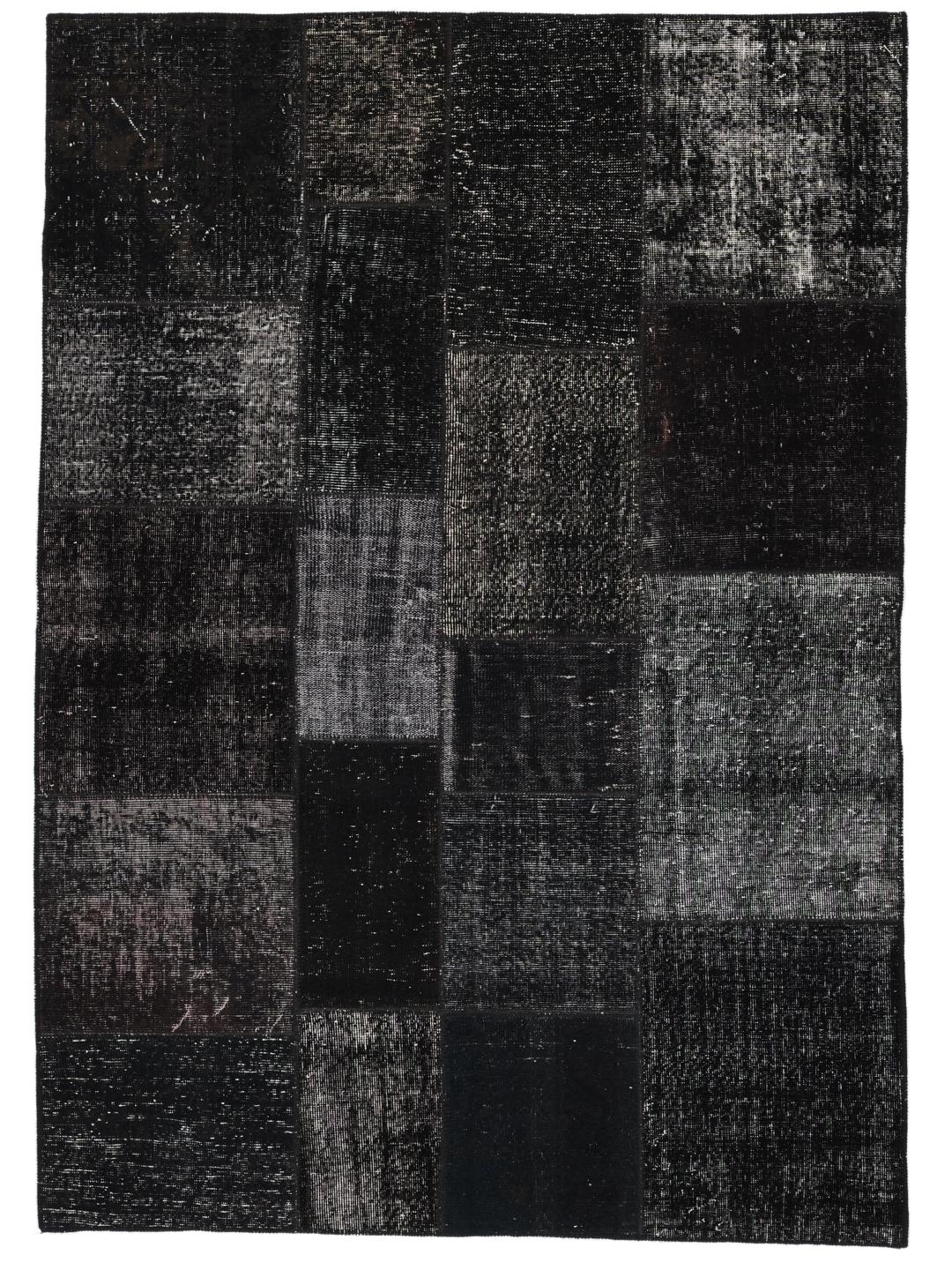
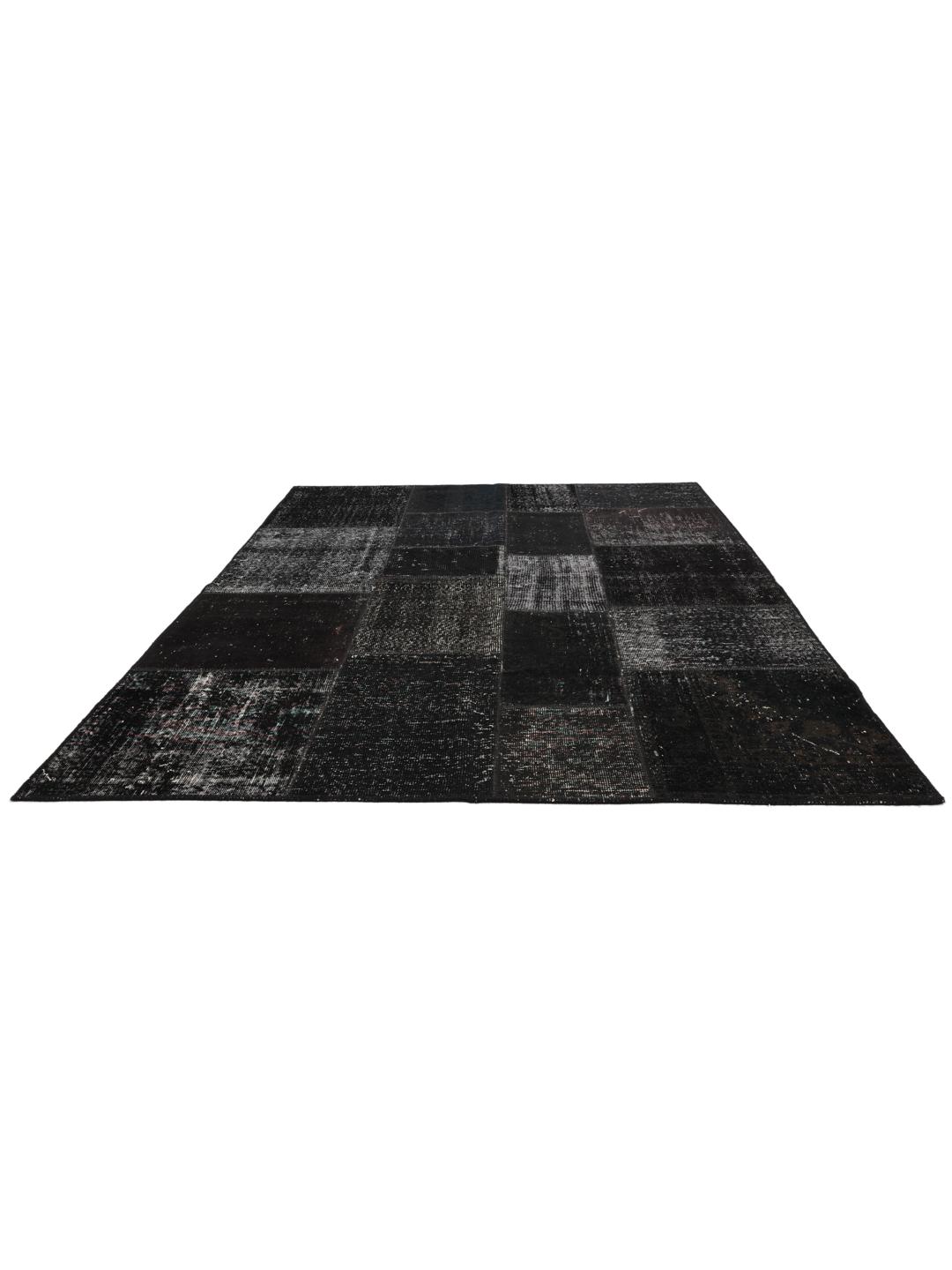
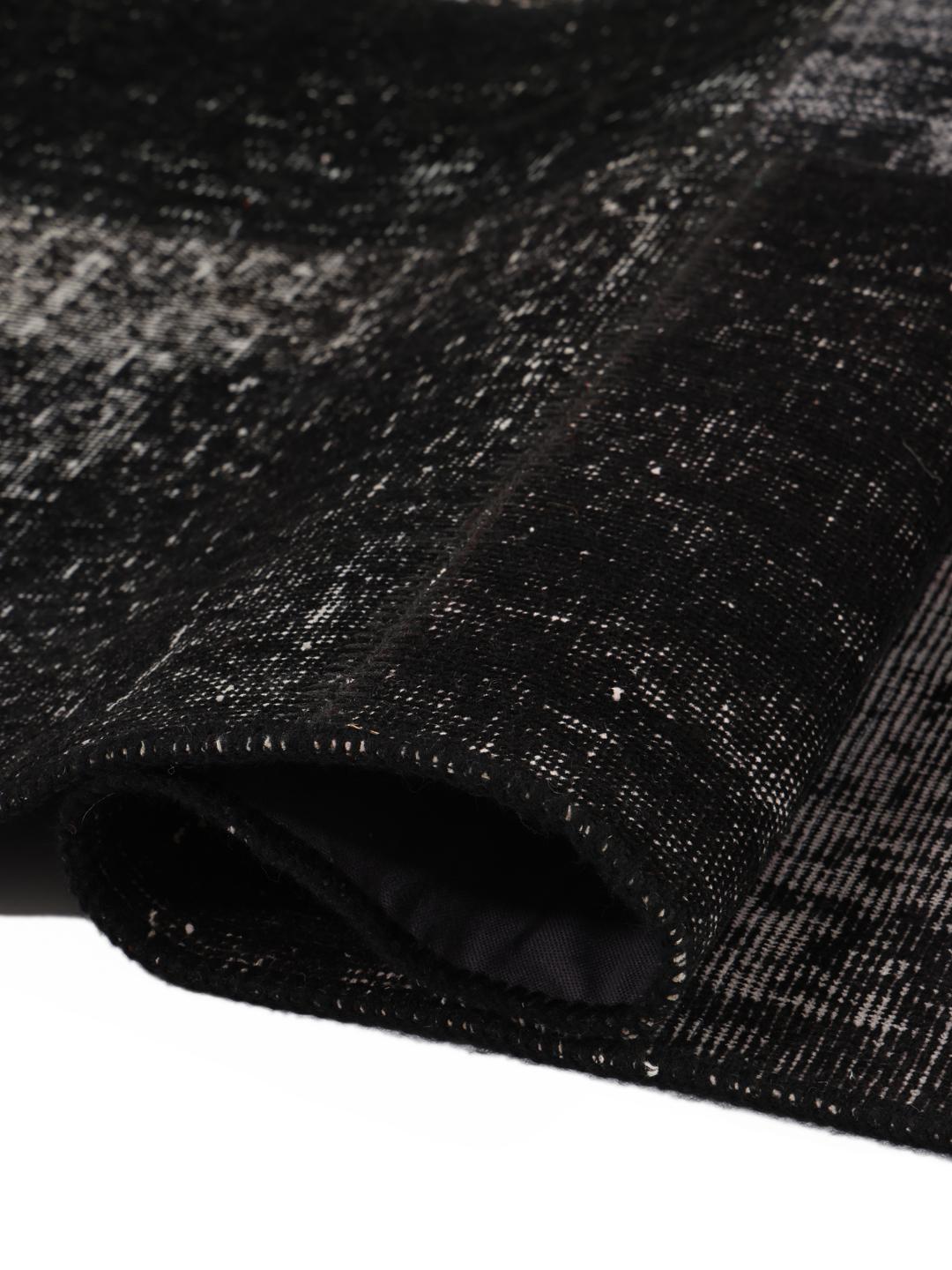
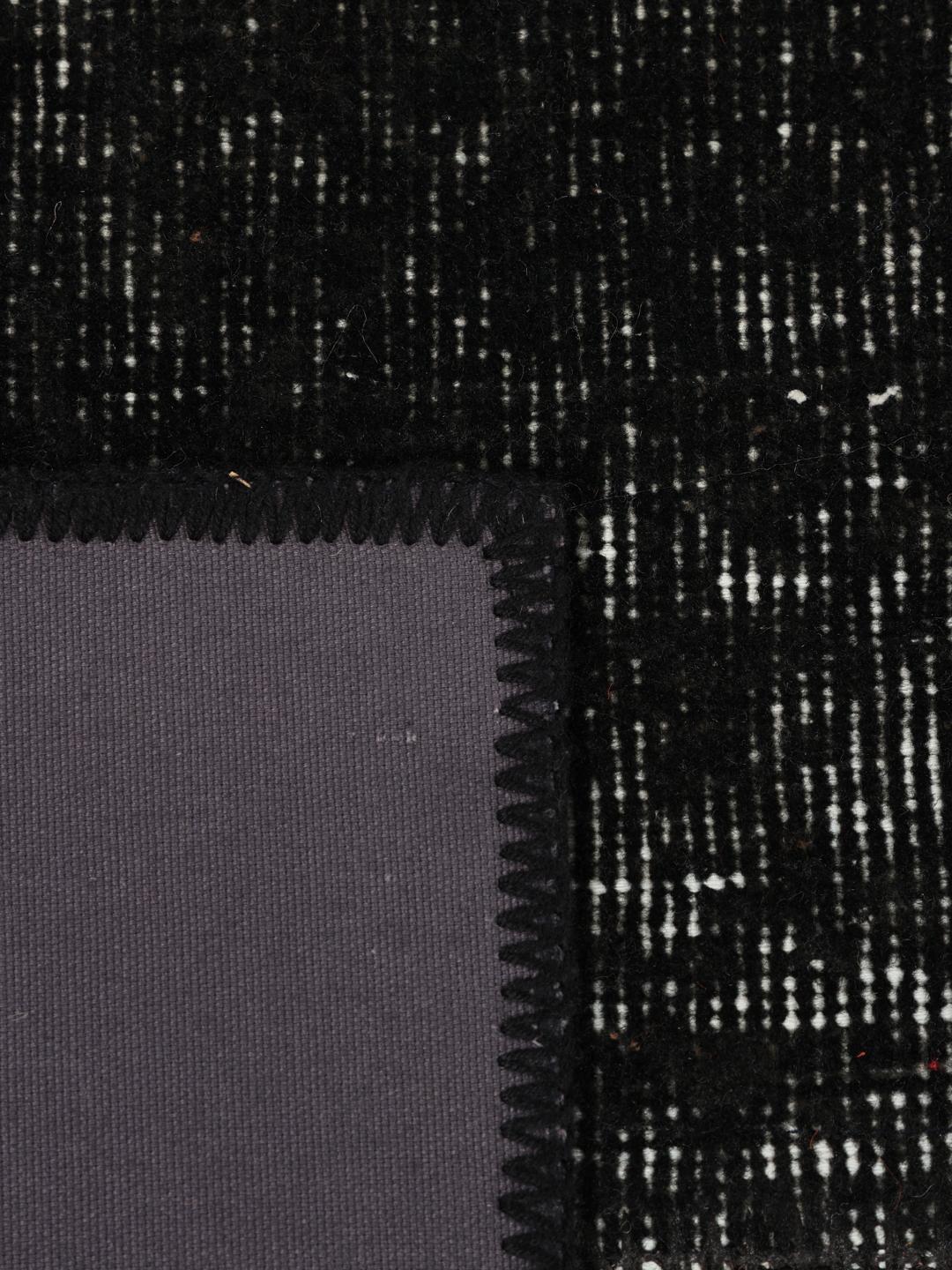
Patchwork rugs represent a fascinating evolution in the history of textile design, particularly within the context of Turkish craftsmanship. Emerging from a desire to preserve and repurpose fragments of older, traditional rugs, the patchwork style has transformed from a practical method of repair into a sophisticated art form. By selecting individual sections of hand-knotted rugs, artisans create new, complex compositions that bridge the gap between historical weaving techniques and contemporary interior design.
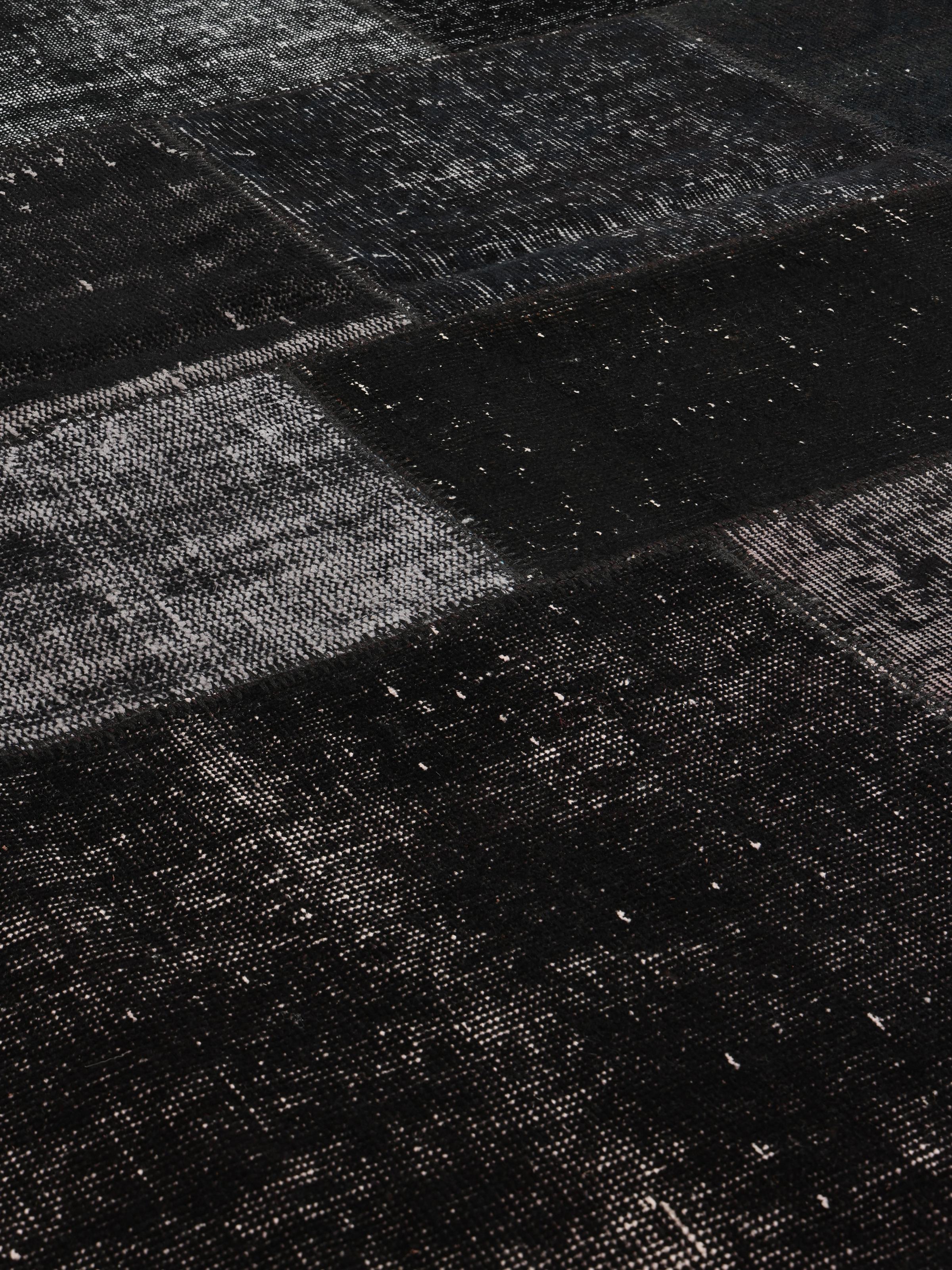
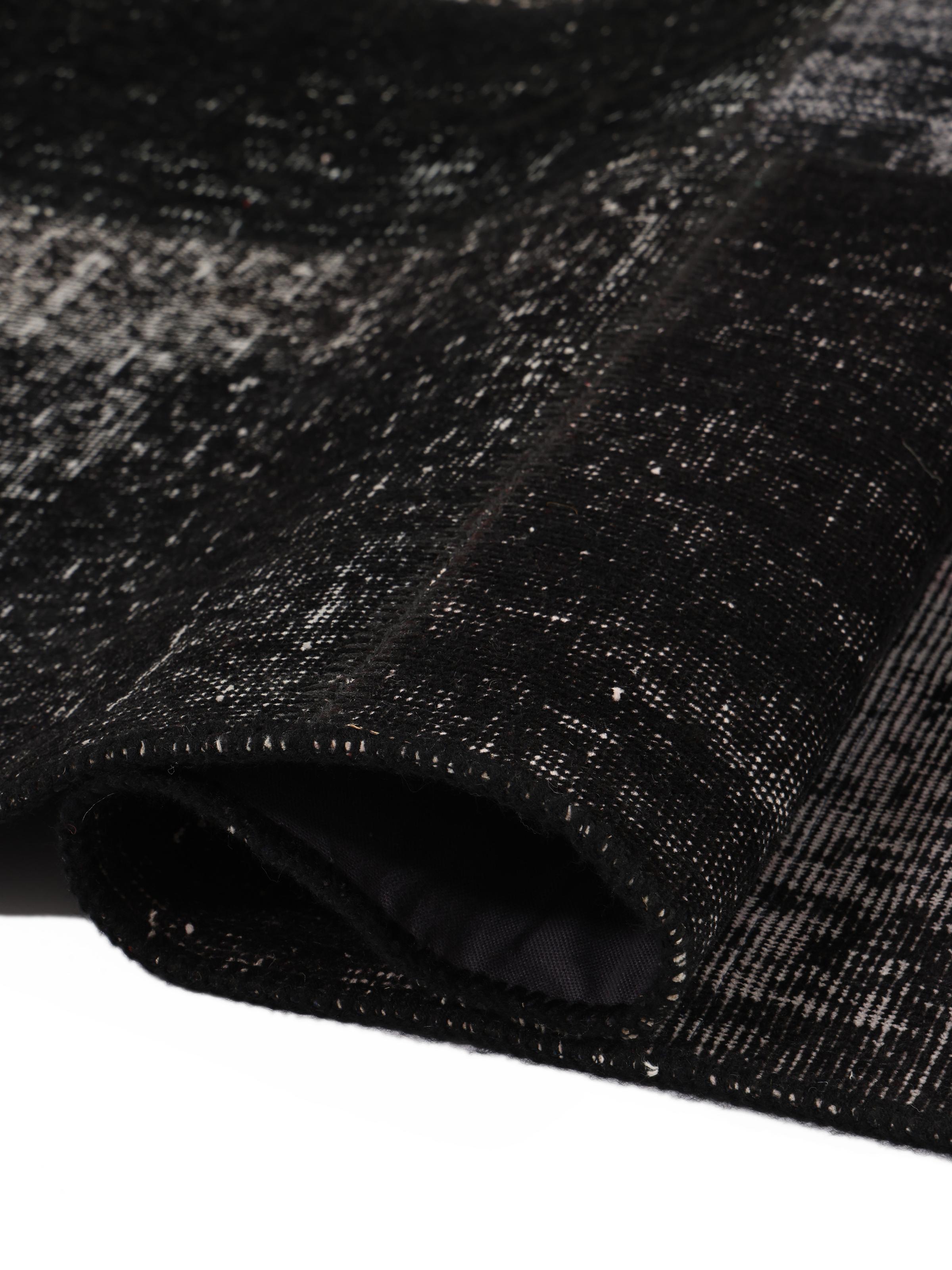
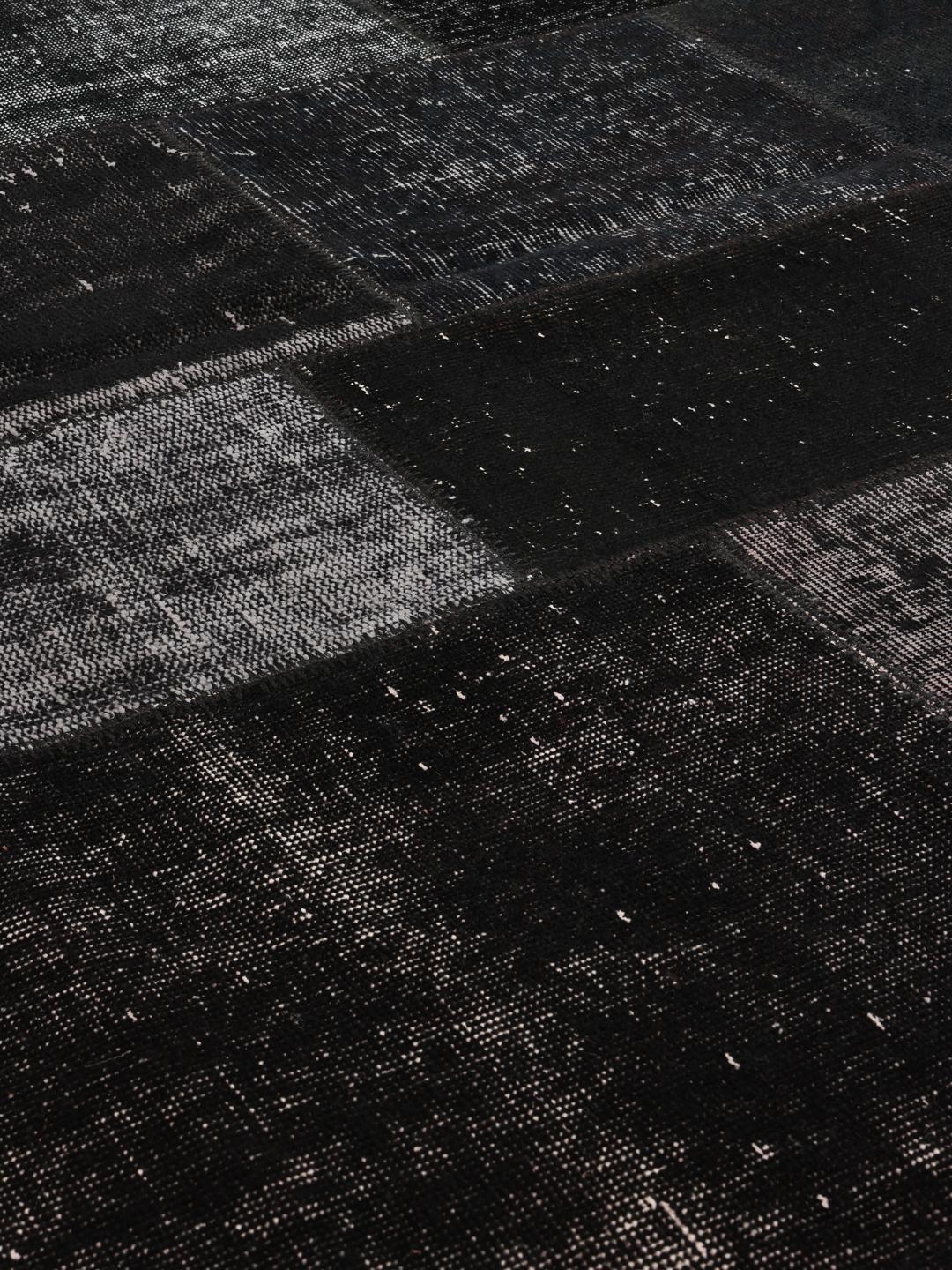
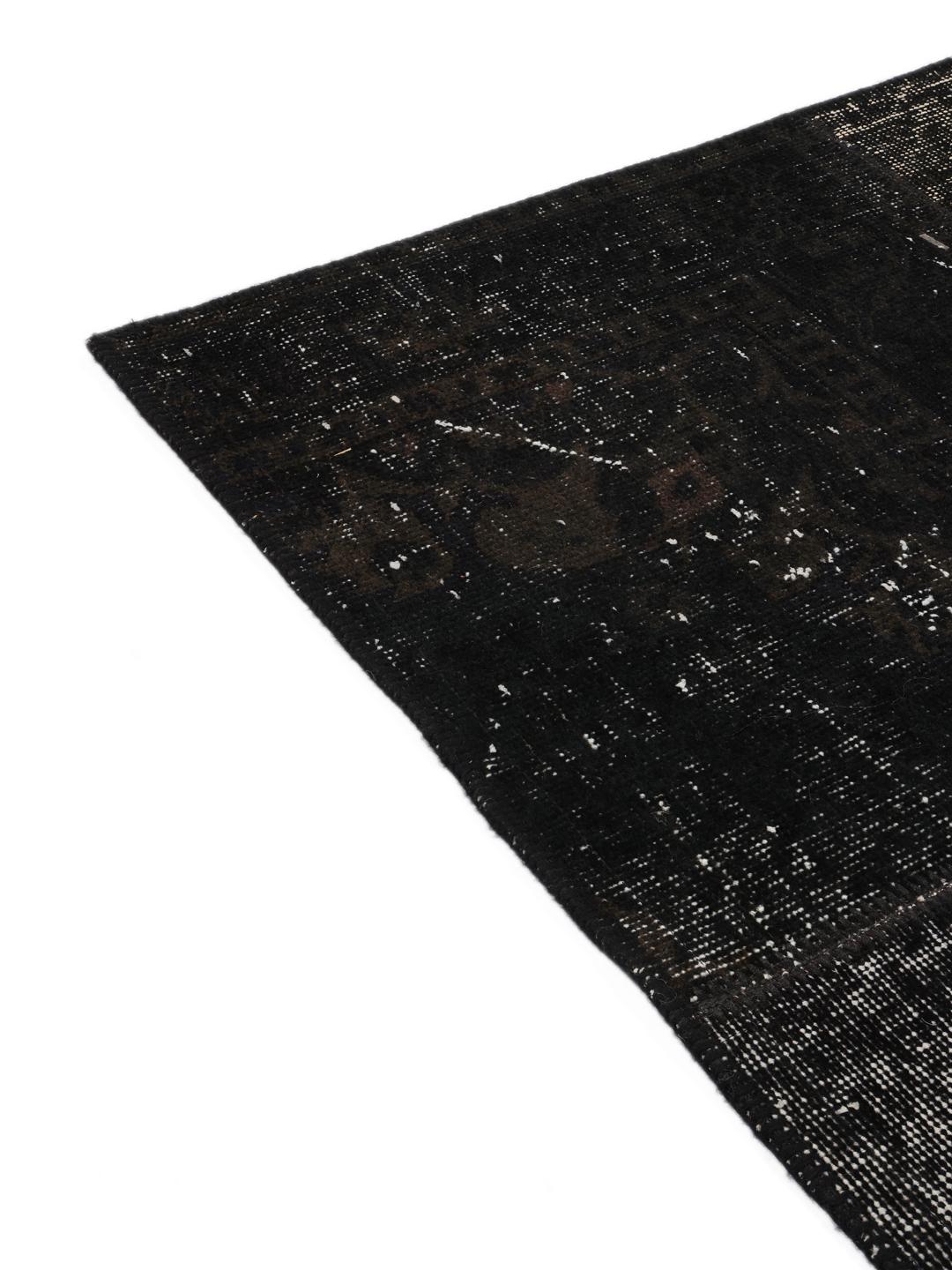
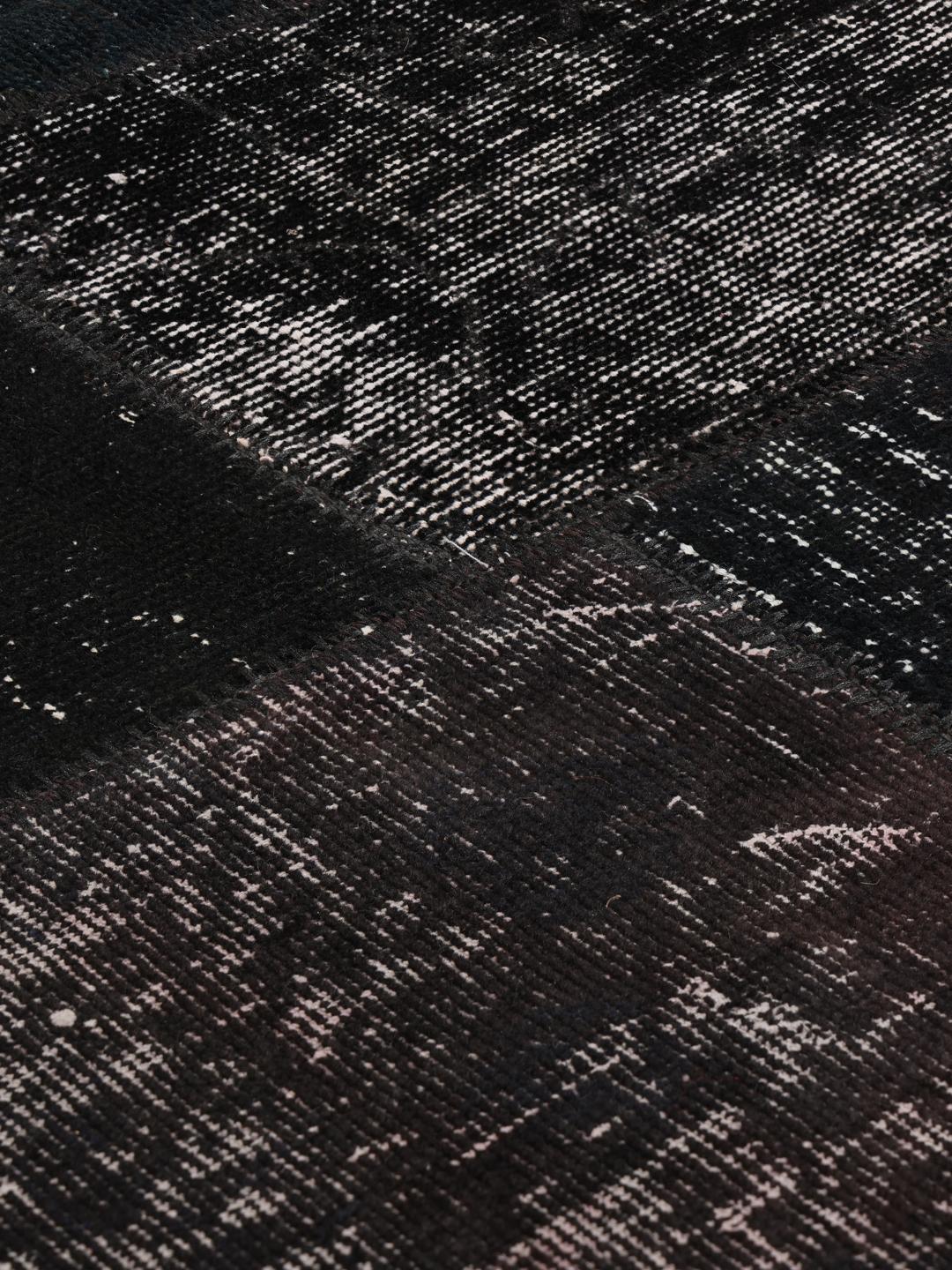
The term patchwork refers to this assembly process, where different segments are carefully chosen for their texture, pile height, and tonal variations. This technique requires an expert eye to ensure that the disparate pieces come together to form a balanced and aesthetically pleasing whole. For the owner, this means the rug is not just a floor covering, but a curated collection of textile heritage, where the quality of each individual patch contributes to the overall durability and beauty of the piece.
Visually, these rugs are defined by their rhythmic repetition and modular structure. While traditional Turkish rugs are often celebrated for their intricate floral or geometric borders, the patchwork style strips away these formal constraints, focusing instead on the interplay of light and shadow across different pile directions. The result is a design that is visually dynamic yet understated, capable of grounding a space without overwhelming it.
Valued for their unique character, these rugs are highly sought after by collectors who appreciate the skill involved in their reconstruction. Owning a patchwork rug is an act of appreciation for the longevity of hand-crafted textiles. It is a testament to the idea that beauty can be found in the combination of distinct elements, making each rug a cherished, one-of-a-kind addition to a home that values both history and modern design.