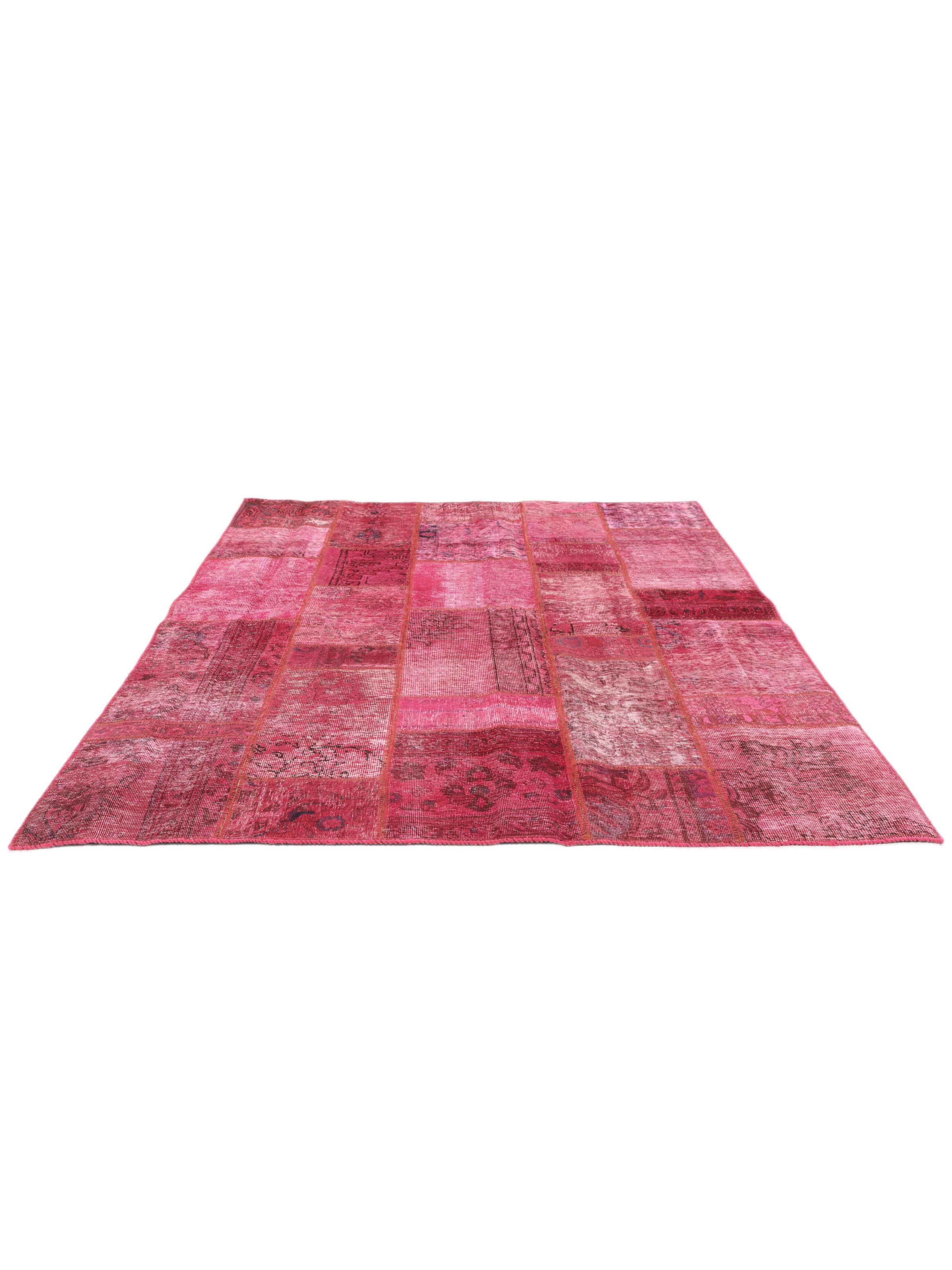
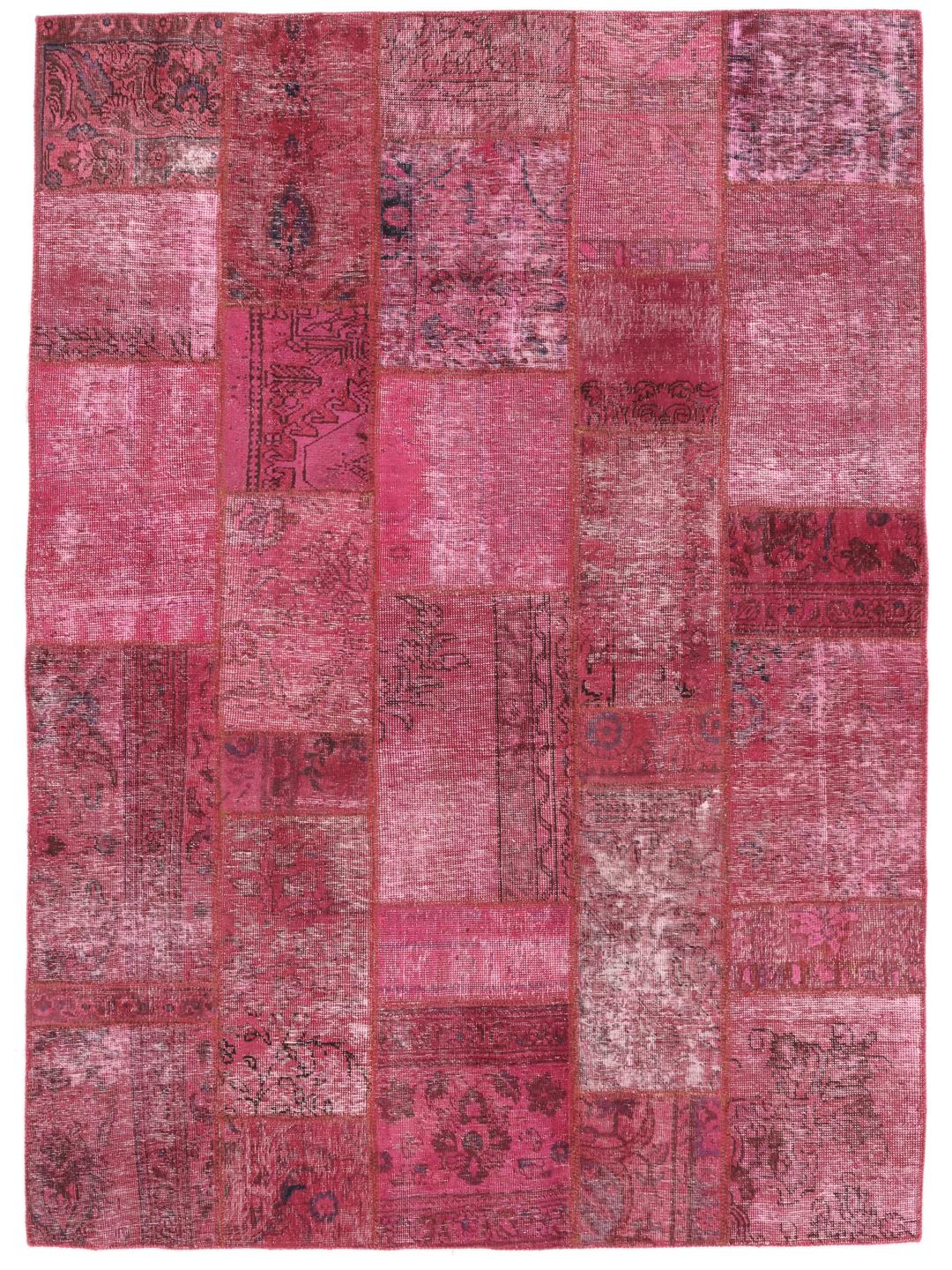
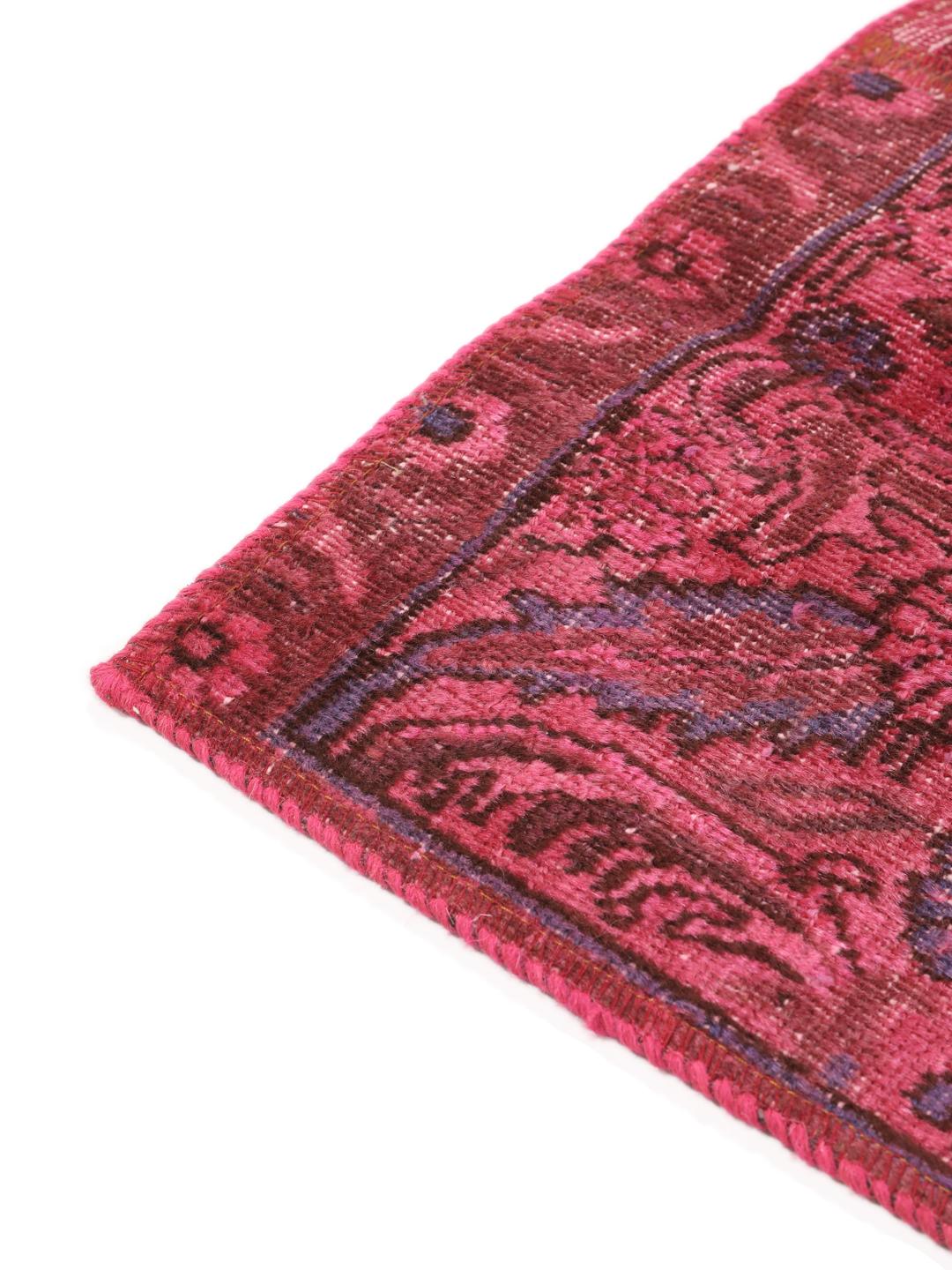
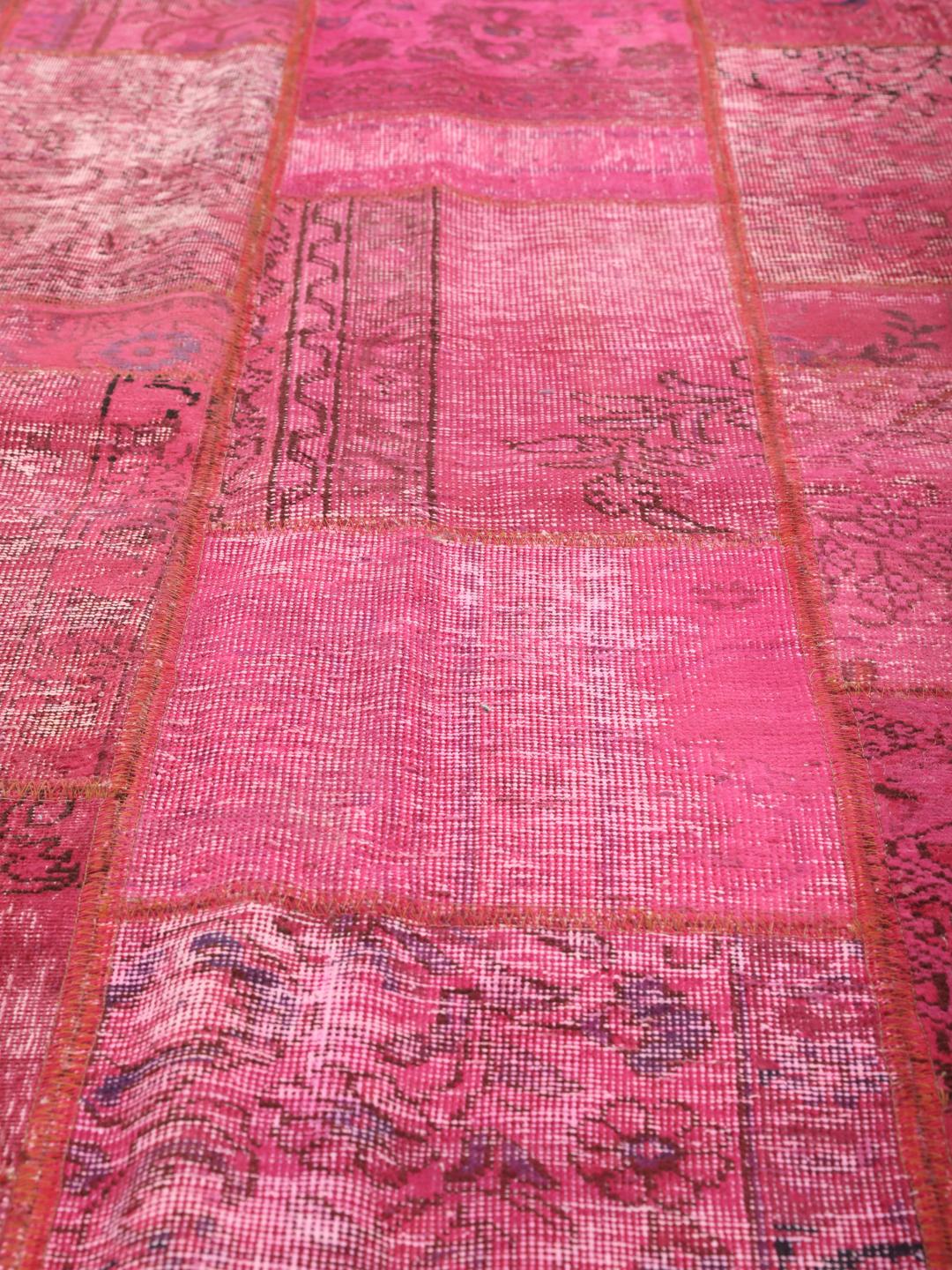
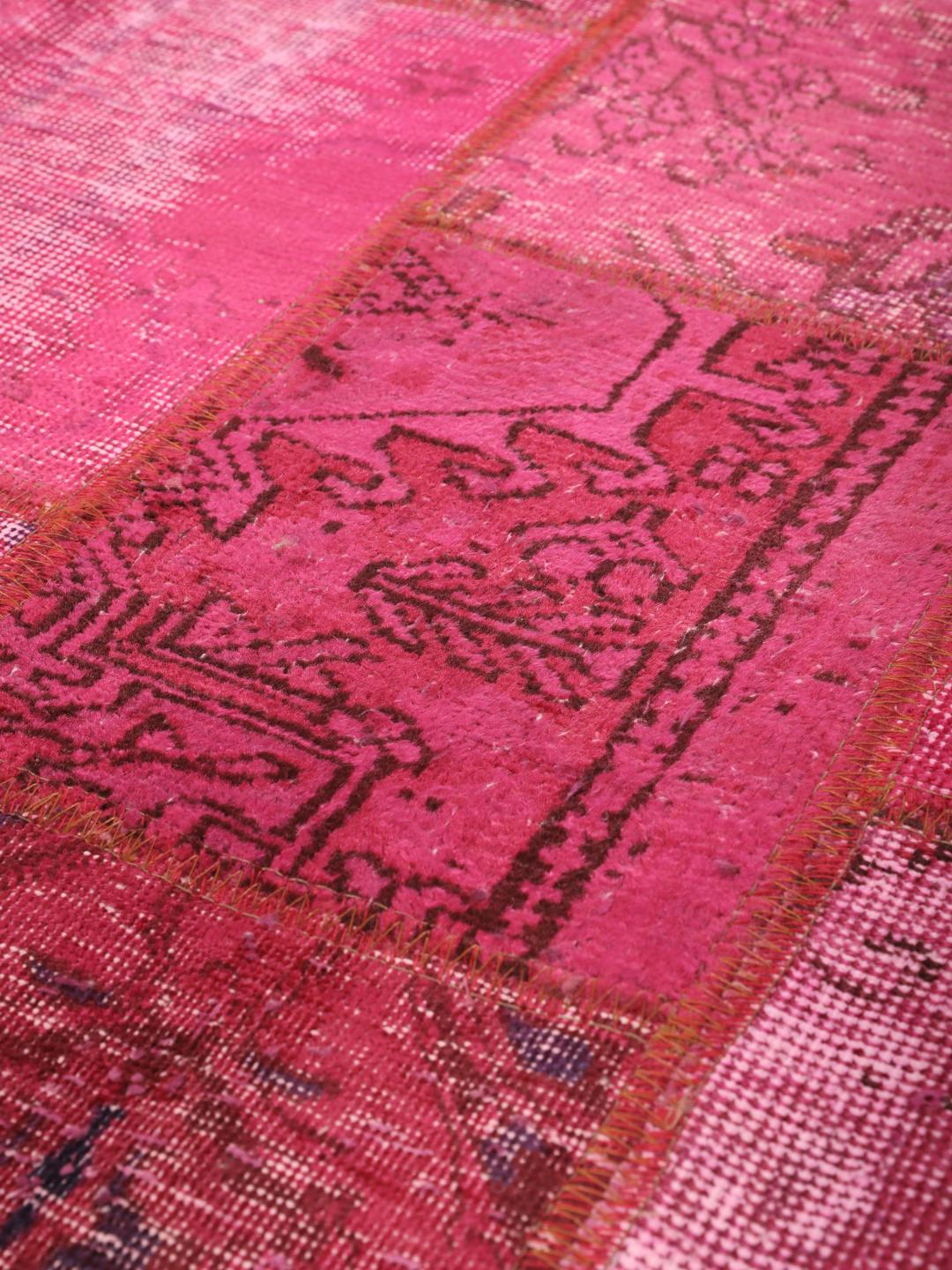
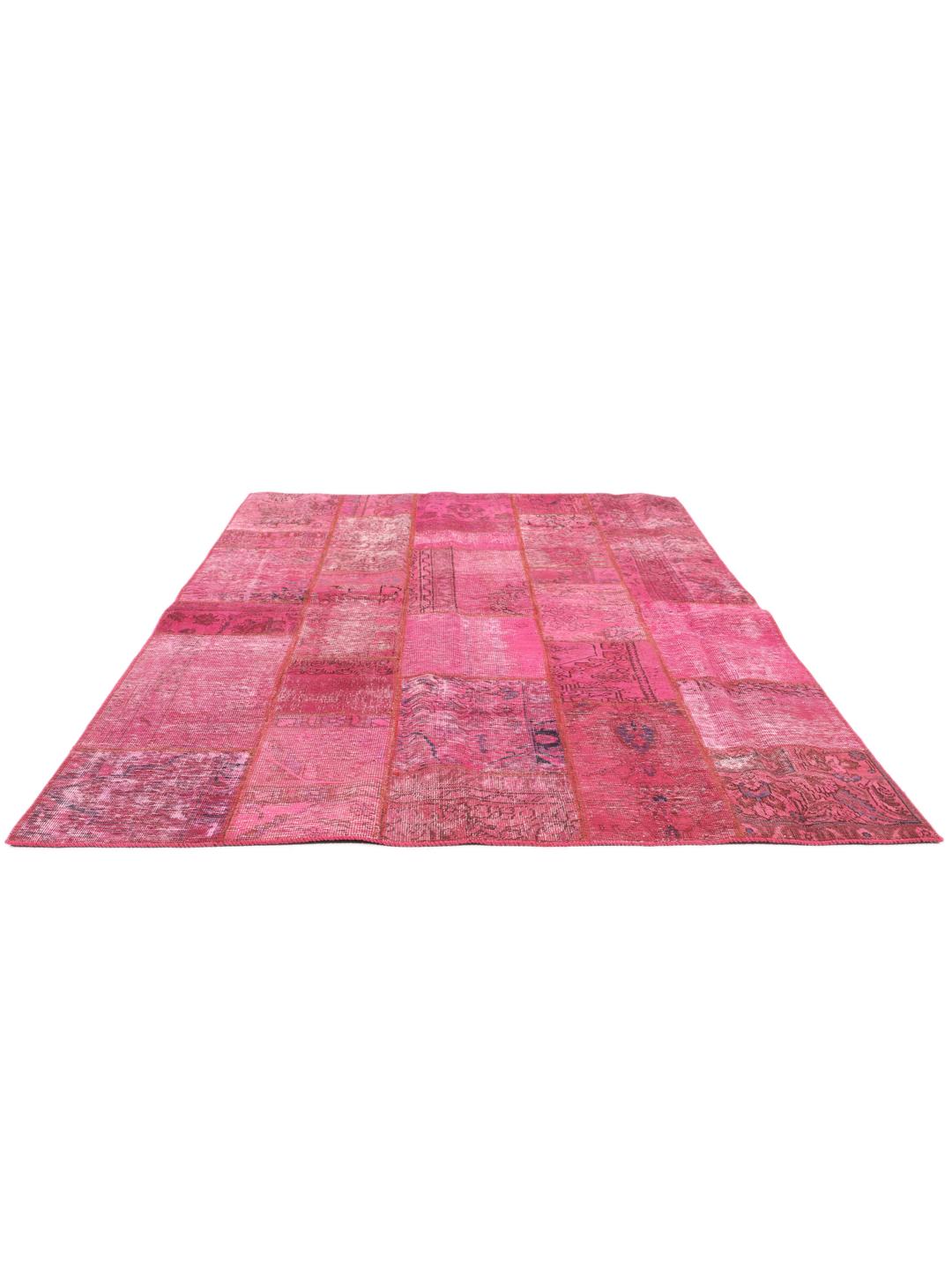
The art of the patchwork rug is a modern evolution of the long-standing tradition of carpet weaving in the Middle East. For centuries, the region has been the global epicentre of rug production, where weaving is a central part of cultural identity. While traditional rugs were often designed as complete, singular compositions, the patchwork style emerged as a way to celebrate and repurpose the beauty of older, worn pieces that still held immense aesthetic value.
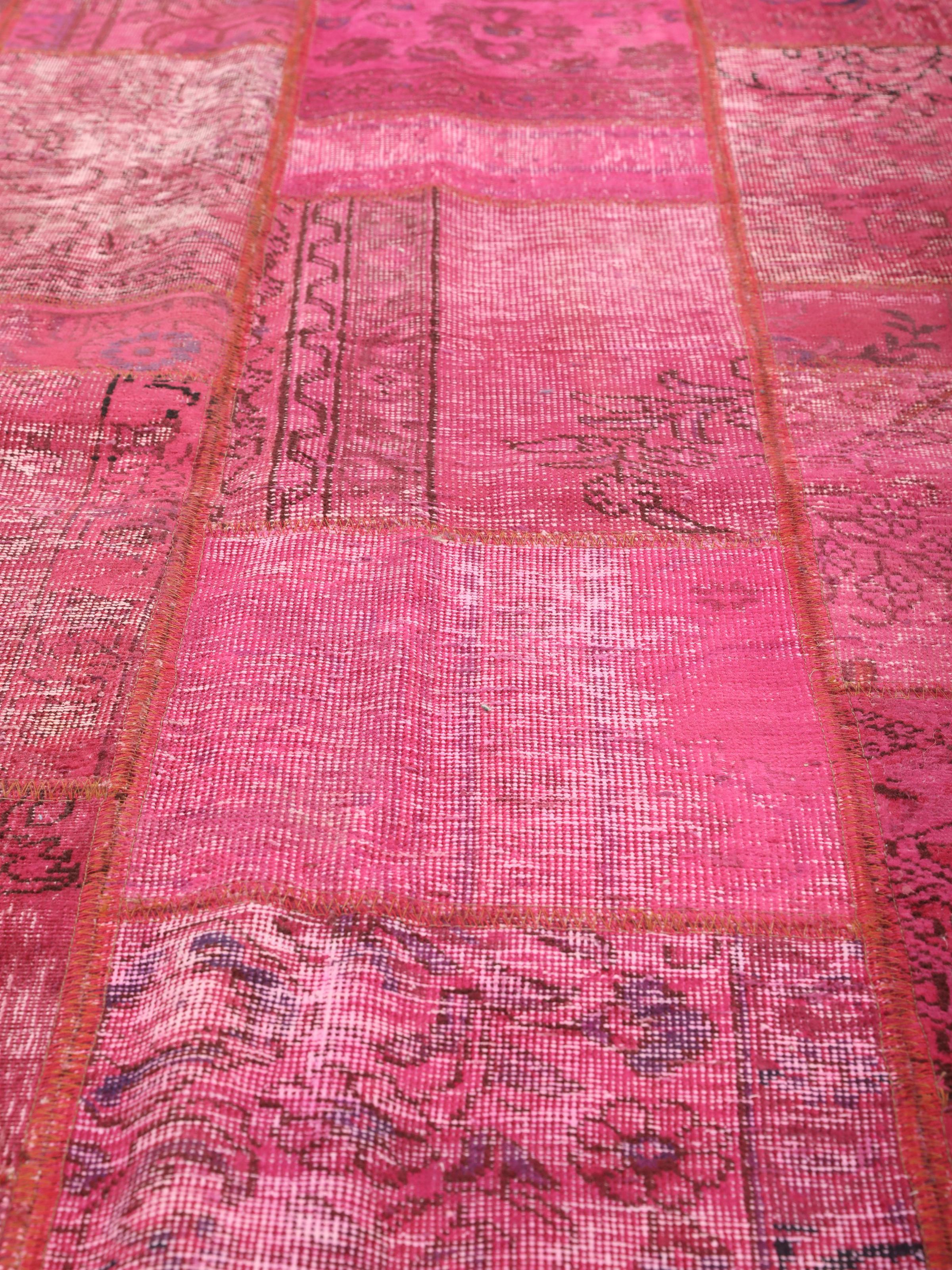
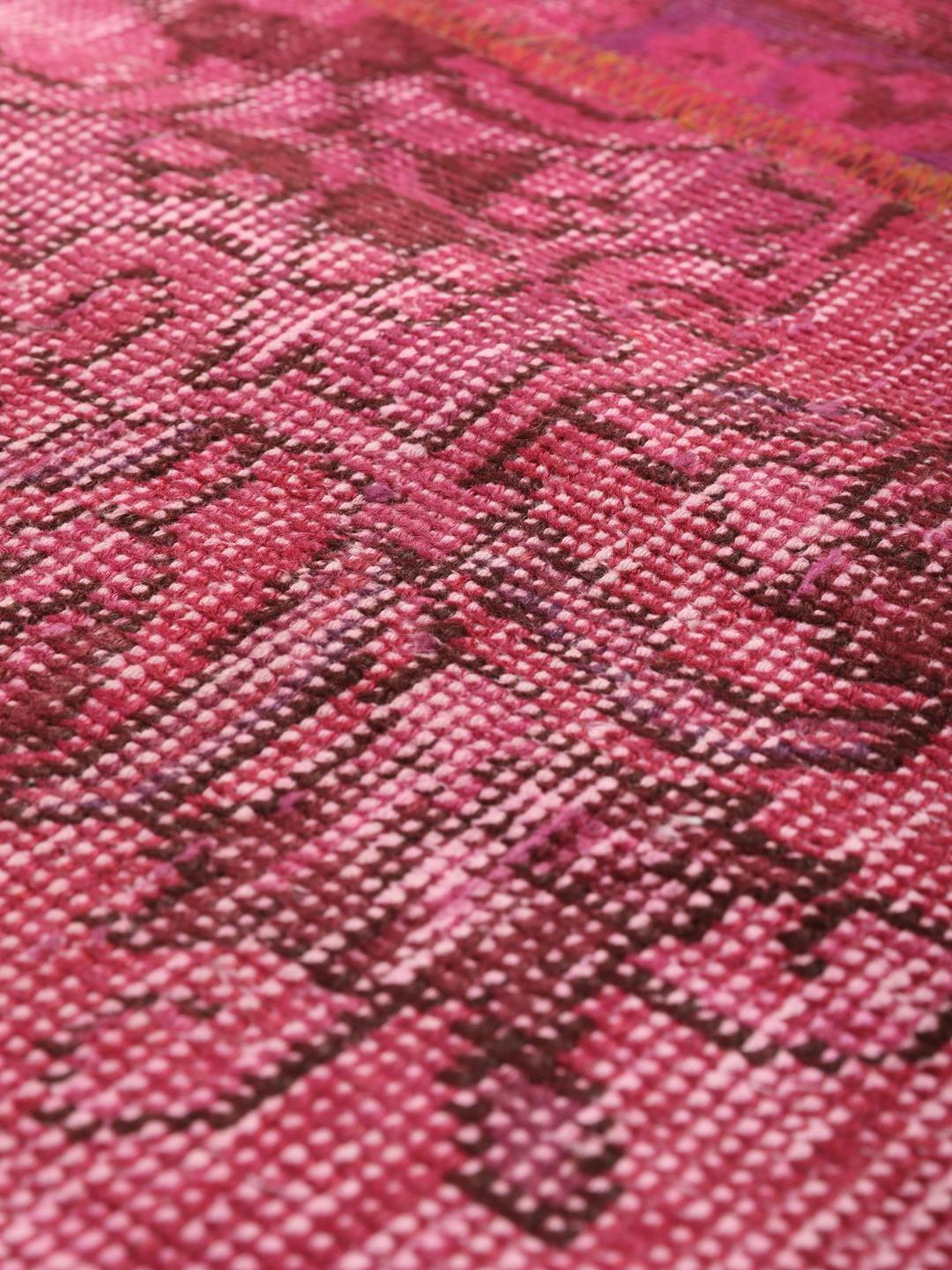
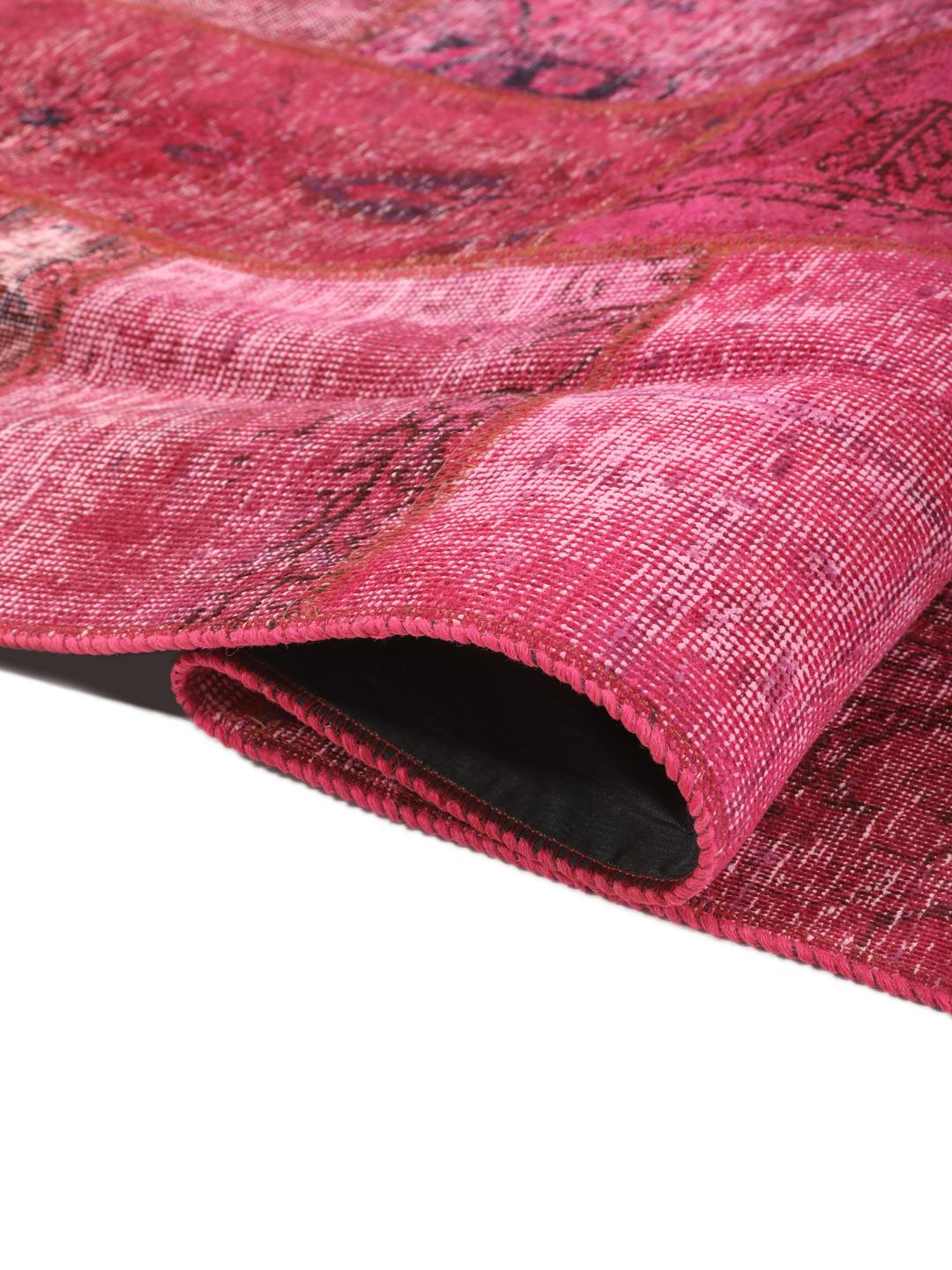
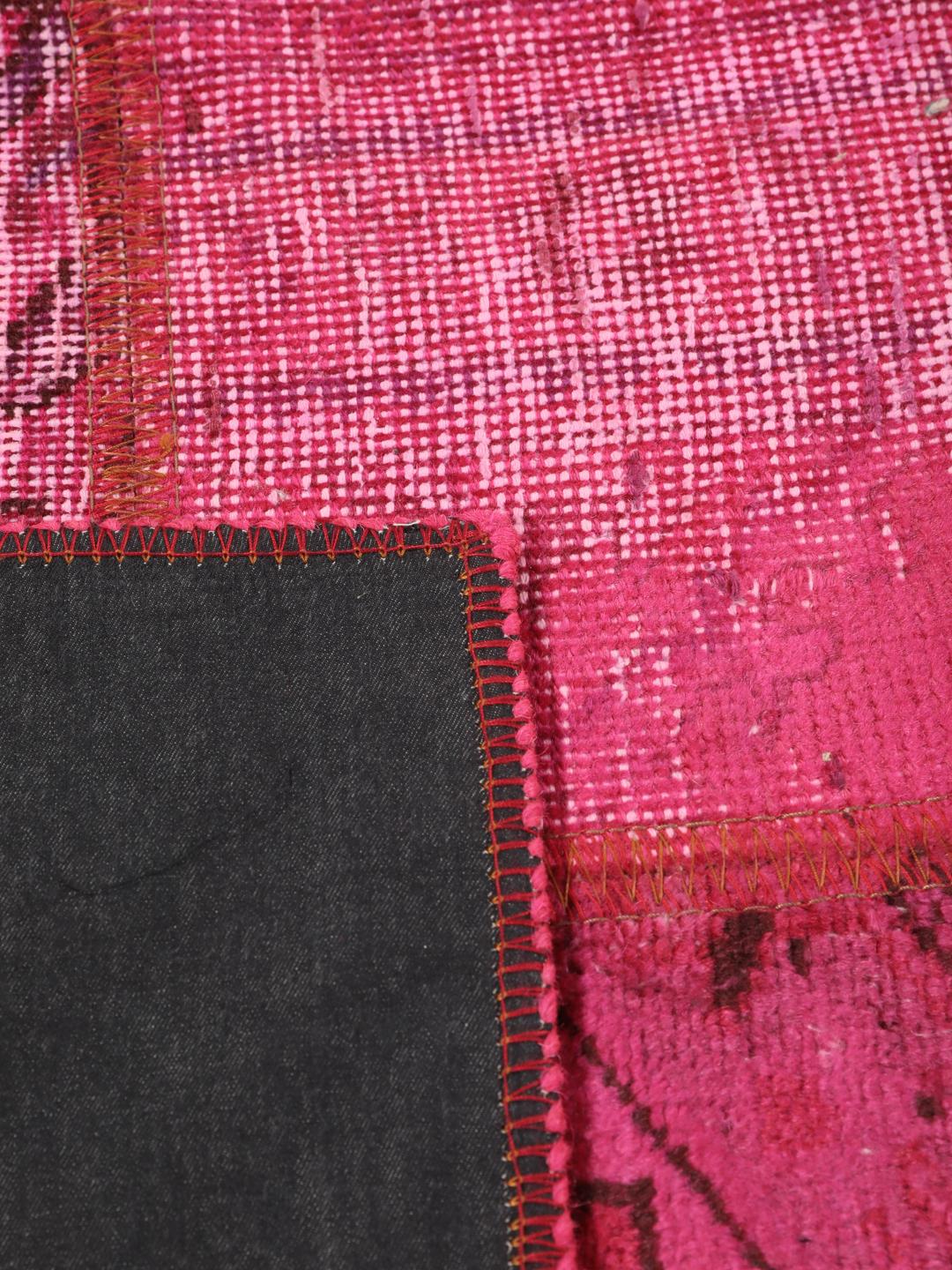
The fragments used in these rugs are often sourced from pieces that have seen decades of use. By selecting parts of these rugs that remain in excellent condition, artisans are able to give new life to the artistry of the original weavers. This process requires a sophisticated eye, as the maker must understand the construction of the original knots to ensure the final patchwork remains robust and consistent in its feel.
Visually, these rugs are defined by their eclectic yet balanced composition. You will often see a mix of floral, geometric, and medallion motifs from various sources, all unified by a cohesive colour palette. The contrast between the formal, traditional patterns of the original pieces and the unconventional, modern layout of the patchwork creates a dialogue between the past and the present.
Collecting a patchwork rug is an investment in both heritage and sustainability. It represents a commitment to preserving the skill of traditional weaving while embracing a contemporary approach to interior design. Each rug serves as a testament to the enduring nature of hand-knotted textiles and the ability of human craft to transform history into something entirely new for the modern home.