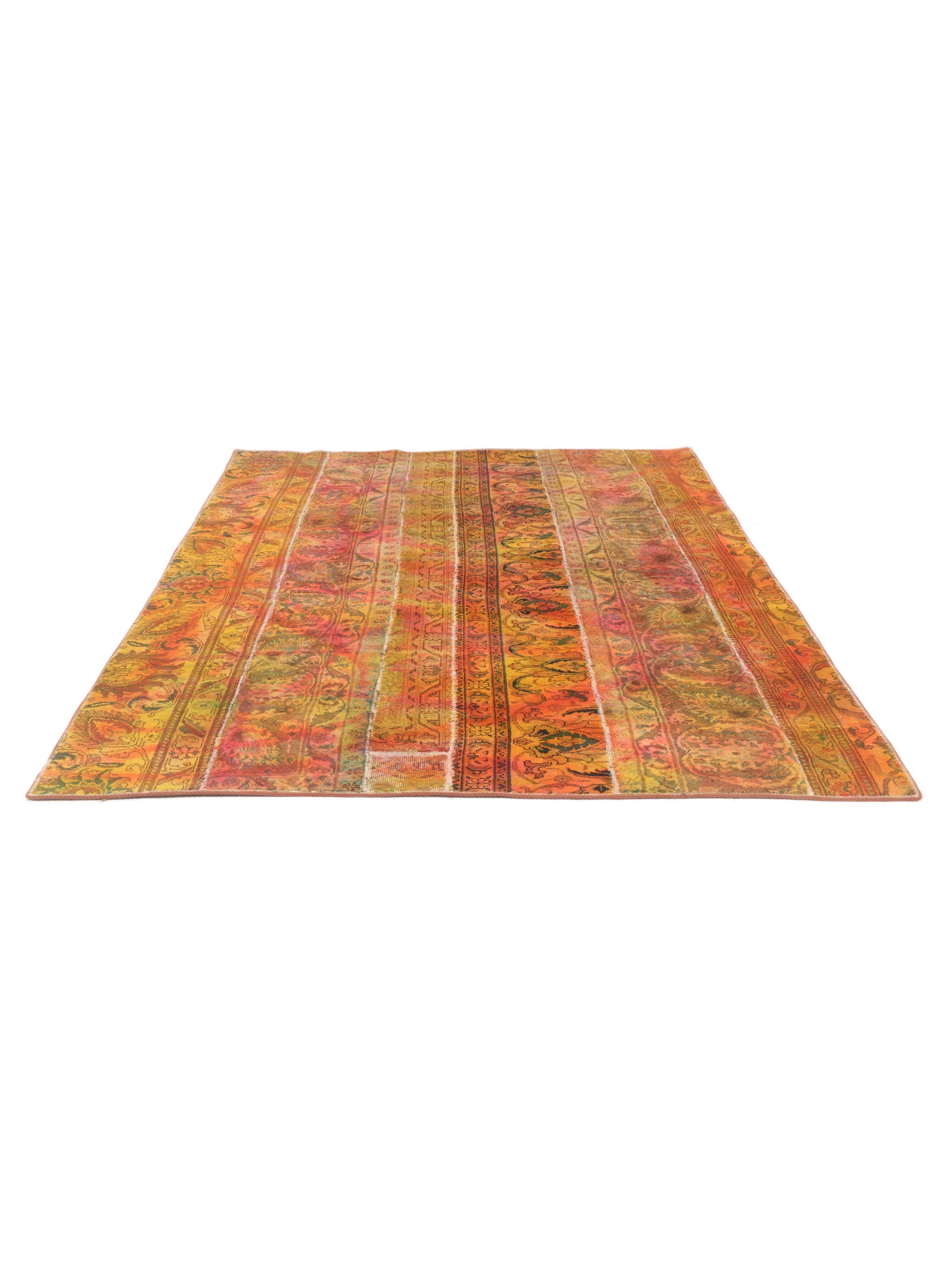
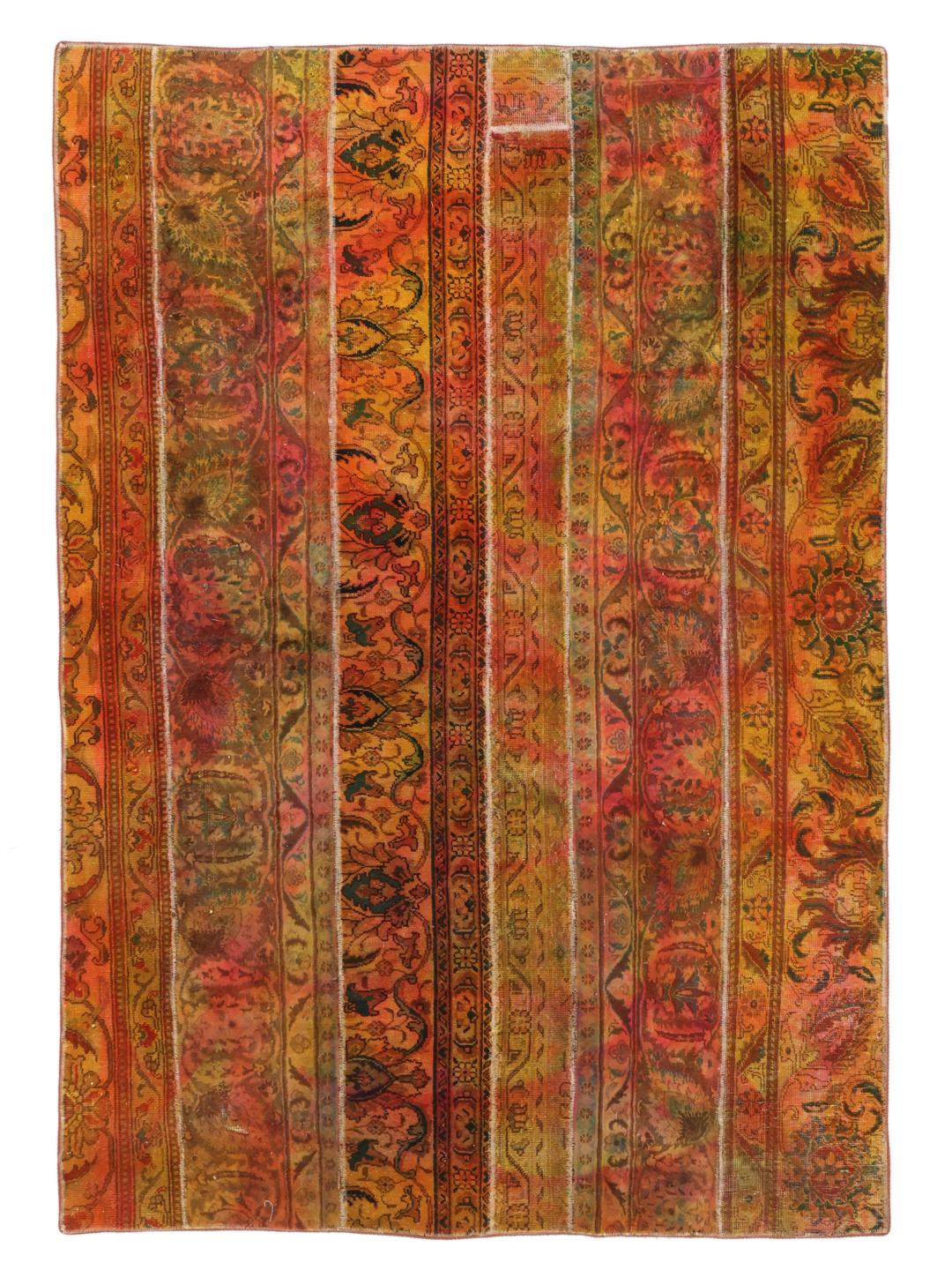
Patchwork rugs represent a fascinating evolution in the history of textile art. Emerging from the necessity of preserving and honouring the remnants of damaged or worn hand-knotted rugs, this tradition allows for the survival of intricate motifs that might otherwise be lost. By carefully extracting the most beautiful, intact sections of these pieces, artisans in the Middle East have developed a way to create entirely new, larger-scale works that celebrate the legacy of traditional weaving.
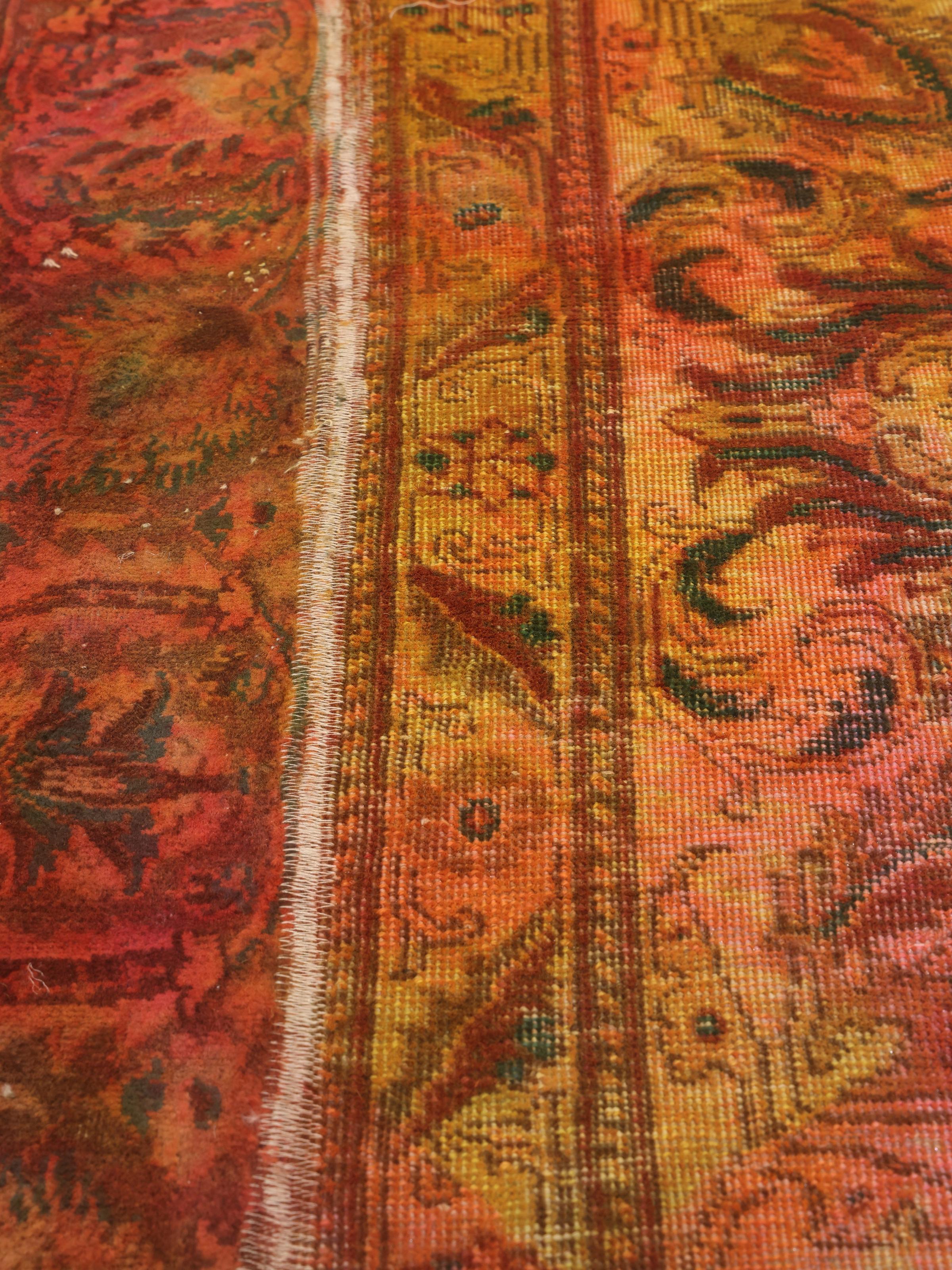
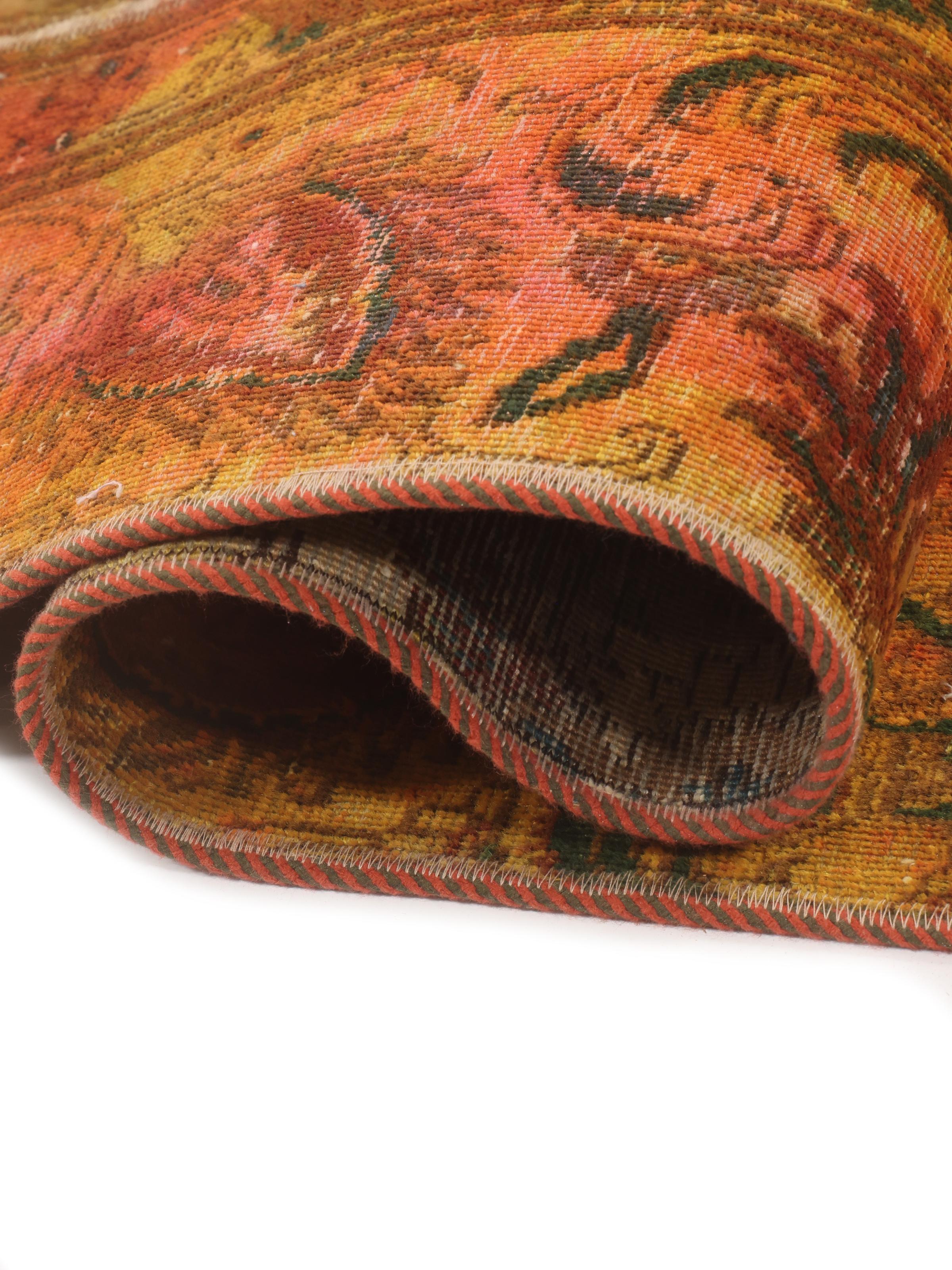
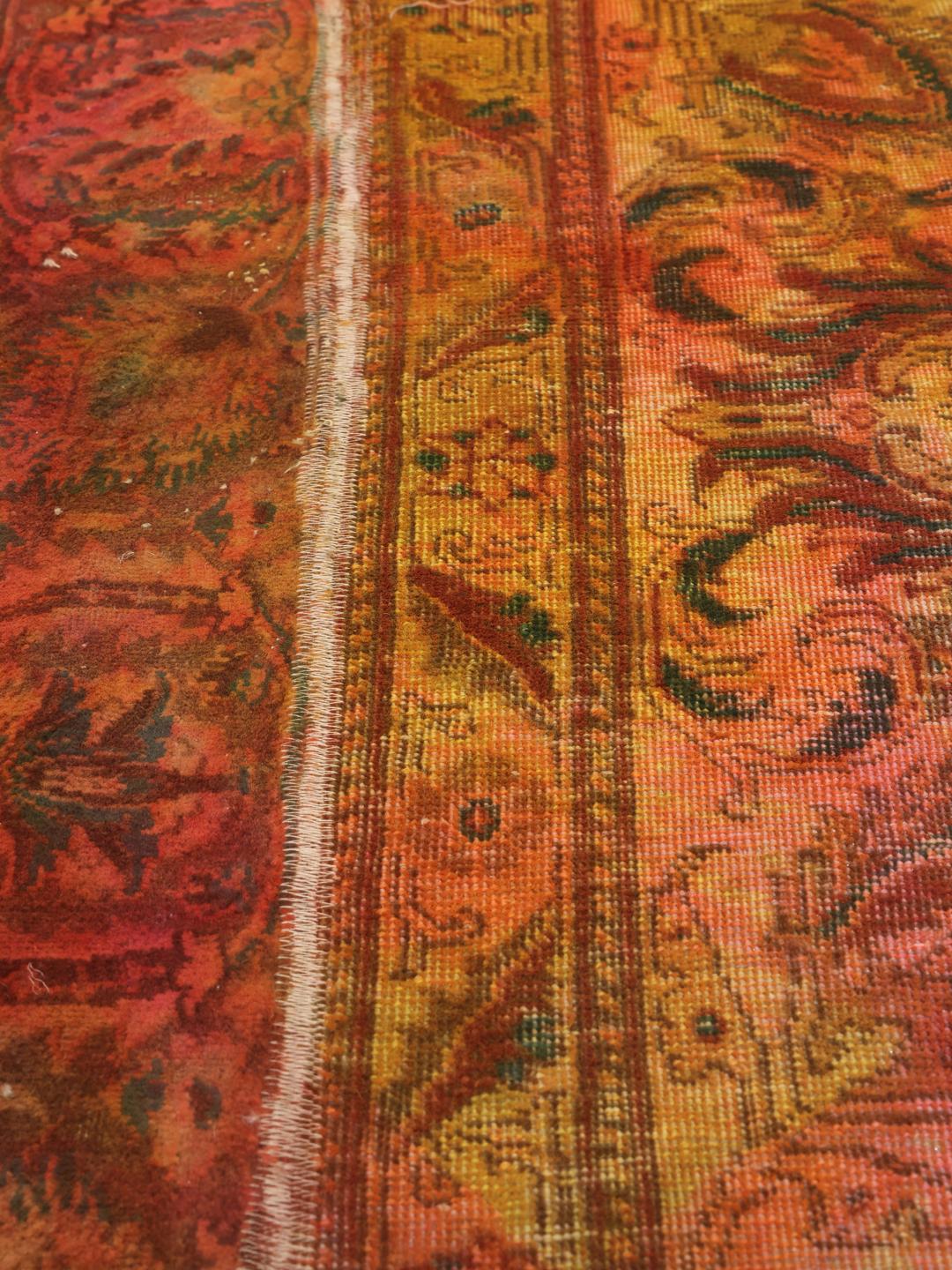
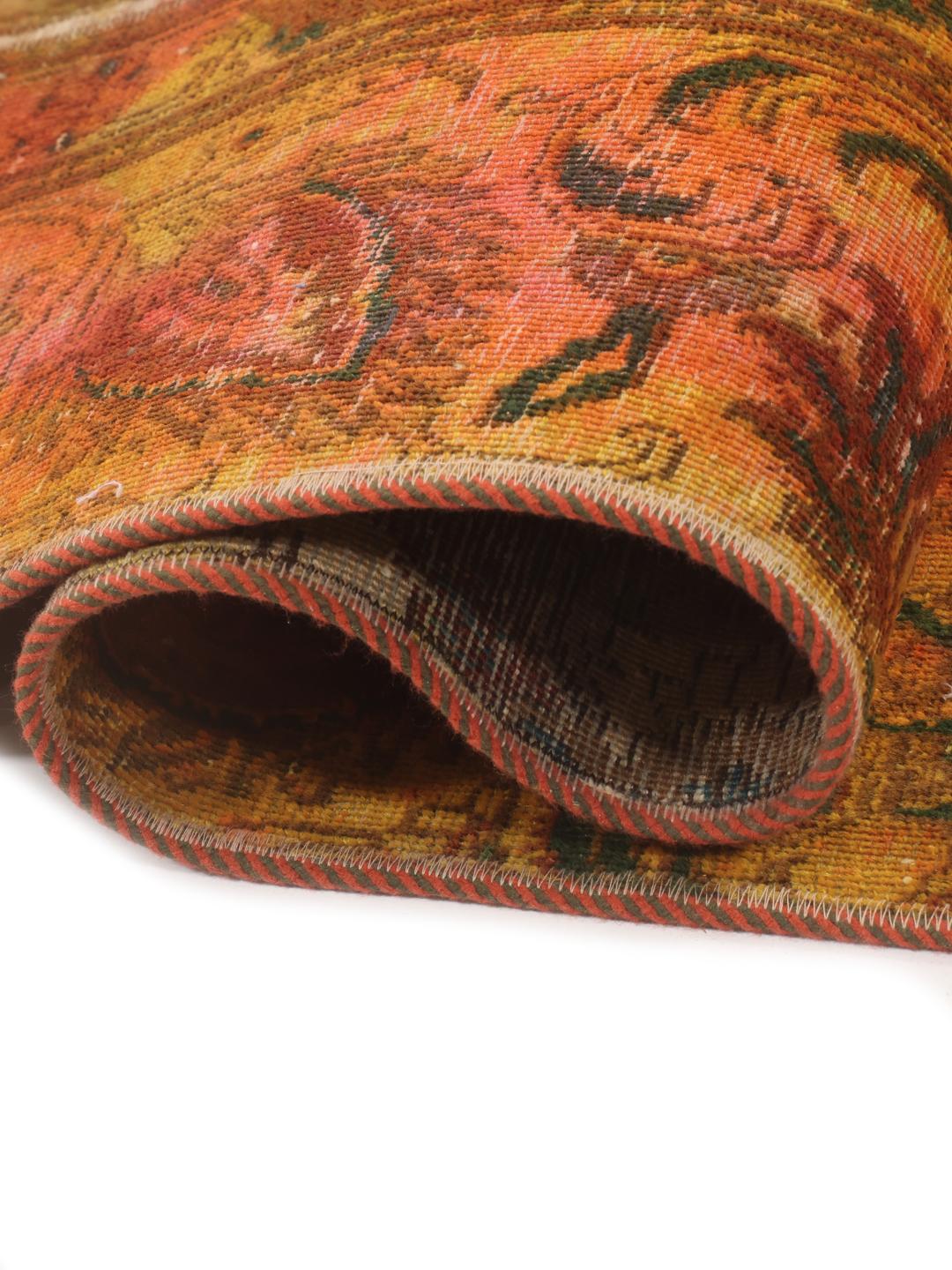
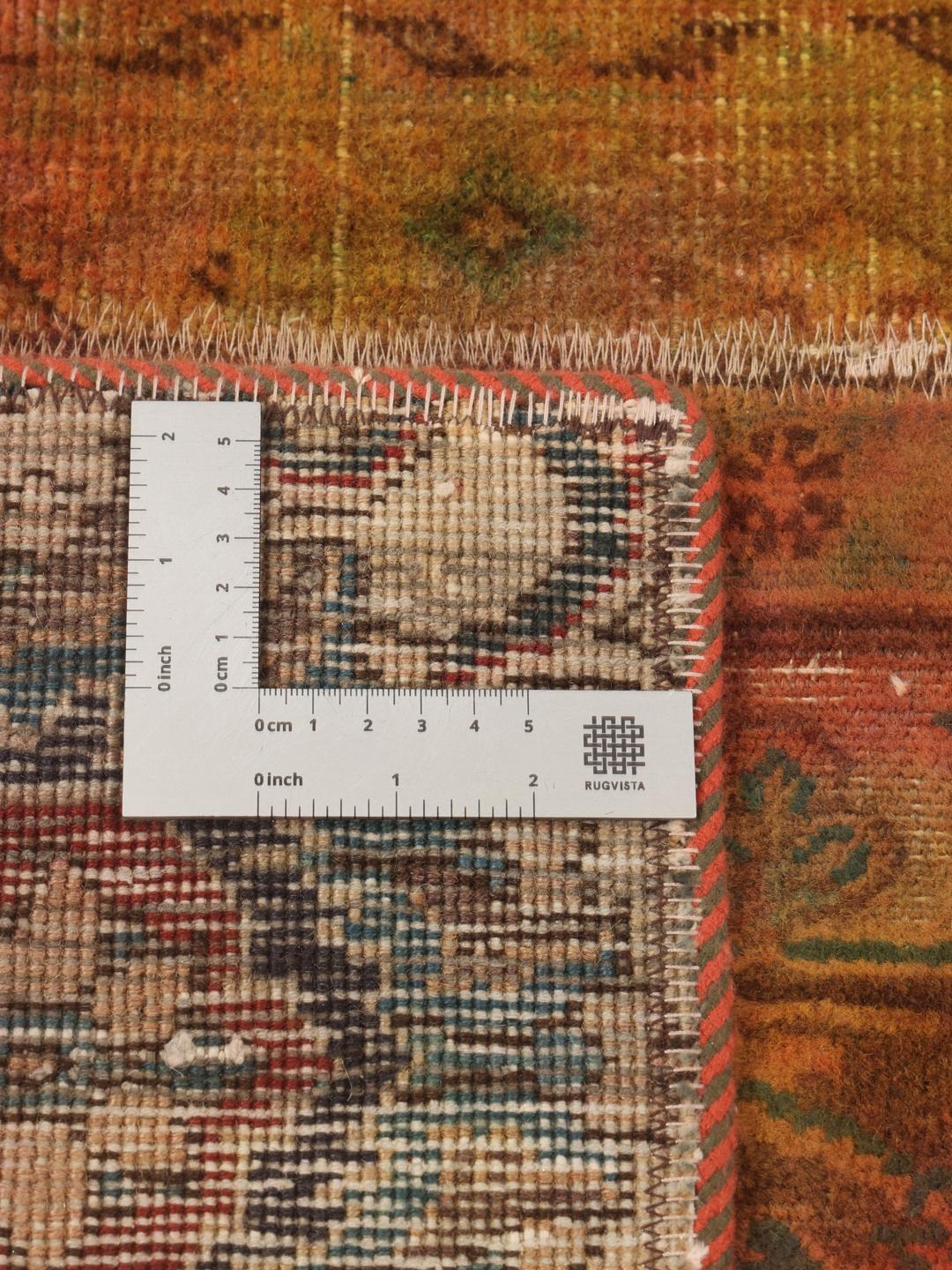
The terminology of patchwork refers to the skilful assembly of these diverse textile pieces. This craft requires a deep understanding of the original knots and pile construction, as the artisan must ensure that the structural integrity of every segment is maintained during the stitching process. This is not merely about aesthetics; it is about the structural engineering of fabric, where different age-old techniques are reconciled into a single, durable, and cohesive unit.
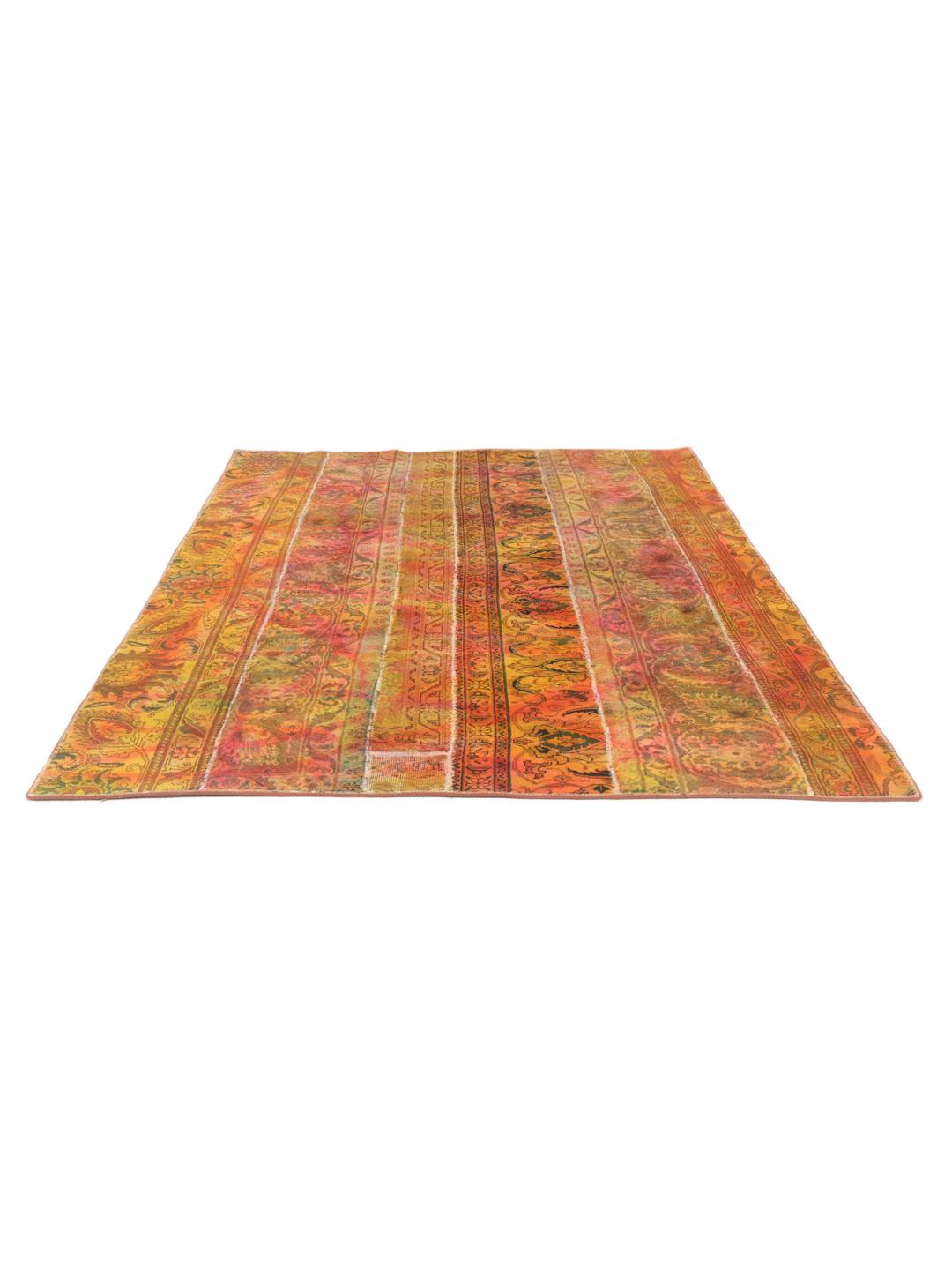
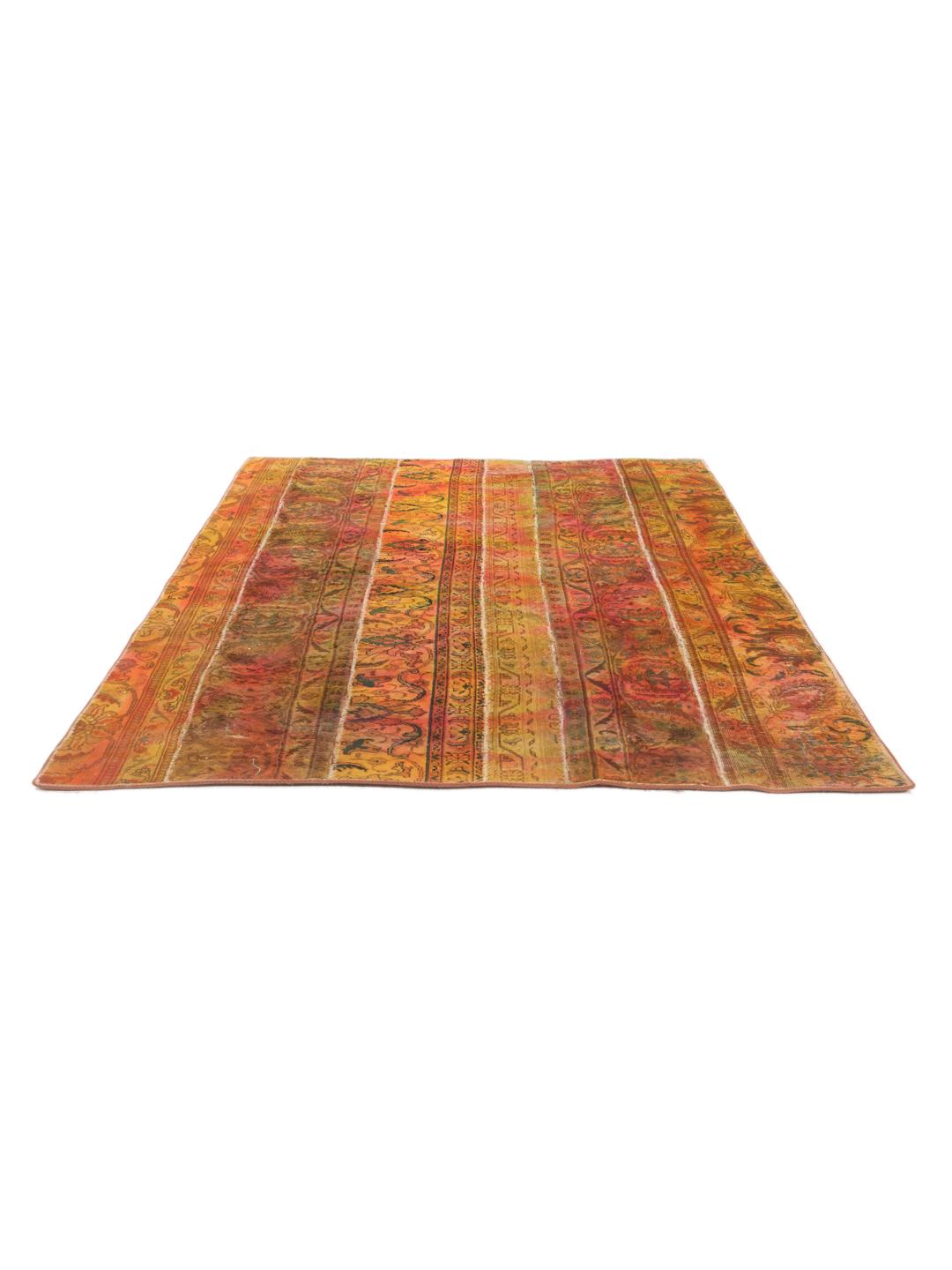
Visually, these rugs are defined by their eclectic yet balanced design language. They often feature a collision of traditional patterns, such as floral medallions or geometric borders, which are repurposed into a modern, fragmented layout. The beauty of this tradition lies in its ability to juxtapose colours and designs that were originally created in different contexts, resulting in a vibrant, artistic composition that feels like a mosaic of regional weaving traditions.
Valued by collectors and interior enthusiasts alike, these rugs carry a deep cultural weight. Each patch tells a story of the region it originated from, representing the skill and aesthetic values of the original weavers. Owning a patchwork rug is an act of preservation, ensuring that these fragments of history continue to be appreciated in a contemporary setting. It is a testament to the idea that true quality is timeless and that art, in its many forms, can be reimagined for every generation.