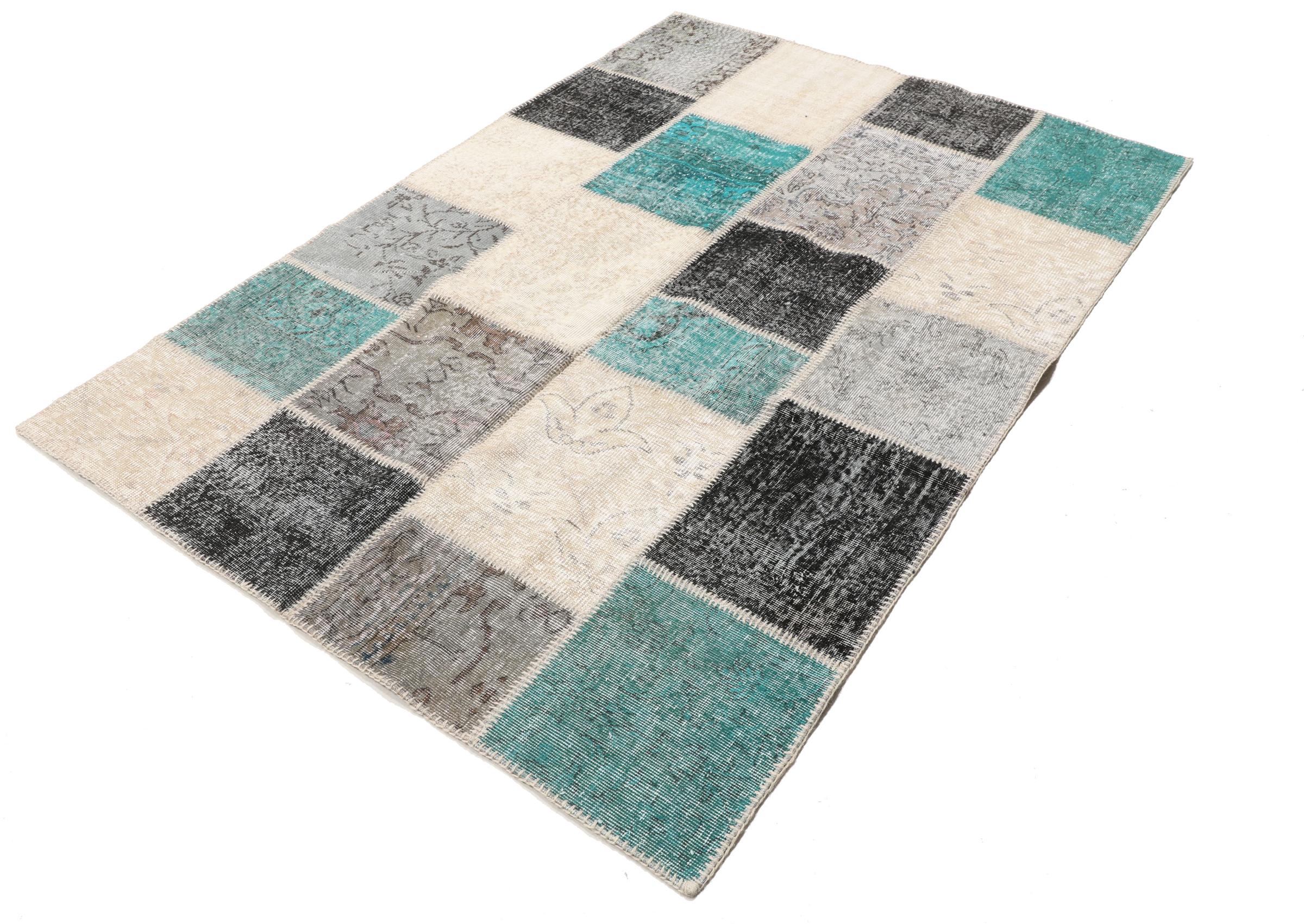
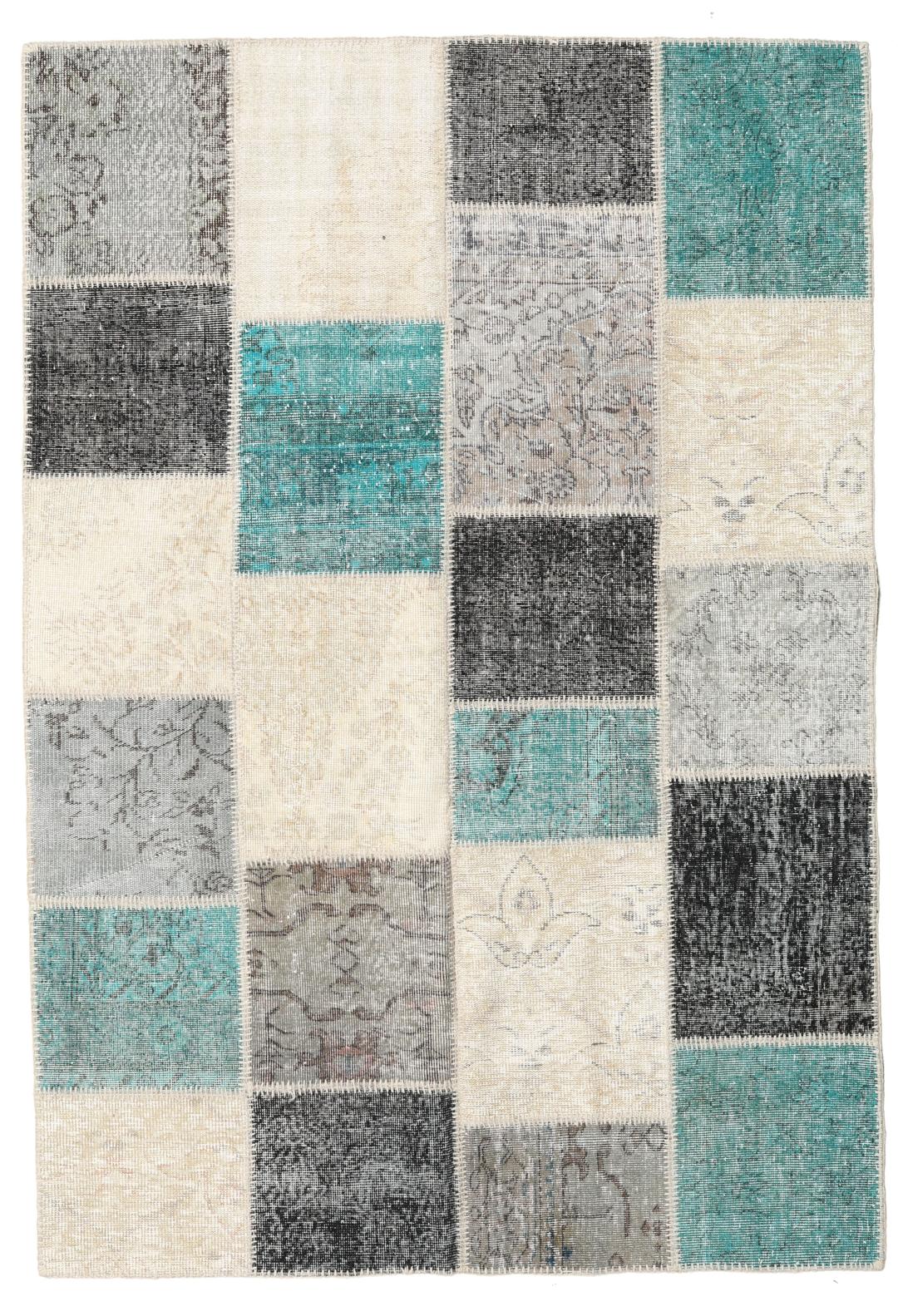
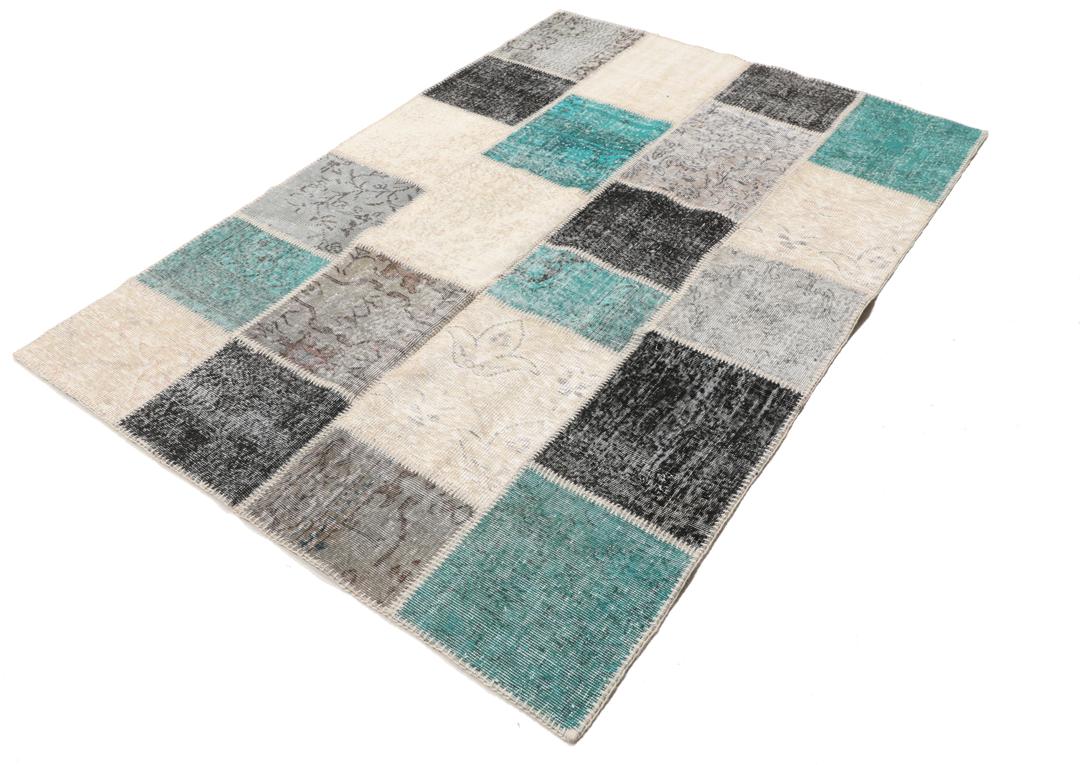
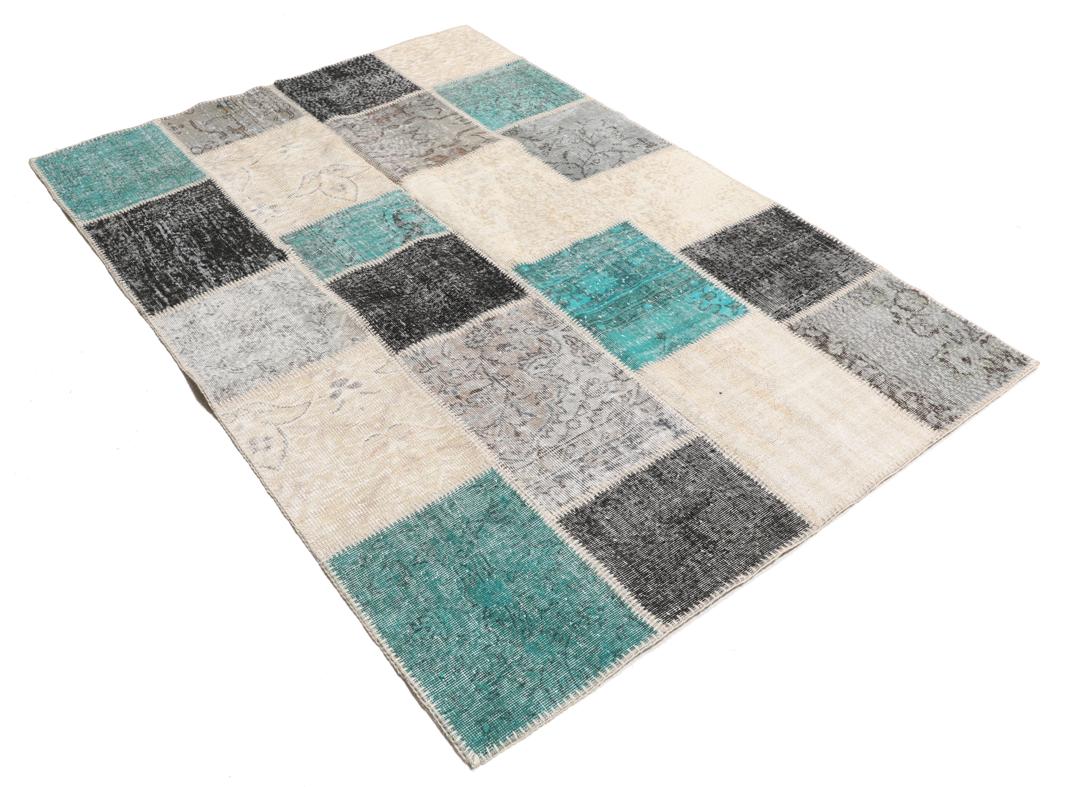
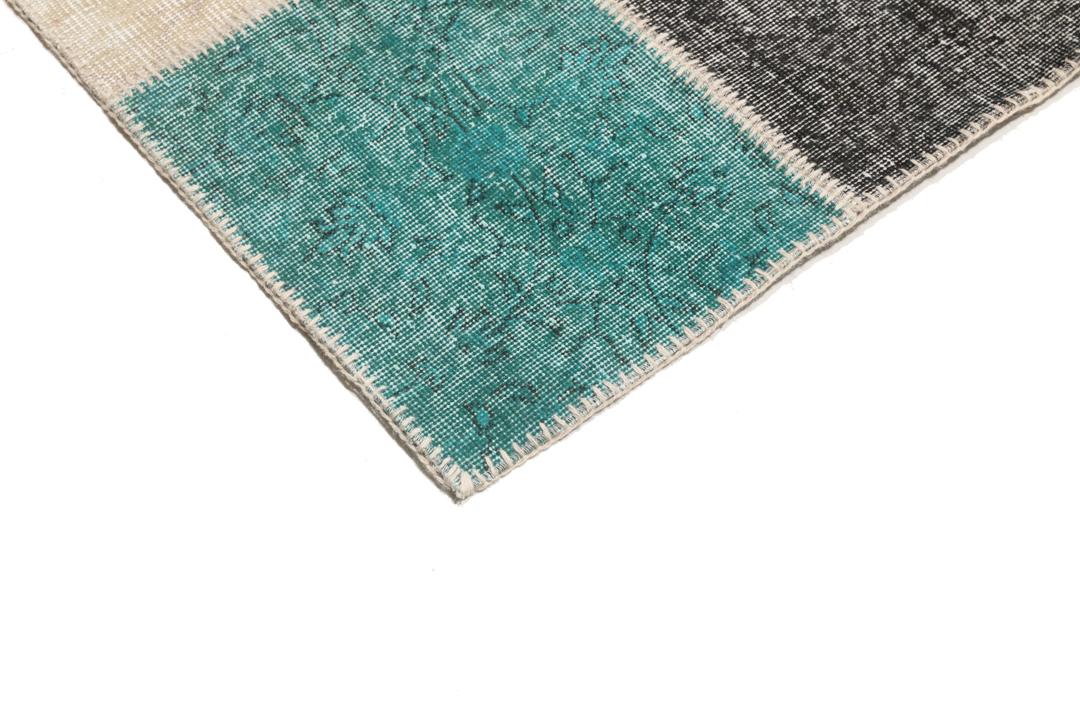
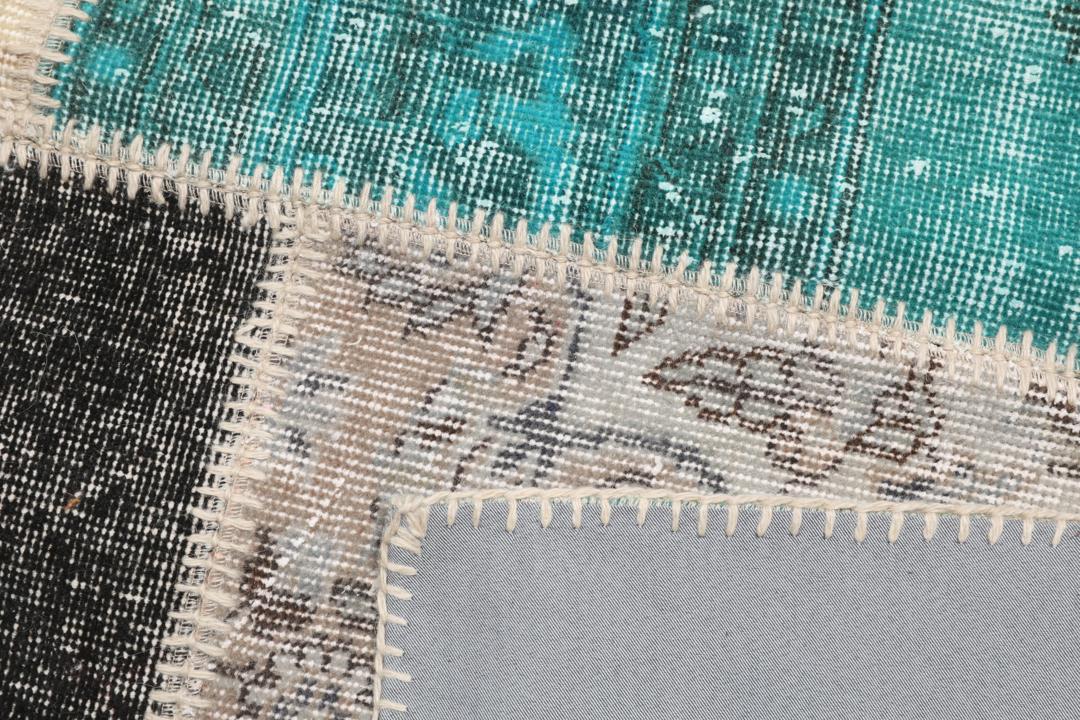
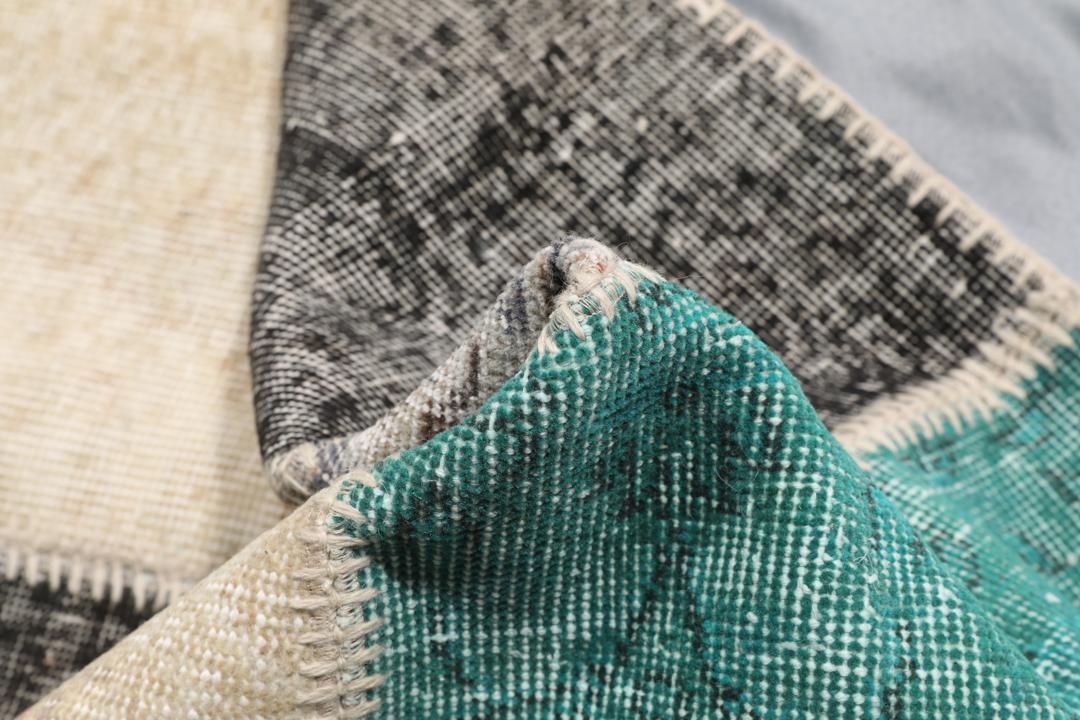
Patchwork rugs represent a fascinating evolution in the long history of Middle Eastern textile arts. This tradition emerged as a creative way to repurpose and celebrate fragments of older, hand-knotted rugs that had become worn in specific areas but retained beautiful, intact sections of design and colour. By salvaging these historic pieces, artisans give them a second life, transforming them into entirely new, contemporary compositions.
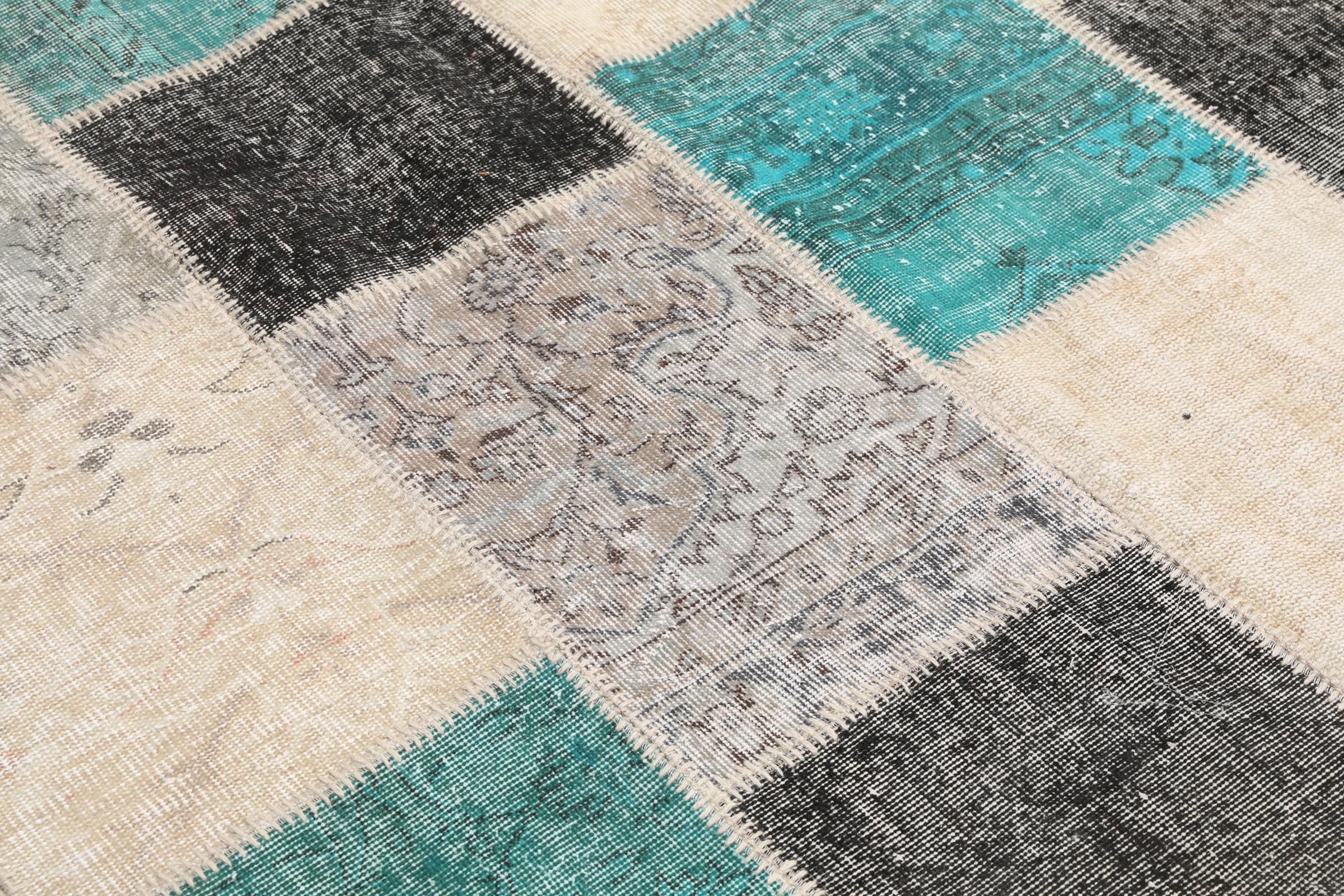
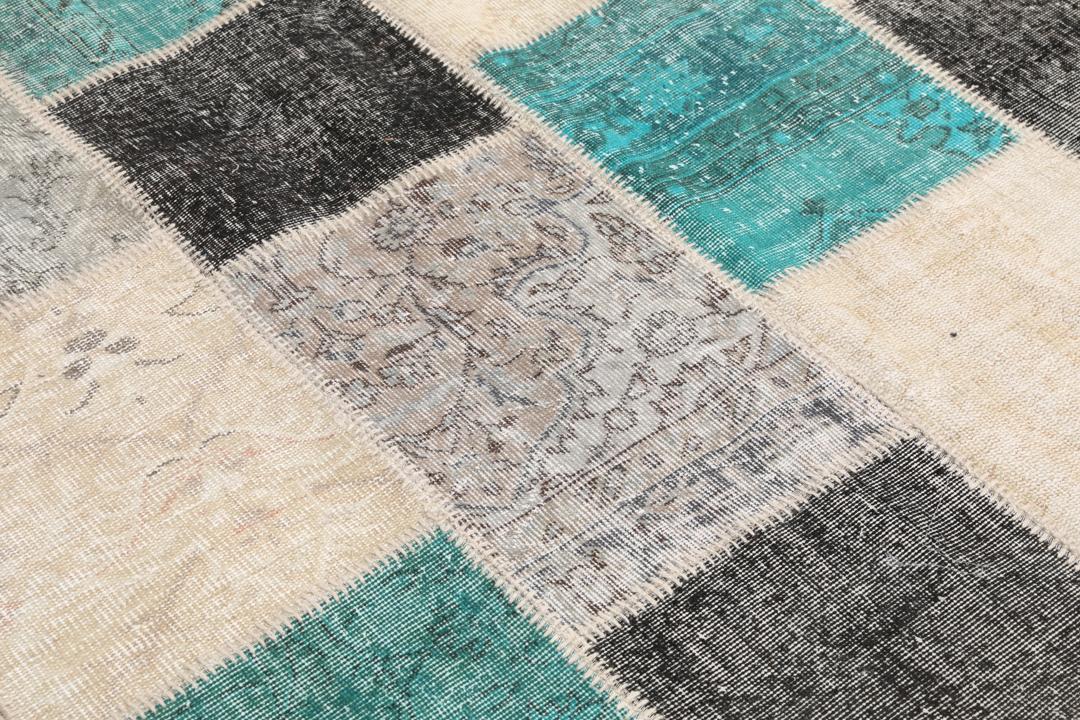
The process relies on a deep understanding of textile history and regional design. Each patch used in these rugs often features distinct motifs, such as remnants of traditional floral or geometric patterns that were originally woven in different villages across Turkey. Bringing these diverse elements together requires a keen eye for composition, ensuring that the final arrangement feels intentional and balanced.
Visually, these rugs are defined by their eclectic nature. While traditional rugs often follow a single, symmetrical pattern, a patchwork rug introduces a sense of spontaneity and modern flair. The contrast between the varied patterns and the solid colour fields creates a dynamic surface that changes as light hits the different textures, making the rug a focal point in any interior.
Owning a patchwork rug is an act of preservation. It connects the owner to the generations of weavers who created the original textiles while celebrating the ingenuity of modern craft. These pieces are highly valued by collectors and design enthusiasts alike, as they represent a bridge between the historical significance of traditional weaving and the requirements of modern, sustainable living.