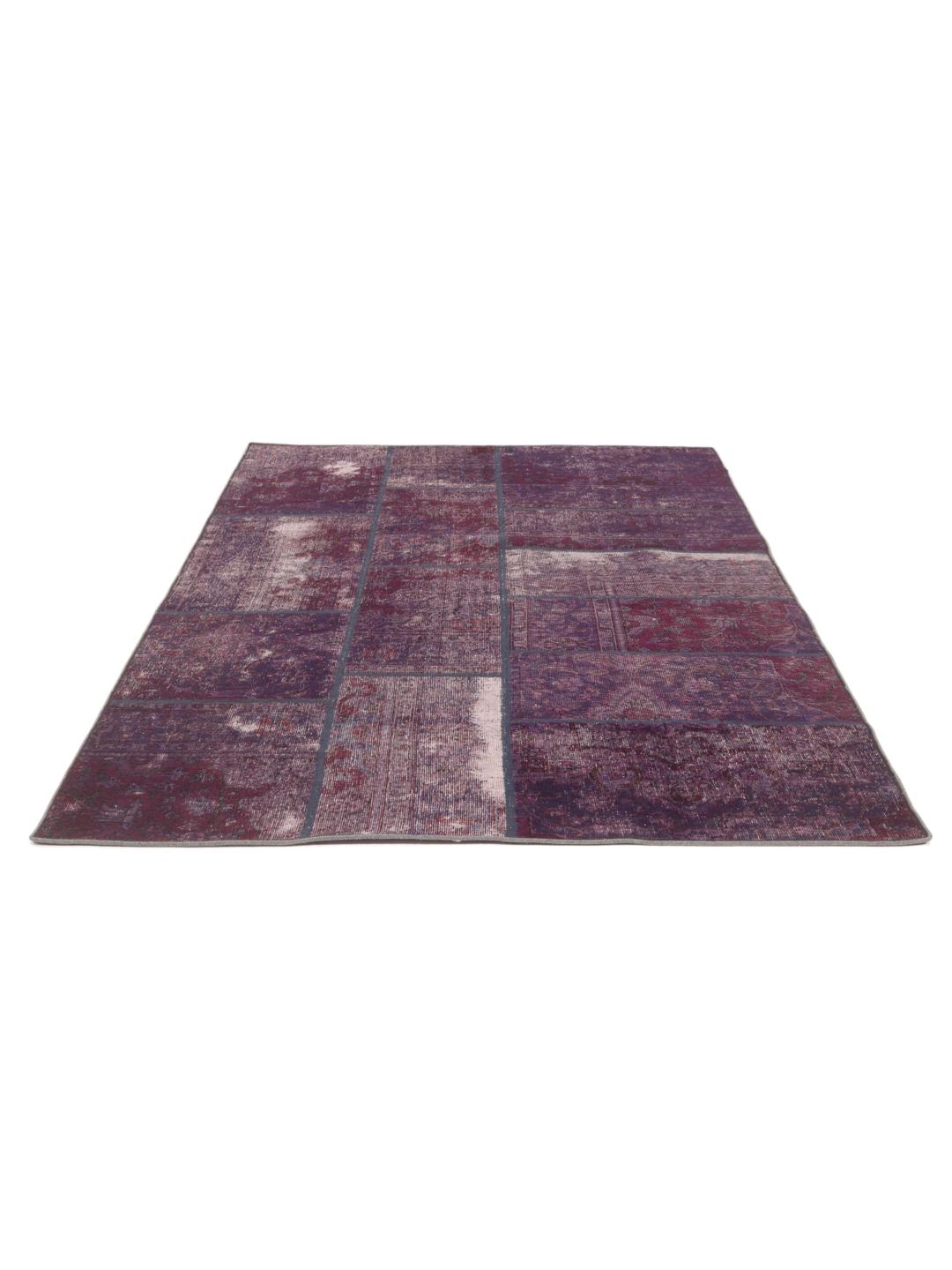
The tradition of patchwork rugs is a fascinating evolution within Middle Eastern textile craft. Rooted in a culture of sustainability and resourcefulness, artisans began creating these pieces by salvaging sections of older, worn-out carpets that were still structurally sound. By carefully cutting and reassembling these fragments, they gave new life to textiles that might otherwise have been discarded, preserving the artistry of the original weavers while creating entirely new designs.
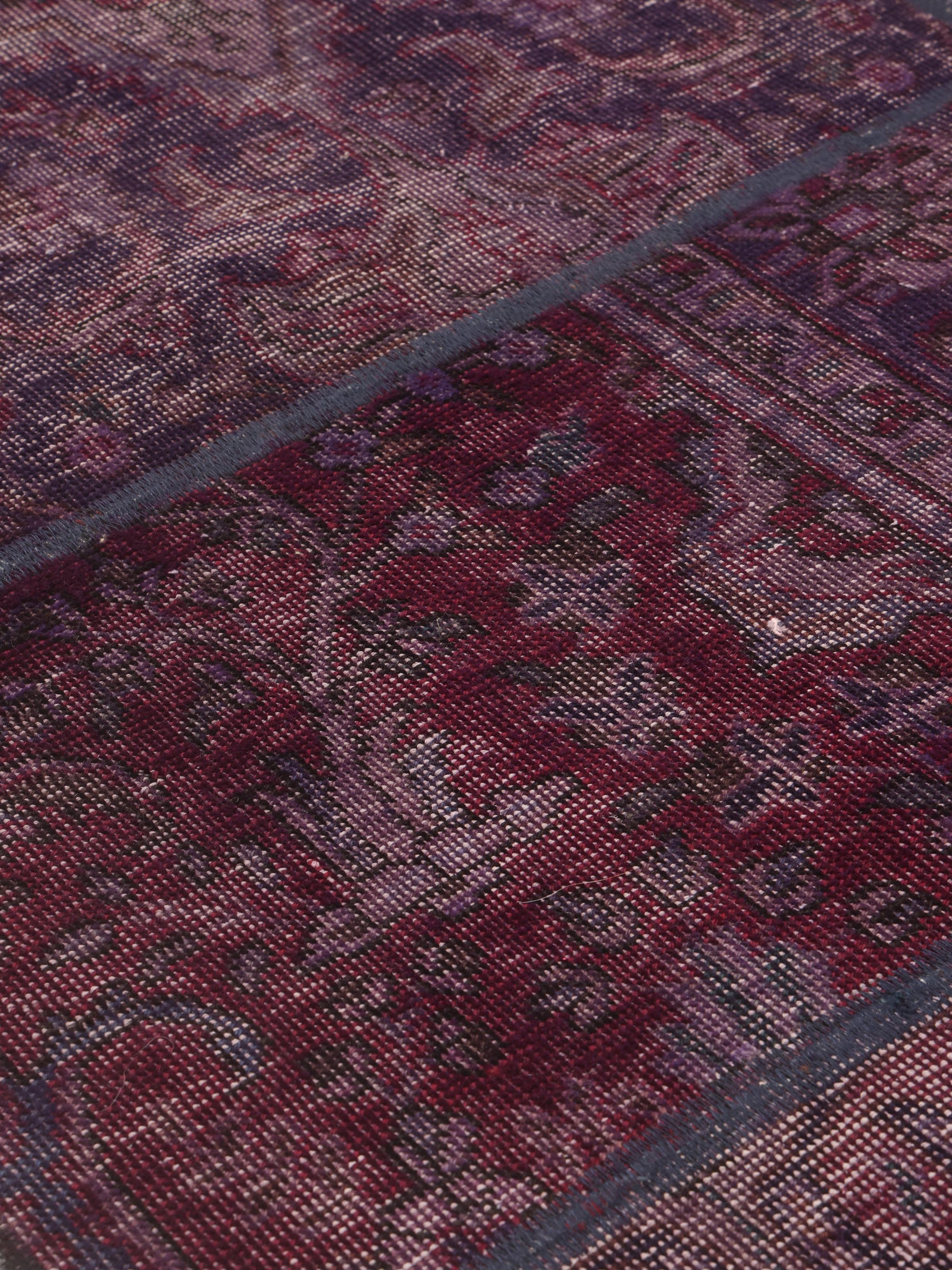
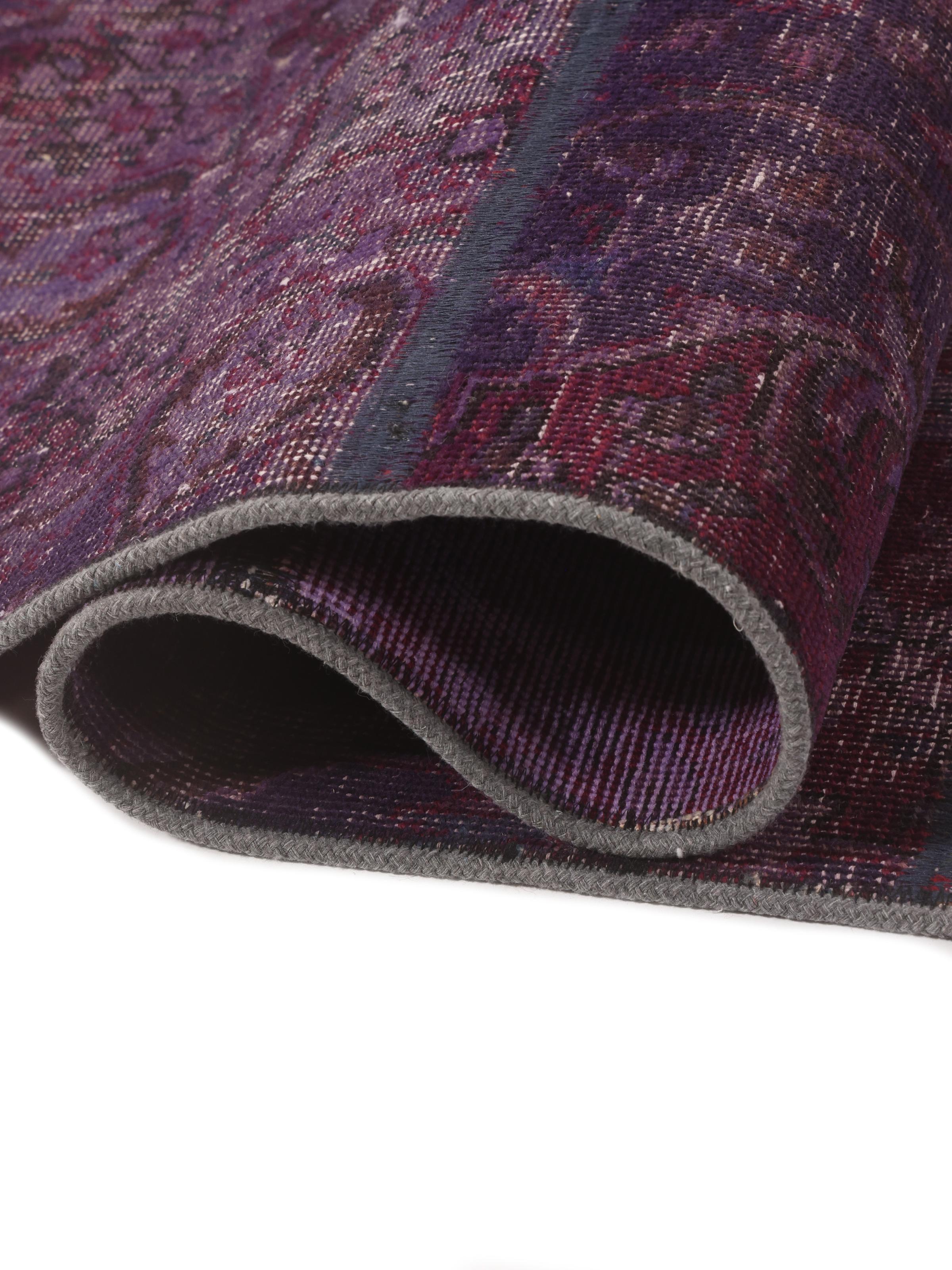
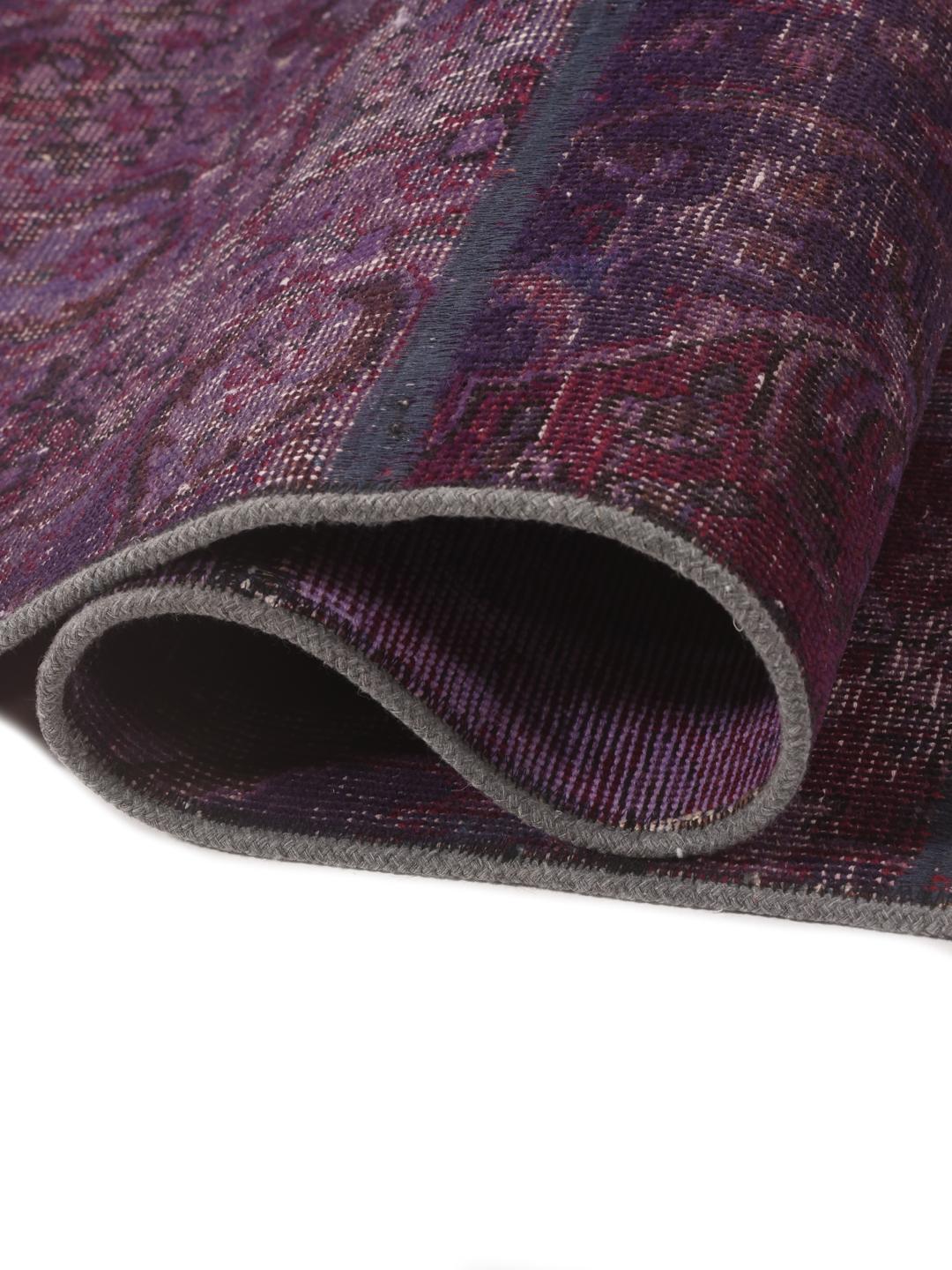
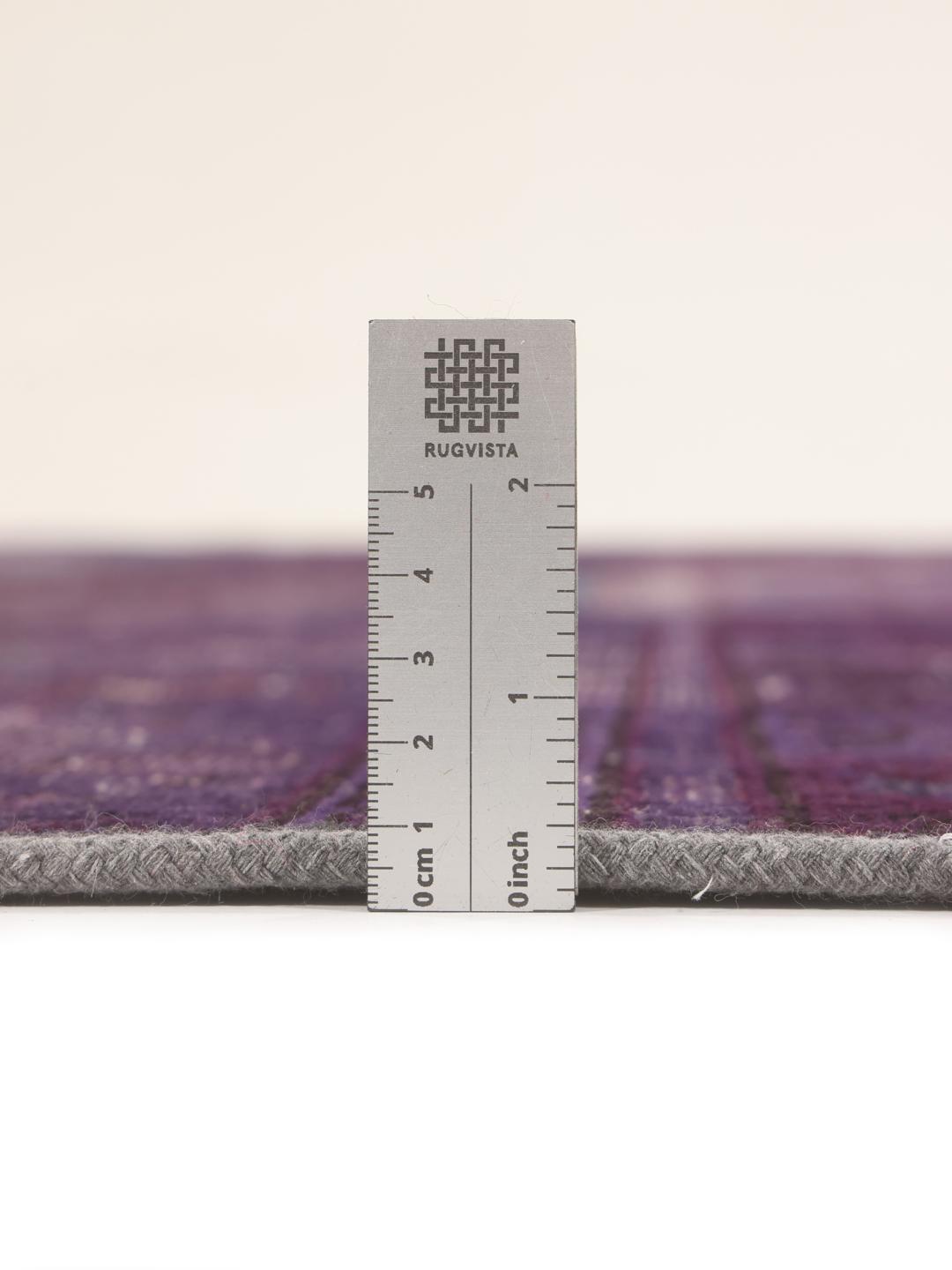
Technically, the quality of a patchwork rug depends heavily on the condition and density of the original fragments. The process of binding these pieces together requires an expert understanding of how different weaves interact. A well-constructed patchwork rug uses a strong foundation, often made of cotton, to ensure that the individual pieces remain secure and flat. This construction method results in a rug that is remarkably durable, as the combined thickness of the patches provides added resilience.
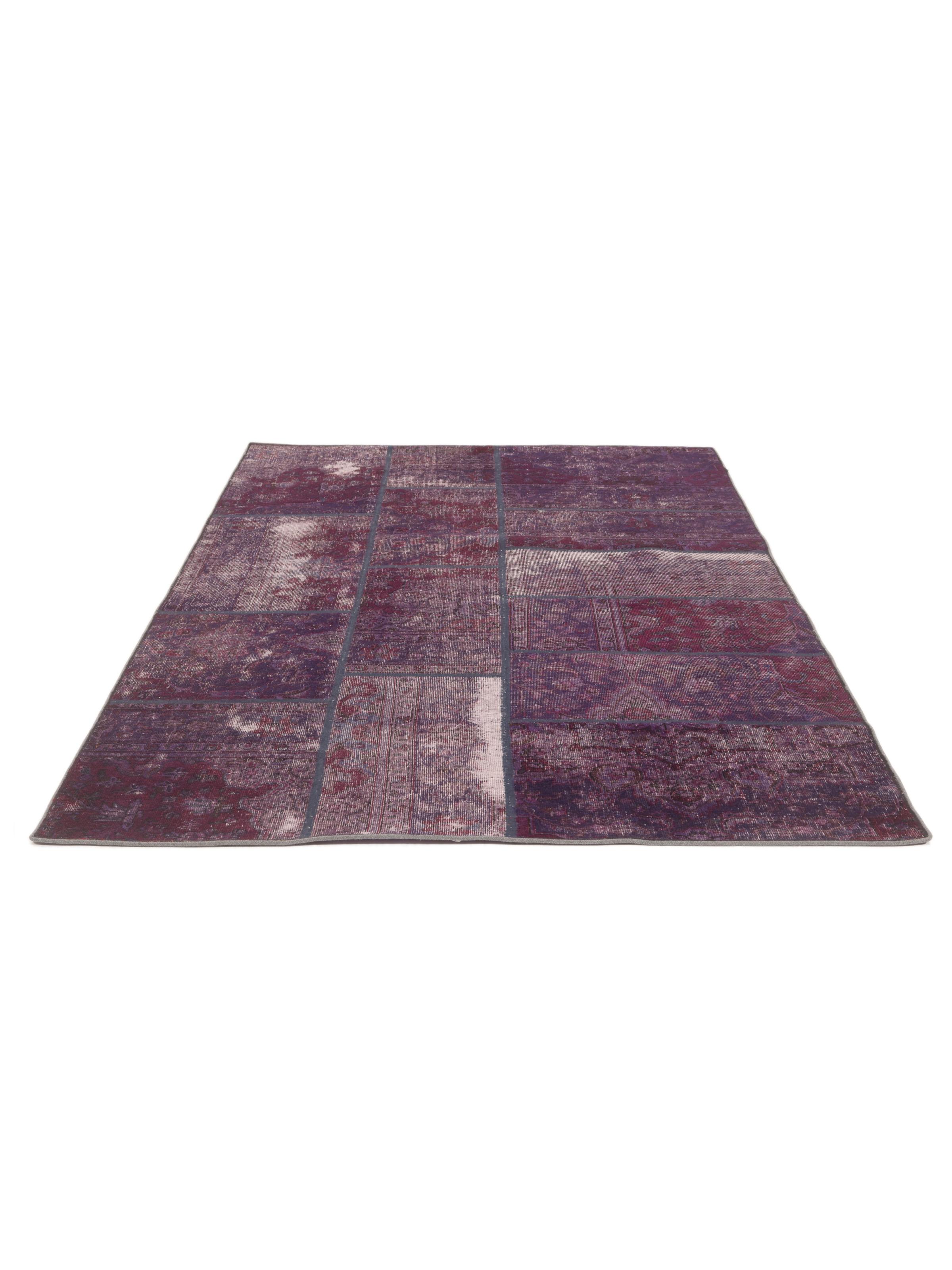
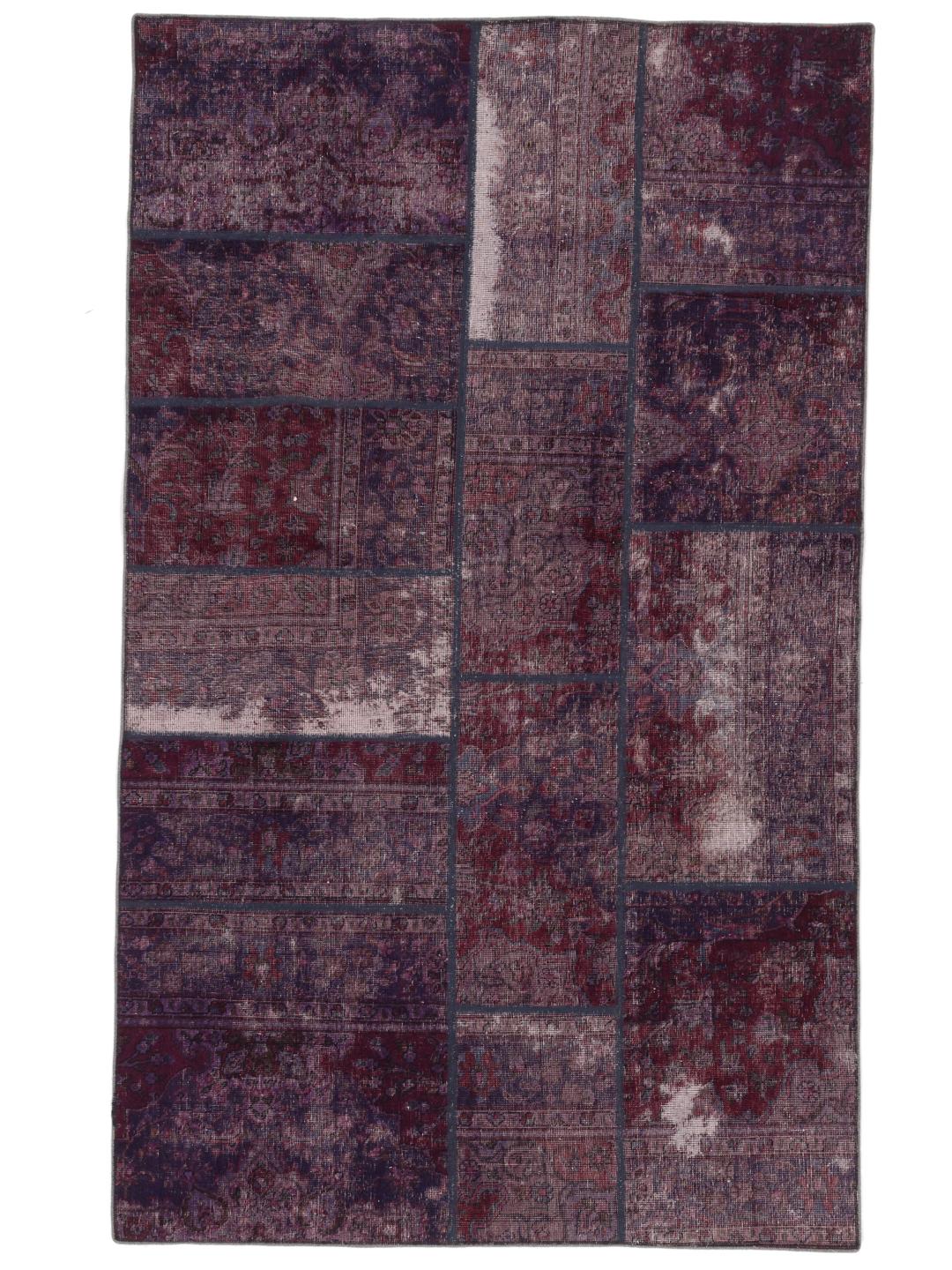
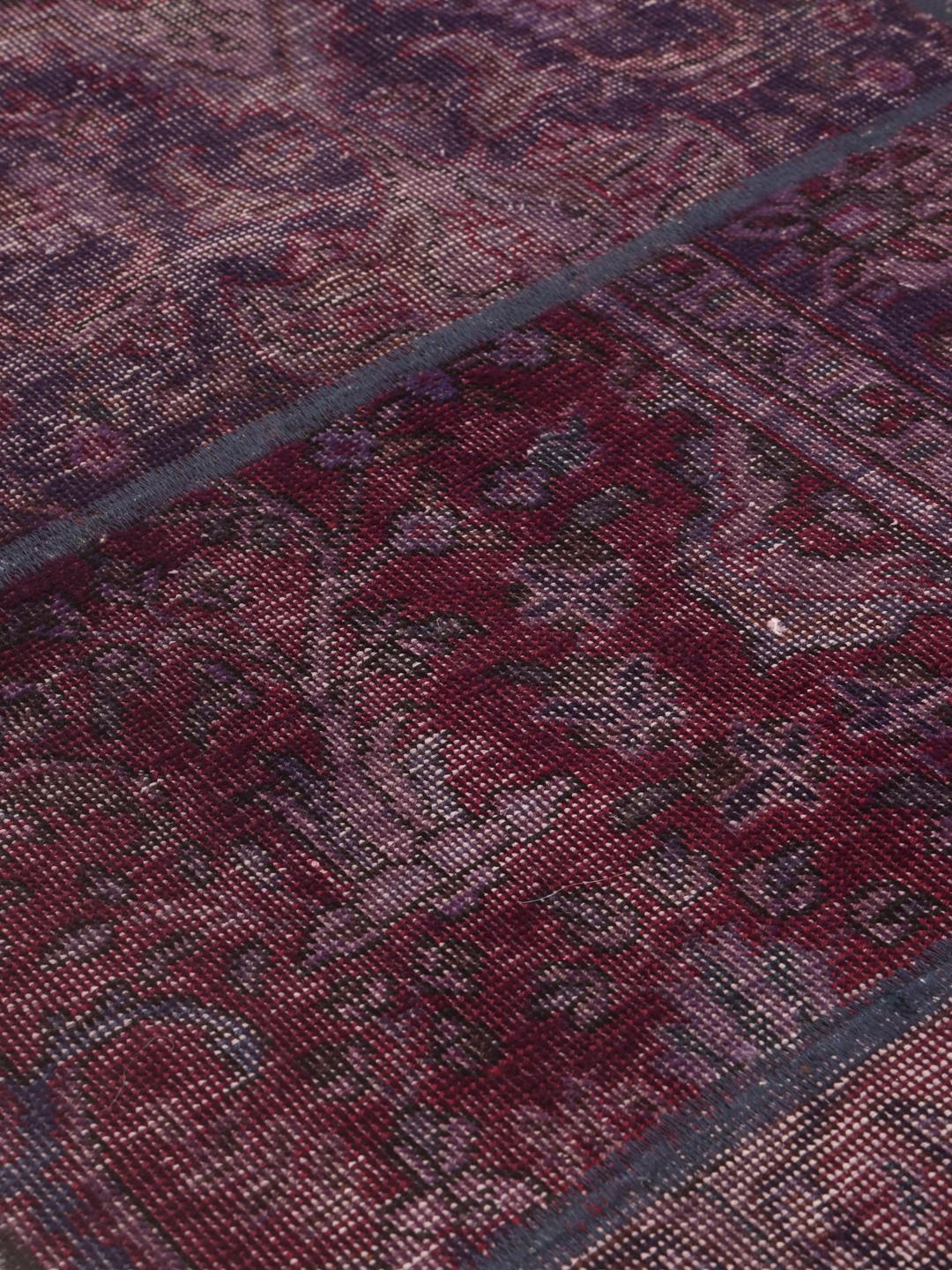
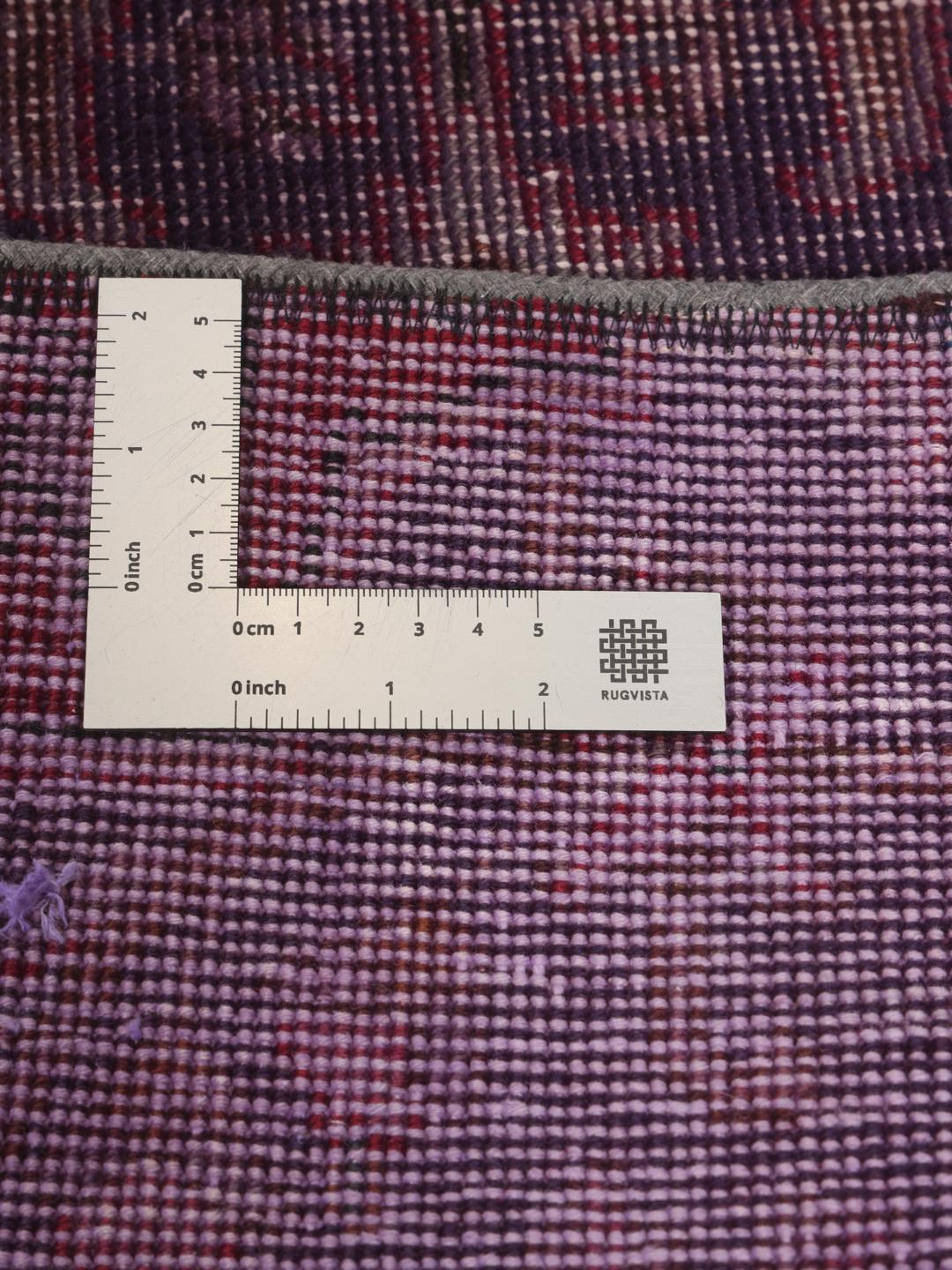
Visually, these rugs are defined by their eclectic yet balanced aesthetics. They often feature a blend of various motifs, such as floral or geometric patterns, which are unified by a consistent colour scheme or a common design theme. This specific piece showcases a rich, dark-purple palette that highlights the intricate details of the vintage patterns, creating a sophisticated look that is both modern and deeply connected to traditional rug-making history.
Collecting a patchwork rug is an act of preserving heritage. These rugs are highly valued for their unique character and the story they tell of craftsmanship across generations. Owning one means you are not just purchasing a floor covering, but a piece of history that has been thoughtfully re-imagined for the modern home, offering a level of depth and cultural weight that is rare in contemporary interior design.