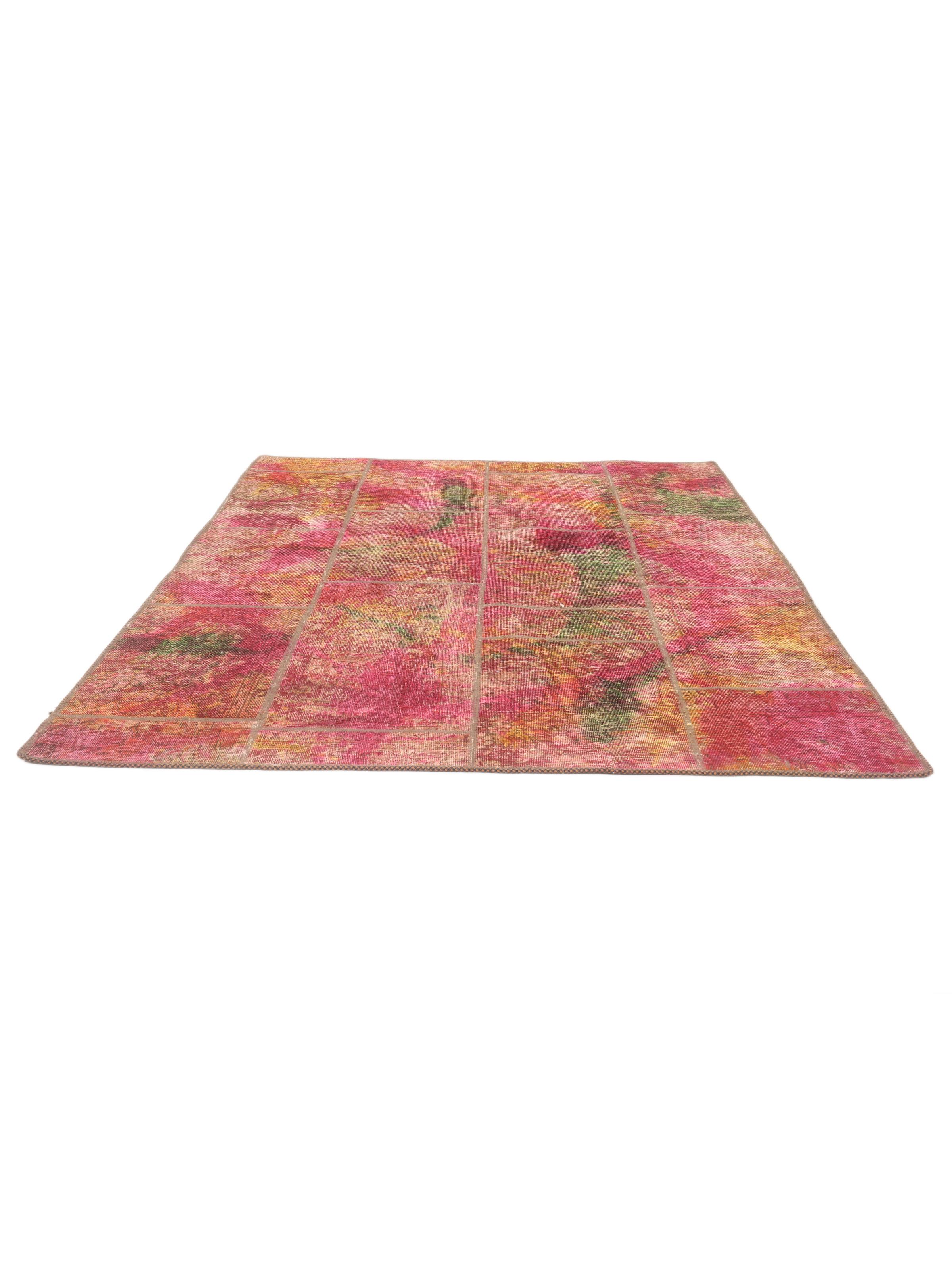
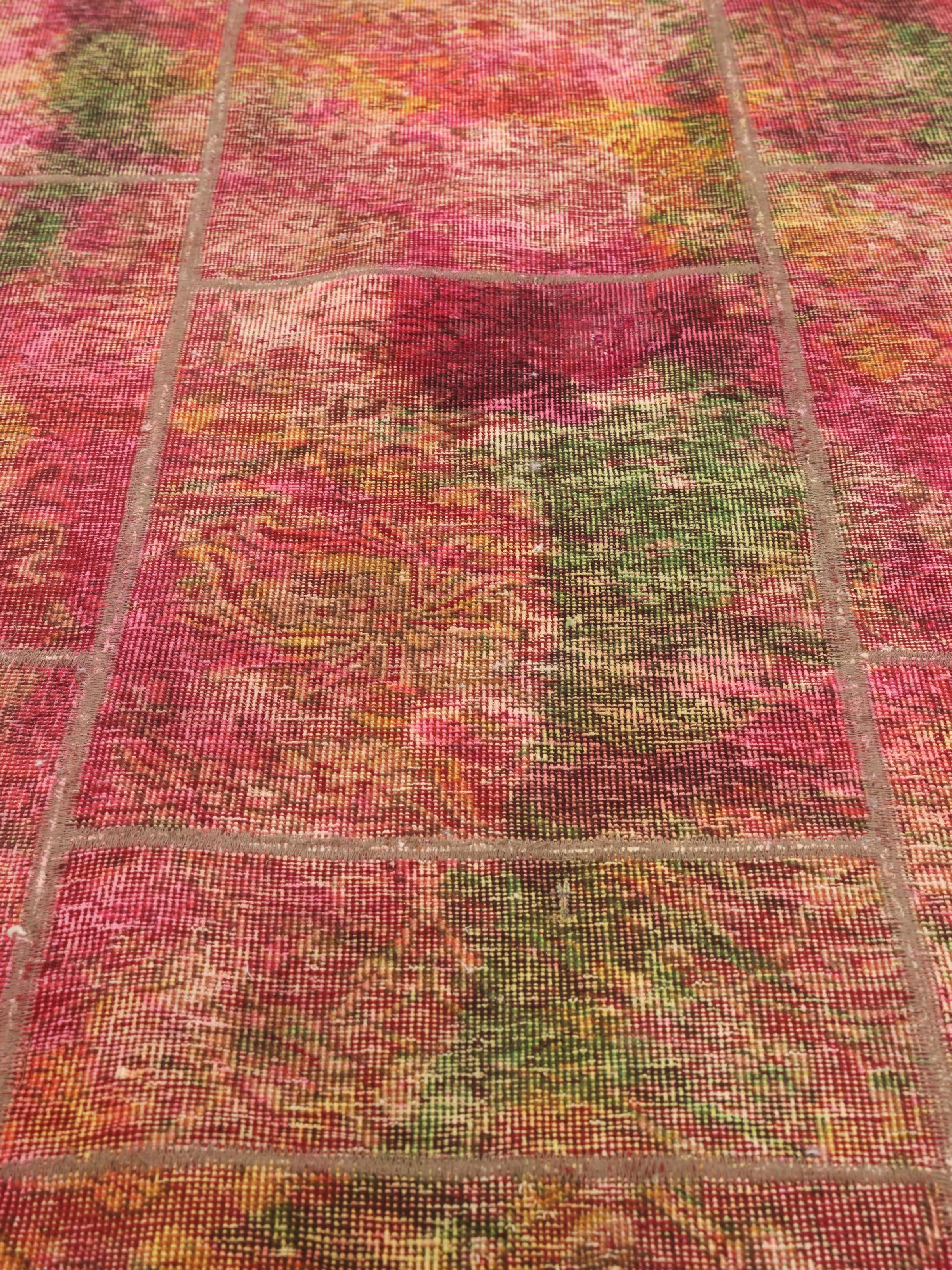
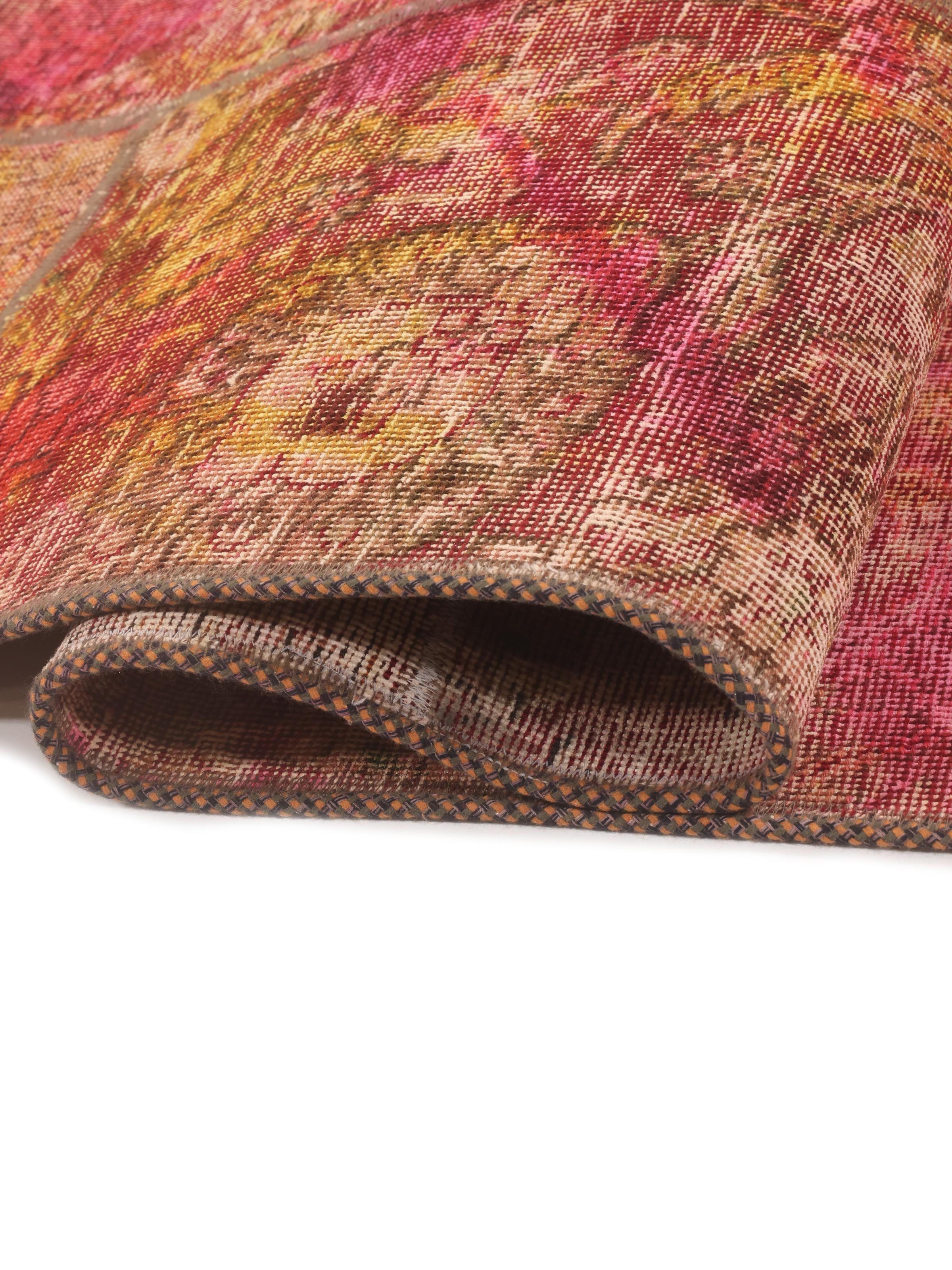
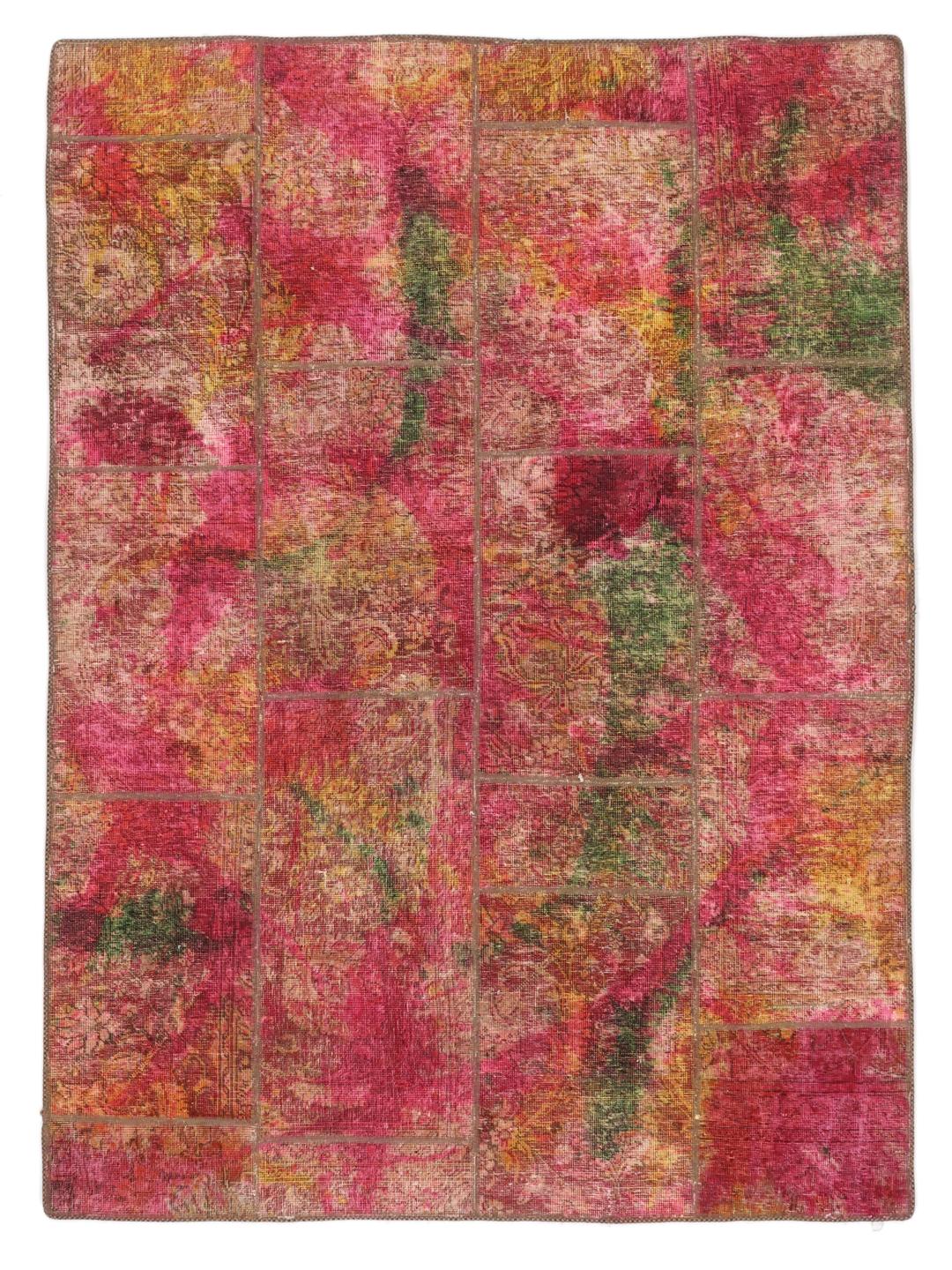
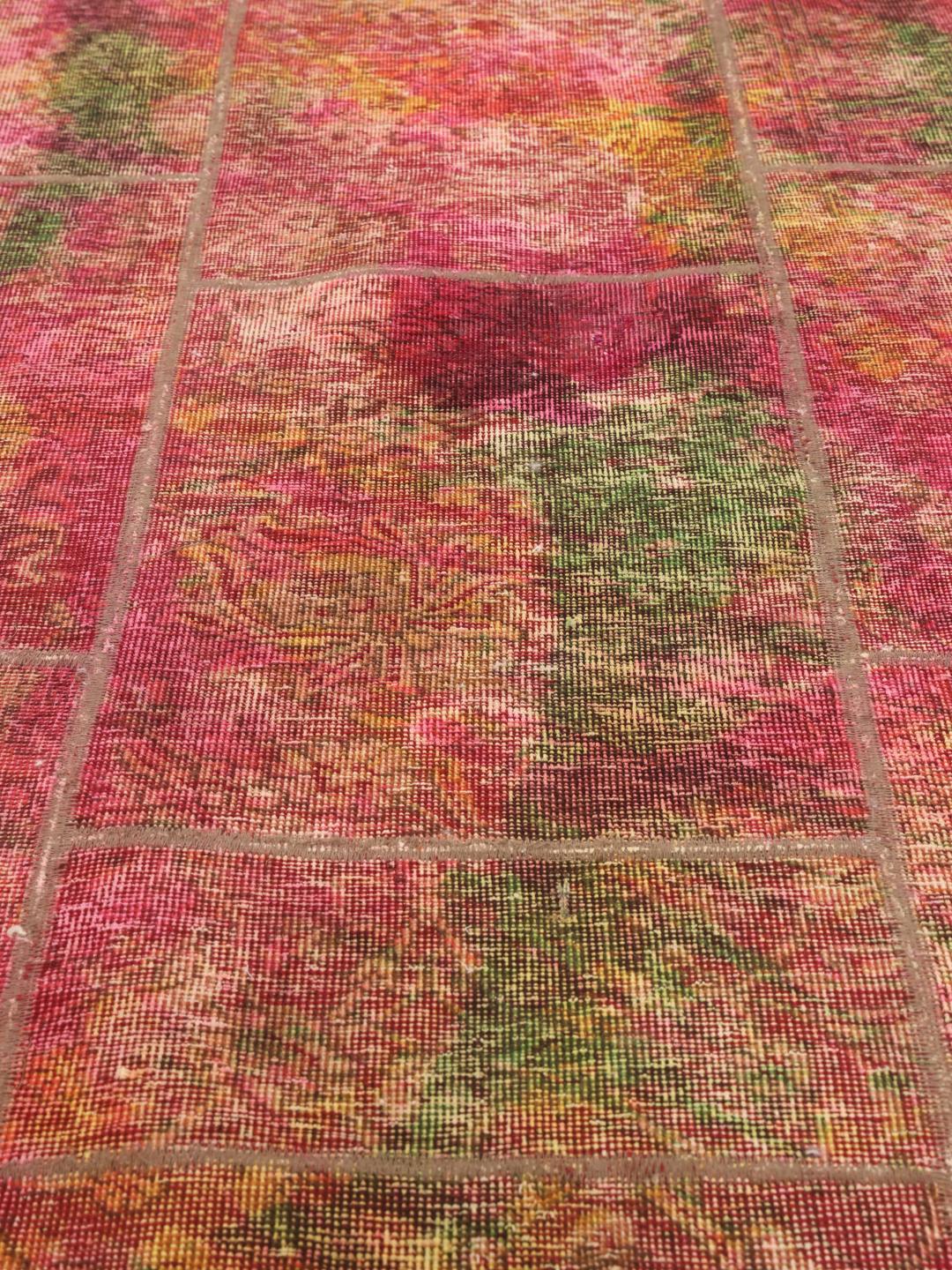
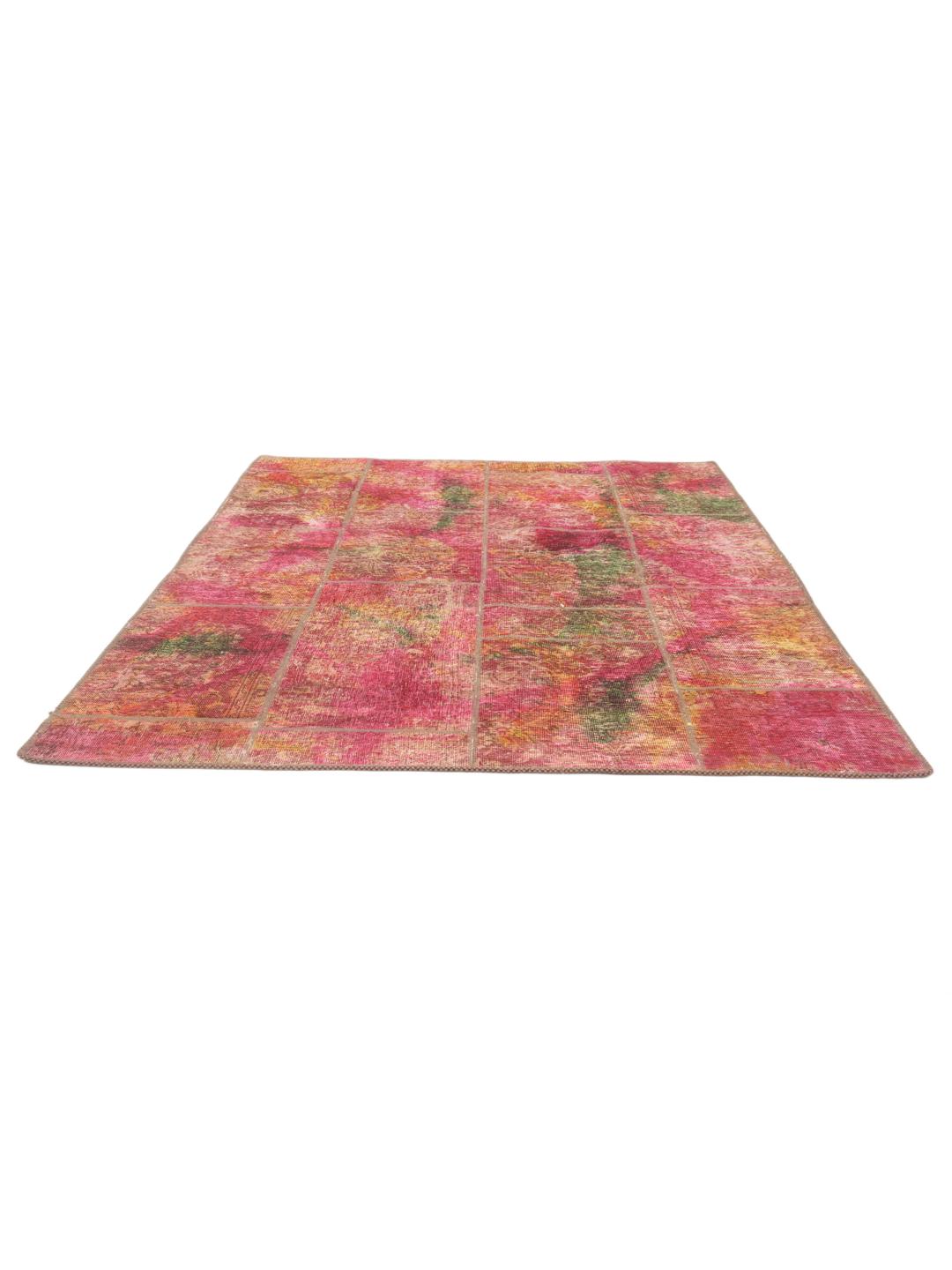
The art of patchwork rug-making is a creative evolution of Middle Eastern textile traditions. Originally, this practice emerged as a way to repurpose and honour fragments of older, hand-knotted rugs that had become worn or damaged in certain areas. By salvaging the most beautiful and intact sections, artisans give these textiles a second life, preserving the history woven into every fibre.
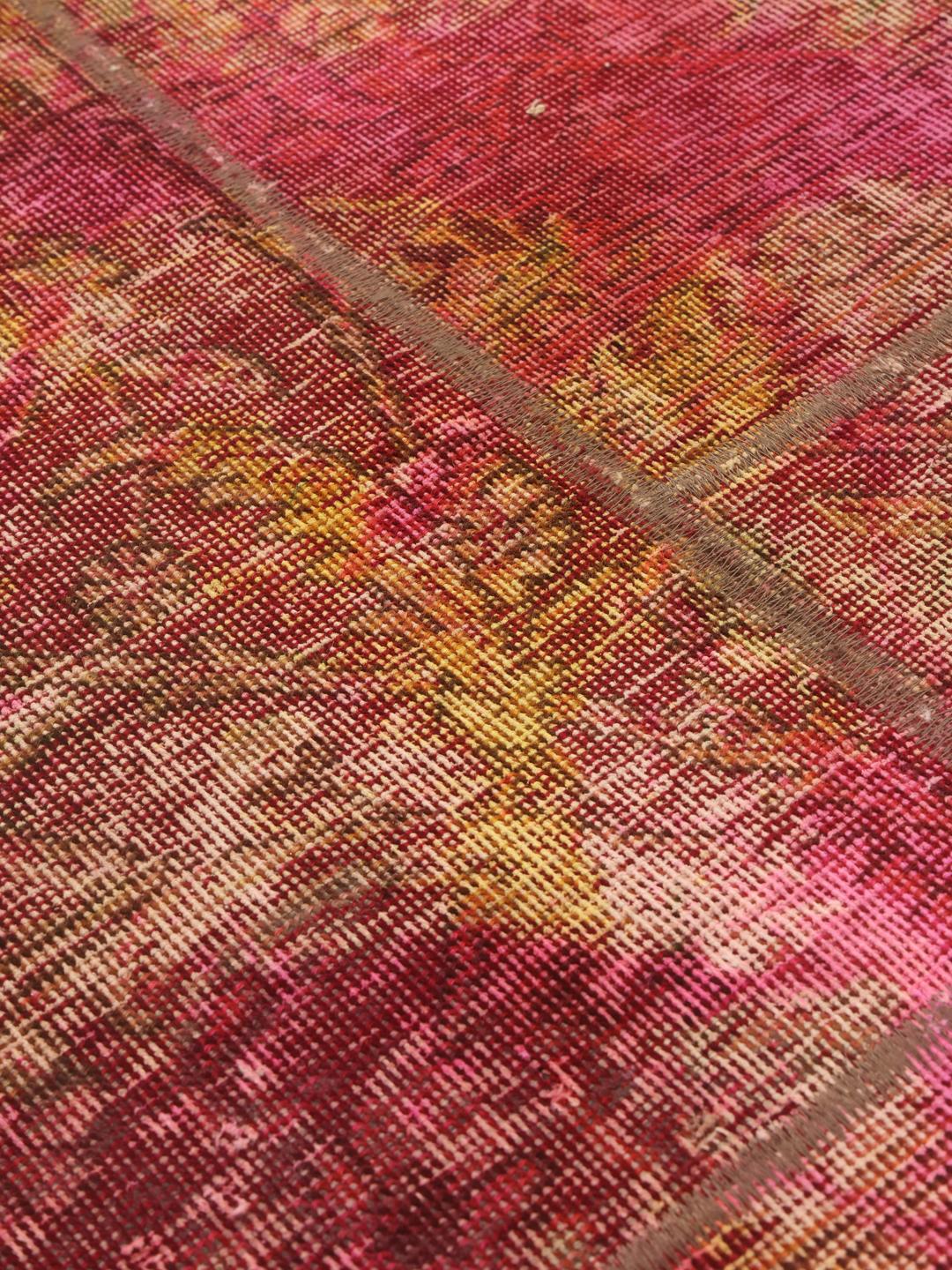
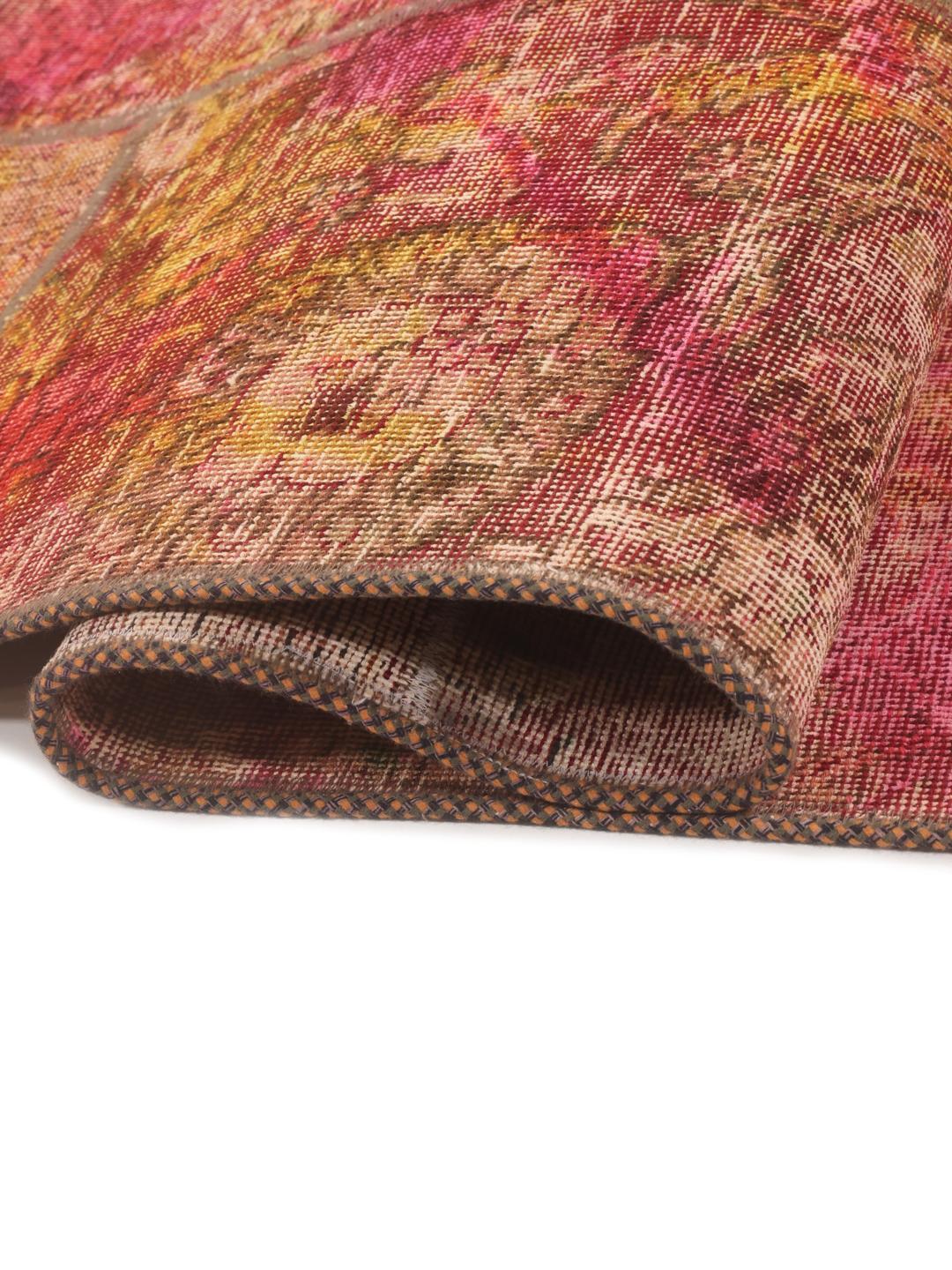
The technique involves selecting high-quality wool segments and carefully stitching them together to create a cohesive new design. This process requires an expert eye for colour harmony and balance, as the artisan must visualise how disparate patterns and tones will interact within a single frame. The result is a fusion of classic motifs and contemporary aesthetics.
Design elements in these rugs often showcase a variety of traditional patterns, ranging from intricate floral medallions to stylised geometric forms. Because each rug is composed of different source materials, the visual language is always changing, featuring a wide spectrum of colours that might not be found in a single, newly woven rug. This makes every patchwork piece a dynamic celebration of regional design heritage.
Collecting a patchwork rug is an investment in both sustainability and cultural narrative. It represents a bridge between the past and the present, allowing you to own a piece of Middle Eastern craftsmanship that has been curated for the modern home. The value lies in the human effort required to curate, restore, and assemble these fragments into a beautiful, functional work of art.