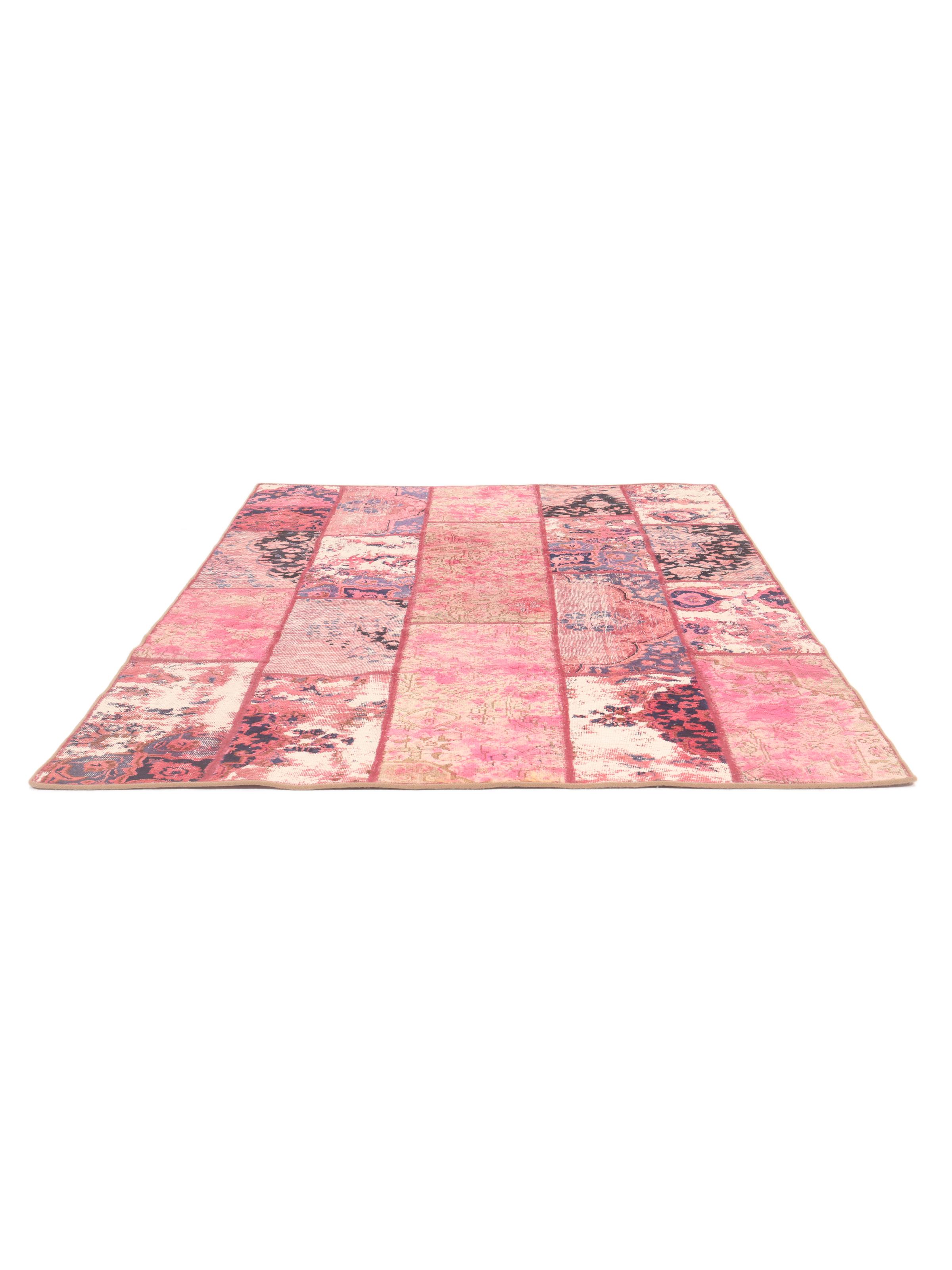
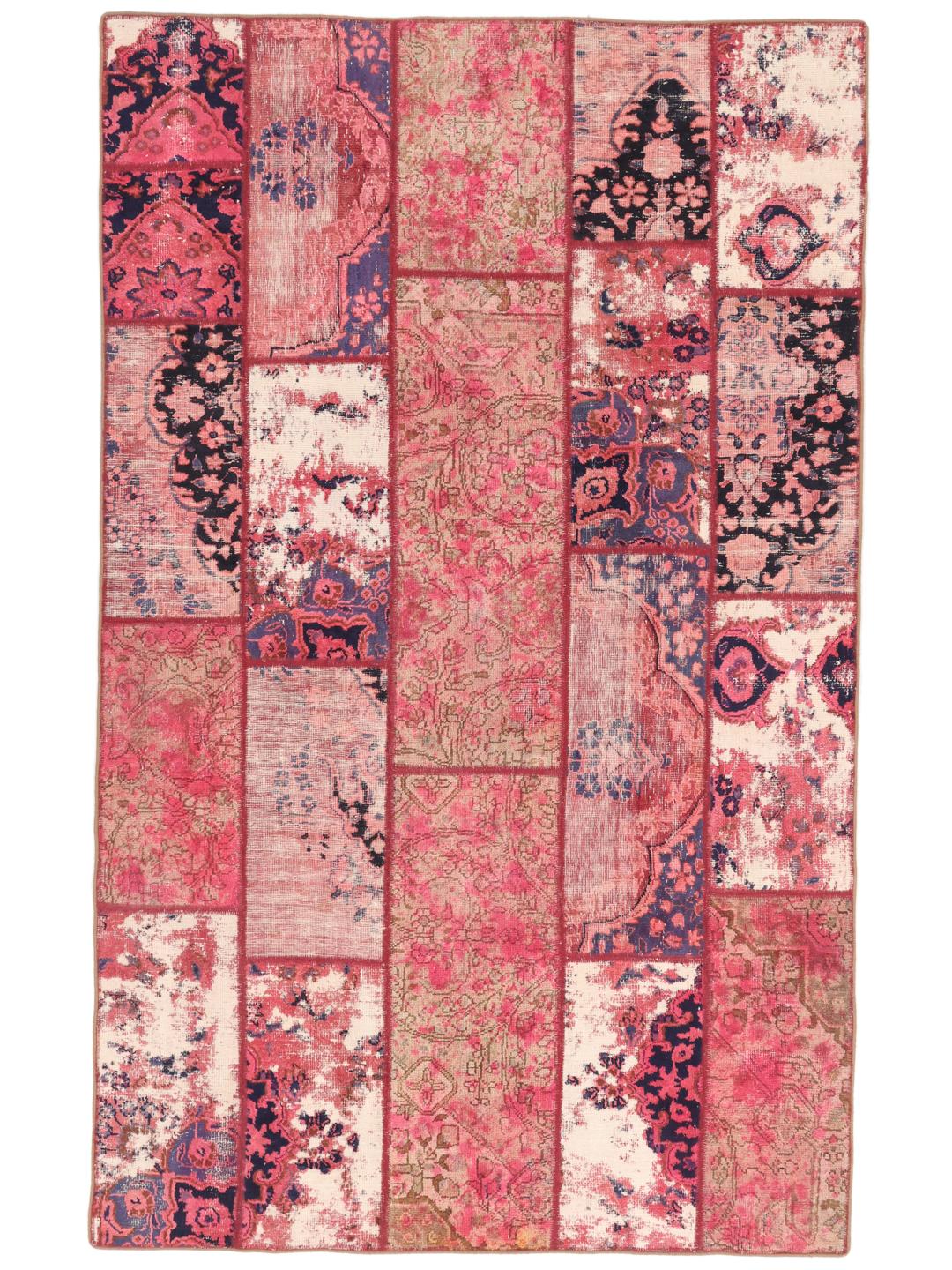
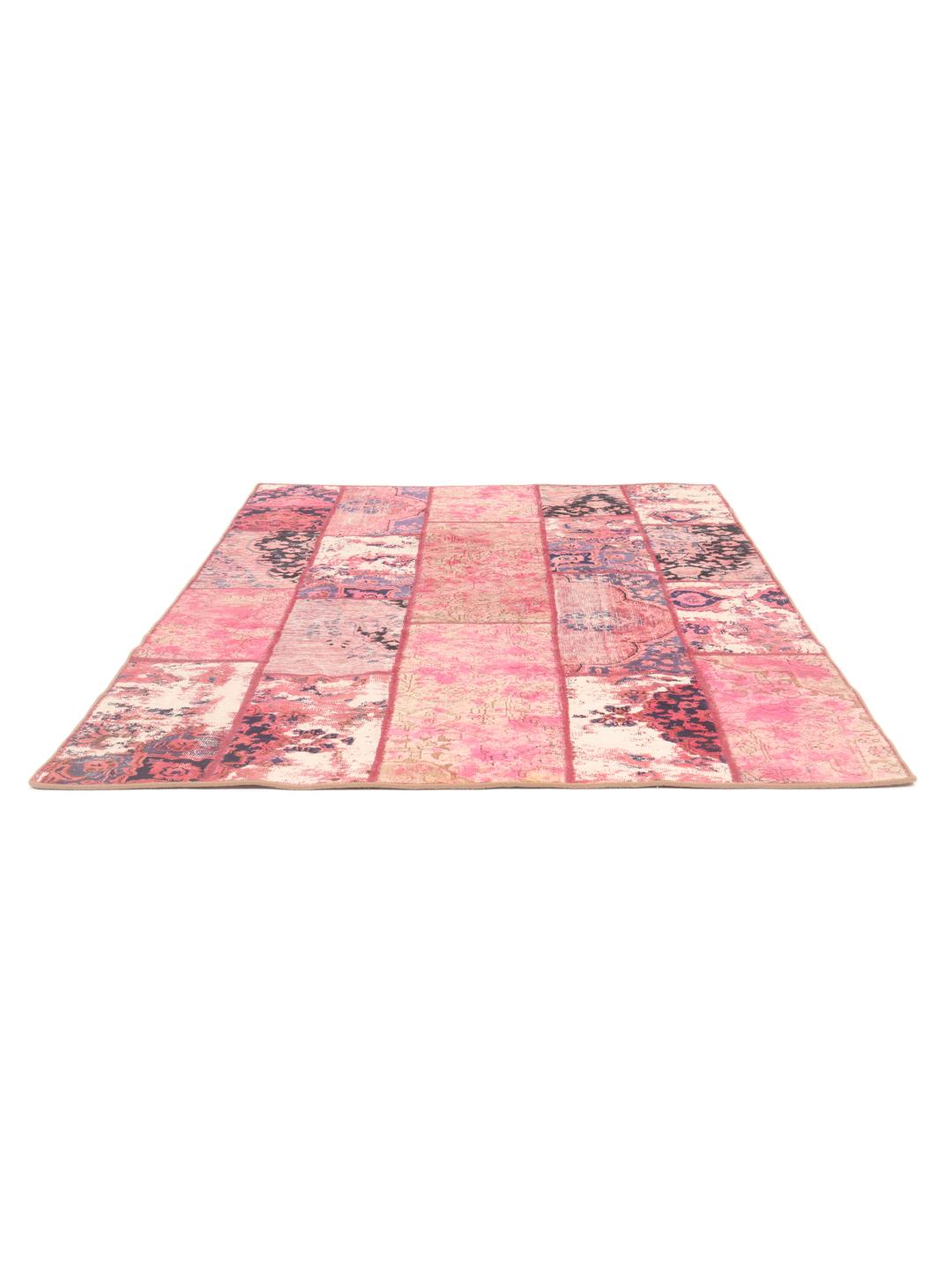
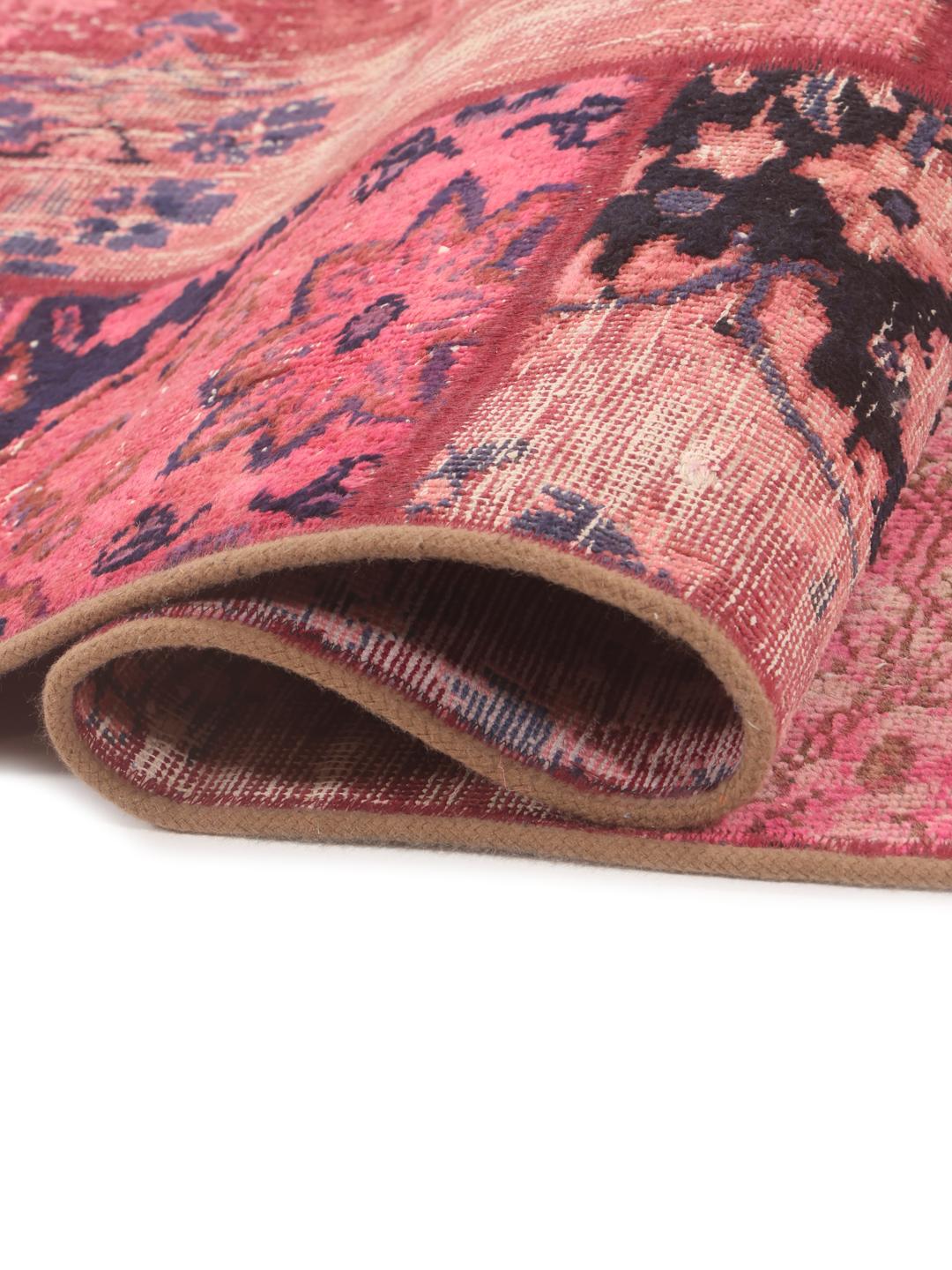
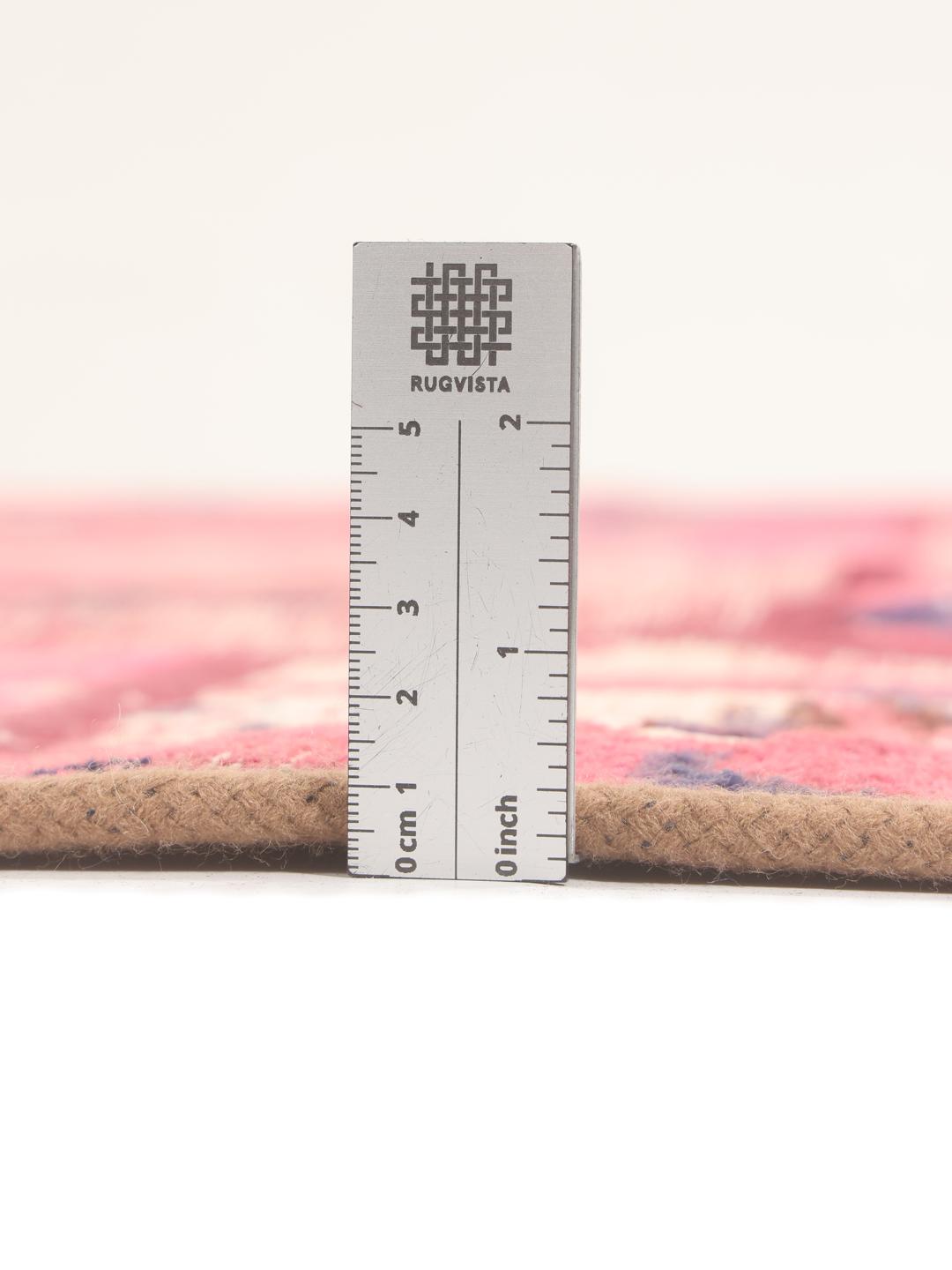
Patchwork rugs represent a fascinating evolution in the history of Middle Eastern textile arts. This tradition involves taking existing, hand-knotted rugs—often those that have seen years of use—and carefully curating them to create something entirely new. It is a practice born from both a desire to honour the skill of traditional weavers and a sustainable approach to textile design, ensuring that these beautiful, hand-knotted works continue to be celebrated in contemporary homes.
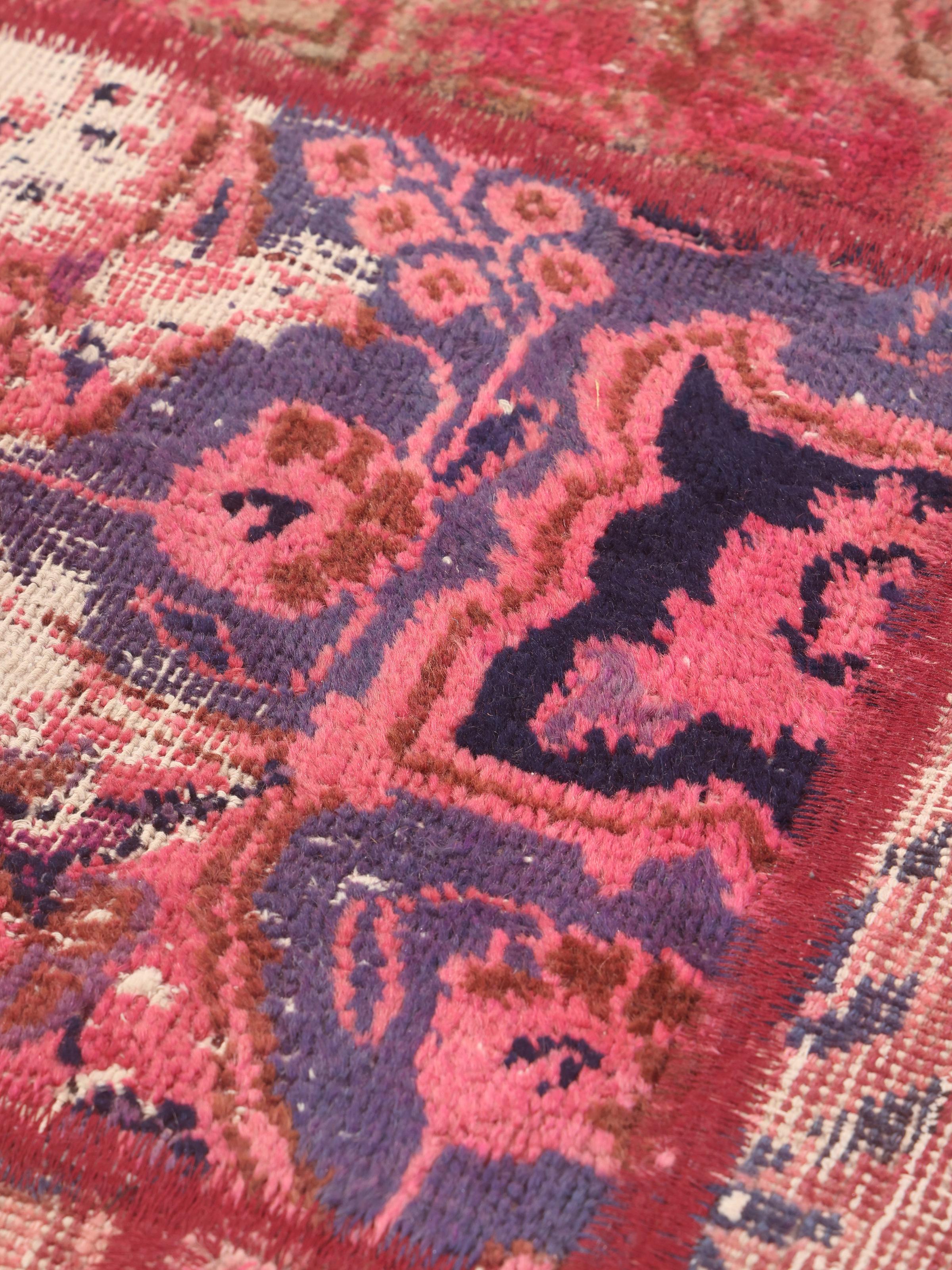
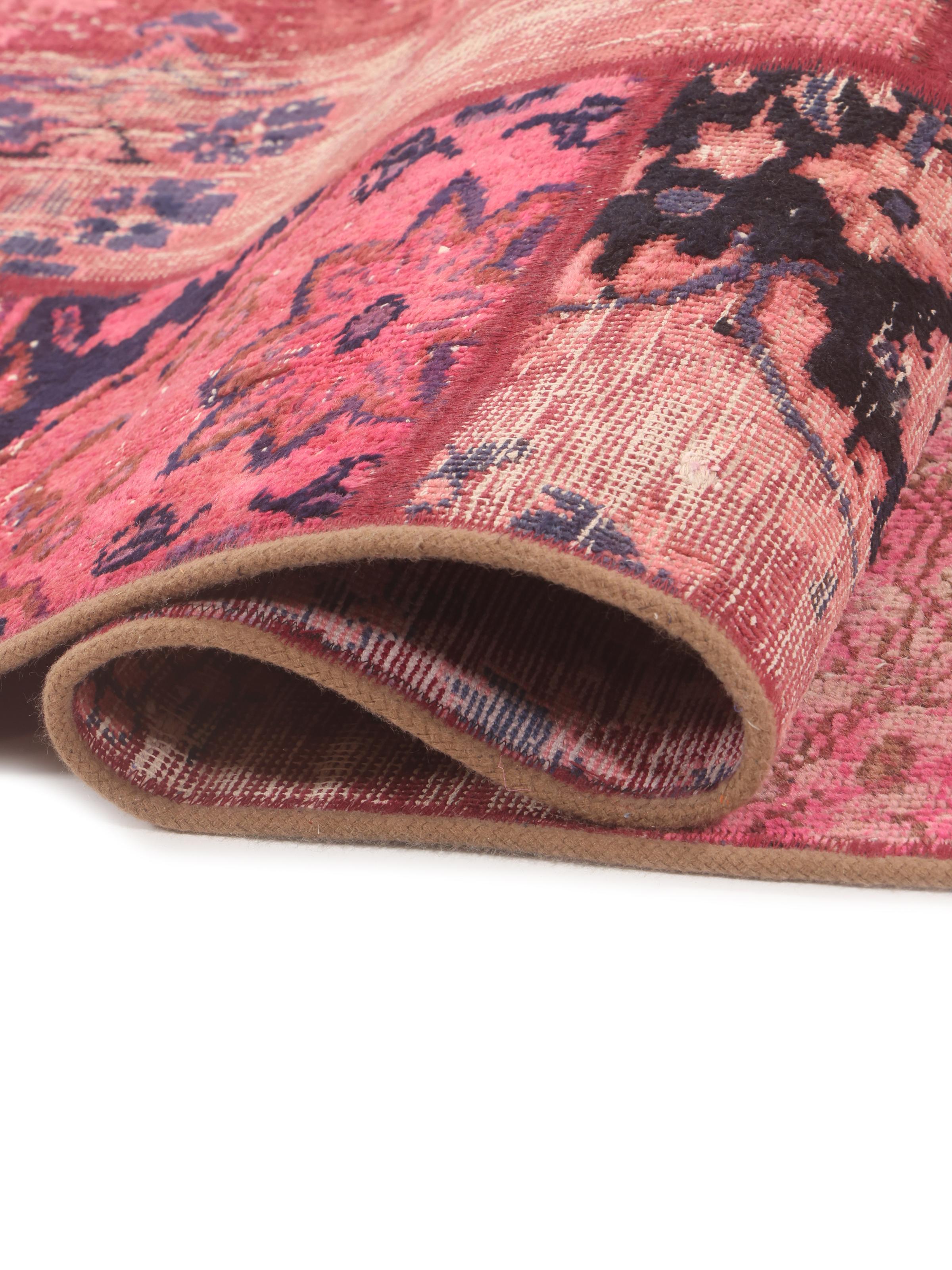
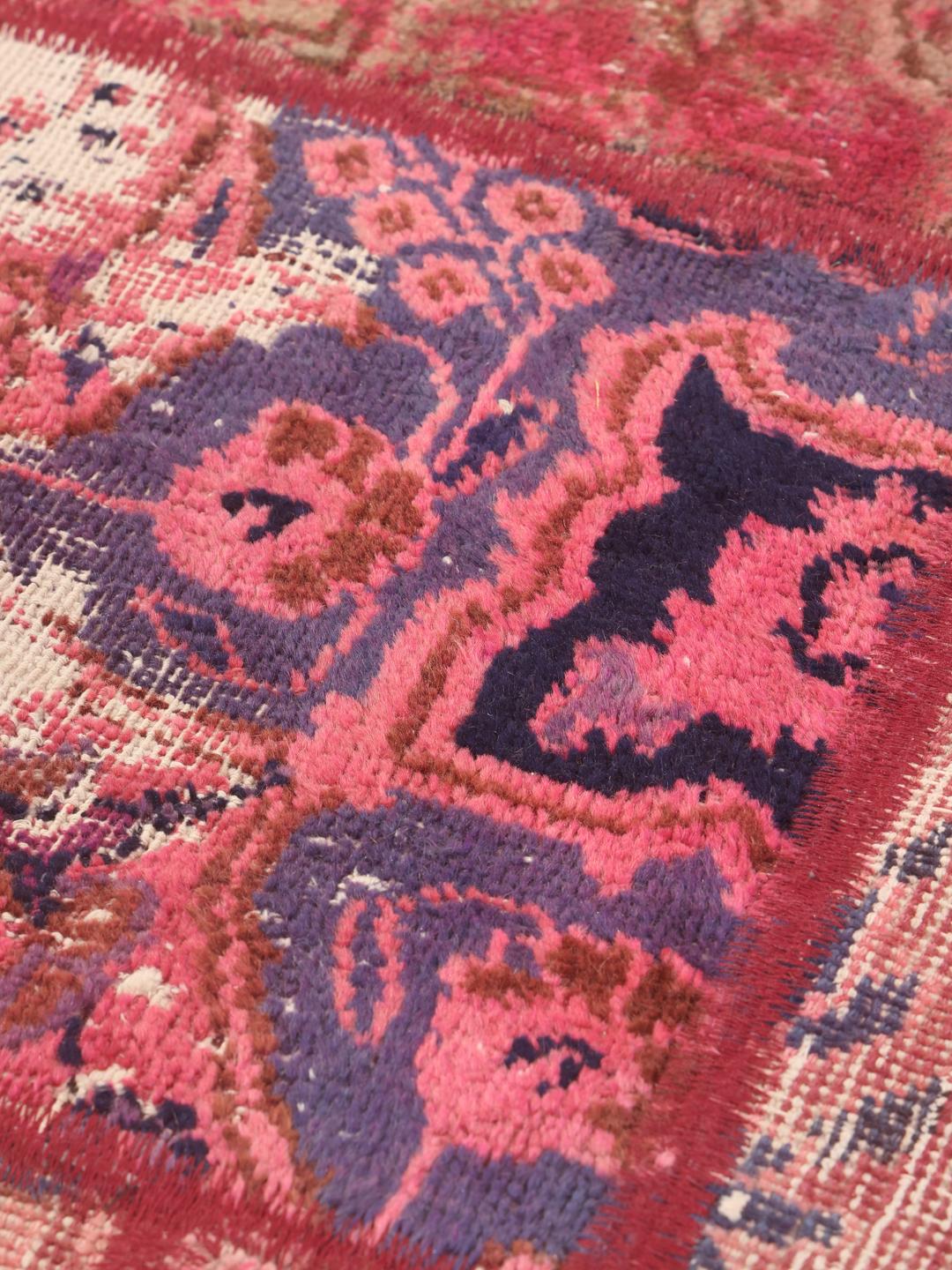
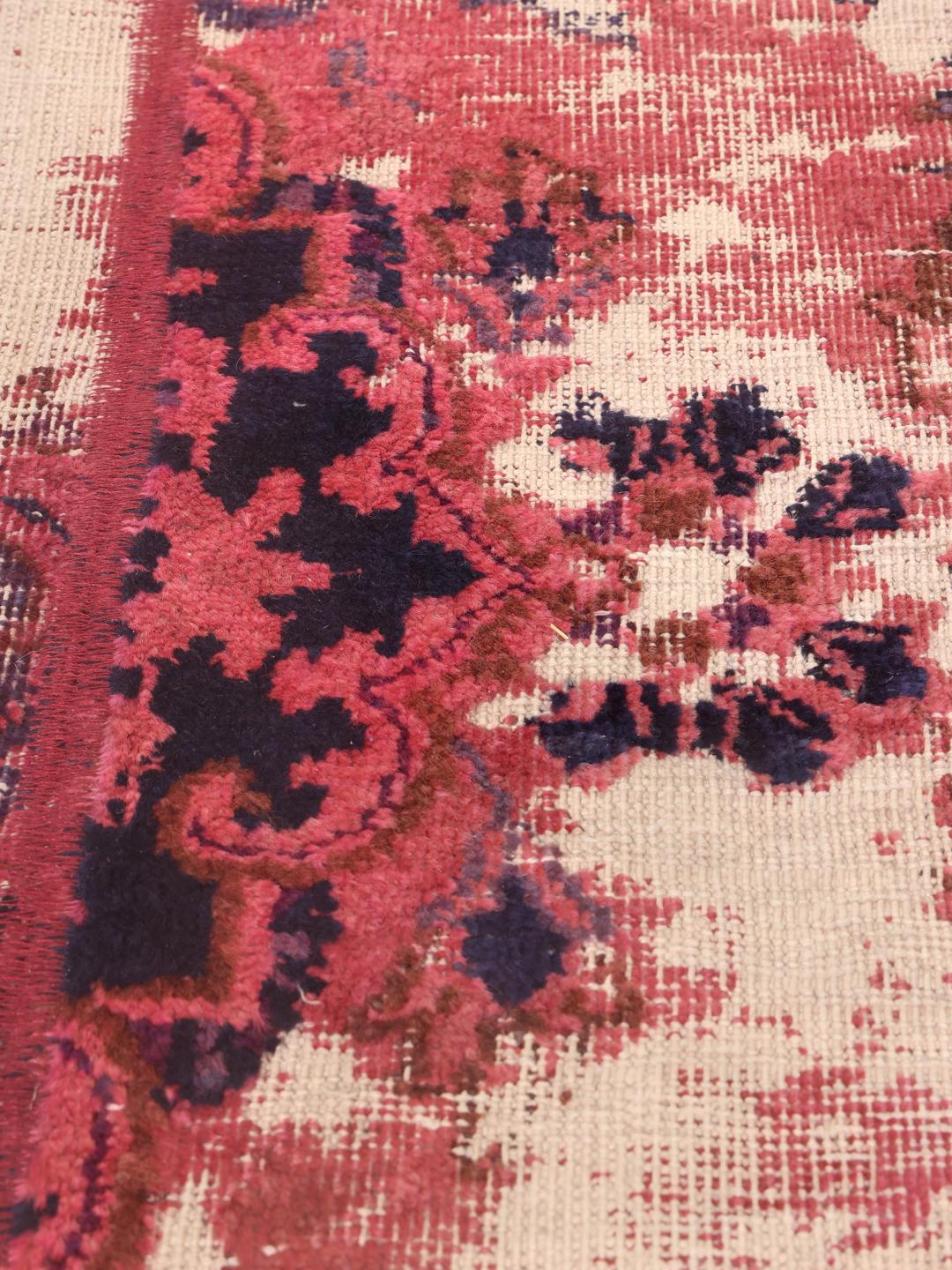
The fragments used in these rugs are typically sourced from traditional hand-knotted pieces, which are known for their dense pile and intricate knotting. In these original rugs, the knot density is a primary indicator of quality and pattern clarity. By repurposing these sections, a patchwork rug retains the depth and soul of the original hand-knotted techniques, providing a tactile experience that mass-produced alternatives simply cannot replicate.
Visually, these rugs are a collage of the rich design language found in the Middle East. You will often see a mix of floral motifs, geometric medallions, and ornate borders, all brought together in a vibrant display. Each fragment carries its own historical design signature, and when combined, they create a visual rhythm that is both complex and harmonious. The use of bold, saturated colours is a hallmark of this style, making each piece a vibrant centerpiece.
Owning a patchwork rug is about more than just floor decor; it is about preserving heritage. It connects you to a long lineage of artisans who dedicated their lives to the craft of knotting and dyeing wool. By collecting a piece like this, you are supporting the continuation of these ancient skills and bringing a story of cultural significance into your living space, where it will serve as a lasting testament to human ingenuity and creativity.