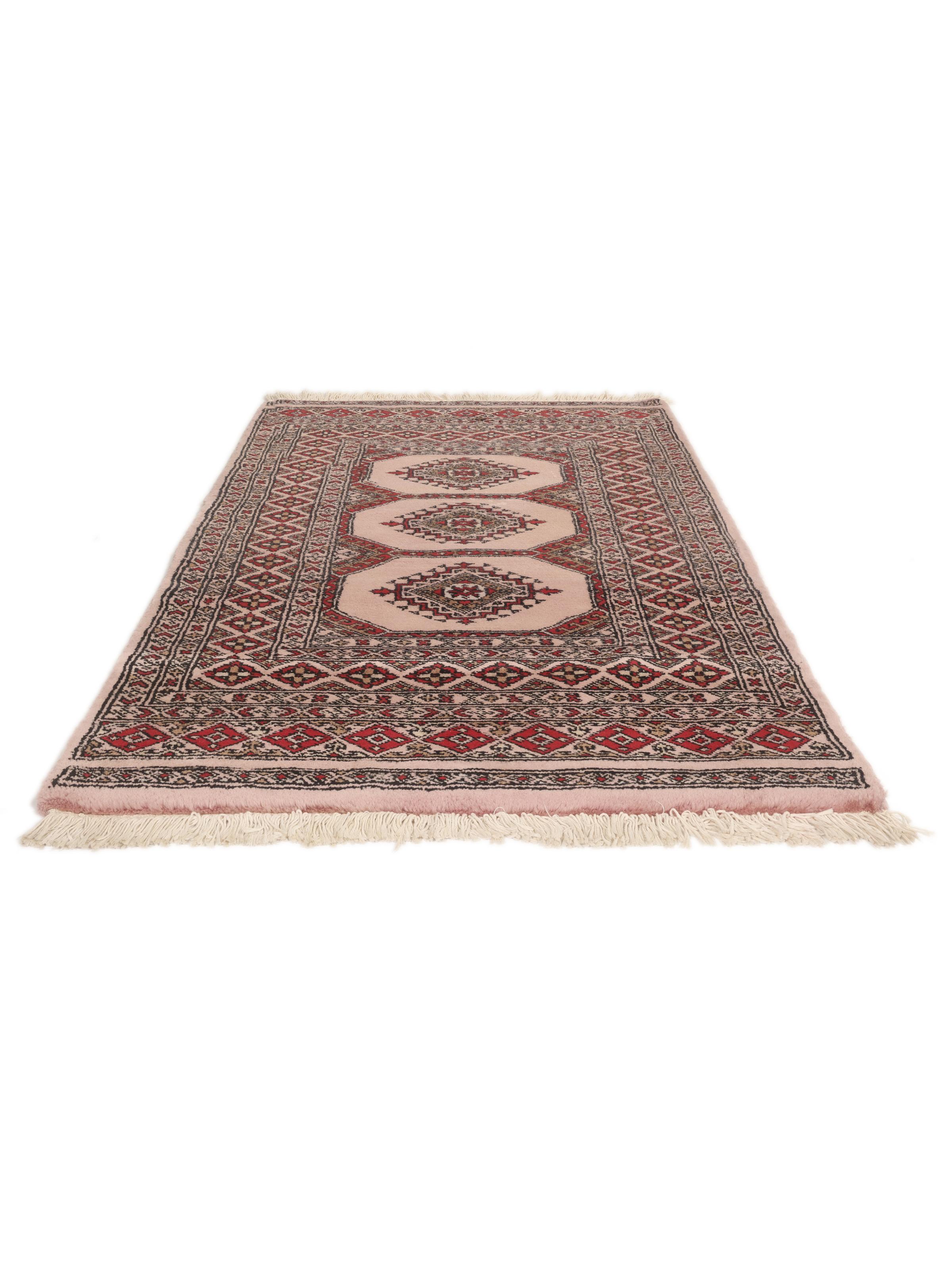
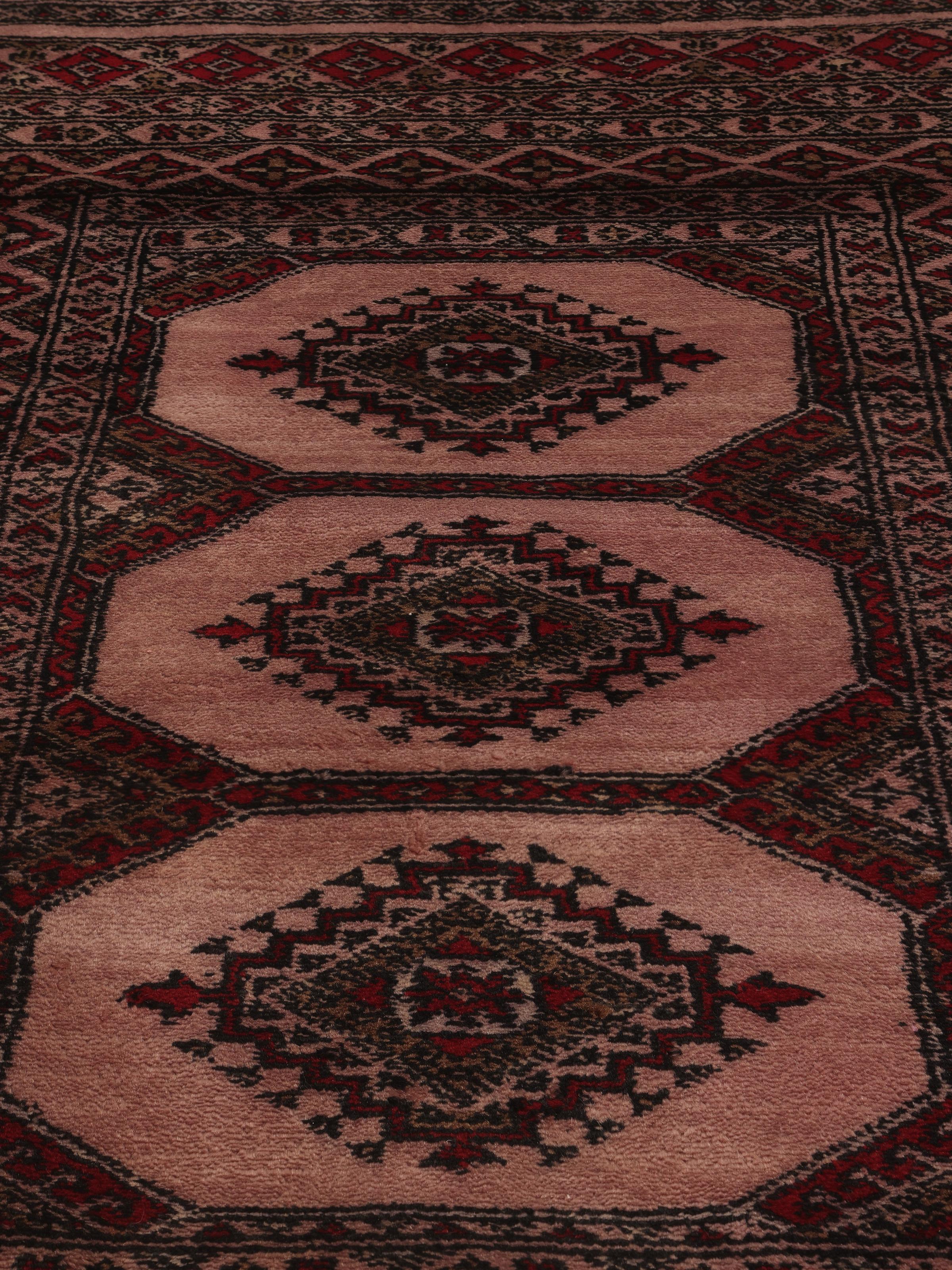
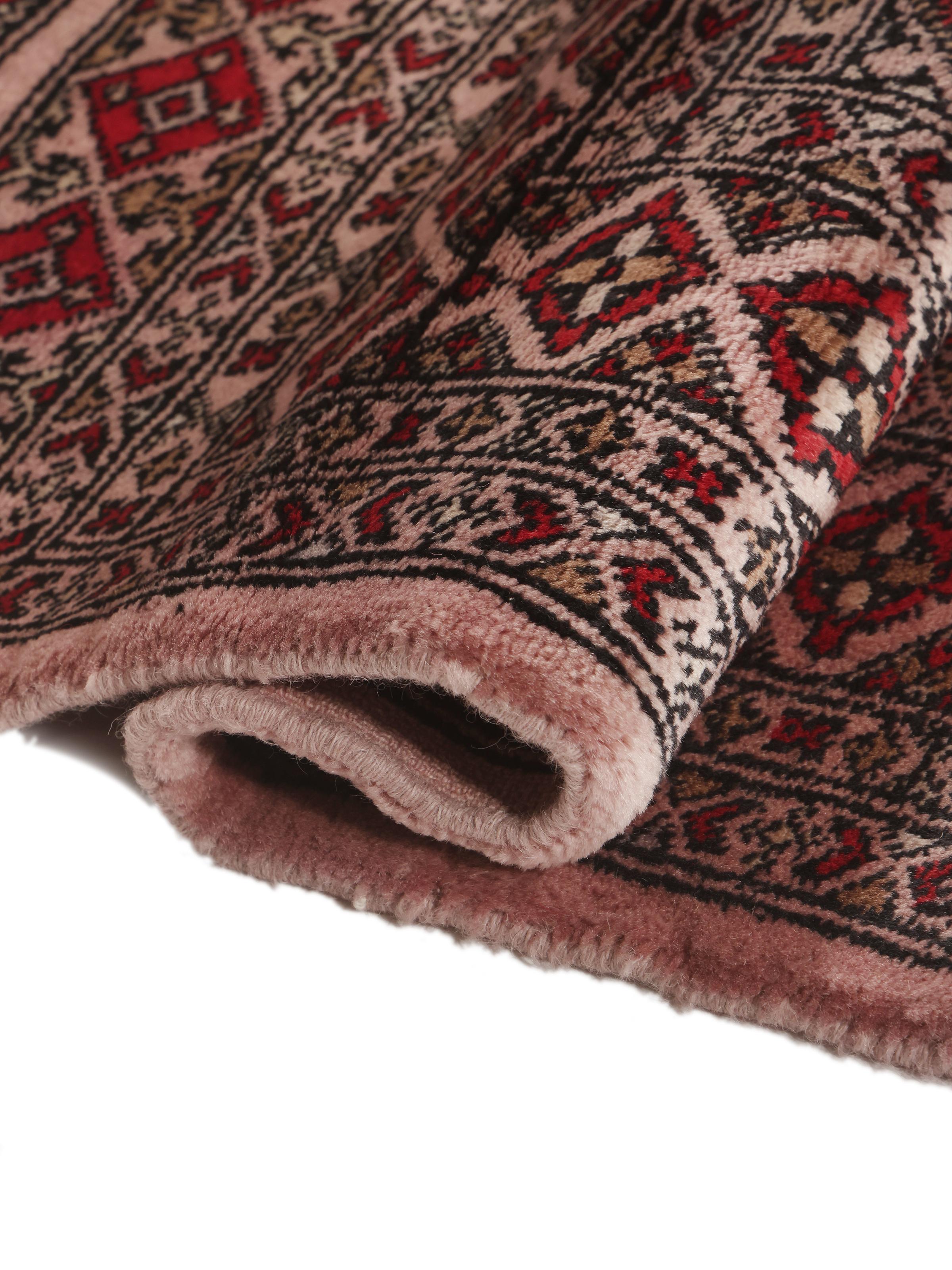
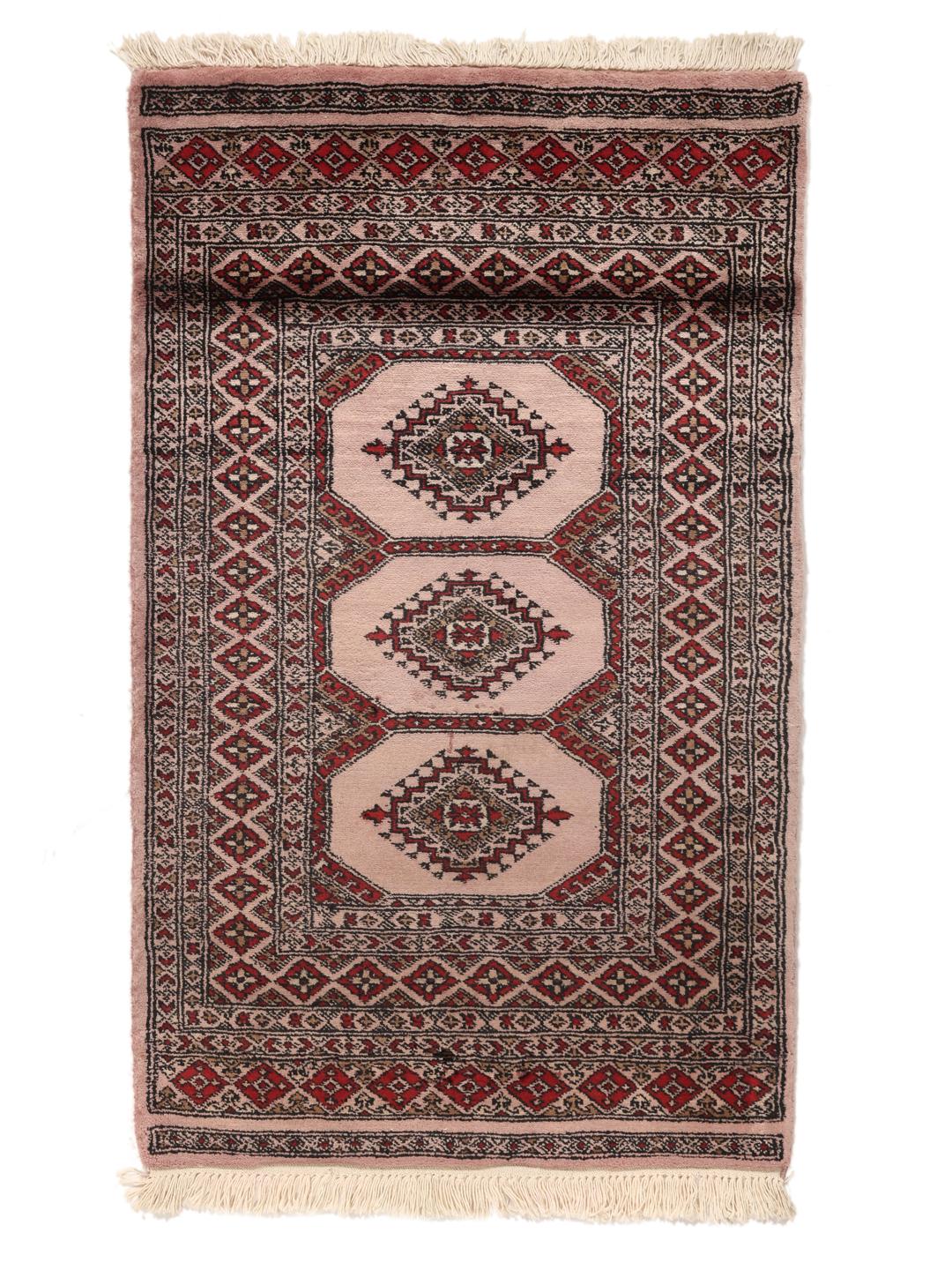
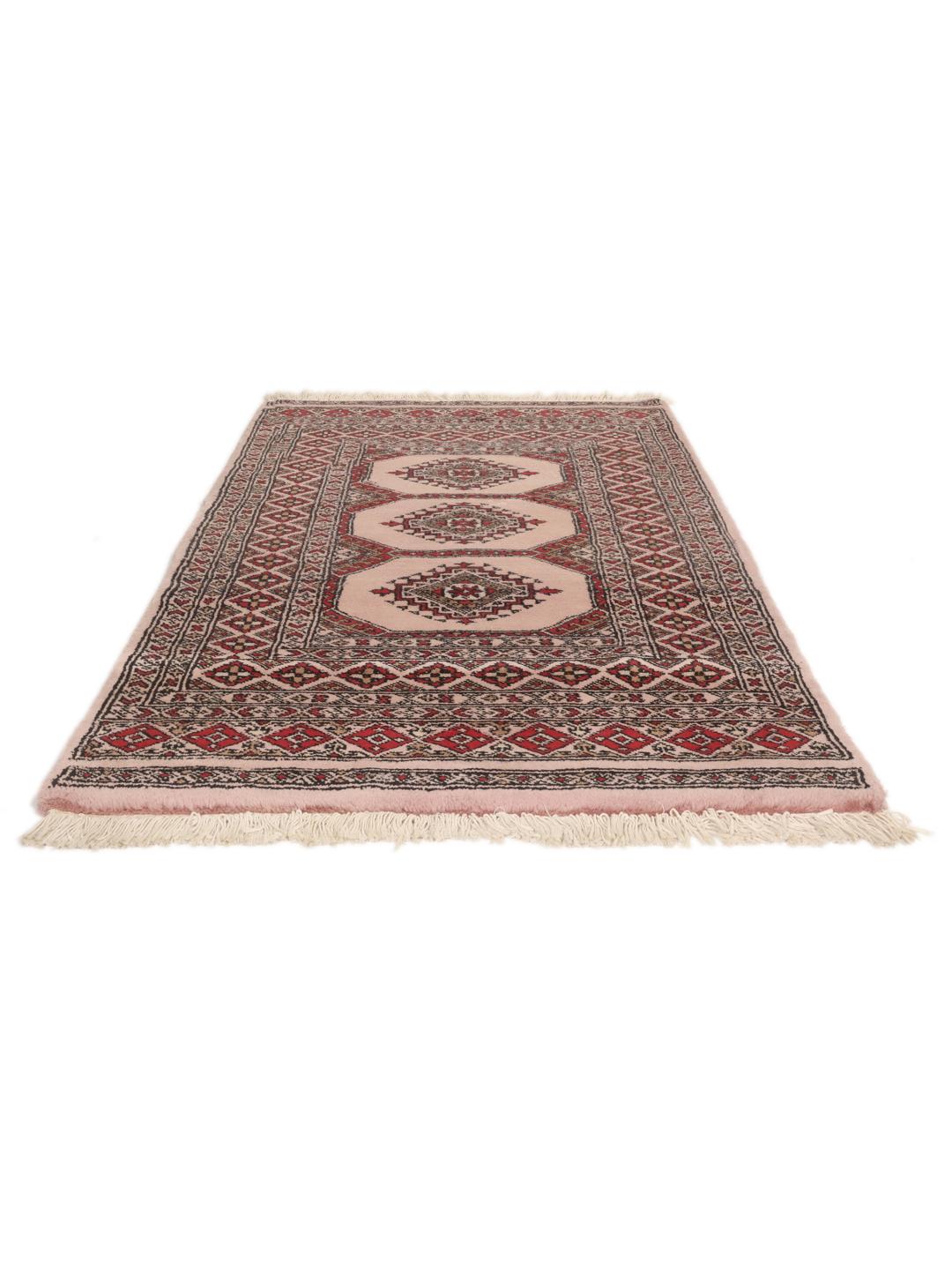
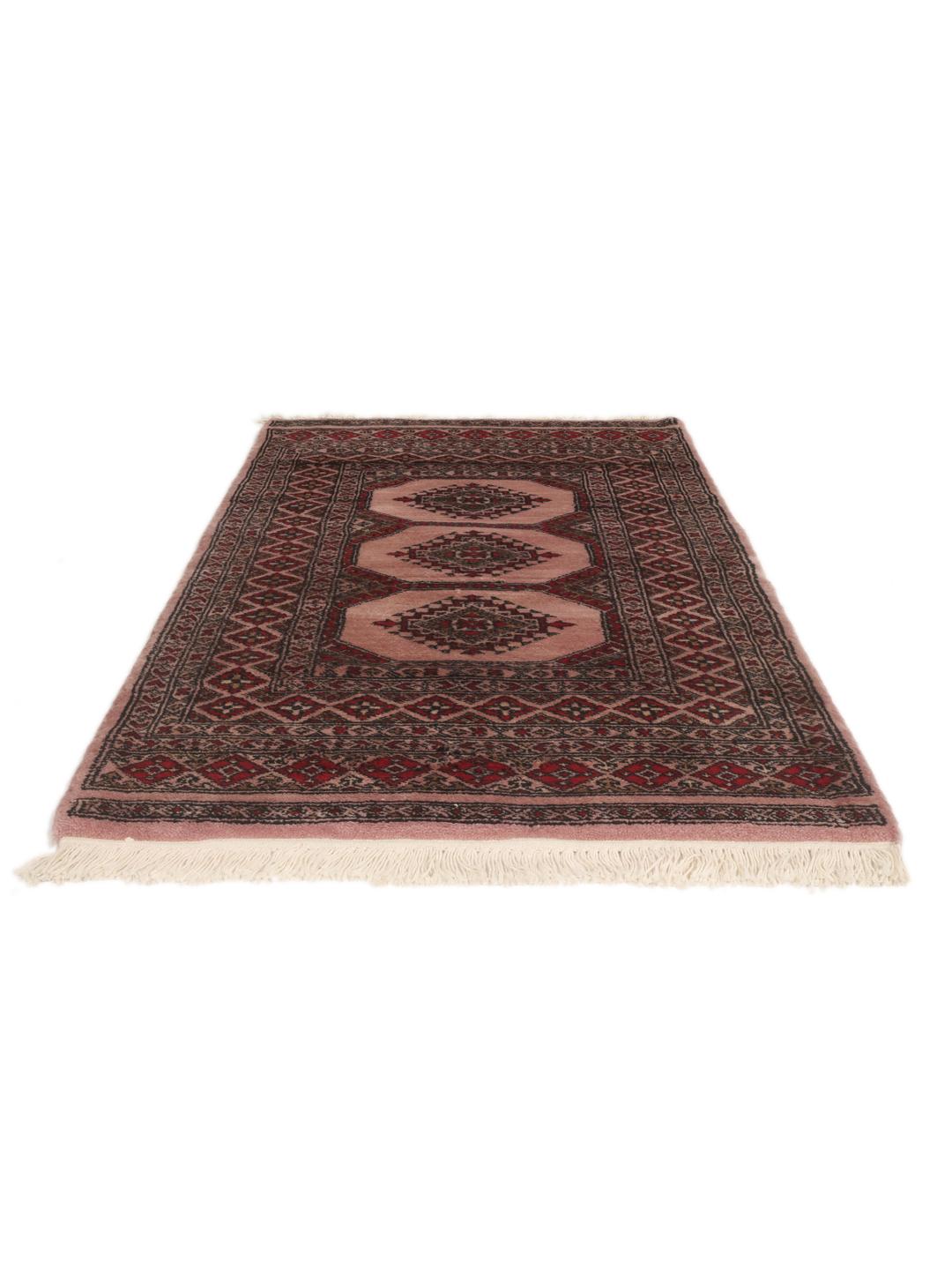
The Bokhara rug tradition is deeply rooted in the history of Central Asian weaving, drawing its name from the ancient Silk Road city of Bukhara. While these rugs were historically crafted by nomadic tribes in the region, the finest contemporary examples are now woven in Pakistan. This evolution has allowed the tradition to flourish, blending historic aesthetic values with refined modern production standards.
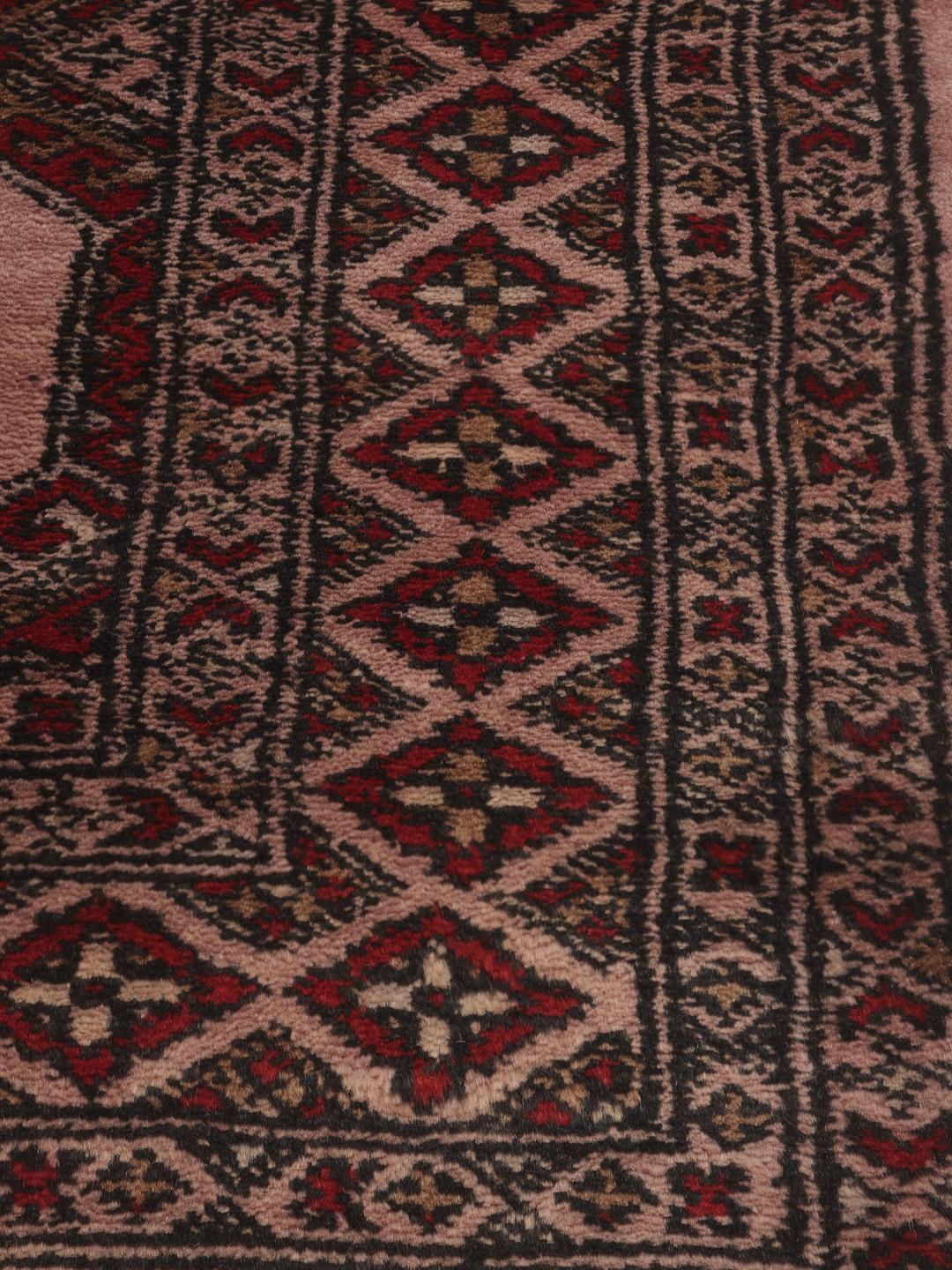
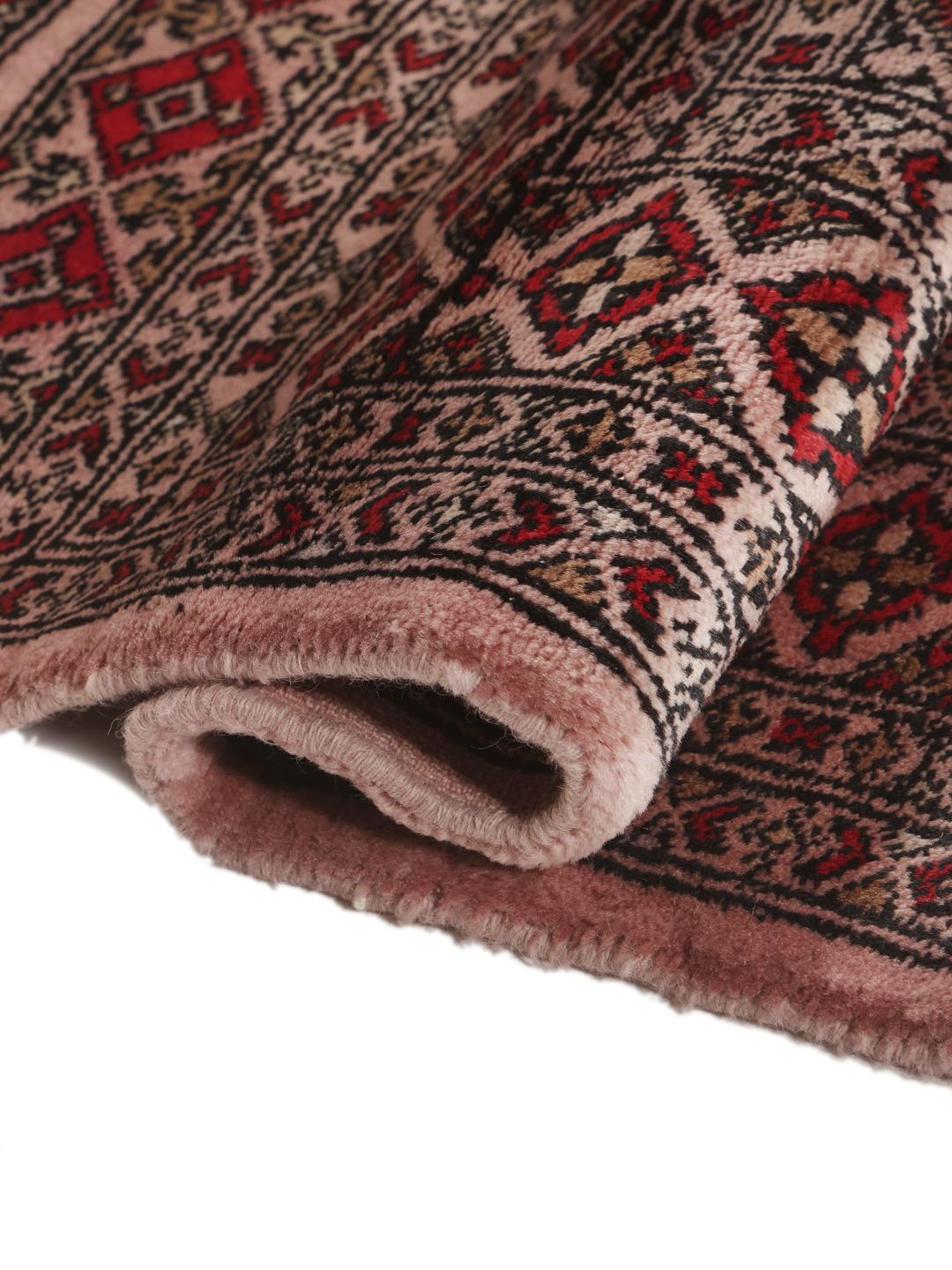
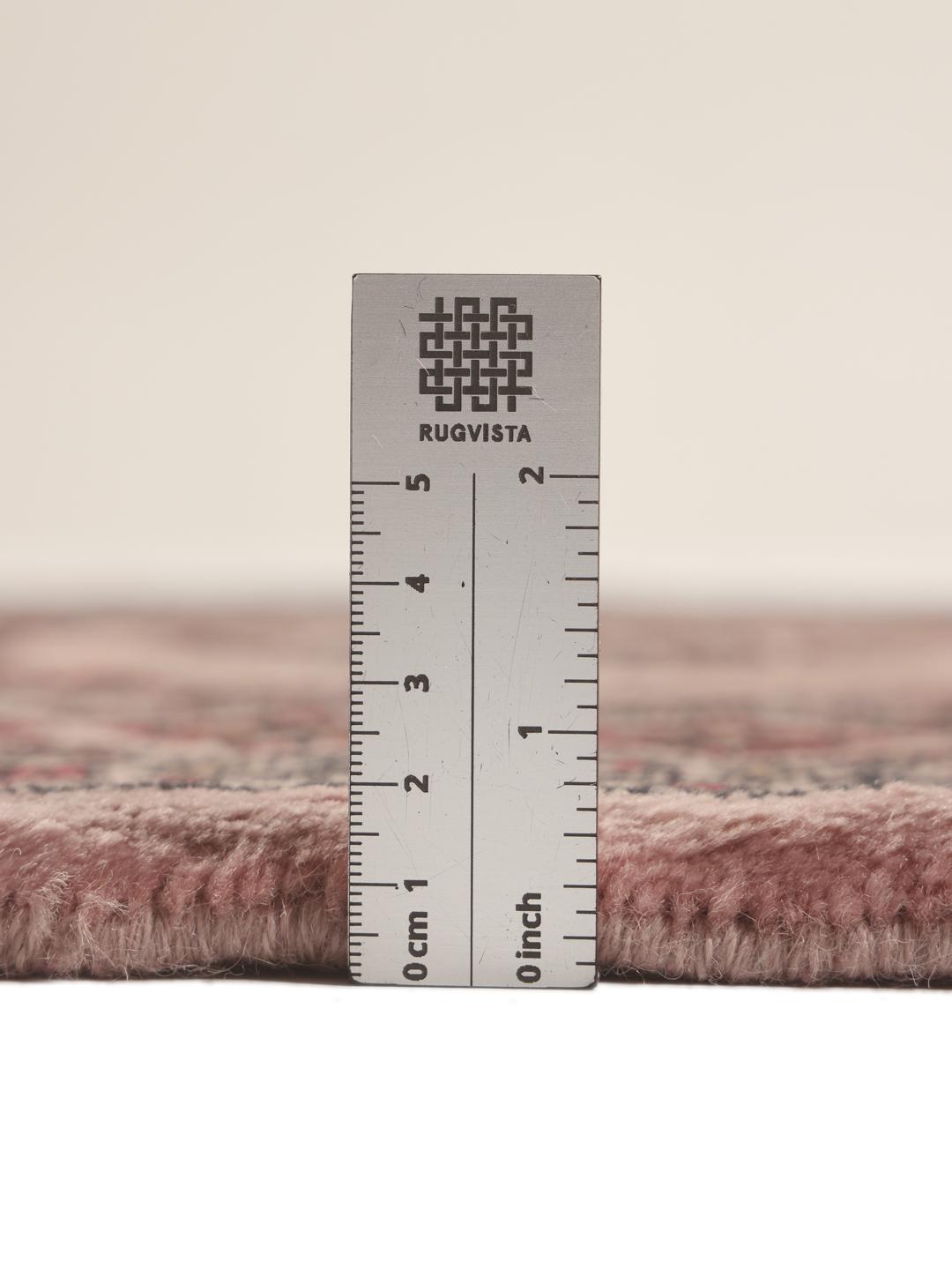
The term 3ply refers to the construction of the pile, where three strands of wool are twisted together before being knotted. This technique is significant because it creates a thicker, more durable, and notably lustrous yarn. For the owner, this means a rug that is not only visually richer with a deeper sheen but also one that offers greater resistance to wear, ensuring that the texture remains luxurious throughout its lifespan.
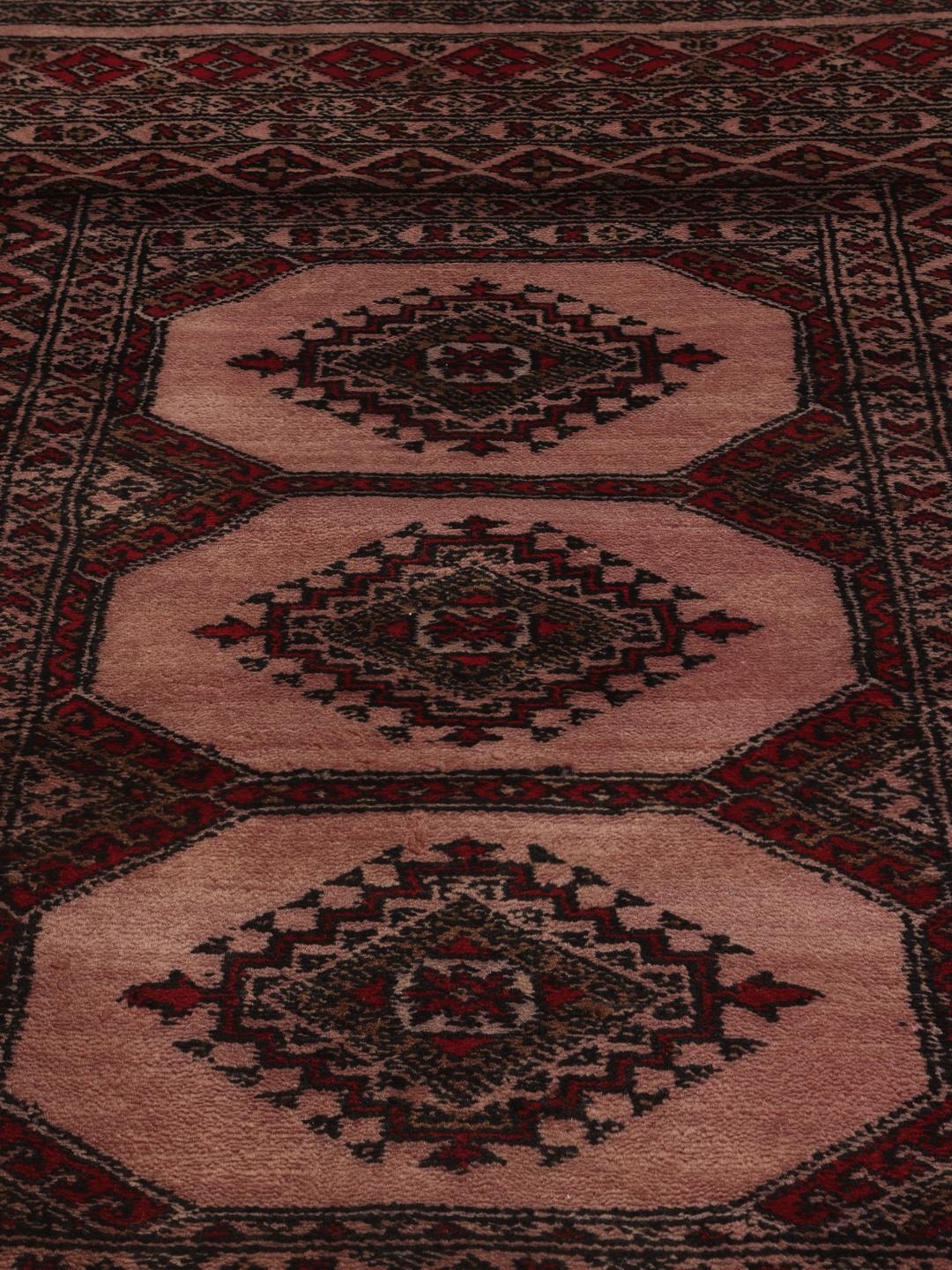
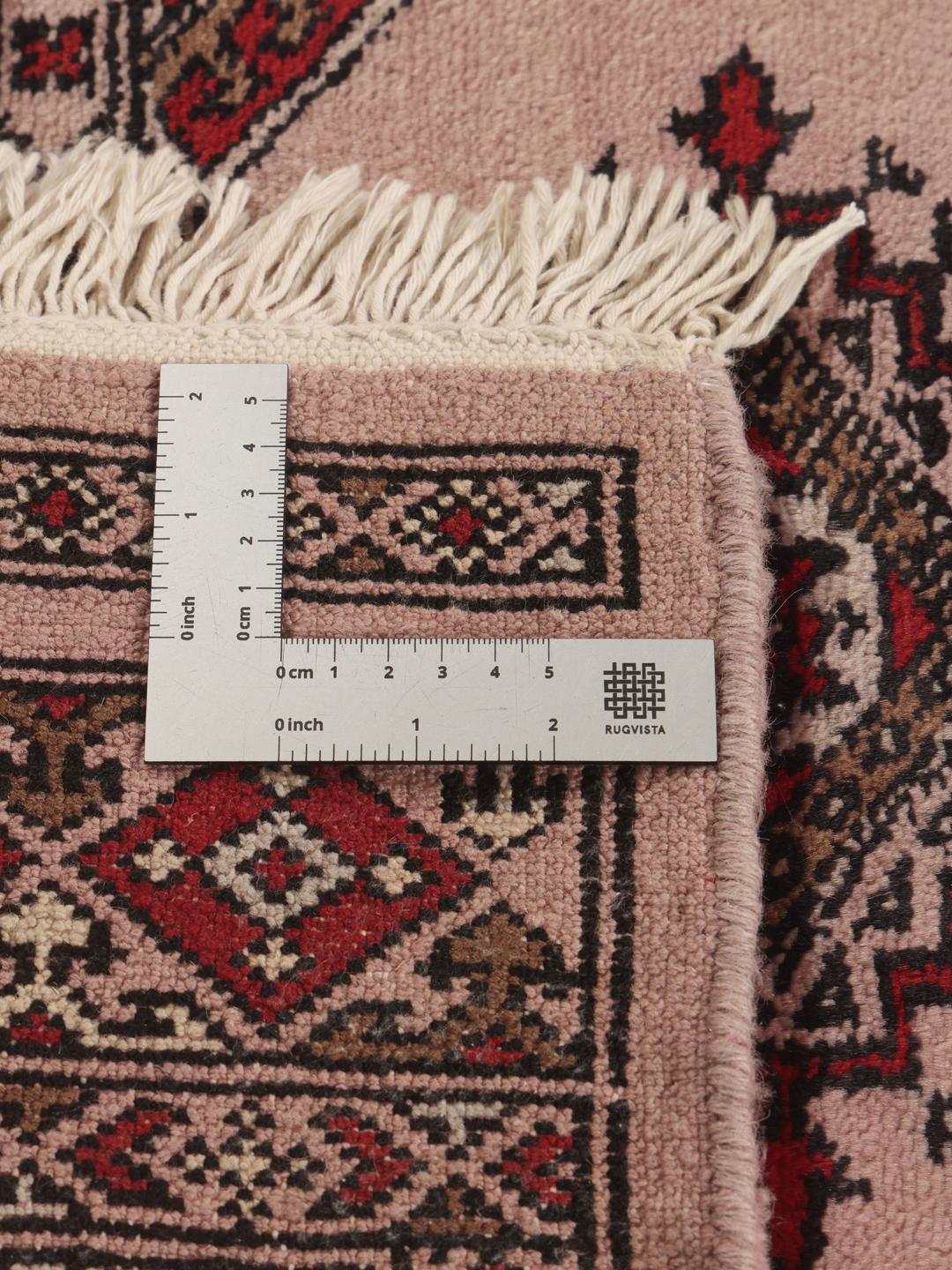
Visually, these rugs are defined by their repetitive gul motifs, which are stylized, octagonal medallions that represent traditional tribal heritage. In this particular piece, the soft pink ground provides a fresh and elegant backdrop for these classic geometric symbols, creating a balance between formal symmetry and a gentle, welcoming colour palette that fits beautifully in modern homes.
Collectors value Bokhara rugs for their combination of technical precision and cultural depth. Owning a piece from this tradition is an acknowledgment of the skill required to maintain such complex geometric order. It represents a lasting piece of heritage that elevates a room, turning a functional floor covering into a curated element of your home's unique story.