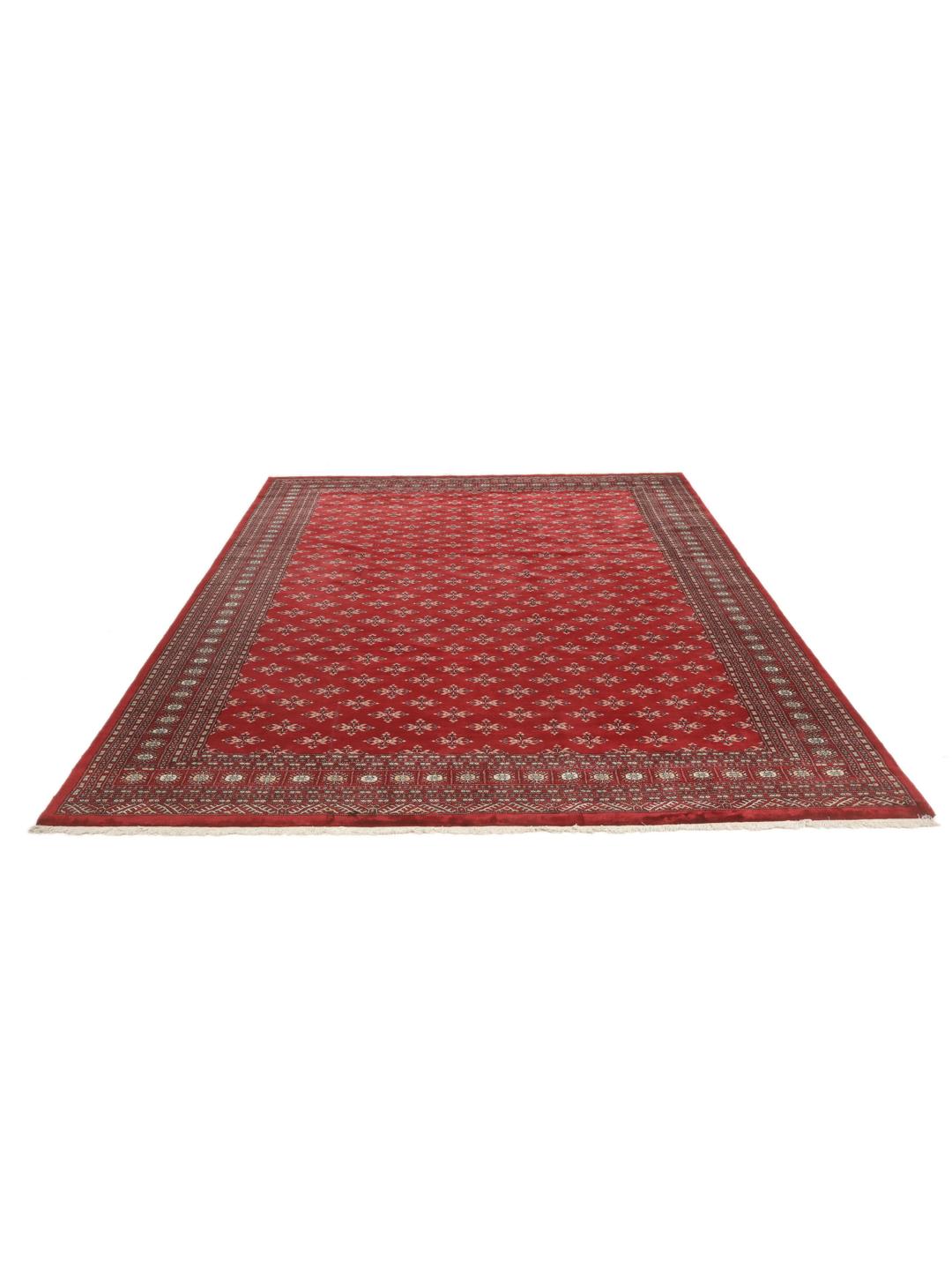
The Bokhara rug tradition is deeply rooted in the history of the Central Asian steppes, where nomadic tribes historically wove textiles to serve as portable, insulating floor coverings and tent decorations. While the name originates from the ancient Silk Road city of Bukhara, the finest modern examples are primarily produced in Pakistan. This evolution reflects the migration of weaving knowledge and the adaptation of classic motifs to new regions and techniques.
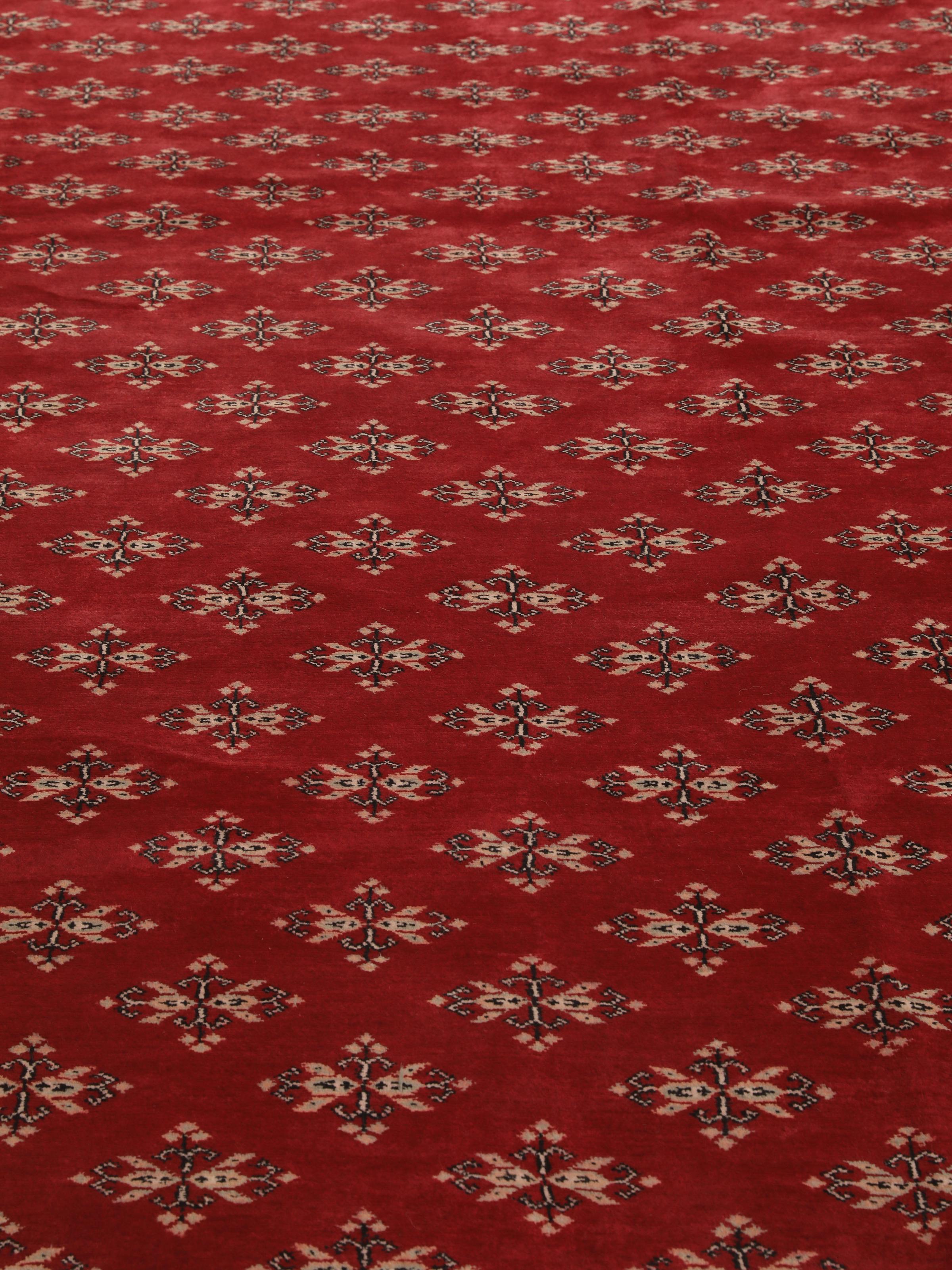
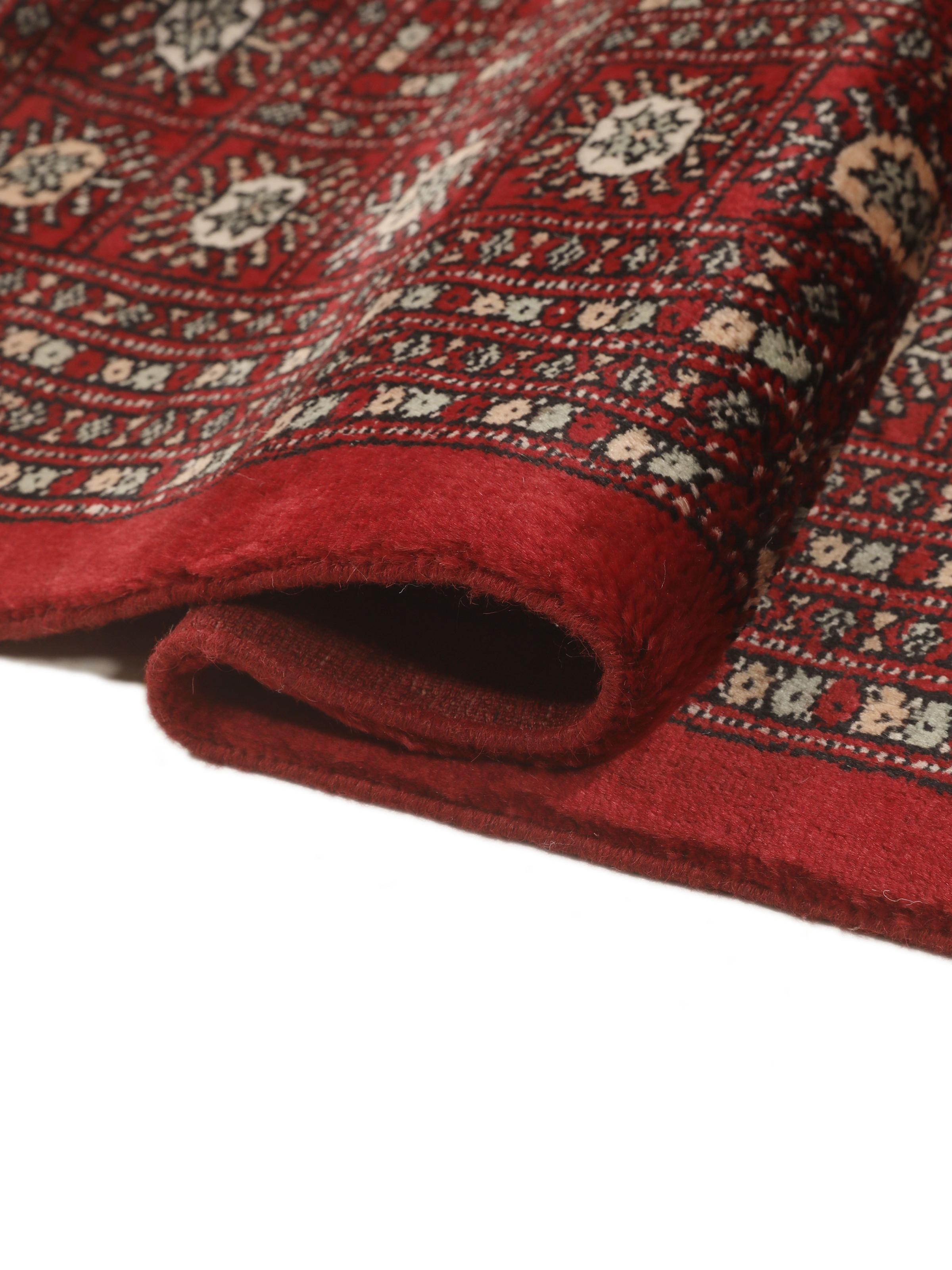
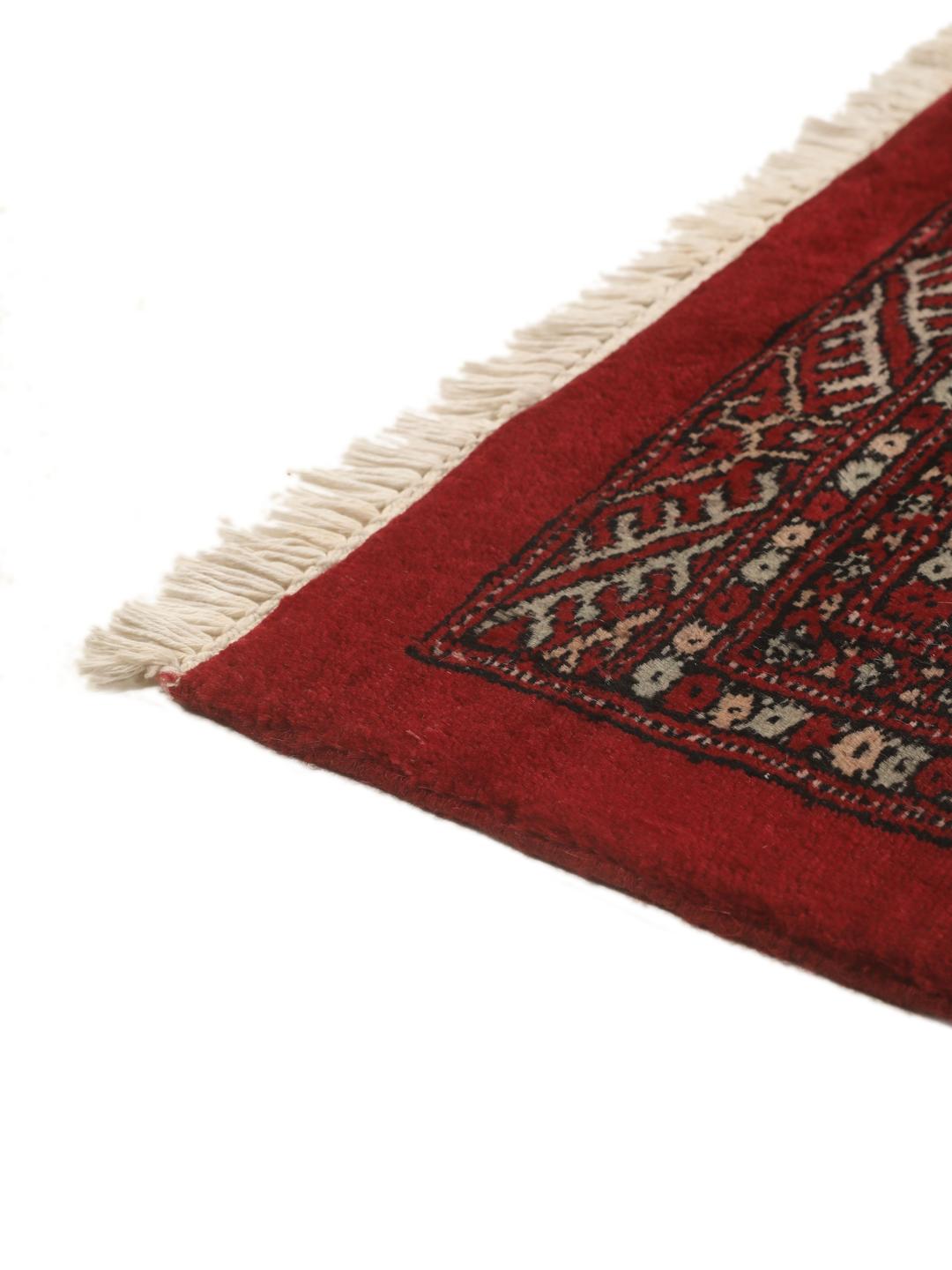
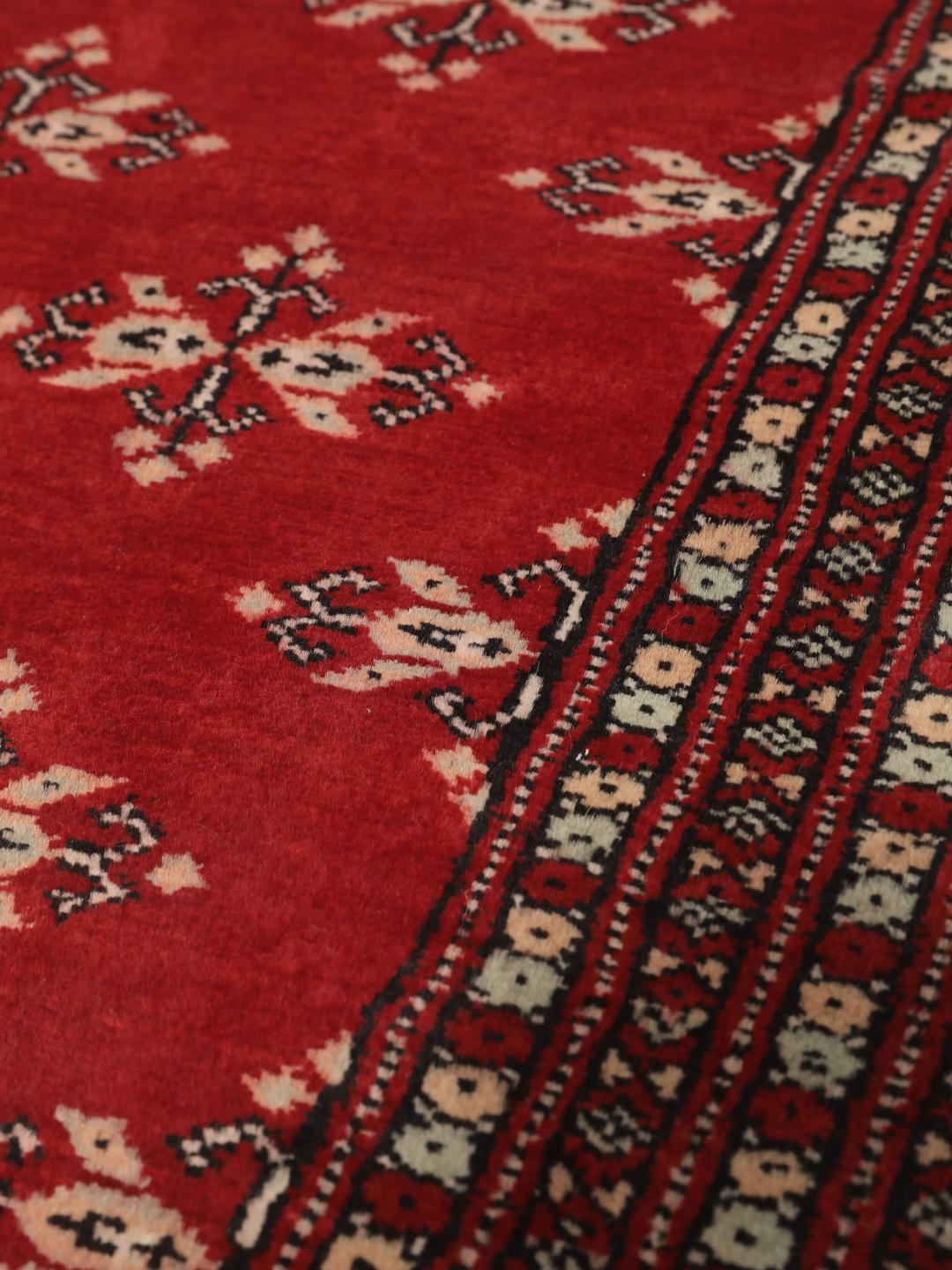
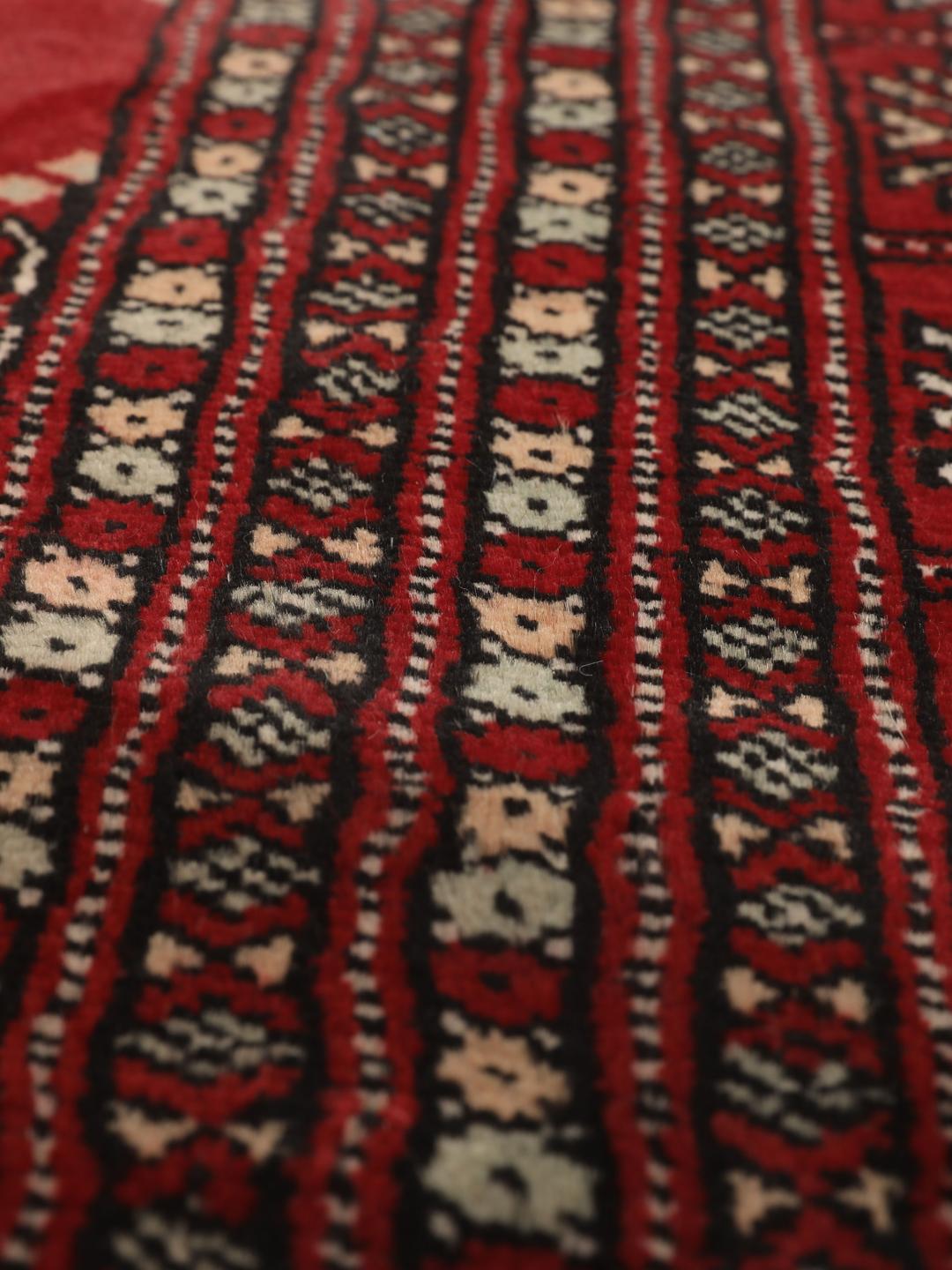
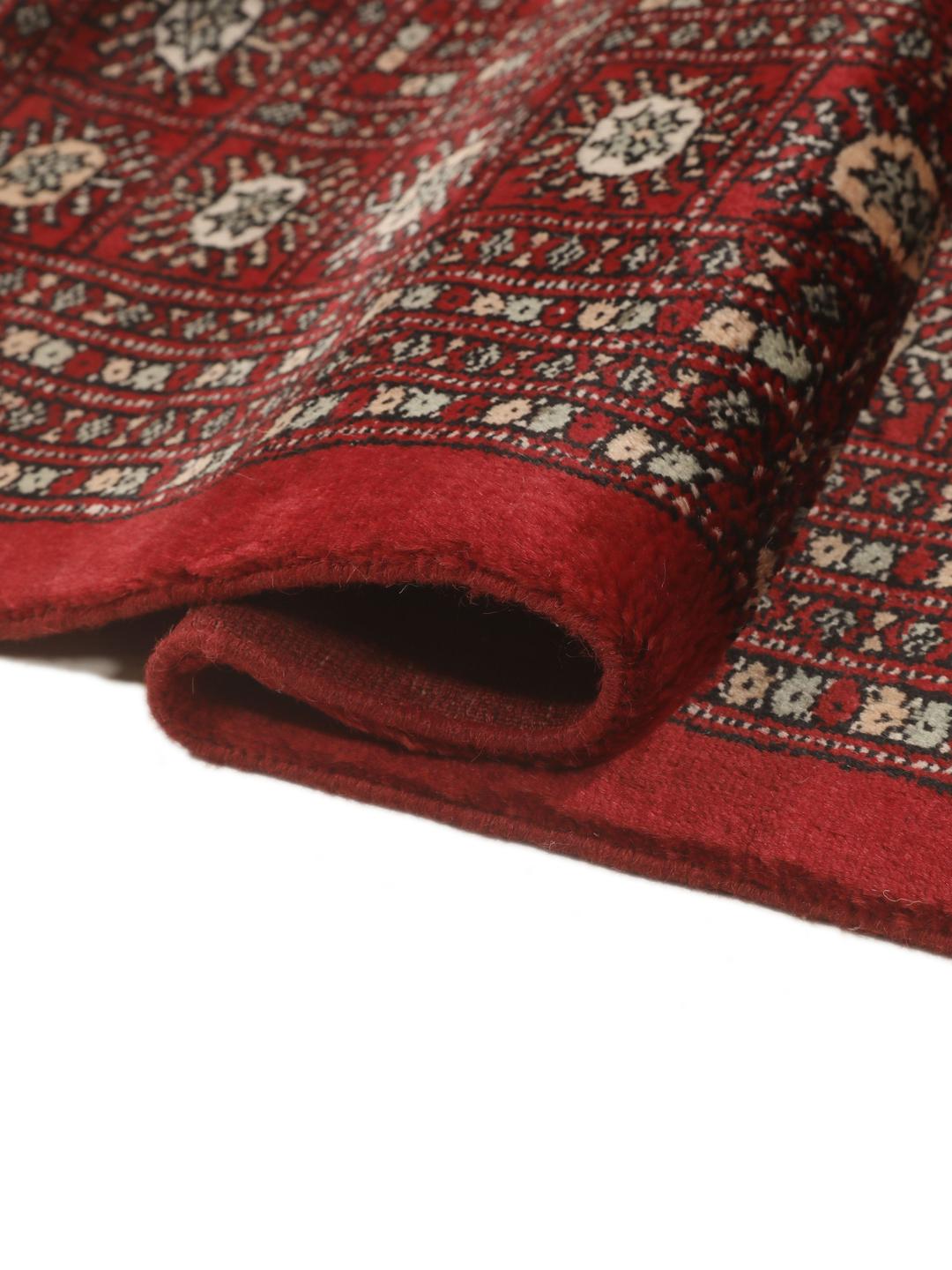
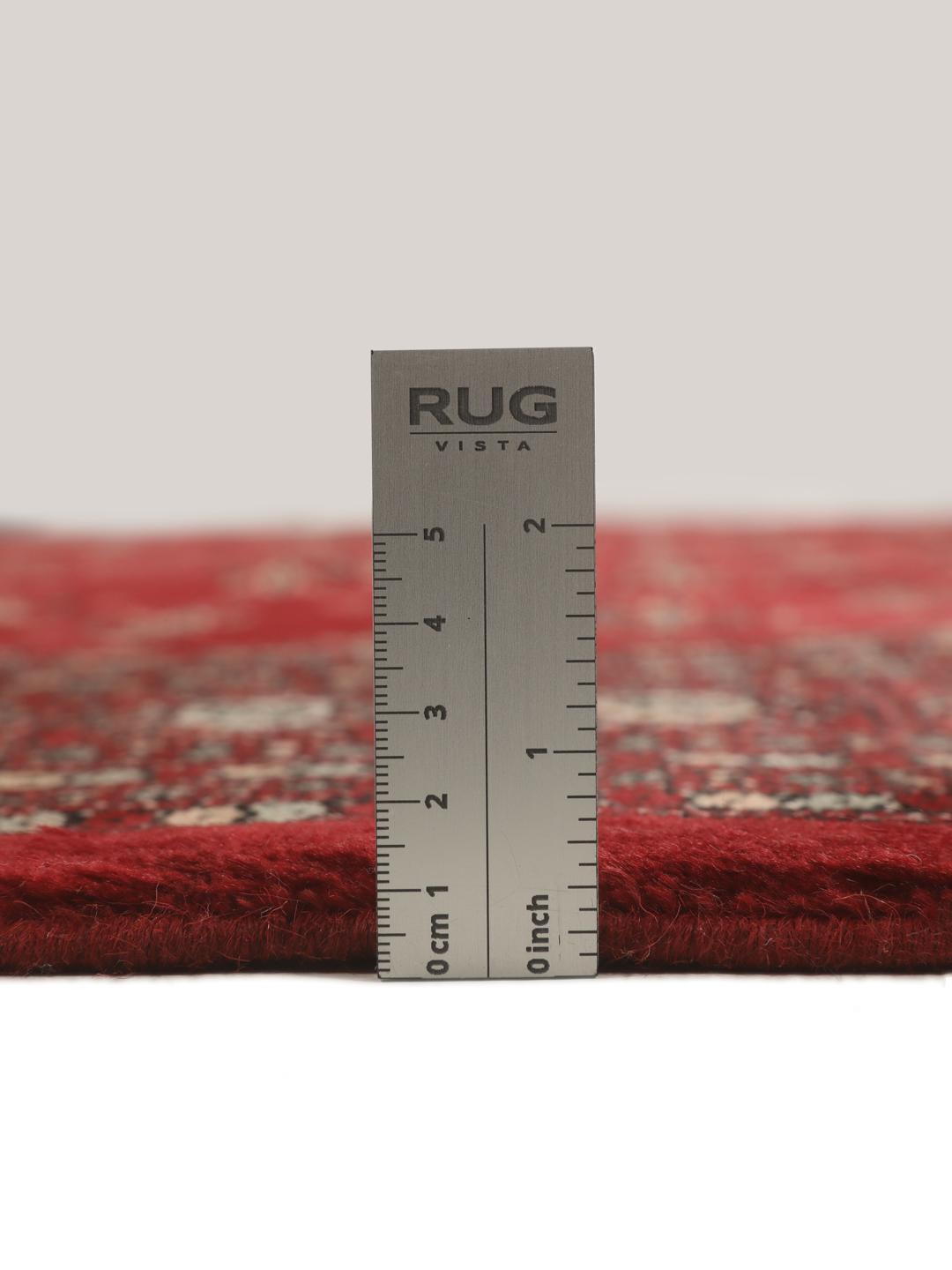
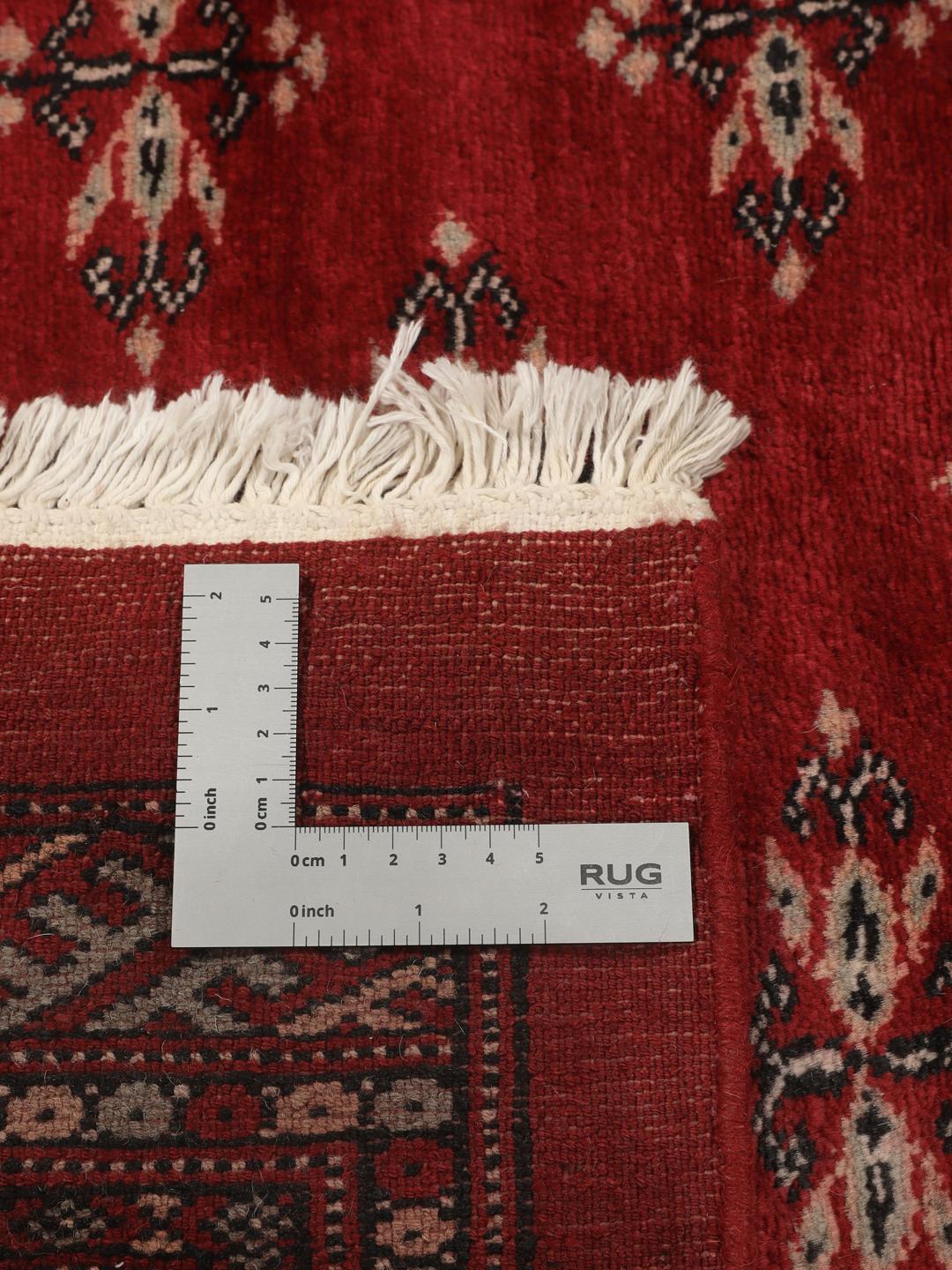
The '3ply' designation is a vital technical detail that defines the rug's longevity. By using three strands of wool twisted together, the artisan creates a yarn that is stronger and more resilient than a single strand. This 3ply construction results in a pile that is noticeably denser and more lustrous, giving the rug a deep, rich sheen that catches the light and enhances the vibrant colours throughout the design.
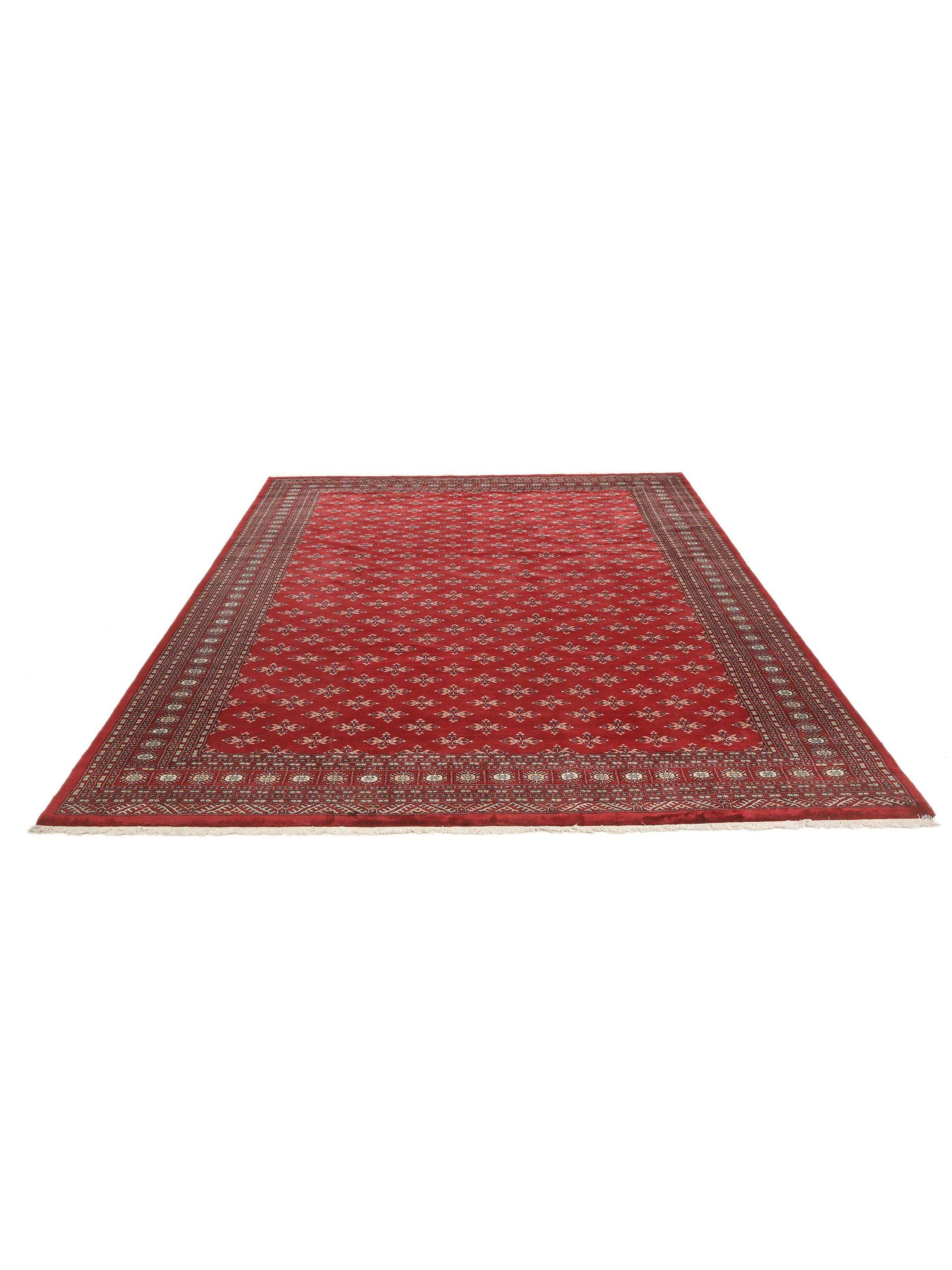
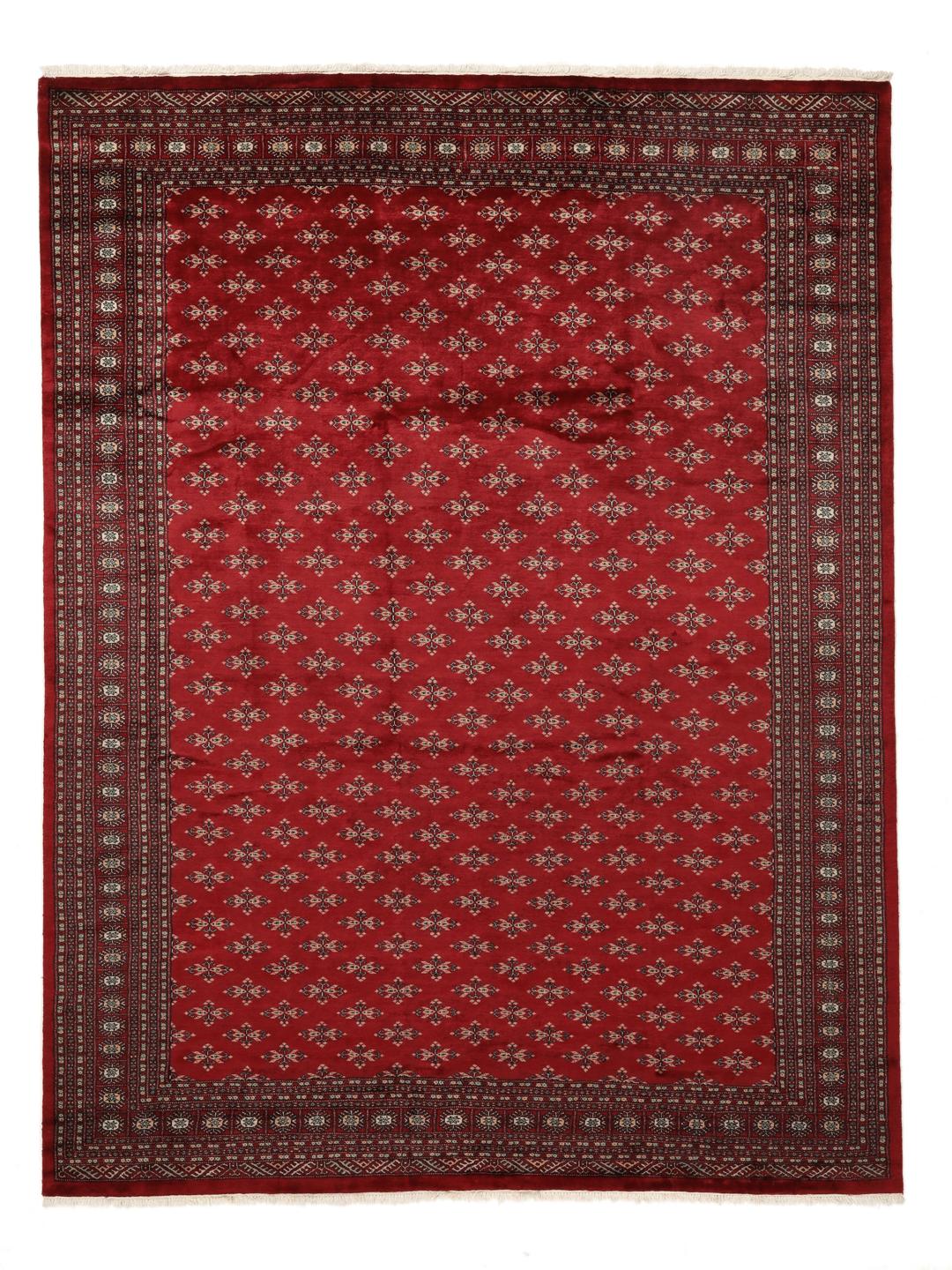
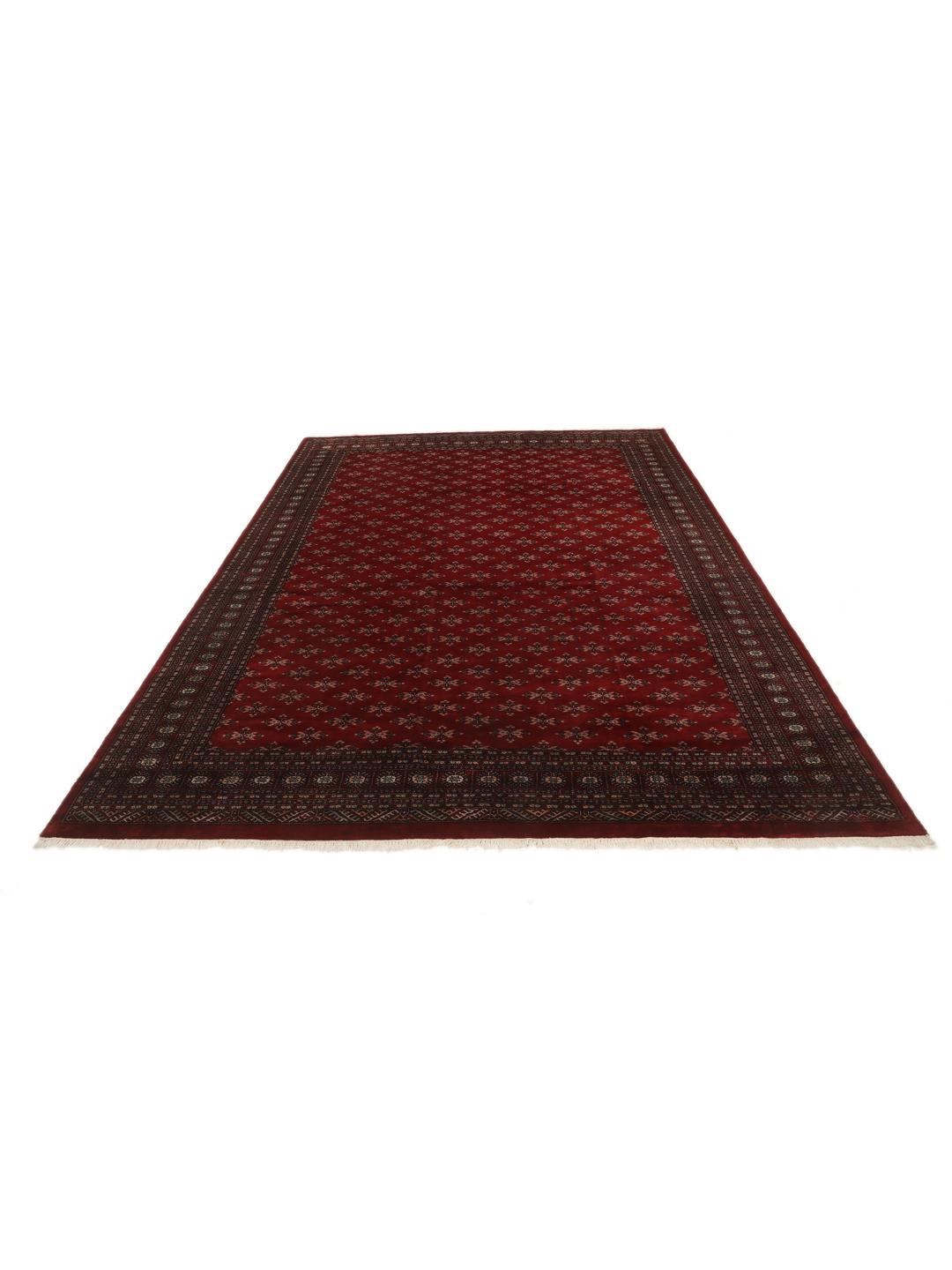
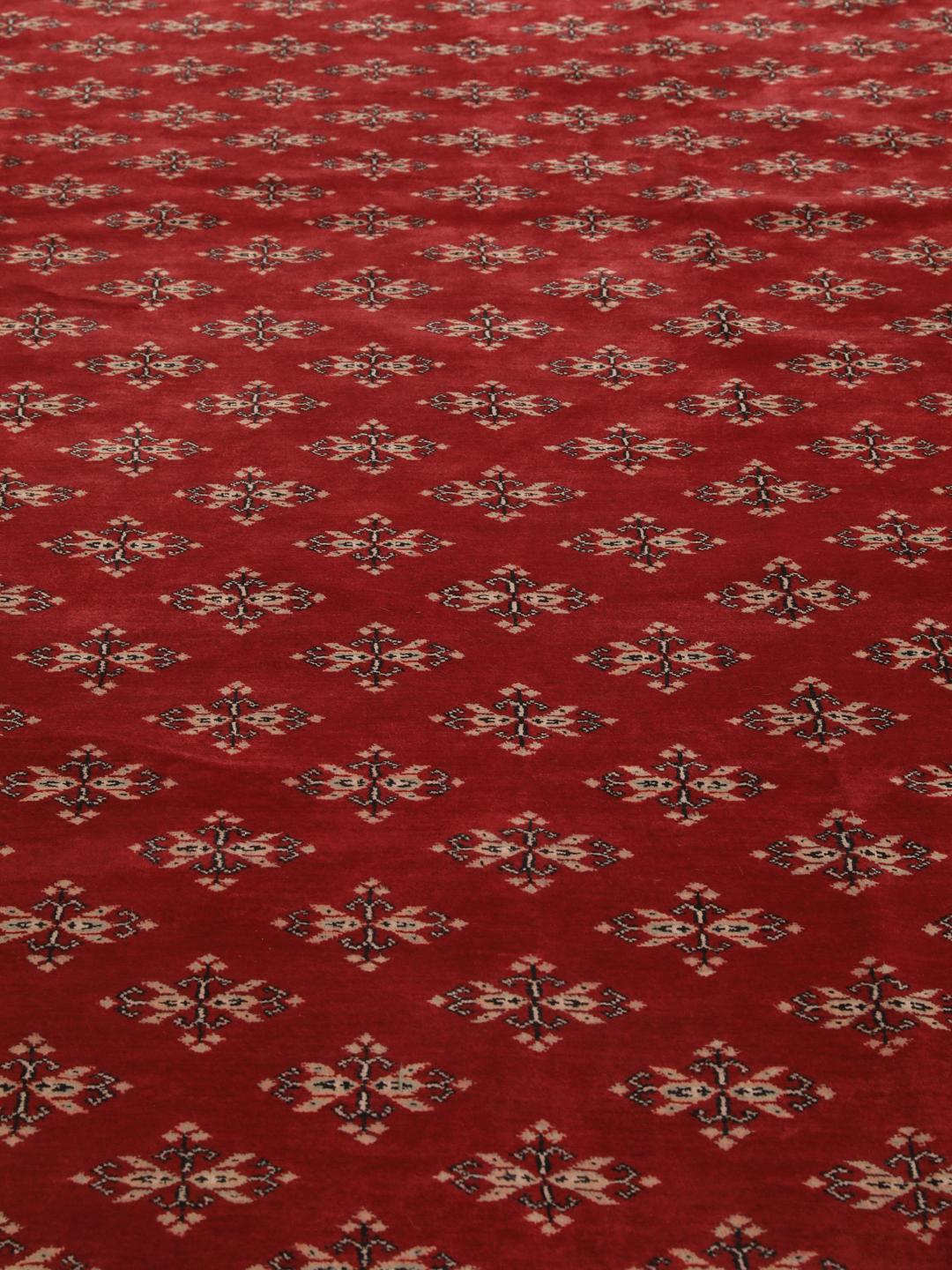
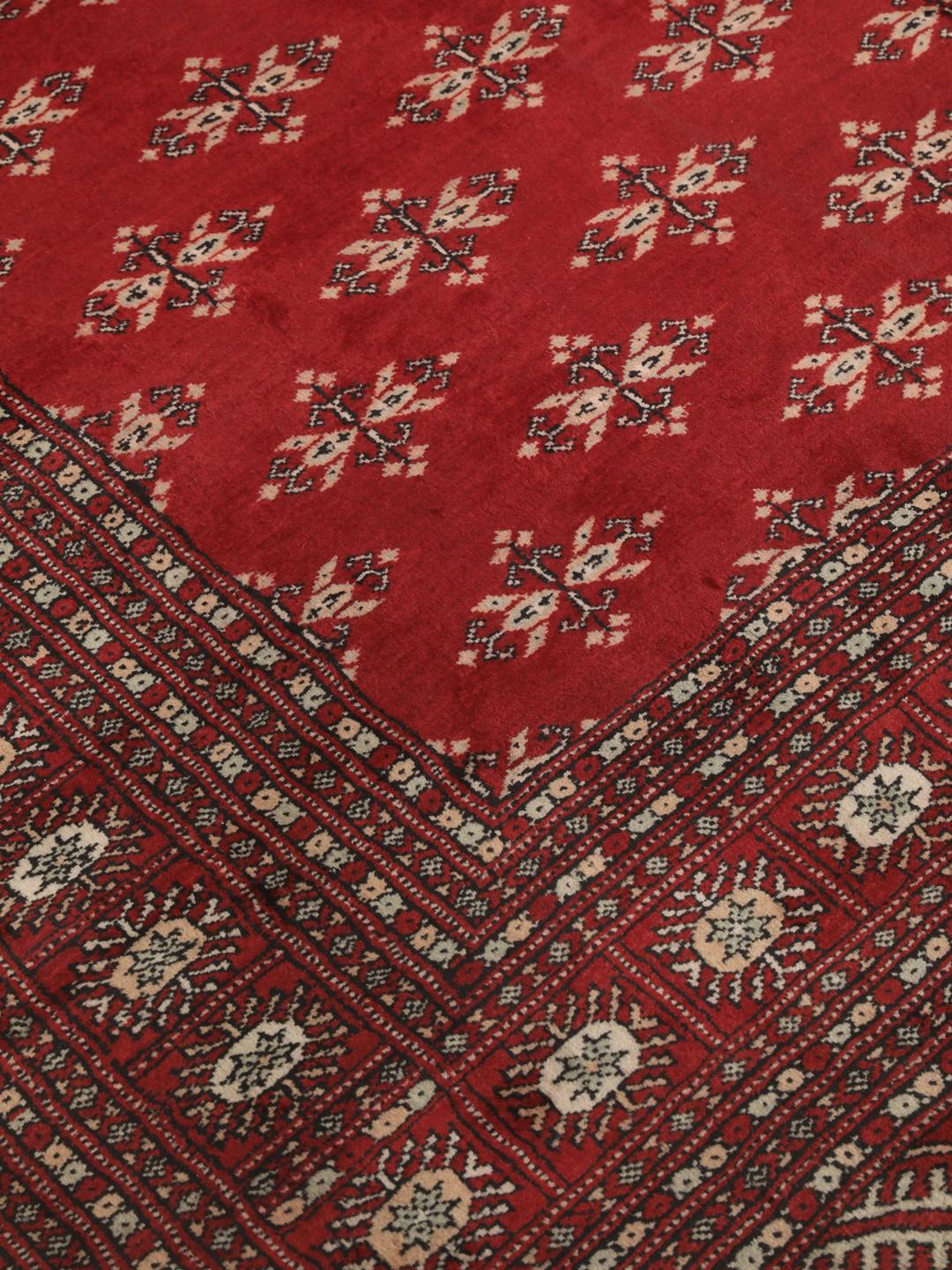
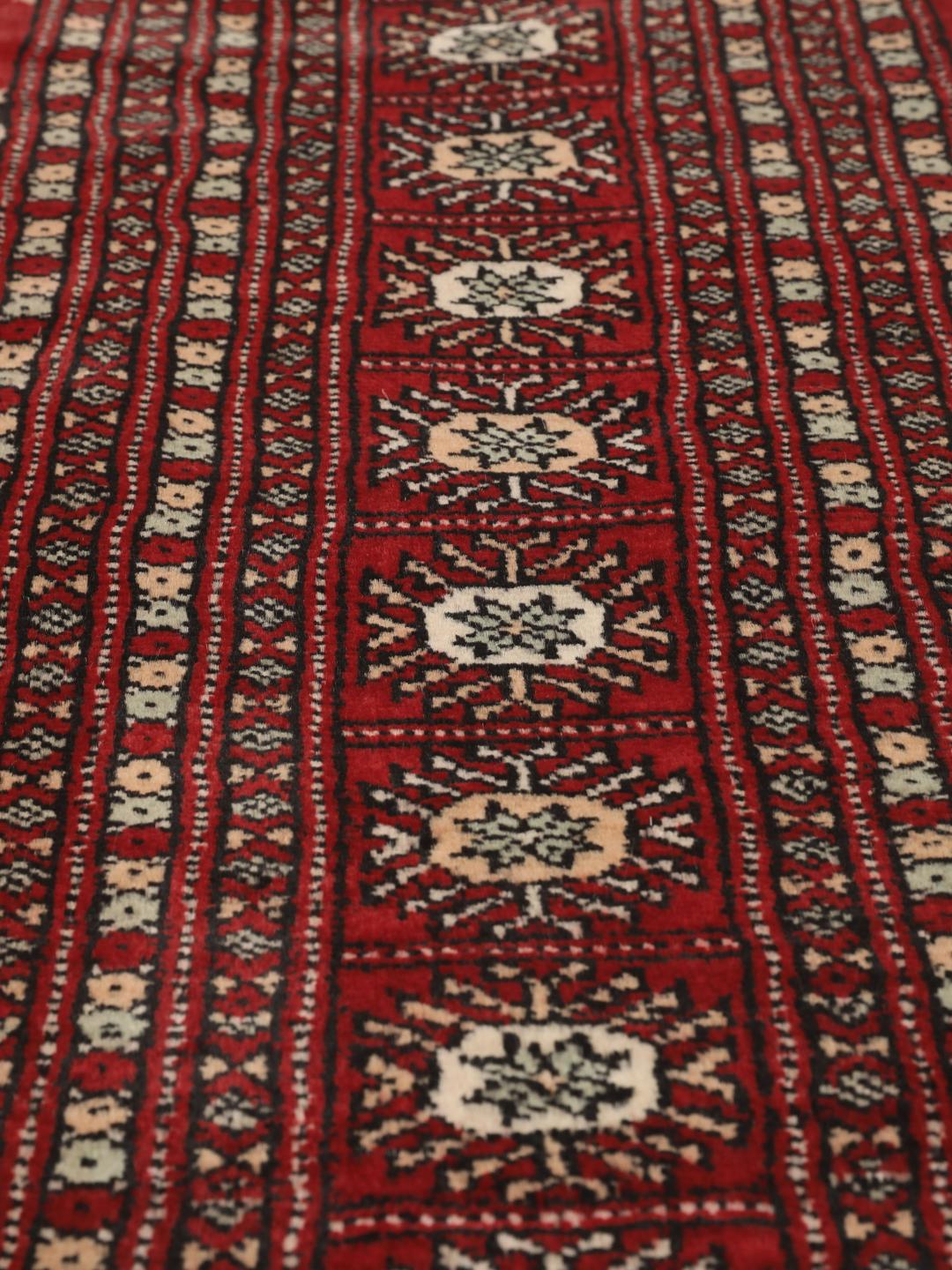
Visually, these rugs are defined by the repetition of the 'gul' motif, which is an octagonal or elephant-foot shape that represents tribal heritage and protection. These medallions are typically arranged in precise, geometric rows across the field and framed by formal, intricate borders. The deep dark-red tone is a signature of the tradition, symbolising strength and warmth, while the consistent pattern creates a balanced and harmonious look in any interior.
Collecting a Pakistan Bokhara 3ply rug means acquiring a piece of living history. These rugs are valued not only for their aesthetic appeal but for the immense skill required to produce them. They represent a bridge between ancient design languages and contemporary home styling, making them sought-after for those who appreciate lasting quality, cultural heritage, and the quiet beauty of a craft that has been refined over centuries.