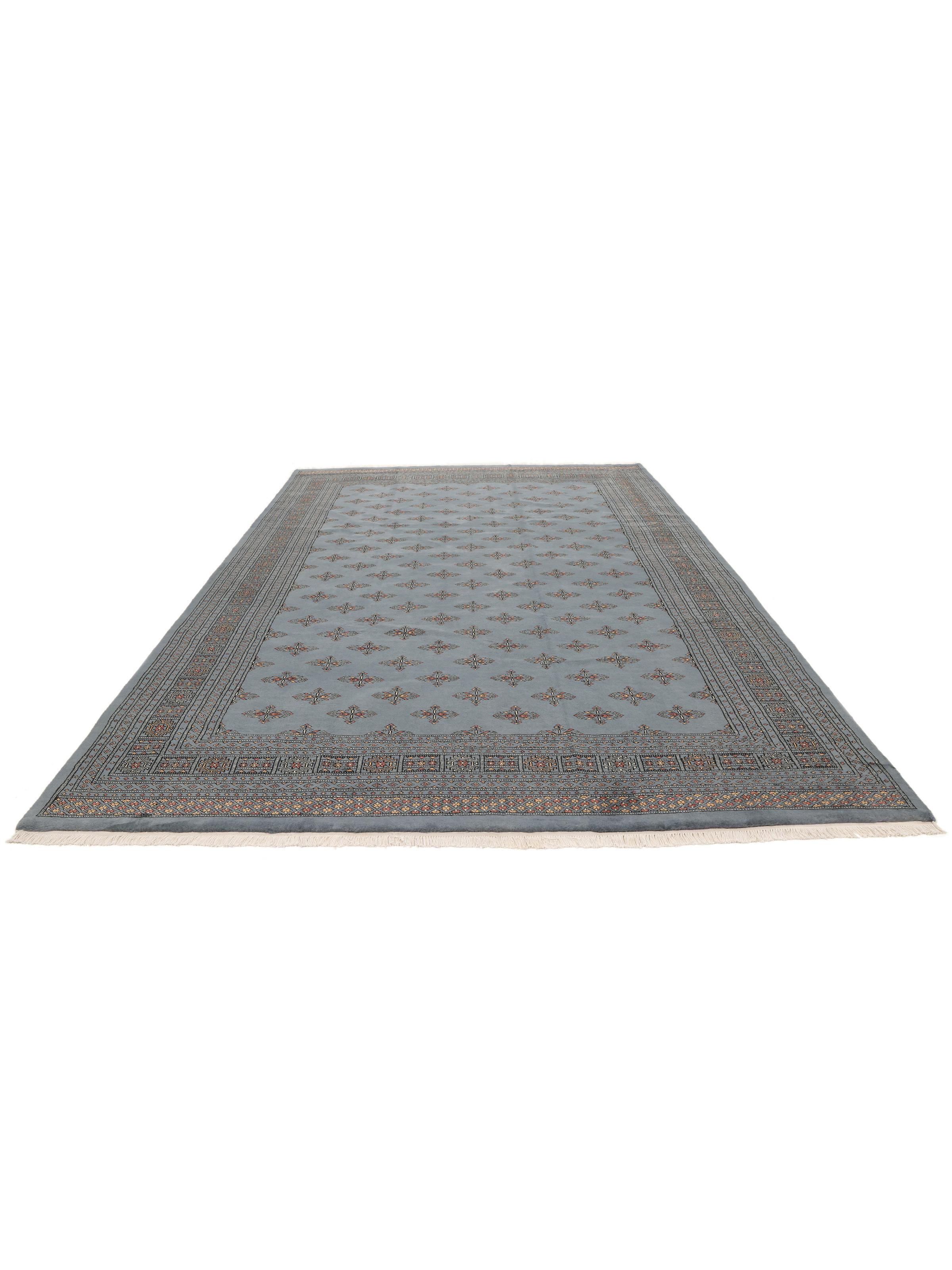
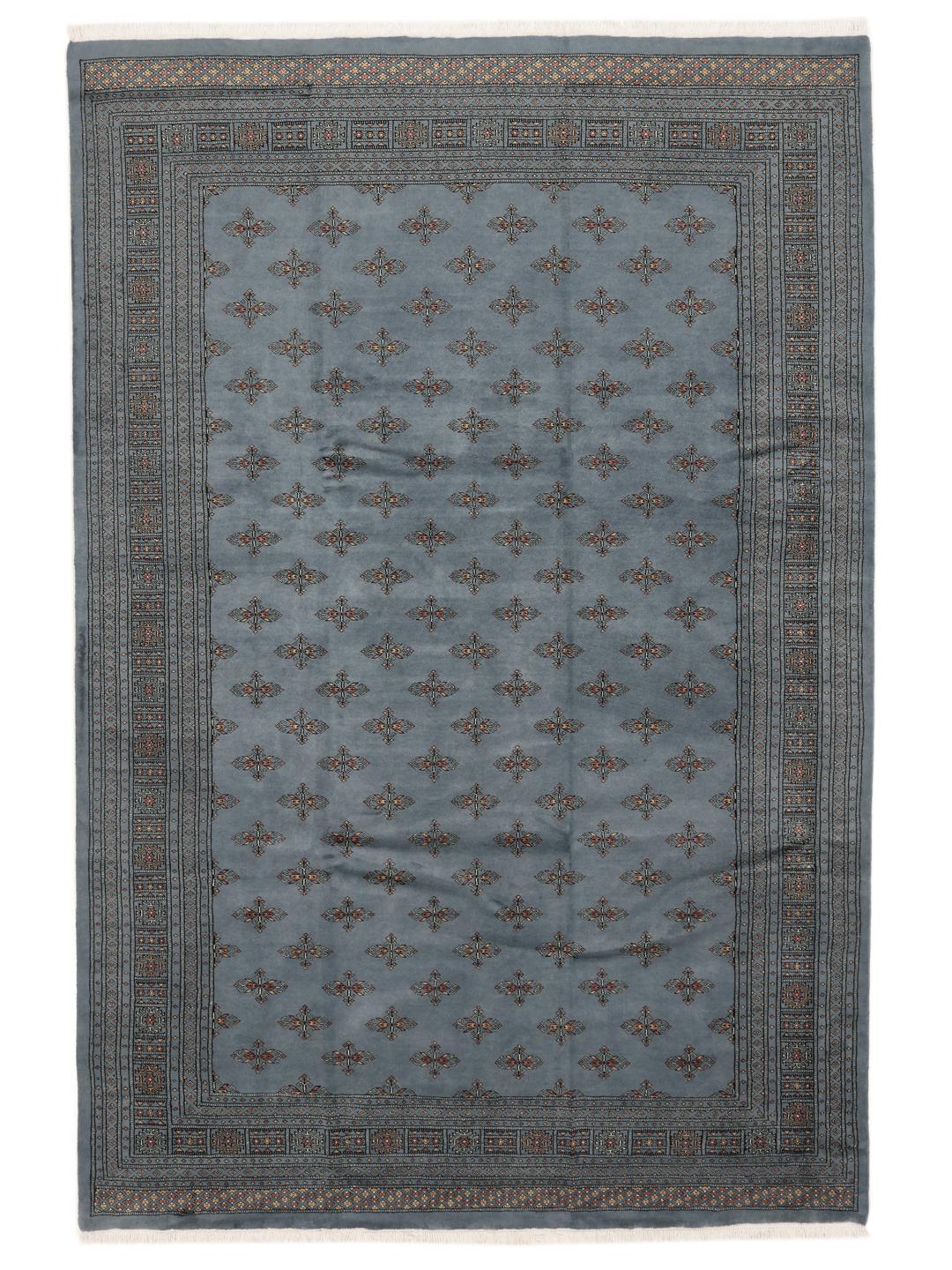
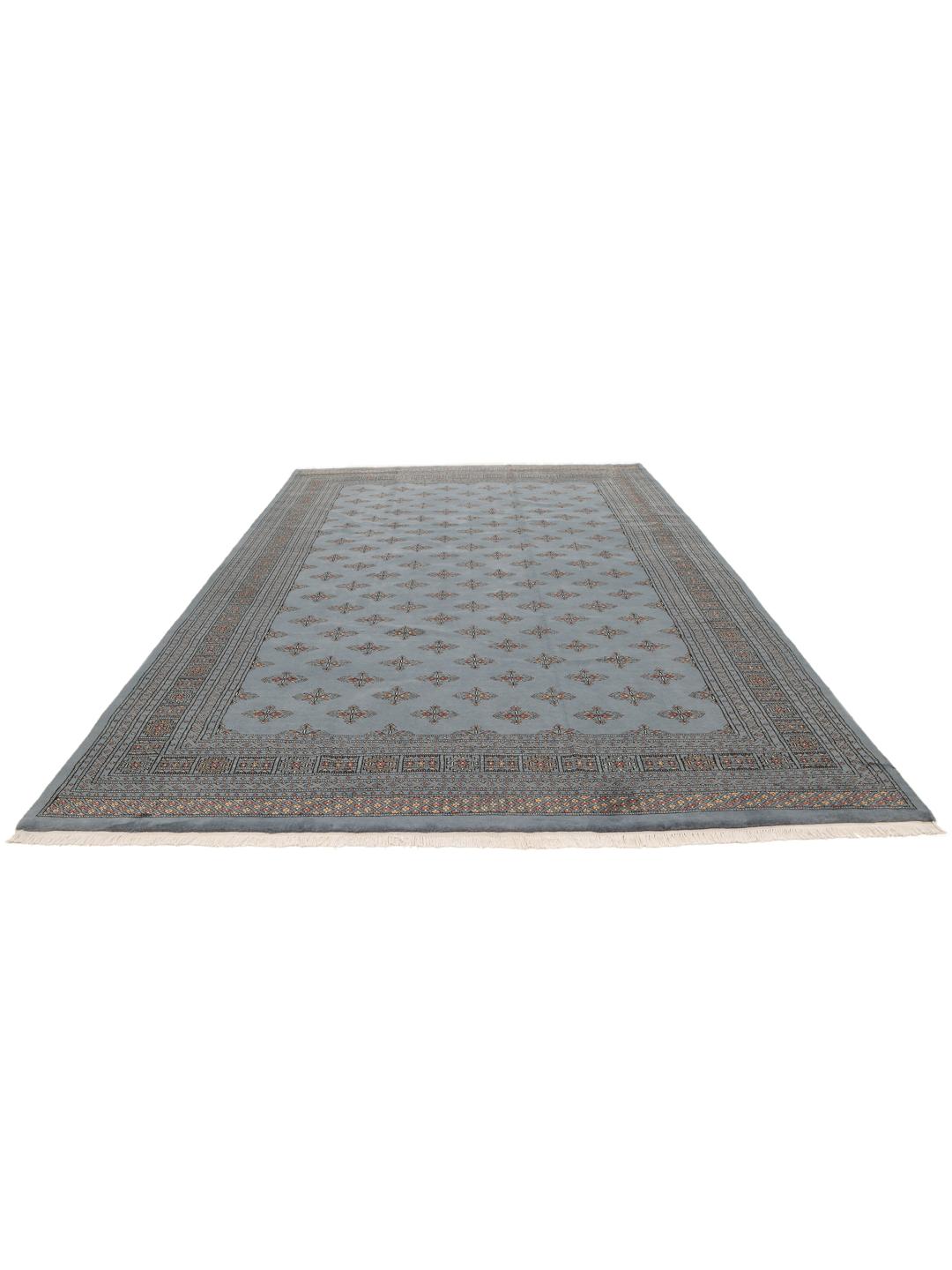
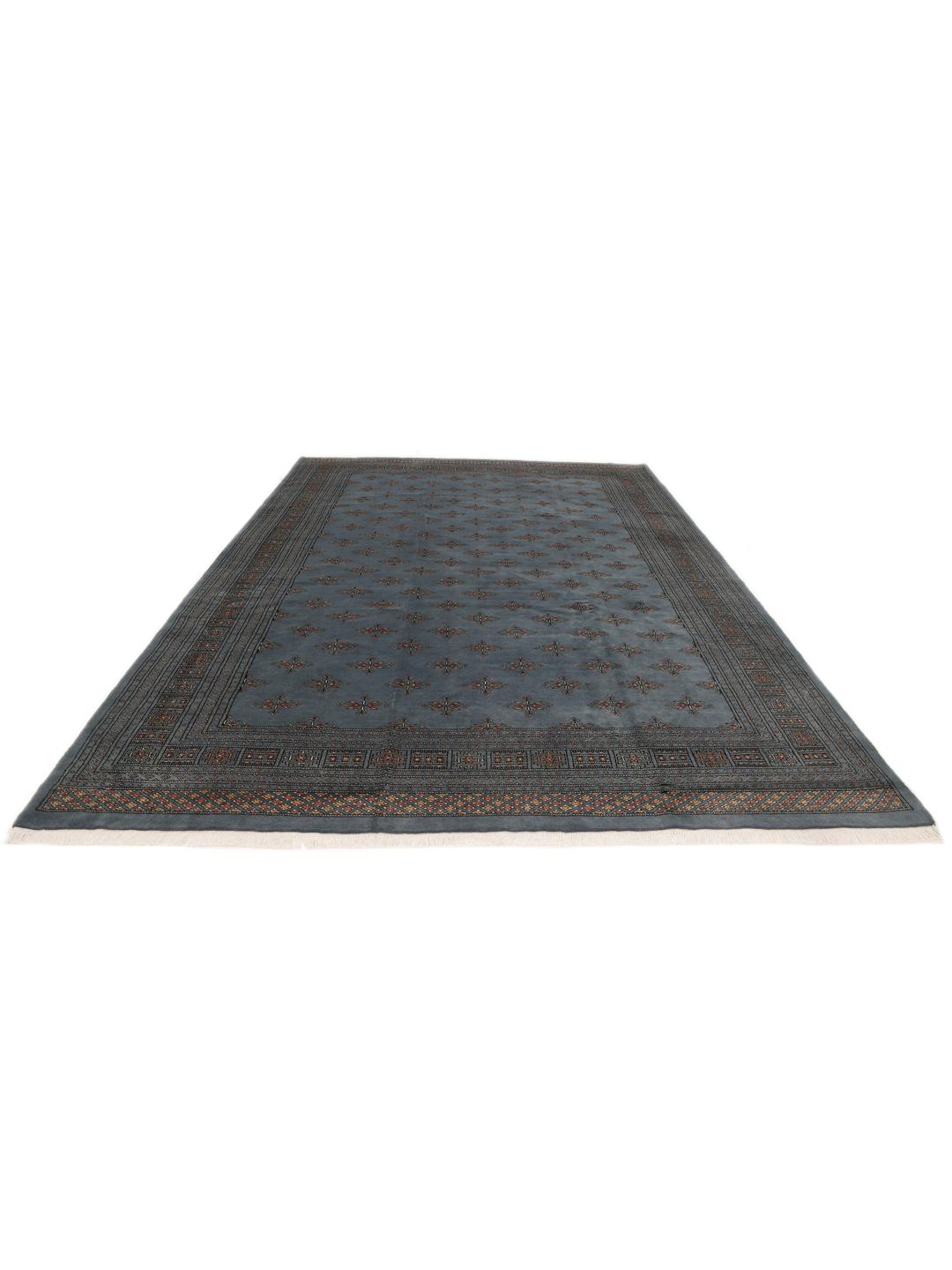
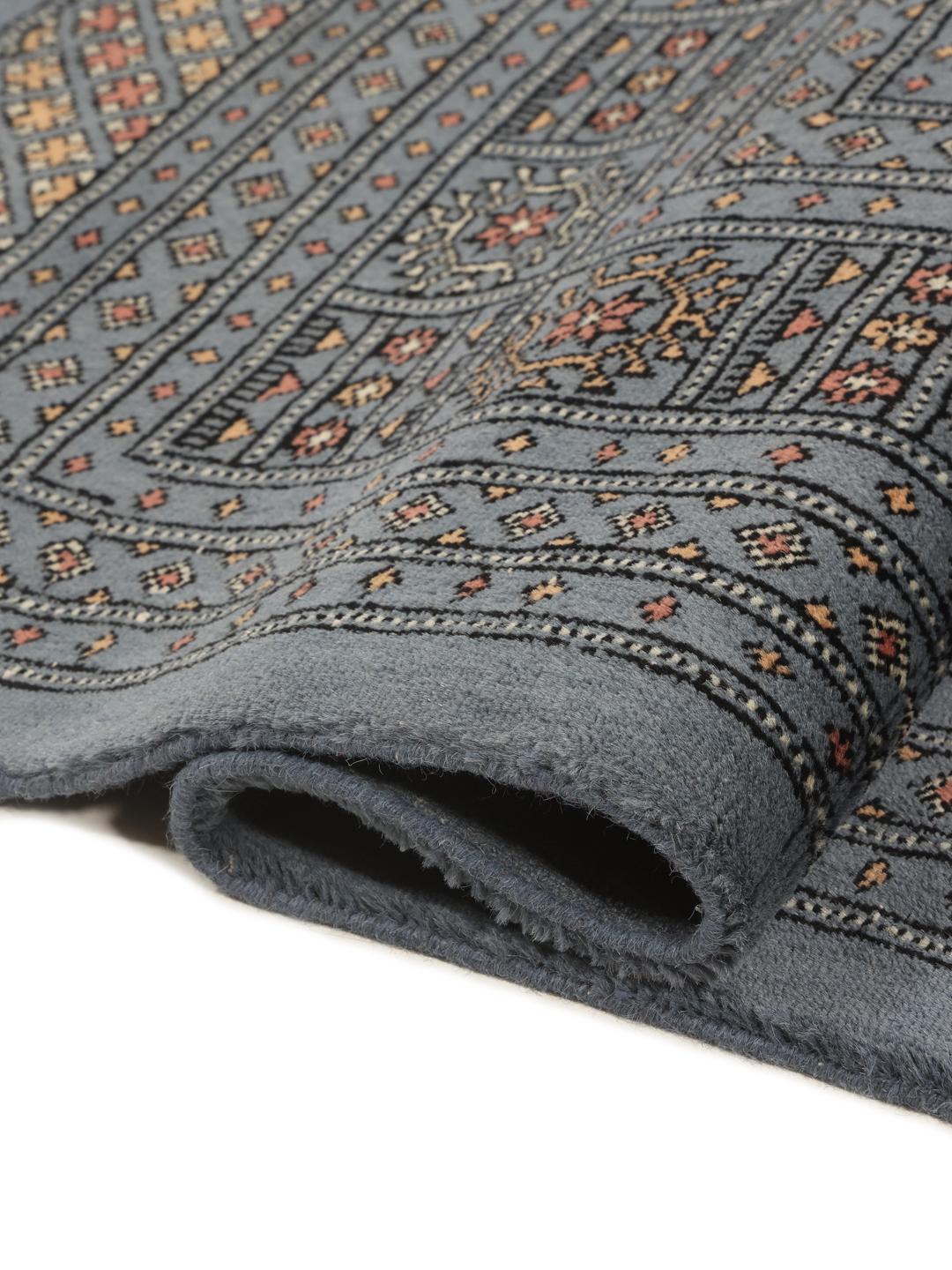
The Bokhara rug tradition is one of the most celebrated in the world of textiles, taking its name from the ancient Silk Road city of Bukhara in Central Asia. Historically, these rugs were produced by nomadic tribes who carried their weaving looms with them, creating pieces that served both functional needs and symbolic storytelling. Today, the finest examples of this style are woven in Pakistan, where the tradition has been preserved and refined by generations of expert weavers.
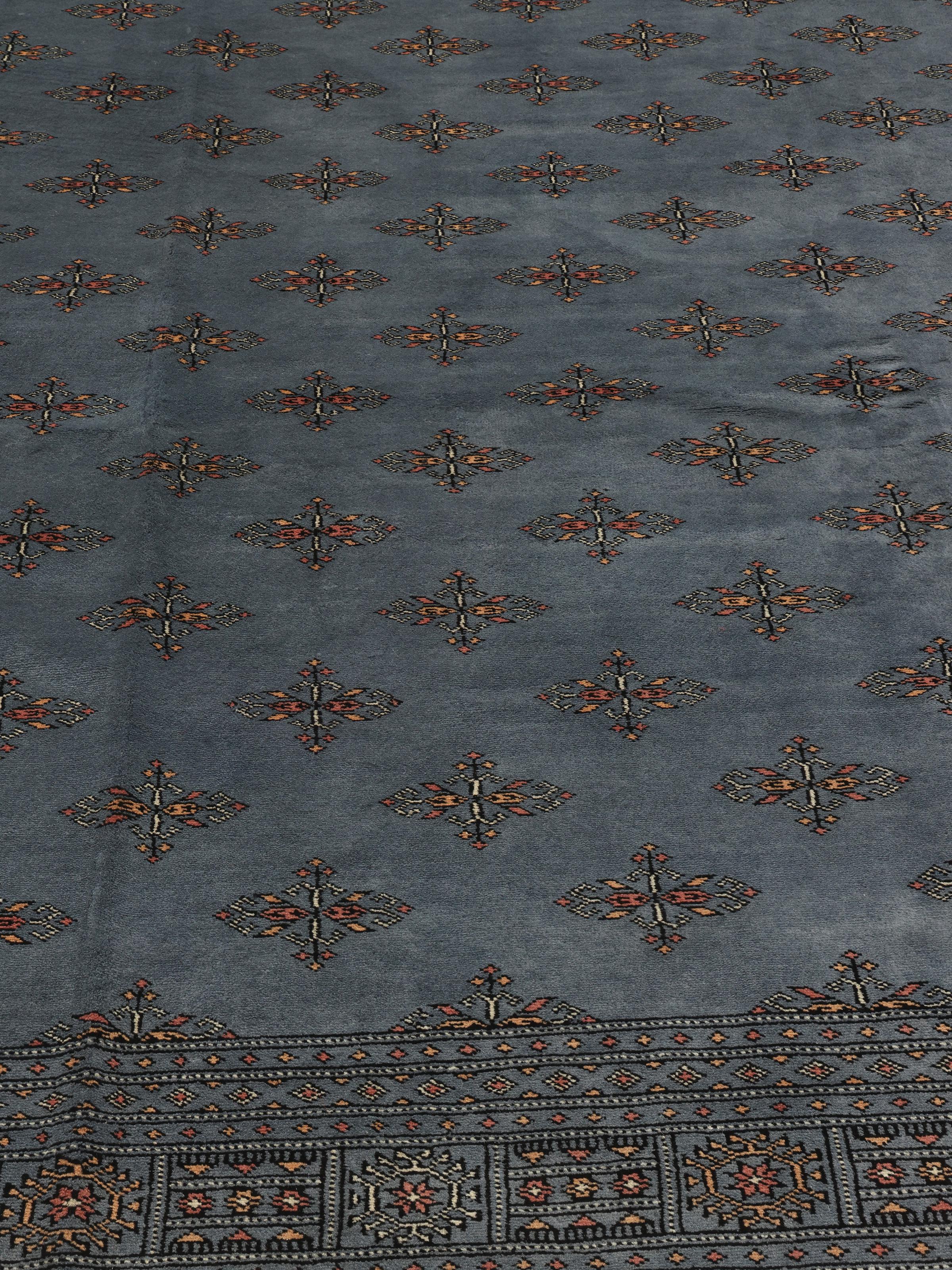
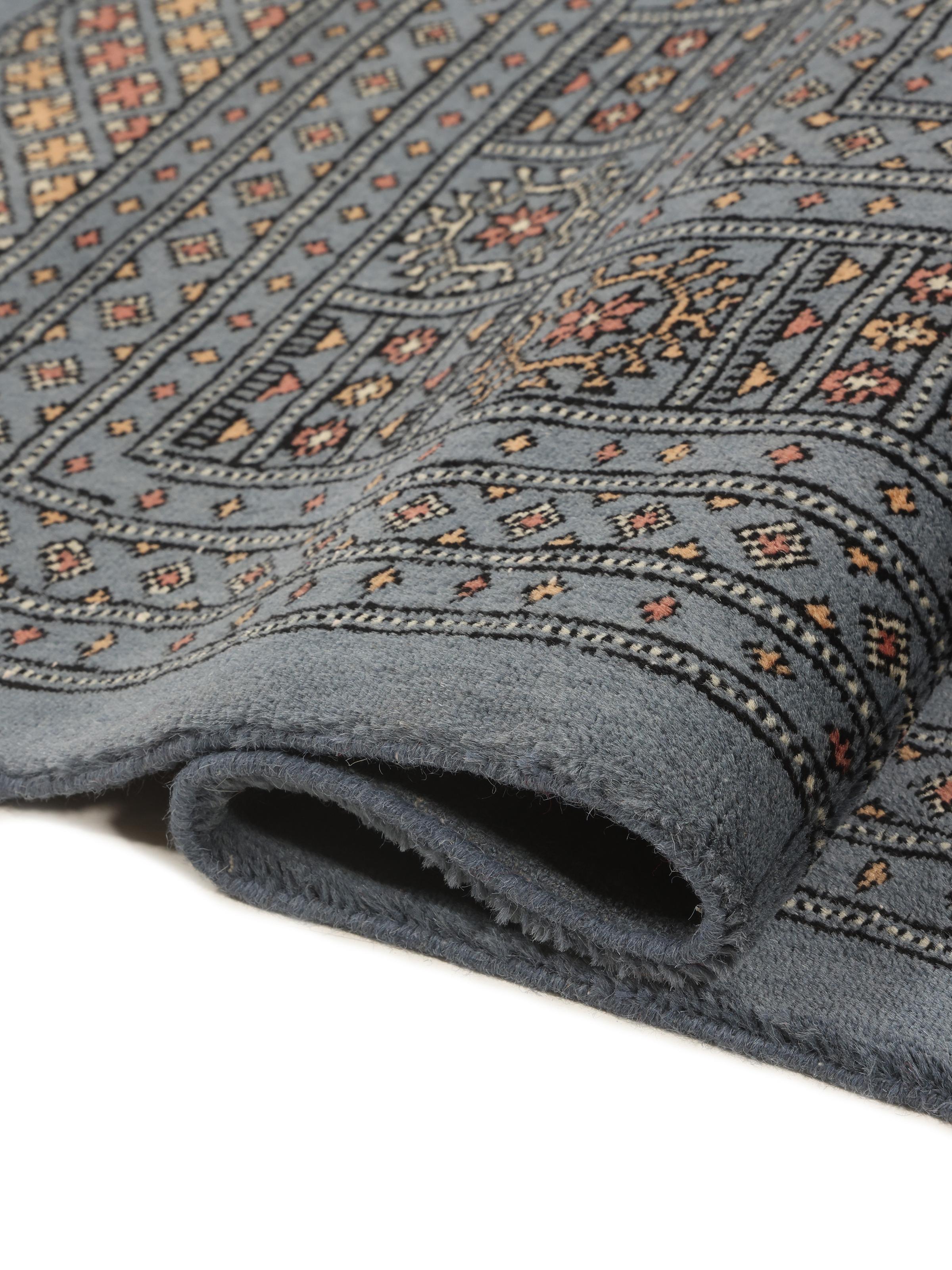
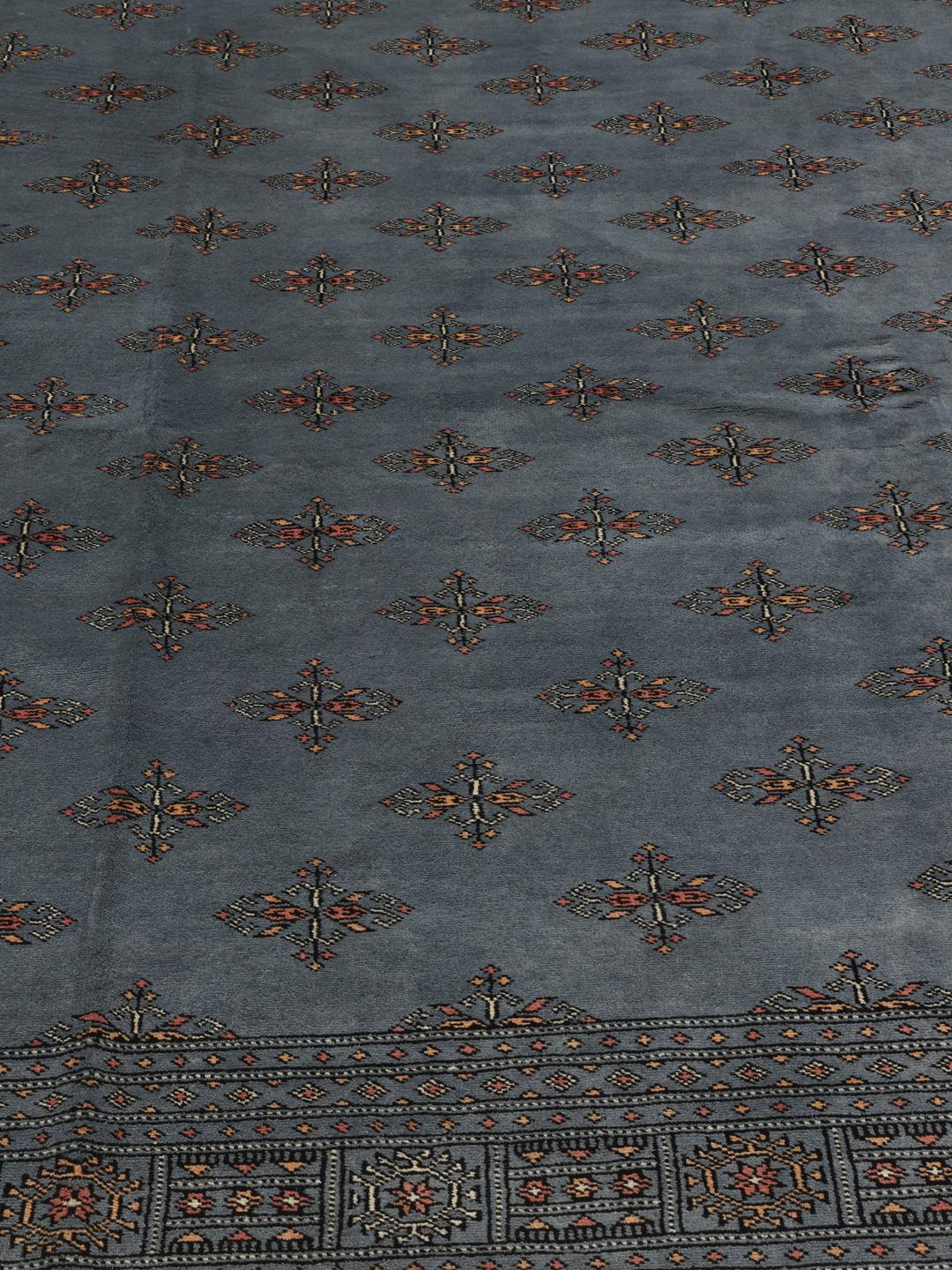
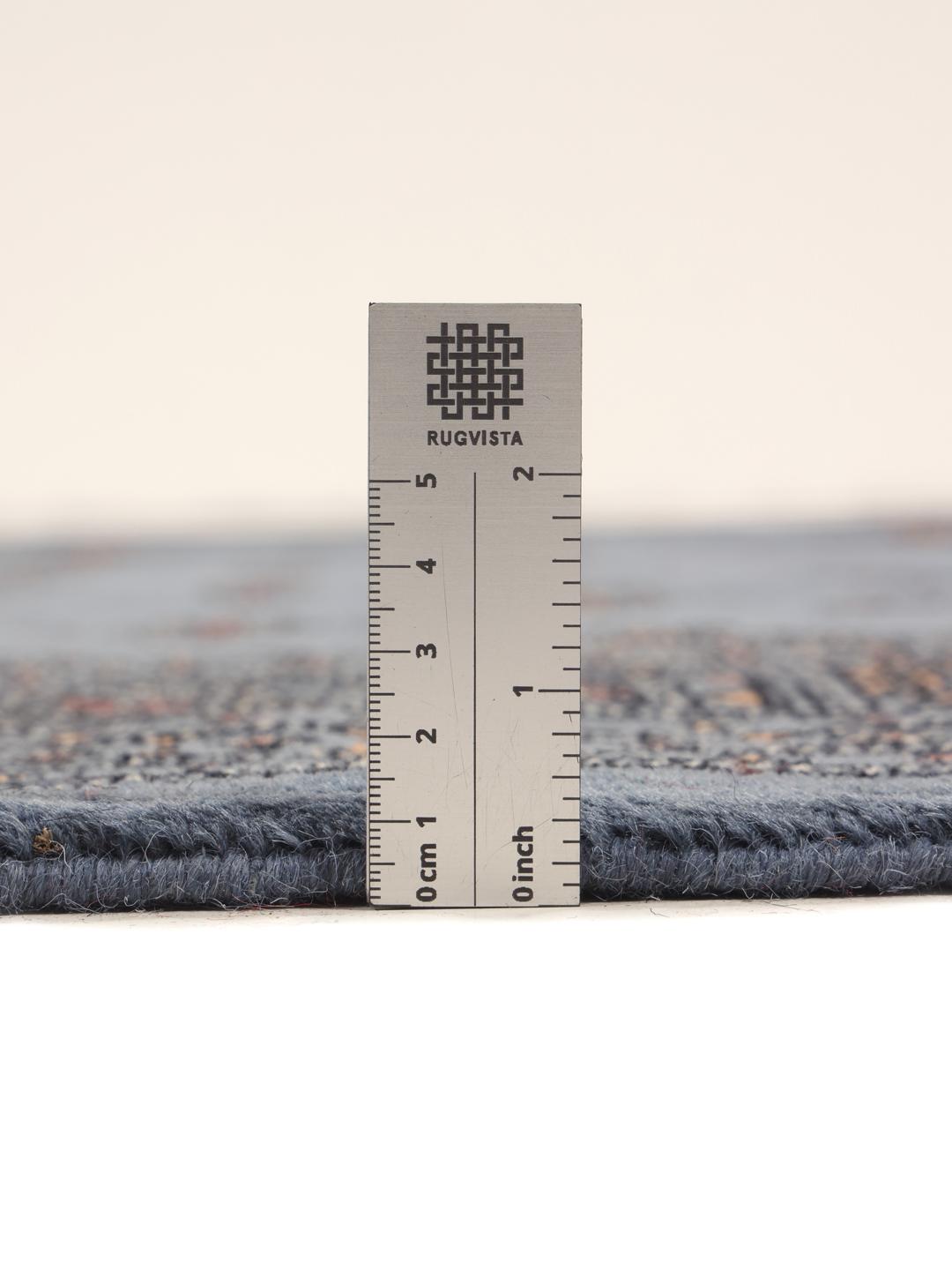
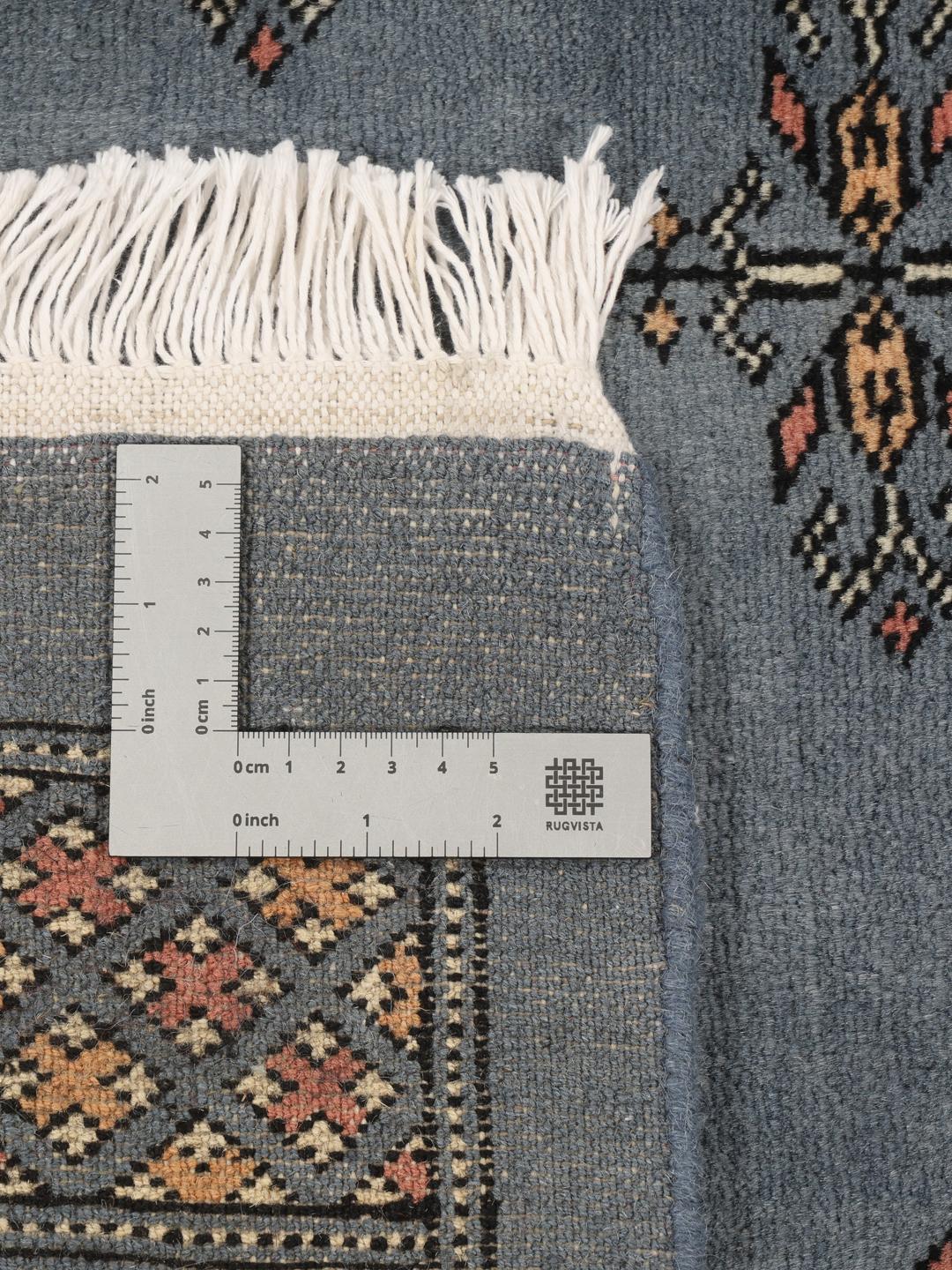
The designation '3ply' refers to the specific construction of the pile, where three strands of wool are twisted together before being knotted. This technical choice is significant because it produces a pile that is thicker, more lustrous, and remarkably resilient compared to standard single-ply construction. This added density enhances the depth of the color and ensures that the rug can withstand the demands of daily life while maintaining its soft, inviting texture.
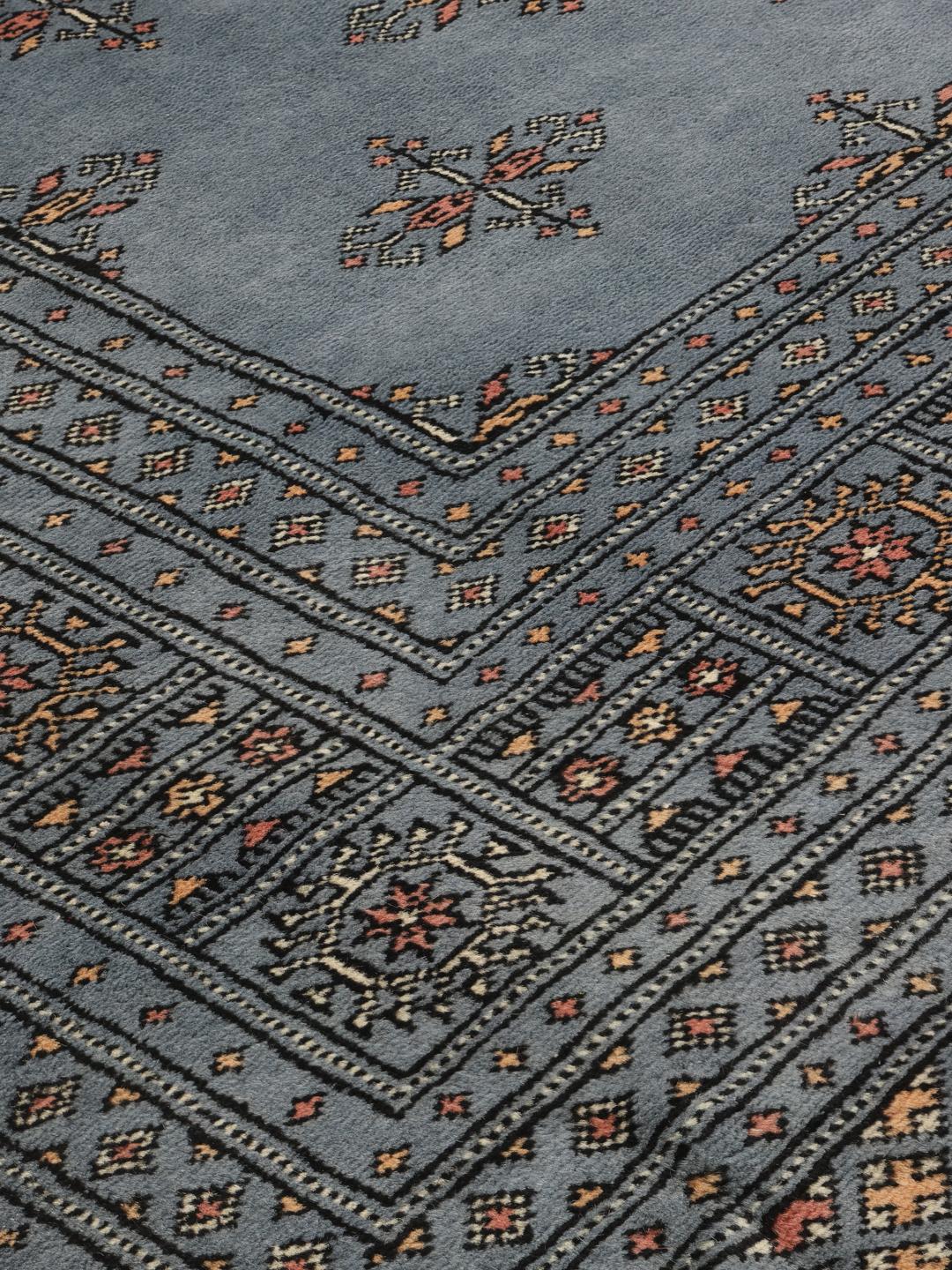
Visually, Bokhara rugs are known for their formal, repeating motifs. While traditional designs often feature the 'gul' or elephant-foot medallion, this piece showcases a sophisticated floral motif that reflects the evolution of the style. The borders are equally important, often containing complex geometric or floral patterns that frame the field and draw the eye inward, creating a sense of balance and order that is central to the Bokhara design philosophy.
Collecting a Pakistan Bokhara rug is an investment in cultural heritage and human skill. These rugs are valued not only for their beauty but for the immense patience and technical mastery required to create them. Owning one is a commitment to quality and a way to connect your modern home to a centuries-old tradition of artistic expression. It is a piece that carries the weight of history and the warmth of a human touch.