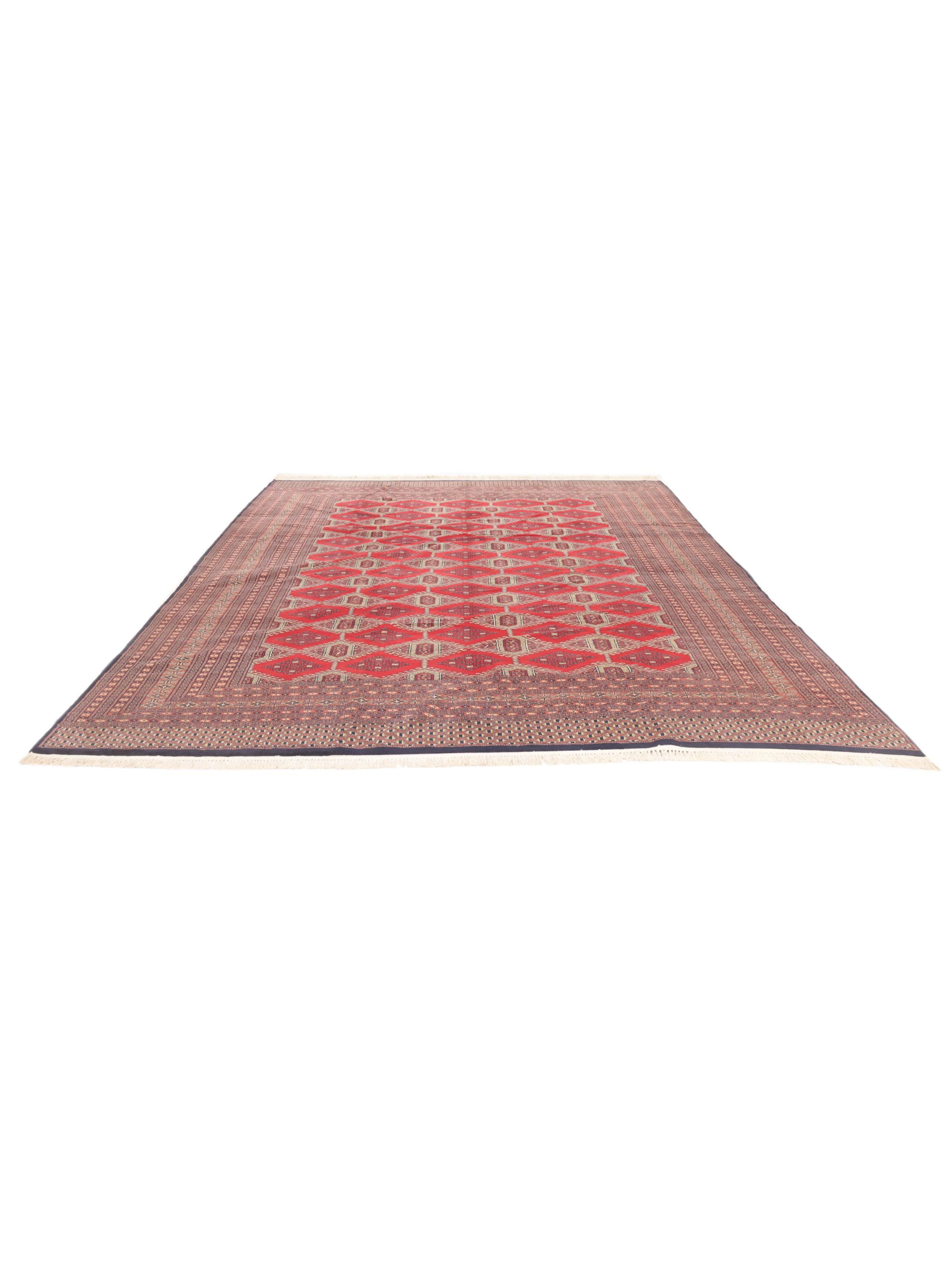
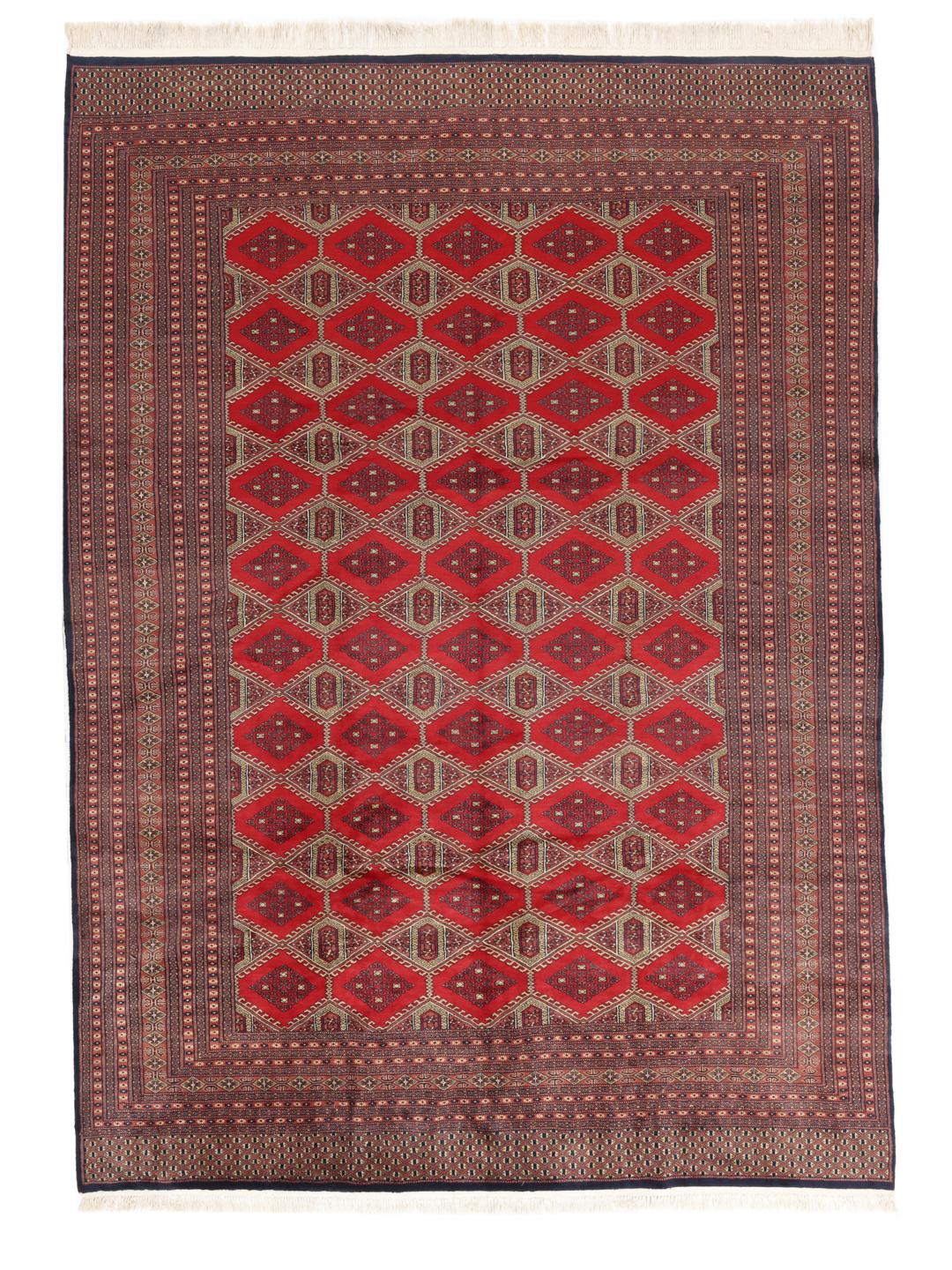
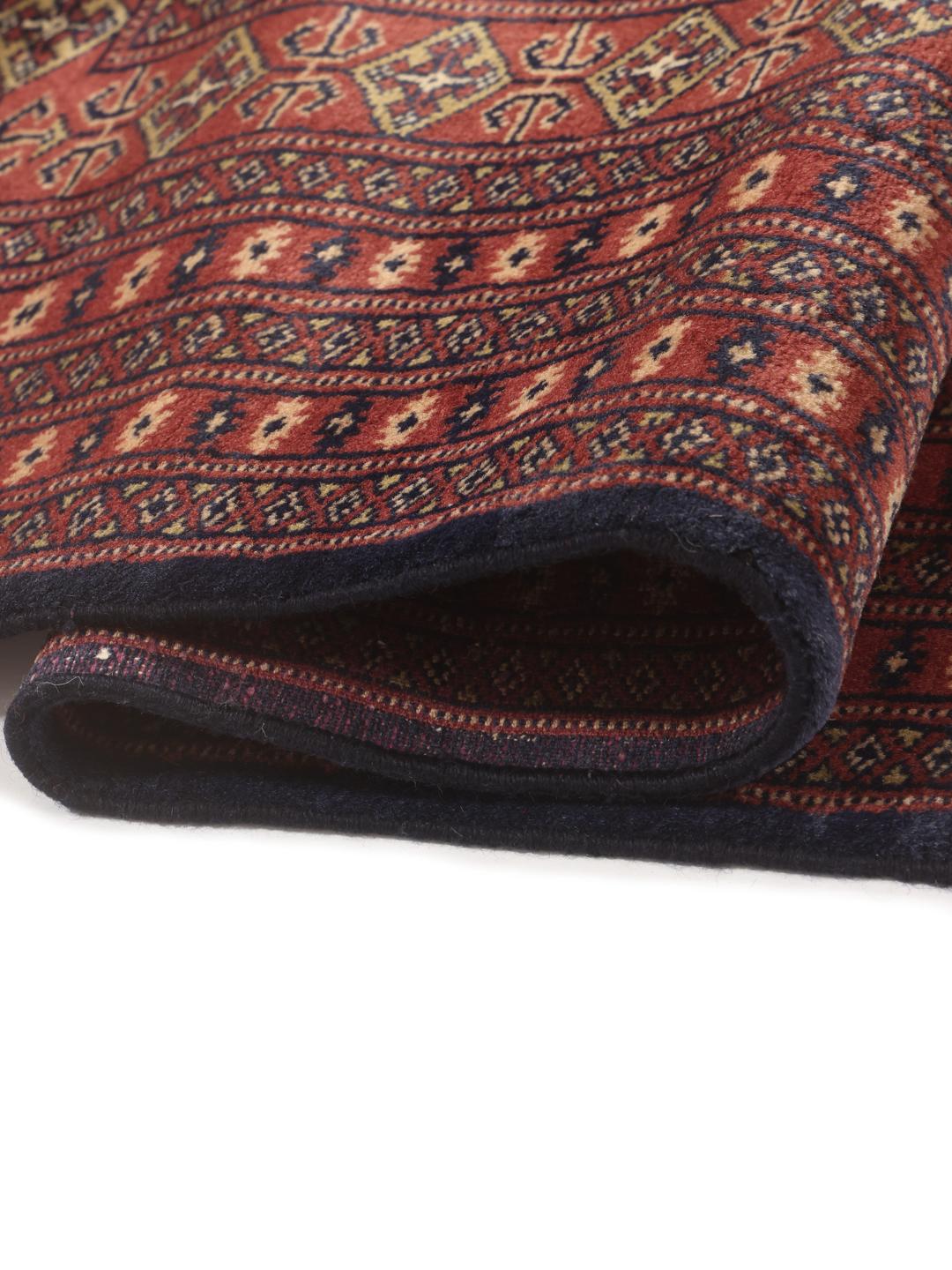
The Bokhara rug tradition takes its name from the ancient Silk Road city of Bukhara in Central Asia, where these designs were historically traded and celebrated. Over time, the production of these iconic rugs migrated to Pakistan, where the tradition has been refined and perfected by talented weavers who have kept the intricate techniques alive for generations.
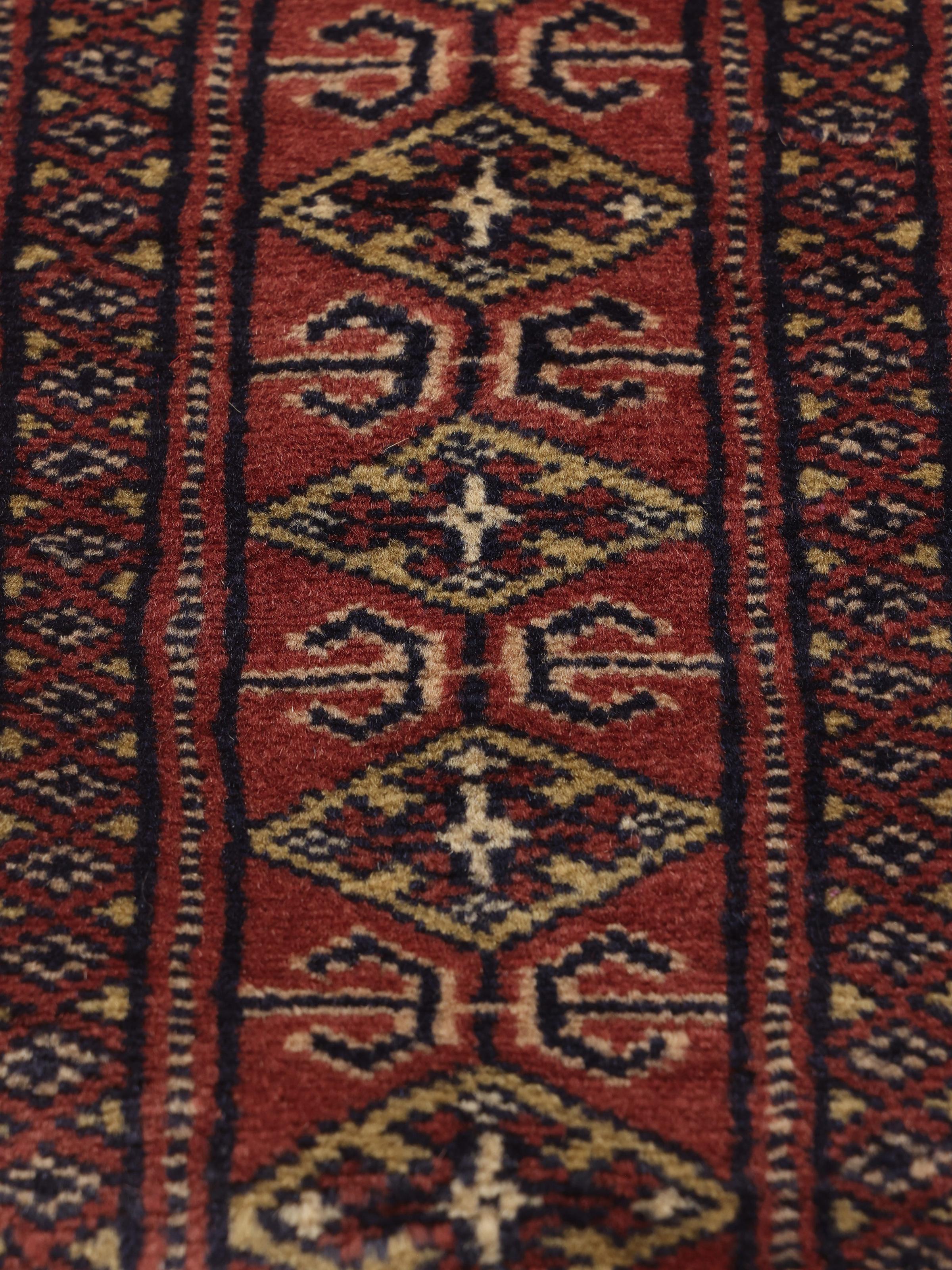
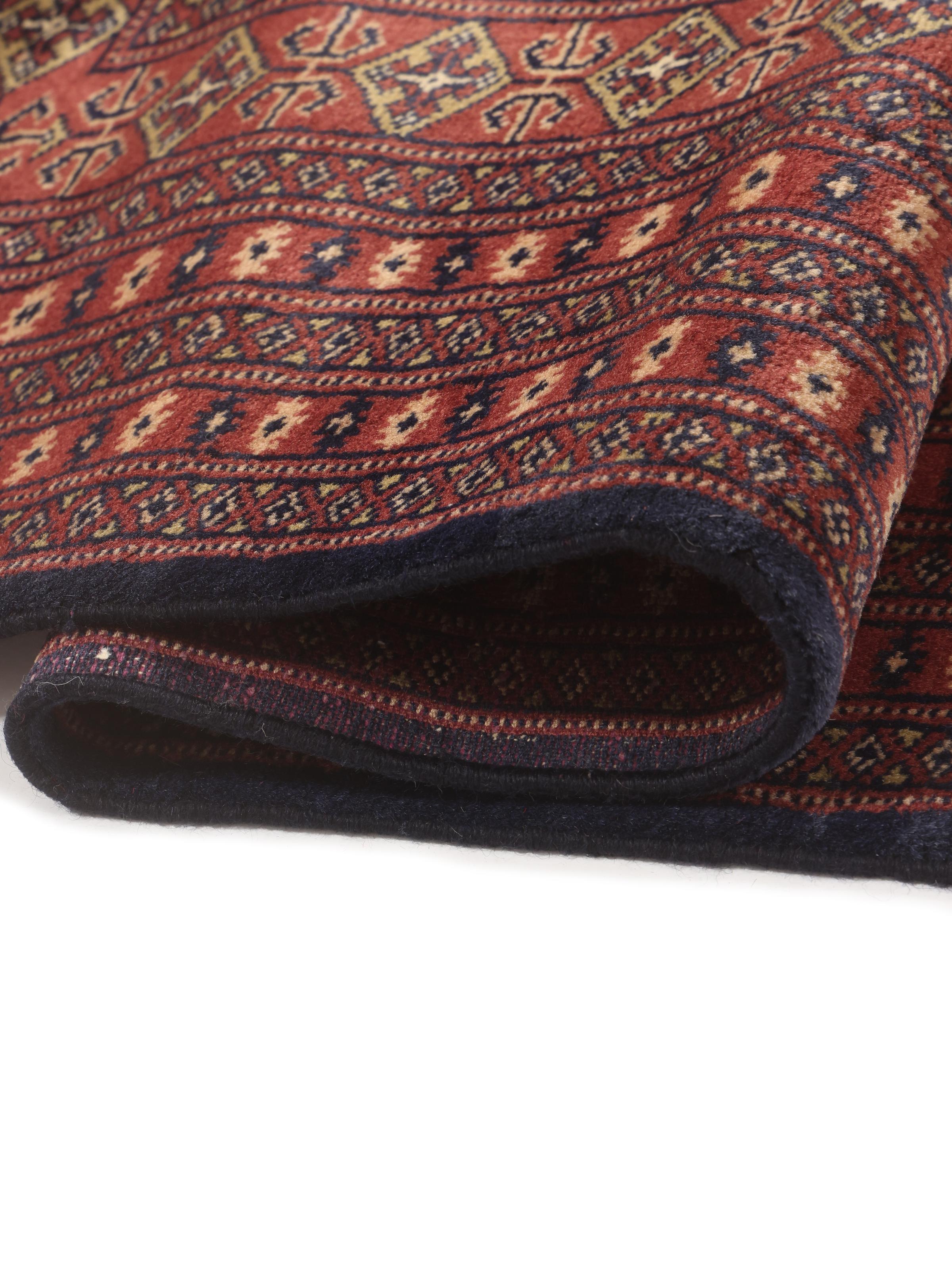
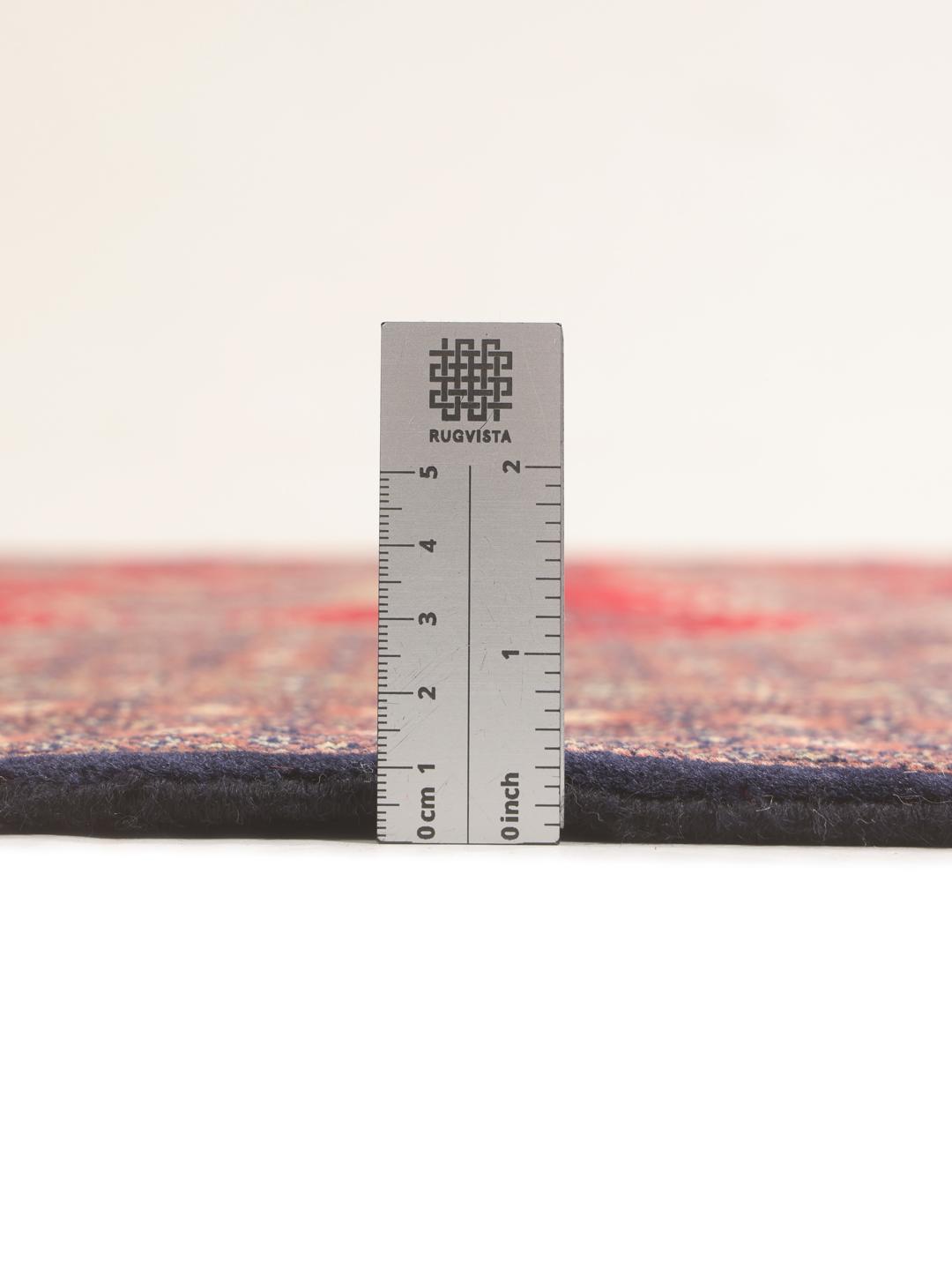
The term '3ply' refers to the construction of the yarn used for the pile, where three strands of wool are twisted together before being knotted. This specific method is significant because it results in a thicker, more durable, and exceptionally soft pile compared to single-ply alternatives. It provides a luxurious feel underfoot while ensuring the rug can withstand the demands of a busy household.
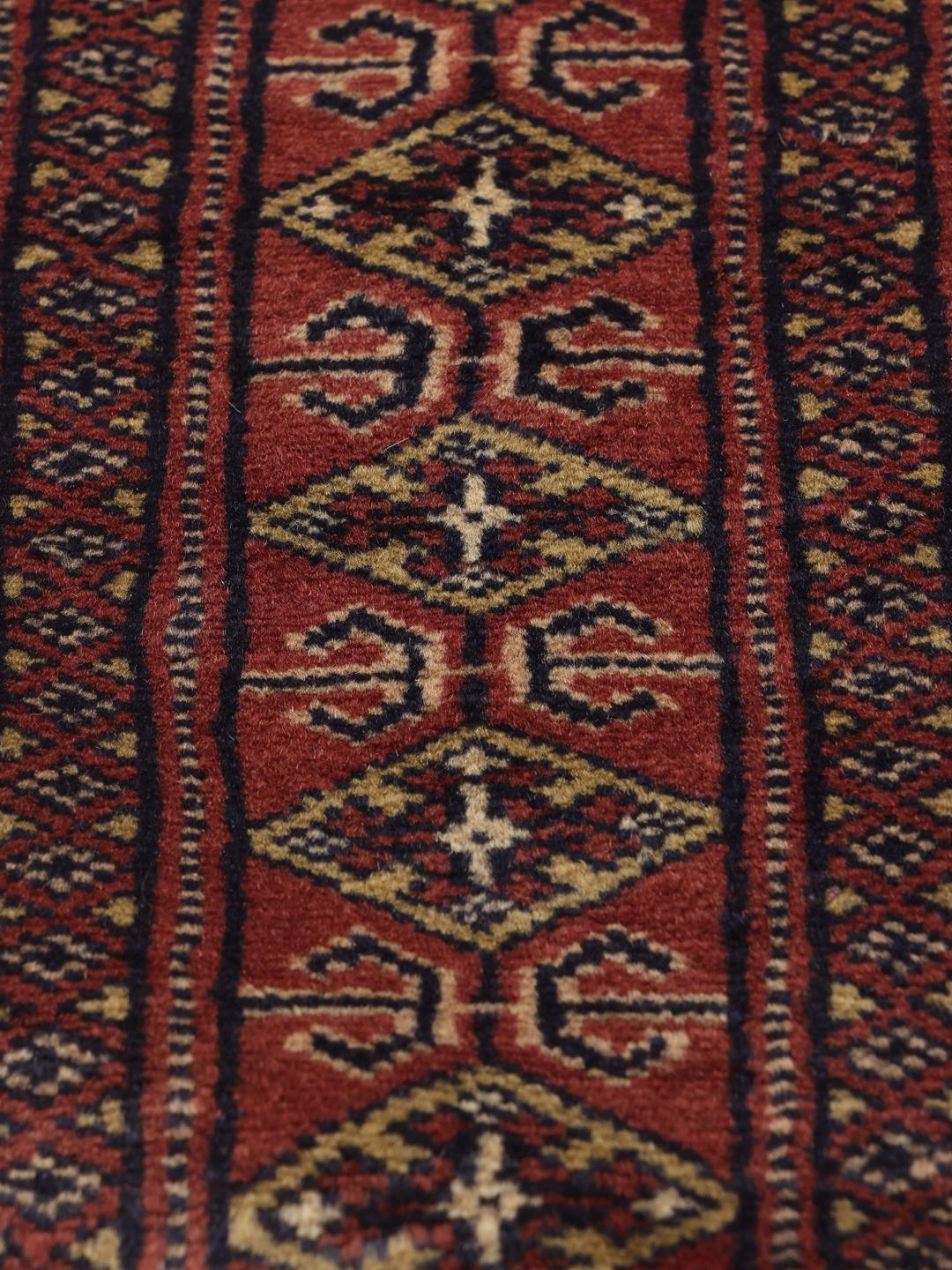
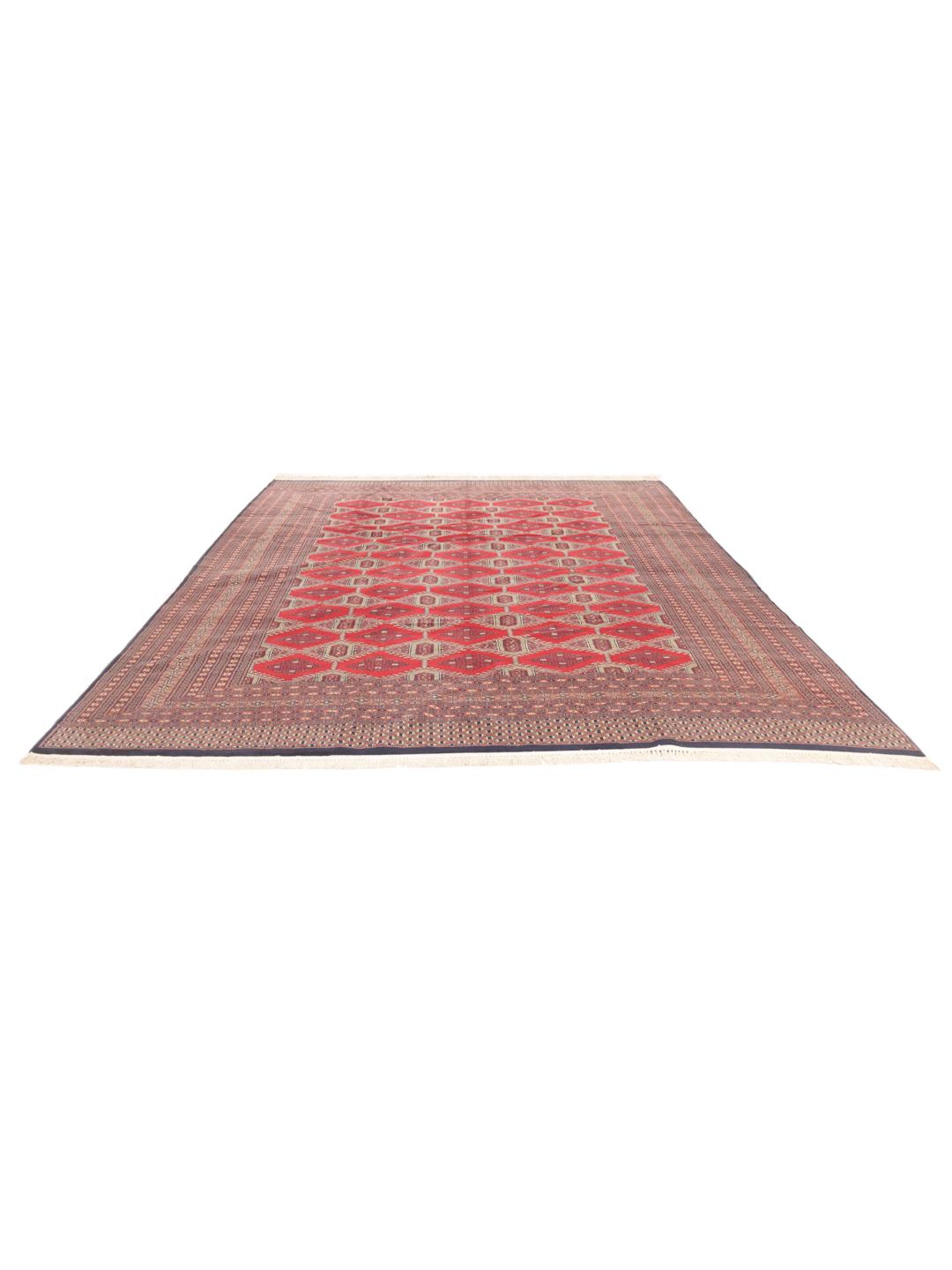
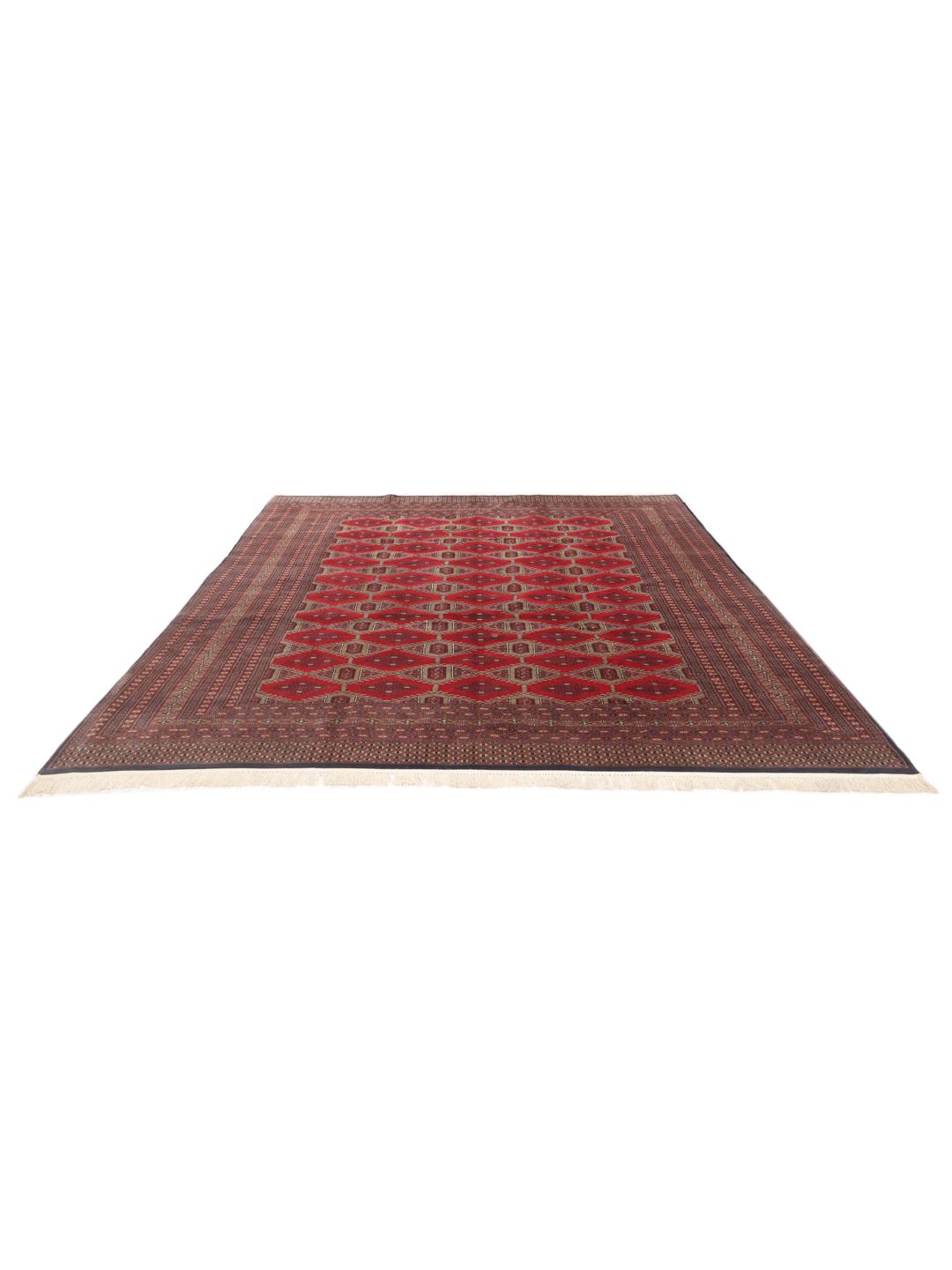
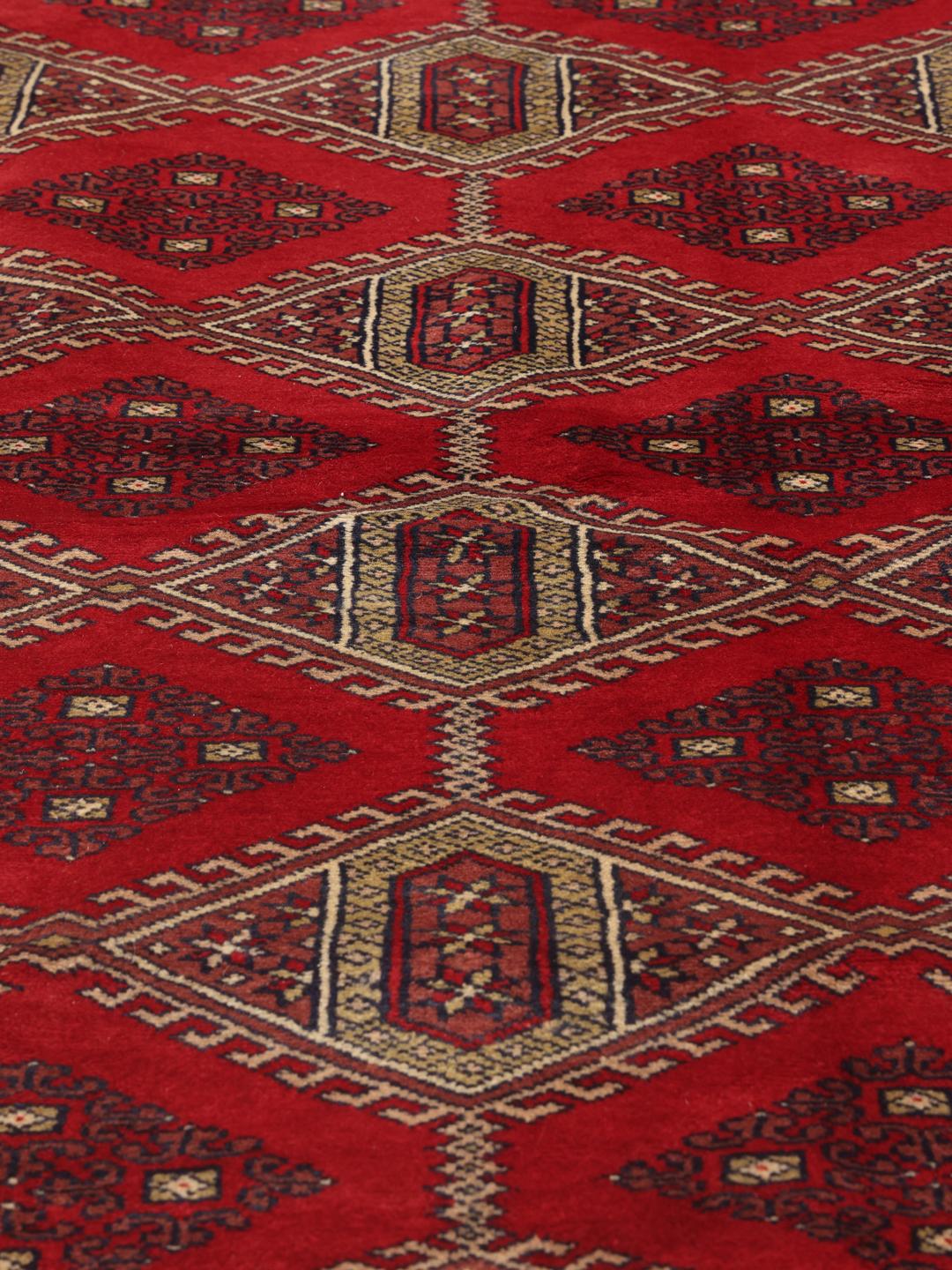
Bokhara rugs are most famous for their distinctive 'gul' motifs, which are repeating geometric medallions arranged in rows across the field. These shapes, often resembling elephant footprints, are enclosed by complex, repetitive borders that frame the design beautifully. While red is the most traditional and classic colour choice for this style, it remains the most sought-after for its ability to create a warm and inviting atmosphere.
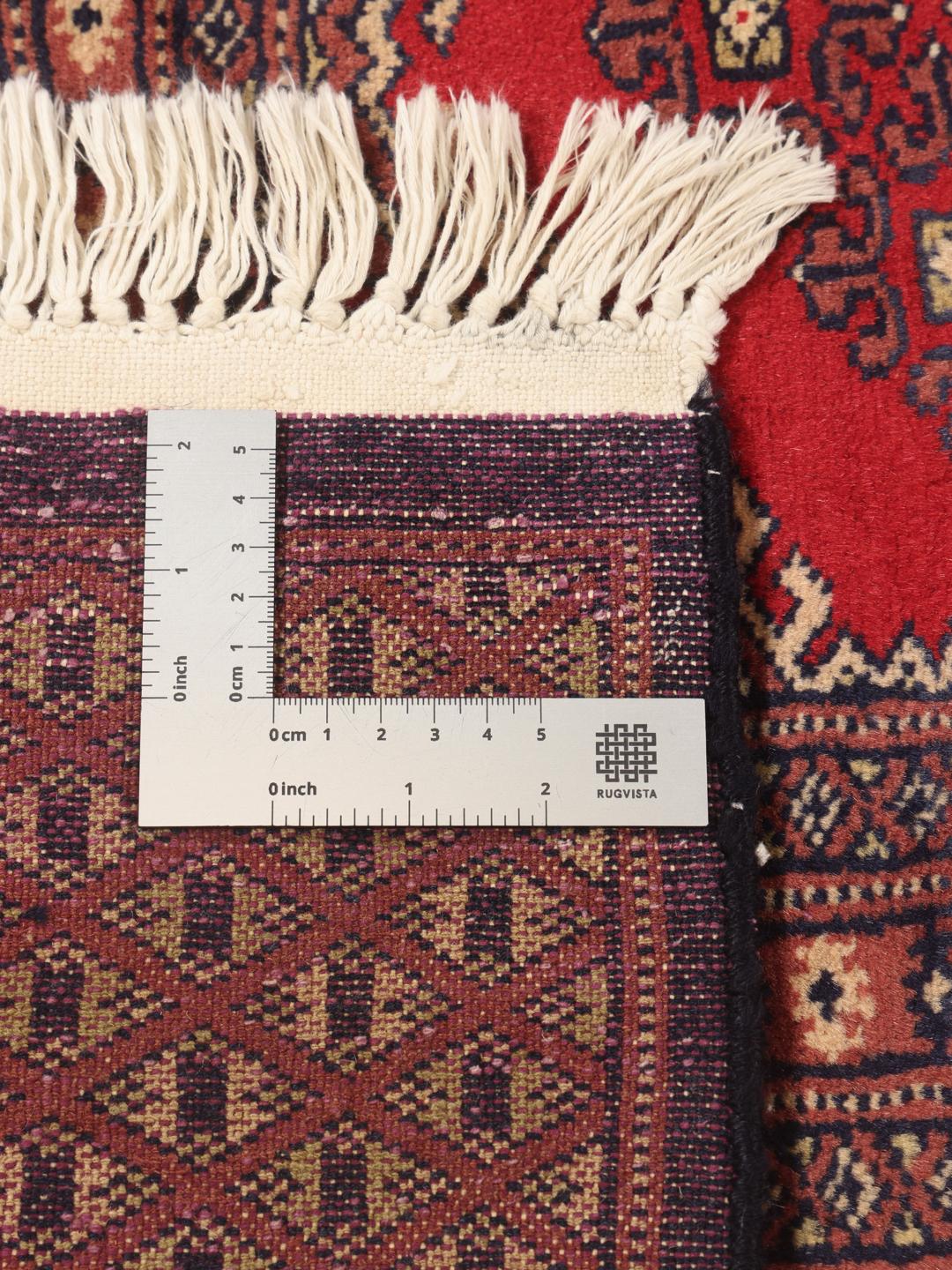
Owning a hand-knotted rug from this tradition is an investment in cultural heritage and human skill. These pieces are valued by collectors and homeowners alike not just for their aesthetic beauty, but for the story they tell of craft, patience, and tradition. By choosing this rug, you are acquiring a piece of history that has been crafted to endure.